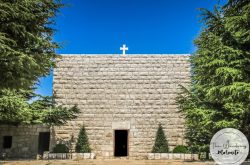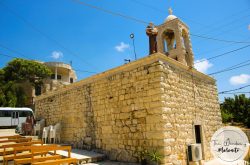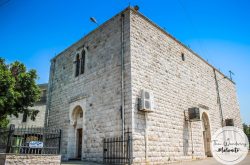

Mrouj – The church of St Thecla

Mar Takla Church, Mrouj, Lebanon

Other Details

كنيسة مارت تقلا

Mrouj

Metn

Mount Lebanon

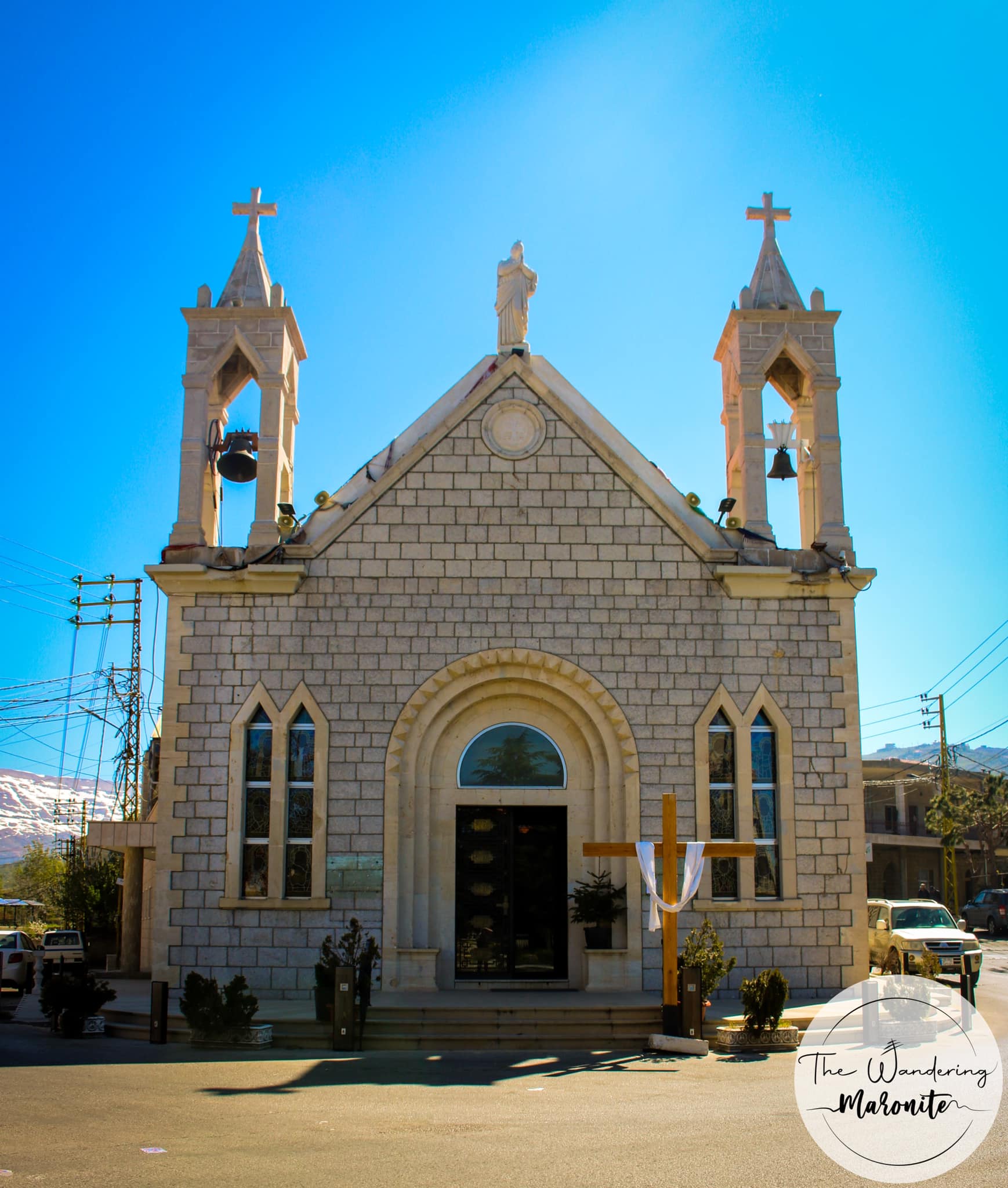
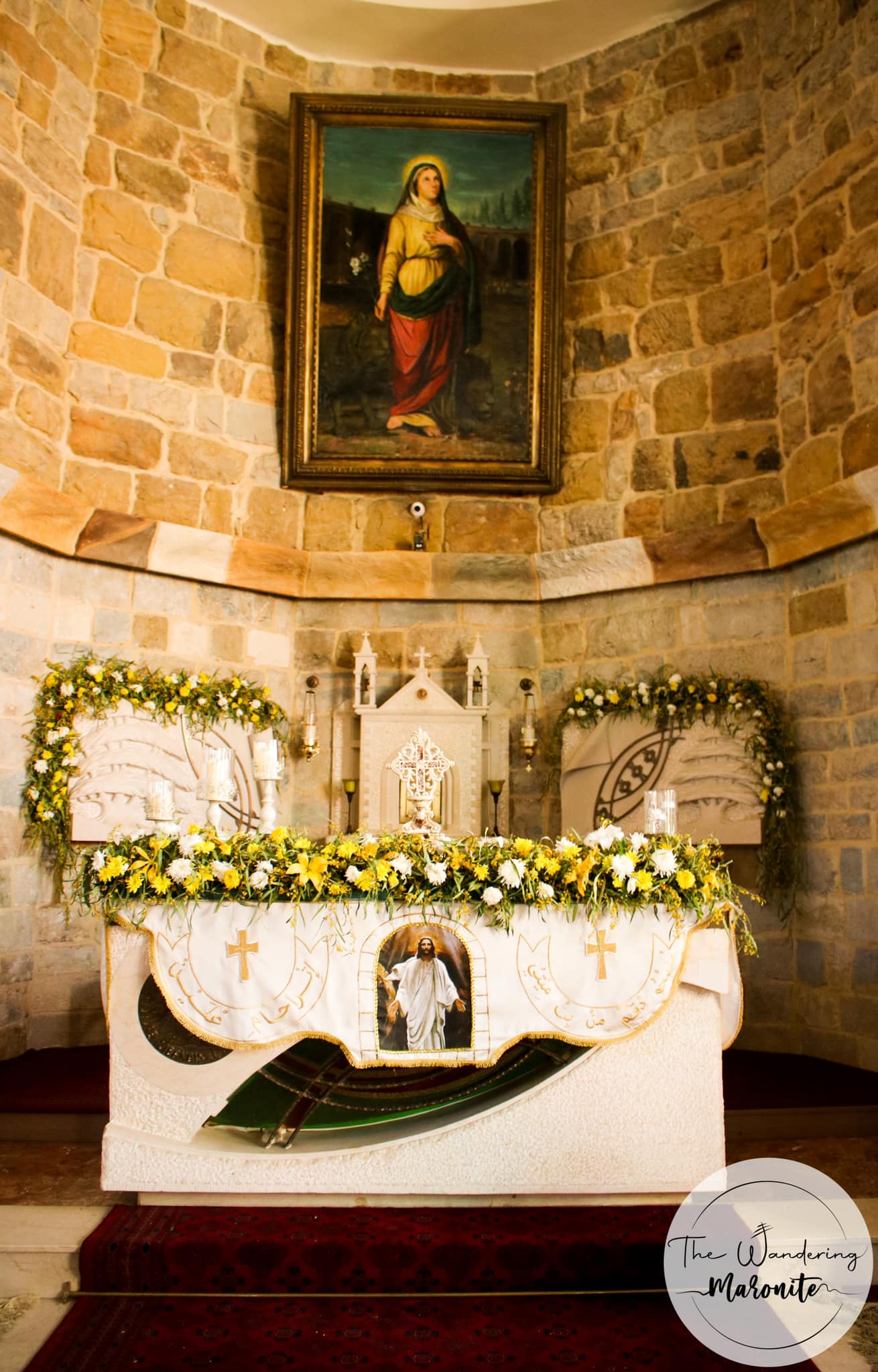
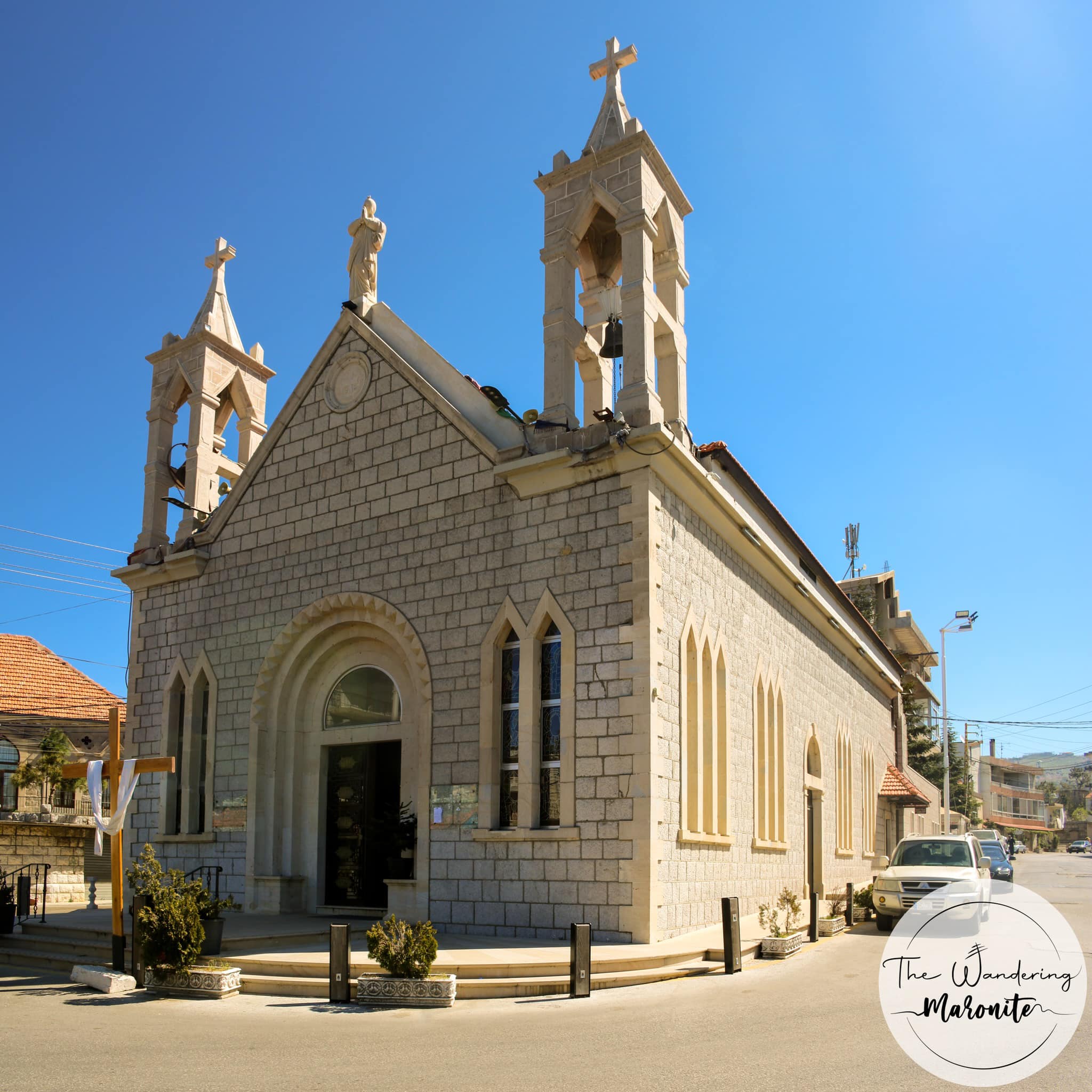
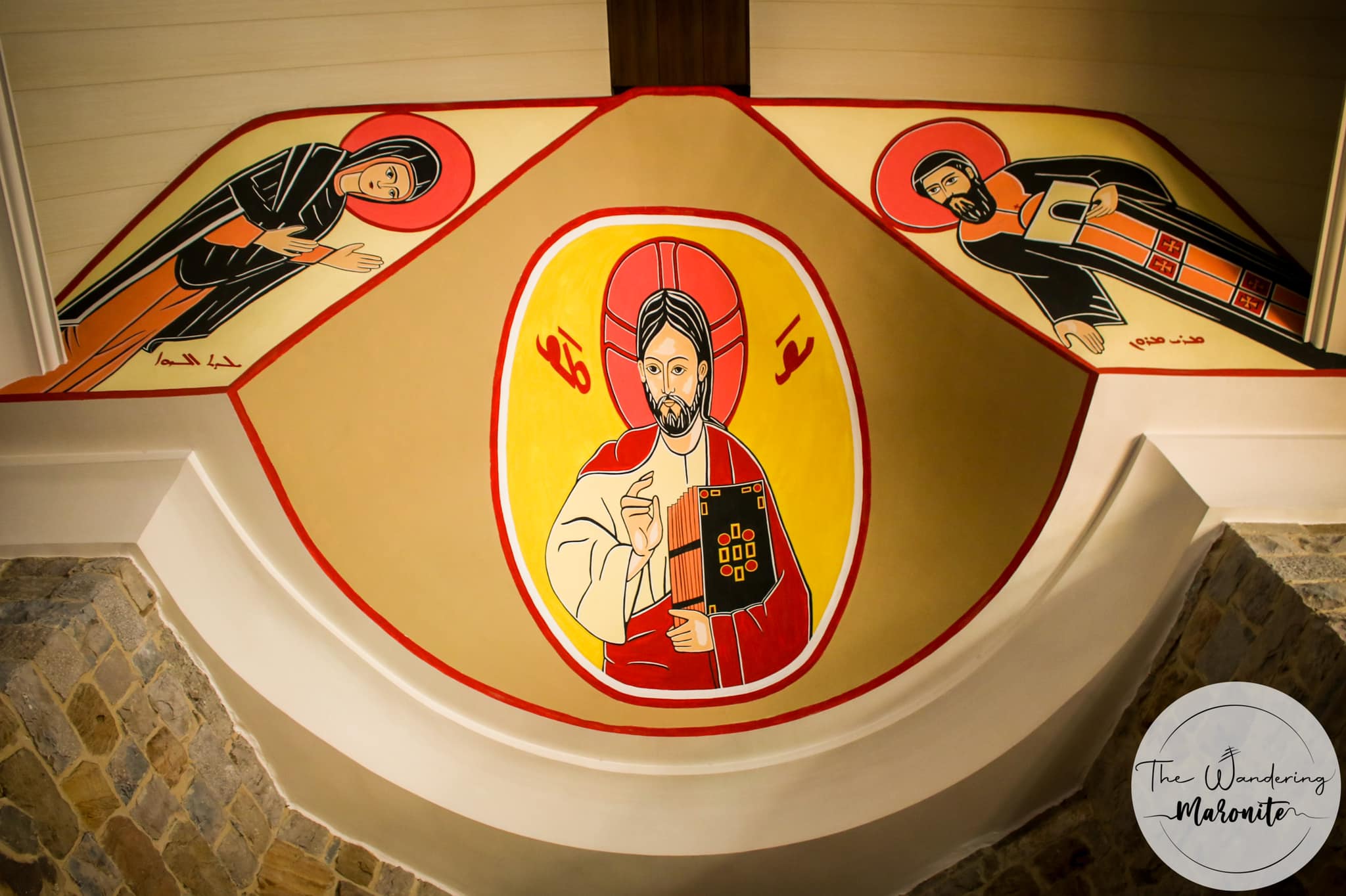
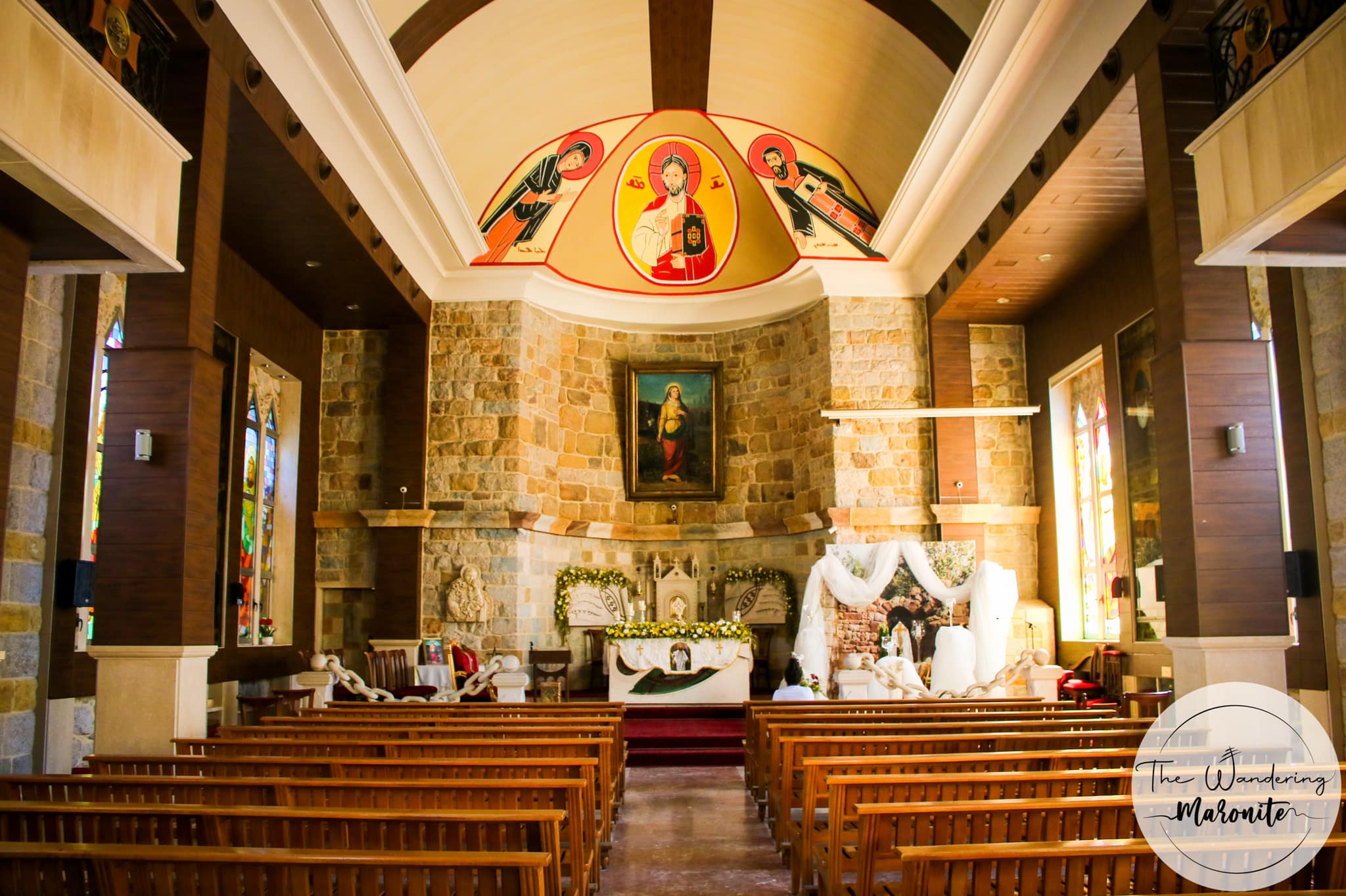
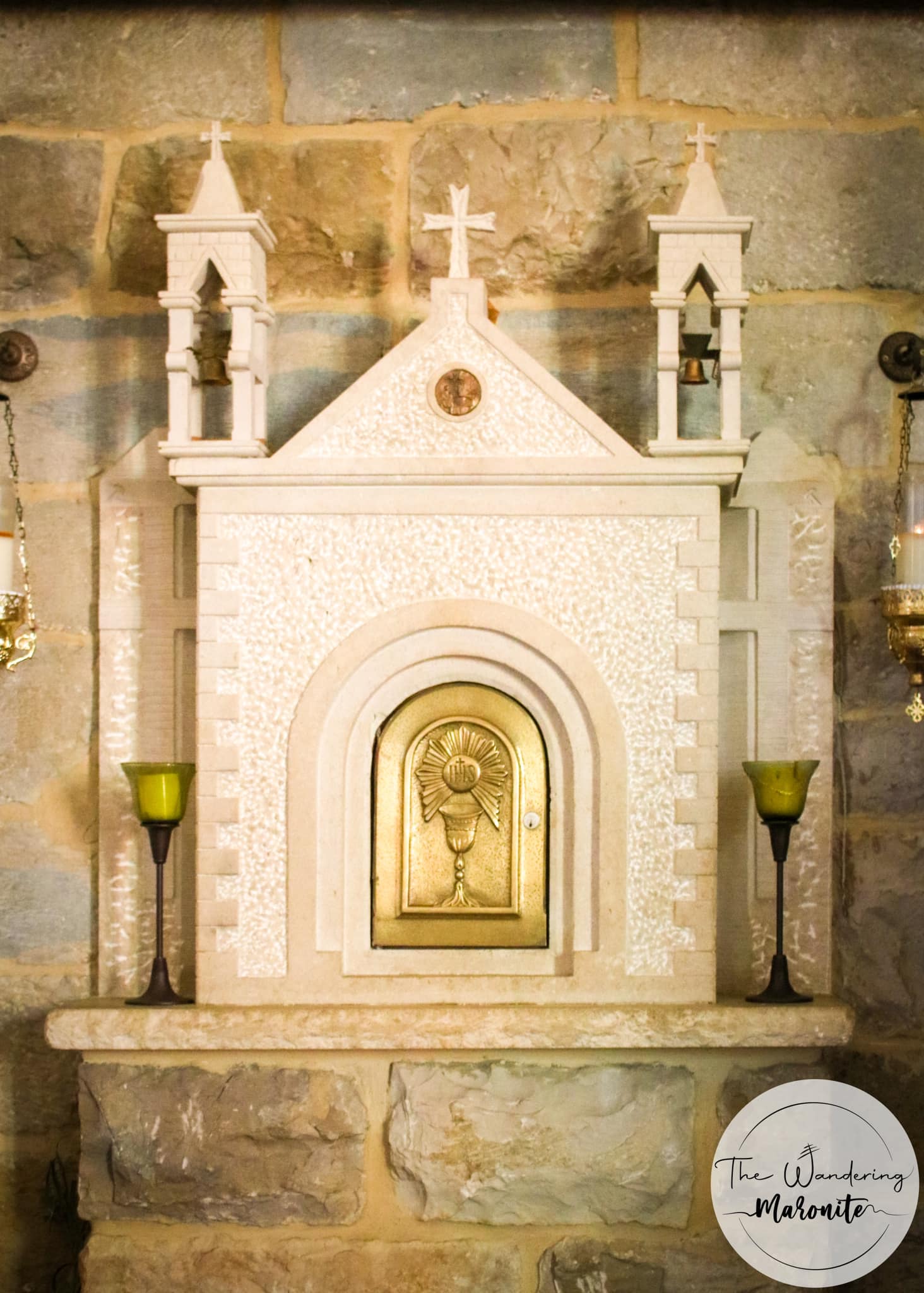
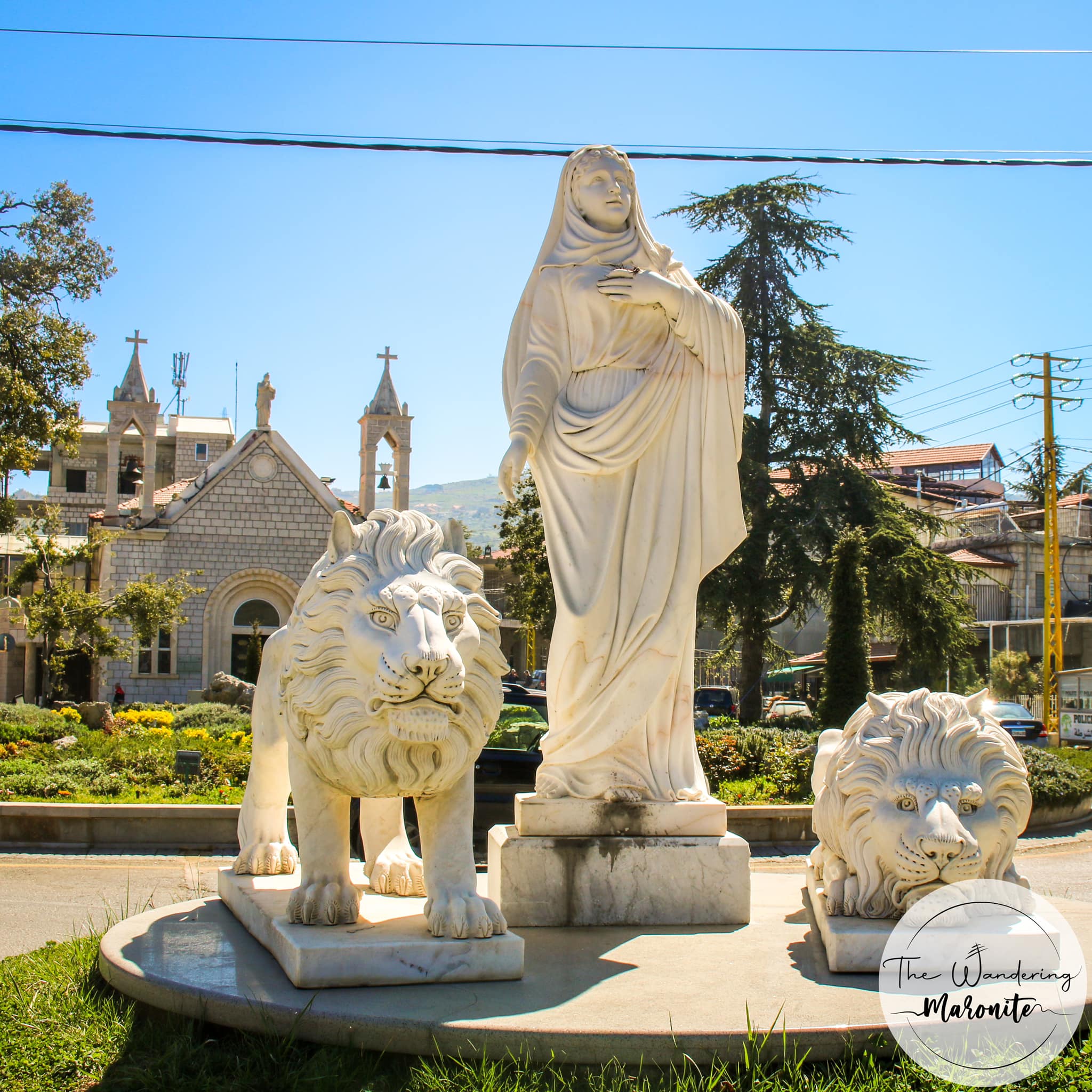
كنيسة مارت تقلا - المروجالكنيسة مبنيّة أوائل القرن الثامن عشر، تسلّمتها الرهبانيّة اللبنانيّة المارونيّة سنة ١٧٩٢، وكانت الكنيسة متهدّمة فرممّتها، وقامت بخدمة شركاء آل أبي اللمع المسيحيّين. سنة ١٨٢٩ وسّع الرهبان بناء الكنيسة التي أخذت شكلها الحاليّ سنة ١٩٢٩: نمط بازيليكيّ مسقوف بسوقٍ واحد. للرهبانيّة أنطش بالقرب من الكنيسة تتابع من خلاله النشاط الرعويّ والرسوليّ. تضمّ الكنيسة العديد من اللوحات والأعمال الفنيّة القديمة والحديثة من مدارس مختلفة، أهمّها لوحة القدّيسة تقلا لحبيب سرور.The church of St Thecla - MroujThe first church was built in the early XVIIIth century, and was given as a donation to the Lebanese Maronite Order in 1792 to restore it and give pastoral care to the maronite subjects of the Abi Al Lamah lords. In 1829 the monks enlarged the church and it took its current form in 1929: a single roofed nave basilical plan. The Order built a presbytery near the church and serves the parish spiritual needs. The church is decorated with many old and new works of art from different schools, the most important being the painting of St Thecla behind the altar.

Visited 3882 times, 2 Visits today

Reviews are disabled, but trackbacks and pingbacks are open.

Related Listings

Lehfed – The church of St Stephen

St. Estephan Church, Lehfed, Lebanon

كنيسة مار أسطفان

Lehfed

Jbeil

Mount Lebanon

كنيسة مار أسطفان - لحفد

الكنيسة بالأصل كانت معبدًا رومانيًّا على تلّة حوّله الصليبيّون إلى بُرجٍ للمراقبة، سكنه مقدَّموا لحفد. سنة ١٨١٠ تحوّل المكان إلى كنيسةٍ بعقدٍ مُصالبٍ لتكون رعيّة البلدة. مذبح الكنيسة ولوحة مار أسطفان، مُستوردان من إيطاليا بسعي من أبناء البلدة في بيروت أواخر القرن التاسع عشر. حمل إبن لحفد الطوباوي أسطفان نعمه شفاعة صاحب الكنيسة وتكنّى باسمه عند دخوله الرهبانيّة.

The church of St Stephen - Lehfed

The church was originally a pagan roman temple on a hill that was converted into a watch tower by the crusaders, after they left the land the maronite lords of Lehfed used it as residence. In 1810 the crossed vault structure took it’s current shape and was converted into a parochial church. The altar and the painting are imported from Italy with the help of the villagers who lived in Beirut at the end of the XIXth century. Blessed Stephen Nehme, the son of Lehfed, took the name of the Church's patron saint when he entered the monastic life.

Ghosta – Ain Warka Monastery

Ain Warka Monastery, Ghosta, Lebanon

دير ومدرسة عين ورقة - غوسطا

1660

Ghosta

Keserwan

Mount Lebanon

من أهم أديرة غوسطا، أسّسه المطران جرجس خيرالله أسطفان سنة 1660. وفي 14 أيلول 1698 كرّس كنيسة الدير البطريرك أسطفان الدويهي. في العام 1789 وقّع خلفه البطريرك يوسف أسطفان صك تحويل الدير الى مدرسة اكليريكيّة. وافتُتحت مدرسة عين ورقة سنة 1797-1798 على عهد البطريرك يوسف التيّان على قوانين وبرامج المدرسة المارونيّة في روما. ولم تلبث أن ضاهت جامعات أوروبا، فكانت أول جامعة في الشرق، حتى لقّبها مارون عبود بـ"سوربون الشرق"، حيث كانت تدرّس فيها خمس لغات الى جانب العلوم اللاهوتيّة والفلسفيّة. وقد قيل على سبيل المزاح أنّ "دجاجات عين ورقة تتكلم خمس لغات". خرّجت المدرسة أربعة بطاركة وعشرون مطرانًا، وعنها نشأت المدارس الأخرى التي انتشرت في البلاد، وخرّجت روّاد النهضة العربيّة في القرن التاسع عشر. هي اليوم ميتم بعهدة راهبات القربان الأقدس المارونيّات.
The monastery of Ain Warqa
Located in Ghosta Keserwan, it was built by Bishop Gerges Khairallah Estefan in 1660. The grand church was dedicated by Patriarch Stephen Doueihi on the 14th of September year 1698. During the pontificate of Patriarch Joseph Estephan, the monastery was transformed into a seminary in 1789. The first scholastic year was in 1797-1798 during the pontificate of Patriarch Joseph Tyan, according to the curriculum of the Maronite Grand Seminary in Rome. The reputation of the school was so great that it competed with the grand seminaries of Europe, and ranked first in the Middle East. The seminary was even called by the great author Maroun Abboud “the Sorbone of the East”. The curriculum included five languages, along with theological, philosophical, and scientific studies.The most important alumnus where four patriarchs and twenty bishops, and a great numer of notable writers and scientists that were the pioneers of the Arabic renaissance during the nineteenth century. The school was also named the mother of all schools in Syria and Lebanon. Today it is used as a foster home in the custody of the Maronite sisters of the Most Blessed Sacrament.

Mar Moussa – The monastery of St Moses of Abyssinia

Mar Moussa El Douar, Lebanon

دير مار موسى الحبشيّ

Mar Moussa Ed-Douar

Metn

Mount Lebanon

دير مار موسى الحبشيّ - مار موسى

بناء الدير يعود إلى سنة ١٦٥٦، سكنه أوّلاً رهبانًا عبّادا. إنضمّ هؤلاء الرهبان المتنسّكون سنة ١٧٥٧، إلى الرهبانيّة اللبنانيّة، وسلّموها الدير بموجب صكّ مكتوب، في عهد الأب العام جرجس قشّوع. كان للدير بعض أملاكٍ حين تسلّمته الرهبانيّة. أمّا بقيّة أملاكه فاتّصلت إلى الرهبانيّة بوجه الشراء من أعيان الطائفة الدرزيّة بعناية الأب العام إغناطيوس بليبل. في السنة ذاتها عقدت الرهبانيّة مجمعها في ربوعه وانتخب الرهبان الأب اقليموس المزرعاني رئيسا لهم على الرغم من معارضة البطرك طوبيا الخازن، وقد ادى هذا الإنتخاب الى انقسام الرهبانية الى بلدية وحلبية في العام ١٧٧٠ وكان دير مار موسى من نصيب الرهبانية البلدية التي تعرف اليوم بالرهبانية اللبنانية. اشترى الدير سنة ١٧٨٩ مطبعة نقلها من روما وعليها طُبعت الشحيمة وخدمة القداس الإلهي. تعرّض دير مار موسى الى النهب والحرق على يد جيش الحملة المصرية عام ١٨٤٠ ثم على يد الدروز اثناء مجازر الستين. عام ١٨٦٣ باشر الأب ليباوس المتيني ترميم الدير وبناء الطابق الثاني والكنيسة الحالية التي انتهى بنيانها عام ١٨٧١. على مرّ التاريخ، عرف الدير حقباتٍ زاهرةٍ. عيّنته الرهبانيّة ديرا للإبتداء، ثمّ مدرسةً للرهبان الدارسين. وعلاوةً على تعليم الفلسفة واللاهوت إعدادًا للكهنوت، كان الدير يؤمّن تعليم السريانيّة والعربيّة واللاتنيّة والفرنسيّة والحساب.

The monastery of St Moses of Abyssinia - Mar Moussa

The monastery was built in 1656, my contemplative monks. In 1757 the monastery was given to the Lebanese Order during the pontificate of Abbot Geryes Qashouh. The monastery had some lands when it was acquired, however most of its lands were bought from local Druze lords during the pontificate of Fr. Abbot Ignatius Bleibel. In 1770 the order had an assembly in the monastery and elected Fr. Abbot Clementis Mazraany against the will of Patriarch Tobias el Khazen, an election that lead to the split of the order into two: Lebanese and Aleppan. The Lebanese order acquired the monastery. The monastery housed a printing press in 1789 and printed the breviary and the missal. The monastery was devastated during the Egyptian campaign in 1840 and during the civil war of 1860. It was then restored by Fr. Abbot Lebaos el Mteiny in 1863 and a new church was built in 1871. During its long history, the monastery became a noviciate and a grammar school.