
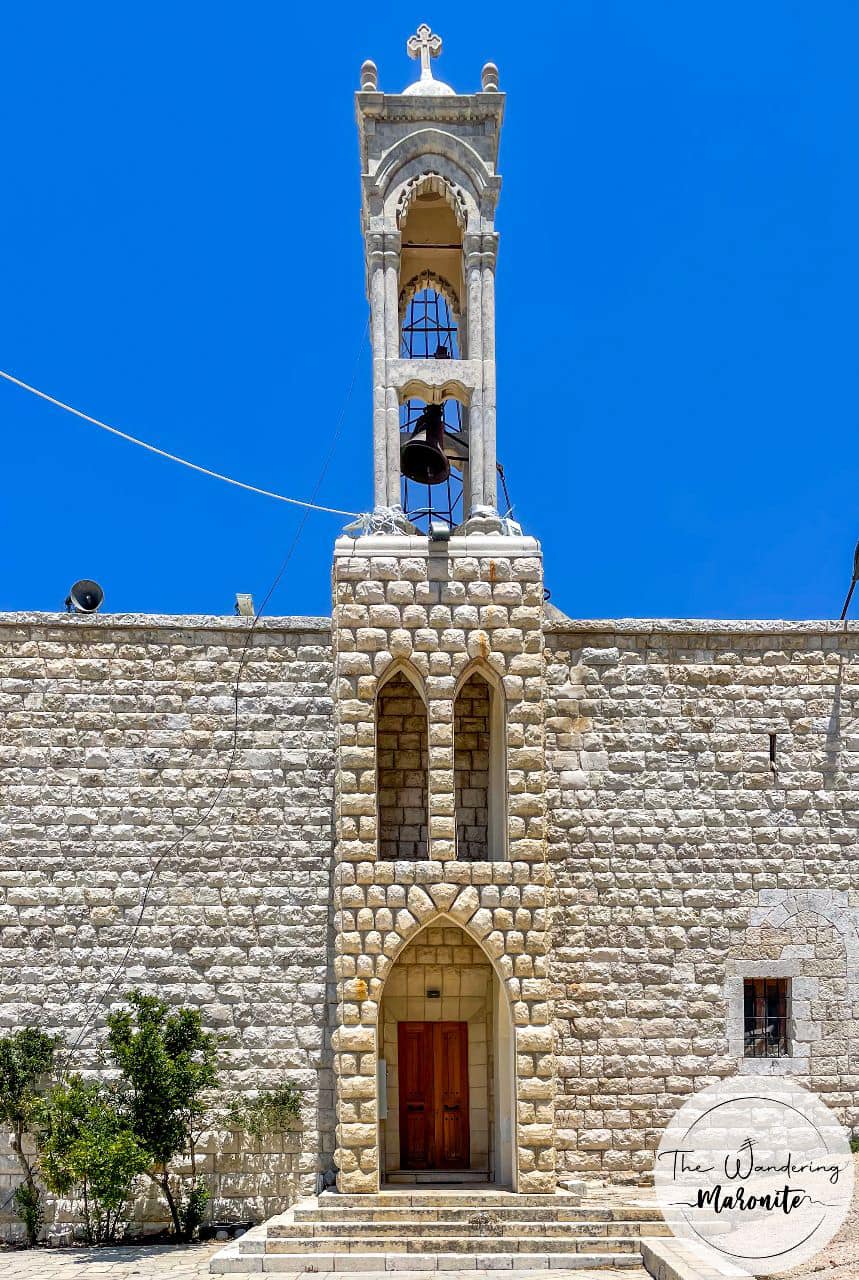
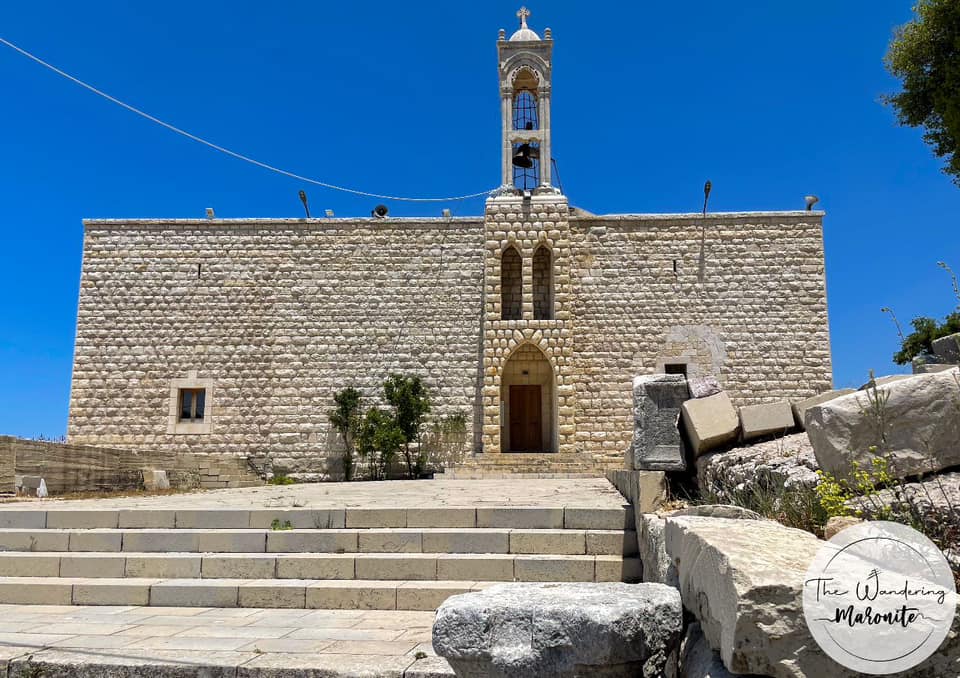
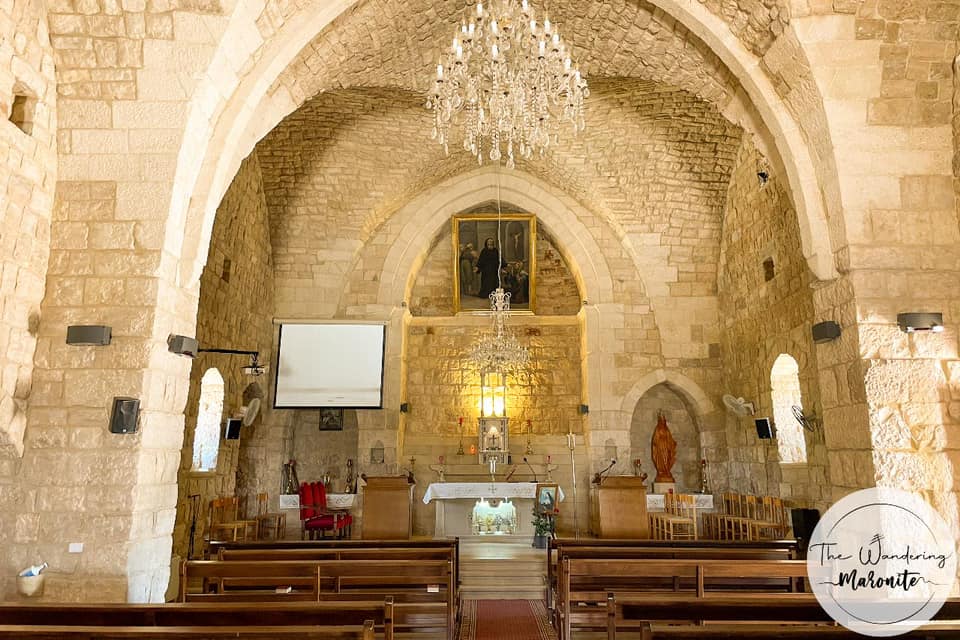
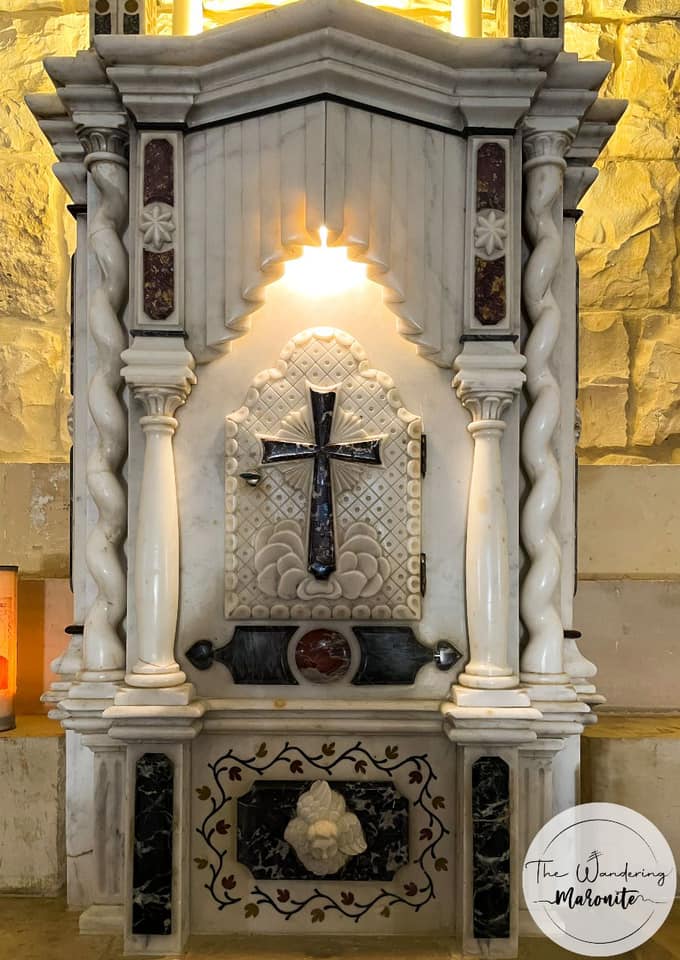
Mechmech – The Church of St. Doumit

كنيسة مار ضومط - Mar Doumit Church, Mechmech, Lebanon

Other Details

كنيسة مار ضوميط

Michmich Jbayl

Jbeil

Mount Lebanon

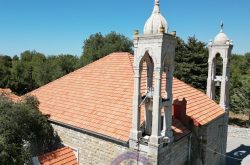
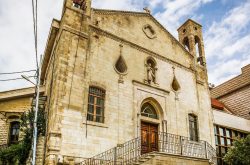
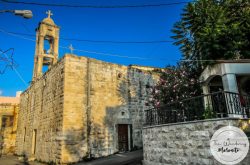
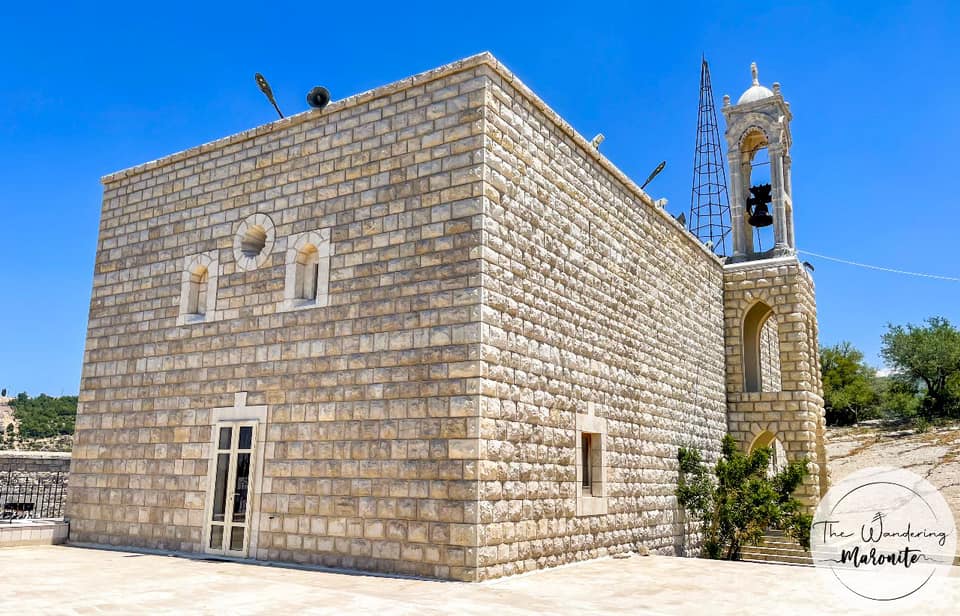
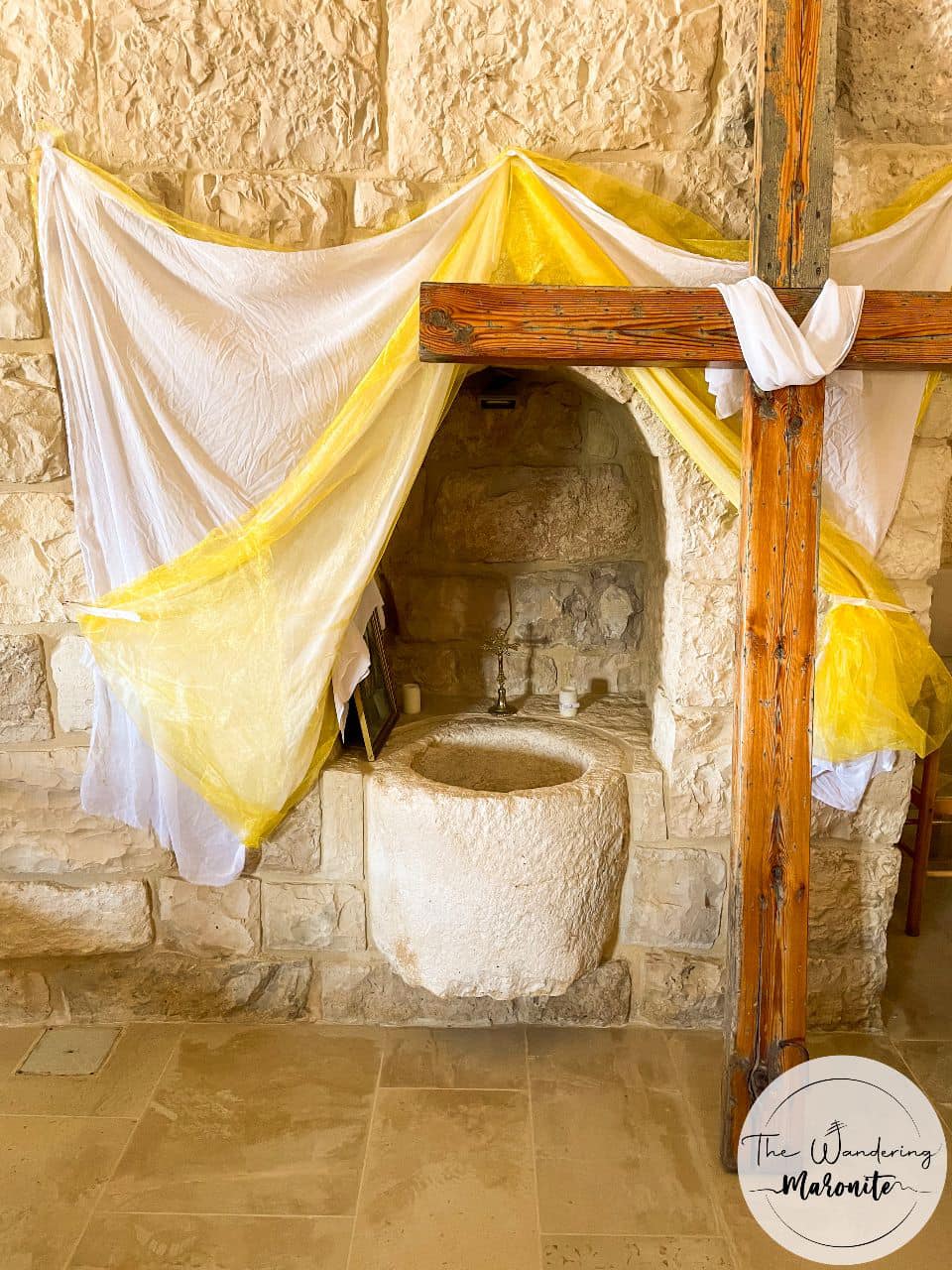
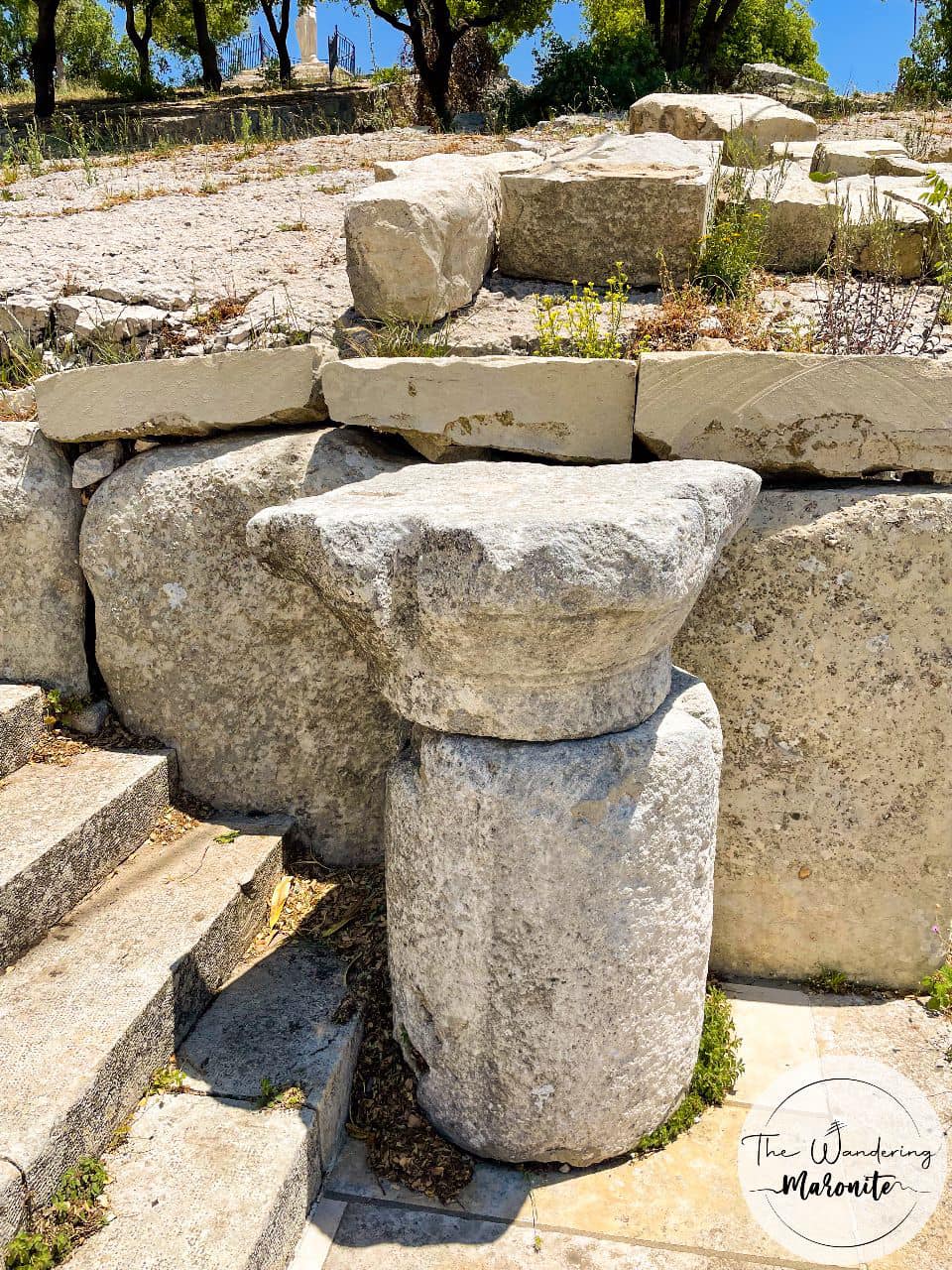
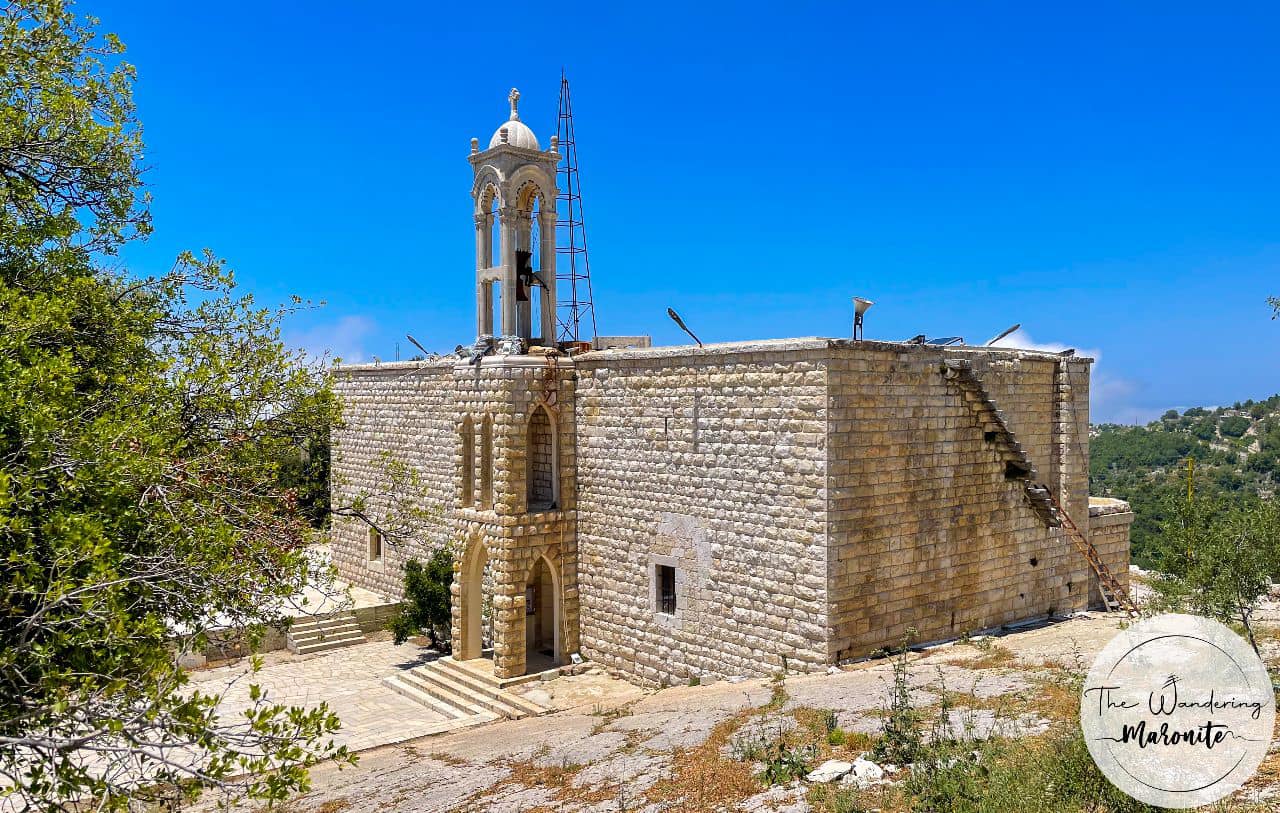
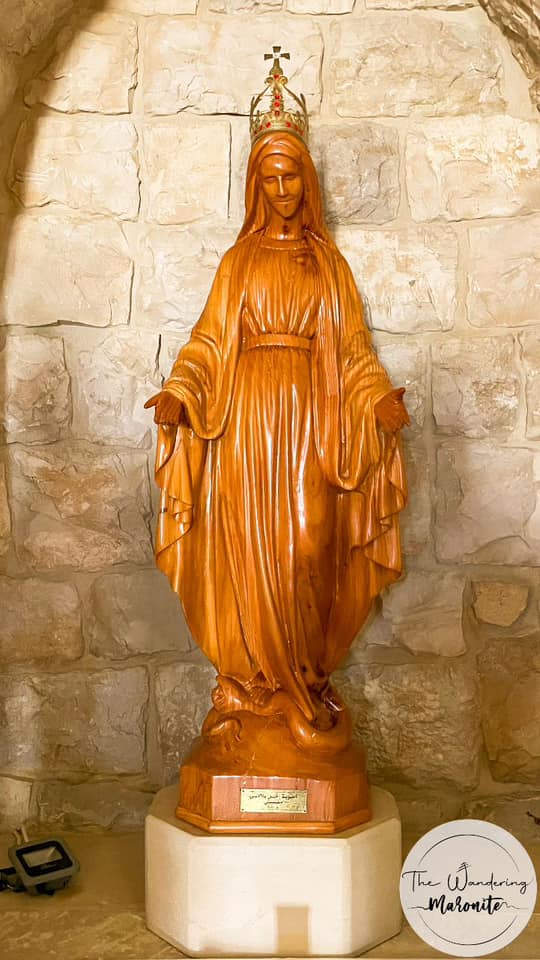
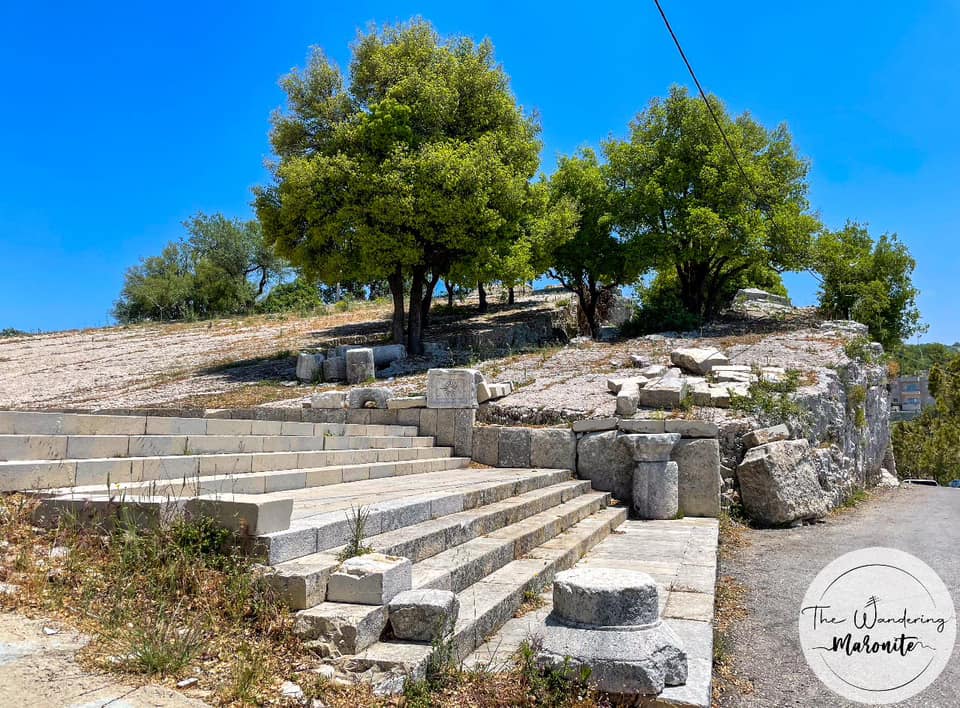
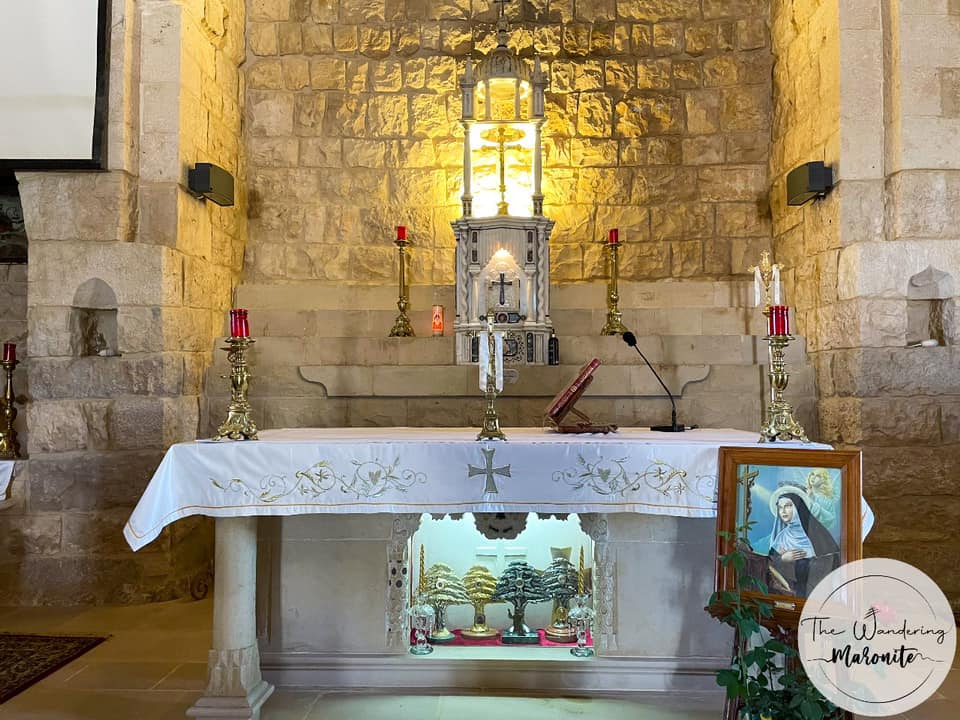
كنيسة مار ضوميط - مشمش الكنيسة الحاليّة بدأ بناؤها سنة ١٨٤١ على أنقاض آثارٍ رومانيّة ما زالت ظاهرة. كُرّست الكنيسة سنة ١٨٦٣ وهي كناية عن عقدٍ مُصالب من حجارة البلدة، ينتهي بحنية. تمّ ترميمها بين سنة ٢٠١٣ وسنة ٢٠١٧. تتميّز هذه الكنيسة بأيقونة مار ضوميط التي تعود إلى القرن التاسع عشر. The Church of St. Doumit - Mechmech The church was built in 1841 over Roman ruins that are still visible. It was dedicated in 1863. The structure consists of a rib vault made with stones from the village's quarries. The church was restored from 2013 till 2017. It holds a 19th-century icon of St. Doumit.

Visited 5596 times, 8 Visits today

Reviews are disabled, but trackbacks and pingbacks are open.

Related Listings

Anfeh – St George’s Greek Orthodox Church

St. Georges Church Anfeh, Anfeh, Lebanon

كنيسة مار جاورجيوس للروم الأرثوذكس

Enfeh

Koura

North

كنيسة مار جاورجيوس للروم الأرثوذكس - أنفه

هي الكنيسة الرئيسيّة في البلدة. إنتهت عمليّة البناء بشكلها الحاليّ في ١٧ أيّار ١٩٧٠. إنّ الموقع الذي بُنيت فيه الكنيسة، له تاريخ مهمّ في التّراث المسيحيّ للبلدة؛ ففي القرون المسيحيّة الأولى، كانت تلك المنطقة مليئة بالقبور المحفورة بالصخر، و بعد ذلك بُني في العهد البيزنطيّ كنيسة في الموقع، تتضارب المعلومات حولها، فالبعض يتحدّث عن وجود ديرٍ على اسم القدّيس جاورجيوس، و البعض الآخر يتحدّث عن ثلاث كنائس تحمل احداها اسم القديس جاورجيوس. سنة ١٩٥٤، قرّر راعي الأبرشيّة هدم البناء القديم و اقامة كنيسة كبيرة مكانه بإسم كنيسة القدّيس جاورجيوس. رُمّمت الكنيسة سنة ٢٠٠٩ وزُيّنت بالجداريّات.

St George’s Greek Orthodox Church - Anfe

It is the main parish church of the village, consecrated on the 17th of may 1970. The site has paleo Christian roots as it was a stone necropolis. Later on, during the Byzantine era, a monastery of St George was erected on the site. According to other sources, three churches one of them dedicated to St George were on the site. In 1954 the local bishop decided to build a bigger church on the site and dedicate it to St George. The church was restored in 2009 and decorated with Byzantine frescoes.

Sarba – The old St George’s church

Sarba, Lebanon

كنيسة مار جرجس القديمة

Jounieh Sarba

Keserwan

Mount Lebanon

كنيسة مار جرجس القديمة - صربا

بُنيت أواخر القرن الثامن عشر ، كان بقربها قلّاية، وهي كناية عن بيتٍ صغيرٍ مخصّصٍ لسكن الكاهن، نزل فيه الأمير حيدر أبي اللمع قائمقام النصارى في عهد القائمقاميّتين، وقد وقف الأمير الكثير من أرزاقه لهذه الكنيسة. والبناء كناية عن عقدٍ صغيرٍ مُصالبٍ ينتهي بحنية. تضمّ الكنيسة لوحةً غربيّة لمار جرجس.

The old St George’s church - Sarba

The Church was constructed at the end of the XVIIIth century. A "qelleye" - a small house meant for the priest's residence - was built near it. Prince Haider Abi Al-Lama', who served as the Christian Qaimqam during the Qaimqamiyat era in Mount Lebanon, stayed in the qelleye. He generously donated a significant portion of his livelihood to the church. The church's structure features a small crossed arch vault that culminates in an apse. Inside, there is a western-style painting of St George.

Kaftoun – Monastery of our Lady

Monastery of Our Lady of Kaftoun, Kaftoun, Lebanon

دير السيّدة - كفتون

1910

Kaftoun

Koura

North

عود تأسيس الدّير الى القرن السادس، كُتِب عنه في منشورات تعود الى القرن التاسع موجودة في مكتبة أوكسفورد. تمَّ بناؤه على عِدَّة مراحل أمّا ترميمه الأخير فيعود الى العام 1910. الوجهة الخلفية للدير ملاصقة لشيرٍ صخريٍّ ضخم، وكنيسته في قلب الشير.
كان الدير بدايةً ديرًا مارونيًّا سكنه المطران (البطريرك لاحقًا) إرميا الدملصاوي. بعد حملات المماليك تنسّك فيه الرهبان الأرثوذكس. كانت أوجّ الحياة الرهبانيّة فيه عام ١٩٠٤. وفي بداية السبعينات أضحى مهجوراً ونُهبت كافة الأيقونات والمخطوطات. تجدّدت الحياة الرهبانيّة في الدّير سنة ١٩٧٧. عام ١٩٩٧ أُعيدت إليه أيقونة سيّدة كفتون العجائبيّة. تكمن أهميّة هذه الأيقونة أنّها مرسومةٌ على الوجهتين: الأولى تعود الى القرن الحادي عشر وتُمثِّل العذراء مريم والسيّد المسيح، والثانية تعود الى القرن الثالث عشر وتُمثِّل معموديّة السيّد المسيح ومدوَّنٌ عليها باللغات الثلاث: السريانيّة والعربيّة واليونانيّة، شهادةً عريقةً للطقس السريانيّ الملكيّ. يضُمّ الدير آثارًا تاريخيّةً قديمة كأجران منحوتة بالصخر وآبار ومطحنة ومعصرة قديمة تعود للقرن السادس.

The monastery was founded in the VIth century and many documents from the IXth century attesting its existence are still present in the Library of Oxford. The building was done over time up until 1910. The monastery is built inside a rocky cliff, with the main church inside the cave. At first the monastery was served by the Maronites and was the seat of Bishop (later patriarch) Jeremiah of Dmalsa. After the Mamluk’s raids the ownership was taken by the Orthodox hermits. The monastic life saw its peak in 1904 yet it declined up to the seventies when the monastery was deserted and looted. The monastic life would be renewed in 1977. In 1997 the miraculous icon of Our Lady of Kaftoun was returned. The importance of that icon reside in its being a double sided icon: on the first side dating back to the XIth century is a depiction of the Theotokos, on the other one dating back to the XIIIth century is a Theophany with inscriptions in Arabic Greek and Syriac, a true witness to the Syriac Melkite Rite.