
Mayfouq – The monastery of Our Lady of Mayfouq

Mayfouq Elige Convent, Street, Lebanon

Other Details

دير سيّدة ميفوق

Mayfouq

Jbeil

Mount Lebanon

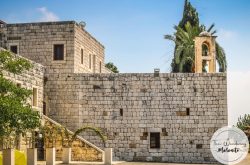
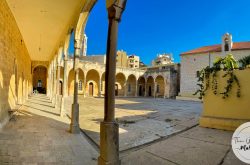
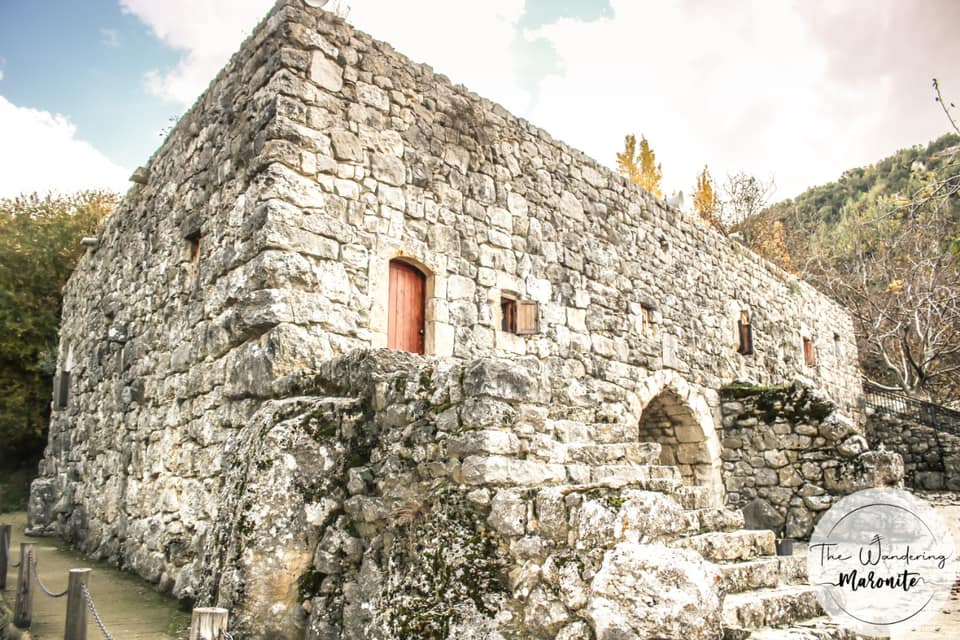
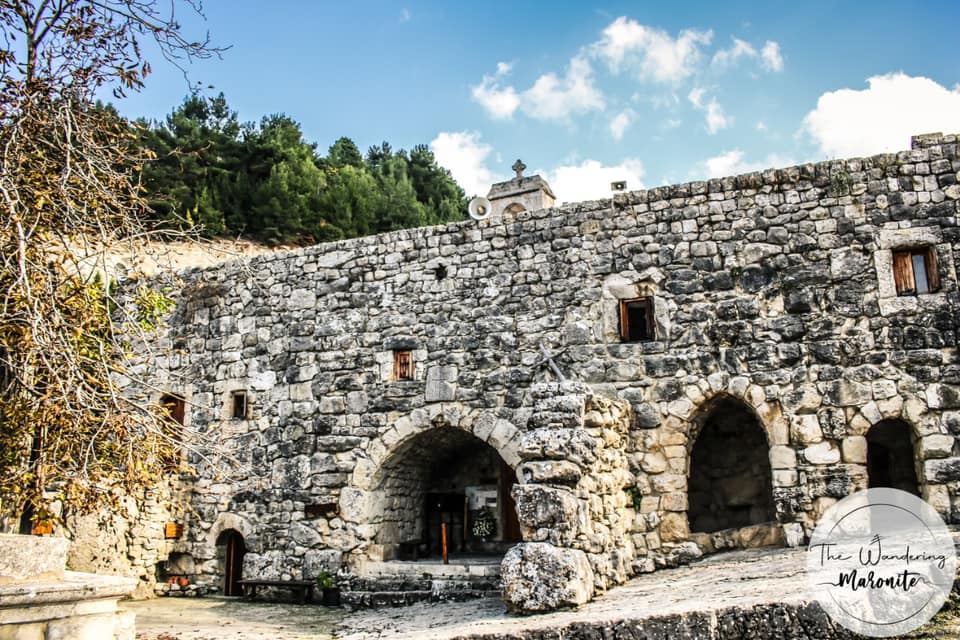
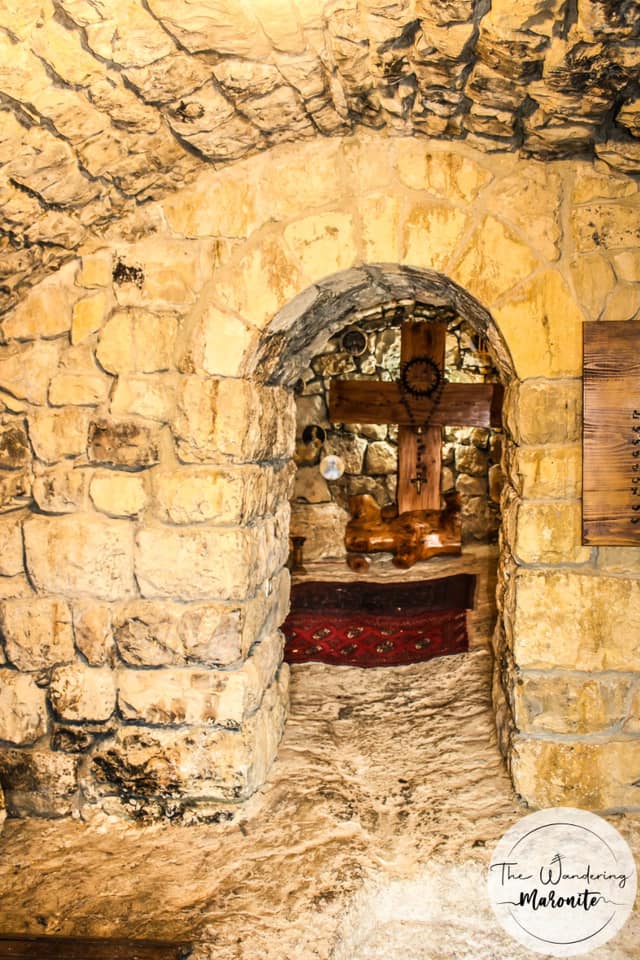
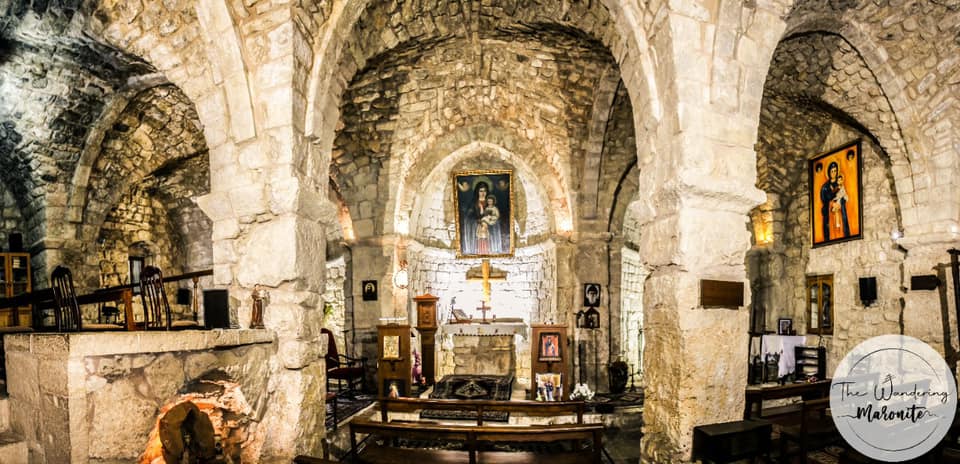
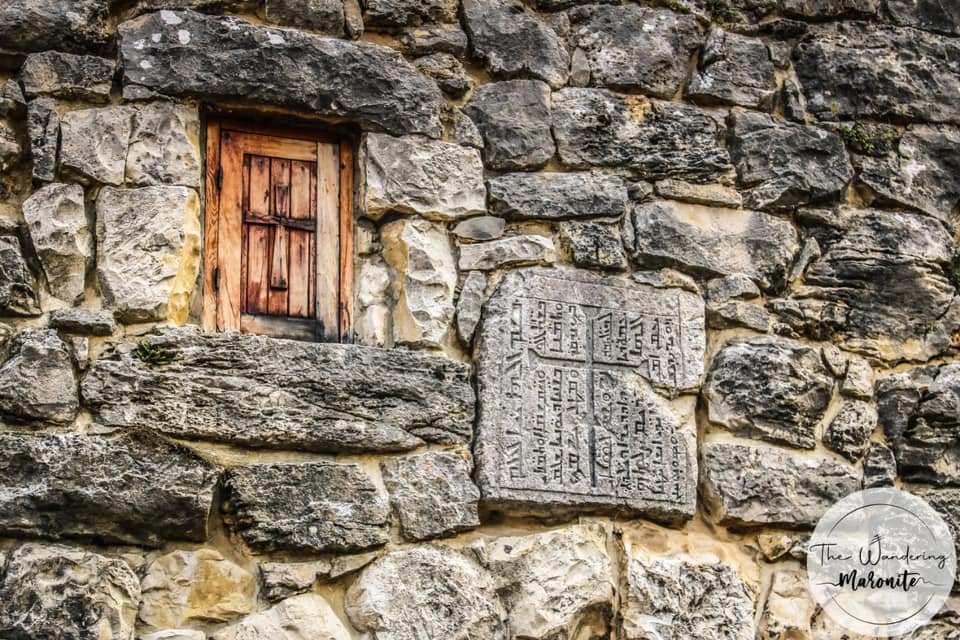
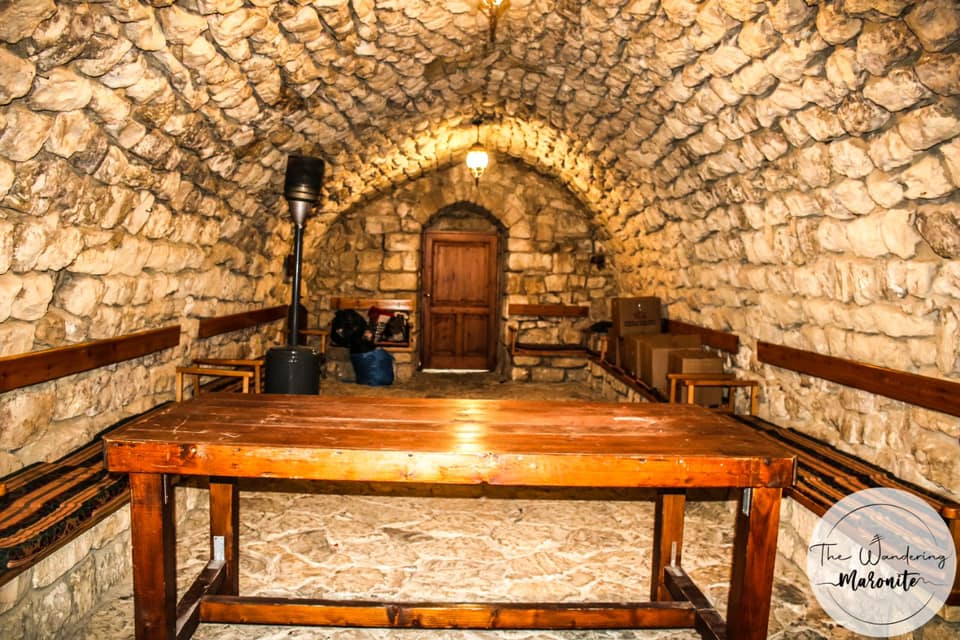
دير سيّدة ميفوق - ميفوقهو من الأديار القديمة في الكنيسة المارونيَّة،بناه المرَدَةَ سنة ٨٥٠. إستولى عليه الحماديُّون حوالي سنة ١١٢١، مدَّةً من الزمن، فانتقل رهبانُه في أثنائها إلى دير سيِّدة إيليج. تَسَلَّمت الرهبانيَّةُ اللبنانيّة المارونيّة ديرَ ميفوق سنة ١٧٦٦، من الأمير يوسف الشهابيّ. انعقد في هذا الدير، مجمعًا إقليميًّا للكنيسة المارونيَّة، برئاسة القاصد الرسولي الأب بطرس دي مورينا و المطران ميخائيل الخازن سنة ١٧٨٠. سنة ١٨٥٠، أمضى فيه مار شربل سنة ابتداءٍ واحدة. أنشأت الرهبانيَّة معهدًا في الدير، سنة ١٩٢٢. وَمِن محفوظات دير سيِّدة – ميفوق، صورة سيِّدة إيليج الأثريَّة التي أُعيد ترميمُها بين سنتَي ١٩٨٢ ١٩٨٧. لعب الدّير دورًا على صُعُد التنشئة الرهبانيّة والوطنيّة دورًا بارزًا.The monastery of Our Lady of Mayfouq - MayfouqOne of the oldest Maronite monasteries built arround 850 by the Maradites. It was taken over by the Hamadi’s in 1121, and back then the monks moved to Ilige. The monastery was given to the Lebanese Maronite Order in 1766 by Prince Youssef Shehab. In 1780 a local Maronite council was held in the monastery presided by the papal delegate Fr Peter di Morina and bishop Mikael el Khazen. In 1850 St Charbel spent a year of his novitiate there. A school was founded by the order in 1922. The monastery holds the famous icon of our Lady of Ilige restored between 1982 and 1987. The monastery played a great national role and it was a major school of formation for the monks.

Visited 3167 times, 2 Visits today

Reviews are disabled, but trackbacks and pingbacks are open.

Related Listings

Maad – Saint Charbel of Edessa feast day

Saint Charbel Church, Unnamed Road, Lebanon

كنيسة مار شربل الرّهاوي

Maad

Jbeil

Mount Lebanon

كنيسة مار شربل الرّهاوي - معاد
كان شربل الرهاوي كاهنًا وثنيًّا في مدينة الرّها. تحوّل الى المسيحيّة هو واخته بارابيا واستشهد في عهد الامبراطور الروماني ديسيوس (236-250).
تقوم الكنيسة على أنقاض سابقة تعود لمعبد وثنيّ، أُنشأت عليه كنيسة بيزنطيّة؛ ثمّ أعيد بناؤها على أيام الصليبيين (القرن 12 و 13). رُمِّمت في نهاية القرن التاسع عشر.
قُسم الموعوظين هو عبارة عن مدخل أو رواق. يحوي اليوم قطعًا أثرية.
الكنيسة في الداخل مبنيّة على نمط بازيليكي يقسم صفّان من القناطر المساحة الداخليّة. قسم من البلاط قديم يعود الى المعبد الروماني كما وفتحة البئر المستديرة التي تتوسط الرواق. أمّا العقد المركزي فمزيّن برسوم زخرفية تعود الى العهد العثماني.
تنتمي الحنية السفلى الى الكنيسة الأقدم، وتحتوي على جدرانيّة تمثل مجموعة من سبعة قديسين: على جانبي الأسقف الوسطي، يمثل الرسول بطرس الى اليسار وبولس الى اليمين؛ يرافقهما الانجيليون الأربعة.
كنيسة مار شربل الرّهاوي - معاد
كان شربل الرهاوي كاهنًا وثنيًّا في مدينة الرّها. تحوّل الى المسيحيّة هو واخته بارابيا واستشهد في عهد الامبراطور الروماني ديسيوس (236-250).
تقوم الكنيسة على أنقاض سابقة تعود لمعبد وثنيّ، أُنشأت عليه كنيسة بيزنطيّة؛ ثمّ أعيد بناؤها على أيام الصليبيين (القرن 12 و 13). رُمِّمت في نهاية القرن التاسع عشر.
قُسم الموعوظين هو عبارة عن مدخل أو رواق. يحوي اليوم قطعًا أثرية.
الكنيسة في الداخل مبنيّة على نمط بازيليكي يقسم صفّان من القناطر المساحة الداخليّة. قسم من البلاط قديم يعود الى المعبد الروماني كما وفتحة البئر المستديرة التي تتوسط الرواق. أمّا العقد المركزي فمزيّن برسوم زخرفية تعود الى العهد العثماني.
تنتمي الحنية السفلى الى الكنيسة الأقدم، وتحتوي على جدرانيّة تمثل مجموعة من سبعة قديسين: على جانبي الأسقف الوسطي، يمثل الرسول بطرس الى اليسار وبولس الى اليمين؛ يرافقهما الانجيليون الأربعة.

Saint Charbel of Edessa feast day
A church dedicated to him in Maad
Charbel was a pagan priest in Edessa. He was then converted to Christianity with his sister Barabia and martyred in the days of Emperor Disios (236-250 A.D).
The church was built over an old pagan temple ruins. It was first a Byzantine church. The Crusades built it again in the 12th century. Renovations took place at the end of the 19th century.
As one enters the Church, he'll find a nartex with some artifacts. The church is built in a basilical form, divided into two rows of arches. Some of the tiles along with a circular well belong to a roman temple. Some decorative elements that date back to the Ottoman period fill the main vault.
The main apse belongs to the old church, and it contains a fresco depicting a bishop surrounded by Saints Peter and Paul and the four Evangelists.

Hassroun – The church of St Laby the Apostle

St. Jude Church, Hasroun, Lebanon

كنيسة مار لابي الرسول

Hasroun

Bcharre

North

كنيسة مار لابي الرسول - حصرون

بحسب أحد التقاليد بنى الملك حصرائيم (الذي منه اسم بلدة حصرون) قصرًا وهيكلًا في هذا الموضع تحوّل في الجيل الرابع إلى كنيسةٍ على اسم مار لابي وهو اللقب السريانيّ ليهوذا الرسول. بني القسم الشرقيّ من الكنيسة في القرن الثالث عشر، وأضيف سنة ١٧٧٠ القسم الغربيّ. أخذت الكنيسة شكلها مع الصليبيّين، وهي عقد سريريّ منخفض بحنية واحدة. تضمّ الكنيسة مجموعةً من اللوحات التي تعود للقرن الثامن عشر وهي مزيج بين الأيقونة المشرقيّة وفنّ عصر النهضة.

The church of St Laby the Apostle - Hassroun

According to a folk tale, king Hassraym (from whom derived the name Hassroun) built a palace and a temple that was converted in the IVth century into a church dedicated to the apostle Laby (the syriac title given to Thaddeus or Jude). The eastern aisle was built in the XIIIth century. In 1770 the western aisle was built. During the crusaders era the church took its form, a single nave crib vaulted structure beneath the road. The church holds many XVIIth century paintings that are a representation of the local iconography being influenced by the art of the renaissance.

Bcharre – Our Lady Church

Our Lady of Bsharri Church, Bsharri, Lebanon

كنيسة السيّدة

Bcharreh

Bcharre

North

كنيسة السيّدة - بشرّي

لما ازداد عدد سكّان بشرّي اواخر القرن الثامن عشر، طلب الاهالي والمشايخ من البطريرك يوسف التيّان، بناء كنيسةٍ جديدةٍ في بشرّي، فبنوا كنيسةً على اسم السيّدة العذراء. أوتي بِبَنّائَين من حلب لبناء الكنيسة. سنة ١٨٧٥، عُيِّن الخوري يوسف عريضه رئيس كهنة بشري، وكيلاً على كنيسة السيدة، وقد أضاف الى البناء القديم جناحًا للجهة الجنوبيّة، كما شيّد مدرسة في الجهة الشرقية. مذبح الكنيسة الرئيسيّ أهداه الى الكنيسة يوسف بك كرم سنة ١٨٦٩. كذلك ضمّت الكنيسة مصلوبًا قدّمه الخوري أنطون عريضه الأوّل من مدرسة ميكل انج. سنة ١٩٧٠ بُنيت الكنيسة بشكلها الحاليّ في عهد البطريرك بولس بطرس المعوشي: نمط بازيليكيّ بثلاث أروقة، وزيّنها بالجداريّات الفنّان أسعد رنوّ.

Our Lady Church - Bcharre

As the population of Bcharreh experienced a notable increase in the late eighteenth century, both the local community and the sheikhs approached Patriarch Youssef Al-Tyan with a request to construct a new church in Bcharre. Consequently, a church was erected in honor of the esteemed Virgin Mary. In order to bring this vision to fruition, two skilled builders were sourced from Aleppo to undertake the construction of the church. Subsequently, in the year 1875, Youssef Arida, a prominent clergyman in Bcharre, was appointed as the custodian of Our Lady Church. Under his stewardship, a wing was added to the existing structure on the southern side, and a school was erected on the eastern side. The principal altar within the church was generously donated by Youssef Bey Karam in 1869. Additionally, Father Anton, in his first entreaty from Mikkeleng School, contributed a crucifix that became an integral part of the church. Then, in 1970, during the reign of Patriarch Boulos Boutros Al-Maoushi, the church was reconstructed in its present form—a magnificent basilica-style edifice featuring three aisles. Notably, the gifted artist Asaad Ranno adorned the interior with captivating murals, further enhancing its aesthetic appeal.