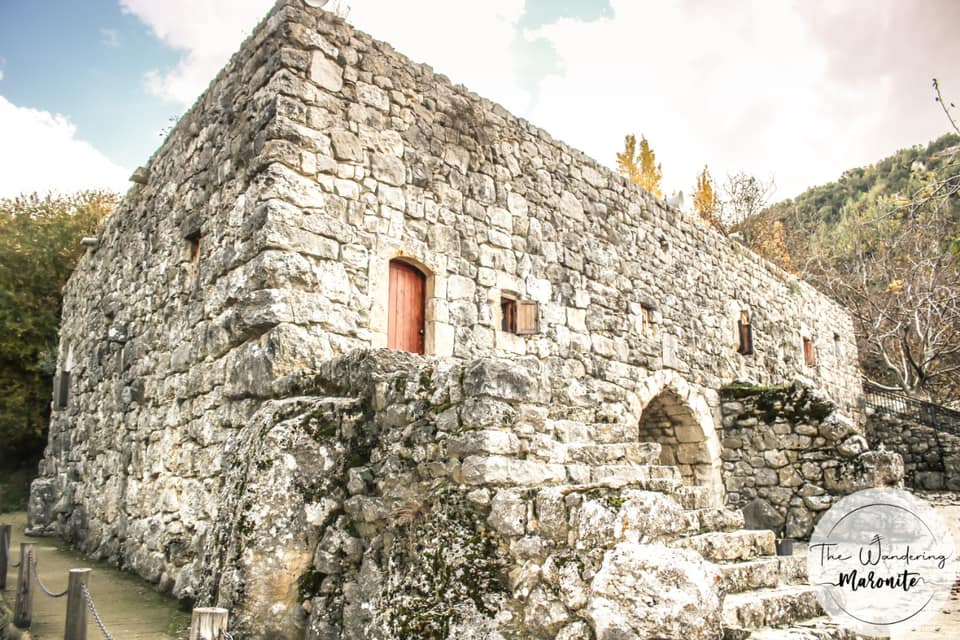
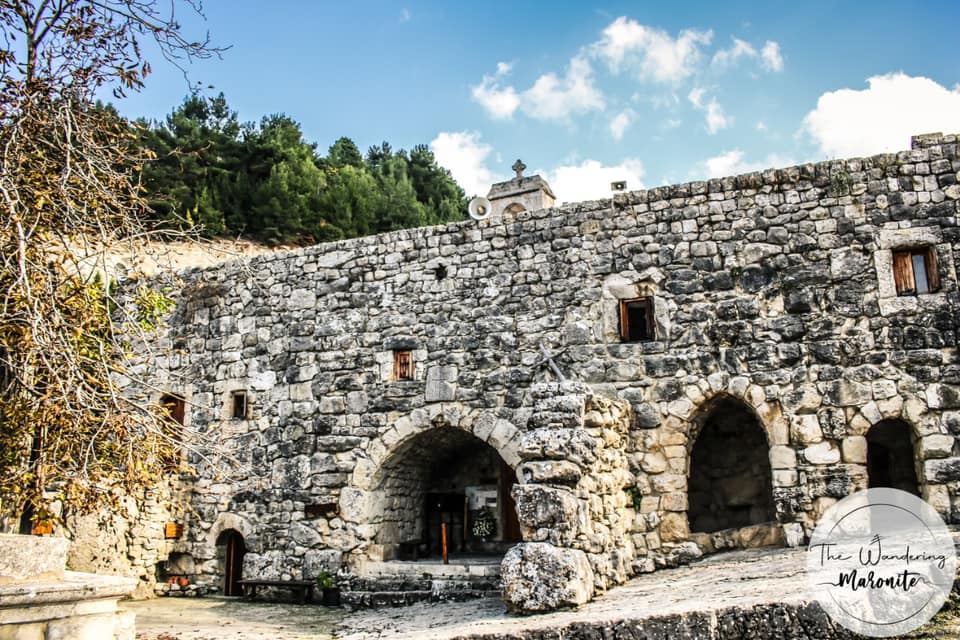
دير سيّدة ميفوق - ميفوقهو من الأديار القديمة في الكنيسة المارونيَّة،بناه المرَدَةَ سنة ٨٥٠. إستولى عليه الحماديُّون حوالي سنة ١١٢١، مدَّةً من الزمن، فانتقل رهبانُه في أثنائها إلى دير سيِّدة إيليج. تَسَلَّمت الرهبانيَّةُ اللبنانيّة المارونيّة ديرَ ميفوق سنة ١٧٦٦، من الأمير يوسف الشهابيّ. انعقد في هذا الدير، مجمعًا إقليميًّا للكنيسة المارونيَّة، برئاسة القاصد الرسولي الأب بطرس دي مورينا و المطران ميخائيل الخازن سنة ١٧٨٠. سنة ١٨٥٠، أمضى فيه مار شربل سنة ابتداءٍ واحدة. أنشأت الرهبانيَّة معهدًا في الدير، سنة ١٩٢٢. وَمِن محفوظات دير سيِّدة – ميفوق، صورة سيِّدة إيليج الأثريَّة التي أُعيد ترميمُها بين سنتَي ١٩٨٢ ١٩٨٧. لعب الدّير دورًا على صُعُد التنشئة الرهبانيّة والوطنيّة دورًا بارزًا.The monastery of Our Lady of Mayfouq - MayfouqOne of the oldest Maronite monasteries built arround 850 by the Maradites. It was taken over by the Hamadi’s in 1121, and back then the monks moved to Ilige. The monastery was given to the Lebanese Maronite Order in 1766 by Prince Youssef Shehab. In 1780 a local Maronite council was held in the monastery presided by the papal delegate Fr Peter di Morina and bishop Mikael el Khazen. In 1850 St Charbel spent a year of his novitiate there. A school was founded by the order in 1922. The monastery holds the famous icon of our Lady of Ilige restored between 1982 and 1987. The monastery played a great national role and it was a major school of formation for the monks.
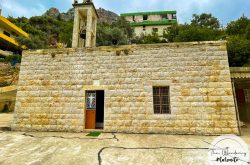
الكنيسة الأولى هي محبسة في أعلى القرية تعود للقرون الوسطى. بُنيت الكنيسة الحاليّة وسط البلدة في القرن التاسع عشر، هي كنيسة صغيرة بعقدٍ مصالب، قبّتها تعود لسنة ١٩٥٤. تضم الكنيسة لوحةً لمار روكز عمل حنّا رفوّل دحدح سنة ١٩٥٧. على بيت القربان نقشٌ لطائر الفينيق رمزٌ القيامة.
The church of St Roch - Fradis
The first church was a medieval hermitage on the edge of the village. In the mid XIXth century the current church was built in the middle of the vill’age. The structure consists of a single small crossed vault, the bell tower was added in 1954. The church holds a painting of St Roch by Hanna Raffoul Dahdah from 1957. The tabernacle has a phoenix engraving on it’s door symbolizing Ressurection.
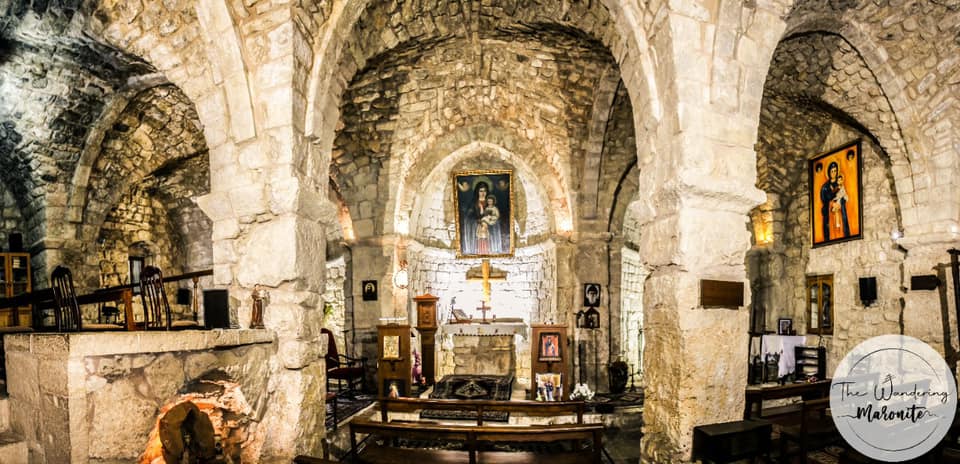
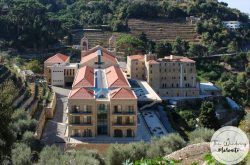
سنة ١٧٠٨ وصل ثلاثة رهبان أرمن إلى لبنان لتأسيس رهبانيّة أرمنيّة، فأوقف لهم الشّيخ صخر الخازن، أراضًا في وادي غوسطا سنة ١٧١٦. فأنشىء الرهبان إكليريكيّة وامتدّ بناء الدير والكنيسة إلى سنة ١٧٣٣. سنة ١٨٦٥ اشترى الخوري يوحنّا حبيب (المطران لاحقًا)، الدّير من الرّهبان الأرمن حيث انتقل هؤلاء إلى بزمّار، وأسّس جمعيّة المرسلين اللّبنانيّين في الدّير مع العديد من الكهنة وفي مقدَّمهم الخوري إسطفان قزاح، الرّئيس العام الأوّل. إهتمّ الكريميوّن ووسّعوه.. وقد كان هذا الدّير ملجأً للعديد من المهجّرين والمشرّدين والجياع والهاربين من ظلم السّلطات العثمانيّة. خضع البناء لعدّة عمليّات ترميم كان آخرها سنة ٢٠١٣. كان الدّير مركزًا للرّئاسة العامّة للجمعية حتّى العام ١٩٢١، وهو حاليًّا ديراً للابتداء، توجد فيه كنيسة المُخلّص وتحوي لوحةً زيتيّةً قديمة،، تدعى "الثّالوث المتألّم"، ولوحة أخرى أرمنيّة للميلاد. وفي الكنيسة أيضًا مدافن عائدة إلى كلّ من المطران يوحنّا الحبيب مؤسّس الجمعيّة، والخوري اسطفان قزاح رئيسها العام الأوّل، والمطران شكرالله خوري، .
The Holy Savior Monastery - Kreim Ghosta
The monastery was established in 1708 by three Armenian monks who arrived in Lebanon with the intention of creating an Armenian monastic order. Located in Wadi Ghosta, Lebanon, the monastery's history is intertwined with various events and figures over the centuries. In 1716, Sheikh Sakhr al-Khazen granted the Armenian monks lands in Wadi Ghosta, enabling them to establish their monastic order. The construction of the monastery and church complex took several decades, finally extending until 1733. It served as a seminary, providing education and spiritual guidance to the community. Fast forward to 1865, and the ownership of the monastery changed hands. Father John Habib, who later became a Bishop, purchased the monastery from the Armenian monks. With this transaction, the Armenian monks relocated to Bzommar, and Father John Habib initiated the Lebanese Missionaries Congregation within the monastery. Many priests were part of this association, and Father Stephen Qazah became its first superior general. Throughout its history, the Holy Savior Monastery played a crucial role in the local community. It served as a refuge for the displaced, homeless, hungry, and those seeking refuge from the oppression of the Ottoman authorities. The monastery experienced several periods of restoration to preserve its historical significance and structural integrity. The last restoration took place in 2013, ensuring that the monastery continued to stand as a testament to its enduring history and cultural importance. The Holy Savior Monastery, historically serving as the center of the general presidency of the association until 1921, has evolved into a monastery dedicated to novices in the present day. Nestled within its walls is the sacred Church of the Savior, housing cherished relics from the past. One of the notable treasures preserved within the church is an ancient oil painting named "The Suffering Trinity." This artwork carries profound emotional depth and holds a place of reverence within the community, reminding all who behold it of the timeless spiritual journey. Adding to the artistic splendor, another precious possession within the church is an Armenian painting depicting the Nativity. This painting enriches the spiritual ambiance of the sanctuary, reflecting the shared heritage and faith of those who seek solace and inspiration within its halls. Moreover, the church stands as a memorial to the esteemed figures who have shaped the legacy of the monastery and the association it represents. The burials of Bishop Youhanna Al-Habib, the visionary founder of the Lebanese Missionaries Association, Father Estephan Qazzah, the dedicated first general president, and Bishop Shukrallah Khoury, a revered spiritual leader, grace the church grounds. As the monastery continues to embrace novices and nurture their spiritual growth, it remains an enduring symbol of devotion, compassion, and hope. The presence of these sacred artifacts and burials serves as a constant reminder of the monastery's illustrious past and the profound impact it has had on the lives of those who seek solace and enlightenment within its sanctuary.
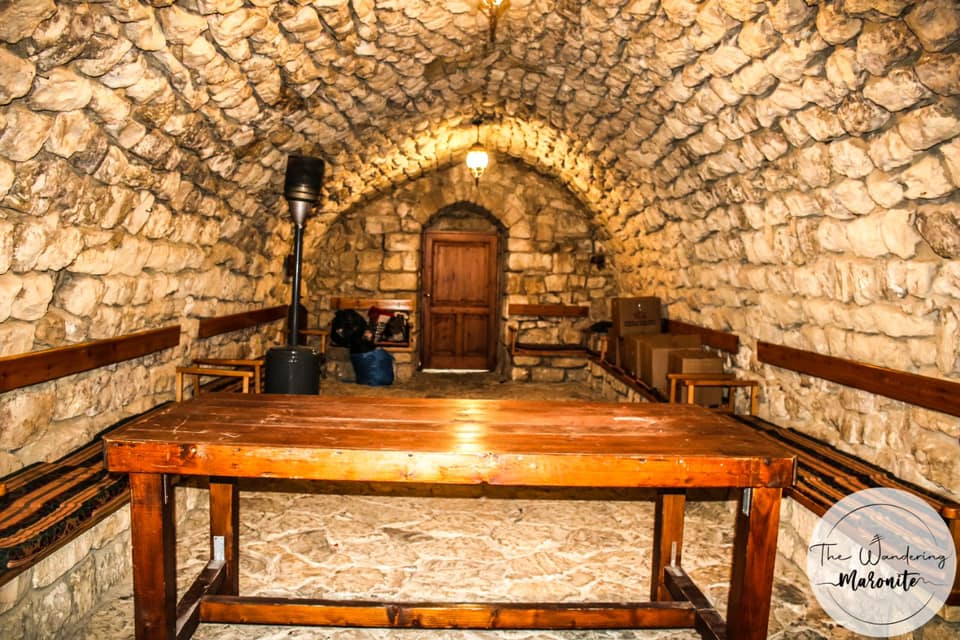
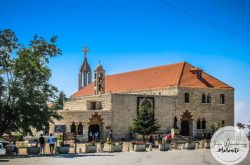
دير مار مارون - عنّايا دير للرهبانيّة اللّبنانيّة المارونيّة إنتهى العمل من بنائه سنة ١٨٢٨. وبين سنتي ١٨٣٨ و١٨٤١ أُكمِل بناء الكنيسة وجميع الأقبية. هو دير مارونيّ تقليديّ بجميع أقسامه من حوش ومضافة وكنيسة صغيرة. إشتهر الدّير لأنّه مقام القدّيس شربل مخلوف الذي حوّله إلى محجّ ومزار.
The monastery of St Maroun Annaya A monastery for the Lebanese Maronite Order built in 1828. The church and the vaults were completed between 1838 and 1841. It is a traditional maronite monastery with its vaults, cloister, reception room and small church. It was made famous by being the resting place of St Charbel Makhlouf who transformed it into a pilgrimage site.



Reviews are disabled, but trackbacks and pingbacks are open.