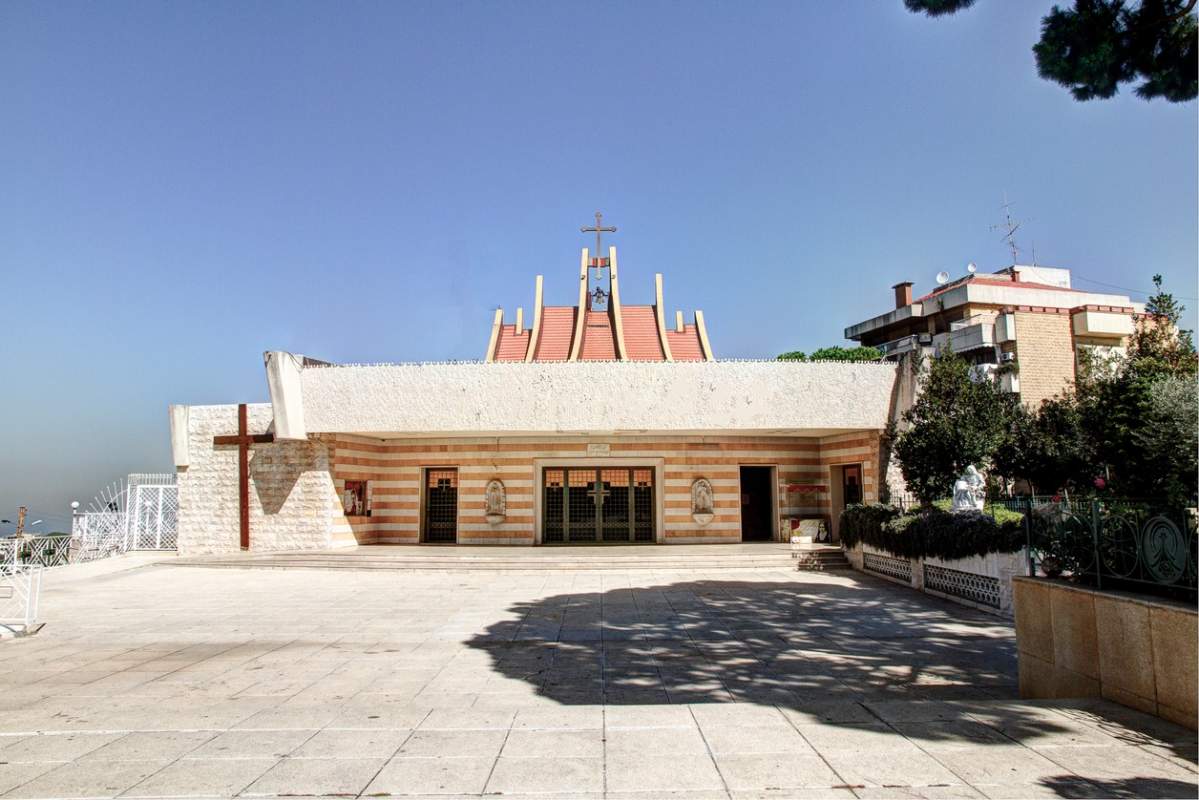
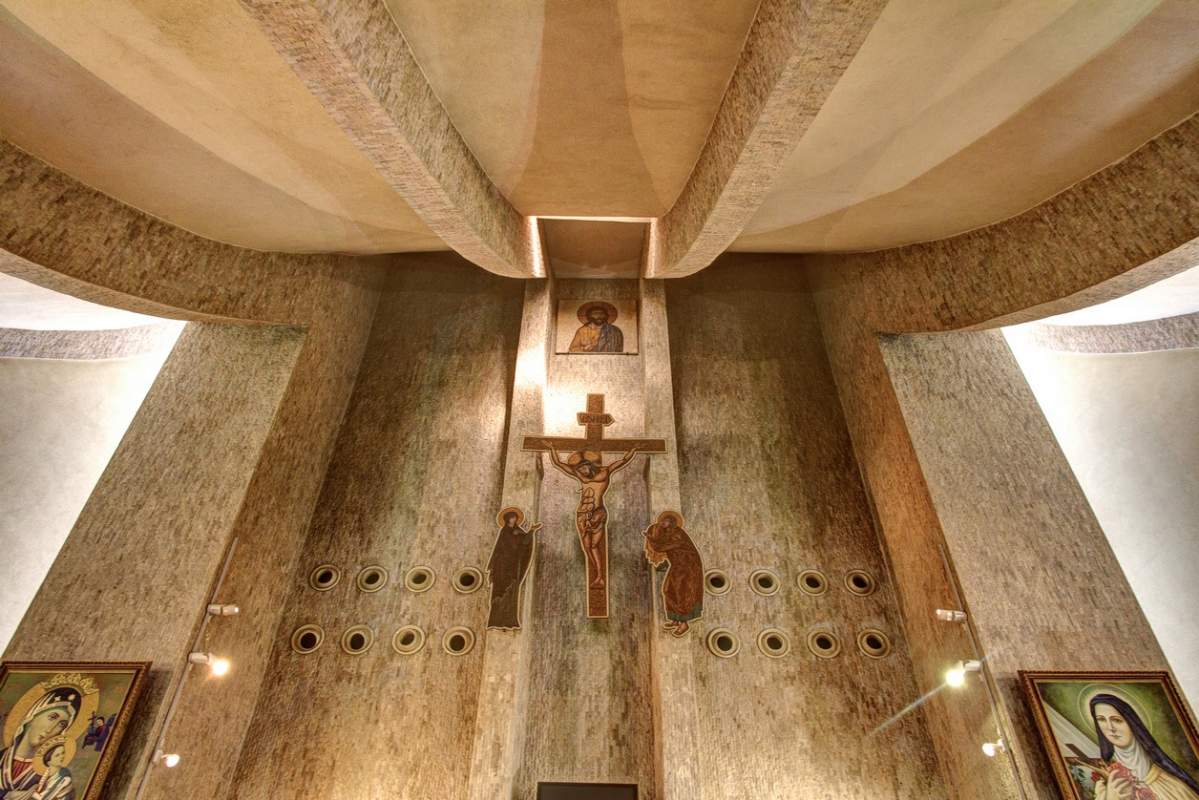
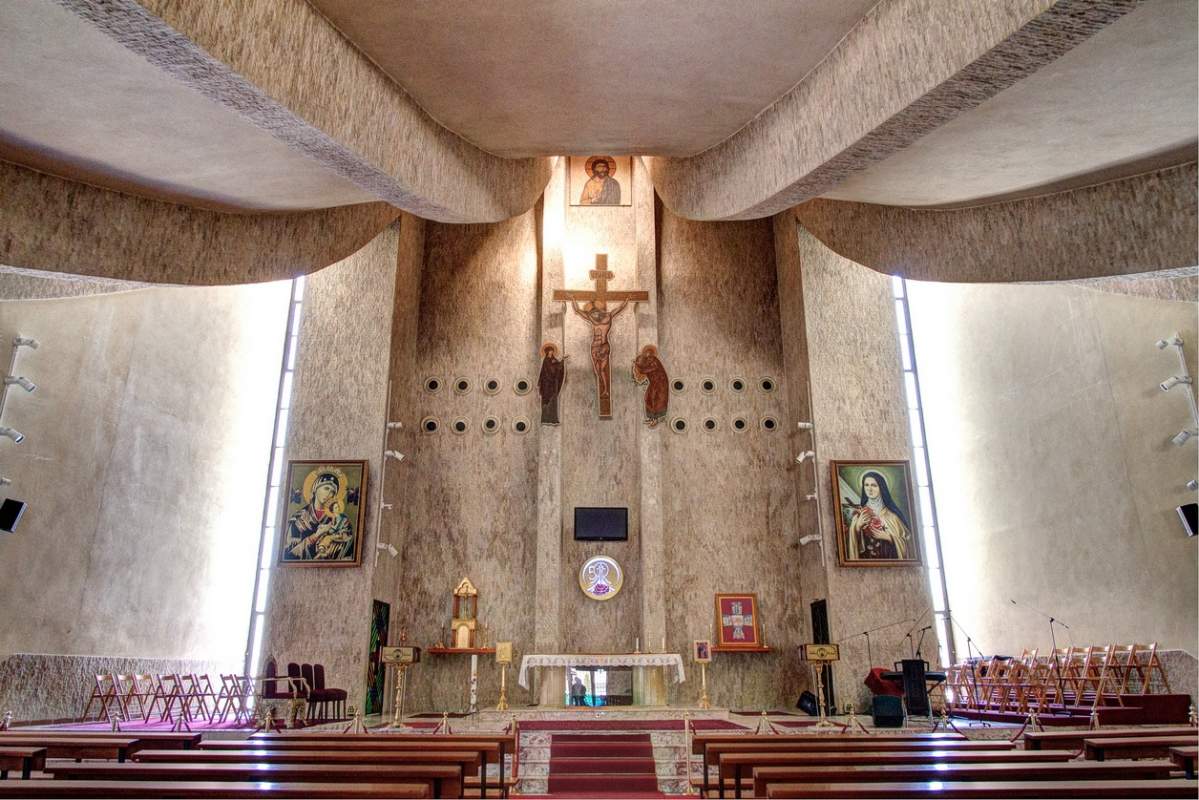
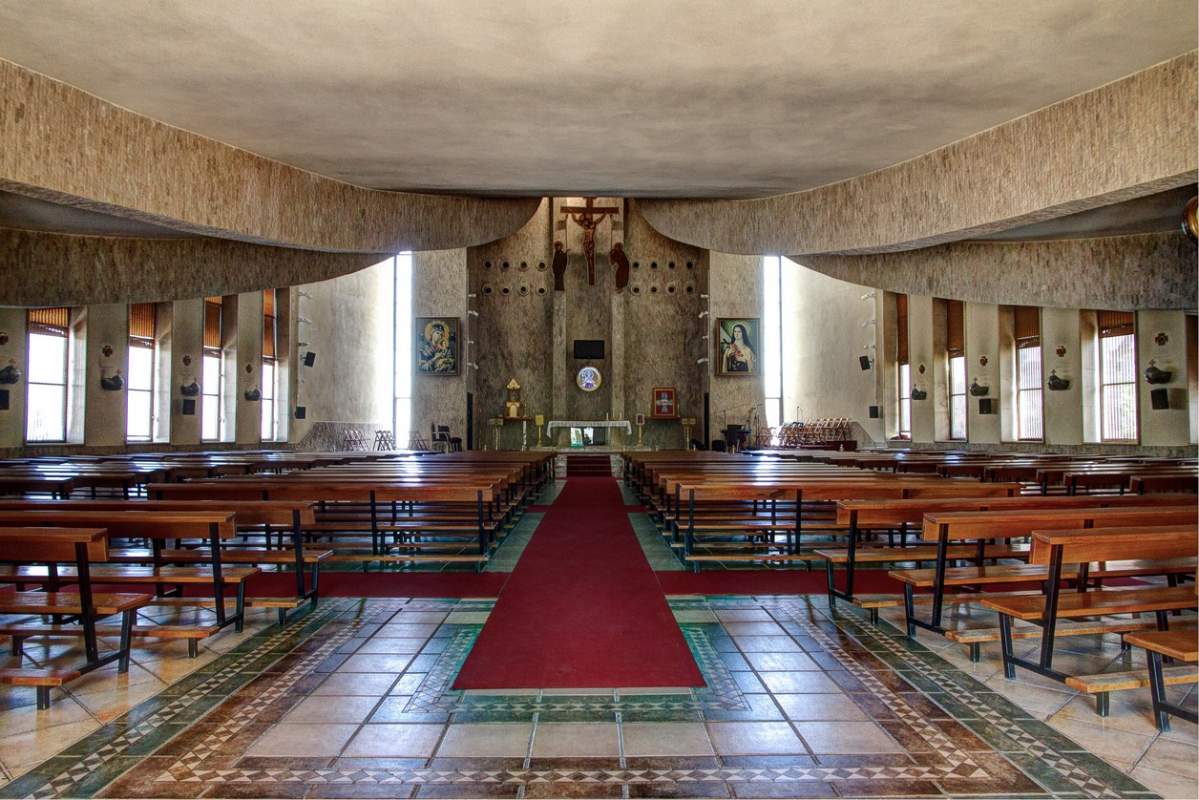
Mansouriyeh – Sainte Therese

Paroisse Sainte Thérèse Beit-Mery Mansouriyeh, Lebanon

Website

Mansouriyet El-Matn

Metn

Mount Lebanon

Visited 3512 times, 7 Visits today

Reviews are disabled, but trackbacks and pingbacks are open.

Related Listings

Batroun – The Church of Our Lady of the Saha

Our Lady of the Yard Church - كنيسة سيدة الساحة, Lebanon

كنيسة سيّدة الساحة

Batroun

Batroun

North

كنيسة سيّدة الساحة - البترون

شيّدت الكنيسة على أنقاض كنيسةٍ قديمةٍ نهاية القرن التاسع عشر. سعى في إتمامها آل عقل نظرًا لقرب دارتهم من الكنيسة، وكان ذلك لإستقبال البطريرك الياس الحويّك ابن حلتا البترونيّة ليقيم القدّاس فيها أثناء زياراته للمدينة. رممّت على مراحل خلال القرن العشرين.

The Church of Our Lady of the Saha - Batroun

The church is located in a town square hence its name "Al Saha". It was built in the late XIXth century over an older church. The sponsors of the construction project were the Akl family since their estate was nearby and they needed a chapel for Patriarch Elias El Howayek from Helta to say mass during his visits to the city. The church was renovated many times during the XXth centur

Behdaydat – Saint Theodorus (Theodore)

St Theodore Church - مار تيودوروس, Behdaidat, Lebanon

كنيسة مار تاودوروس الشهيد بحديدات

900

Behdaydat

Jbeil

Mount Lebanon

يعود بناء الكنيسة للقرن العاشر، تحتوي على مجموعة جدرانيّات تعود إلى القرون الوسطى. هي من أكثر الكنائس المحافظة على طابعها الأول هندسةً، وتُجسّد الجدرانيّات التي زيَّنتها منذ القرن الثالث عشر، موضوعاتٍ من العهدين القديم والجديد.
تُجسّد الجدرانية قصَّة الخلاص المقسومة الى جزءين: الأوّل إلى الناحية اليمنى يُمثّل يدَي الربّ وموسى يتلقّى منهما الوصايا العشر، والى الناحية اليسرى ذبيحة النبي إبراهيم، وما بين الإثنين رسمٌ لعمانوئيل وسط القمر والشمس. والثاني الى اليمين يمثّل بِشارة العذراء، يليه رسم للنبي دانيال، ومار إسطفان. على الحائط الشماليّ صورة مار تاودروس، وعلى الحائط الجنوبيّ صورة القديس جاورجيوس. في الوسط ايقونة الشفاعة مع الملائكة وعلى مستوى المذبح صف الرسل الإثنا عشر.


The church was built during the tenth century, and contains a collection of medieval Syriac frescoes. It is one of the most preserved churches architecturally. The church was covered with frescos dating back to the 13th century and depicting themes from the Old and the New Testament. The main fresco represents on the right side the hand of God giving Moses the ten commandments, on the left the sacrifice of Abraham. In the middle is Emmanuel between the sun and the moon. The second part depicts the Annunciation, prophet Daniel, and Stephen the Protomartyr. On the northern wall one can find St Theodorus, and St George on the southern. In the main apse is the Deisis with angels, below it the row of the twelve apostles

Jeita – The convent of St Elias el Ras

Mar Elias El Ras Monastere (Church), Mazraat El Ras, Lebanon

دير مار الياس الراس

Jaaita

Keserwan

Mount Lebanon

دير مار الياس الراس – جعيتا

تأسّس الدّير في مزرعة الراس بعد جلاء المماليك عن كسروان. عام ١٧٠٤ كان الدّير بعهدة القسّ بطرس صفرونيوس الحاقلانيّ من زوق مصبح، الذي ترهّب فيه مع رهبانه العبّاد.
قرّر المجمع اللبنانيّ المنعقد سنة ١٧٣٦ إلغاء الأديار المزدوجة، وفصل أديار الرهبان عن أديار الراهبات، وشدّد على أن يكون للراهبات قانون خاصّ. عند الإنتقال إلى مرحلة تطبيق مبدأ الفصل إتّفق القاصد الرسوليّ يوسف السمعانيّ مع المطران عبدالله قراعلي، على إنشاء دير قانونيّ يكون مثالًا وقدوة لسائر أديار الراهبات في دير ما الياس الراس. وهكذا آل الدير إلى الرّهبانيّة اللبنانيّة المارونيّة.
باشر الرهبان، بعد استلام الدّير، بناء كنيسةٍ ودير مخصّص لسكن راهبات محصّنات فبني الدّير الجديد مع كنيسته الكبيرة. فُتحت أبواب الدير في ٦ كانون الثاني ١٧٤٠. ولا يزال إلى اليوم واحة صلاةٍ وتأملٍ، ومزارًا يقصده المؤمنون من كلّ حدبٍ وصوب.

The convent of St Elias el Ras - Jeita

The convent was built in the farm of El Rass after the Mamluks left Keserwan. In 1704 the convent was under the custody of Boutros Safronius el Haklany, a monk from Zouk Mosbeh. In 1736 the Lebanese Council dictated that nunneries shall be separated from monks' monasteries, thereby abolishing mixed monasteries, and giving nuns their own convents and rules. When it was time to apply the new rules, Monsignor Youssef El Semaany, the papal nuncio, and Bishop Abdallah Qaraaly, decided to give St Elias’s convent to the nuns of the newly formed Lebanese Order. It was decided to build a new convent suitable for contemplative nuns with a big church. The new convent was consecrated on the 6th of January 1740, and is still a haven for prayer and meditation, and a shrine for all pilgrims.