
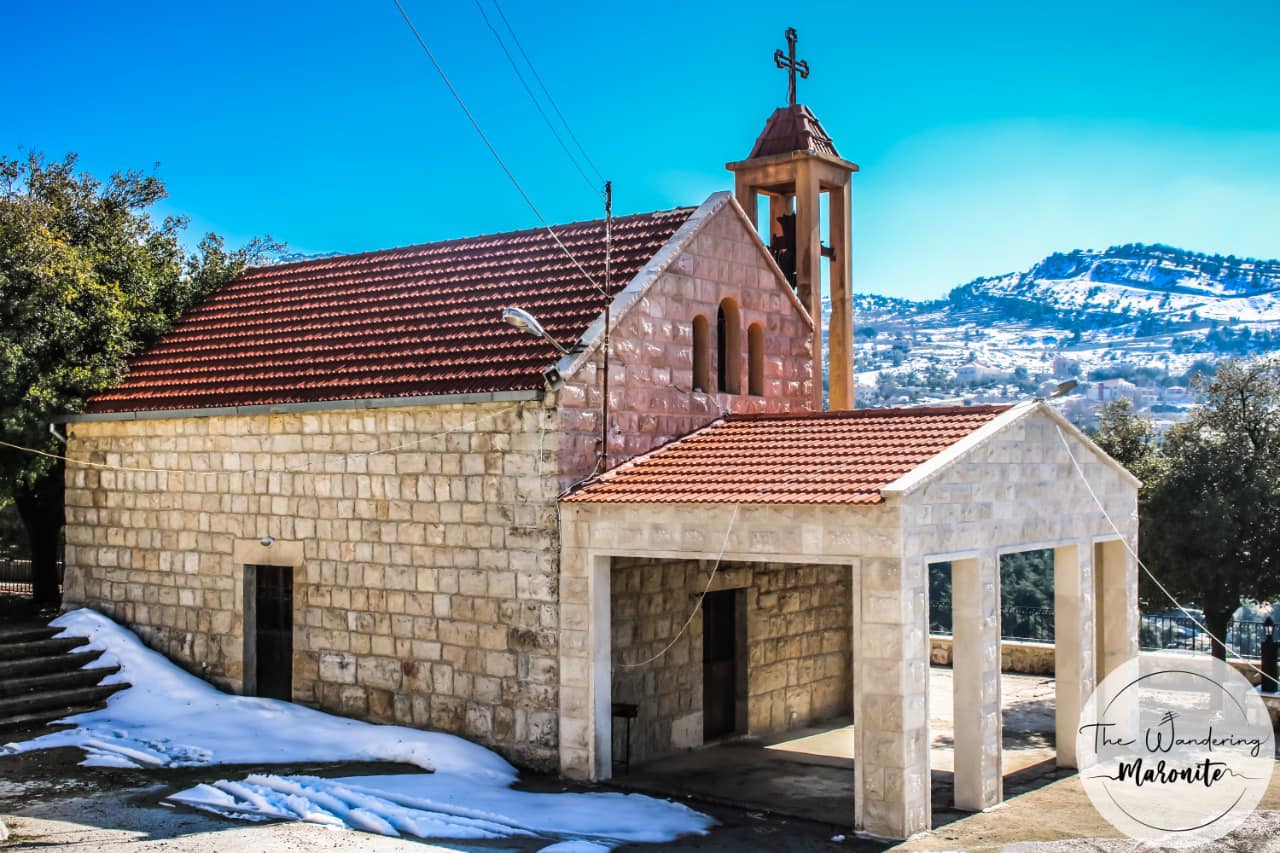
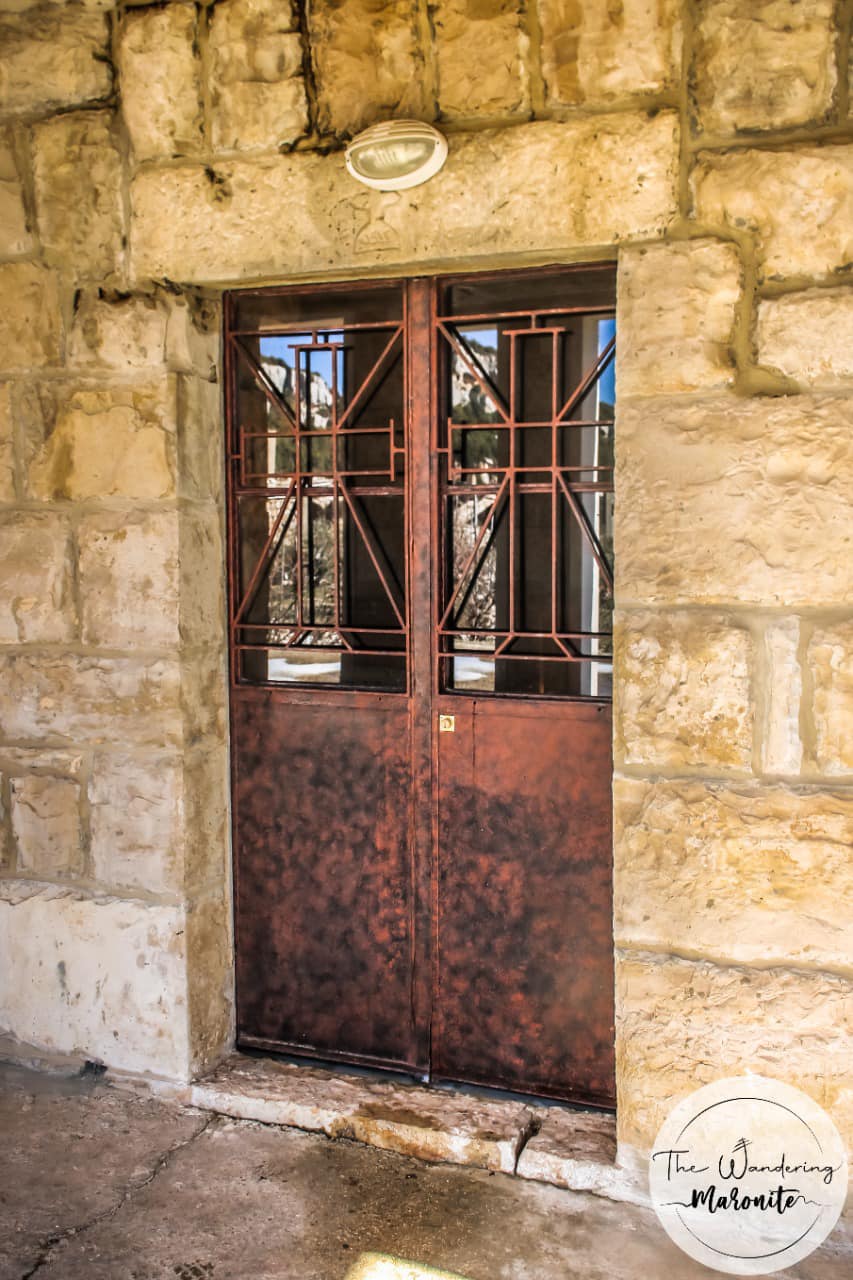
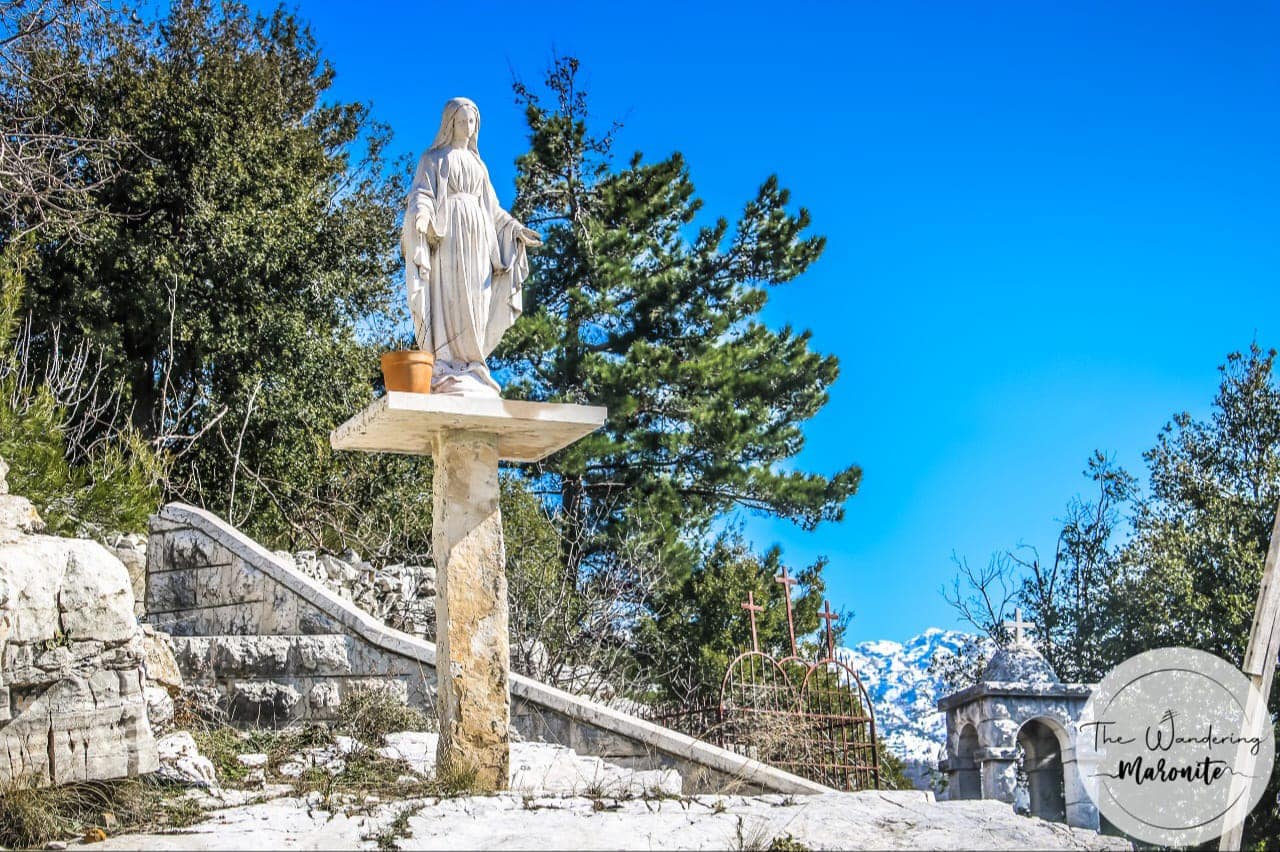
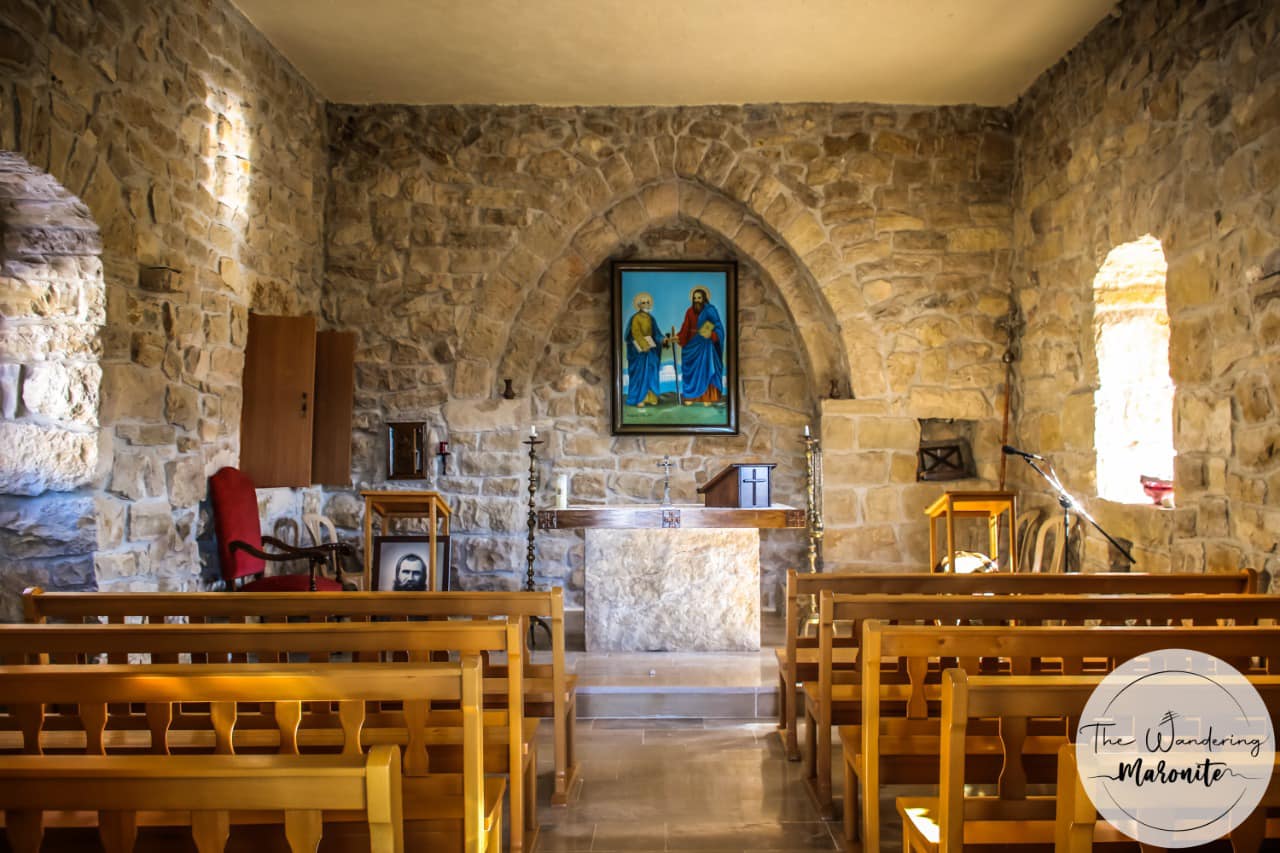
كنيسة مار بطرس وبولس - لحفدهي كنيسة صغيرة في طرف البلدة. بُنيت سنة ١٩١٢ ورُمّمت في تسعينيّات القرن العشرين. الكنيسة بسوق واحد مسقوف. لوحة مار بطرس وبولس من عمل جوزيف زيادة تعود لعام ١٩٥٨.
The church of Sts Peter and Paul - LehfedThe church is a small chapel on the outskirts of the village. The construction began in 1912, and was restored in the nineties. The church consists of a single roofed nave. The painting of Sts Peter and Paul is made by Joseph Ziade dates back to 1958.
Saint Maron - Jezzine رعيّة مار مارون - جزّين, Jezzine, Lebanon
كنيسة مار مارون
Jezzine
Jezzine
South
كنيسة مار مارون - جزّين بنيت الكنيسة بسعي أهالي البلدة سنة ١٨٦٨ على أنقاض الكنيسة الأولى التي خَربَت بعد أحداث ١٨٦٠. هي كنيسةٌ كبيرةٌ مبنيّةٌ على النمط البازيليكيّ بثلاث أسواق، وعقدها يُعدّ الأعلى في كنائس جبل لبنان القديم. اللوحة من عمل الرسّام داوود القرم.
The church of St Maroun - Jezzine The church was built by the locals in 1868 to replace the old church that was devastated in the war of 1860. It is a big church with a basilical design and the highest vault in XIXth century Mount Lebanon. The painting of St Maroun is the work of Dawoud el Qorm.
أواسط القرن التاسع عشر أصبح أهالي حردين بحاجةٍ لكنيسةٍ رعائيّةٍ كبيرةٍ، فجاء بناء كنيسة مار شينا بعقدٍ مُصالب سنة ١٨٤٤. ومار شينا هو لقبٌ سريانيّ لأبراميوس الأنطاكي الذي كان لصًّا متنكرًا بزيّ راهبٍ أراد سرقة ديرٍ للراهبات فحدثت معجزة شفاءٍ غيّرت حياته من لصِّ إلى ناسك. هذه المعجزة خلدتها لوحة الكنيسة وهي من عمل الحبيس ليشع الحرديني شقيق القديس نعمة الله. رُمّمت الكنيسة سنة ١٩٩٨ بعد إعلان تطويب مار نعمة الله، وهي الكنيسة التي شهدت على طفولته وخدم مذبحها.
The Church of St. Chaina - Hardine
During the mid-19th century, the villagers of Hardin felt the need for a parish church. The construction of a magnificent cross-vaulted structure was completed in 1844. The church was dedicated to St. Chaina, a 4th-century thief named Abramius of Antioch, who, after attempting to raid a nunnery disguised as a monk, witnessed a miracle that led to his conversion. This miracle is depicted in a painting hanging in the church's apse, which was created by the hermit Fr. Lichaa el Hardini, the brother of St. Nematullah. The church was restored in 1998 following the beatification of Fr. Nematullah, who had been a child and an altar boy in this very church.
البناء أساسًا كان معبدًا فينيقيّ ثمّ رومانيّ. عُرف بالأزرق نسبةً للون الحجر الكلسيّ. مع قدوم المسيحيّة حُوّل المعبد إلى ديرٍ على اسم مار جرجس وكان الأكبر في جبّة المنيطرة. إختاره البطريرك يوحنّا مارون الثاني مقرًّا له سنة ٧٥٠، وذلك لصعوبة الوصول إليه، ولأن يانوح بحسب البطريرك الدويهيّ: "كانت من أشرف المجالِس في جِبَة المنيطرة وأهلها كثيرو العِبادة والغيرة". بقيت يانوح مقرًّا بطريركيًّا شبه ثابتٍ ما بين ٧٥٠ و١٢٧٧، لأن البطاركة تنقلوا مابين سنتيّ ١١٢٠ و١٢٠٠ بين ميفوق وهابيل ولحفد. بنى البطاركة بقرب المعبد كنيسةً صغيرة خاصة للبطاركة وأقبية وغرف. وبنوا كنيسة السيّدة خارج المحلّة. أقام البطاركة في يانوح، ما مجموعه أربعماية واثنتان وثلاثون سنة، منها ثلاثمائة وسبعون سنةً متواصلةً دون إنقطاع. مع قدوم الصليبيّين في عهد البطريرك يوسف الجرجسيّ إستبشر الموارنة خيرًا بحسب ابن القلاعي، فأُعيد اتصالهم بروما، وعاشوا فترةً من الإزدهار، ويذكر التاريخ أنّه في تلك الحقبة إستبدل الموارنة نوافيس الخشب بنواقيس حديدٍ في يانوح. لكنّ الفترة الصليبيّة شهدت العديد من القلاقل والمعارك ممّا استدعى تنقلاتٍ عديدةٍ للبطاركة واتخاذهم عدّة مراكز. ومع رحيل الصليبييّن وحملة المماليك أُحرقت يانوح، ولم تُجرى أبحاث أركيواوجيّة على الموضع لحين الإنتداب الفرنسيّ بداية القرن العشرين.
The blue monastery of St George - Yanouh
The building was originally a Phoenician than a Roman temple consecutively. With the locals conversion to Christianity the temple was consecrated as a church dedicated to St George. In 750 Yanouh was chosen as a patriarchal seat, it remained a nearly consistent seat between 750 and 1277. The patriarchs built near the temple a patriarchal chapel, many vaults and cells and the church of the Virgin Mary outside of the complex. With the Crusades during the pontificate of Patriarch Youssef el Gergesy, the Maronites entered a golden age, they reconnected with Rome. Yet the latter Crusader’s period saw unrest and struggles, that was the reason why many patriarchs used to change residences. In 1277 the patriarchs moved out of Yanouh. The seat was completly abandoned after the Crusaders left and the Mamluk’s campaign that destroyed the village. The site was excavated by the french archeological missions in the early XXth century.
Reviews are disabled, but trackbacks and pingbacks are open.