Overview
Map
Other Details
ضريح مار نعمة الله الحرديني - كفيفان
Kfifane
Batroun
North
Visited 3358 times, 1 Visit today
Directory of Churches in Lebanon

Sanctuary of Saint Nimatullah Hardini, Kfifan, Lebanon
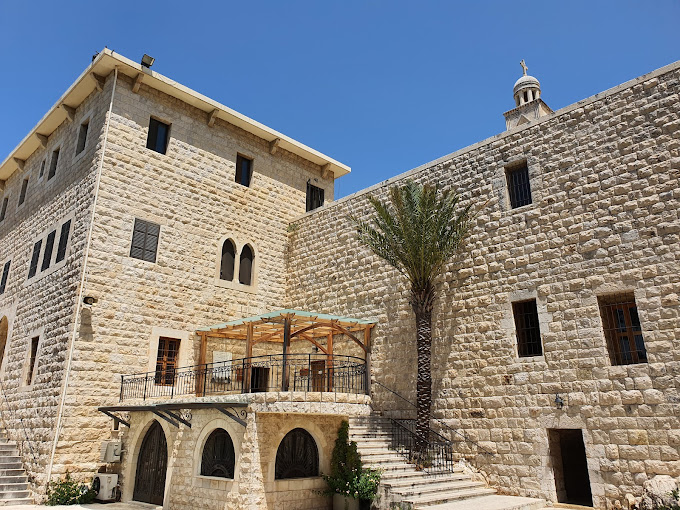
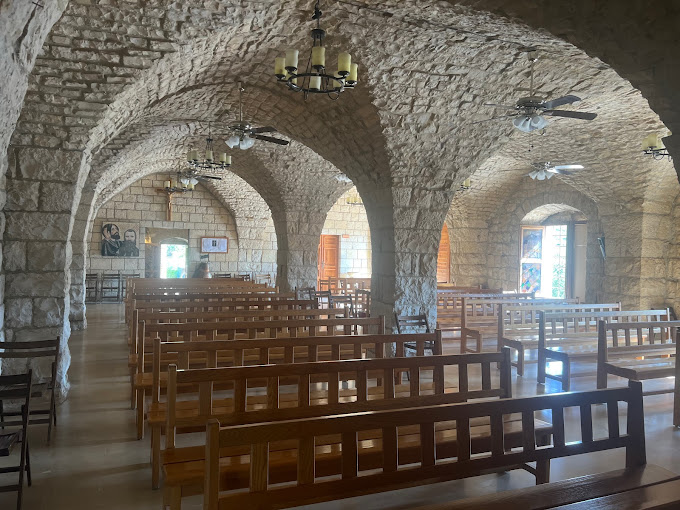
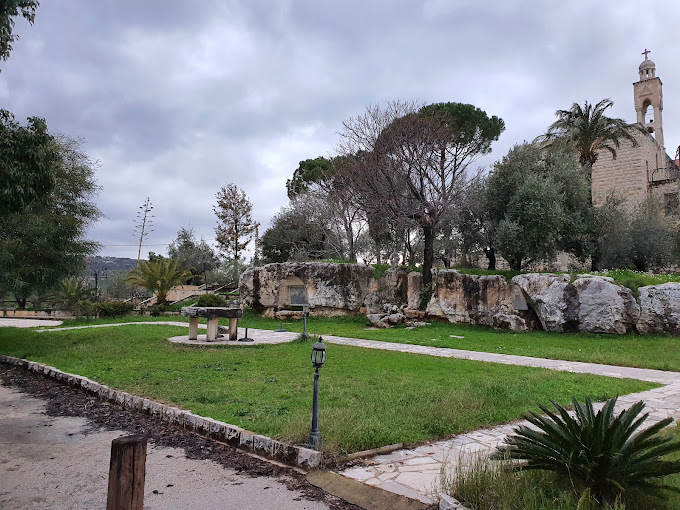
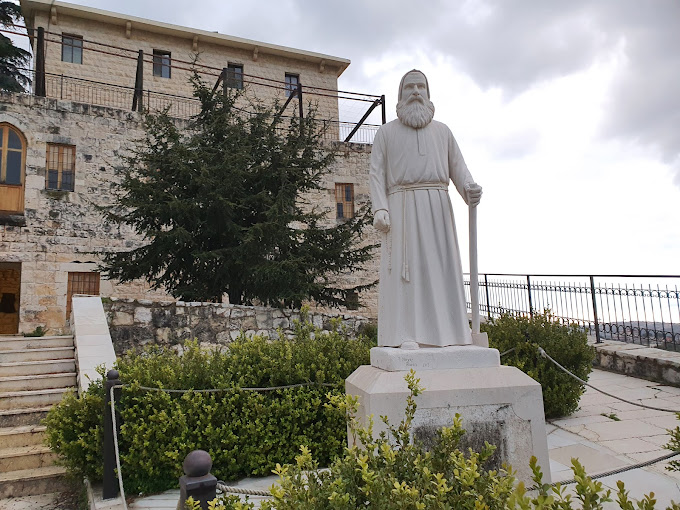
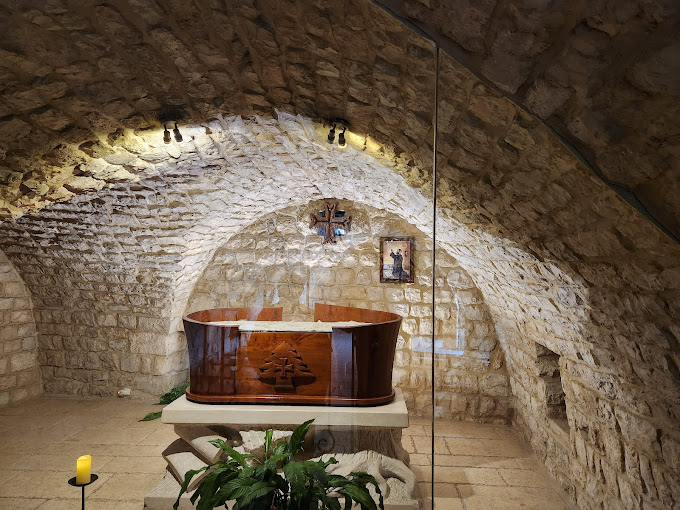
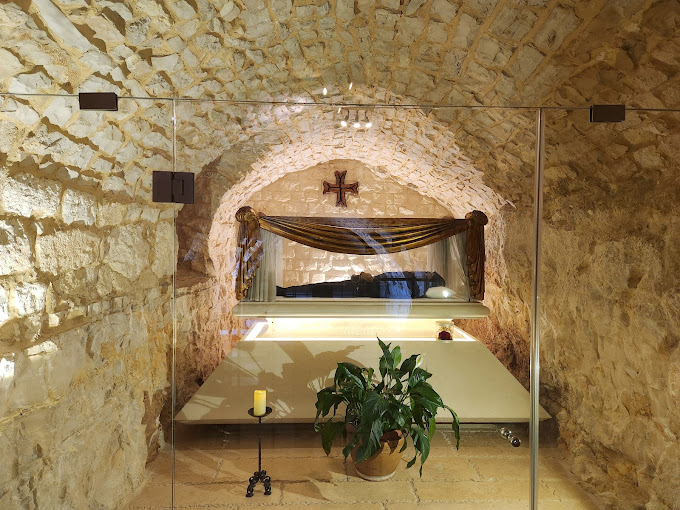
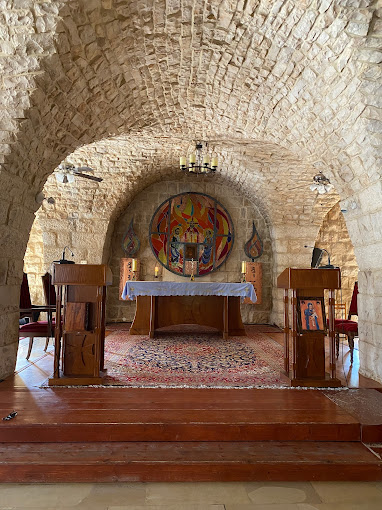
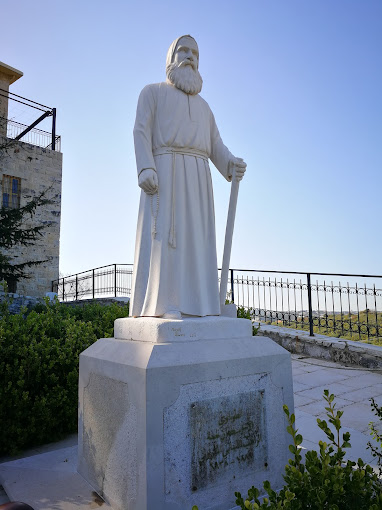
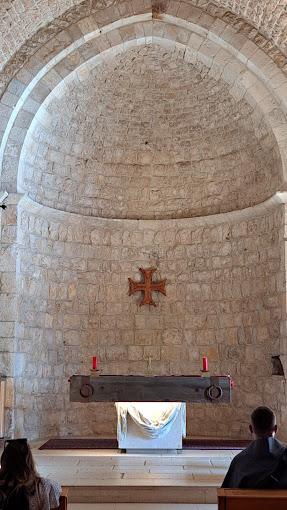
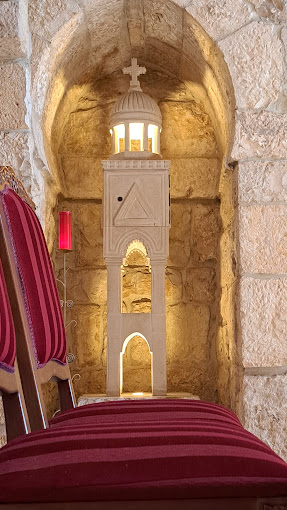
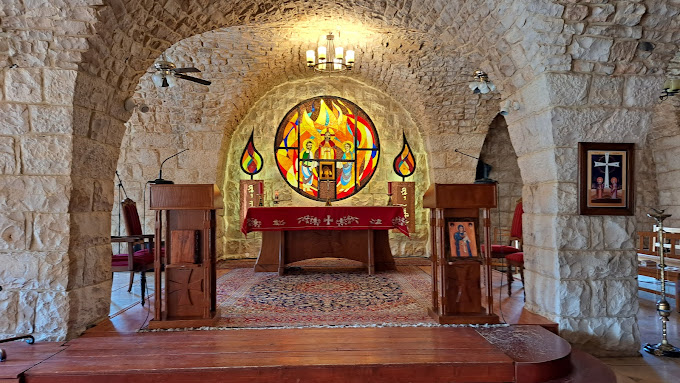
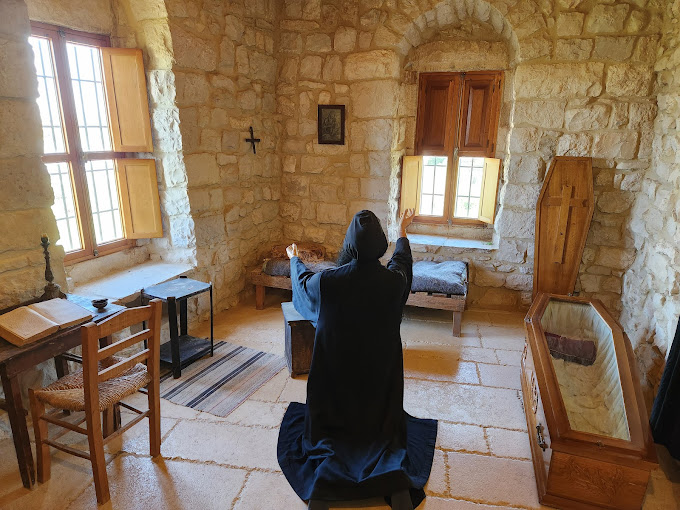
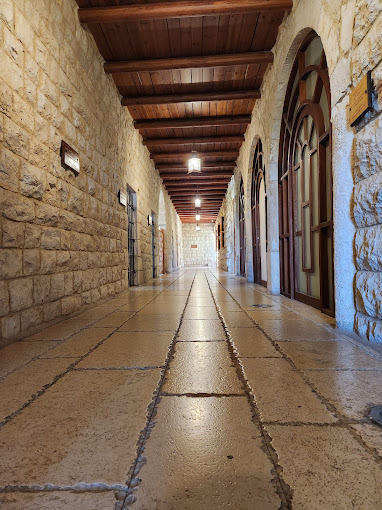
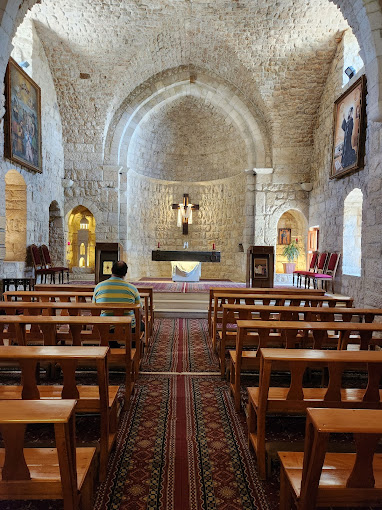
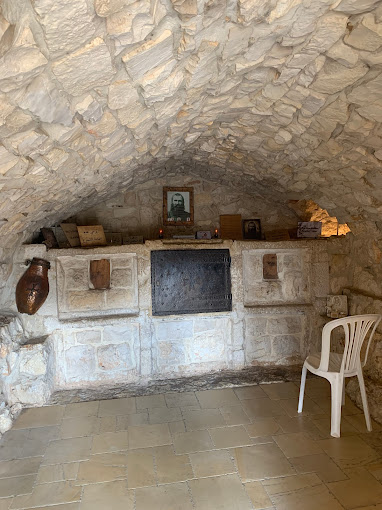


ضريح مار نعمة الله الحرديني - كفيفان
Kfifane
Batroun
North
Visited 3358 times, 1 Visit today
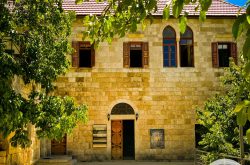
St. Serge Monastery, Ehden, Lebanon
دير مار سركيس وباخوس رأس النهر
Ehden
Zgharta
North
دير مار سركيس وباخوس رأس النهر - إهدن
دير مار سركيس وباخوس من أقدم الأديار في لبنان الشمالي. بُنيت الكنيسة الأولى في القرن الثامن، على أنقاض معبدٍ كنعانيّ، في هذه الكنيسة نال البطريرك اسطفانوس الدويهيّ درجة الكهنوت سنة ١٦٥٦. أمّا كنيسة السيّدة فبُنيت عام ١١٩٨ زمن الصليبيّين. سنة ١٤٧٣، أصبح الدّير كرسيًّا لأساقفة إهدن، بولاية آل الدويهيّ. رَمّم الدير المطران بولس يمّين عام ١٤٠٤، والمطران بولس الدويهيّ عام ١٦٥٩، والخوري مخائيل الدويهي عام ١٦٧٠ والبطريرك إسطفان الدويهي عام ١٦٩٠. تسلّمته الرهبنة الأنطونيّة في أول ايلول سنة ١٧٣٩ فبنوا العقود أمام الكنيستين، والدّير الجديد والكنيسة فوقها. استضاف الدّير الحبيس فرانسوا ده شاستويل، والمونسنيور ميسلن، ويوسف بك كرم، والعديد من البطاركة والأعيان. يلعب الدّير اليوم دورًا ثقافيًّا كبيرًا بالإضافة لدوره الروحيّ.
The monastery of Sts Sergius and Bacchus Ras el Naher - Ehden
The monastery is one of the oldest in Northern Lebanon. The first church was built in the VIIIth century over a Kanaanean temple. In it was ordained a priest the later patriarch Estephan el Douweihy in 1656. The second church dedicated to the Madonna wad built during the crusades in 1198. In 1473 the monastery became the seat of the bishops of Ehden under the jurisdiction of the Douaihy family. In 1739 the monastery became property of the Antonine Maronite Order. The monks built the vaults linking the two churches, the new monastery and another church above the old one. The monastery was restored many times over its long history. It was visited by many patriarchs and notable figures such as the hermit Francois de Chasteuil, Mgr Miselin… The monastery is not only a high spiritual place but also a great cultural hub.
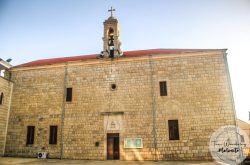
Our Lady of Ain Ebel Church, Ain Ebel, Lebanon
كنيسة السيّدة
Ain Ibl
Bent Jbeil
Nabatieh
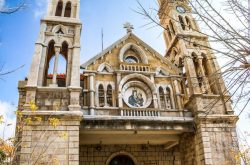
Saint Mary Church,, Baskinta, Lebanon
كنيسة سيّدة الإنتقال
Baskinta
Metn
Mount Lebanon
كنيسة سيّدة الإنتقال - بسكنتا
تعودُ هذه الكنيسة إلى القرن السابع بحسب التقليد، خُرّبت الكنيسة الأولى مع حملة المماليك في القرن الثالث عشر. أْعيد البناء سنة ١٦٥٠، وجُدّد سنة ١٧١٢. سنة ١٩١١ ذُهِّب المذبح الرئيسيّ.
رُمّمت الكنيسة على عدّة مراحل وحقبات: ١٩٠٧ و ١٩٧٤ و ٢٠٠١. بُنيَ الرواق أمام الكنيسة سنة ١٩١٢. في الكنيسة ثلاث أروقة: السيّدة ولوحتها من عمل القسّ بطرس القبرصيّ الراهب اللبنانيّ، وهو أوّل رسّام في جبل لبنان القديم، مار جرجس، ومار يوحنّا المعمدان. هذه الكنيسة هي الأقدم في بسكنتا، وكانت أروقتها مقسومةً قديمًا بين الموارنة والروم الكاثوليك والروم الأرثوذكس، رعيّة واحدة لكنائس مختلفة!
Our Lady of the Assumption - Baskinta
The first church dates back to the VIIth century, yet it was destroyed with the Mamluk’s invasion in the XIIIth century. The church was rebuilt in 1650, and renewed in 1712. In 1911 the high altar was gilded. The church was renewed several times during its long history: 1907, 1974, and 2001. In 1912 a narthex was added with an Antipendium. The church is in a basilical plan and divided by three naves: Our Lady’s with a Madonna painting drawn by Boutros el Qobrsy the Lebanese Cypriot monk and the first known painter in Mount Lebanon, St John the baptist, and St George. This church is the oldest in Baskinta, in earlier times the naves where divided between the village's Christian communities: the Maronites, the Melkite, and the Greek Orthodox. One parish for three christian communities.
Reviews are disabled, but trackbacks and pingbacks are open.