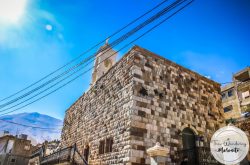
كنيسة سيدة النياح للروم الأورثوذوكس وللروم الملكيّين الكاثوليك)
1660
Kfar Aaqab
Metn
Mount Lebanon
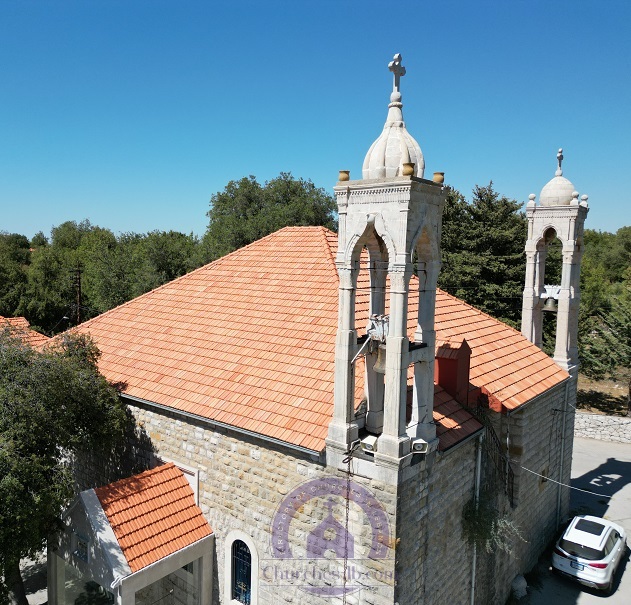
كانت بلدة كفر عقاب بلدة مهدّمة على يد المماليك في عام . ١٢٩٠ ولكن بعد قدوم بيت معلوف في عام ١٥٧٠ بدأت عمليات إعادة الترميم على أيديهم. كان أوّل ما رمّموه هي كنيسة صغيرة في أعلى البلدة وأطلقوا عليها اسم كنيسة سيدة الخرايب. في عام ١٦٦٠ وجدت عائلة معلوف أنّ عدد الناس ازداد لذلك قاموا ببناء كنيسة سيدة النياح. التي تتميّز بالطقس البيزنطي المعروف بـ المذبح الخاص به والأيقونات المميزة. تم تكبير هذه الكنيسة في عام ١٨٠٥ لتصبح كنيستين متلاصقتين وتحملان التصميم نفسه. في عام ١٦٦٦ ازداد عدد الناس أكثر فأكثر فاتفقوا على بناء كنيسة ثالثة تدعى كنيسة سيدة البشارة تحت شجرة معمّرة ضخمة. دامت مدة بناء الكنيسة من عام ١٦٦٦ حتى عام ١٧٧٠ وفي عام ١٧٧١ افتتحوا الكنيسة ومارسوا الصلاة فيها. كما أنشأوا إلى جانبها بيت الكنيسة كان أرضي فقط وأصبح مؤلف من طابقين.
Saint Isaiah (Mar Shaaya), Jouret El Ballout, Lebanon
دير مار شعيا
Broummana El-Matn
Metn
Mount Lebanon
دير مار شعيا - المزكه برمانا
سنة 1673 قام المطران جبرايل البلوزاني رئيس أساقفة حلب (البطريرك لاحقًا) بتأسيس حركة رهبانيّة تتبع قانون مار أنطونيوس الكبير وهدفها تبشير الدروز. سنة 1698 أُرسلت مجموعة من الرهبان لتأسيس ديرٍ في برمانا هم: سليمان الحجّة المشمشاني، وعطالله كريكر الشبابي، وموسى زمّار البعبداتي. فاشتروا أنقاض ديرٍ قديمٍ على تلّة بجوار برمانا. سنة 1700 بدأ الرهبان الأنطونيون تأسيس ديرٍ جديدٍ على اسم مار شعيا الراهب الحلبيّ. أصبح الدّير الدّير الأم للرهبانيّة الأنطونيّة الناشئة التي ثبّتها البابا أقليمنضوس الثاني عشر سنة 1740. إرتبط الأنطونيّون بدير التأسيس لدرجة أنّهم أصبحوا يتكنّون برهبان مار شعيا. أصبح الدير جسر علاقة بين الرهبانيّة وحكّام الجبل، أمراءِ آل أبي اللمع وآل شهاب الموحِّدّين ما حدا بأفرادٍ من الأسرتَين الكبيرتَين اعتناقَ الإيمانِ الكاثوليكي ونشره في مناطقَ متنيّة. تعاقبت الحروب على الدير وتركت بصماتِها الهدّامة من أحداث ١٨٤٠ و١٨٦٠، إلى الحرب العالميّة الأولى، وقد كانتِ الأشرس، فدمّر الجيش العثمانيّ الدير وأحرق مكتبته. رُمّم الدّير على مراحل عديدة وأُعيد بناؤه. كنيسة الدّير كناية عن عقدٍ مُصالبٍ ينتهي بحنية نصف دائريّة. تتميّز الكنيسة بخورسها الخشبيّ بين المذبح والسوق الرئيسيّ.كذلك تحوي الكنيسة أرغن الموسيقار الكبير الأب يوسف الأشقر أحد روّاد الموسيقى الكنسيّة المارونيّة. كذلك تحوي لوحة مار شعيا التي تعود لعام 1907، وجداريّة خلف المذبح من عمل الرسّام أسعد رنّو.
The monastery of St Isaiah - El Mzekke Broummana
In 1673 the archbishop of Aleppo Mgr. Gebrayel el Blouzany (later Patriarch), started a monastic movement according to the Rule of St Anthony the great, with the aim of evangelizing the Druze. In 1698 a small group of monks were sent to start a monastery in Broummana: Sleiman Hajje from Meshmesh, Atallah Kreiker from Beit Chabab, Moussa el Zemmar from Baabdat. In 1700 the monks bought the ruins of an old monastery on a hill in the vicinity of Broummana. The monastery was dedicated to St Isaiah the Aleppan monk, and the monastery became the motherhouse of the new order that was recognized by Pope Clement XII in 1740. The monks became commonly known as the monks of St Isaiah. The monastery became a mission hub and many Druze were converted by the monks, it was noted that many princes from the families of Shehab and Abi el Llamah became Maronites and helped spreading the catholic faith in the Metn region. The monastery suffered greatly during the wars of 1840 and 1860, it was severely damaged during World War I and its great library was burnt down. Yet it was always restored and rebuilt. The monastery's church is a crossed vault ending with a semi circular apse. The nave and the sanctuary are separated by wooden choir stalls. The church holds the organ of Fr. Boulos el Ashkar a pioneer in Maronite ecclesiastical music, a painting of St Isaiah from 1907 and a fresco of the saint by Assaad Renno.
دير مار الياس - انطلياس, Square، Antelias, Lebanon
كنيسة مار الياس
Antelias
Metn
Mount Lebanon
كنيسة مار الياس - أنطلياس
بُنيت الكنيسة كمزارٍ صغيرِ مُكرّس للنبيّ إيليّا فوق معبدٍ رومانيّ في القرن الخامس. أعاد المردة توسيع البناء الأوّل في القرن العاشر. بعد تأسيس دير سيّدة طاميش سنة ١٦٨٥ كان المطران جبرائيل البلوزاوي (البطريرك لاحقًا) يرسل راهباً ليخدم الرعيّة. سنة ١٧٢٣ سلّم البطريرك يعقوب عوّاد كنيسة مار الياس وجميع املاك الدير واوقافه الى الرهبنة الانطونيّة. شهدت كنيسة الدّير سنة ١٨٢٠ وسنة ١٨٤٠ على قسم عاميّتين إجتمعت فيهما كافة الأطياف من جبل لبنان تنديدًا بجور الأمير بشير الثاني. سنة ١٩٢٧ أخذت الكنيسة شكلها الحاليَ ورُمّمت أخيرًا سنة ٢٠٠٠.
The Church of St. Elijah - Antelias
The church was initially constructed as a small shrine atop a Roman pagan temple in the 5th century. During the 10th century, the Maradaites expanded the original shrine. After Bishop Gebrayel El Blousawi (later patriarch) established the Tamish monastery in 1685, he assigned one of its monks to serve the Antelias parish. In 1723, Patriarch Jacob Awad generously donated the church, monastery, and all associated lands to the Antonine Maronite Order. The Church of St. Elias played a significant role in two revolutionary agreements between representatives of Mount Lebanon's denominations, opposing the oppressive rule of Prince Beshir II in 1820 and 1840. The church acquired its present form in 1927 and underwent restoration in 2000.
Notre Dame de Bkerkasha, Bcharre - Tannourine Road, Lebanon
كنيسة السيّدة
Bqerqacha
Bcharre
North
كنيسة السيّدة - بقرقاشا
البناء الحاليّ يعود لسنة ١٨١٠، وبالأصل هو ديرٌ قديمٌ مبنيٌّ على اسم مار نوهرا. عندما بنيت الكنيسة الرعائيّة الكبيرة أوائل القرن العشرين، تحوّلت هذه الكنيسة لشفاعة السيّدة. يتألف البناء من عقدٍ مُصالبٍ ينتهي بحنية نصف دائريّة. رمّمت الكنيسة سنة ٢٠١٩. لوحة السيّدة، أيقونةٌ محليّة الصنع غير موقّعة، تعود لمدرسة القرن السادس عشر.
The church of our Lady - Bqorqasha
The current church dates back to 1810. It was originally dedicated to St Nohra (Logius). When the current parish church was built in the beginning of the XXth century, this church was dedicated to the Virgin Mary. The structure consists of an arched vault with a semi circular apse. The church was restored in 2019. It holds a local icon of the virgin dating back to the XVIth century.

Reviews are disabled, but trackbacks and pingbacks are open.