
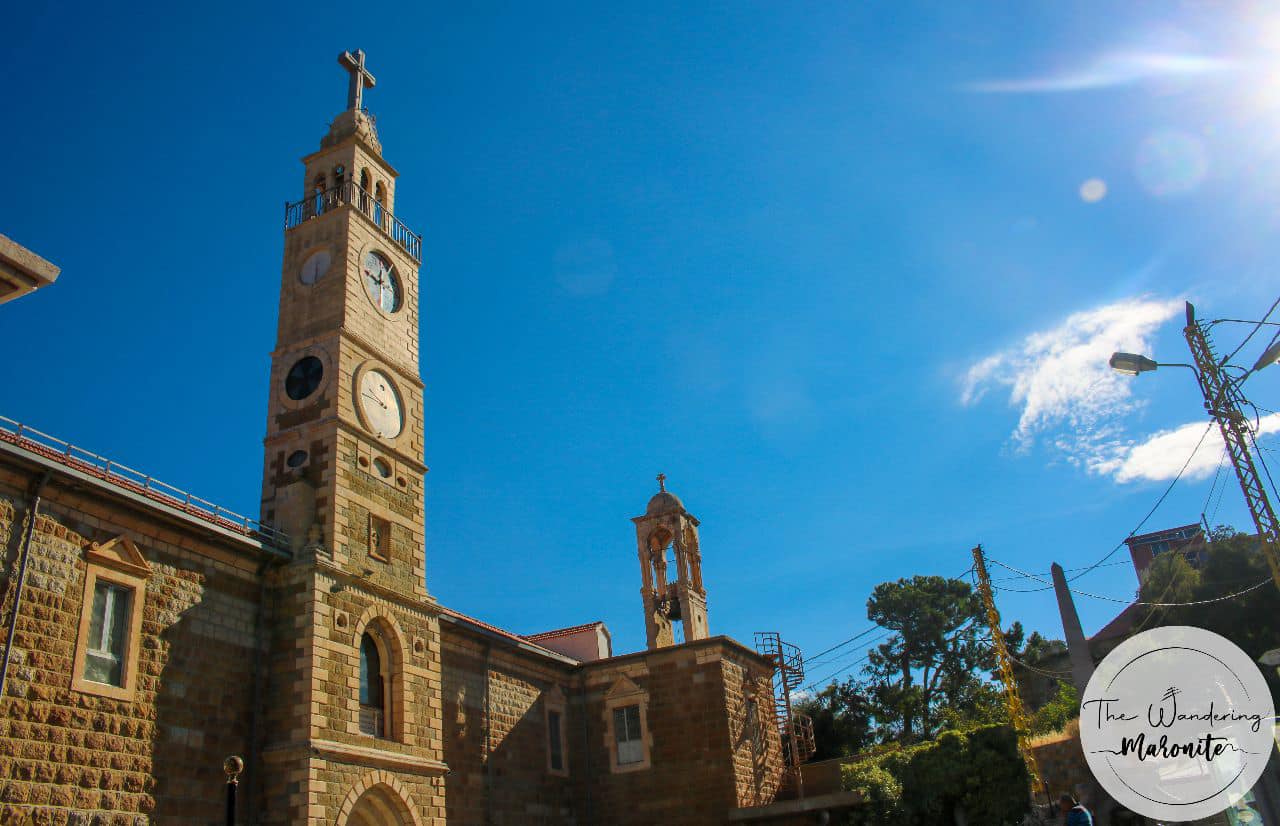
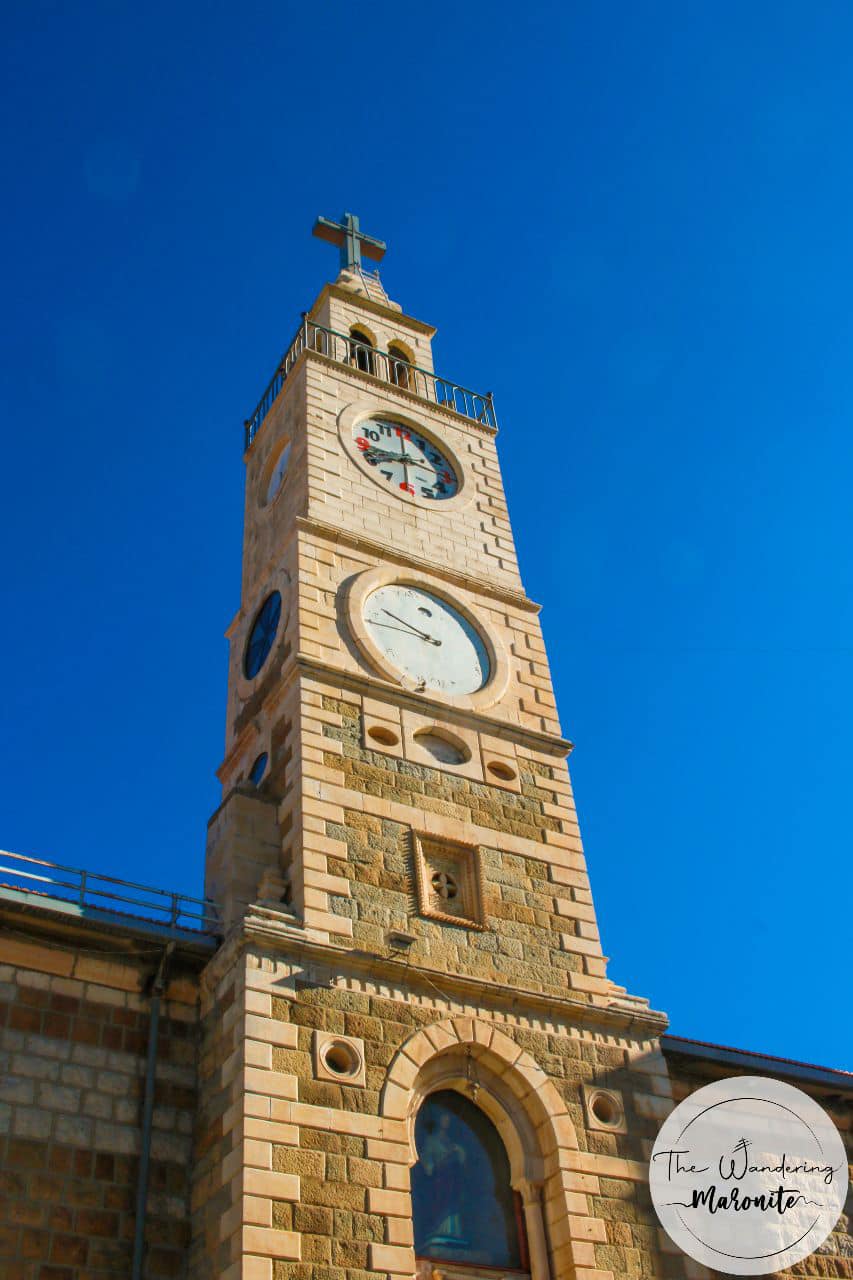
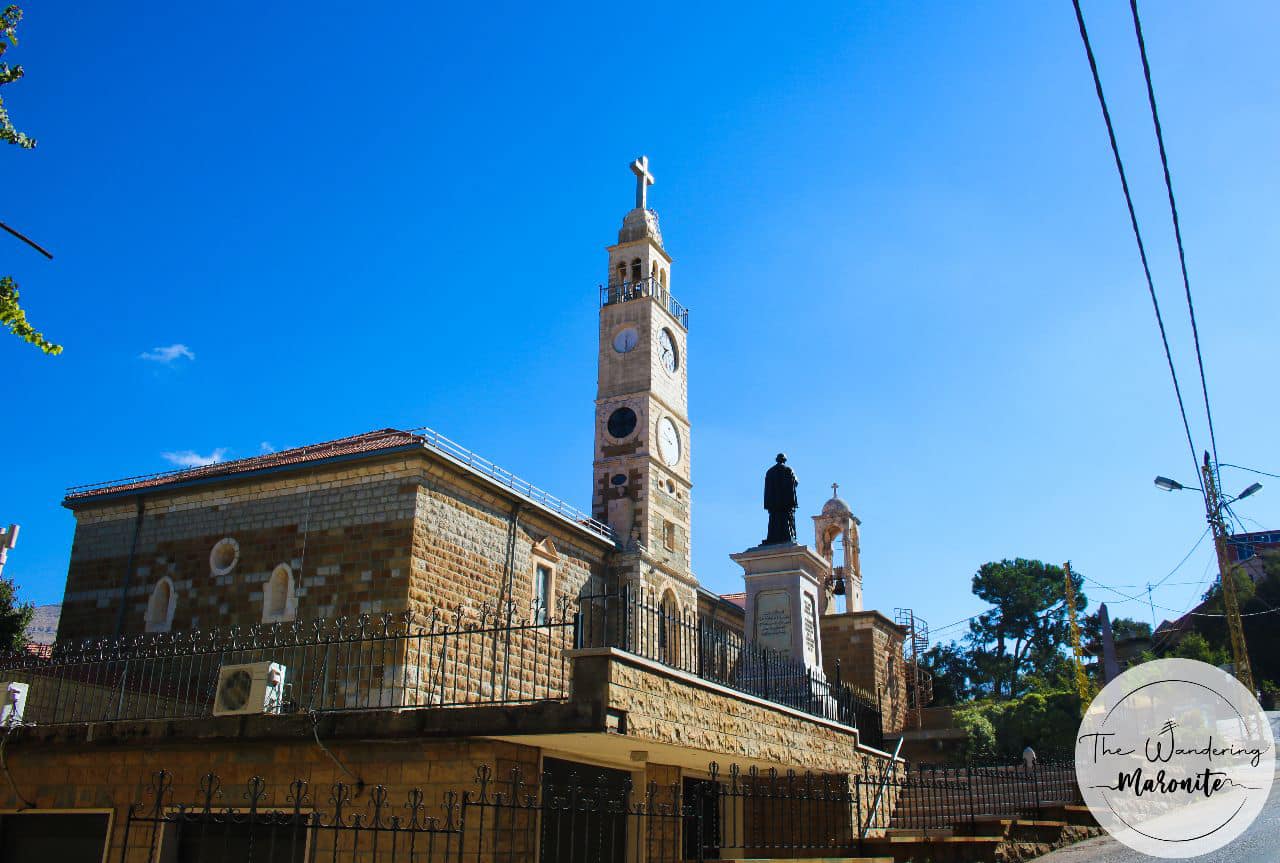
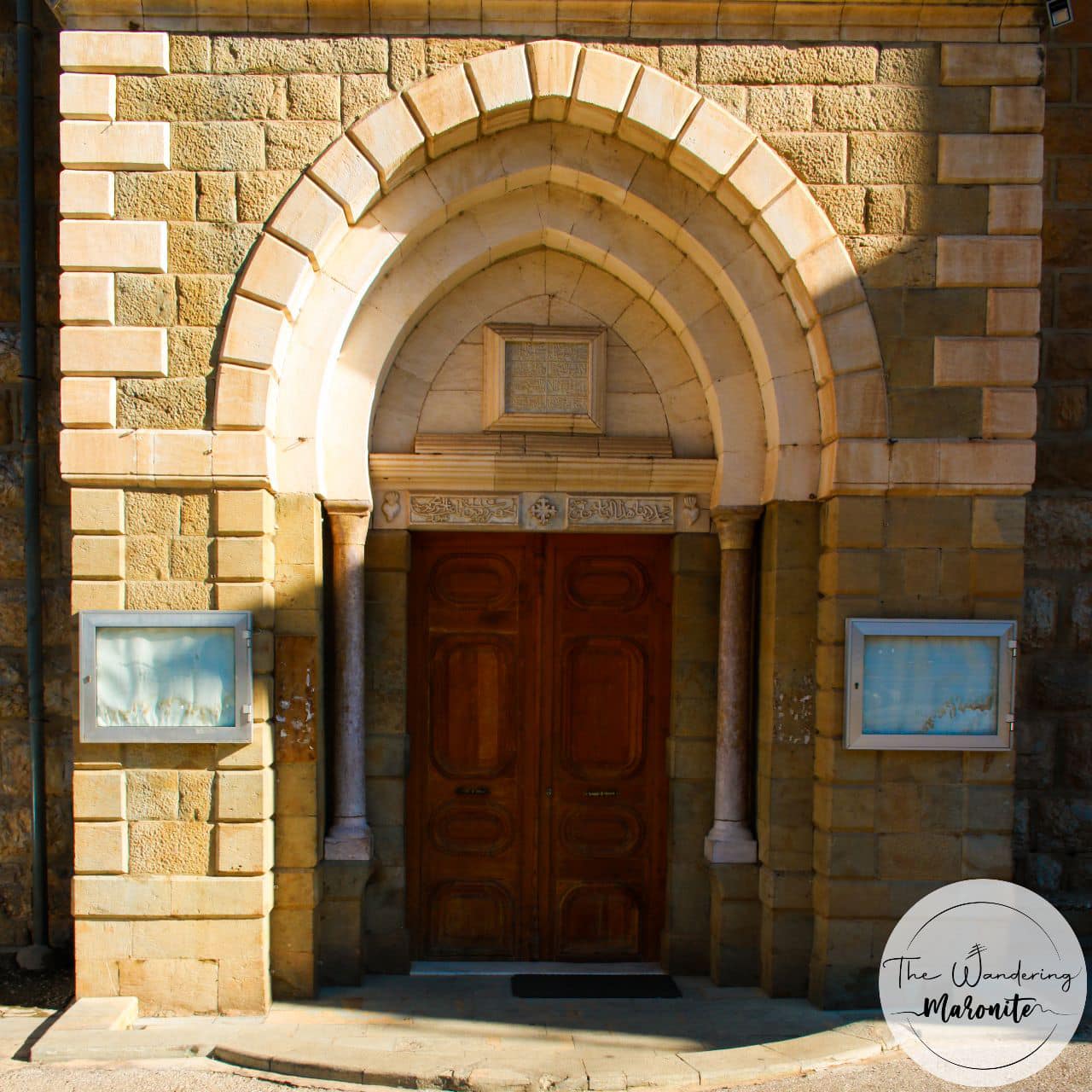
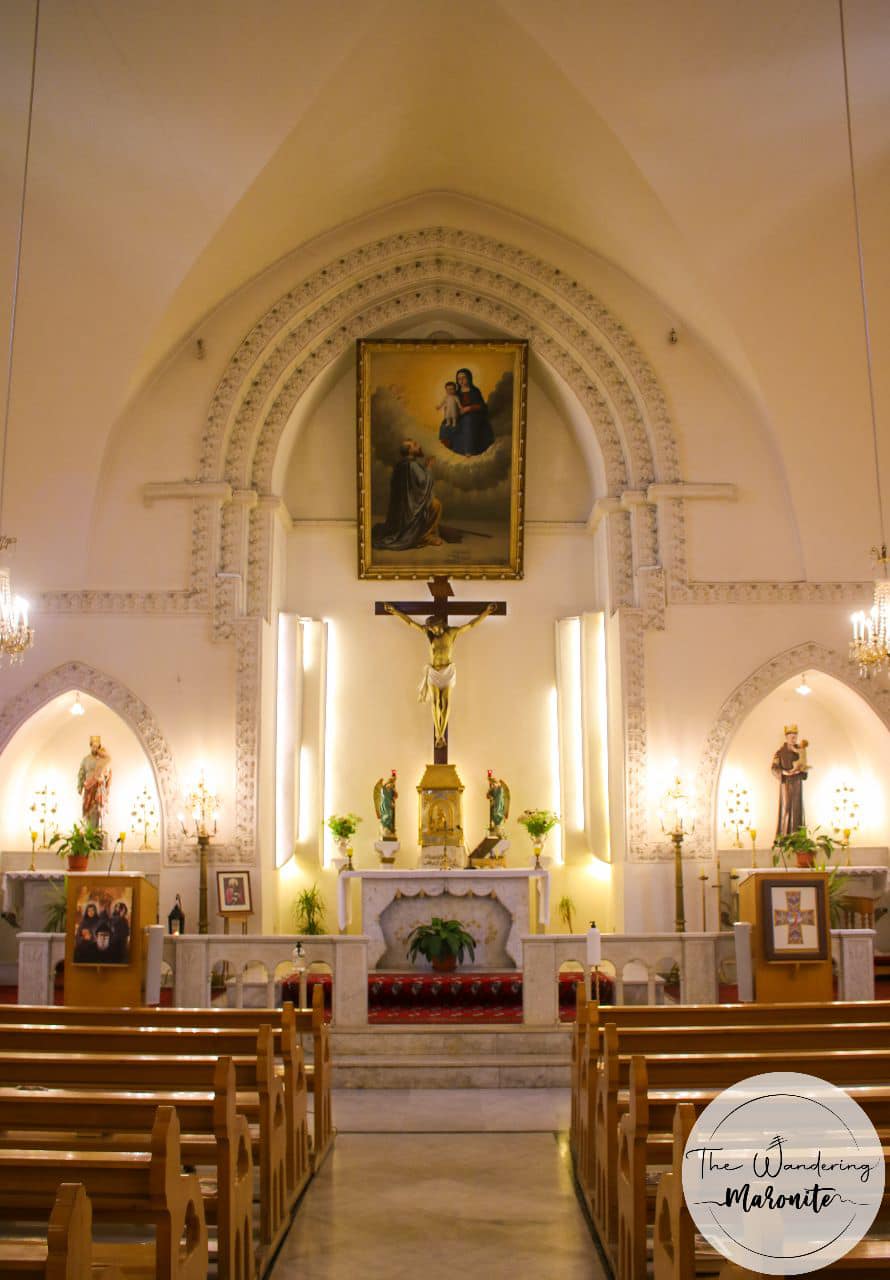
Hasroun – The Church of Our Lady

St. Mary Church, Hasroun, Lebanon

Other Details

كنيسة السيدة

Hasroun

Bcharre

North

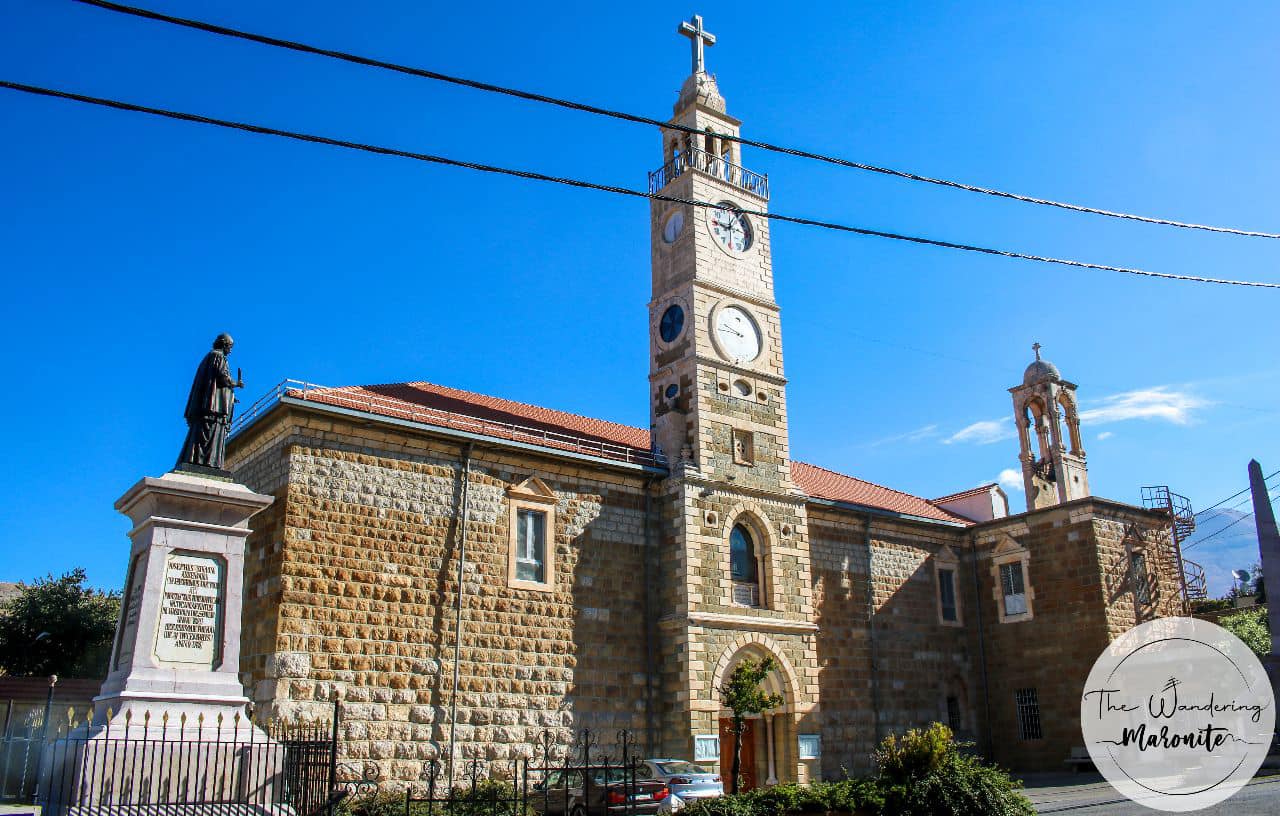
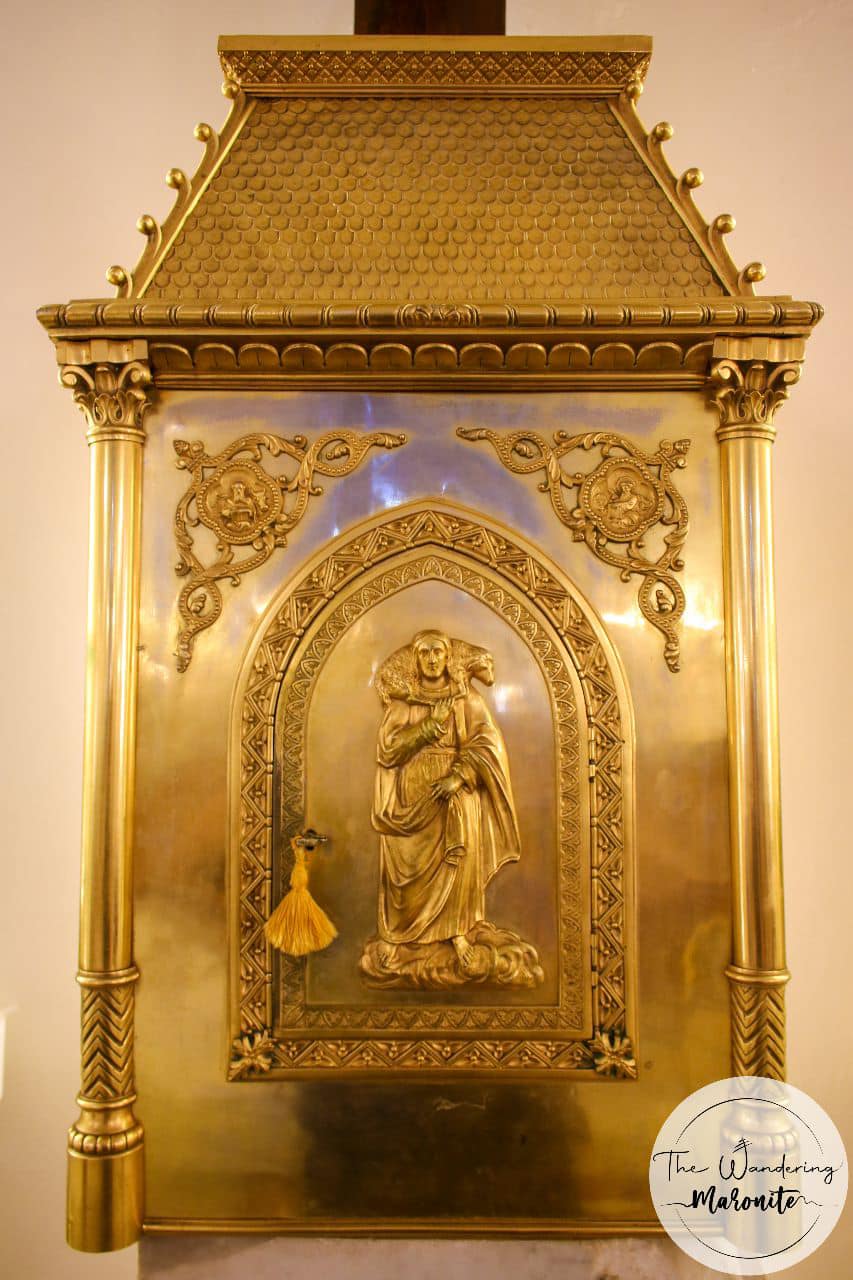
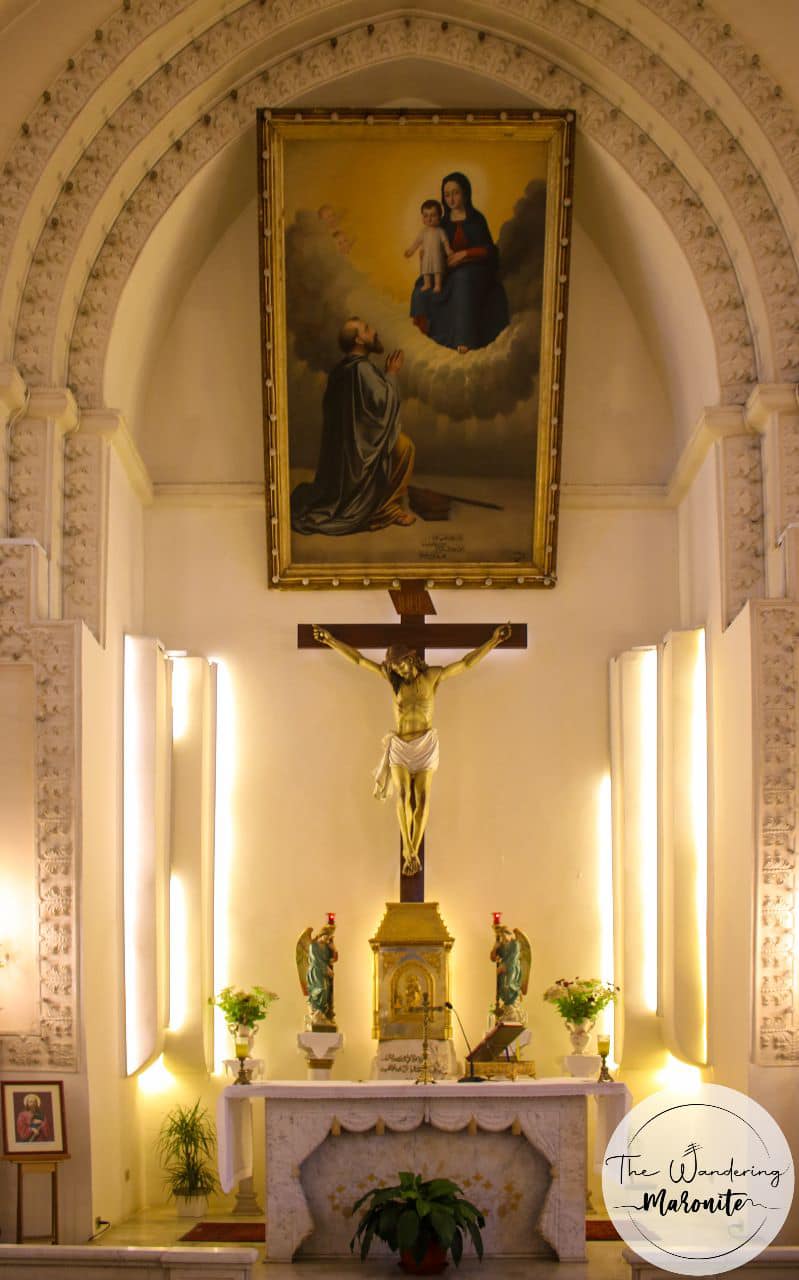
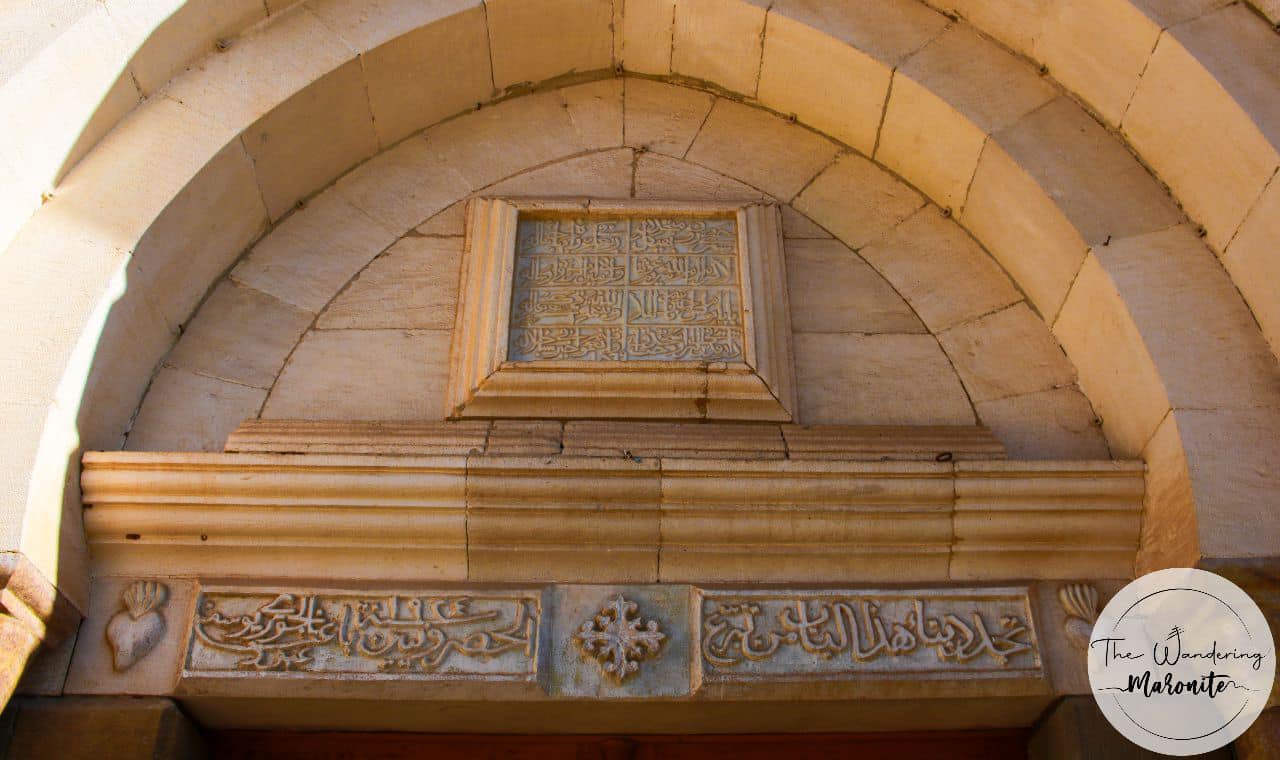
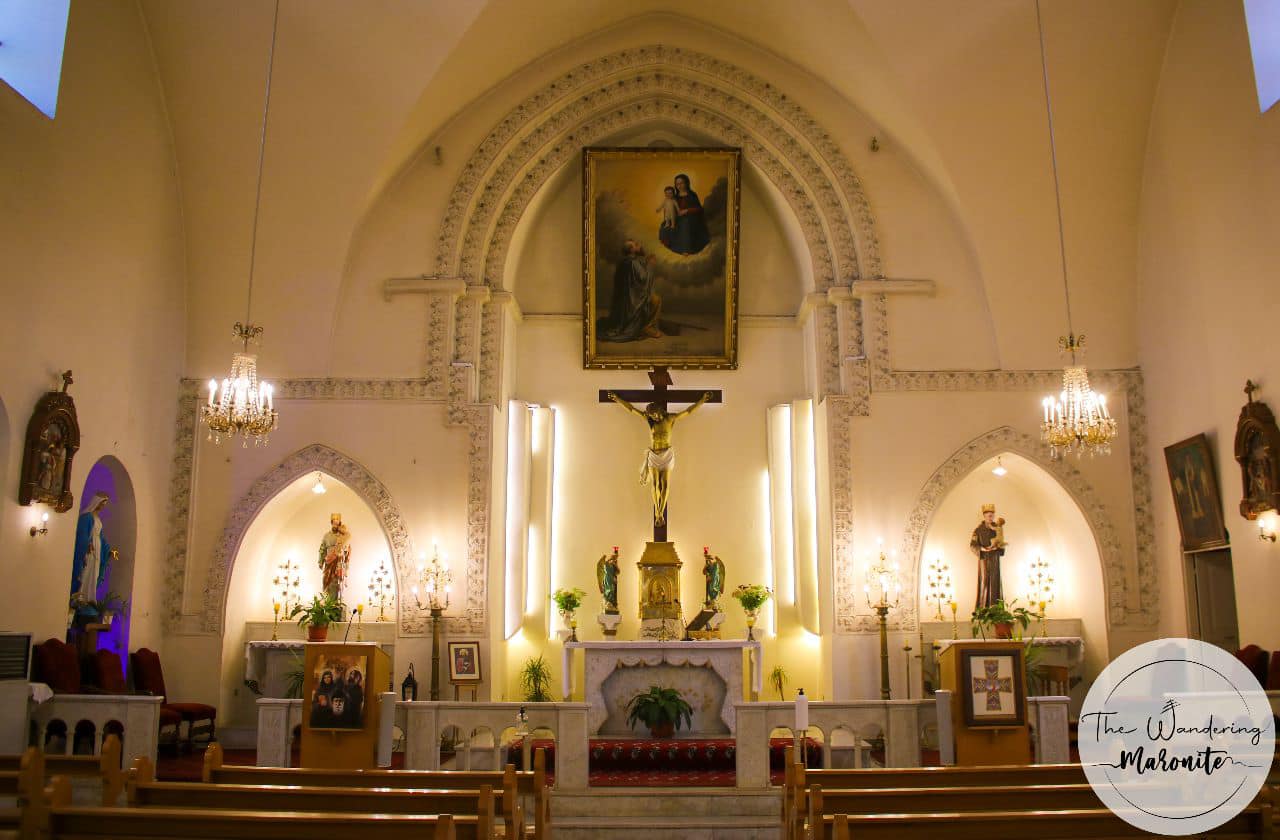
كنيسة السيدة - حصرون‎ تمّ بناء الكنيسة سنة ١٨٦٩. هي كناية عن عقد مصالب، ولها ثلاث حنايا مستديرة، تحتها ثلاثة مذابح، الكبير منها في الوسط وهو من الرخام، على إسم السيّدة العذراء والقدّيس لابي الرسول شفيع البلدة. اللوحة الكبيرة رسمها داوود القرم عام ١٨٩٥. أمّا المذبحان الآخران، علي اليمين للقديس أنطونيوس البادواني، وعلى اليسار وللقدّيس يوسف. كُرّست الكنيسة في ٢٢ ايلول ١٩٠١ على يد المطران بولس عبود. يعلو الكنيسة برج ساعةٍ طنّانة بني عام ١٩٢٤. تحافظ الكنيسة على طابعها الأصليّ، ورُمّمت سنة ١٩٩٩. The Church of Our Lady - Hasroun It was built in 1869 and features a crossed vault with three semi-circular apses. Inside the apses are three altars dedicated to Our Lady and St. Jude, St. Anthony of Padua, and St. Joseph. The main painting in the church is a depiction of Our Lady and St. Jude, created by Dawoud al Qorm in 1895. The church was consecrated on September 22, 1901, by Mgr. Boulos Abboud. In 1924, a bell tower was added to the church. Despite its age, many of the church's original elements have been preserved, and the building was restored in 1999.

Visited 4184 times, 2 Visits today
Reviews are disabled, but trackbacks and pingbacks are open.

Related Listings

Ain Ibl – The church of the Our Lady

Our Lady of Ain Ebel Church, Ain Ebel, Lebanon

كنيسة السيّدة

Ain Ibl

Bent Jbeil

Nabatieh

 
كنيسة السيّدة - عين إبل

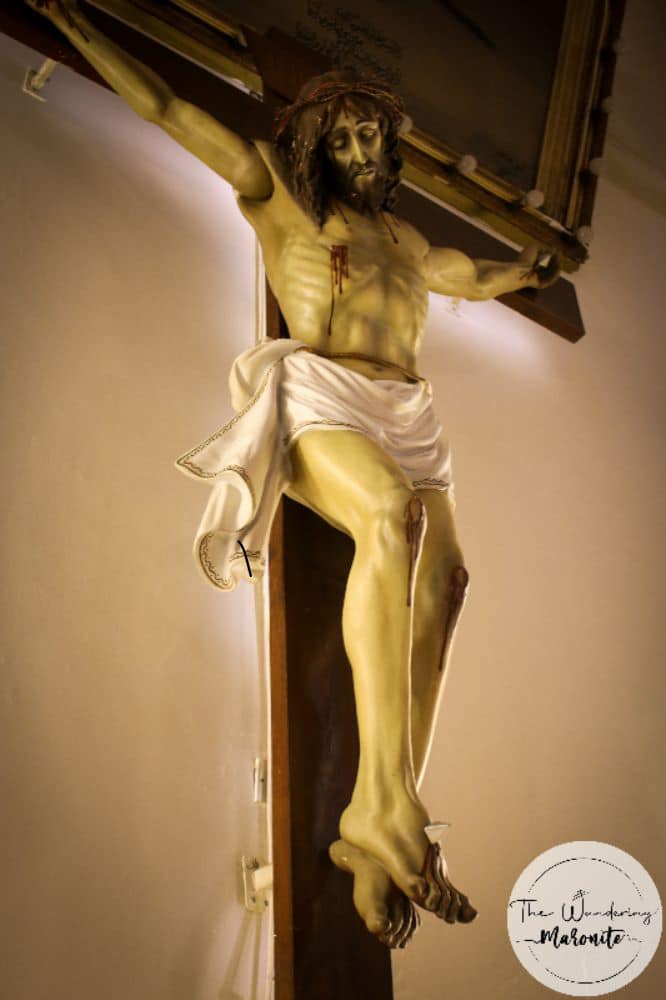
بدأ بناء الكنيسة سنة ١٨٦٦ بمسعى من الخوري إبراهيم خريش، اذ لاحظ المطران بطرس البستانيّ أن الكنيسة القديمة أصبحت ضيّقة وكانت الرعيّة تتمّم واجباتها الدينيّة في بيت الكاهن. فبدأ مشروع بناء الكنيسة الكبيرة. في الكنيسة ثلاث لوحات واحدة منها نسخة عن لوحة السيّدة والطفل لرافاييل، مار مارون ومار يوسف للفنّان مارون ضو. في باحة الكنيسة نصب لشهداء البلدة الذين رقدوا بالربّ سنة ١٩٢٠. ومنحوتة مصلوب على شجرة طبيعيّة.

The church of the Our Lady- Ain Ibl

The church was built in 1866 with Fr Ibrahim Khoreish. Back then Bishop Boutros el Boustany noticed that the old church is too small for the congregation that was celebrating mass in the priest’s house. The church holds a replica of Rafael’s Madonna, St Maroun and St Joseph by Maroun Daou. In the church’s backyard stands the memorial of the martyrs of the town who were martyred in 1920 and the crucified put on a natural tree.

Deir El Ahmar – The Church of Our Lady of the Tower

Our Lady of The Tower Maronite Church, Deir Al-Ahmar, Lebanon

كنيسة سيّدة البرج

Deir El-Ahmar

Baalbek

Baalbek-Hermel

كنيسة سيّدة البرج - دير الأحمر

بنى الرومان في دير الأحمر معبدًا لجوبيتير، تحوّل أوائل القرون الوسطى لبرجٍ عسكريّ لم يبقَ من بنائه سوى الطابق الأوّل. خلال القرن العاشر تحوّل الى ديرٍ يعقوبيّ. سنة ١٧٥٩ دمّر زلزال ضخم كنيسة سيّدة الزروع القديمة فتداعى الأهالي لبناء عقدٍ سريريّ كبير فوق آثار البرج، ليصبح البناء كنيسةً جديدةً كبيرة. كُرّست الكنيسة سنة ١٨٤٣ ورُمّمت سنة ٢٠١٧. تضمّ الكنيسة لوحتين للعذراء من عمل كنعان ديب وداوود القرم. كذلك تحتوي على مكتبةً غنيّة بالكتب البيعيّة.

The Church of Our Lady of the Tower - Deir El Ahmar

The Romans built a temple dedicated to Jupiter in Deir El Ahmar. During the High Middle Ages, the temple was converted into a three-storey military tower, but today only the first storey remains. In the 10th century, Jacobite monks used the site as a monastery. In 1759, an earthquake struck the region and destroyed the old church of Our Lady. The people of Deir el Ahmar then decided to build a great cross-vaulted church on the foundation of the tower. The church was dedicated in 1843 and underwent renovation in 2017. The church is home to a manuscript library and two Marian paintings by Kanaan Dib and Dawoud el Qorm. La Iglesia de Nuestra Señora de la Torre - Deir El-Ahmar Los romanos construyeron un templo dedicado a Júpiter en Deir El-Ahmar. A principios de la Alta Edad Media, el templo se convirtió en una torre militar de tres pisos, de la cual actualmente solo queda el primer piso. En el siglo X, los monjes jacobitas utilizaron el sitio como monasterio. En 1759, un terremoto azotó la región y destruyó la antigua iglesia de Nuestra Señora. La gente de Deir el-Ahmar decidió entonces construir una Iglesia de grandes dimensiones con bóveda de crucería sobre los cimientos de la torre. La iglesia fue consagrada en 1843 y se renovó en 2017. La iglesia alberga una biblioteca de manuscritos y dos pinturas marianas de Kanaan Dib y Dawoud el Qorm.

Dlebta – Convent of Our Lady of the Fields

دير سيدة الحقلة، دلبتا، Lebanon

دير سيّدة الحقلة - دلبتا

1755

Dlebta

Keserwan

Mount Lebanon

دير سيدة الحقلة - دلبتا
يعود تأسيس دير سيدة الحقلة في دلبتا – لبنان إلى القرن السادس عشر على يد الخوري يوسف قصاف.
عام 1755 شيدت الكنيسة الكبيرة وحفر على عتبة بابها الصليب البطريركي الماروني.
راهبات سيدة الحقلة أو الراهبات الحبيسات المسؤولات عن الدير يقضين نهارهنّ في الصلاة، العمل اليدوي والزراعي.
هذا الدير الذي كان يجمع الراهبات والرهبان، قصد إحدى رهبانه من حوالي ٤٠٠ سنة تقريباً النمسا بهدف البحث عن جرس جديد حيث كُسر جرس الكنيسة الأساسي على يد الراهب نفسه.
وفي التفاصيل، أن ابنة الملك كانت مريضة وسمع هذا الراهب بهذا الأمر فتوجه الى البلاط الملكي وصلّى على الفتاة فشيت في الحال. فقال له الملك، ماذا تريد وكيف اردّ لك الجميل، فقال الراهب، اريد جرساً جديداً أصطحبه معي الى جبل لبنان. فأهداه الملك جرسًا وبيت قربان وكأس قربان ومذبحًا وغيرها من الأمور التي جاء بها الى الدير.
ومنذ ذلك التاريخ وهذه التّحف موجودة في الدير حتى يومنا هذا.

The monastery of our Lady of the fields - Dlebta
The monastery was built by the priest Joseph Asaf during the sixteenth century. The main church was built in 1755 and a patriarcal cross was engraved on it’s main door. The monastery is now occupied by a patriarcal contemplative order of nuns.
When it was built, the monastery was mixed with two communities: monks and nuns. 400 years ago a monk broke the church’s bell when he was ringing it, so he went to Austria where he had an audience with the emperor and asked him for a bell to be taken to Mount Lebanon.
After a healing miracle with an austrian princess, the emperor donated a bell, a great tabernacle, a high altar, and a chalice to the monastery. All of these baroque artifacts are still conserved in the monastery today.