
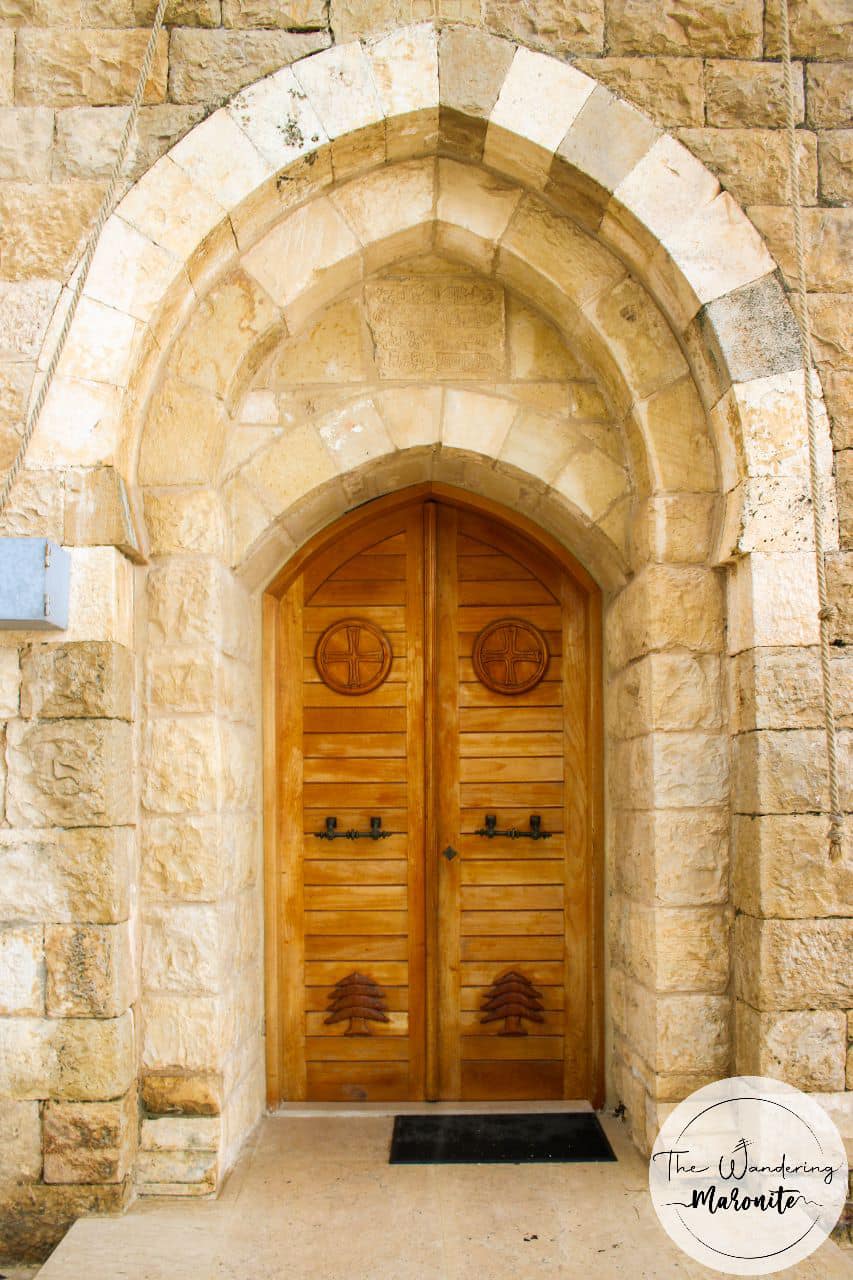
Hardine – The Church of St. Chaina

Mar Shina Church parish, Hardine, Lebanon

Other Details

كنيسة مار شينا

Hardine

Batroun

North

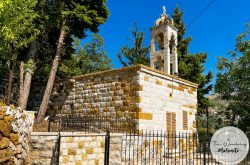
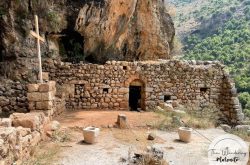
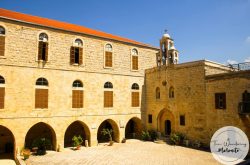
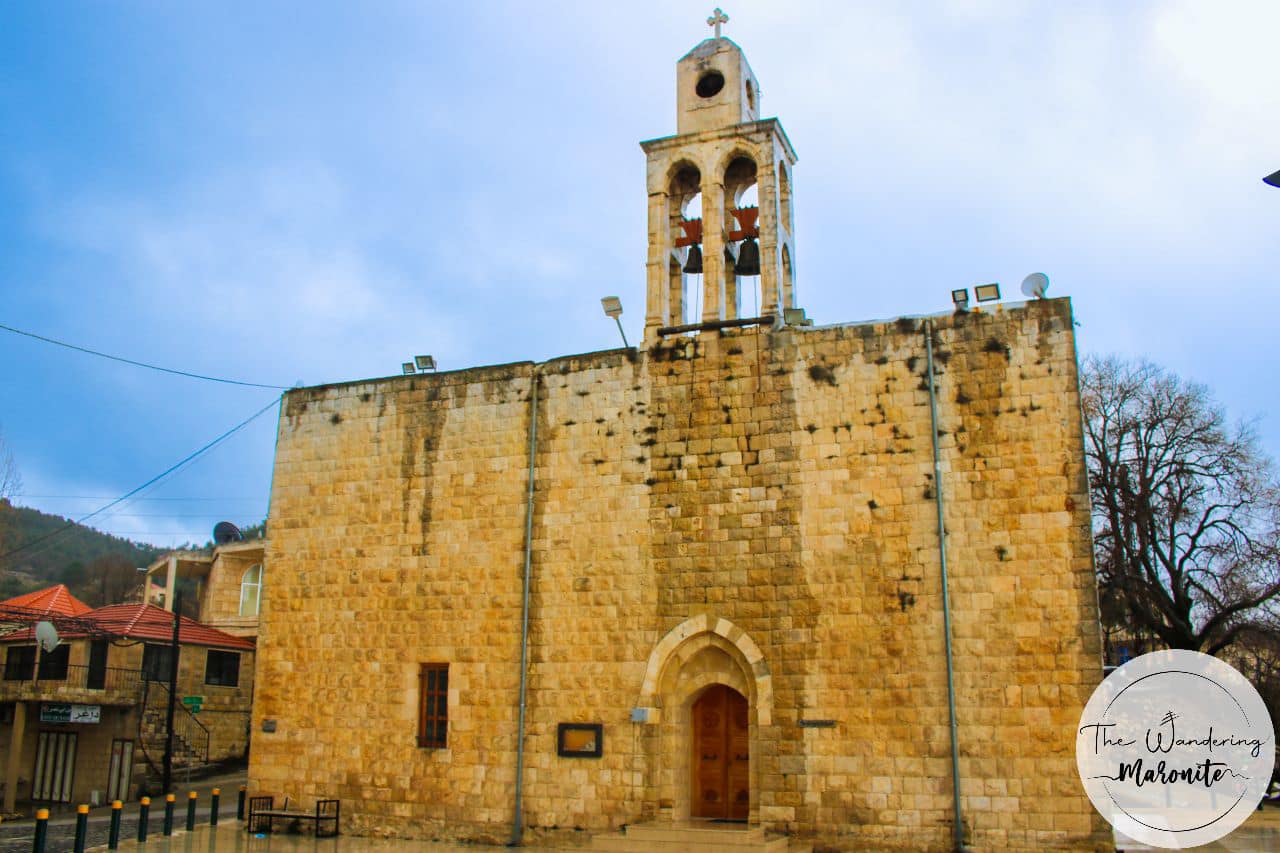
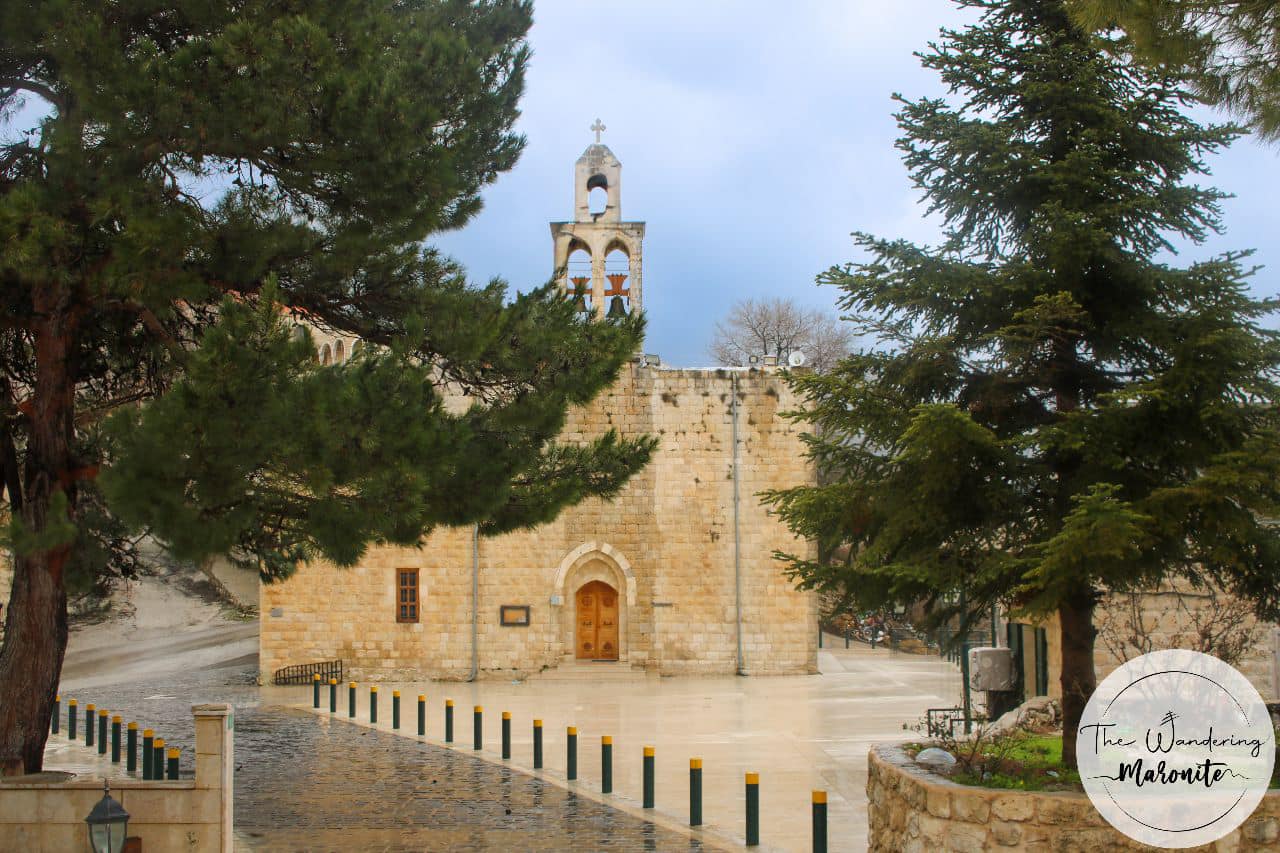
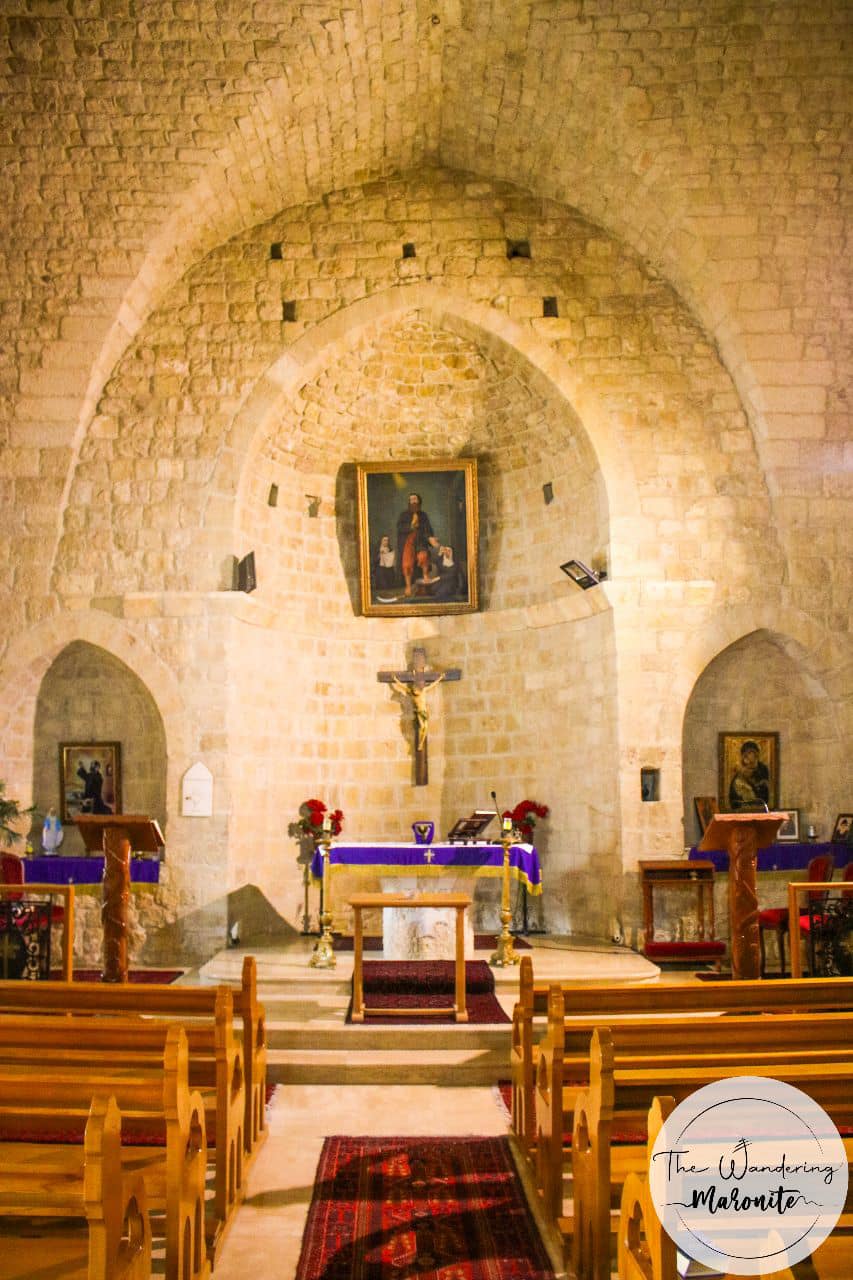
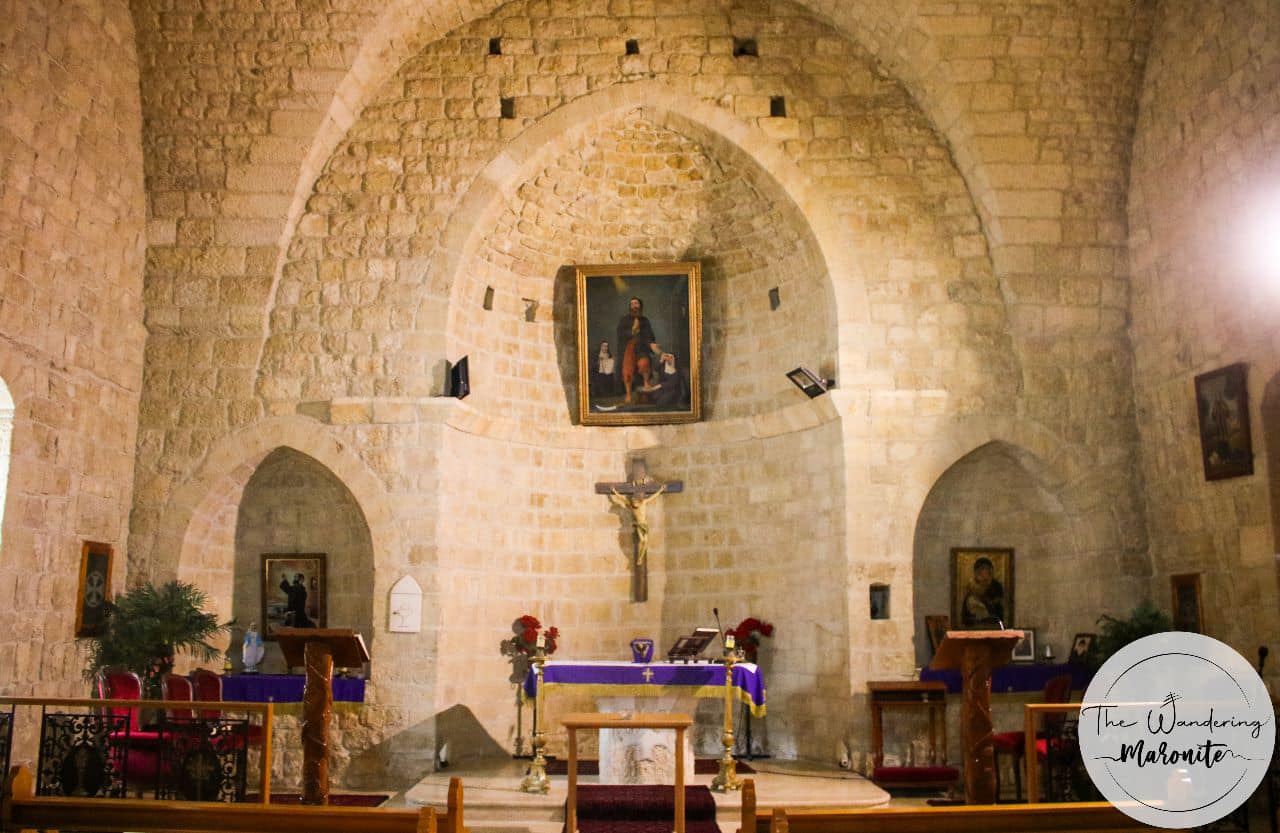
كنيسة مار شينا - حردين أواسط القرن التاسع عشر أصبح أهالي حردين بحاجةٍ لكنيسةٍ رعائيّةٍ كبيرةٍ، فجاء بناء كنيسة مار شينا بعقدٍ مُصالب سنة ١٨٤٤. ومار شينا هو لقبٌ سريانيّ لأبراميوس الأنطاكي الذي كان لصًّا متنكرًا بزيّ راهبٍ أراد سرقة ديرٍ للراهبات فحدثت معجزة شفاءٍ غيّرت حياته من لصِّ إلى ناسك. هذه المعجزة خلدتها لوحة الكنيسة وهي من عمل الحبيس ليشع الحرديني شقيق القديس نعمة الله. رُمّمت الكنيسة سنة ١٩٩٨ بعد إعلان تطويب مار نعمة الله، وهي الكنيسة التي شهدت على طفولته وخدم مذبحها. The Church of St. Chaina - Hardine During the mid-19th century, the villagers of Hardin felt the need for a parish church. The construction of a magnificent cross-vaulted structure was completed in 1844. The church was dedicated to St. Chaina, a 4th-century thief named Abramius of Antioch, who, after attempting to raid a nunnery disguised as a monk, witnessed a miracle that led to his conversion. This miracle is depicted in a painting hanging in the church's apse, which was created by the hermit Fr. Lichaa el Hardini, the brother of St. Nematullah. The church was restored in 1998 following the beatification of Fr. Nematullah, who had been a child and an altar boy in this very church.

Visited 3082 times, 5 Visits today

Reviews are disabled, but trackbacks and pingbacks are open.

Related Listings

Mechmech – The Church of St. Doumit

كنيسة مار ضومط - Mar Doumit Church, Mechmech, Lebanon

كنيسة مار ضوميط

Michmich Jbayl

Jbeil

Mount Lebanon

كنيسة مار ضوميط - مشمش

الكنيسة الحاليّة بدأ بناؤها سنة ١٨٤١ على أنقاض آثارٍ رومانيّة ما زالت ظاهرة. كُرّست الكنيسة سنة ١٨٦٣ وهي كناية عن عقدٍ مُصالب من حجارة البلدة، ينتهي بحنية. تمّ ترميمها بين سنة ٢٠١٣ وسنة ٢٠١٧. تتميّز هذه الكنيسة بأيقونة مار ضوميط التي تعود إلى القرن التاسع عشر.

The Church of St. Doumit - Mechmech

The church was built in 1841 over Roman ruins that are still visible. It was dedicated in 1863. The structure consists of a rib vault made with stones from the village's quarries. The church was restored from 2013 till 2017. It holds a 19th-century icon of St. Doumit.

Kfarkekhly Amchit – The church of St John the Baptist

Saint John the Baptist Church - كنيسة مار يوحنا المعمدان, Aamchit, Lebanon

كنيسة مار يوحنّا المعمدان

Aamchit

Jbeil

Mount Lebanon

كنيسة مار يوحنّا المعمدان - كفركخلي عمشيت

بُنيت كنيسة أولى في الموضع سنة ١٧٥٠ على اسم مار روحانا. أواخر القرن التاسع عشر وُسِّعت على شكل عقدٍ مُصالبٍ وكُرّست على اسم مار يوحنّا المعمدان لتُصبح كنيسةً رعائيّة. تضمّ الكنيسة ثلاث لوحات محليّة الصنع: عماد المسيح، مار روحانا ومار يوسف.

The church of St John the Baptist - Kfarkekhly Amchit

The first church was built in 1750 and dedicated to St Rouhana. The current large crossed vaulted structure was built in the late XIXth century and dedicated to St John the Baptist as a parochial church. The church holds three locally made paintings: The Theophany, St Rouhana, St Joseph.

Aqoura – The church of Sts Peter and Paul

Saint Peter and Paul, Aaqoura, Lebanon

كنيسة مار بطرس وبولس

Aaqoura

Jbeil

Mount Lebanon

كنيسة مار بطرس وبولس - العاقورة

الكنيسة عبارة عن مغارة كانت مدفنًا لكهنة أدونيس وتحوي عدّة نواويس، وثلاث اعمدة تنضح الماء كانت قديمًا لنذور العواقر. وثّق المغارة العالم إرنست رينان والمفوّضيّة السّامية الفرنسيّة، لكنّ العديد من معالم المدفن خرّبت جرّاء البحث عن الطمائر. على الجدار الشرقيّ داخل الكنيسة كتابة منقوشة باللغة السريانيّة وهي مختلفة من حيث الاسلوب، لأنّها منقوشةٌ بشكلٍ عاموديٍّ وليس افقياً. وقد فسّر علماء الآثار هذه الظاهرة أنّه في القرن السابع للميلاد زمن الامويّين ذهبت بعثات نسطوريّة الى الصين. وهذا ما يفسّر الاسلوب العامودي في الكتابة الآراميّة المنقوشة، فهؤلاء تأثروا بالكتابة الصينيّة العاموديّة كالكتابات السريانيّة في شيان التي تعود للحقبة نفسها. رمّم المذبح سنة ١٨٩٥، والواجهة الأماميّة سنة ١٩٥٢.

The church of Sts Peter and Paul - Aqoura

The church was a funerary cave for the priests of Adonis, it holds many sarcophaguses and three columns that pour water. The cave was studied by Ernest Renan and the archeologists of the French high commissariat. The church holds a VIIth century Syriac calligraphy that is distinct since it was written vertically, which relates to the Nestorian monks who went to missions during the Umayyad era and reached China. There they were influenced by the mandarin calligraphy and began writing Syriac in this manner. The stella of Xian uses the same type of writing and dates back to that era. The church was plundered by tomb raiders, the high altar was restored in 1895, and the entrance in 1952.