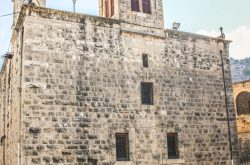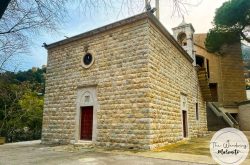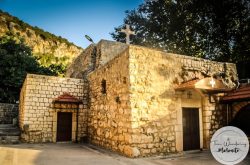

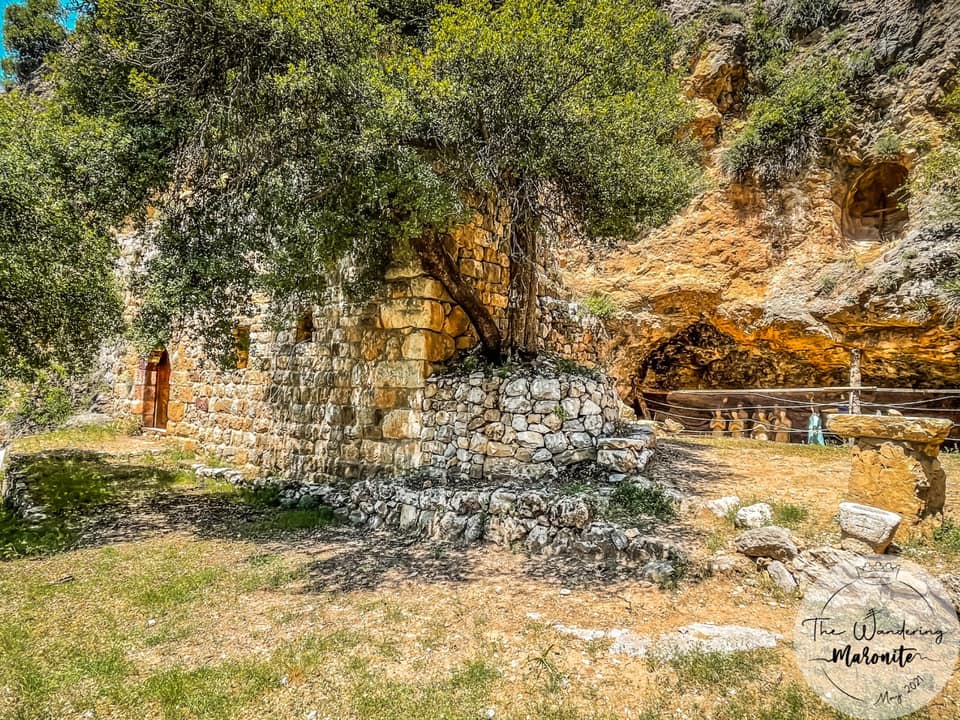
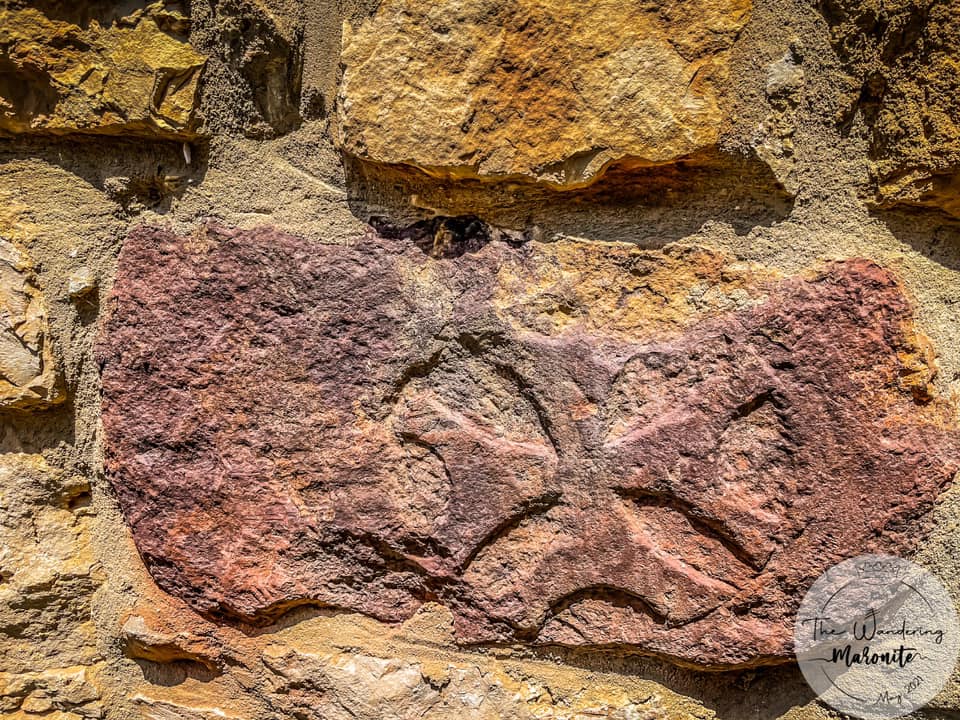
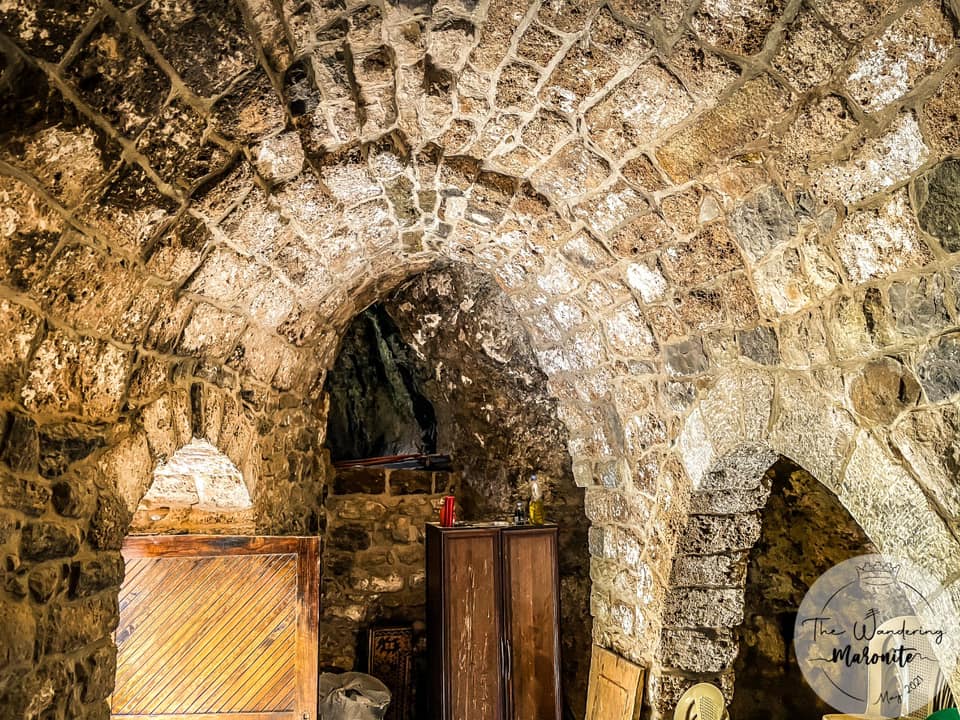
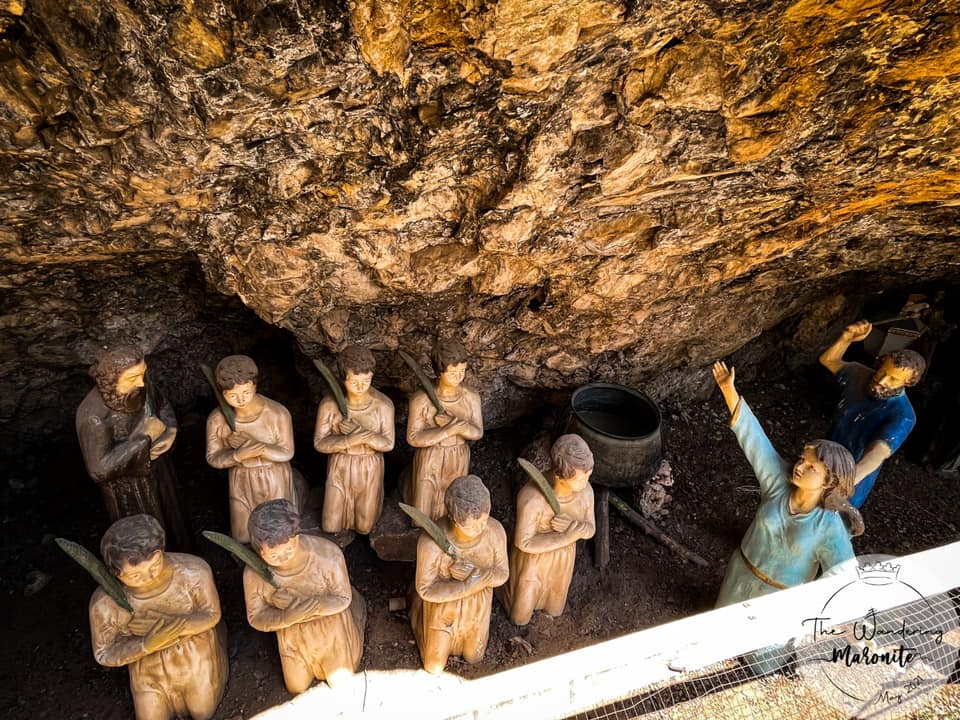
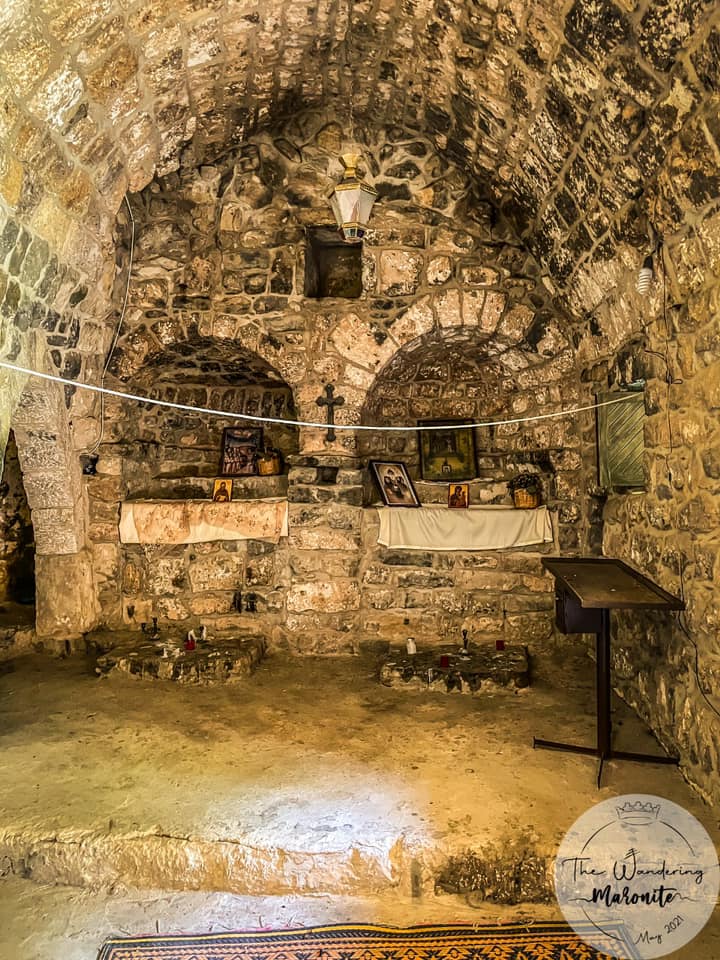
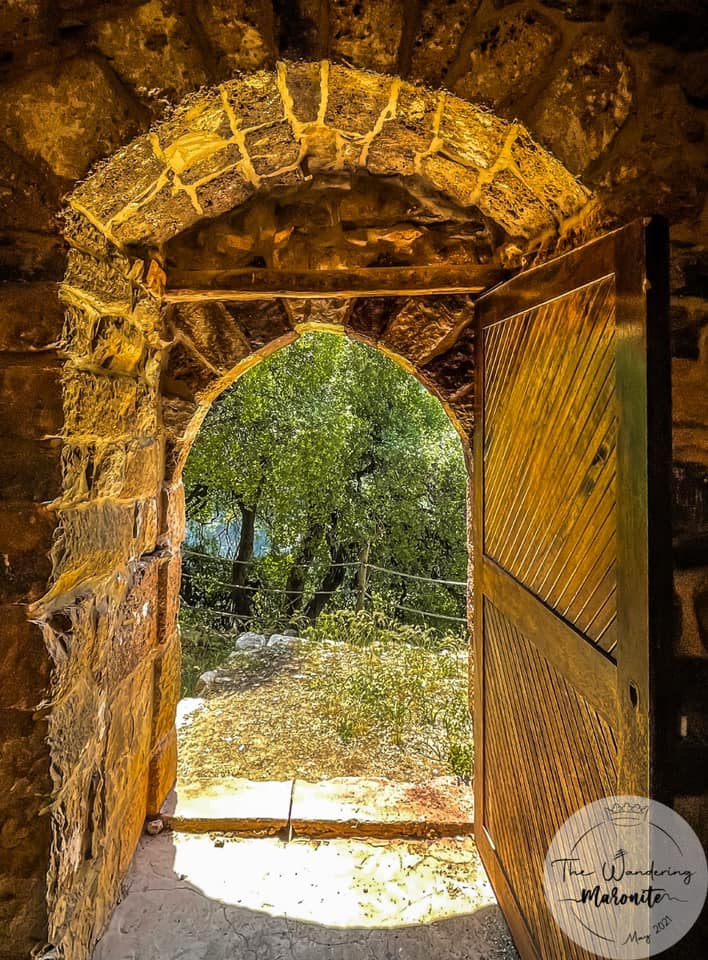
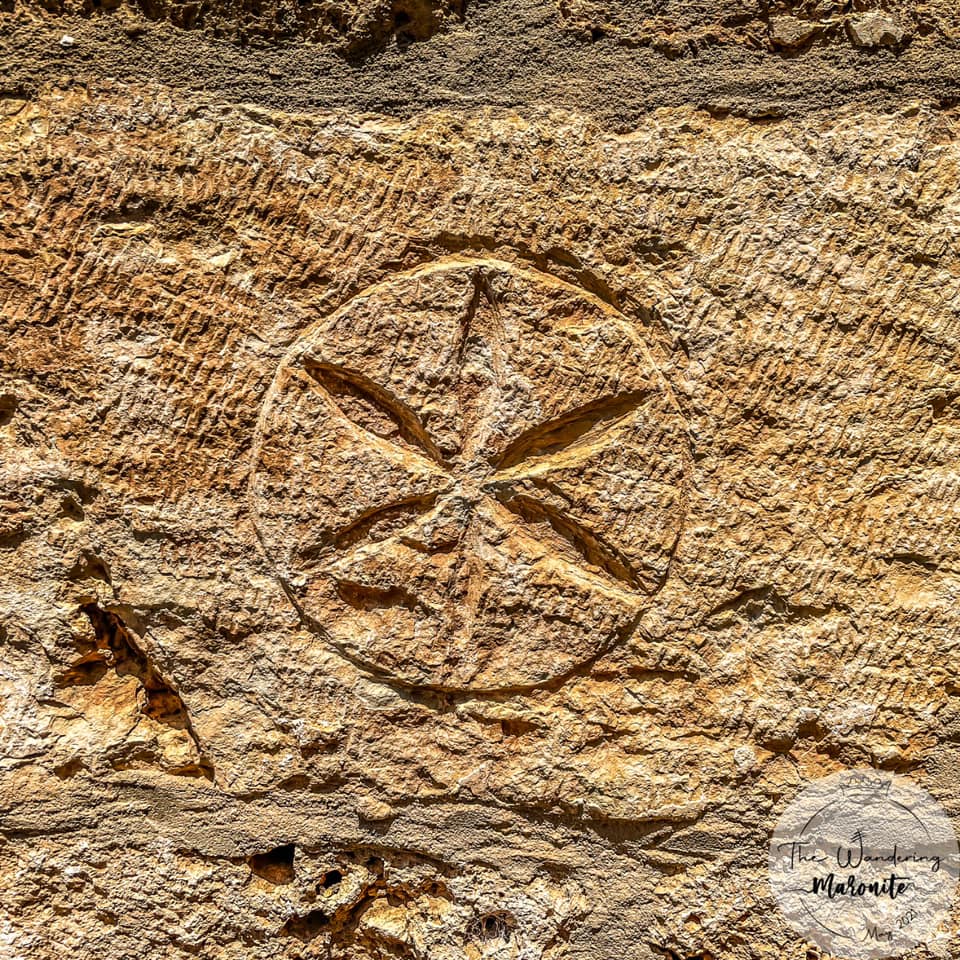
كنيسة مارت شموني - وادي حولات حدشيتيُشَكِّل وادي حولات، جزءًا من وادي قاديشا.بنيت كنيسة مارت شموني داخل تجويفٍ صخري، أواخر القرن الثاني عشر. تتألف من ثلاثة أسواق، إثنان أساسيّان مبنيان من الحجر والثالث محفور في الصَخر. كانت حتى ثمانينيّات القرن الماضي مَكسّوة بجداريات سريانيّة تعود للقرن الثالث عشر وتتشابه مع نظيراتها في بحديدات. على أبوابها نقوش مسيحانيّة ومريميّة.The Church of Mart Shemouny- the valley of Houlat HadshytThe valley of Houlat is a part of the Qadisha valley. The church of Mart Shemouny was built in a rocky cliff, at the end of the XIIth century. It consists of three aisles: the two main ones are built with stone masonry, and the third is carved into the stone. Up until the 80’s the church was entirely covered by frescoes similar to those in Behdeidat. On the door are still visible Christological and Marial insignia.
سنة ١٧٠٨ وصل ثلاثة رهبان أرمن إلى لبنان لتأسيس رهبانيّة أرمنيّة، فأوقف لهم الشّيخ صخر الخازن، أراضًا في وادي غوسطا سنة ١٧١٦. فأنشىء الرهبان إكليريكيّة وامتدّ بناء الدير والكنيسة إلى سنة ١٧٣٣. سنة ١٨٦٥ اشترى الخوري يوحنّا حبيب (المطران لاحقًا)، الدّير من الرّهبان الأرمن حيث انتقل هؤلاء إلى بزمّار، وأسّس جمعيّة المرسلين اللّبنانيّين في الدّير مع العديد من الكهنة وفي مقدَّمهم الخوري إسطفان قزاح، الرّئيس العام الأوّل. إهتمّ الكريميوّن ووسّعوه.. وقد كان هذا الدّير ملجأً للعديد من المهجّرين والمشرّدين والجياع والهاربين من ظلم السّلطات العثمانيّة. خضع البناء لعدّة عمليّات ترميم كان آخرها سنة ٢٠١٣. كان الدّير مركزًا للرّئاسة العامّة للجمعية حتّى العام ١٩٢١، وهو حاليًّا ديراً للابتداء، توجد فيه كنيسة المُخلّص وتحوي لوحةً زيتيّةً قديمة،، تدعى "الثّالوث المتألّم"، ولوحة أخرى أرمنيّة للميلاد. وفي الكنيسة أيضًا مدافن عائدة إلى كلّ من المطران يوحنّا الحبيب مؤسّس الجمعيّة، والخوري اسطفان قزاح رئيسها العام الأوّل، والمطران شكرالله خوري، .
The Holy Savior Monastery - Kreim Ghosta
The monastery was established in 1708 by three Armenian monks who arrived in Lebanon with the intention of creating an Armenian monastic order. Located in Wadi Ghosta, Lebanon, the monastery's history is intertwined with various events and figures over the centuries. In 1716, Sheikh Sakhr al-Khazen granted the Armenian monks lands in Wadi Ghosta, enabling them to establish their monastic order. The construction of the monastery and church complex took several decades, finally extending until 1733. It served as a seminary, providing education and spiritual guidance to the community. Fast forward to 1865, and the ownership of the monastery changed hands. Father John Habib, who later became a Bishop, purchased the monastery from the Armenian monks. With this transaction, the Armenian monks relocated to Bzommar, and Father John Habib initiated the Lebanese Missionaries Congregation within the monastery. Many priests were part of this association, and Father Stephen Qazah became its first superior general. Throughout its history, the Holy Savior Monastery played a crucial role in the local community. It served as a refuge for the displaced, homeless, hungry, and those seeking refuge from the oppression of the Ottoman authorities. The monastery experienced several periods of restoration to preserve its historical significance and structural integrity. The last restoration took place in 2013, ensuring that the monastery continued to stand as a testament to its enduring history and cultural importance. The Holy Savior Monastery, historically serving as the center of the general presidency of the association until 1921, has evolved into a monastery dedicated to novices in the present day. Nestled within its walls is the sacred Church of the Savior, housing cherished relics from the past. One of the notable treasures preserved within the church is an ancient oil painting named "The Suffering Trinity." This artwork carries profound emotional depth and holds a place of reverence within the community, reminding all who behold it of the timeless spiritual journey. Adding to the artistic splendor, another precious possession within the church is an Armenian painting depicting the Nativity. This painting enriches the spiritual ambiance of the sanctuary, reflecting the shared heritage and faith of those who seek solace and inspiration within its halls. Moreover, the church stands as a memorial to the esteemed figures who have shaped the legacy of the monastery and the association it represents. The burials of Bishop Youhanna Al-Habib, the visionary founder of the Lebanese Missionaries Association, Father Estephan Qazzah, the dedicated first general president, and Bishop Shukrallah Khoury, a revered spiritual leader, grace the church grounds. As the monastery continues to embrace novices and nurture their spiritual growth, it remains an enduring symbol of devotion, compassion, and hope. The presence of these sacred artifacts and burials serves as a constant reminder of the monastery's illustrious past and the profound impact it has had on the lives of those who seek solace and enlightenment within its sanctuary.
Saint Elisha the Prophet, Bcharre - Tannourine Road, Lebanon
دير مار أليشاع القديم
Bcharreh
Bcharre
North
دير مار أليشاع القديم - بشرّي
يقع الدير في وادي قنّوبين على السفح أسفل مدينة بشرّي. أولى الإشارات لوجوده تعود لسنة ١٣١٥، حين كان الدير مقرًّا لأساقفة بشرّي. سنة ١٦٤٣، قطنه الرهبان الكرمليّون وهم أوّل إرساليّة أجنبيّة خدمت الموارنة. سنة ١٦٤٤، توفّي فيه برائحة القداسة، الناسك الفرنسيّ فرانسوا دي شاستوي. سنة ١٦٩٥، تسلّمت الرهبانيّة الحلبيّة اللبنانيّة الناشئة الدير من اهالي بشرّي، فأعاد الرهبان بناءه، وأقاموا فيه مدرسةً، وجلبوا من حلب أيقونة مار أليشاع. في ١٠ تشرين الثاني ١٦٩٨ إنعقد فيه أوّل مجمع للرهبانيّة، وفيه وُضع القانون الرهبانيّ الذي ثبّته فيما بعد البابا أقليمنضوس الثاني عشر وأهدى بدوره الدّير بيت قربانٍ وذخيرة مار مارون. أصبح الدّير محبسةً بعد بناء الدّير الجديد سنة ١٨٧٤، وكان آخر حبسائه الأب أنطونيوس طربيه (+١٩٩٨). وهو اليوم محجّ ومقصد للعزلة والصلاة.
The old monastery of Prophet Elishah - Bcharre
The monastery is situated in the holy valley of Qannoubin, on a cliff underneath the city of Bcharre. The oldest signs of it’s existence date back to 1315 when it was the seat of Bcharre’s bishops. In 1643 it was the headquarters of the Carmelites, the first western missionaries to the Maronites. In 1644 the saintly hermit Francois de Chasteuil died and was buried in the monastic church. The newly founded Lebanese Aleppan Maronite took the monastery as it’s headquarter in 1695 and bought the icon of Prophet Elishah from Aleppo. On the 10th of November 1698 the first monastic council was held and the new monastic rules where promulgated. They where later acknowledged by Pope Clement XII who gave the monastery a tabernacle and a relic of St Maroun. The monastery was used as a hermitage after the construction of the new monastery in 1874. The last of the hermits was Father Antonios Torbey (+1998). The monastery is now a shrine for pilgrims who seek solitude.
سنة ١٨٥٩ حاز الأب دانيل الحدثي على قطعة أرضٍ قرب قلعة بعلبك من أمير المدينة سليمان حرفوش لبناء كنيسةٍ وأنطوش للرهبان. سنة ١٨٧٠ بُنيت الكنيسة وكُرّست وأصبحت الرعيّة المارونيّة في المدينة. الكنيسة كناية عن عقدٍ سريريّ إسمنتيّ مسقوفة، ولوحة السيّدة من عمل داود القرم. هُجّر الأنطوش خلال الحرب اللبنانيّة من سنة ١٩٨٤ إلى سنة ١٩٩٥. عندما عاد الرهبان إليه رمّموا الأنطوش والكنيسة ليستمرّ بمهامه الرعائيّة.
The presbytery of our Lady of Perpetual Help - Baalbek
In 1859, Father Daniel Al-Hadathi acquired a piece of land near the Citadel of Baalbek from the governor of the city, Suleiman Harfush, to build a church and a presbytery for the monks. In 1870, the church was built and consecrated, and it became the Maronite parish in the city. The church is basilical with one nave and a crib concrete vault. The painting of the lady is drawn by Daoud Al Qorm. The presbytery was abandoned during the Lebanese war from 1984 to 1995. When the monks returned, they restored the buildings so that they could continue their pastoral duties.
Reviews are disabled, but trackbacks and pingbacks are open.