Overview
Map
Other Details
مار الياس حدشيت
Hadchit
Bcharre
North
Visited 2247 times, 3 Visits today
Directory of Churches in Lebanon

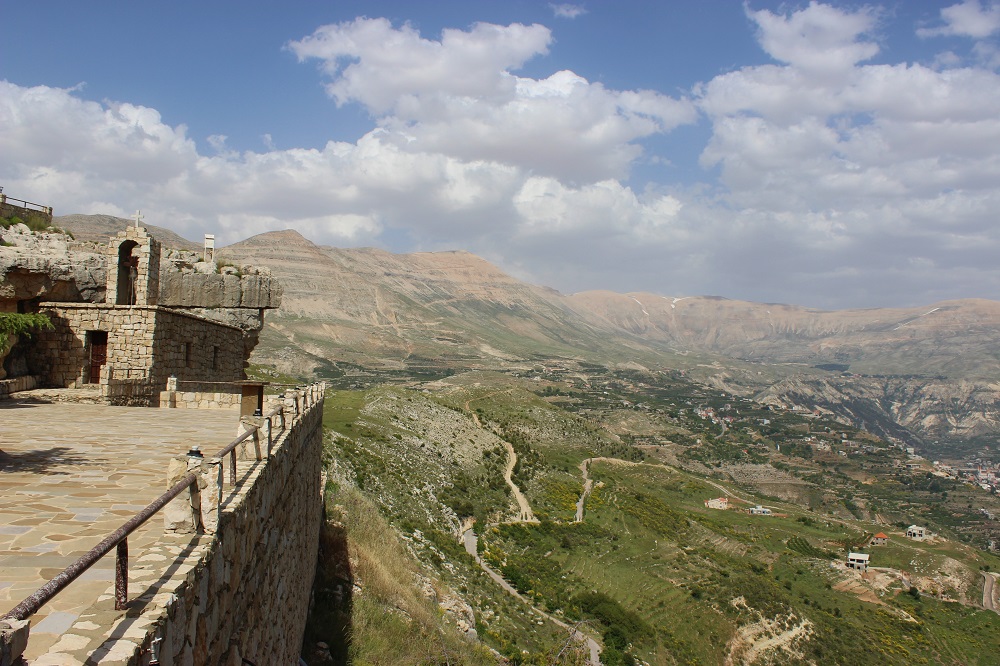
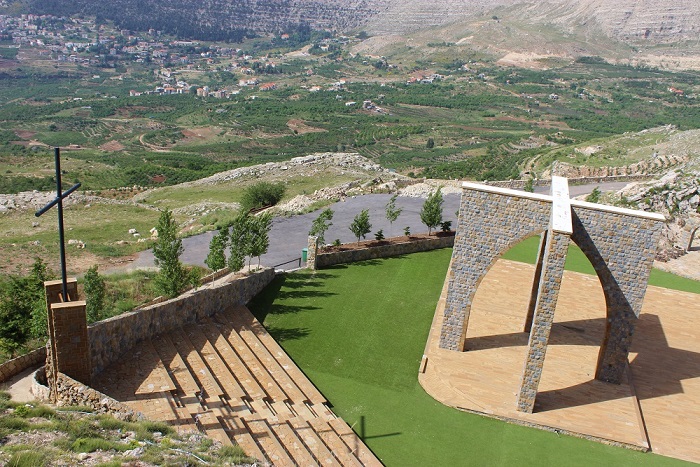
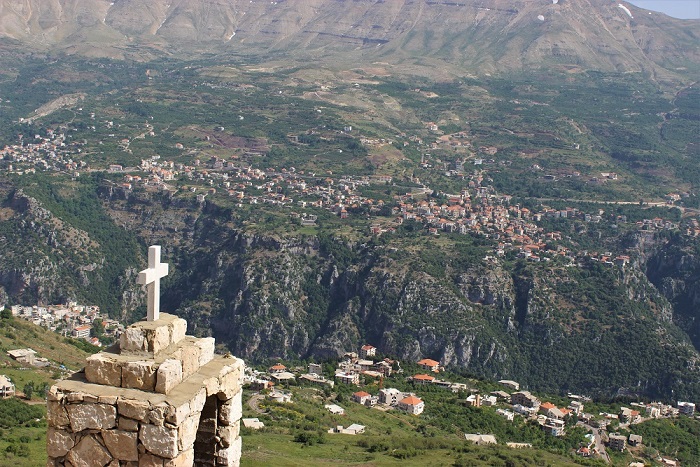
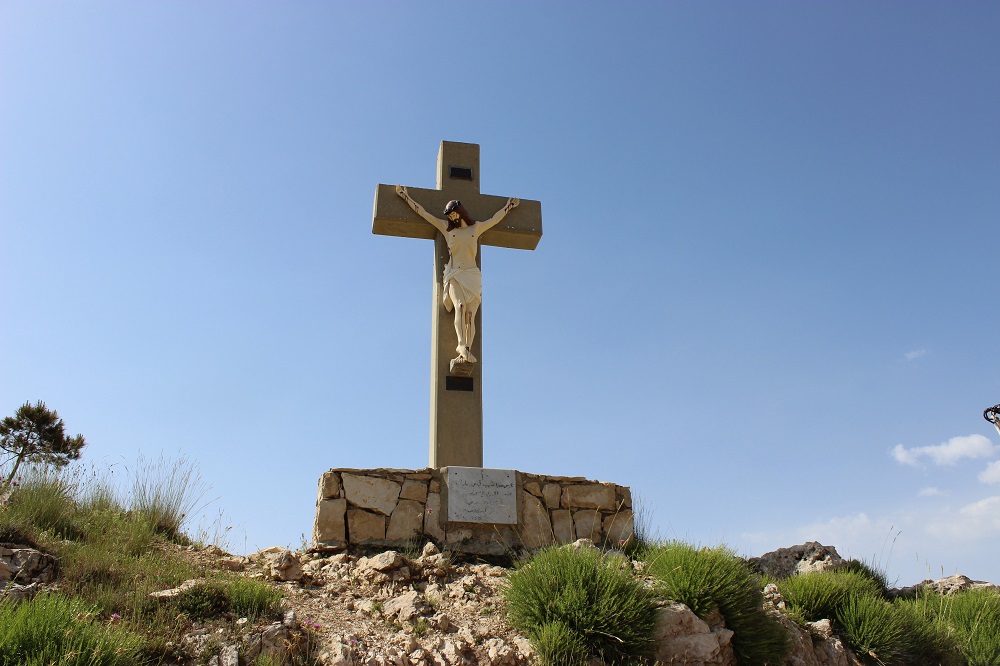
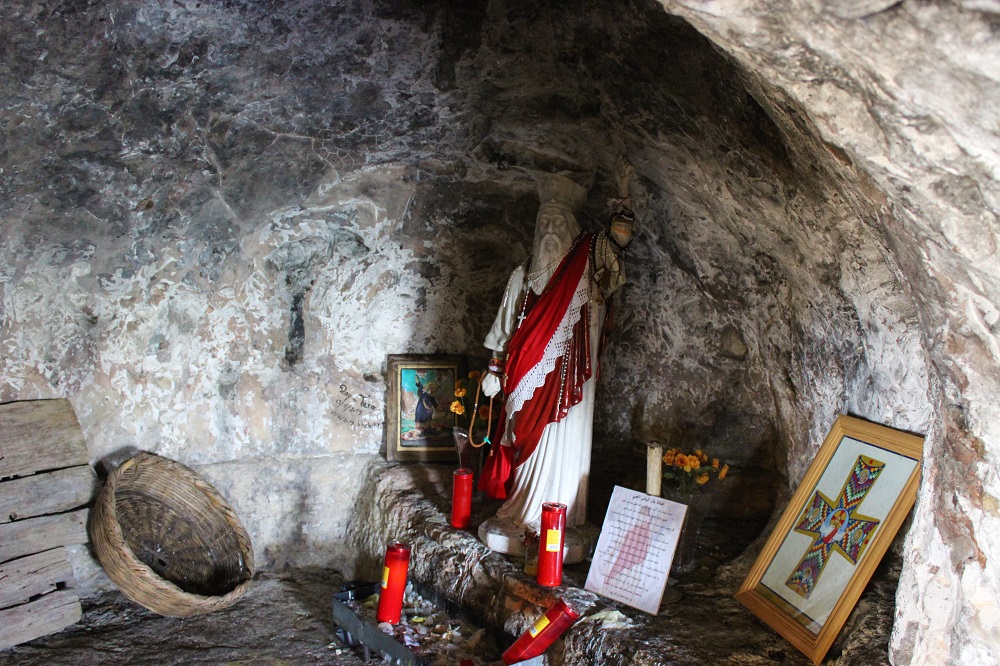
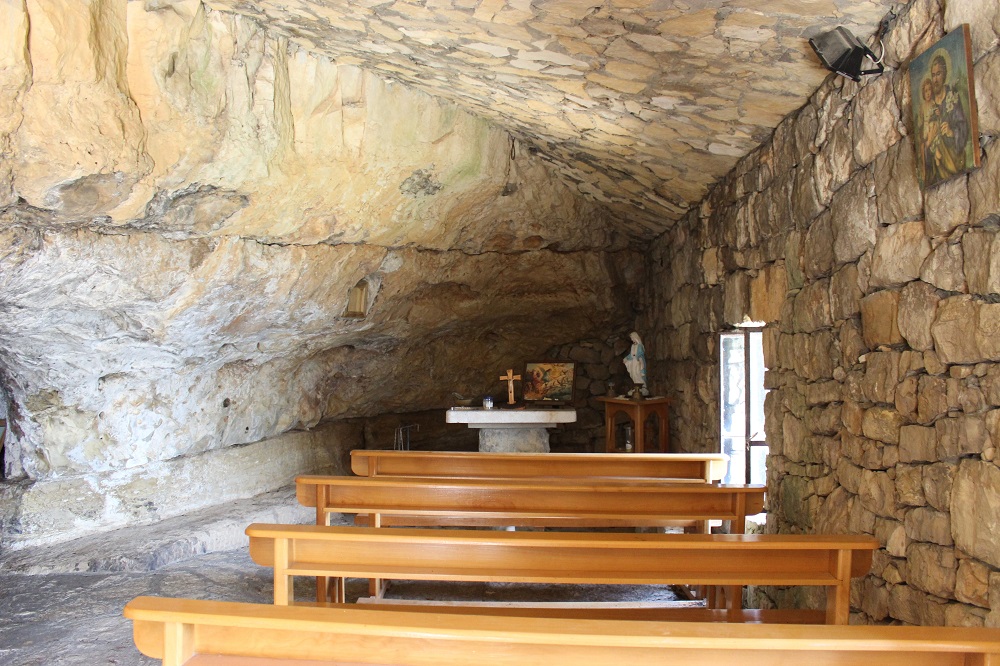
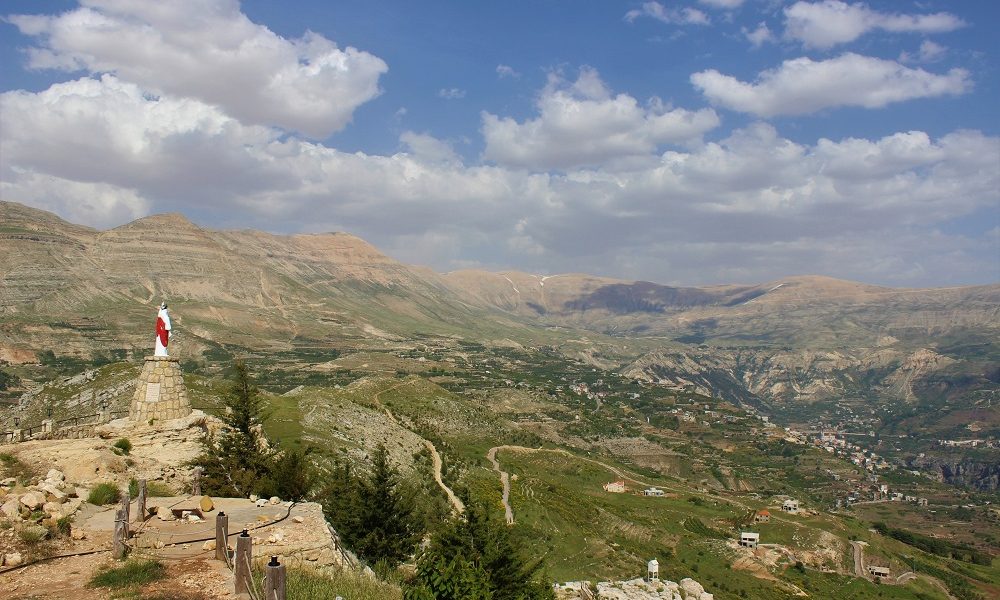
St. Elias Monastery, Hadchit, Lebanon
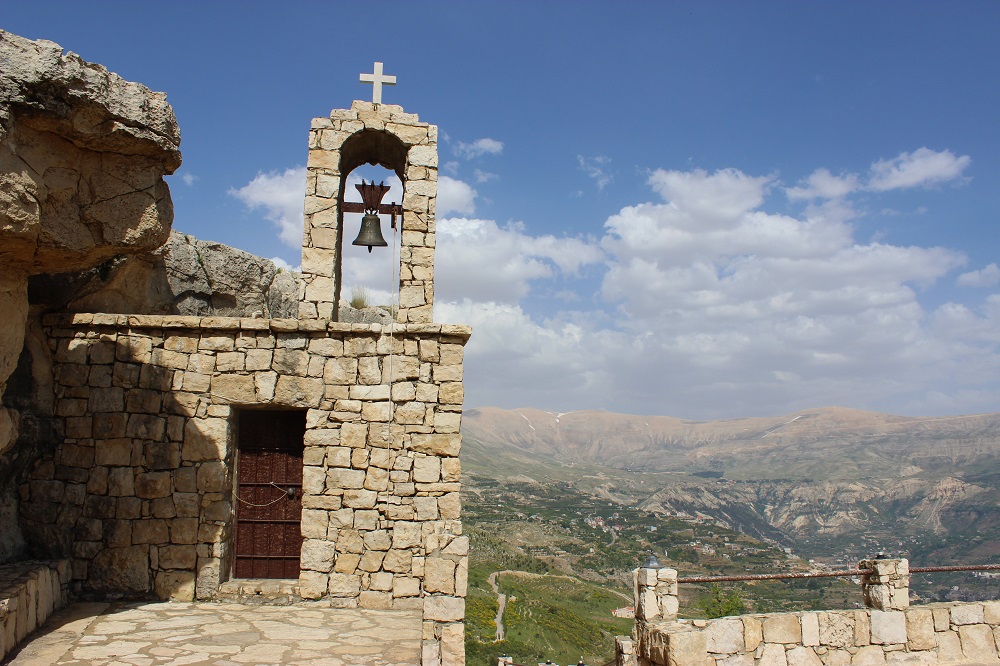
مار الياس حدشيت
Hadchit
Bcharre
North
Visited 2247 times, 3 Visits today
El Mina, Lebanon
أنطوش سيّدة النجاة
Mina N:1
Tripoli
North
أنطوش سيّدة النجاة - المينا
بُنيت الكنيسة الأولى للموارنة في مدينة الميناء أوائل القرن التاسع عشر، وكانت قبوًا مُعتمًا تحت الأرض. كانت الرعيّة آنذاك فقيرة جدًّا وعُهدت خدمتها للرهبان الأنطونيّين، فكان طعام خادم الرعيّة يصله من دير مار سركيس وباخوس إهدن. سنة ١٨٥٠ بُني الأنطوش، وسنة ١٨٨٩ كرّس المطران أسطفان عوّاد الكنيسة الحاليّة، فكان بناؤها بشكل عقدٍ مُصالب بحجرٍ رمليّ. رُمّمت أواخر القرن العشرين.
The presbytery of Our Lady of Deliverance - El Mina
The first maronite church was built in the Mina in the beginning of the XIXth century. It was then a small underground cellar. The parish was really poor, it was entrusted to an Antonine monk who’s food was brought from the monastery of Sts Sergius and Bacchus Ehden. In 1850 the presbytery was built, and in 1889 the current church was consecrated by Mgr. Estefan Awad Archbishop of Tripoli. The structure is a sandstone crossed vault, restored in the latter half of the XXth century.
Monastery of the Annunciation, Unnamed Road, Lebanon
دير سيّدة البشارة الخازن لراهبات الزيارة
Zouk Mkayel
Keserwan
Mount Lebanon
دير سيّدة البشارة الخازن لراهبات الزيارة - زوق مكايل
سنة ١٨٢٥ بعد وفاة الشيخ بشارة جفال الخازن، كرَّس البطريرك يوسف حبيش حارته ديراً على اسم سيّدة البشارة. كان الدير أوّلاً خاصًا ببنات عائلة الخازن، اللواتي نظمن حياتهنّ بحسب قانون مار فرنسيس السالسيّ لراهبات الزيارة. مع مرور الزمن أصبح الدير يستقبل كافة البنات اللواتي يُردن اعتناق الحياة الديريّة التأمليّة المحصنة. وراهبات الزيارة ما زلن يحافظن على نمط حياةٍ تقليديّ بحسب قانونهنّ. كنيسة الدّير مسقوفة، تتميَز بخوروس الراهبات الموجود آخر الكنيسة وهو أعلى من مستواها، خلف مكان جلوس العوام، يعلوه متخّتين للراهبات العجائز.
The monastery of the Annunciation Khazen for the Visitandine nuns - Zouk Mikael
In 1825 after Sheikh Bchara Jaffal el Khazen passed away, Patriarch Youssef Hbeich converted his estate into a nunnery dedicated to our Lady of the Annunciation. The nuns where essentially from the Khazen family and adopted the rule of St Francis of Sales for the visitandine sisters while remaining maronites. With time the monastery began to accept girls from outside of the Khazen family who wanted a strict observance and a contemplative way of life that is still practiced today. The chapel of the monastery is roofed, it is distinguishable by it’s nuns choir at the end of the church, and three mezzanines used by older nuns to participate in the liturgy.
Deir Saydet el Natour, Hraiche, Lebanon
سيدة الناطور
Enfeh
Koura
North
The convent’s ancient origin is attached to a legend. A rich man of the region committed adultery; filled with remorse, he attached a padlocked iron chain to his ankle and threw the key into the sea-shore and survived on the fish brought to him by local fishermen, who called him the guardian of the cavern. One day, a fisherman brought him a fish, in whose entrails the hermit found the key of the padlock. He knew then that God had delivered him from his suffering, and he built a convent above the cavern. He dedicated it to The Mother of God, but it also took the name of the Guardian.
The daily life of the convent is regulated by the flow of visitors who come to fulfill vows and make prayers. Sister Catherine al-Jamal is the principal resident of Dayr al-Natour, and she has done everything within her power to restore it.
According to the Crusader document, the Monastery of the Presentation of Our Lady Natour was built by Cistercians. Indeed, the Church interior resembles that of the Cistercian Church of Balamand, built in 1157. Otherwise, the history of Dayr al-Natour is hidden in obscurity, although it is said that the local Orthodox community took it over after the departure of the Crusaders. Its name is almost unmentioned by historical sources during the Mamluk and most of the Ottoman period, although it is reported that French corsairs attacked the Monastery at the beginning of the eighteenth century and killed a monk.
In 1838, the Ottoman authorities gave permission to the Monastery to be rebuilt. In the second half of the nineteenth century, it contained several monks and a superior, and it possessed fifteen dunums of land. During the First World War, it was bombarded by a Russian ship. A few years later, the Monastery lost its last Superior, Basilios Debs, who became Archbishop of Akkar. After his departure, monastic life ended at Dayr al-Natour.
During the twentieth century, the deserted monastery became a refuge for shepherds from the neighboring regions. In 1973, Sister Catherine al-Jamal moved to Dayr al-Natour and began to restore it from its ruin.
Reviews are disabled, but trackbacks and pingbacks are open.