
Antelias – The Church of St. Elijah

دير مار الياس - انطلياس, Square، Antelias, Lebanon

Other Details

كنيسة مار الياس

Antelias

Metn

Mount Lebanon

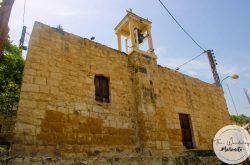
كنيسة مار الياس - أنطلياس بُنيت الكنيسة كمزارٍ صغيرِ مُكرّس للنبيّ إيليّا فوق معبدٍ رومانيّ في القرن الخامس. أعاد المردة توسيع البناء الأوّل في القرن العاشر. بعد تأسيس دير سيّدة طاميش سنة ١٦٨٥ كان المطران جبرائيل البلوزاوي (البطريرك لاحقًا) يرسل راهباً ليخدم الرعيّة. سنة ١٧٢٣ سلّم البطريرك يعقوب عوّاد كنيسة مار الياس وجميع املاك الدير واوقافه الى الرهبنة الانطونيّة. شهدت كنيسة الدّير سنة ١٨٢٠ وسنة ١٨٤٠ على قسم عاميّتين إجتمعت فيهما كافة الأطياف من جبل لبنان تنديدًا بجور الأمير بشير الثاني. سنة ١٩٢٧ أخذت الكنيسة شكلها الحاليَ ورُمّمت أخيرًا سنة ٢٠٠٠. The Church of St. Elijah - Antelias The church was initially constructed as a small shrine atop a Roman pagan temple in the 5th century. During the 10th century, the Maradaites expanded the original shrine. After Bishop Gebrayel El Blousawi (later patriarch) established the Tamish monastery in 1685, he assigned one of its monks to serve the Antelias parish. In 1723, Patriarch Jacob Awad generously donated the church, monastery, and all associated lands to the Antonine Maronite Order. The Church of St. Elias played a significant role in two revolutionary agreements between representatives of Mount Lebanon's denominations, opposing the oppressive rule of Prince Beshir II in 1820 and 1840. The church acquired its present form in 1927 and underwent restoration in 2000.

Visited 4507 times, 5 Visits today
Reviews are disabled, but trackbacks and pingbacks are open.

Related Listings

Aaqoura – The church of St Elijah

Saint Elie church- كنيسة مار الياس, Aaqoura, Lebanon

كنيسة مار الياس

Aaqoura

Jbeil

Mount Lebanon

كنيسة مار الياس - العاقورة

هي كنيسة صغيرة مسقوفة بُنيت أواخر القرن التاسع عشر، زُخرف بابها وأُضيفت لها القبّة في خمسينيّات القرن العشرين، رُمّمت وأخذت شكلها الحاليّ سنة ٢٠١٦.

The church of St Elijah - Aaqoura

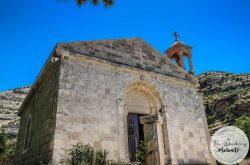
The church is a small roofed structure built in the late XIXth century. During the mid XXth century the main door was decorated with arabesques and a bell tower was added to the structure. It was restored and took its current form in 2016.

El Hajje – The Church of Our Lady of Mzaar

Hajjeh, Lebanon

كنيسة سيّدة المزار

Hajjeh

Saida

South

كنيسة سيّدة المزار - الحجة

بُنيت الكنيسة أواخر القرن الثامن عشر مع قدوم المسيحيّين إلى البلدة، وكانت كنيستهم الأساسيّة. تعرّضت للسلب خلال أحداث سنة ١٨٦٠. أُهملت الكنيسة بعد بناء كنيسة مار يوسف وسط البلدة، وأعيد ترميمها مؤخّرًا. الكنيسة مبنيّة بأسواقٍ ثلاث أفقيّة على نمط العليّة في البيت اللبنانيّ مسقوفة بالخشب وقد أُضيفت إليها قبّة صغيرة وقت الترميم.

The Church of Our Lady of Mzaar - El Hajje

The church is the original parochial church of the village, built during the late 18th century. It was sabotaged during the war of 1860 and remained abandoned after the construction of St. Joseph's Church in the village center. However, it has been recently restored. The structure of the church resembles that of a cenacle in a traditional Lebanese house, with three horizontal aisles. A dome was added to the structure during the restoration.

Qozhaya – The Monastery of St. Anthony the Great

دير مار أنطونيوس الكبير قزحيا - الرهبانية اللبنانية المارونية, دير مار أنطونيوس قزحيا، Aarbet Qozhaiya, Lebanon

دير مار أنطونيوس الكبير

Aarbet Qozhaiya

Zgharta

North

دير مار أنطونيوس الكبير – قزحيَّا

يقع الدير في وادي قزحيَّا (الكنز الحيّ). يرجِّح المؤرِّخون تأسيس هذا الدير، في أوائل القرن الرابع. في الدّير آثار من تأسيسه أهمّها عصا رعاية من الملك لويس التاسع. سنة ١٢١٥ بعث البابا إينوشنسيوس الثالث، براءة إلى البطريرك إرميا العمشيتيّ تذكِّر بأنَّ دير قزحيَّا هو أوَّل كرسيّ أسقفيّ مارونيّ. كان الدير، منذ القديم، ركيزة الحياة النسكيَّة في الكنيسة المارونيَّة. بقربه قامت عدّة محابس تابعة له. وتجدر الإشارة إلى أنَّ أوَّل مطبعة وصلت إلى الشرق كانت في دير قزحيّا سنة ١٦١٠. تَسلَّمت الرهبانيَّة اللبنانيَّة الدير، سنة ١٧٠٨. حَلَّت بالدير نَكبات من الطبيعة؛ ونكبات من جور المضطهِدين. سنة ١٨٢٨ بُنيت كنيسة الدّير الحاليّة. في أثناء الحرب العالميَّة الأولى، قام الدير بإيواء جميع الوافدين إليه وإعالتهم. يضم الدّير العديد من الآثار، أخذ شكله الحاليّ في عشرينيّات القرن الماضي ورمّم في آخره. هو من أهمّ الأديار المارونيّة، ومركزًا للحجّ والخلوة

The Monastery of St. Anthony the Great - Qozhaya.

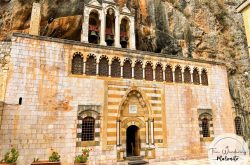
The Monastery sits on a cliff in the valley of Qozhaya (meaning the treasure of life). According to archeologists, the monastery dates back to the 4th century. Evidence of its importance includes a cross given by King Louis IX and a bull from Pope Innocent III, dating back to 1250, which granted Qozhaya precedence over other Maronite monasteries. Qozhaya had a hermitical tradition, and as a result, many hermitages were built near it. In 1610, the first printing press of the Middle East was brought to Qozhaya. In 1708, the Lebanese Maronite Order acquired the monastery. The monastery has suffered from natural disasters and the despotism of rulers. In 1828, a great church was built. During World War I, the monastery served as a refuge. In the 1920s, the monastery took on its current structural shape, and was restored in the 1990s. It is considered a major pilgrimage site for Maronites around the world.