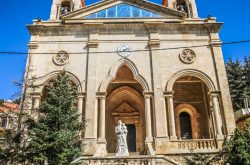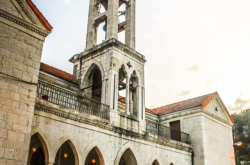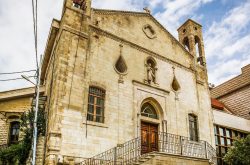

Ghazir -The church of Our Lady the Habshiyeh

Notre Dame Habchiyeh, Ghazir, Lebanon

Other Details

كنيسة سيّدة الحبشيّة

Ghazir

Keserwan

Mount Lebanon

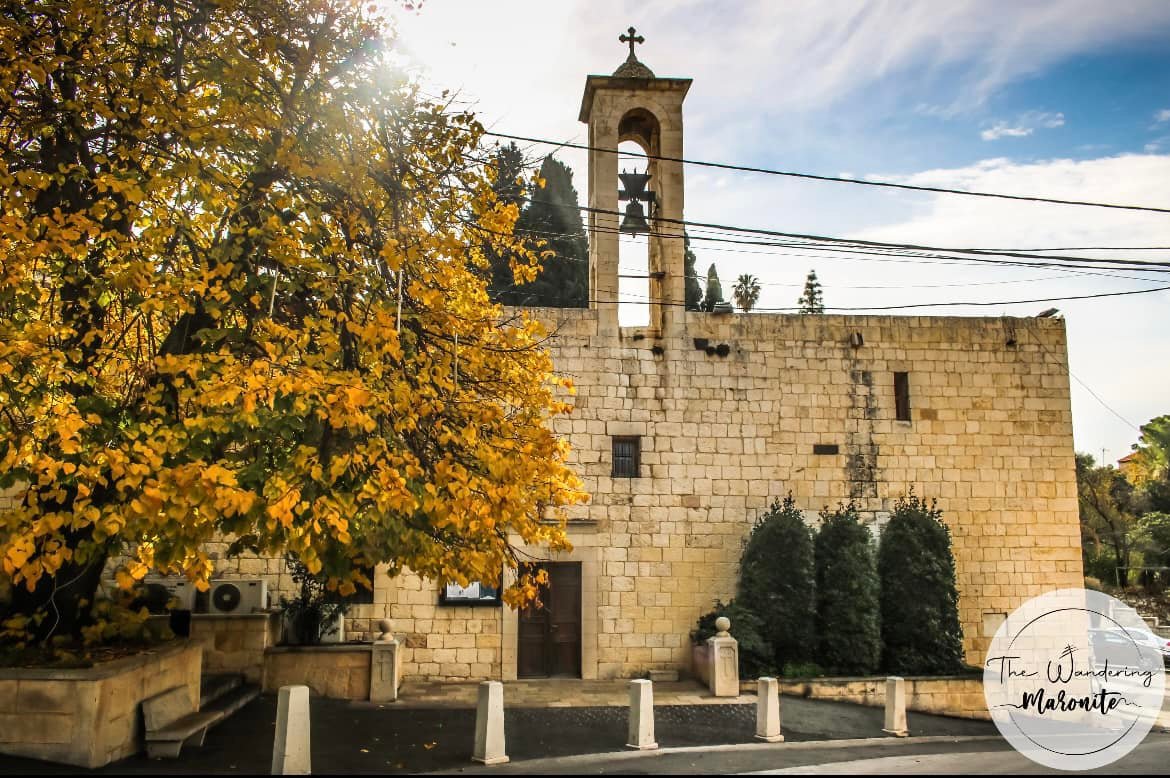
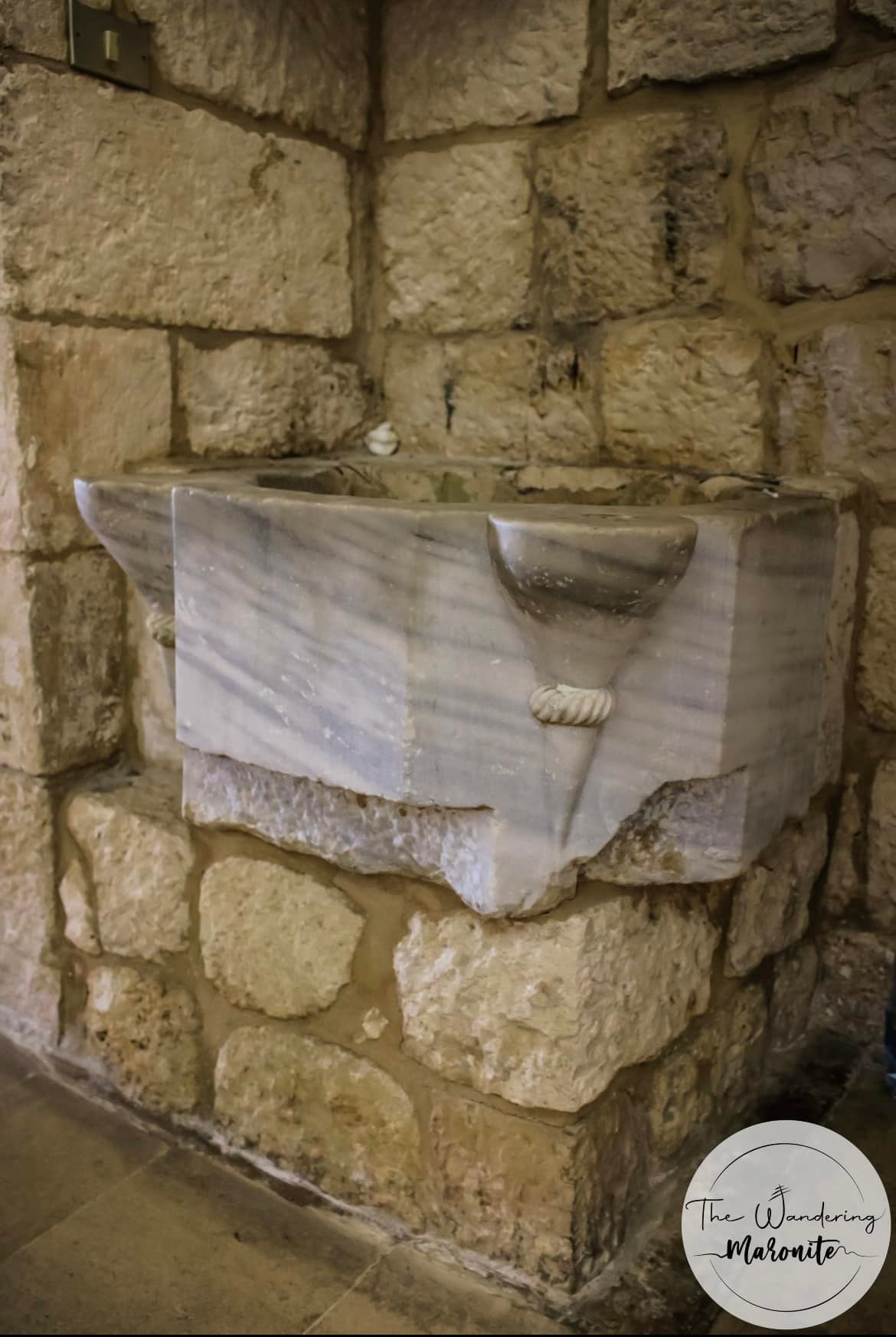
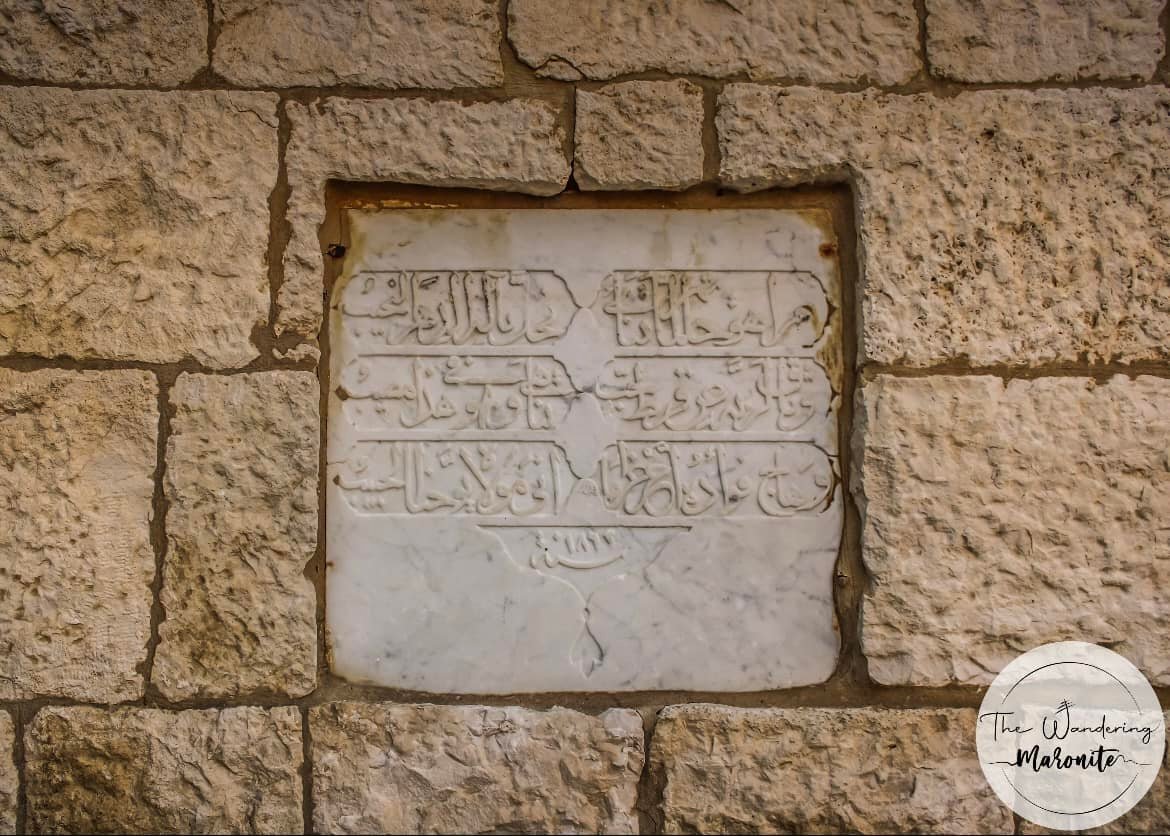
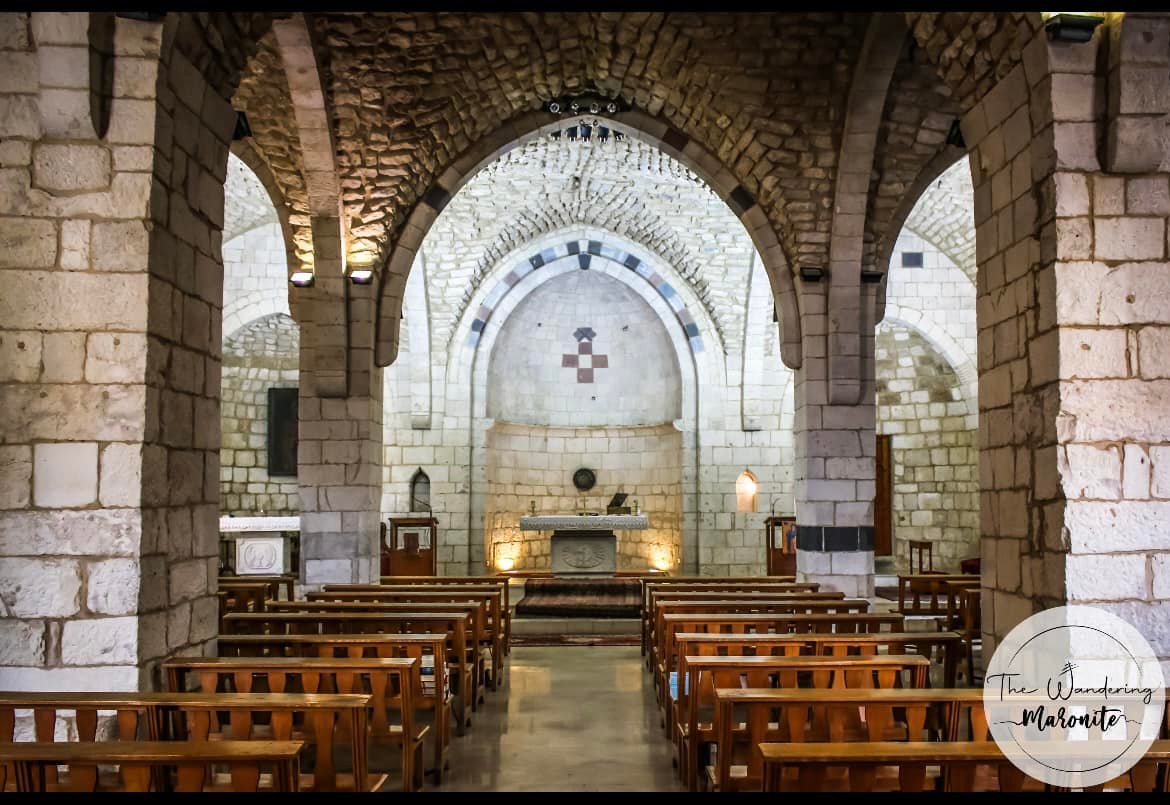
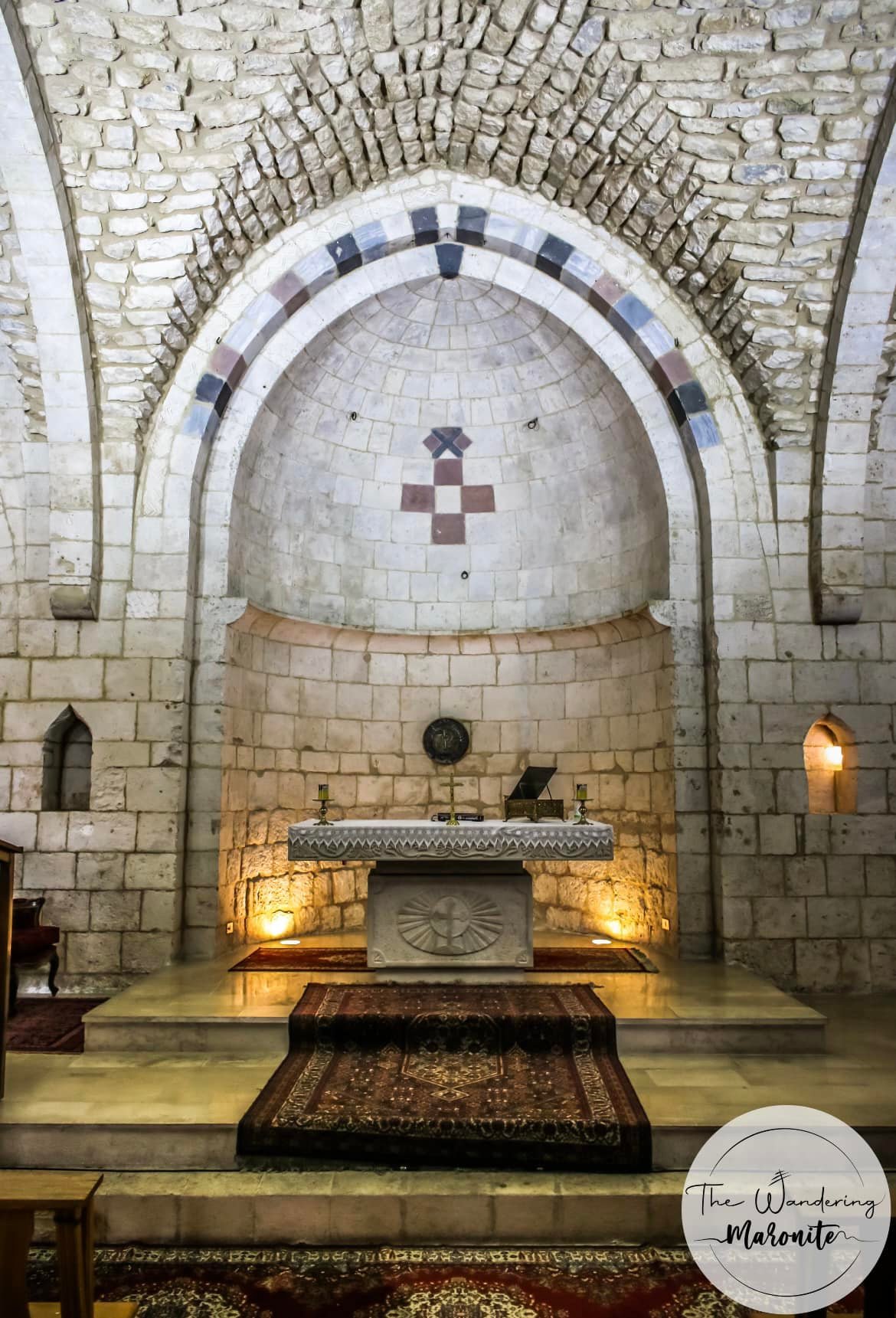
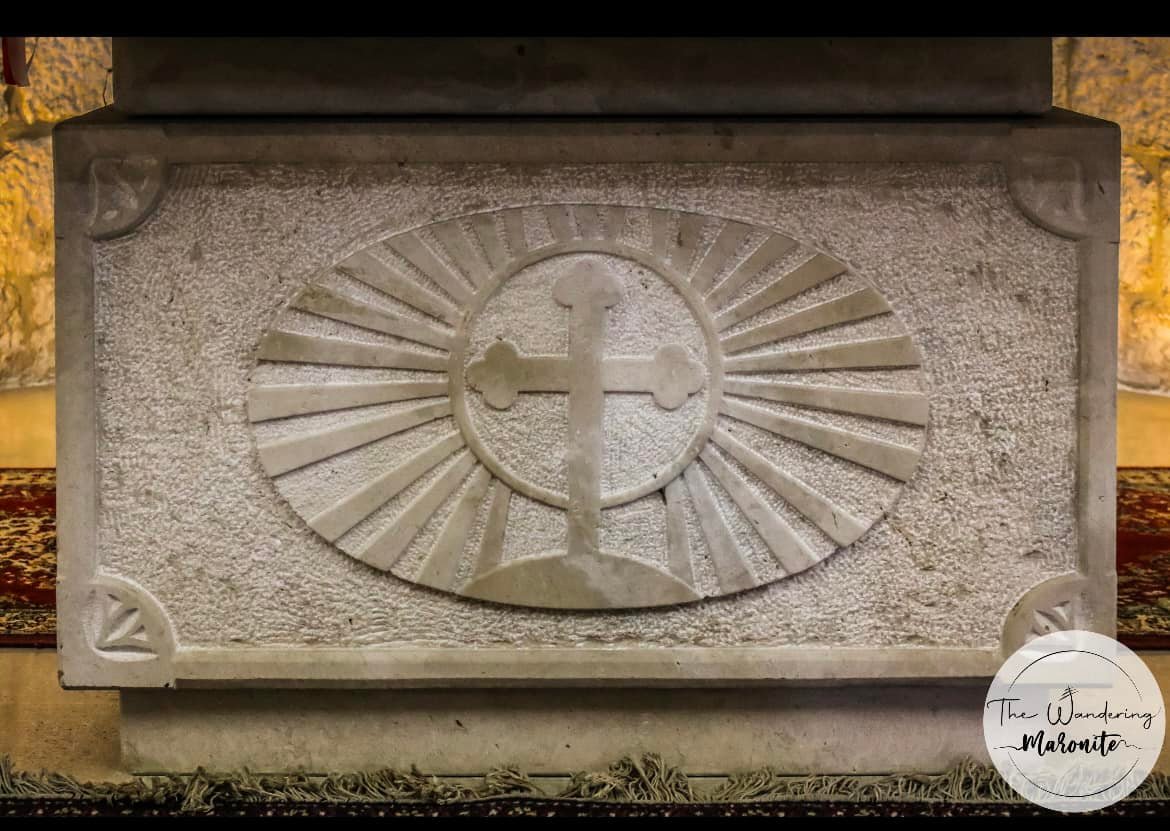
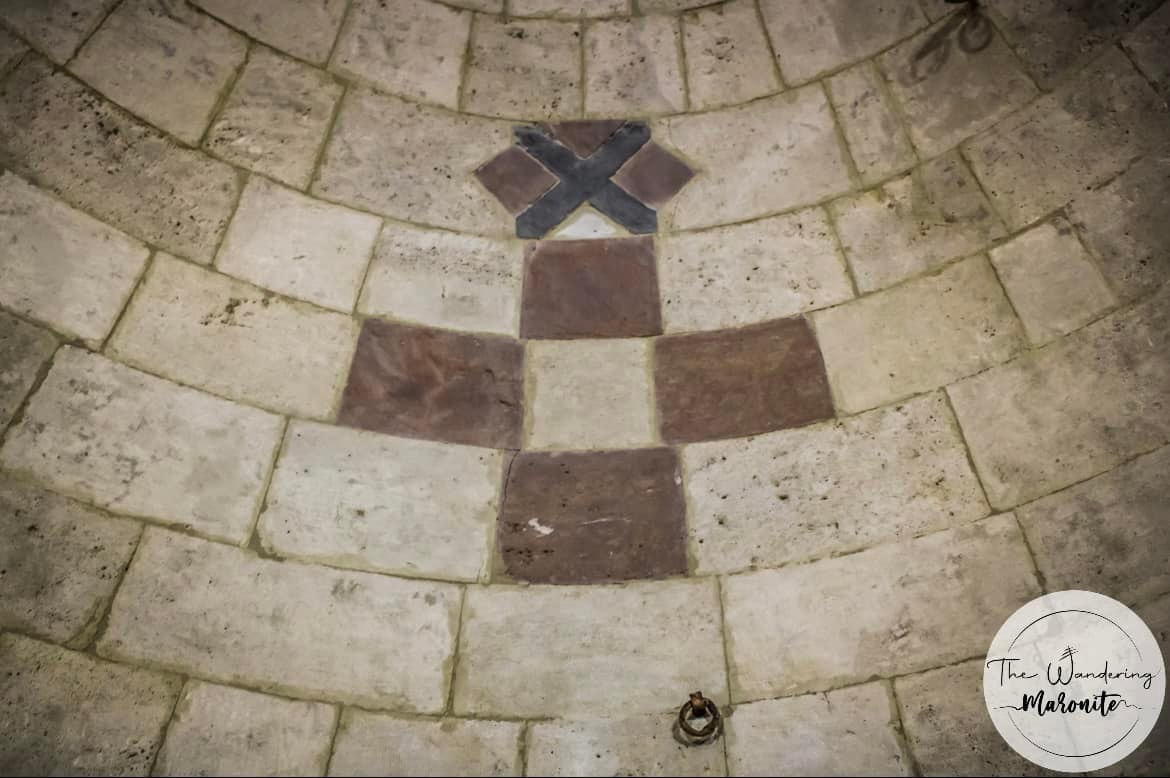
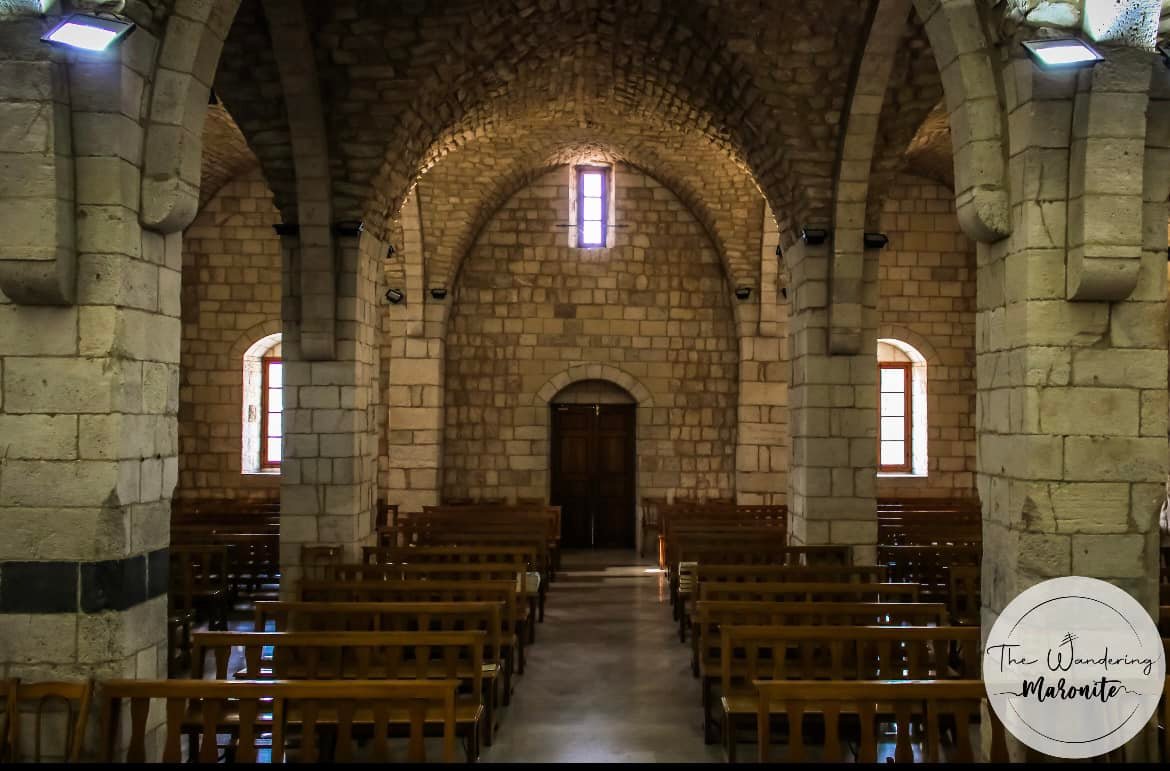
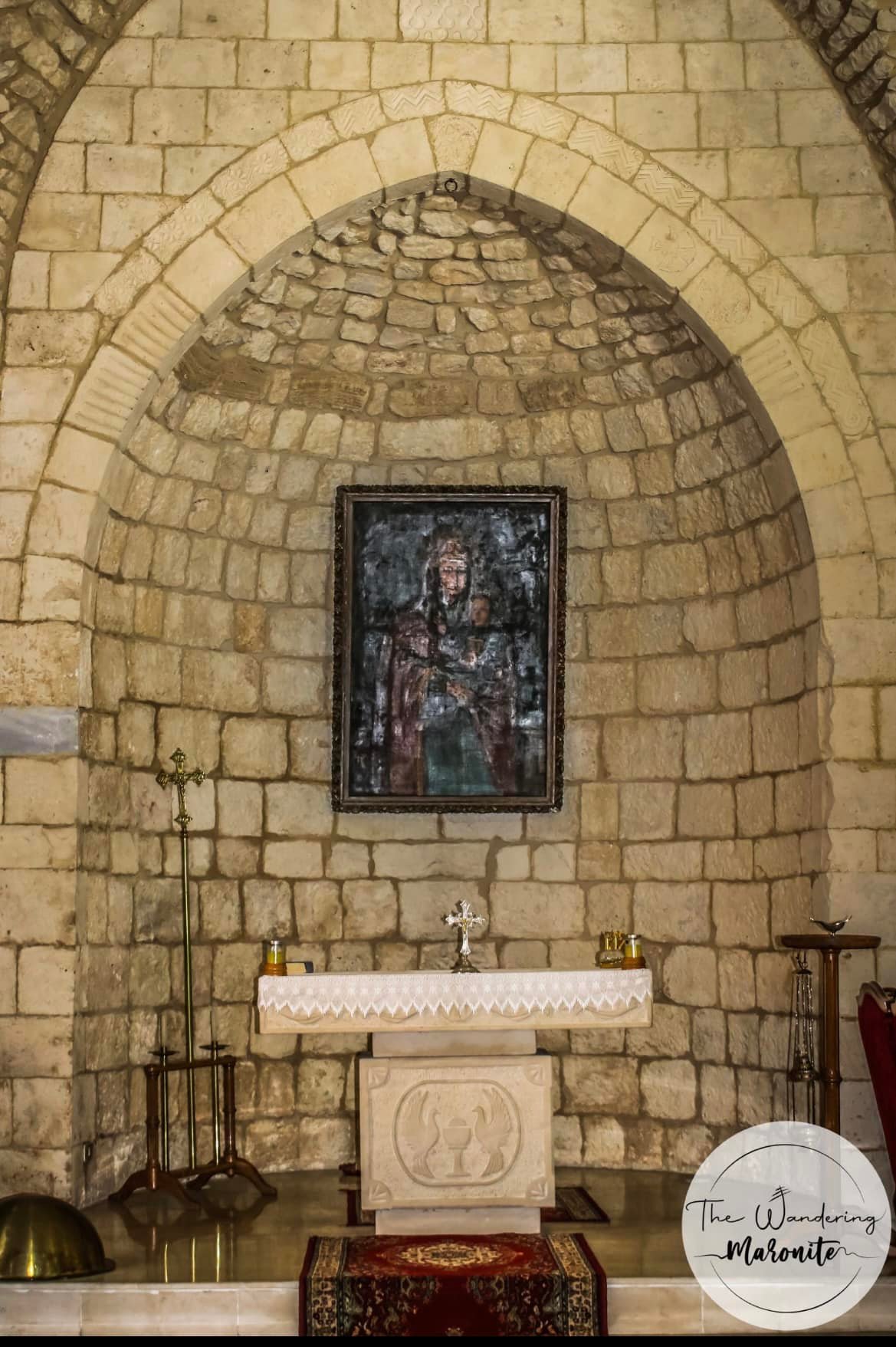
كنيسة سيّدة الحبشيّة - غزيربحسب التقليد بنى رهبان أحباش الكنيسة الأولى سنة ١٤٤٦ وأتوا بصورة العذراء: هذه الكنيسة القديمة بحنيتين هي اليوم السكرستيا ومدفن الكهنة. سنة ١٦٤٠ إستَحصَل آل حبيش على فرمان من السُلطان العُثماني لِتَرميم كنيسة السيّدة في غزير، وشيَّدوا بِموجب هذا الفَرمان كنيسة السيّدة المَدعوَّة الآن "الحبشية" وكرَّسها البطريرك إسطفان الدويهي في ١٣ آذار سنة ١٦٦٣. الكنيسة بازيليكيّة الطراز، تعرّضت للتخريب سنة ١٩٠٥، رُمّمت في ثمانينات القرن العشرين. تضمّ الكنيسة العديد من اللوحات والعديد من الشواهد.The church of Our Lady the Habshiyeh - GhazirAccording to tradition the church was first built by Abyssinian monks from Nabak in 1446 and they brought with them the icon of the Madonna. The old church is now the sacristy and the prelates necropolis. In 1640 the Hobeish family got an accord from the Ottoman sultan to build the new church that was named Habshiyeh. Patriarch Estephan El Douwaihy consecrated the church on the 13th of March 1663. The church is a basilical structure, it was sabotaged in 1905 and renewed in the 80s. The church holds many paintings and epitaphs.

Visited 3462 times, 4 Visits today

Reviews are disabled, but trackbacks and pingbacks are open.

Related Listings

Beit Shabab – The church of our Lady the Major

كنيسة السّيدة الكبرى, Beit Chabeb, Lebanon

كنيسة السيّدة الكبرى

Beit Chabab

Metn

Mount Lebanon

كنيسة السيّدة الكبرى - بيت شباب

الكنيسة الحاليّة مبنيّة على أنقاض كنيستين: الأولى مجهولة تاريخ البناء وكانت صغيرة واطئة بنيت قرب مصب الينبوع وكانت قائمة في القرن السادس عشر، الثانية وكانت تُعرف بسيّدة الجوزة، بدأ بناؤها سنة ١٧٠٣ في مكانها الحاليّ. كرّسها في ١٠ أيّار سنة ١٧١٦ البطريرك يعقوب عوّاد، جلب لوحاتها من روما الخورأسقف يوسف السمعاني. سنة ١٩٠٣ بوشر بناء الكنيسة الحاليّة، وهي بازيليكيّة الطراز بثلاث أسواق وعقدٍ بغداديّ، تحوي خمس مذابح رخاميّة. كرّسها سنة ١٩٤٠ الخورأسقف يوسف الحايك. رمّمت الكنيسة عدّة مرّات. وهي أكبر كنيسة في بيت شباب تشتهر بأبراج أجراسها.

The church of our Lady the Major - Beit Shabab

The current church was built over two older churches. The first one was built near the village’s water fountain, its history is unknown, yet it was in use during the XVIth century. The second one was in the current place, it was known as our Lady of the Walnut tree. Construction began in 1703 and it was consecrated by Patriarch Yaaqoub Awad on the 10th of May 1716. The paintings of the church were brought from Rome by Mgr Youssef el Semaani. The current church was built in 1903, it is a basilical structure with three naves and five marble altars. It was consecrated in 1940 by Mgr Youssef el Hayek. The church underwent many restorations, it is famous for the three bell towers on its facade

Darb el Sim – The old church of Our Lady of the Annunciation

Darb El Sim, Lebanon

كنيسة سيّدة البشارة القديمة

Darb Es-Sim

Saida

South

كنيسة سيّدة البشارة القديمة - درب السيم

بنى الصليبيّون الكنيسة في القرن الثاني عشر بهندسةٍ دفاعيّةٍ، الكنيسة مؤلفة من سوقٍ واحدة بعقدٍ مصالبٍ. مع رحيل الصليبيّين أصبح البناء بيد مشايخ آل الجواد الشيعة الذين حافظوا عليه طوال قرون. مع قدوم الموارنة إلى البلدة في القرن الثامن عشر، أعاد لهم الشيخ منصور الجواد البناء، فأعادوا تكريس الكنيسة وبناء المذبح. خربت الكنيسة في أحداث ١٨٦٠ و١٩٨٥ ورمّمت مرّتين.
لوحة سيّدة البشارة هي من محفوظات الكنيسة الجديدة، من عمل الرسّام أندريه نمّور.

The old church of Our Lady of the Annunciation - Darb el Sim

The church was built by the crusaders in the XIIth century. The structure consists of a single nave with a crossed vault, and many defensive elements. After the crusaders left, the structure was left with a feudal Shia family, the Sheikhs of Al Jawad. With the settlement of the Maronites in the village during the XVIIIth century, Sheikh Mansour Al Jawad gave them back the church. The Maronites reconsecrated it and built a new altar. The church was sabotaged during the wars of 1860 and 1985 and restored twice.
The painting of the Annunciation is contemporary made by Andre Nammour.

Chamat – Saint Takla & Saint Stephan (Twin Church)

Old twin church St Takla & Stephan, Chamat, Lebanon

كنيسة مار تقلا ومار أسطفان شامات

1230

Chamate

Jbeil

Mount Lebanon

هي كنيسة مزدوجة، قديمة جدٍّا، تقوم على أنقاض هيكلٍ وثنيّ، على إسم مار تقلا ومار إسطفان.
لا يمكن تحديد زمن تحوُّلها من هيكلٍ وثنيّ ٍالى كنيسة، إنّما نستطيع ان نردّ هذه المرحلة تقريبيًّا الى العهد البيزنطيّ، إستنادًا إلى طريقة تنسيق الفسيفساء التي وُجدت في أرضها. وقد بقي من آثار الهيكل الوثنيّ أعمدة ذات أطنافٍ من الطراز الأيوني والدُوري قائمة داخلَ الكنيسة وخارجَها. وقد وُجد في هذه الكنيسة أحد الكتب البيعيّة الذي كُتب على هامشه أنّ البطريرك دانيال الشاماتي(1230-1239) قد كرَّس هذه الكنيسة، وحفر رسم الصليب على احد حجارتها تذكارًا لهذا التكريس.
الكنيسة عبارة عن سوقَين تفصل بينهما قنطرتان، وفي كل سوقٍ منهما حنيَّة. وفيها مذبحان هما عبارة عن لوحٍ حجريّ يقوم على قاعدة عامودٍ ضخم. فلوحة مار تقلا ترتفع فوق الإفريز الحجريّ، وهي مرسومة بيد كنعان ديب، مؤرّخة سنة 1863. امّا اللوحة التي تمثّل مار إسطفان فهي من دون تاريخ، وترتفع على الحائط الجنوبي للكنيسة لوحة زيتية للسيّدة العذراء تحملها الملائكة، وهي من دون توقيع ولا تاريخ. وفي الماضي كان هناك رواق حجريّ ذو عقدَين يغطّي مسافةً أمام الكنيسة ولا تزال بقاياه بارزة. ولهذه الكنيسة بابان يقومان في جهتها الغربية. أما أعتابهما فهي عبارة عن اجزاء من أغطية نواويس حجرية يبرز في احدها حفرٌ متقنٌ لرأسَي عجلَينَ.

It is a rare double church, built over the ruins of a pagan temple, dedicated to St Thekle and St Stephen. It is hard to pinpoint the exact time of the conversion, yet the mosaic can help us date the church back to the Byzantine era. The leftovers of the pagan temple are some ionic and doric columns. The Maronite Patriarch Daniel of Chamat (1230-1239) dedicated the church and inscribed his dedication with a cross on the wall. The church consists of two naves separated by a set of columns ending with apses with two altars dedicated to both saints respectively. In the shrine of St Thekle stands her painting by the famous Kanaan Dib and dates back to 1863. Two other paintings adourne the church, both not signed and not dated, one for our lady the other for St Stephen.
In front of the church stood once a narthex now in ruins. On the western wall are the two main doors over one of them is an old sarcophagus covered with two intercately carved bulls.