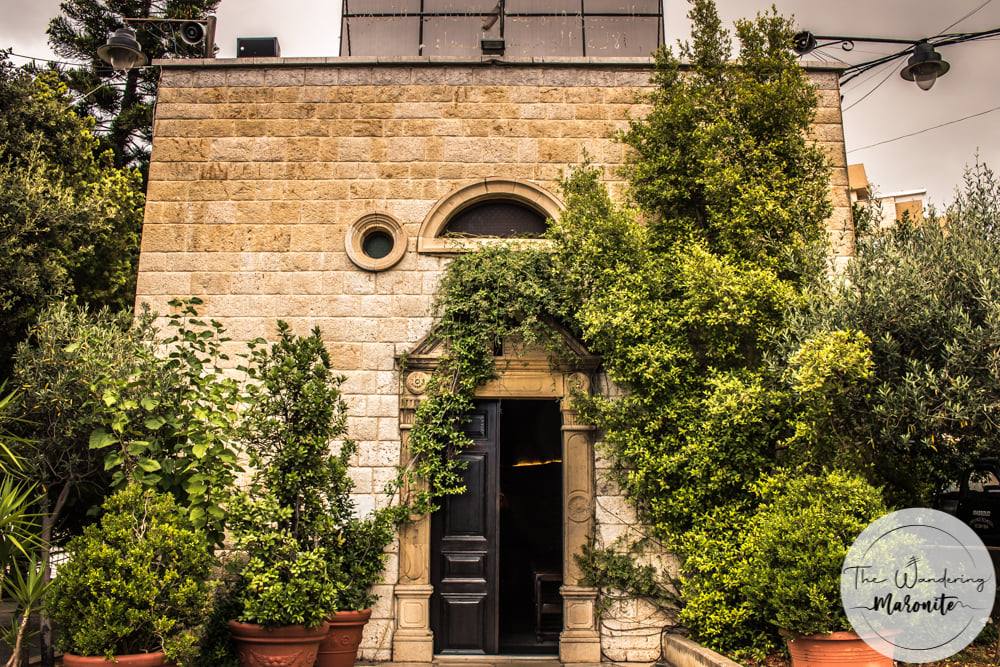
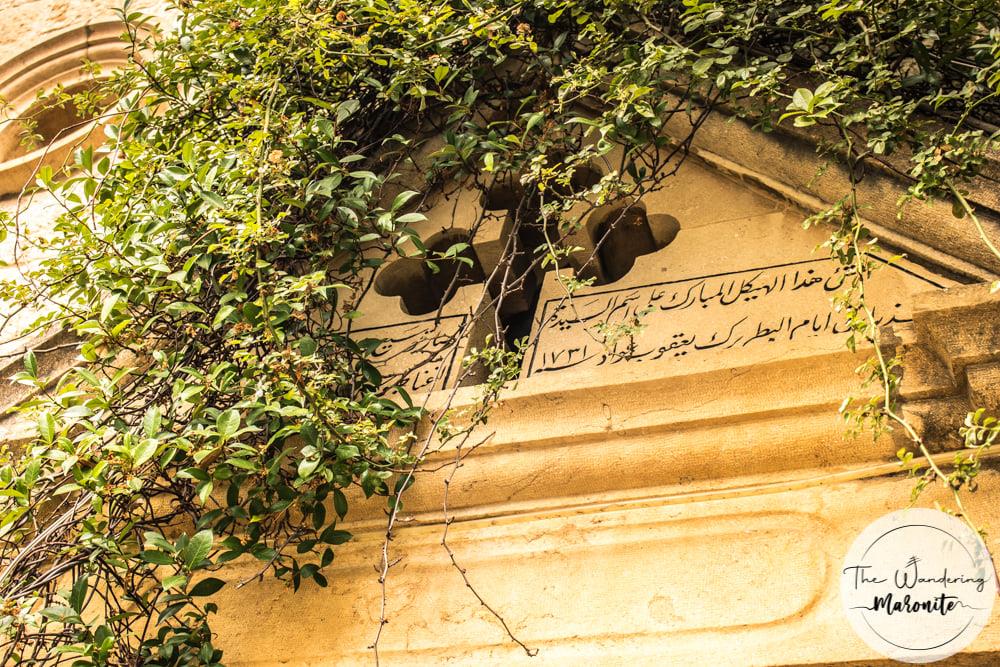
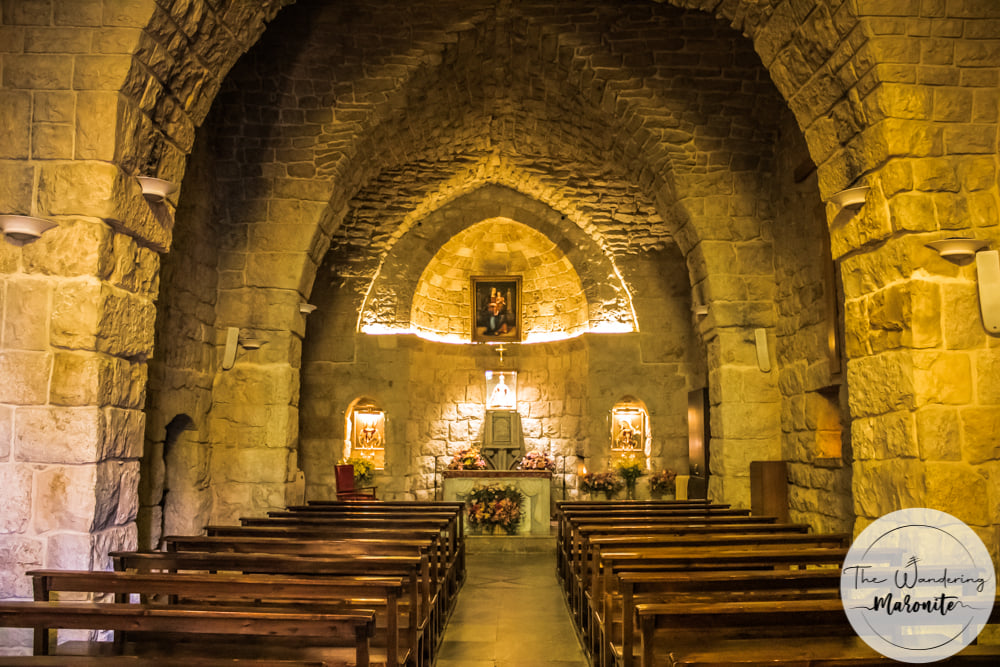
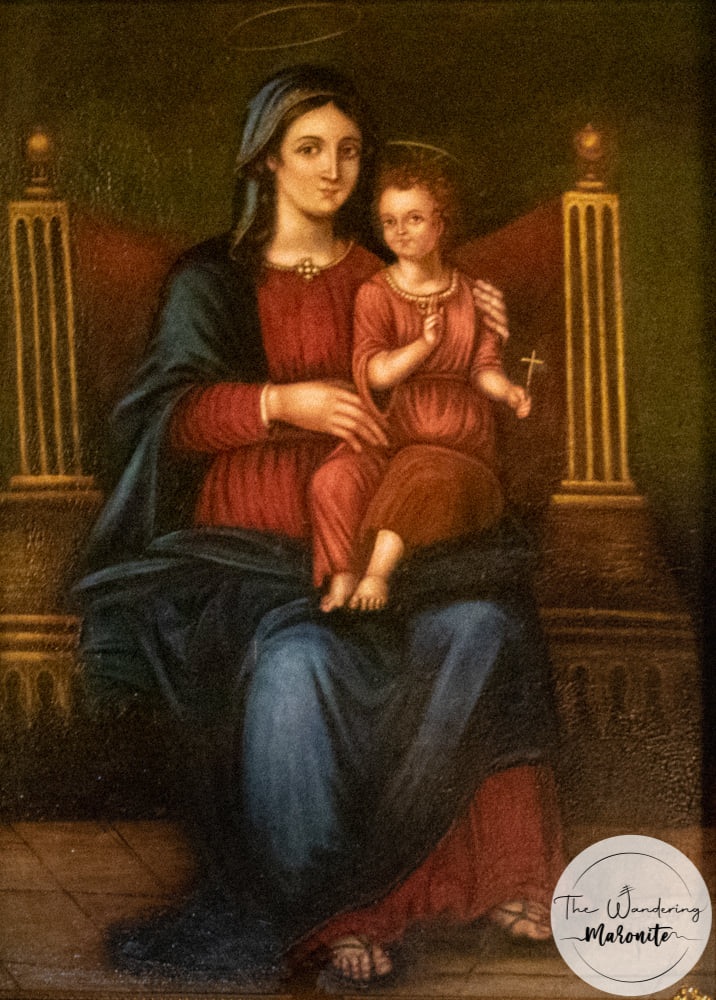
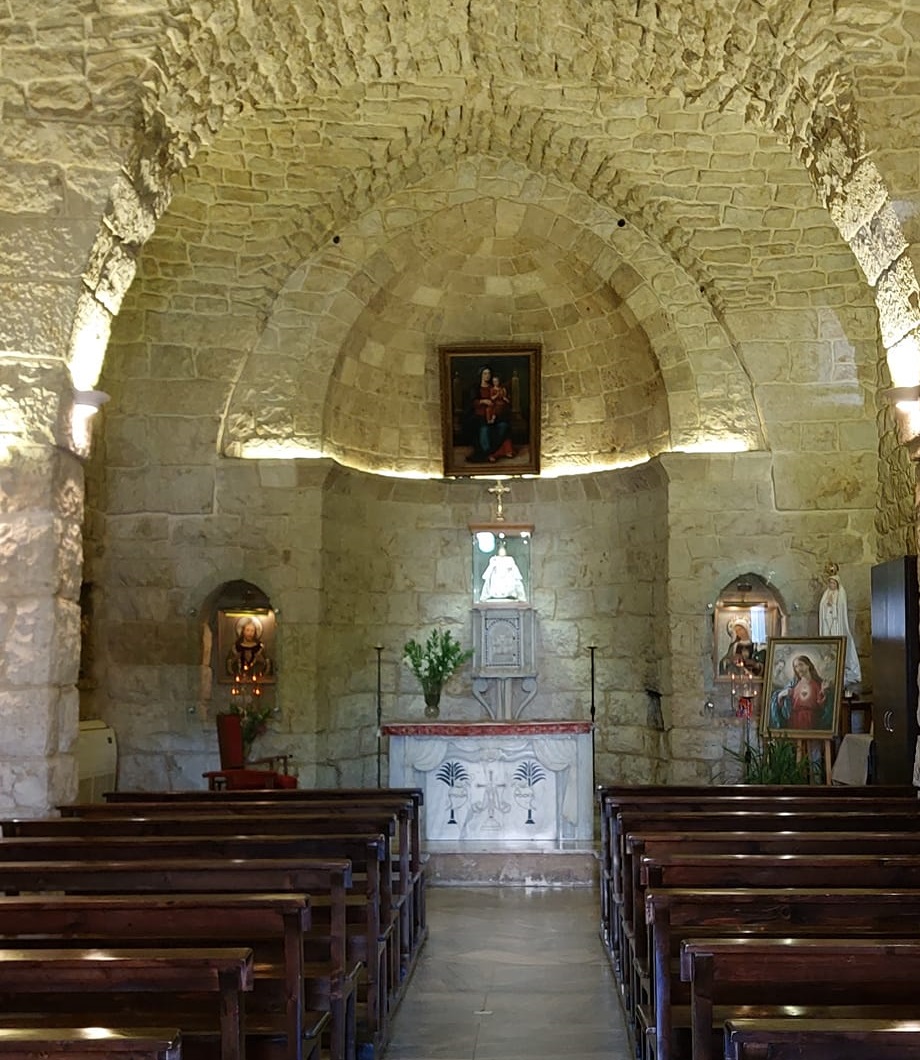
أسست الكنيسة الرعائية سنة 1731 في عهد البطريرك يعقوب عواد.الكنيسة صغيرة الحجم مبنية من عقد بسيط ينتهي بحنية. اللوحة رسم كنعان ديب الدلبتاوي وتعود لسنة ١٨٤٩.The parish church was built in 1731 during the pontificate of patriarch Jacob Awad.The church building is rather small with a crib vault ending with an apse. The Madona’s portrait is the work on Kanaan Dib from Dlebta dating back to 1849
سنة ١٦٨٠ بدأ الشيخ ابو قنصوه الخازن بناء دار في غوسطا تلاصقها كنيسة على اسم مار الياس وكُرّست سنة ١٦٨٩. البناء كناية عن عقدٍ مُصالب ينتهي بحنية نصف دائرية. رُسم فيها المطران يوسف راجي الخازن (البطريرك لاحقًا) مطرانًا على غوسطا سنة ١٧٢٨ على يد البطريرك يعقوب عوّاد، ودُفن فيها في ١٣ أيّار ١٧٤٢. رُمّمت الكنيسة مؤخرًا.
The Church of St. Elijah - Ghosta
It was constructed in 1680 by Sheikh Abou Qanso el Khazen, adjacent to his house. It was consecrated and dedicated to the prophet Elijah in 1689. The structure comprises a crossed vault with a semi-circular apse. Within this church, Bishop Youssef Raji el Khazen (later patriarch) was ordained as the bishop of Ghosta by Patriarch Yaaqoub Awad in 1728. He was subsequently buried in the same church on May 13, 1742. The church has recently undergone restoration.
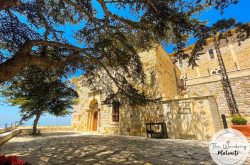
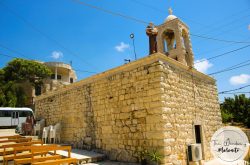
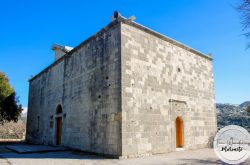
الكنيسة بالأصل كانت معبدًا رومانيًّا على تلّة حوّله الصليبيّون إلى بُرجٍ للمراقبة، سكنه مقدَّموا لحفد. سنة ١٨١٠ تحوّل المكان إلى كنيسةٍ بعقدٍ مُصالبٍ لتكون رعيّة البلدة. مذبح الكنيسة ولوحة مار أسطفان، مُستوردان من إيطاليا بسعي من أبناء البلدة في بيروت أواخر القرن التاسع عشر. حمل إبن لحفد الطوباوي أسطفان نعمه شفاعة صاحب الكنيسة وتكنّى باسمه عند دخوله الرهبانيّة.
The church of St Stephen - Lehfed
The church was originally a pagan roman temple on a hill that was converted into a watch tower by the crusaders, after they left the land the maronite lords of Lehfed used it as residence. In 1810 the crossed vault structure took it’s current shape and was converted into a parochial church. The altar and the painting are imported from Italy with the help of the villagers who lived in Beirut at the end of the XIXth century. Blessed Stephen Nehme, the son of Lehfed, took the name of the Church's patron saint when he entered the monastic life.



Reviews are disabled, but trackbacks and pingbacks are open.