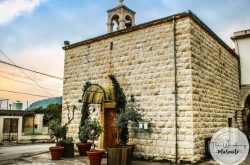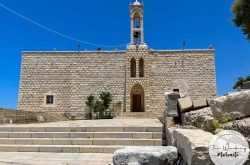

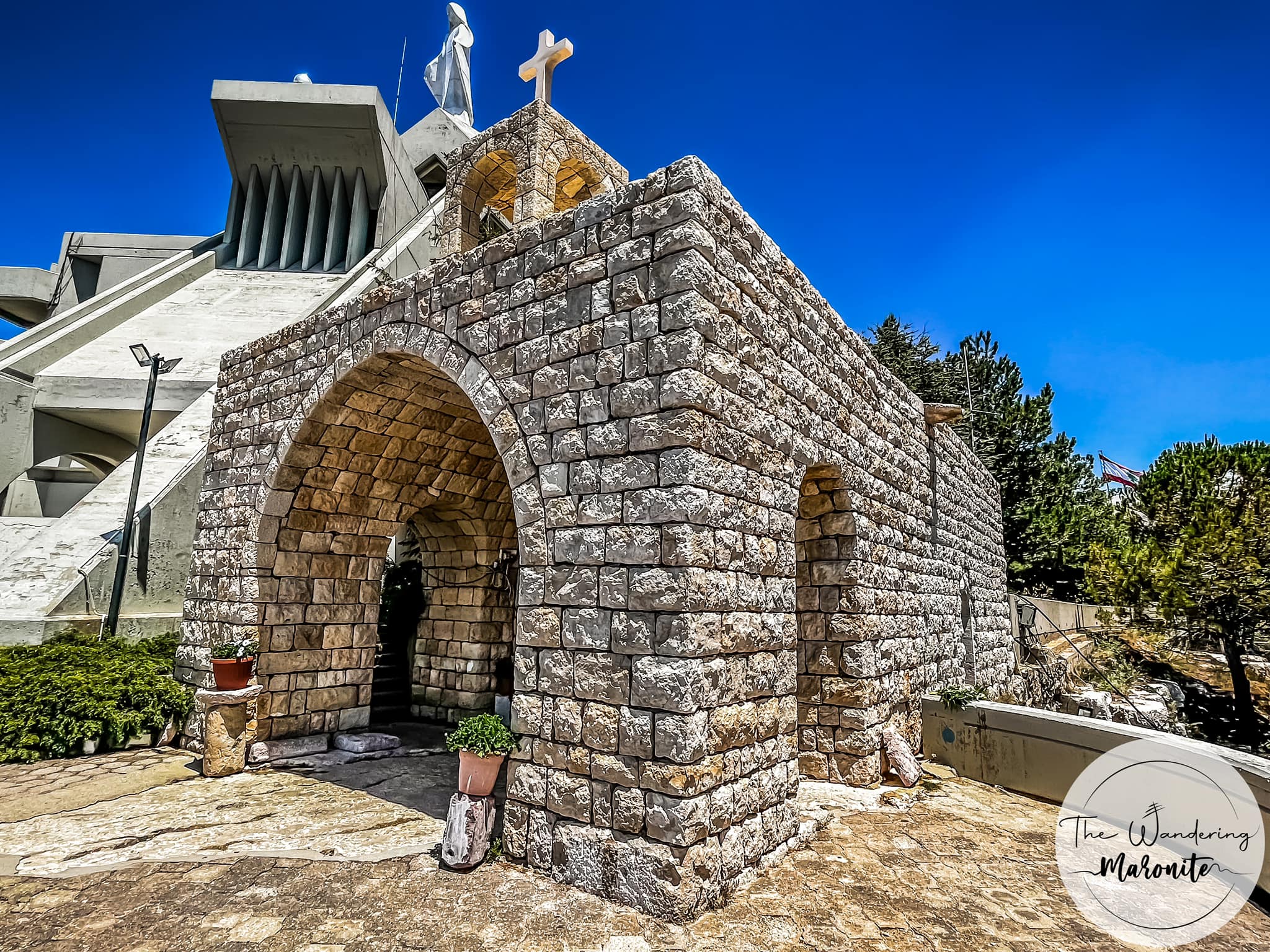
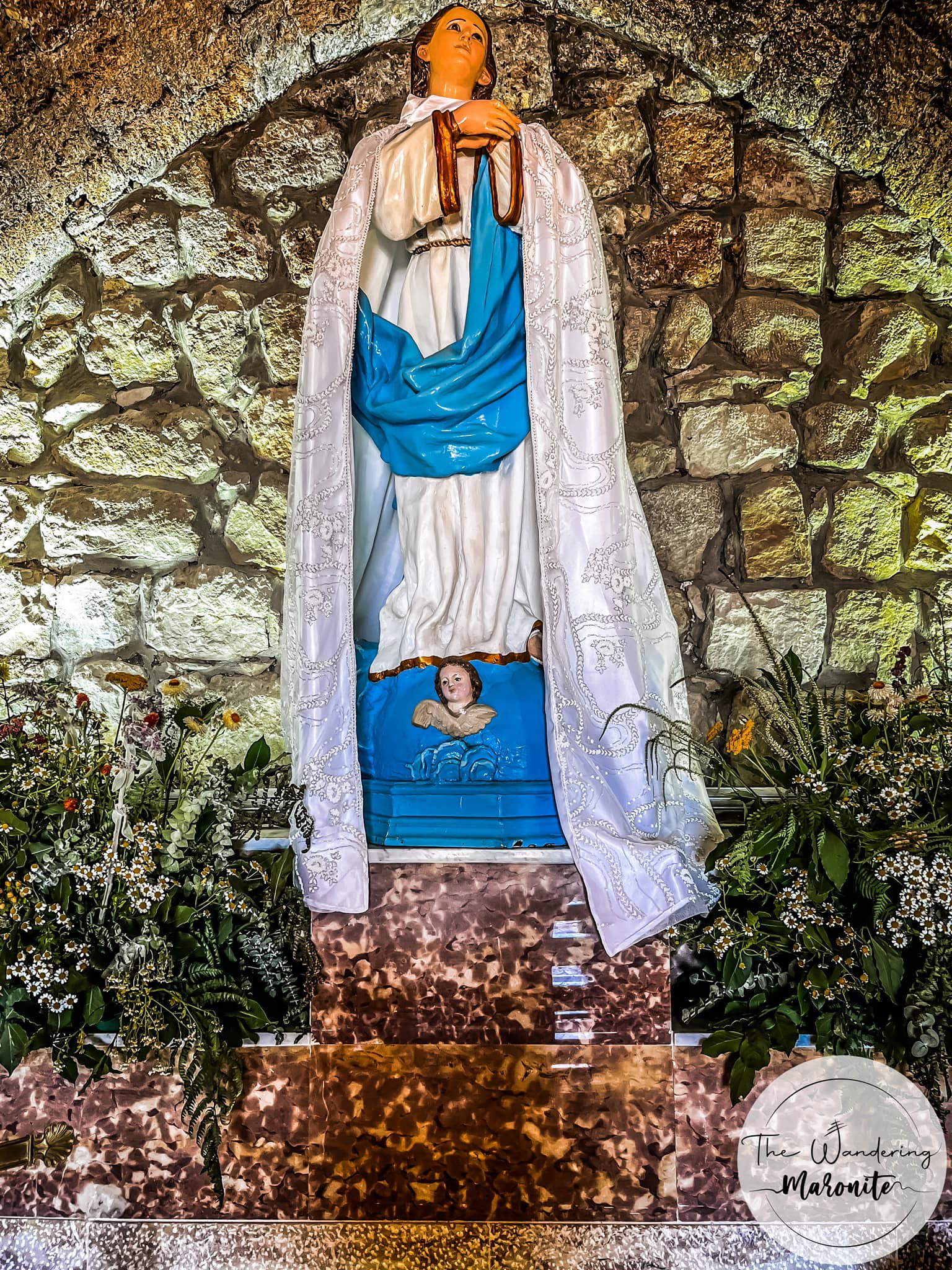
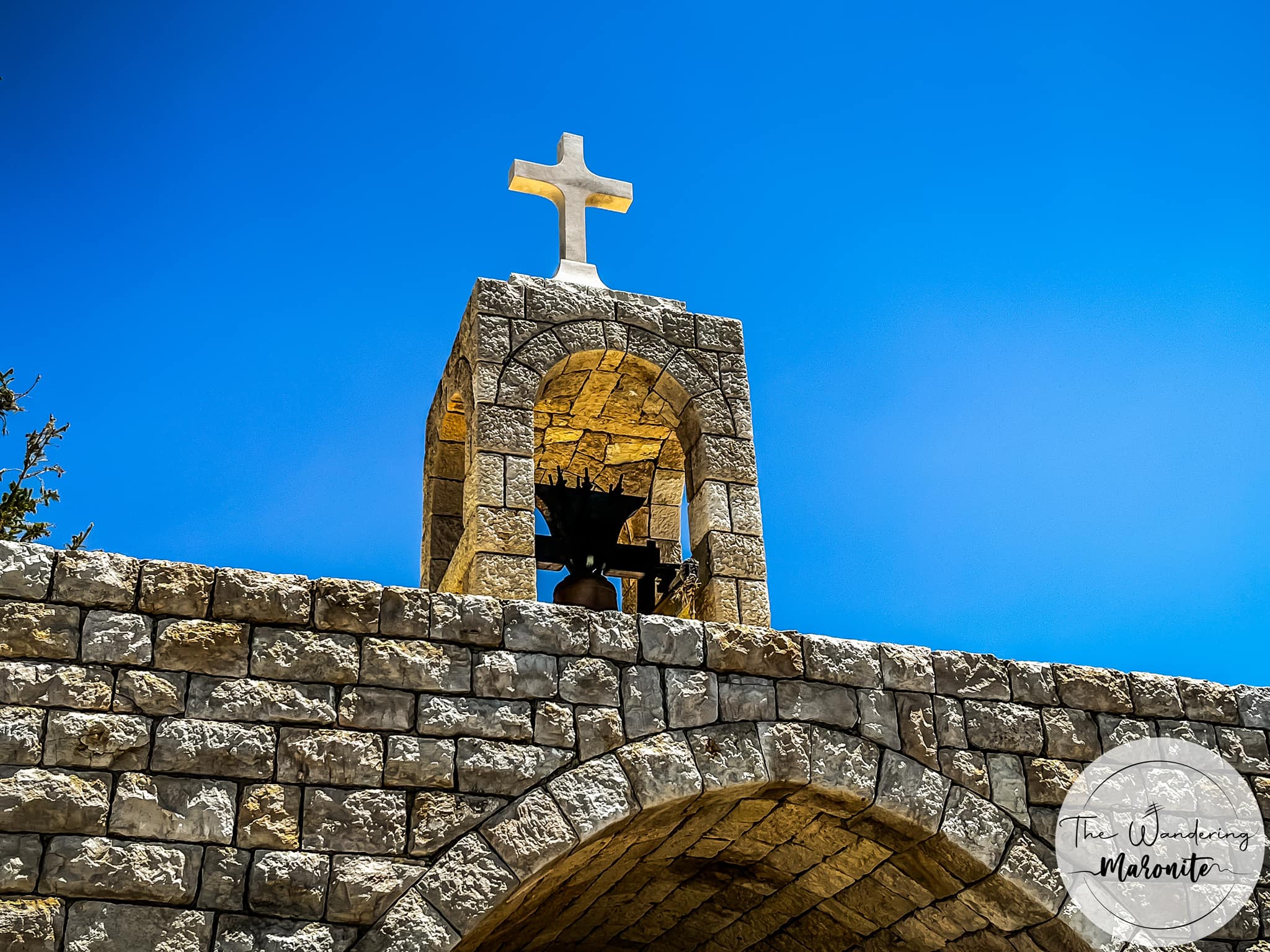
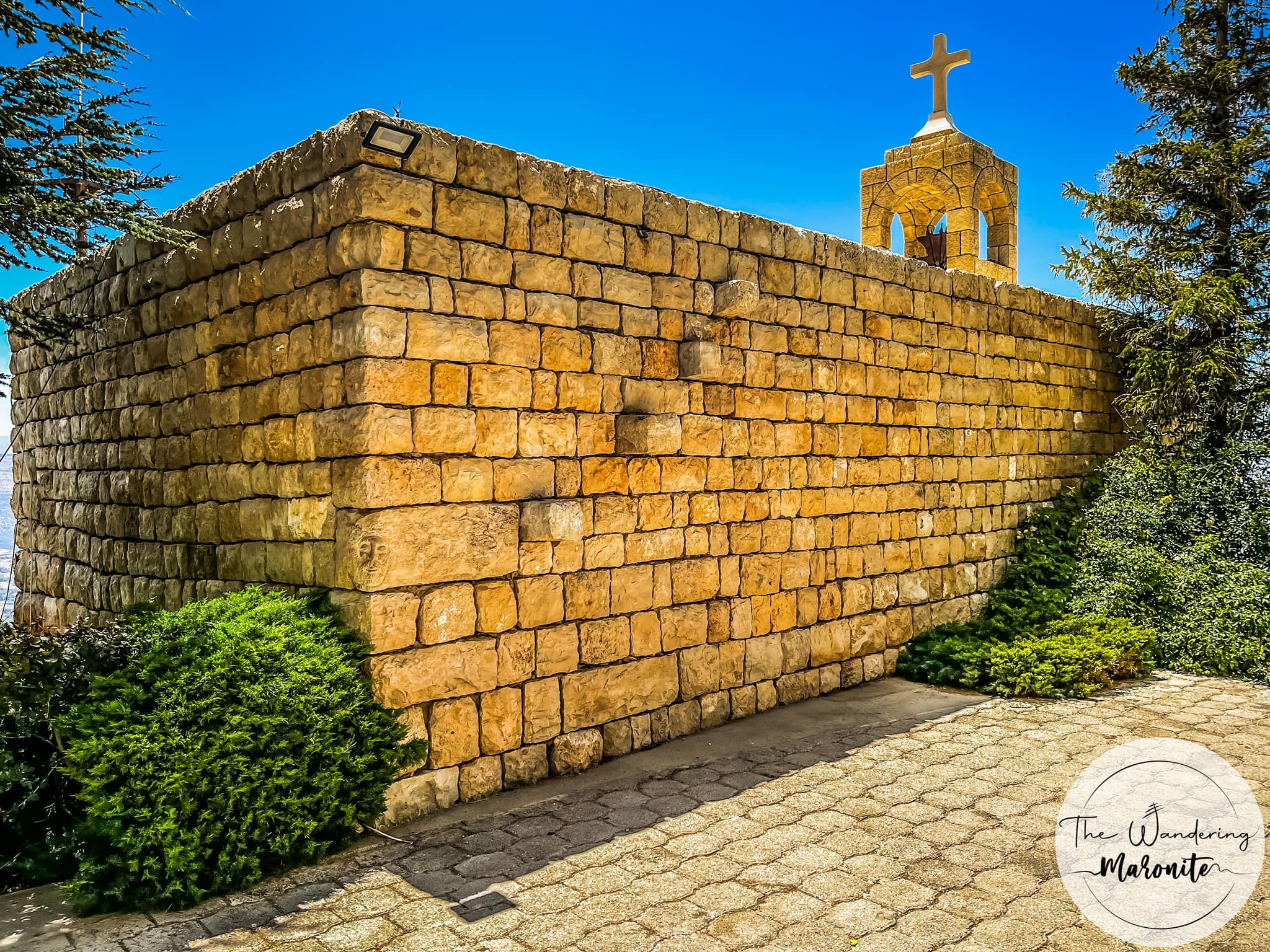
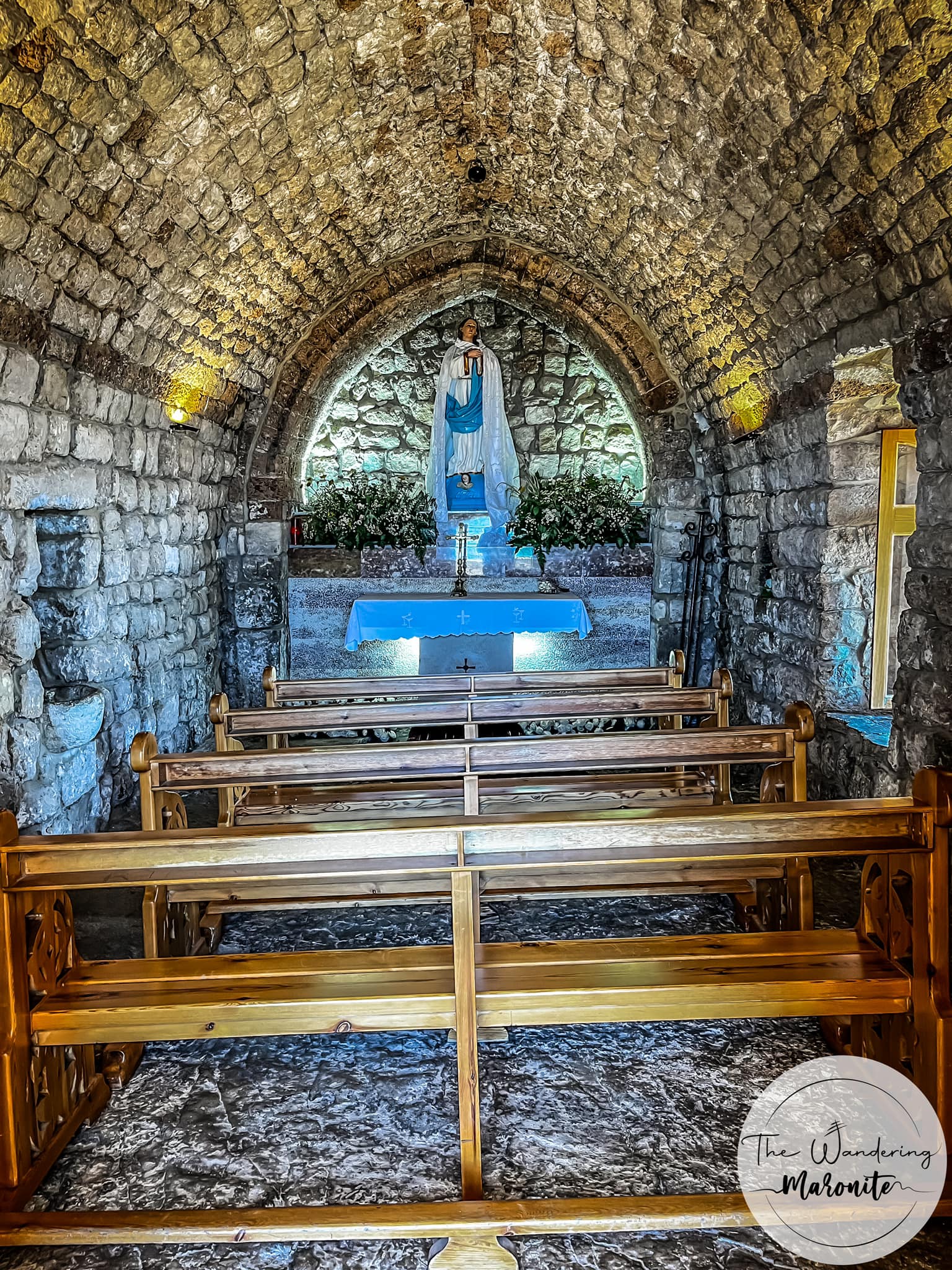
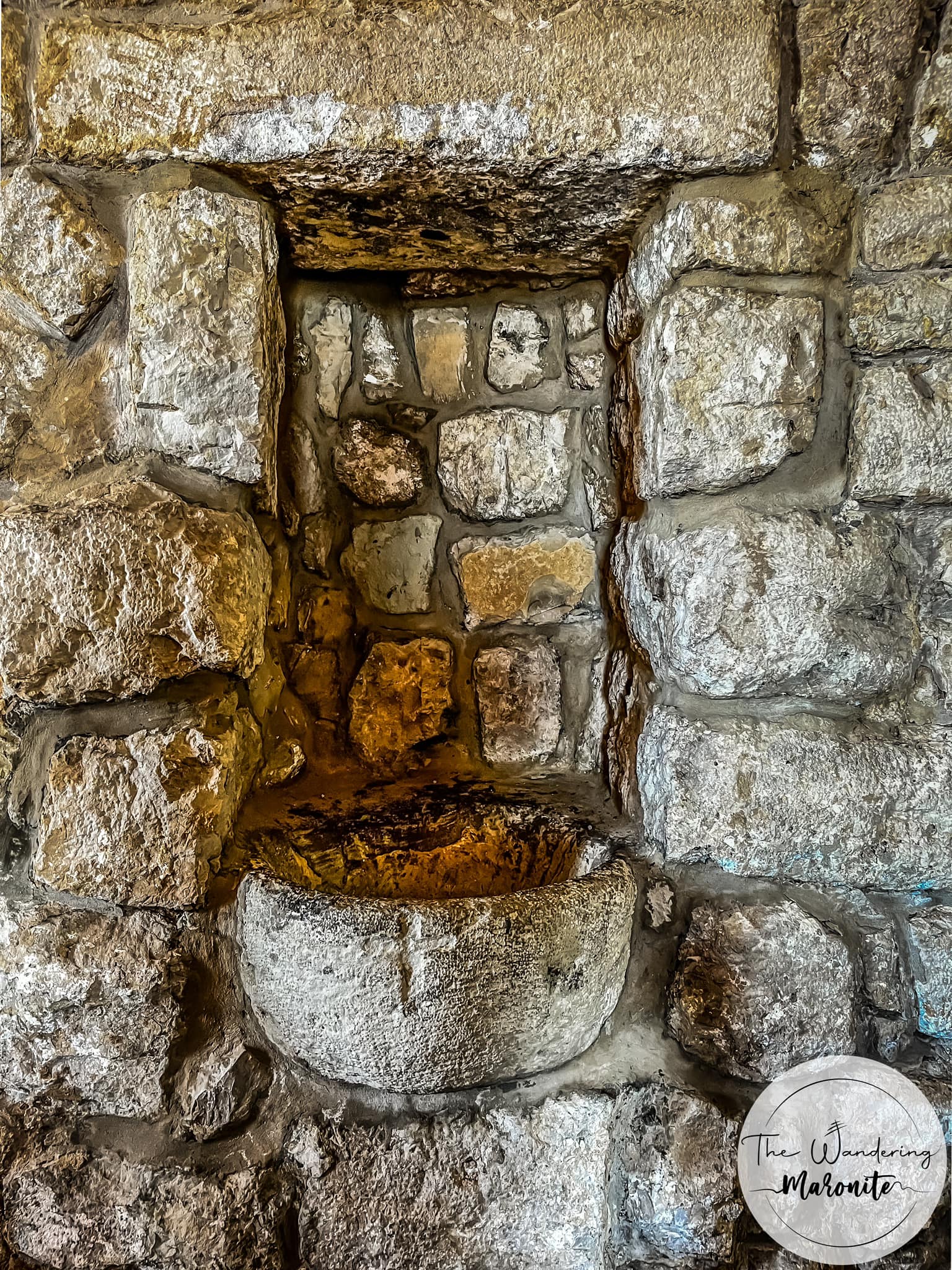
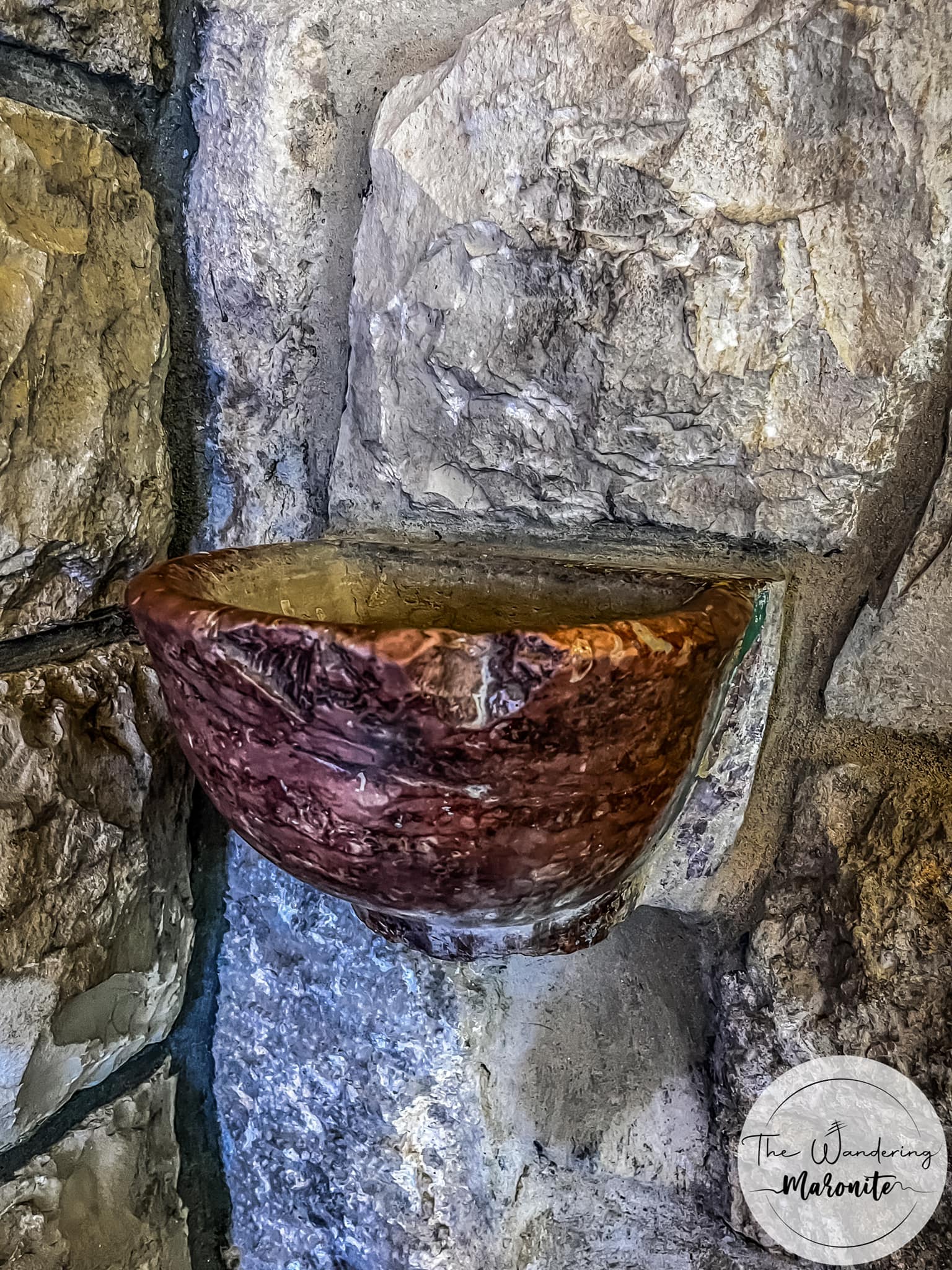
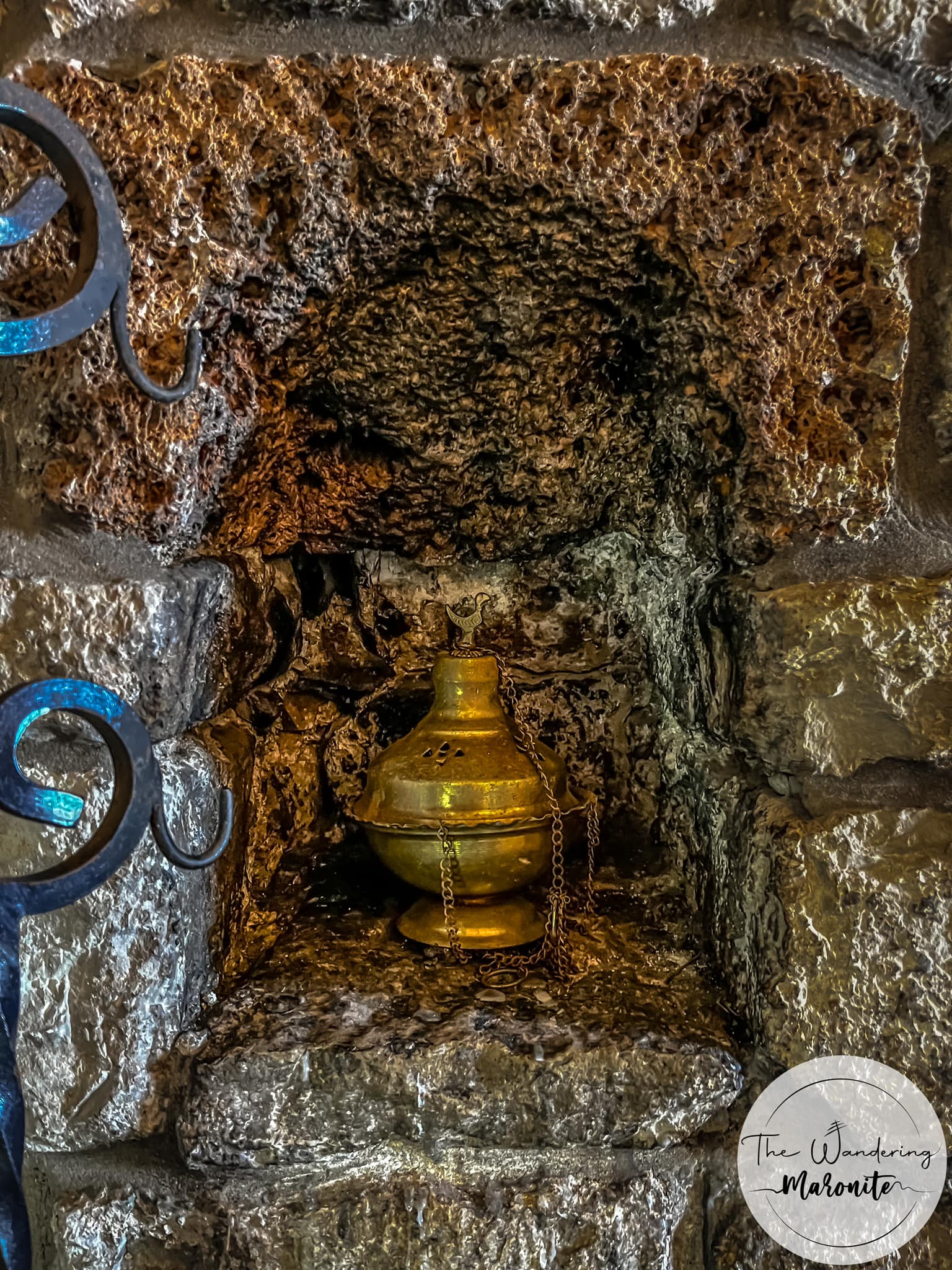
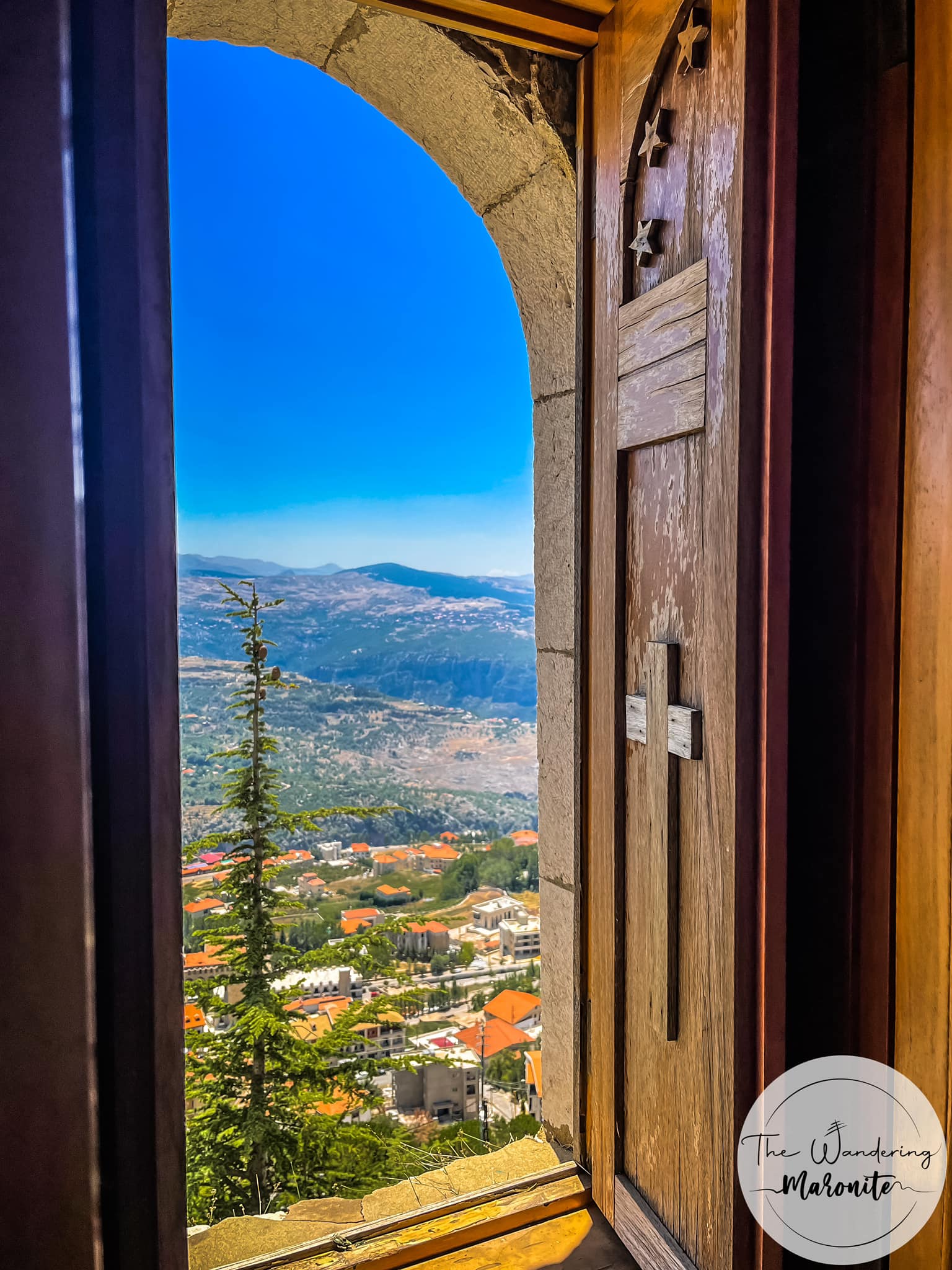
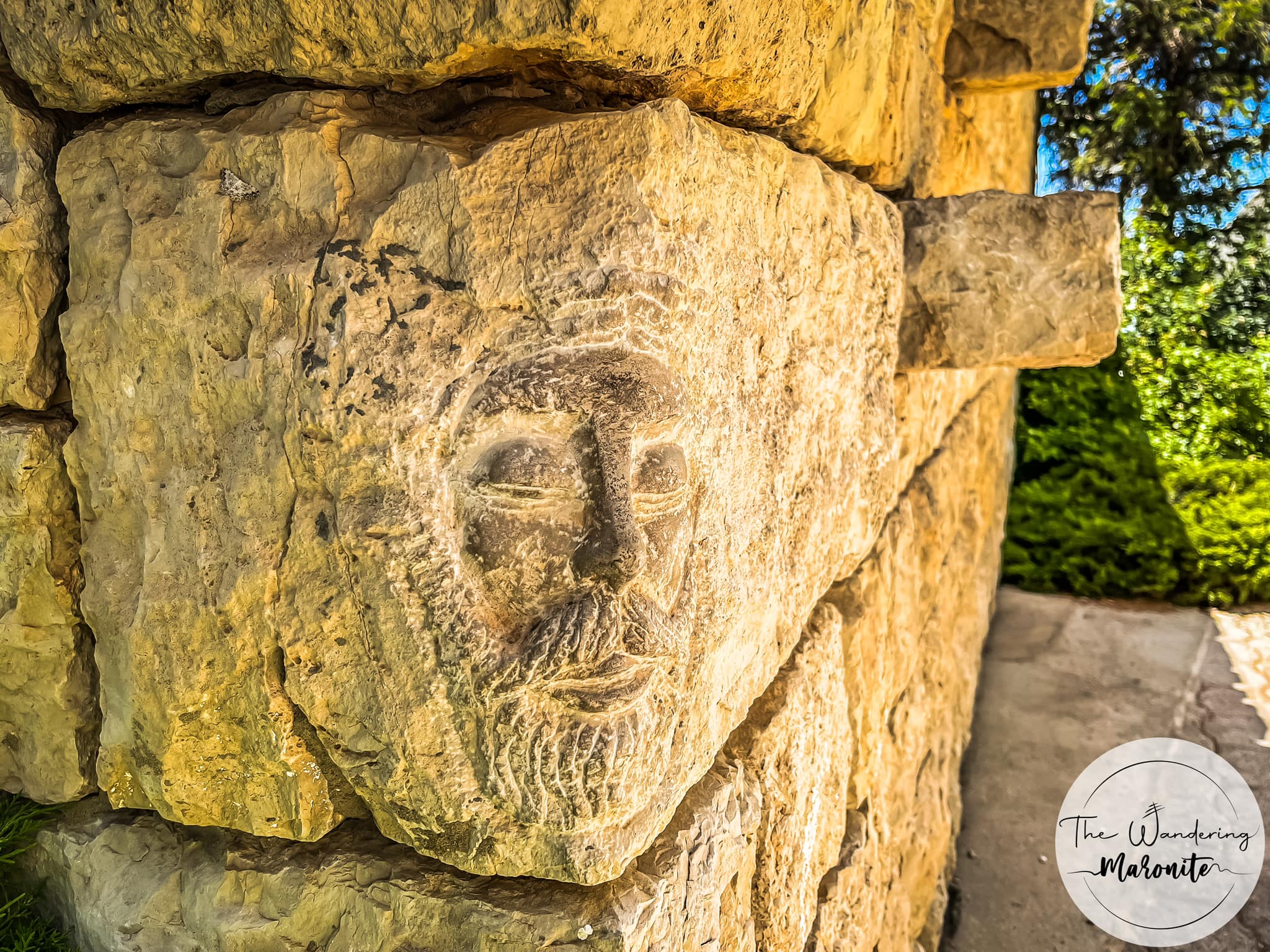
كنيسة سيّدة الحصن - إهدنفي القرن السادس بنى الجراجمة الذين استوطنوا إهدن حصنًا على تلّةٍ مشرفةٍ على المدينة، على أنقاض هيكلٍ وثنيّ لِعَنَات إبنة إيل. جُعل الحصن كنيسةً على اسم العذراء مريم. سنة ١٢٨٣ خرّب المماليك الحصن، فأعاد الإهدنيّون بناؤه بعد ثلاث سنوات. البناء كناية عن عقدٍ سريريّ ينتهي بحنية، رمّم عدّة مرّات عبر تاريخه الطويل. الكنيسة تُعدّ مزارًا ومكان حَجٍّ يقصده المؤمنون للتبرّك. سنة ١٩٨٩ بنيت الكنيسة الجديدة.The church of Our Lady of the Fort - EhdenDuring the VIth century the Mardaites that came to Ehden built a fort with a small church over the ruins of an old pagan temple dedicated to Anaat daughter of Il. The church was dedicated to the Virgin Mary. In 1283 during the Mamluky raid the fort was sabotaged and rebuilt by the people of Ehden after three years. The structure is a small crib vault ending with an apse, it was renovated many times during its history. The church is considered a pilgrimage site. In 1989 a new church was constructed near the old one.
الكنيسة في الأساس مبنيّة بحجارة معبدٍ رومانيّ بُني في زمان الإمبراطور انطونان التقيّ كما تشير النقوش اليونانيّة على جدرانها. تحوي الكنيسة على عدّة آثار من المعبد القديم كتمثال صنمٍ في آخرها. في القرون الوسطى تزيّنت الكنيسة بمجموعة من الجداريّات ما زال قسمٌ منها ماثل. الكنيسة كناية عن بناء بنمط بازيليكيّ بثلاث أسواقٍ وعقدٍ سريريّ. في عهد المماليك إستُعملت هذه الكنيسة كخانٍ للمُسافرين، وفي بداية العهد العُثماني إستُعملت إسطبلاً للخيل في قسمٍ منها، وفي القسم الآخر أُنشئت معصرة للزيتون. وآلت ملكيتها لمشايخ آل حمادة الشيعة. وفي أوآخر القرن الثامن عشر قَدَمَ الشيخ وهبه الدحداح الأول من كسروان وإستملك بلاط، فَحوَّل الإسطبل الذي أصبح من أملاكه الى كنيسة على إسم مار الياس وأعاد ترميمها، فكرَّسها المطران يوسف المريض في 4 كانون الأول ١٨٧٠. وفي العام ١٩١٩ ضربتها صاعقة، فأعاد الشيخ إسكندر كنعان وهبه الدحداح ترميمها. وفي العام ١٩٧٨ قامت المديريّة العامّة للآثار بترميمها على الشكل الذي تقوم عليه الآن. تضمّ الكنيسة لوحةً لمار الياس من عمل كنعان ديب الدلبتاوي.
The church of St Elias - Blat Byblos
The church was built with the spolias of an ancient roman temple built during the reign of the emperor Antoninus the pious. The church holds many remanences of the temple : greek inscriptions and an idol. The church’s structure is a three naved basilical plan with a crib vault. It used to be covered with frescoes some of them can be seen today. During the Mamluk’s era the church was converted into a caravanserai. Later on it was converted into a stable and an olive pressing mill and remained so during the Ottoman era when it became property of the Shia lords of the Hemade family. The church was bought by the Sheikh Wehbe el Dahdah when he came from Kesserwan and bought the village of Blat. The church was reconsecrated and dedicated to the Saint Elias the Prophet by bishop Youssef el Marid of the 4th of december 1870. It was damaged by a lightning stroke and restored in 1919 by Sheikh Kanaan Wehbe Dahdah. The church was renovated by the Lebanese Directorate General of Antiquities in 1978. The church holds a painting of Elias by Kanaan Dib.
بُنيت الكنيسة الأولى مع قدوم المسيحيّين إلى البلدة في القرن الثامن عشر، وكانت كنيسة صغيرة قليلة الإرتفاع تعرف بالقبو. تعرّضت هذه الكنيسة للتخريب في أحداث سنة ١٨٦٠. سنة ١٩١٤ ومع ازدياد عدد الأهالي، تقرّر بناء كنيسةٍ أكبر في الموضع عينه. فبدأ المشروع في عهد المطران بولس بصبوص والخوري بطرس كسّاب، نفّذه المعمار الياس قسطنطين من عبرا. وهي كنيسة بسوقٍ واحد ينتهي بحنية وسقف قرميد. في ستّينيات القرن العشرين أضيفت إلى قبّتها برج للجرس عند الواجهة الغربيّة. اللوحة التصويريّة من عمل راجي الحاج تعود لسنة ١٩٣٩. تعرّضت الكنيسة للعبث سنة ١٩٨٥ مع تهجير المسيحيّين من شرق صيدا، وأخذَت حلّةً جديدةً بالترميم في أواخر تسعينات القرن العشرين.
The church of St George - Qrayeh Sidon
The first church was built with the settlement of christians in the region in the XVIIIth century. It was known as the Qabou (the cellar) hence it was a small structure. It was sabotaged in the war of 1860. In 1914 with the growth of the congregation, the village needed a new church. The construction began during the pontificate of Bishop Boulos Basbous and Fr. Boutros Kassab, construction was executed by Elias Constantin from Abra. The church is of a single nave ending with an apse, and a brick roof. During the late sixties a bell tower was added to the original old one on the western side. The painting is the work of Raji el Hajj 1939. The church was sabotaged during the civil war in 1985, and restored in the last decade of the XXth century.
بنى الأمير بشير الثاني قصرًا عائليًّا خاصًّا سنة ١٨٢٨ على رابيةٍ فوق بيت الدّين. سنة ١٨٦١ أهدى الإمبراطور نابوليون الثالث رتاجًا كبيرًا لمدخل القصر. سنة ١٨٦٣ إشترى المطران بطرس البستاني القصر من الأميرة حسن جهان وحوّله إلى كرسيّ أسقفيّ لأبرشيّة صيدا، على اسم مار شليطا الذي له كنيسة صغيرة داخل المبنى. سنة ١٩٢٧ بنى المطران أغوسطينوس البستاني كنيسة سيّدة الخلاص بنمط عصر النهضة بما تضمّ من زجاجيّات ومذابح ولوحات. تعرّض البناء للضرر خلال الحرب العالميّة الثانية وحرب الجبل. رمّم وشهد مصالحة الجبل سنة ٢٠٠٠ مع البطريرك نصرالله صفير الذي أخذ من الكرسيّ مقرًّا له.
The episcopal seat of our Lady of Deliverance - Beit el Din
In 1828 Prince Bachir II Chehab built a private palace on the outskirts of Beit el Din. Empror Napoleon III gave the palace a grand entry gate. In 1863 princess Hesn Jihan sold the palace to Archbishop Boutros el Boustany who made it the episcopal seat of the eparchy of Sidon, dedicated to St Chalita (Artemius) who had a small chapel inside the building. In 1927 Archbishop Augustin el Boustany built the church of Our Lady of Deliverance in a renaissance style. The building was damaged in World War II and the Lebanese civil war. The structure was restored and saw the pact of reconciliation in the year 2000 with Patriarch Nasrallah Sfeir.
Reviews are disabled, but trackbacks and pingbacks are open.