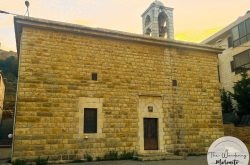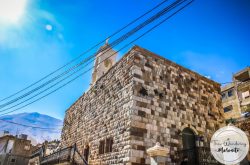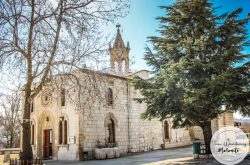

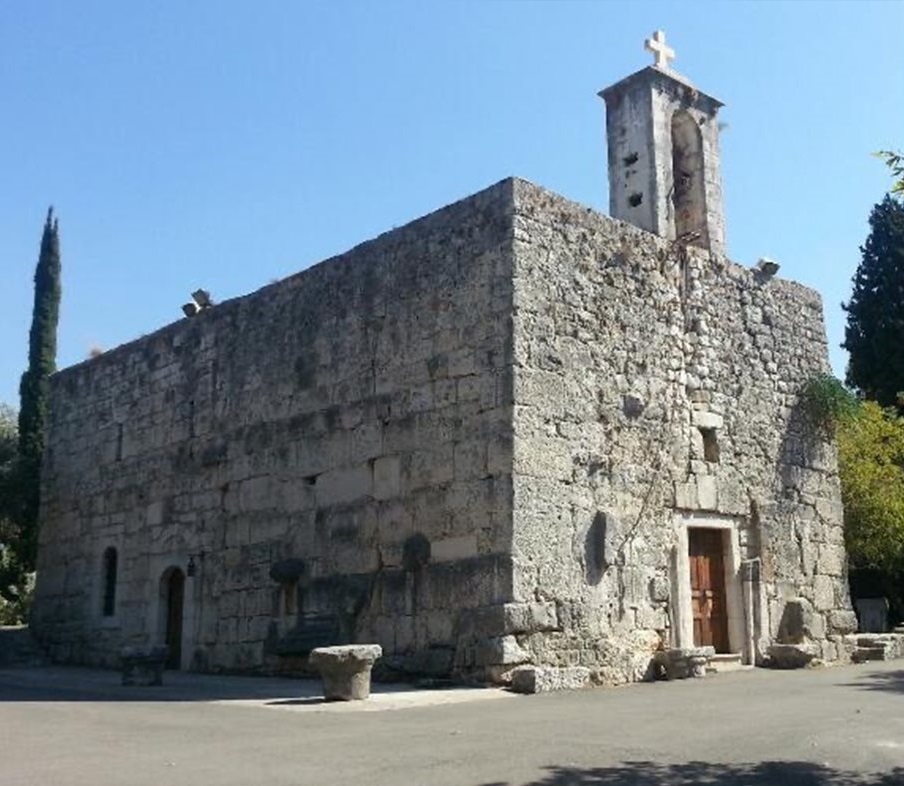
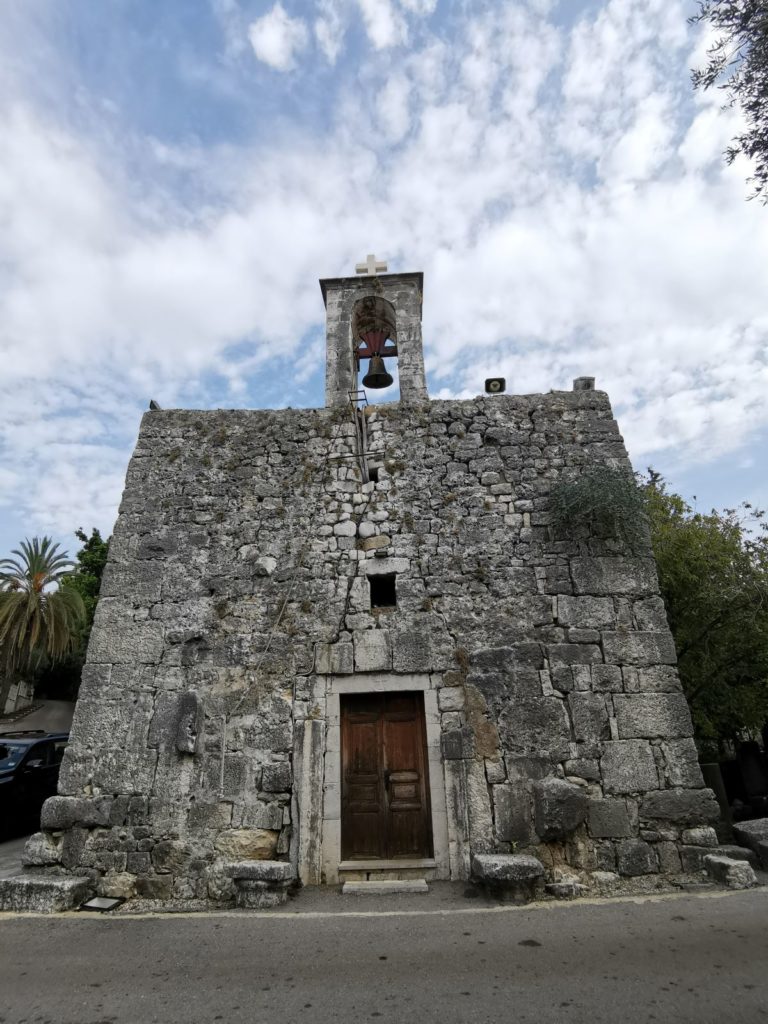
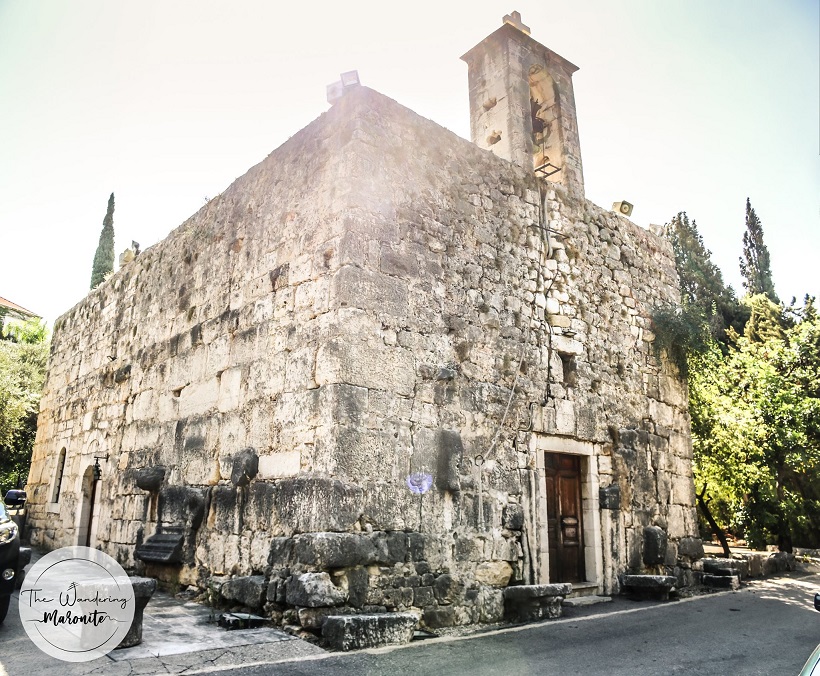
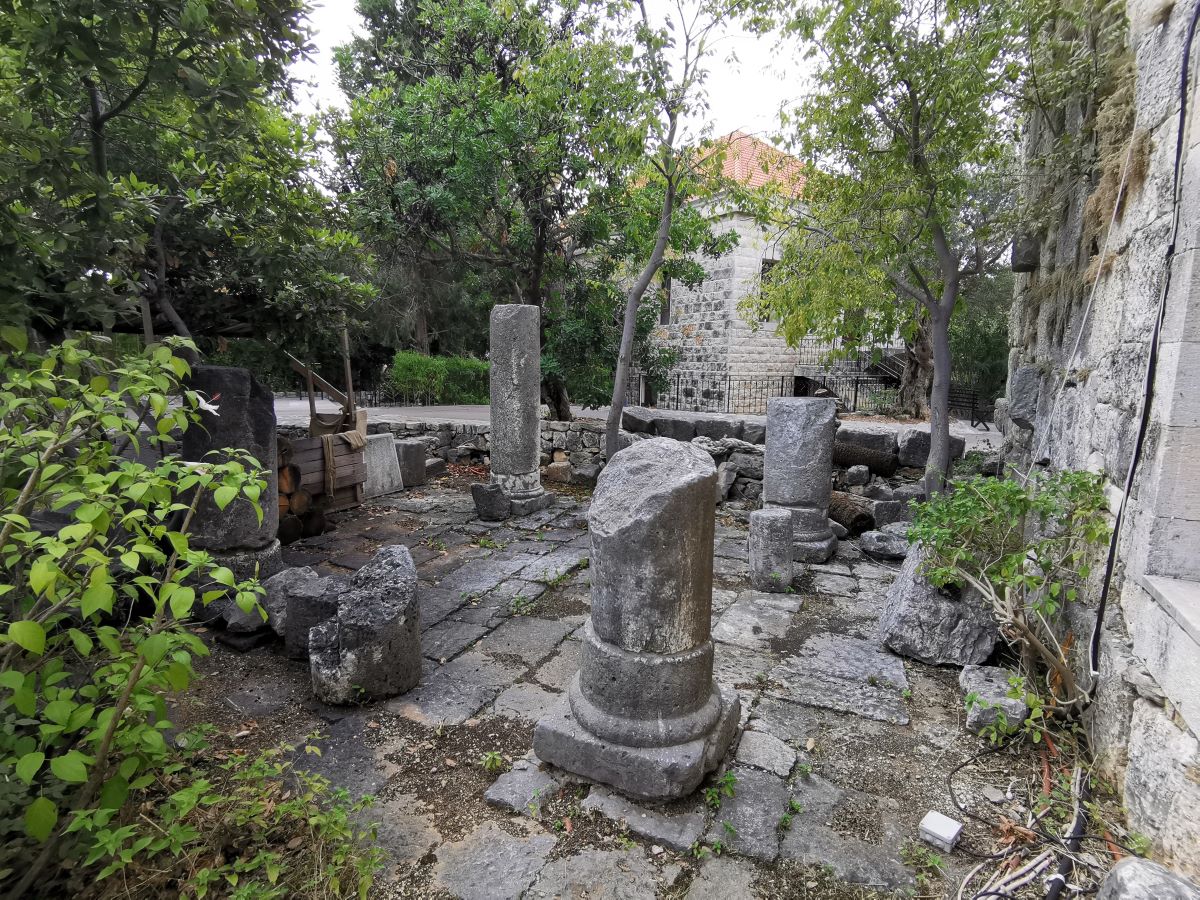
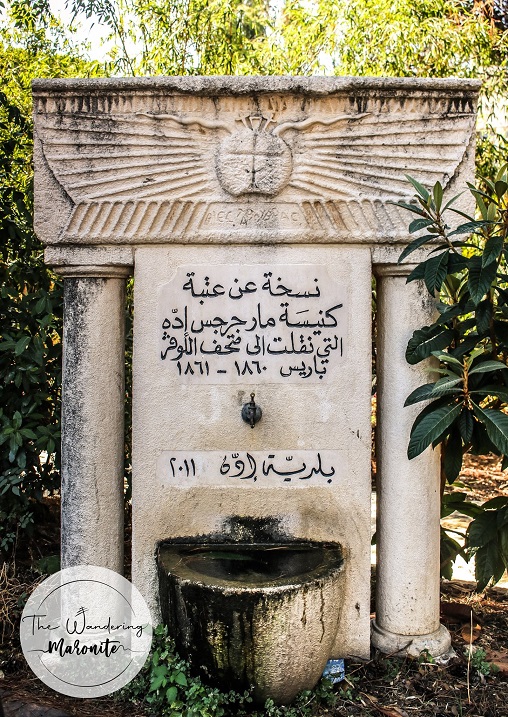
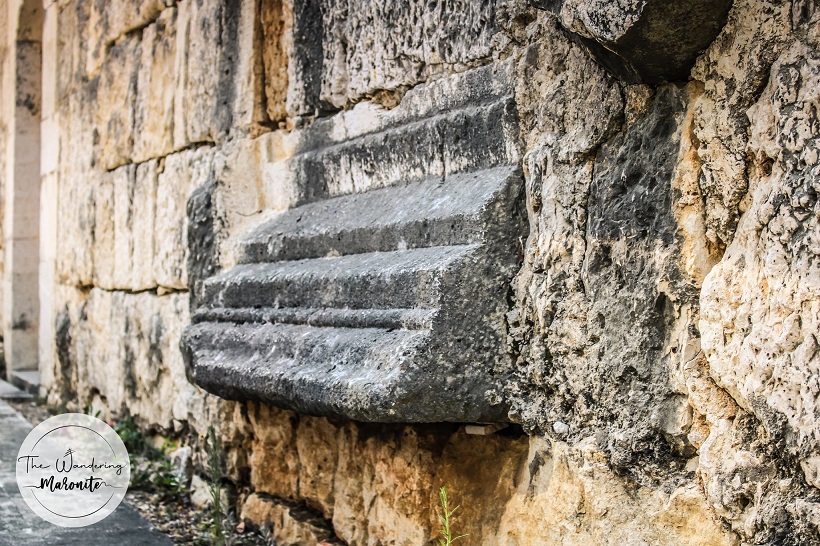
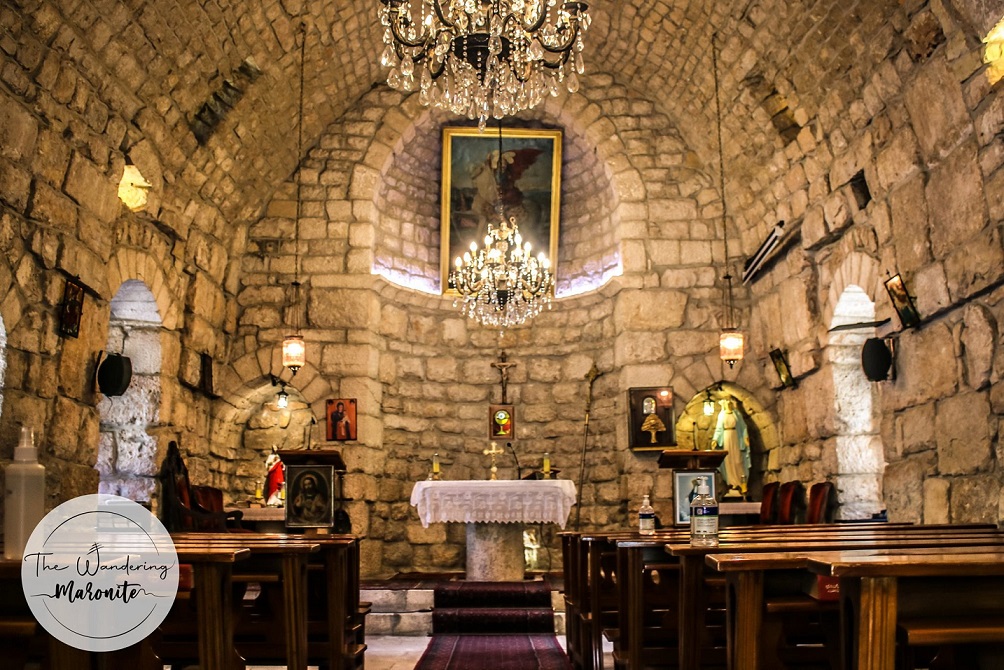
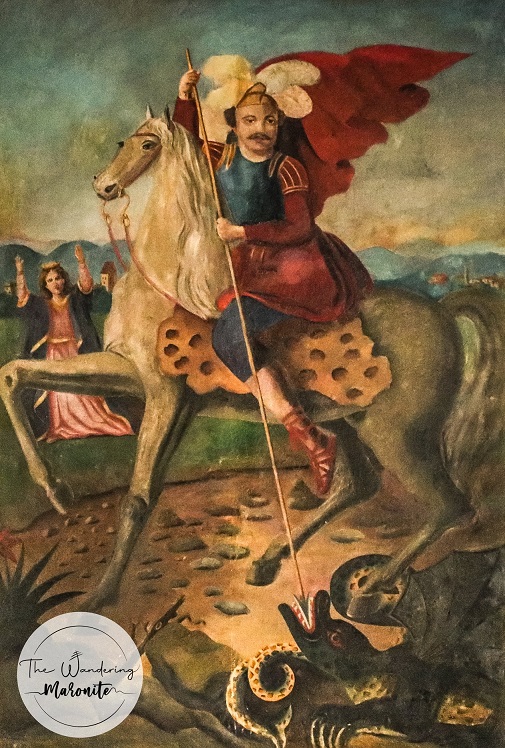
The church dates back to the Phoenician era with a high vault. The great frensh orientalist Ernest Renan retraced its history with its huge stone pillars. The church had a great Phoenician tympant with two snakes revolving around a globe. The huge stone was taken to the Louvre museum by Renan.The final stage and most recent construction dates back to 1870 when the church was rededicated by bishop Yousef el Marid.St George’s painting over the altar is the work of Paul Shlavekتعود الى العهد الفينيقي لأنها مبنيّة بعقد قصبة مرتفعة وكانت معبدًا وثنيًّا.أشار إرنست رينان الى وجود اعمِدة أثريّة استُعملت في مداميك البناء. رُمّمت وزيد عليها مع تعاقب المراحل التاريخيّة.رينان انتزع عتبة الكنيسة وأرسلها الى متحف اللوفر في باريس، وهي تحمل نقشًا من الرموز التي كانت شائعةً في الدين الفينيقي يمثّل كرةً تلتفُّ حولها حيّاتٌ مجتمعة الأذناب في أعلاهارُمِّمت هذه الكنيسة عدَّة مرّات، وكُرِّست عام 1870 بيد المطران يوسف المريض. وصورة مار جرجس فيها هي بريشة الرسّام بولس شلافك
House and the Church of St. God's grace (Neamtallah) Hardini Lebanese Maronite Order, Hardine, Lebanon
بيت وكنيسة القديس نعمة الله الحرديني
Hardine
Batroun
North
Hardine’s name is derived from the Syriac language meaning ‘pious’, Witness of justice, Ardent in faith and Square of religion.
It is located about 1100m. above sea level. A large area of very thick forests surrounds it and the following ruins of its inveterate past decorate its mountain terraces:
-The «rocky tile of Hardine» with its marine fossils and its unique length of 350 m along a slope to the west and its width of nearly l00m. Some one said, «The three most beautiful in Mount Lebanon are the valley of Kannoubine, The Palace of Beit Eddine and the tile of Hardine».
–The Temple of God Mercury With 30 majestic pillars built according to the rare ionic style. This temple known as «the roman Palace of Hardine». It’s a really fantastic one; it goes back to the time of Emperor Hadrian Augustus (117-137 A.D).
-“St Fawka’s” monastery (6th century)
-“Patriarchal monastery” since the Maronites came to Lebanon, known as “St. Sergios Alkarn”.
-“St John Alchakf” monastery, since the days of the Crusaders.
-“St Taqla” church in Beit Kassab square. It was the father of St Hardidni, who first started its renovation in the 19th Century.
-The church and hermitage of “St Stephan” in a hollow in a light rock over the Plain of Al Jawz River.
-The ruins of “St Richa’s” monastery, where the Syriac Diocese was moved between 1384 and 1598.
-The hermitages of “St Joseph”, “Ste Anne”, “St Ephram” the Syriac, “St Jacob Jesus’ brother” and “the pottery monastery” in the hollows of Kfarshira, and “the Lady of the Castle” in the hollow of the water spring.
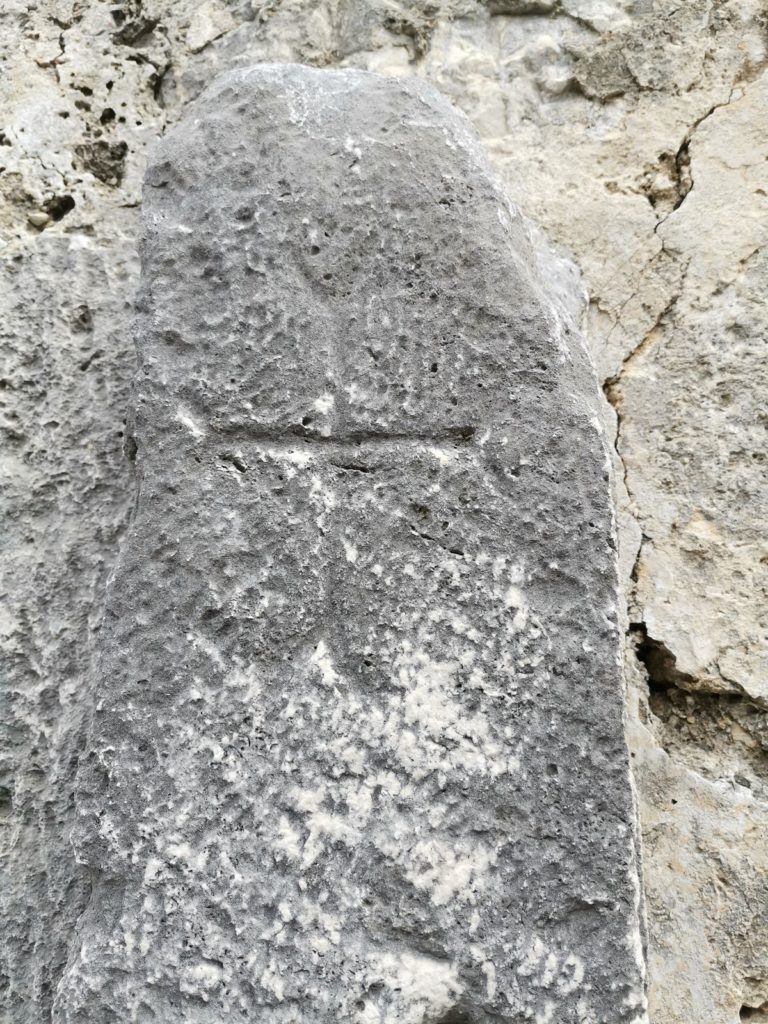
-The Church of “St. Georges and Edna” which is distinguished Christian inscriptions (fish and cross).
-The churches of “St Elias”, “St Challita and Nohra” in the hollows engraved in the rocks, the old parish churches, like “St. Sergios and Bacchus” (rebui1t in 1932). “the Lady of deliverance” (rebuilt in 1948). The current one is St. Shayna” (1844), and finally the church of “St. Tadros” with its maronite alter, The two rebuilt churches of “St. Antonios of Padova” (1907), “St. Thomas” (1950) and the church of “Ste Theresa of the Baby Jesus” (1946).
-The monastery of St. Hardini» built with the donations of the people from Hardine in Lebanon and all over the world.
– Hardine is the hometown of one of Lebanon’s four saints, Saint Nimatullah Hardini (1808-58) who was canonised by Roman Catholic Pope John Paul II in 2004.
The village is naturally protected by the valleys and the rocky mountains around it making it an ideal place for the then new religion (Christianity) to flourish.
Legend has it that in 270AD, a Roman official imprisoned his daughter in Hardine for converting to Christianity. She converted many others in Hardine to the Christian faith.
الكنيسة بالأصل كانت معبدًا رومانيًّا على تلّة حوّله الصليبيّون إلى بُرجٍ للمراقبة، سكنه مقدَّموا لحفد. سنة ١٨١٠ تحوّل المكان إلى كنيسةٍ بعقدٍ مُصالبٍ لتكون رعيّة البلدة. مذبح الكنيسة ولوحة مار أسطفان، مُستوردان من إيطاليا بسعي من أبناء البلدة في بيروت أواخر القرن التاسع عشر. حمل إبن لحفد الطوباوي أسطفان نعمه شفاعة صاحب الكنيسة وتكنّى باسمه عند دخوله الرهبانيّة.
The church of St Stephen - Lehfed
The church was originally a pagan roman temple on a hill that was converted into a watch tower by the crusaders, after they left the land the maronite lords of Lehfed used it as residence. In 1810 the crossed vault structure took it’s current shape and was converted into a parochial church. The altar and the painting are imported from Italy with the help of the villagers who lived in Beirut at the end of the XIXth century. Blessed Stephen Nehme, the son of Lehfed, took the name of the Church's patron saint when he entered the monastic life.
دير الصليب ومحابس مار بسكوان ومار سلوان - وادي حولات حدشيت
دير الصليب يعود للقرون الوسطى، هو دير عاصٍ فيه كنيسة بخورسين. في الحنيتين جداريّات بيزنطيّة بكتابة سريانيّة تمثّل في إحداها الرسل والأخرى البشارة. على الجدار الشماليّ جداريّة الصلب وتشبه الى حدٍّ كبير منمنمة رابولا وتنتمي للمدرسة السريانيّة. وضع الجداريّات مذرٍ بفعل مرور الزمن والتخريب. في سفح الجبل قرب الدّير محبستين، الأولى لمار بسكوان وهو شفيع الإستعداد للموت عند أهالي حدشيت، والأخرى لمار سلوان.
The Monastery of the Holy Cross and the hermitages of Sts Beskwan and Silwan - The valley of Houlat Hadsheet
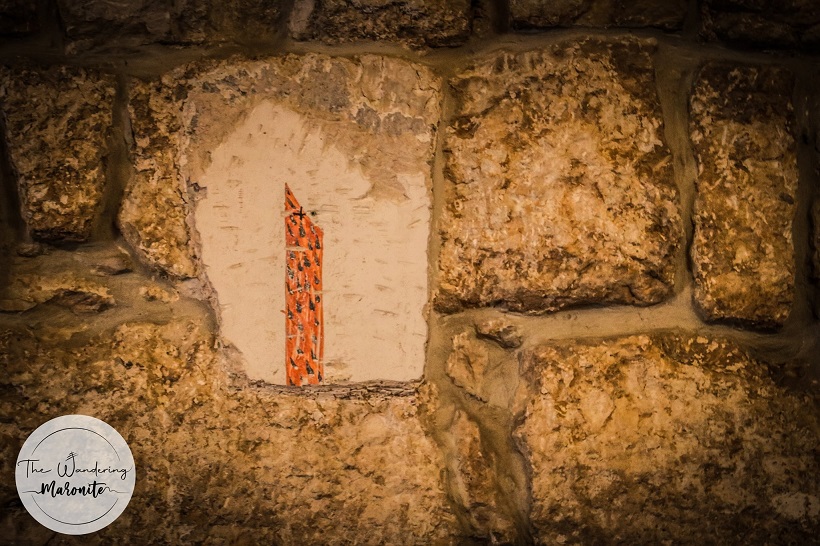
The monastery of the Holy Cross is a medieval monastery in the Holy Valley. The main church is a double apse structure decorated by byzantine frescoes with Syriac inscriptions depicting on one apse the apostles and on the other the Annunciation. On the northern wall there is a fresco of the crucifixion from the Syriac school of iconography, most probably a reproduction of Rabbula’s miniatures. The frescoes are in dire condition due to time and sabotage. In the cliff of the mountain near the monastery stand two hermitages: St Beskwan the patron of the preparation for death to the people of Hadsheet and St Silwan the athonite.
Reviews are disabled, but trackbacks and pingbacks are open.