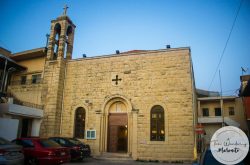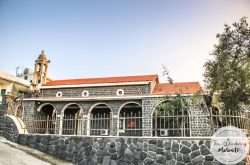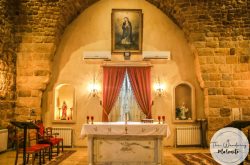

كنيسة مار يوحنّا المعمدان - المشيتية
بُنيت الكنيسة سنة ١٨٧٢ بعناية الخوري جرجس خليفة. البناء كناية عن عقدٍ مُصالب بحنية نصف دائريّة. رُمّم البناء أواخر القرن العشرين.
The church of St John the Baptist - Mcheitieh
The church was built in 1872 with the initiative of Fr. Gerges Khalifeh. The structure consists of a crossed vault with a semi circular apse. The church was restored at the end of the XXth century.
Mar Elias El Ras Monastere (Church), Mazraat El Ras, Lebanon
دير مار الياس الراس
Jaaita
Keserwan
Mount Lebanon
دير مار الياس الراس – جعيتا
تأسّس الدّير في مزرعة الراس بعد جلاء المماليك عن كسروان. عام ١٧٠٤ كان الدّير بعهدة القسّ بطرس صفرونيوس الحاقلانيّ من زوق مصبح، الذي ترهّب فيه مع رهبانه العبّاد. قرّر المجمع اللبنانيّ المنعقد سنة ١٧٣٦ إلغاء الأديار المزدوجة، وفصل أديار الرهبان عن أديار الراهبات، وشدّد على أن يكون للراهبات قانون خاصّ. عند الإنتقال إلى مرحلة تطبيق مبدأ الفصل إتّفق القاصد الرسوليّ يوسف السمعانيّ مع المطران عبدالله قراعلي، على إنشاء دير قانونيّ يكون مثالًا وقدوة لسائر أديار الراهبات في دير ما الياس الراس. وهكذا آل الدير إلى الرّهبانيّة اللبنانيّة المارونيّة. باشر الرهبان، بعد استلام الدّير، بناء كنيسةٍ ودير مخصّص لسكن راهبات محصّنات فبني الدّير الجديد مع كنيسته الكبيرة. فُتحت أبواب الدير في ٦ كانون الثاني ١٧٤٠. ولا يزال إلى اليوم واحة صلاةٍ وتأملٍ، ومزارًا يقصده المؤمنون من كلّ حدبٍ وصوب.
The convent of St Elias el Ras - Jeita
The convent was built in the farm of El Rass after the Mamluks left Keserwan. In 1704 the convent was under the custody of Boutros Safronius el Haklany, a monk from Zouk Mosbeh. In 1736 the Lebanese Council dictated that nunneries shall be separated from monks' monasteries, thereby abolishing mixed monasteries, and giving nuns their own convents and rules. When it was time to apply the new rules, Monsignor Youssef El Semaany, the papal nuncio, and Bishop Abdallah Qaraaly, decided to give St Elias’s convent to the nuns of the newly formed Lebanese Order. It was decided to build a new convent suitable for contemplative nuns with a big church. The new convent was consecrated on the 6th of January 1740, and is still a haven for prayer and meditation, and a shrine for all pilgrims.
بُنيت هذه الكنيسة على أنقاض كنيسة أقدم تعود للقرن الثامن. بوشر البناء سنة ١٨٧٠ وتمّ سنة ١٩٢١ فكانت أكبر كنيسة في لبنان آنذاك. رُمّمت سنة ١٩٧٩ وأظهر الترميم العقد المصنوع من خشب الأرز. سنة ١٩٩٦ إستُقدمت الساعة من إيطاليا.
The church of Our Lady of Assumption - Tannourin el Fawqa
The church was built over an older church dating back to the VIIIth century. The construction began from 1870 until 1921, becoming the biggest church in Lebanon at that time. The church was restored in 1979 and the cedar wood roof was revealed. A bell tower imported from italy was added to the structure in 1996.
كانت كفرشليمان مركزًا لمعبدٍ فينيقيّ تحوّل في القرن الخامس الميلادي مع إنتشار الديانة المسيحية، الى كنيسة على إسم سيّدة نايا (الكنيسة الجديدة). إزدانت الكنيسة برسوم وجدرانيات ونقوش مميزة على صخورها رمّمت عام ٢٠٠٧. في الكنيسة جداريّات الشفاعة ، الضابط الكلّ، العذراء المرضعة، مار أفسطاقيوس. كان البطريرك يوسف التِيّان متنسكًا في هذه الكنيسة، بعدما إستقال من السّدة البطريركية جرّاء خلافه مع الأمير بشير الثاني الشهابيّ.
The church of Our Lady of Naya - Kfarshleiman
Kfarshleiman was the land of a Phoenician shrine that was converted in the Vth century into a Byzantine church dedicated to our Lady and named “nea” meaning new church. The church was ornate with frescoes that were restored in 2007 representing: the Deisis, the Pantokrator, the Nourishing Virgin, St Eustache. The Patriarch Youssef el Tyan used the church as a hermitage for a while after he resigned from his seat due to the polemic with Prince Beshir the second Shehab.
Reviews are disabled, but trackbacks and pingbacks are open.