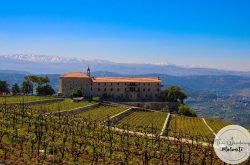

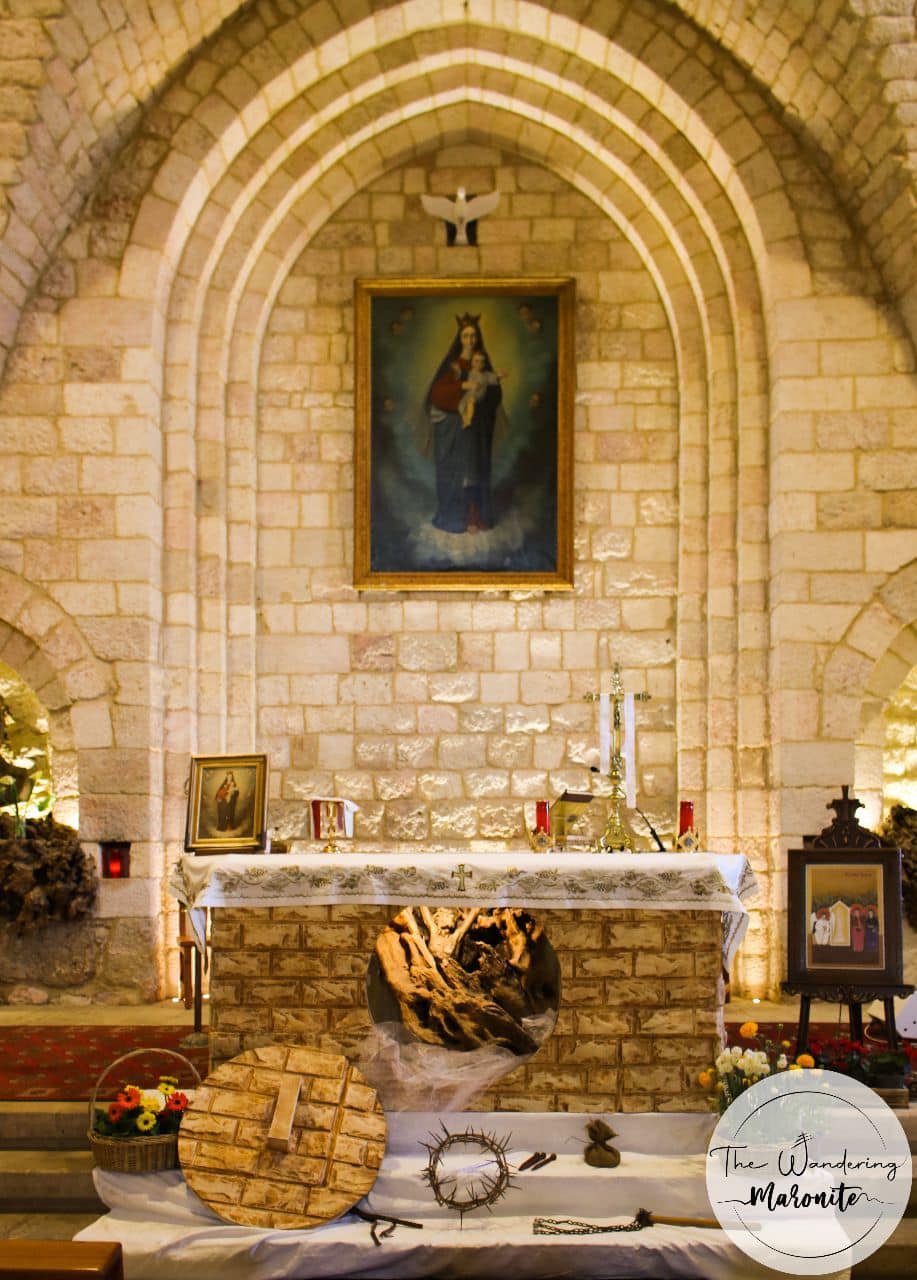
Deir El Ahmar – The Church of Our Lady of the Tower

Our Lady of The Tower Maronite Church, Deir Al-Ahmar, Lebanon

Other Details

كنيسة سيّدة البرج

Deir El-Ahmar

Baalbek

Baalbek-Hermel

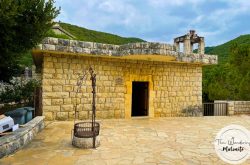
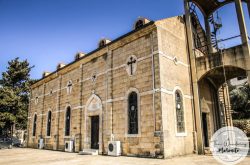
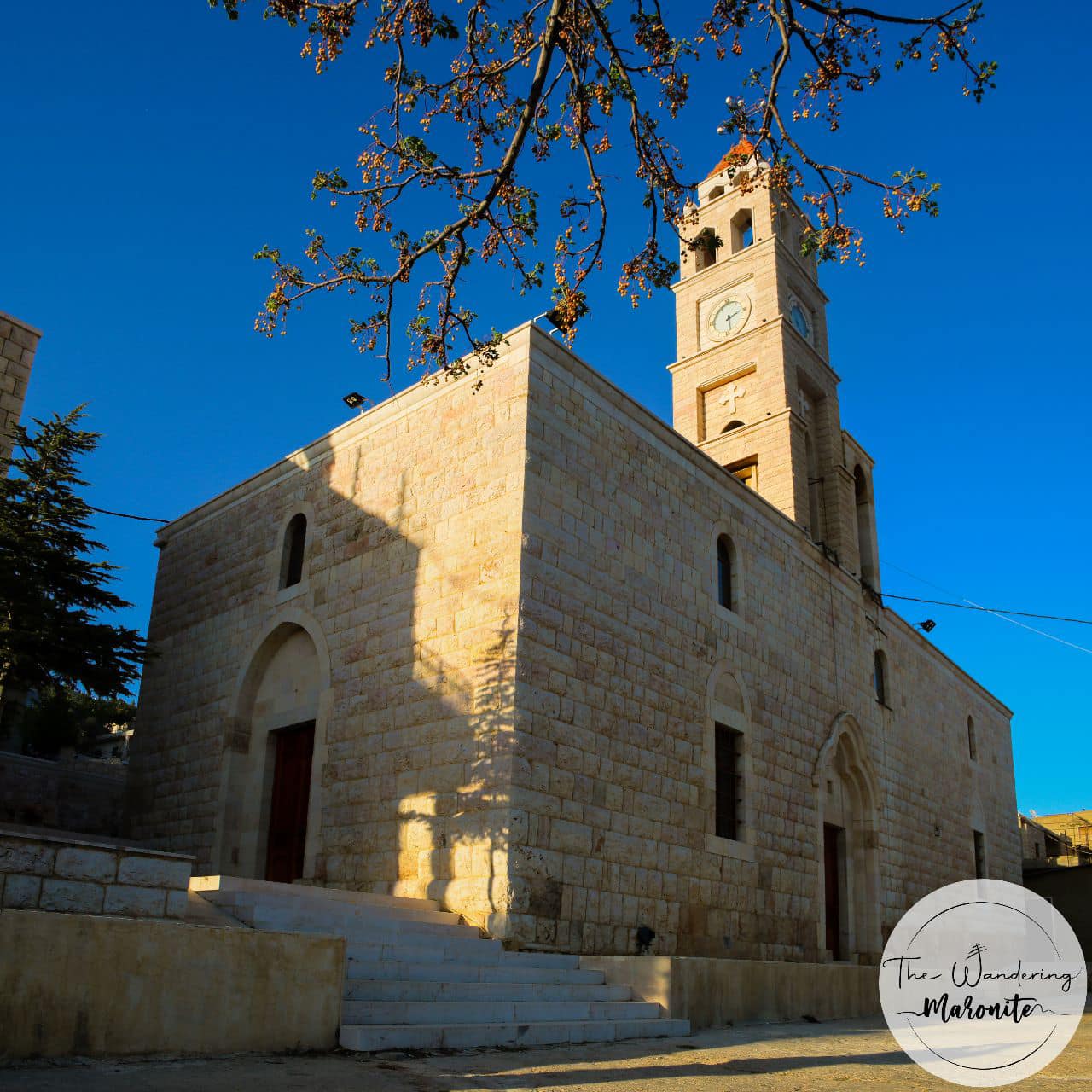
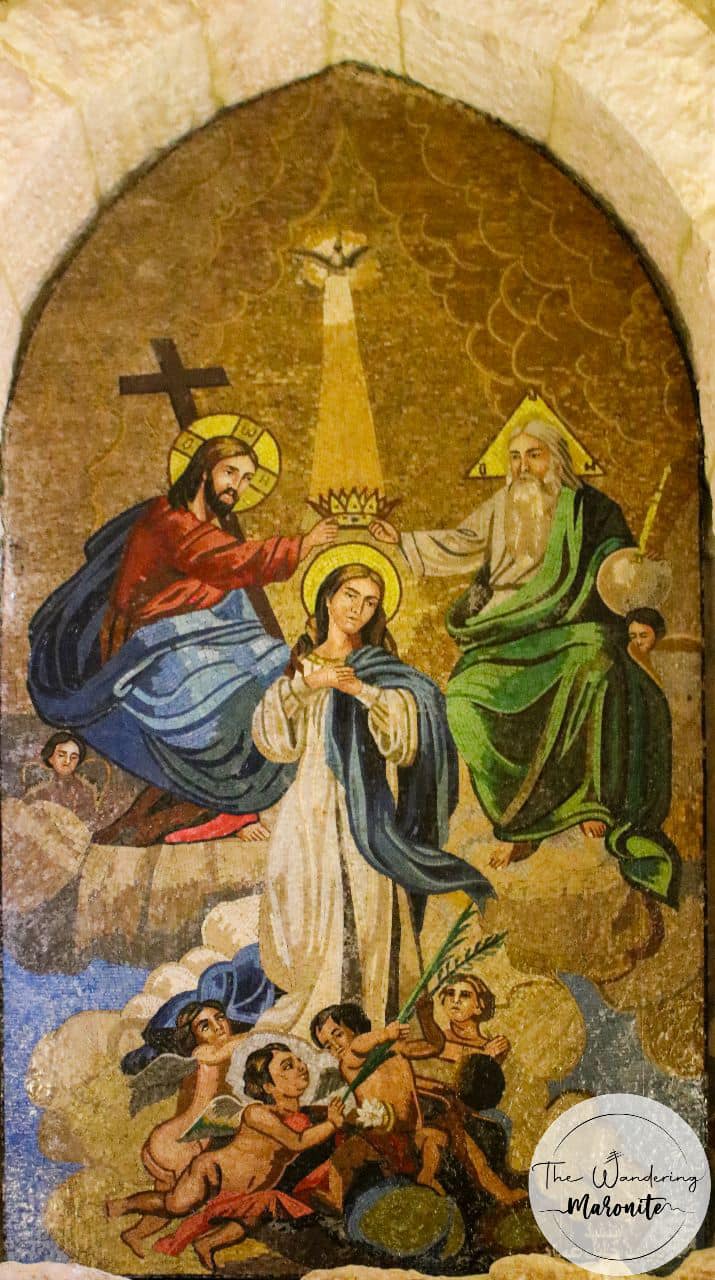
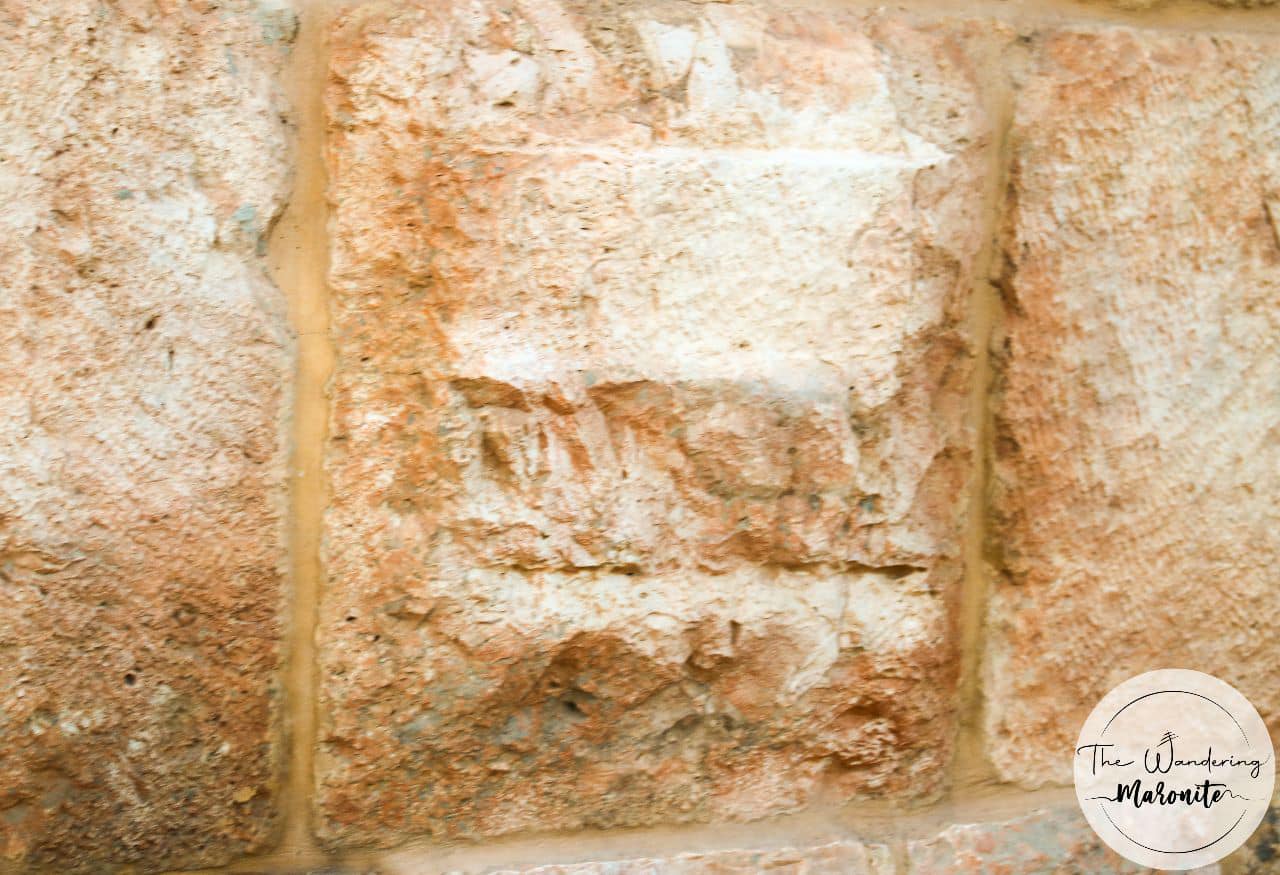
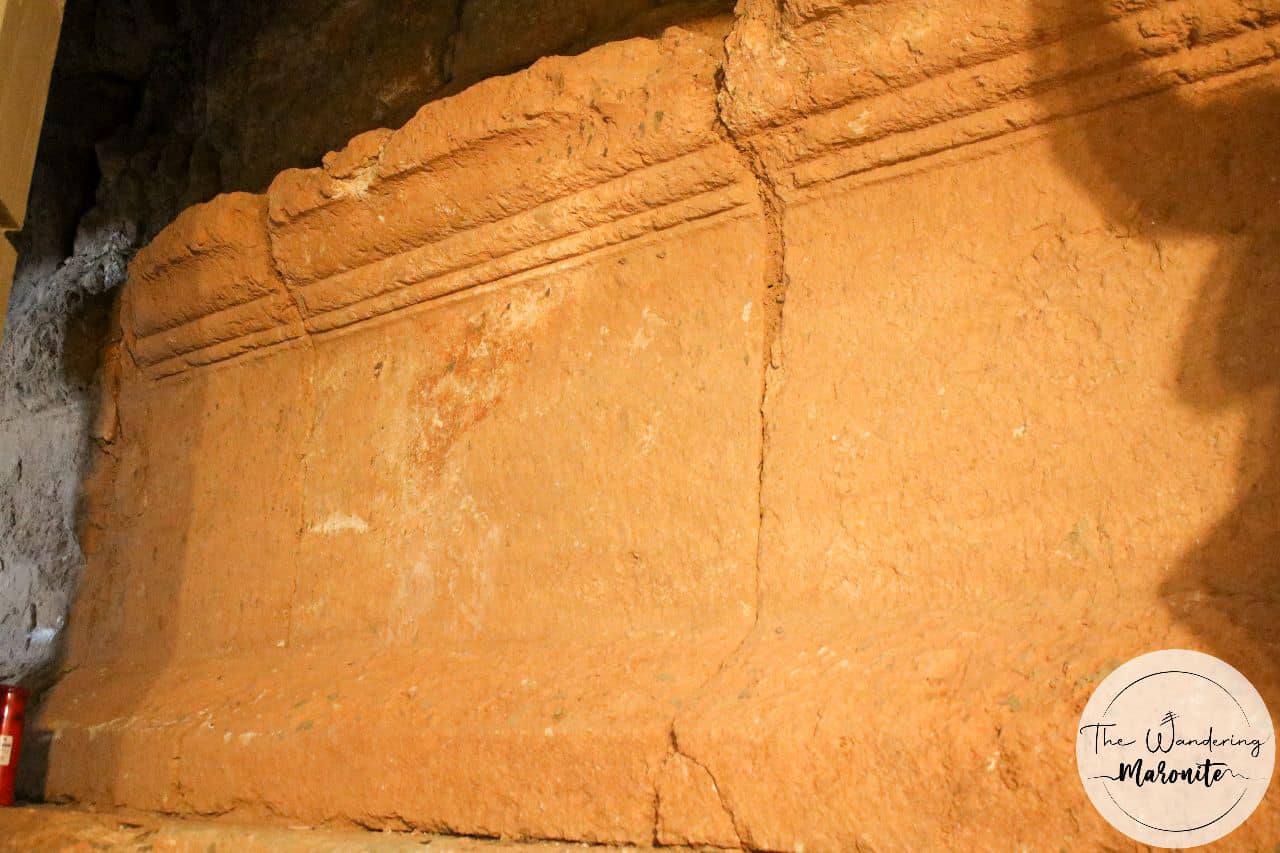
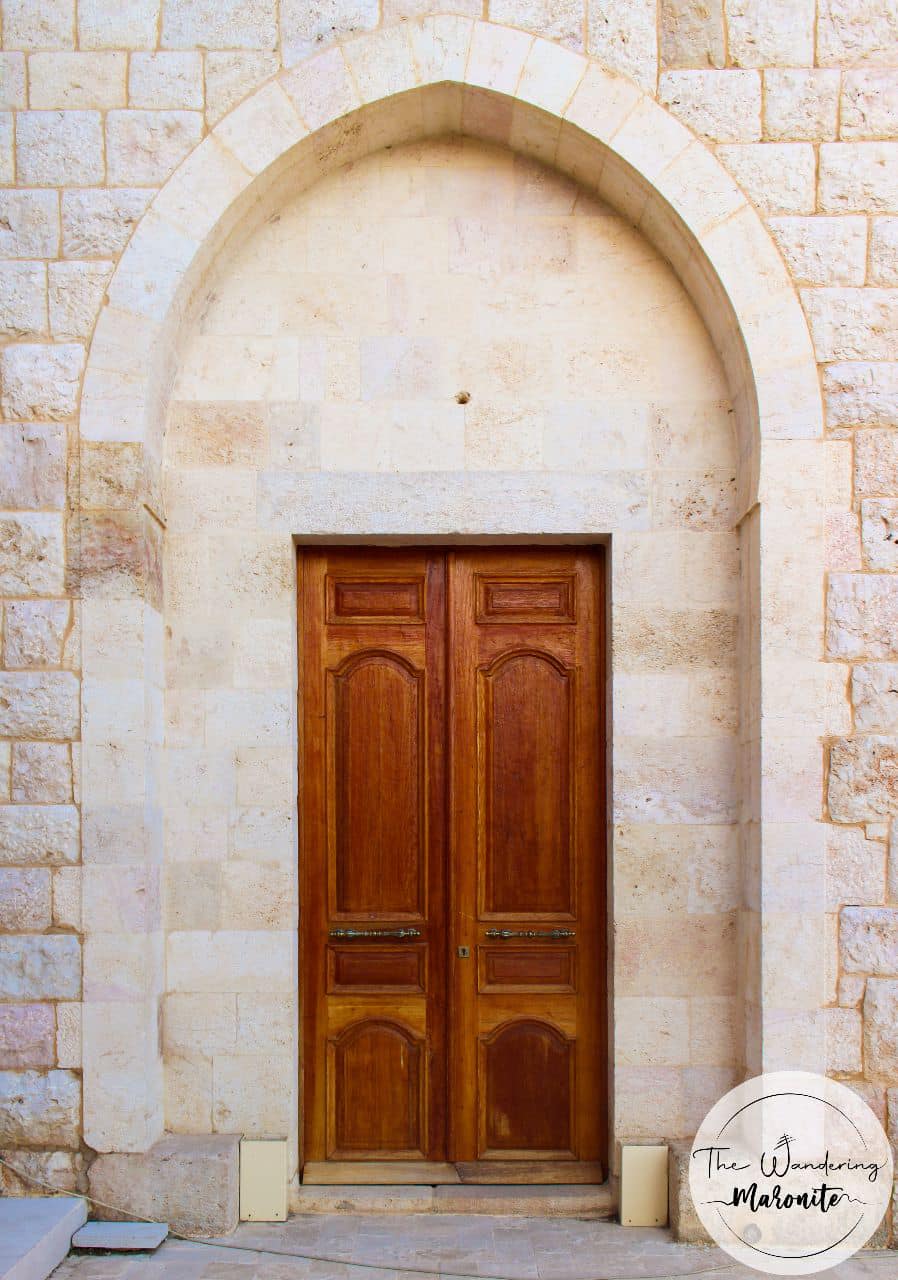
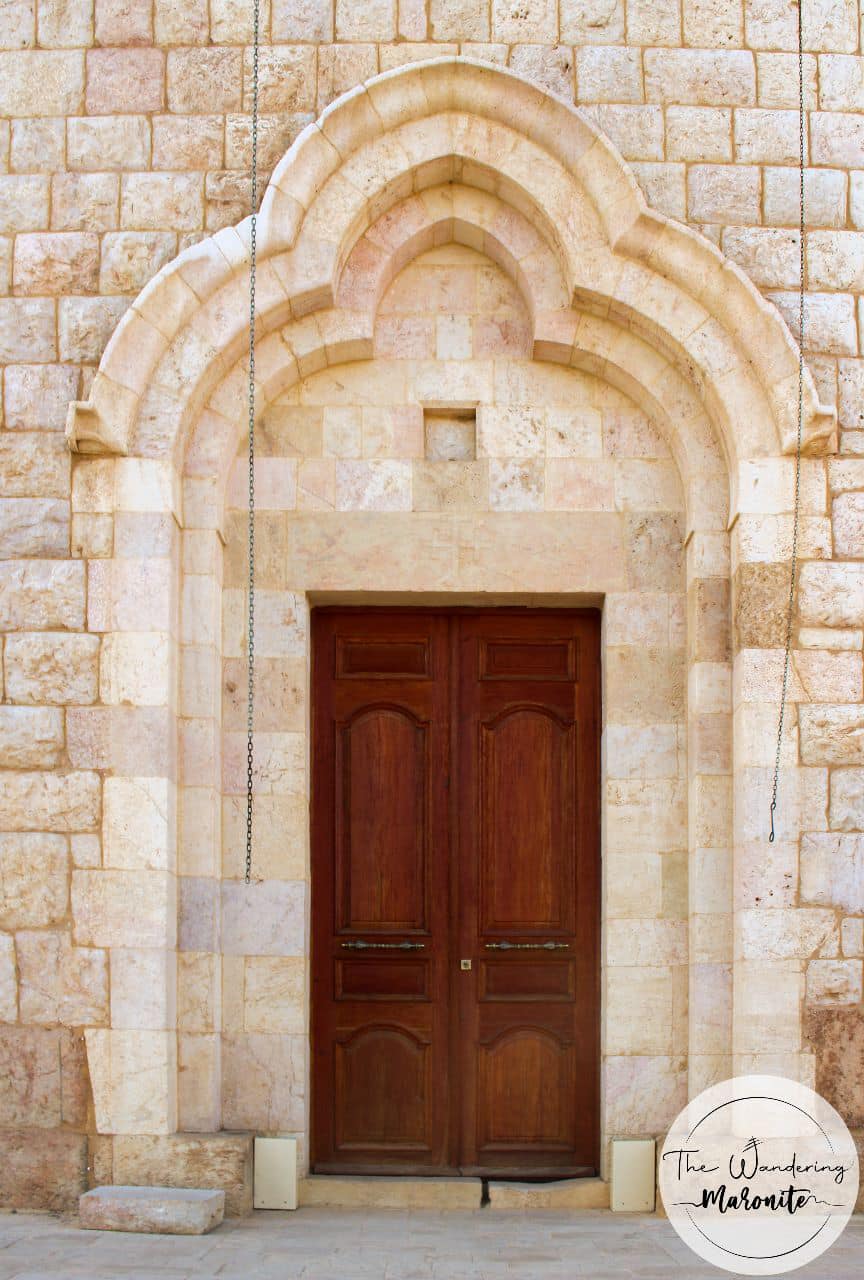
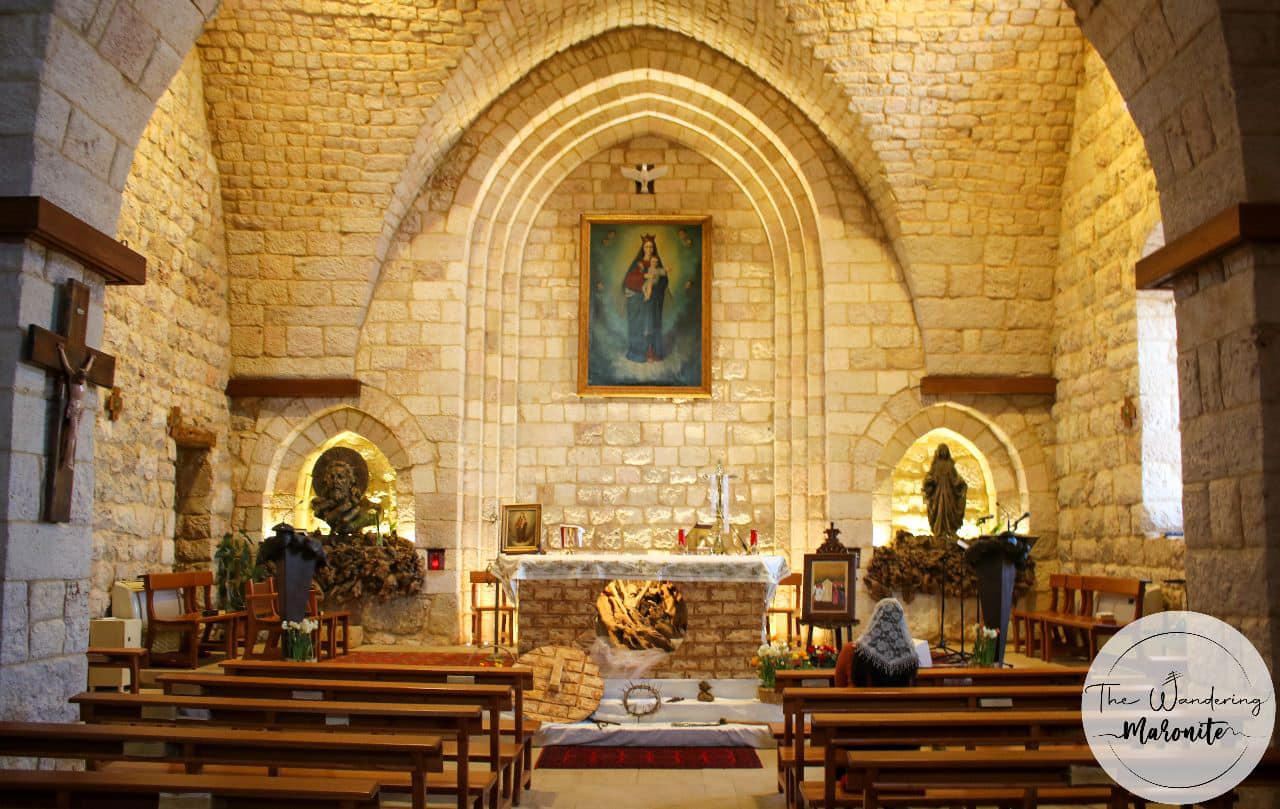
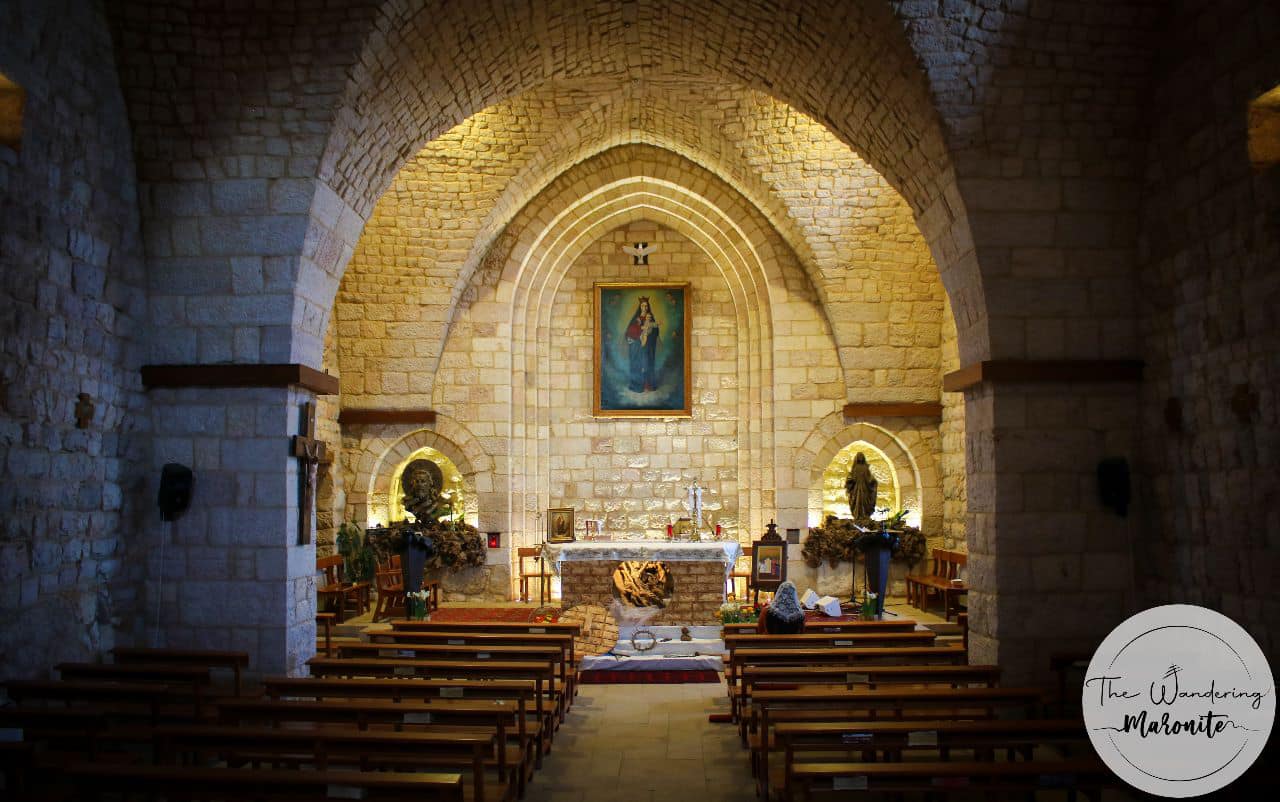
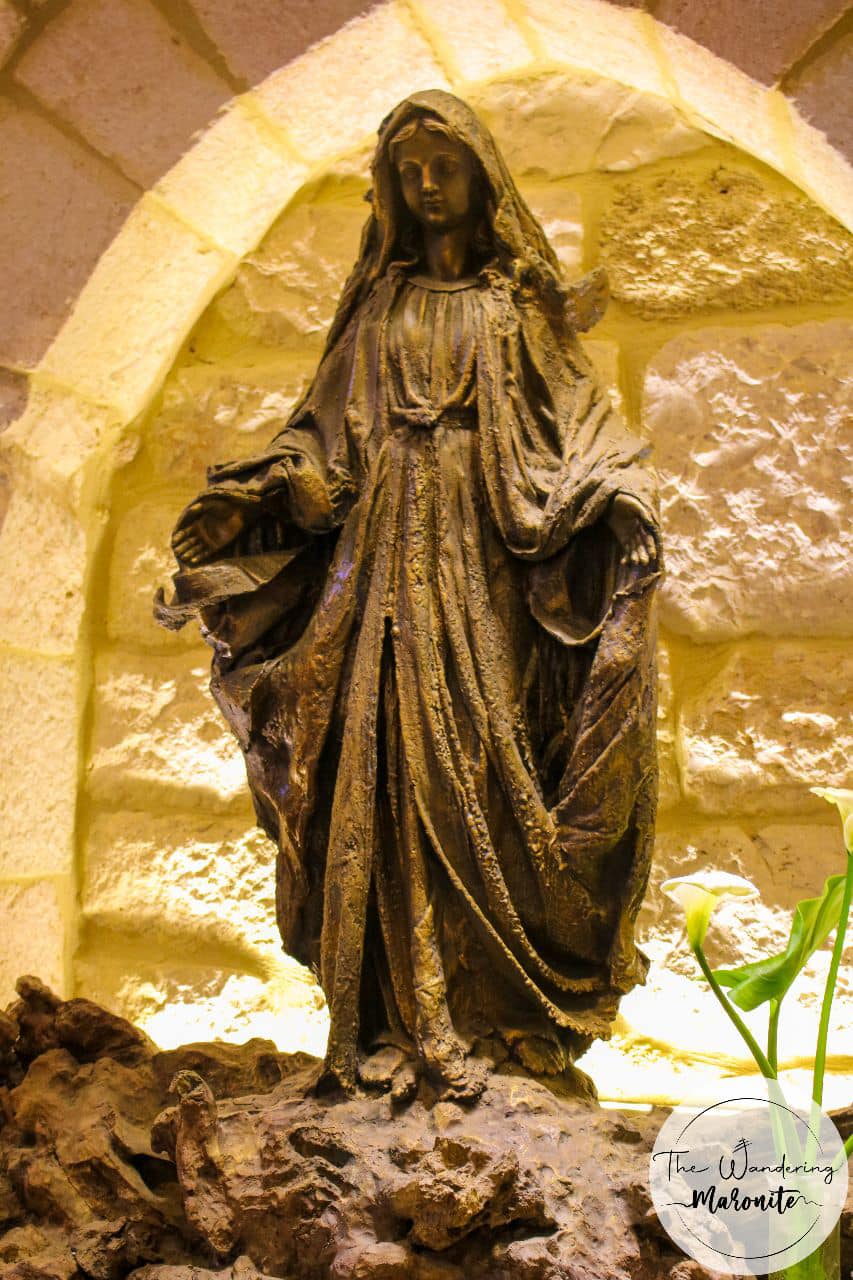
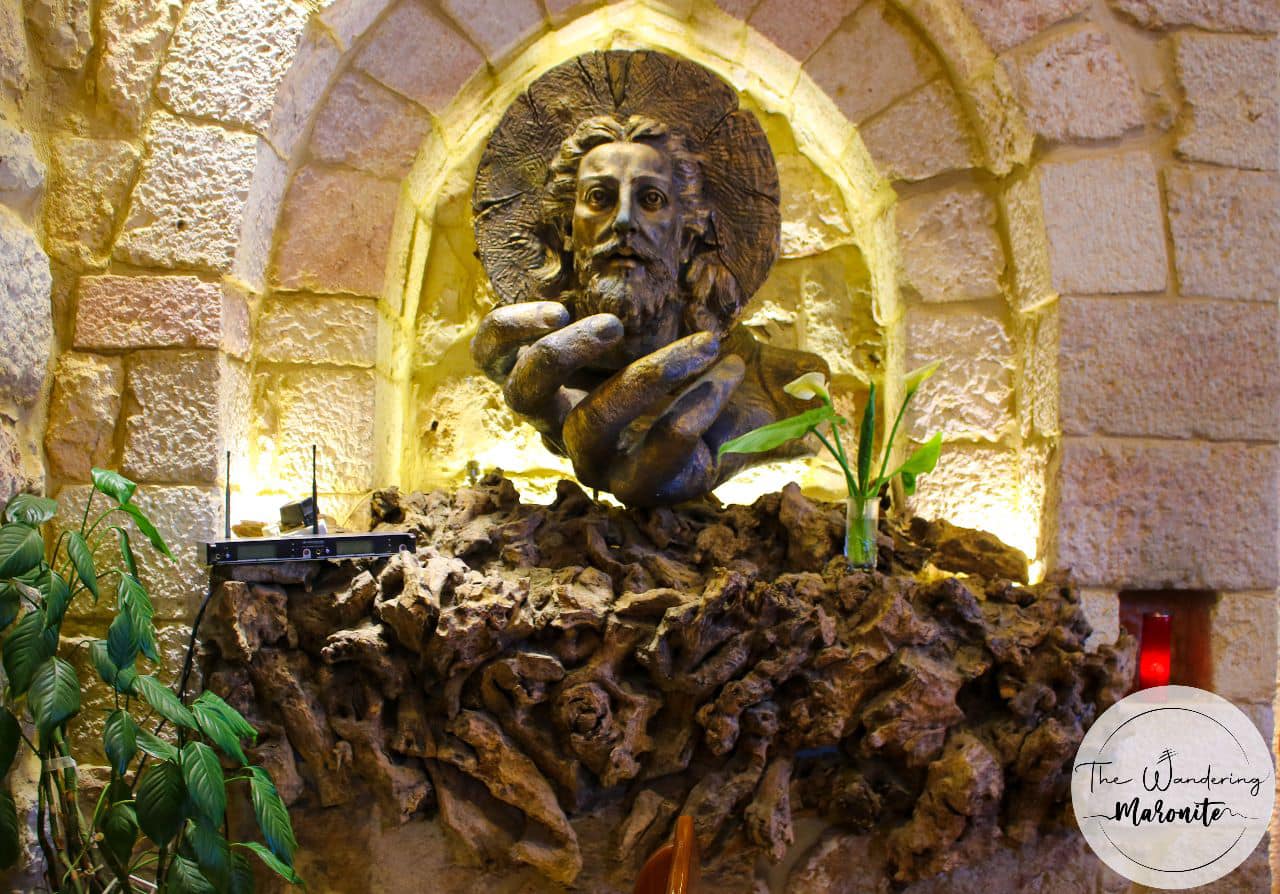
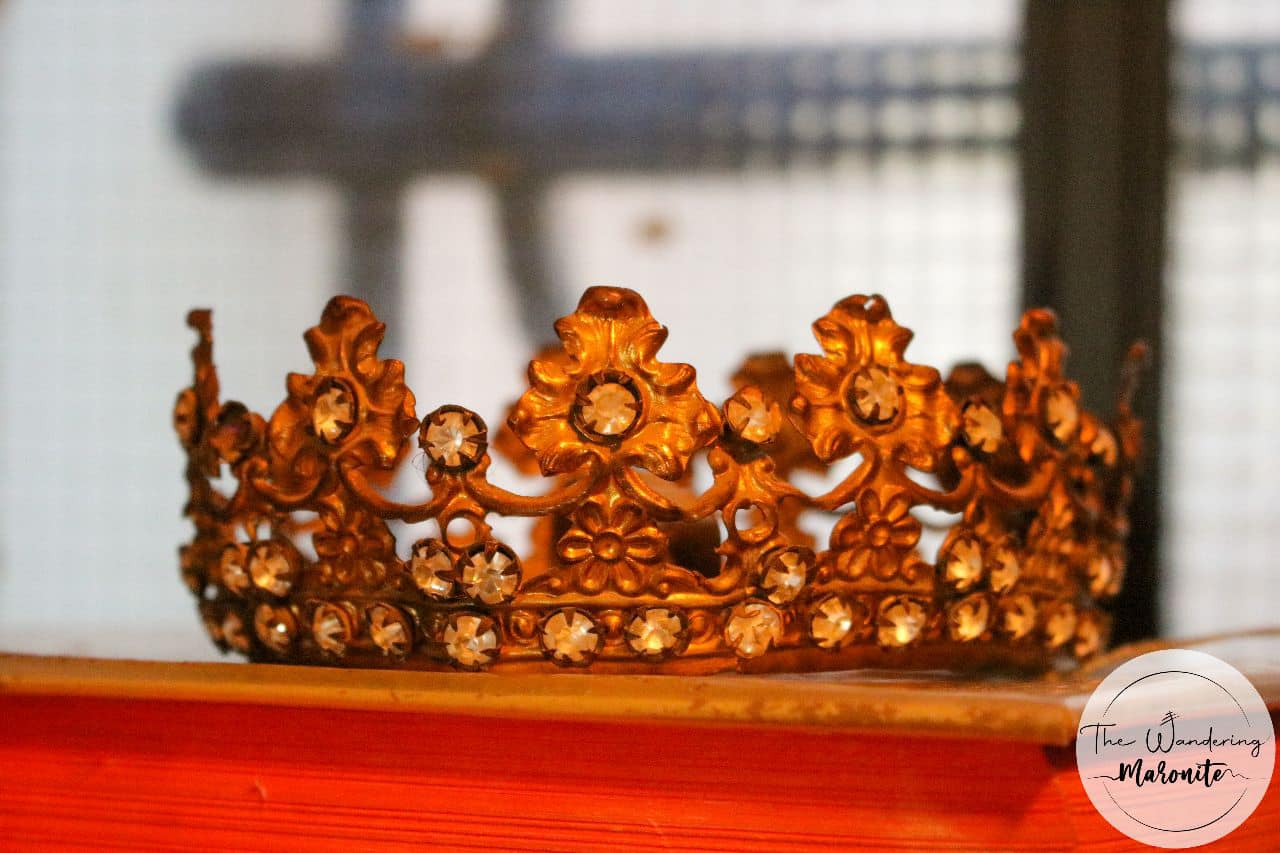
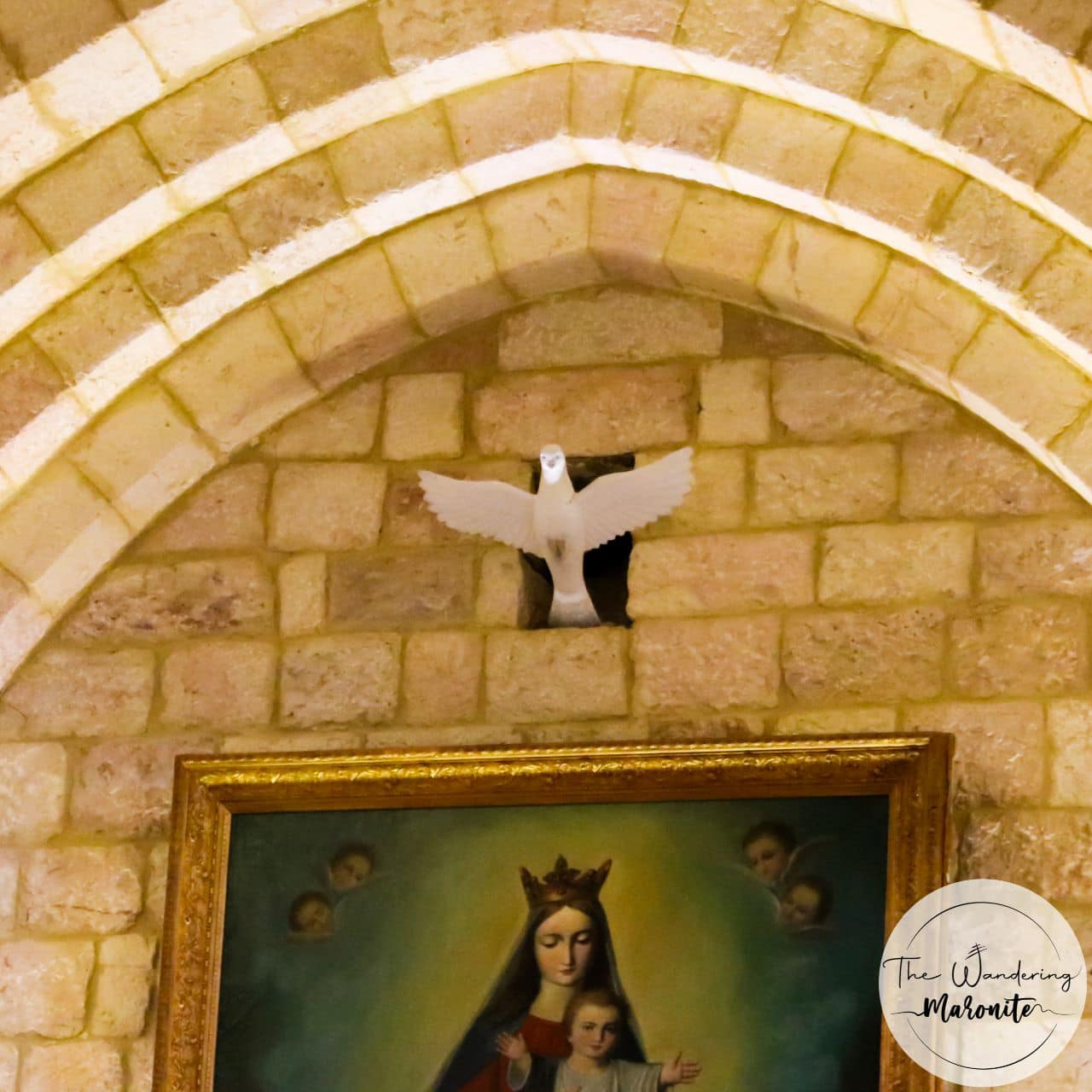
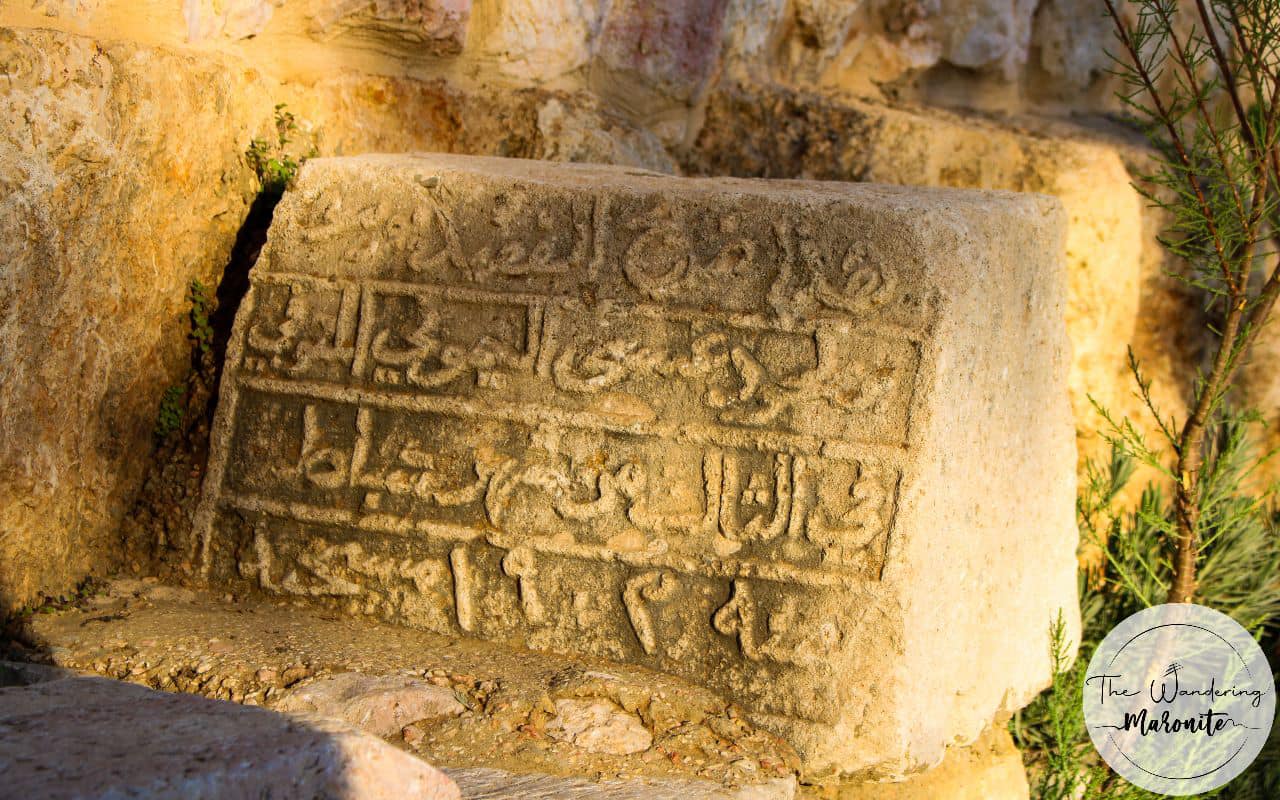
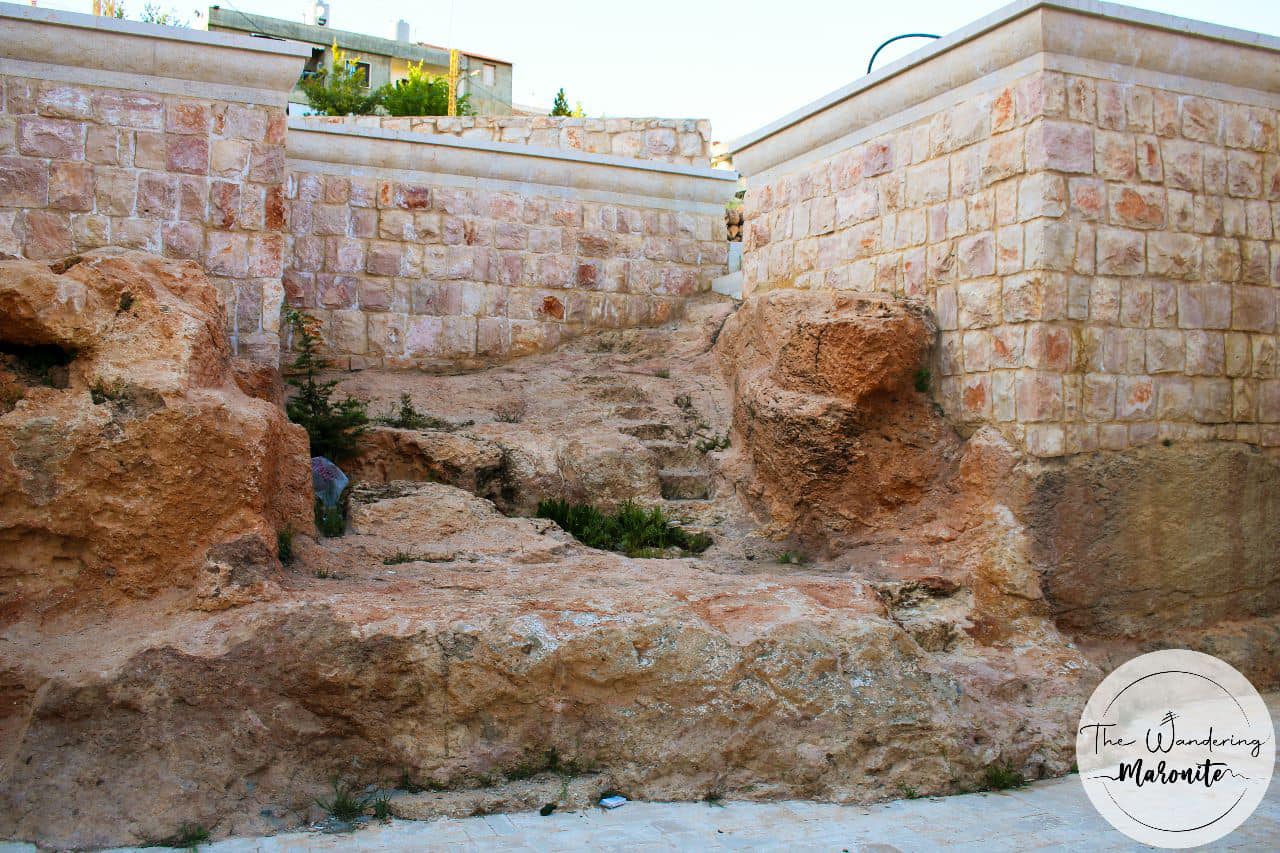
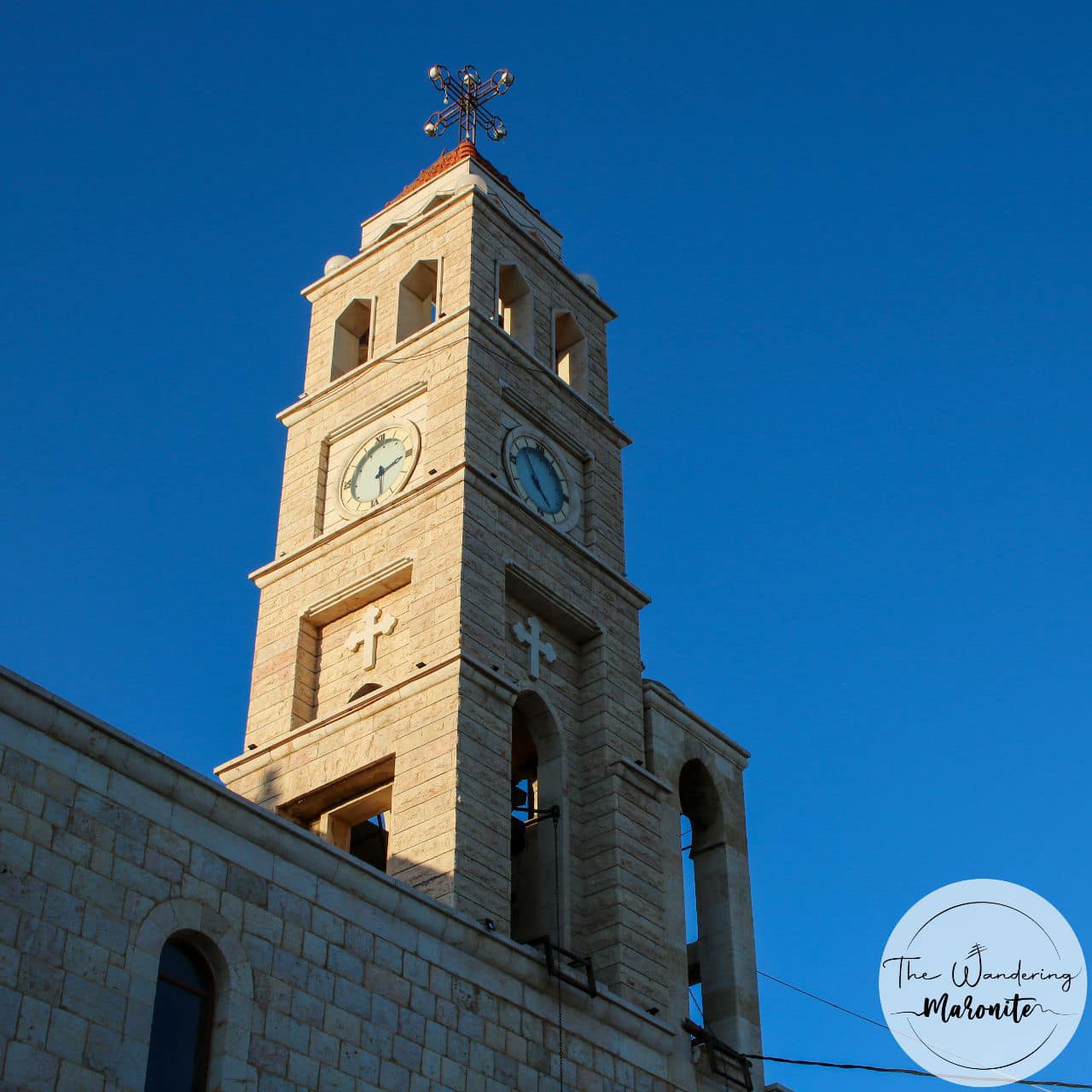
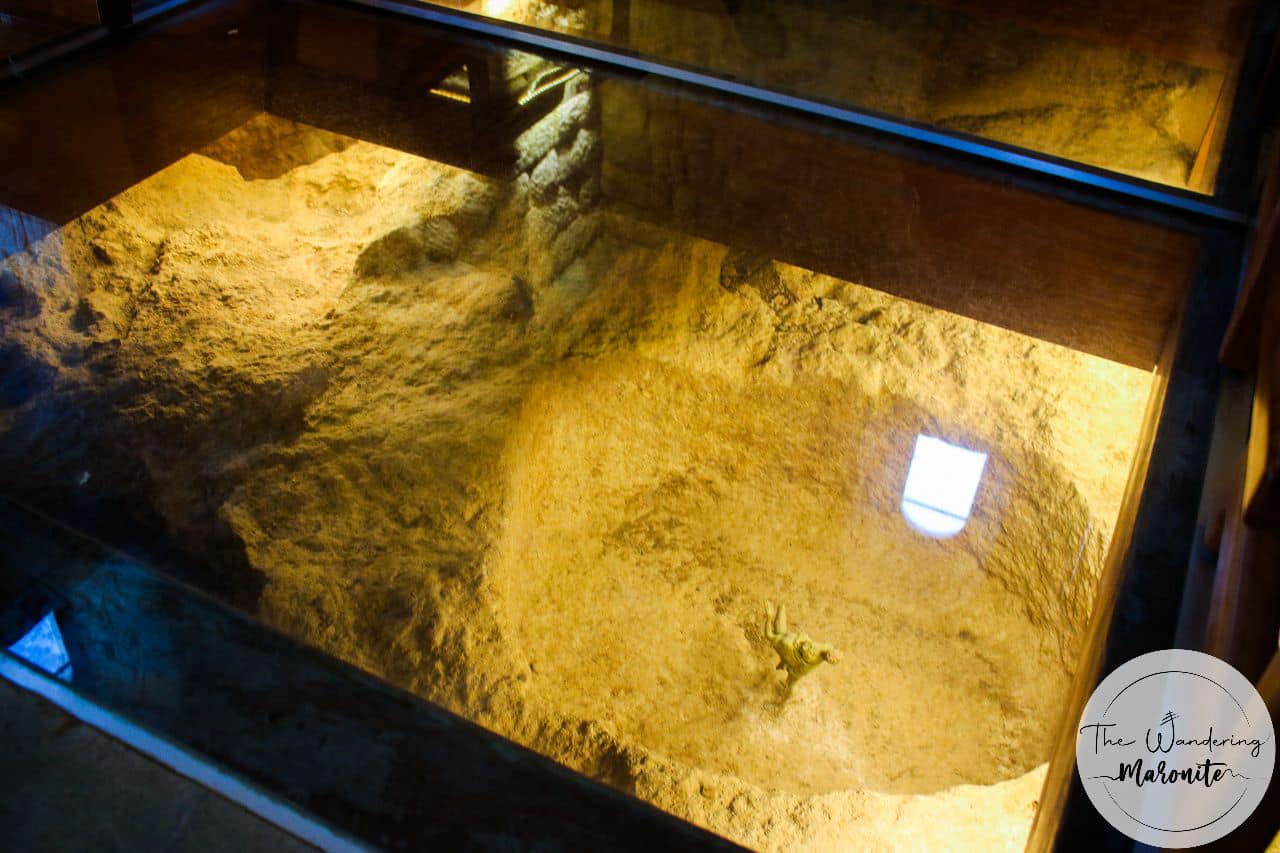
كنيسة سيّدة البرج - دير الأحمر بنى الرومان في دير الأحمر معبدًا لجوبيتير، تحوّل أوائل القرون الوسطى لبرجٍ عسكريّ لم يبقَ من بنائه سوى الطابق الأوّل. خلال القرن العاشر تحوّل الى ديرٍ يعقوبيّ. سنة ١٧٥٩ دمّر زلزال ضخم كنيسة سيّدة الزروع القديمة فتداعى الأهالي لبناء عقدٍ سريريّ كبير فوق آثار البرج، ليصبح البناء كنيسةً جديدةً كبيرة. كُرّست الكنيسة سنة ١٨٤٣ ورُمّمت سنة ٢٠١٧. تضمّ الكنيسة لوحتين للعذراء من عمل كنعان ديب وداوود القرم. كذلك تحتوي على مكتبةً غنيّة بالكتب البيعيّة. The Church of Our Lady of the Tower - Deir El Ahmar The Romans built a temple dedicated to Jupiter in Deir El Ahmar. During the High Middle Ages, the temple was converted into a three-storey military tower, but today only the first storey remains. In the 10th century, Jacobite monks used the site as a monastery. In 1759, an earthquake struck the region and destroyed the old church of Our Lady. The people of Deir el Ahmar then decided to build a great cross-vaulted church on the foundation of the tower. The church was dedicated in 1843 and underwent renovation in 2017. The church is home to a manuscript library and two Marian paintings by Kanaan Dib and Dawoud el Qorm. La Iglesia de Nuestra Señora de la Torre - Deir El-Ahmar Los romanos construyeron un templo dedicado a Júpiter en Deir El-Ahmar. A principios de la Alta Edad Media, el templo se convirtió en una torre militar de tres pisos, de la cual actualmente solo queda el primer piso. En el siglo X, los monjes jacobitas utilizaron el sitio como monasterio. En 1759, un terremoto azotó la región y destruyó la antigua iglesia de Nuestra Señora. La gente de Deir el-Ahmar decidió entonces construir una Iglesia de grandes dimensiones con bóveda de crucería sobre los cimientos de la torre. La iglesia fue consagrada en 1843 y se renovó en 2017. La iglesia alberga una biblioteca de manuscritos y dos pinturas marianas de Kanaan Dib y Dawoud el Qorm.

Visited 5061 times, 7 Visits today

Reviews are disabled, but trackbacks and pingbacks are open.

Related Listings

Hardine – Saint God’s grace (Neamtallah)

House and the Church of St. God's grace (Neamtallah) Hardini Lebanese Maronite Order, Hardine, Lebanon

بيت وكنيسة القديس نعمة الله الحرديني

Hardine

Batroun

North

Hardine’s name is derived from the Syriac language meaning ‘pious’, Witness of justice, Ardent in faith and Square of religion.

It is located about 1100m. above sea level. A large area of very thick forests surrounds it and the following ruins of its inveterate past decorate its mountain terraces:

-The «rocky tile of Hardine» with its marine fossils and its unique length of 350 m along a slope to the west and its width of nearly l00m. Some one said, «The three most beautiful in Mount Lebanon are the valley of Kannoubine, The Palace of Beit Eddine and the tile of Hardine».

–The Temple of God Mercury With 30 majestic pillars built according to the rare ionic style. This temple known as «the roman Palace of Hardine». It’s a really fantastic one; it goes back to the time of Emperor Hadrian Augustus (117-137 A.D).

-“St Fawka’s” monastery (6th century)

-“Patriarchal monastery” since the Maronites came to Lebanon, known as “St. Sergios Alkarn”.

-“St John Alchakf” monastery, since the days of the Crusaders.

-“St Taqla” church in Beit Kassab square. It was the father of St Hardidni, who first started its renovation in the 19th Century.

-The church and hermitage of “St Stephan” in a hollow in a light rock over the Plain of Al Jawz River.

-The ruins of “St Richa’s” monastery, where the Syriac Diocese was moved between 1384 and 1598.

-The hermitages of “St Joseph”, “Ste Anne”, “St Ephram” the Syriac, “St Jacob Jesus’ brother” and “the pottery monastery” in the hollows of Kfarshira, and “the Lady of the Castle” in the hollow of the water spring.

-The Church of “St. Georges and Edna” which is distinguished Christian inscriptions (fish and cross).

-The churches of “St Elias”, “St Challita and Nohra” in the hollows engraved in the rocks, the old parish churches, like “St. Sergios and Bacchus” (rebui1t in 1932). “the Lady of deliverance” (rebuilt in 1948). The current one is St. Shayna” (1844), and finally the church of “St. Tadros” with its maronite alter, The two rebuilt churches of “St. Antonios of Padova” (1907), “St. Thomas” (1950) and the church of “Ste Theresa of the Baby Jesus” (1946).

-The monastery of St. Hardini» built with the donations of the people from Hardine in Lebanon and all over the world.

– Hardine is the hometown of one of Lebanon’s four saints, Saint Nimatullah Hardini (1808-58) who was canonised by Roman Catholic Pope John Paul II in 2004.


The village is naturally protected by the valleys and the rocky mountains around it making it an ideal place for the then new religion (Christianity) to flourish.

Legend has it that in 270AD, a Roman official imprisoned his daughter in Hardine for converting to Christianity. She converted many others in Hardine to the Christian faith.

Tannourin el Fawqa – The church of Our Lady of Assumption

Tannourine El Faouqa, Lebanon

كنيسة سيّدة الإنتقال

Tannourine El-Faouqa

Batroun

كنيسة سيّدة الإنتقال - تنورين الفوقا

بُنيت هذه الكنيسة على أنقاض كنيسة أقدم تعود للقرن الثامن. بوشر البناء سنة ١٨٧٠ وتمّ سنة ١٩٢١ فكانت أكبر كنيسة في لبنان آنذاك. رُمّمت سنة ١٩٧٩ وأظهر الترميم العقد المصنوع من خشب الأرز. سنة ١٩٩٦ إستُقدمت الساعة من إيطاليا.

The church of Our Lady of Assumption - Tannourin el Fawqa

The church was built over an older church dating back to the VIIIth century. The construction began from 1870 until 1921, becoming the biggest church in Lebanon at that time. The church was restored in 1979 and the cedar wood roof was revealed. A bell tower imported from italy was added to the structure in 1996.

Mrah el Mir Qlayaat – The Monastery of St Rock

St.Rock Church كنيسة مار روكز, Lebanon

دير مار روكز

Qleiaat Kesrouane

Keserwan

Mount Lebanon

دير مار روكز – مراح المير القليعات
يُعتَبَر دير مار روكز – مراح المير أوَّل ديرٍ للرهبانيَّة في قضاء كسروان. بُني في ٢٦ أيلول ١٨٥٤، في عهد الأب العام سابا كرَيدي، بعد أن حصلت الرهبانيّة على رضى البطريرك يوسف راجي الخازن. وكان الانتهاء من بناء الدير سنة ١٨٦٢. سنة ١٩٩٠ رُمّم الدّير بعد القذائف التي دمّرت قسمًا كبيرًا منه، وبنيت بقربه مدرسة لتعليم الأولاد.

The Monastery of St Rock - Mrah el Mir Qlayaat
The Monastery of St Rock is the first one for the Lebanese Maronite Order in Kesserwan. It was built in 26 september 1854 during the reign of Abbot Saba Kreidy after the approval of Patriarch Youssef Raji el Khazen, and the construction was done in 1862. In 1990 the monastery was renovated after it was damaged by bombshells during the civil war. A shcool was added to educate local children.