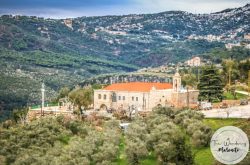

Bherdok – The Monastery of St George

Convent St Georges Bherdok, Unnamed Road, Lebanon

Other Details

دير مار جرجس

Chaouiyeh

Metn

Mount Lebanon

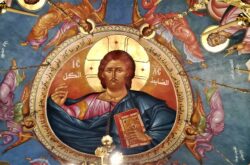
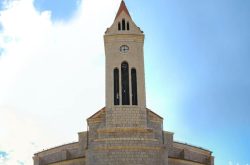
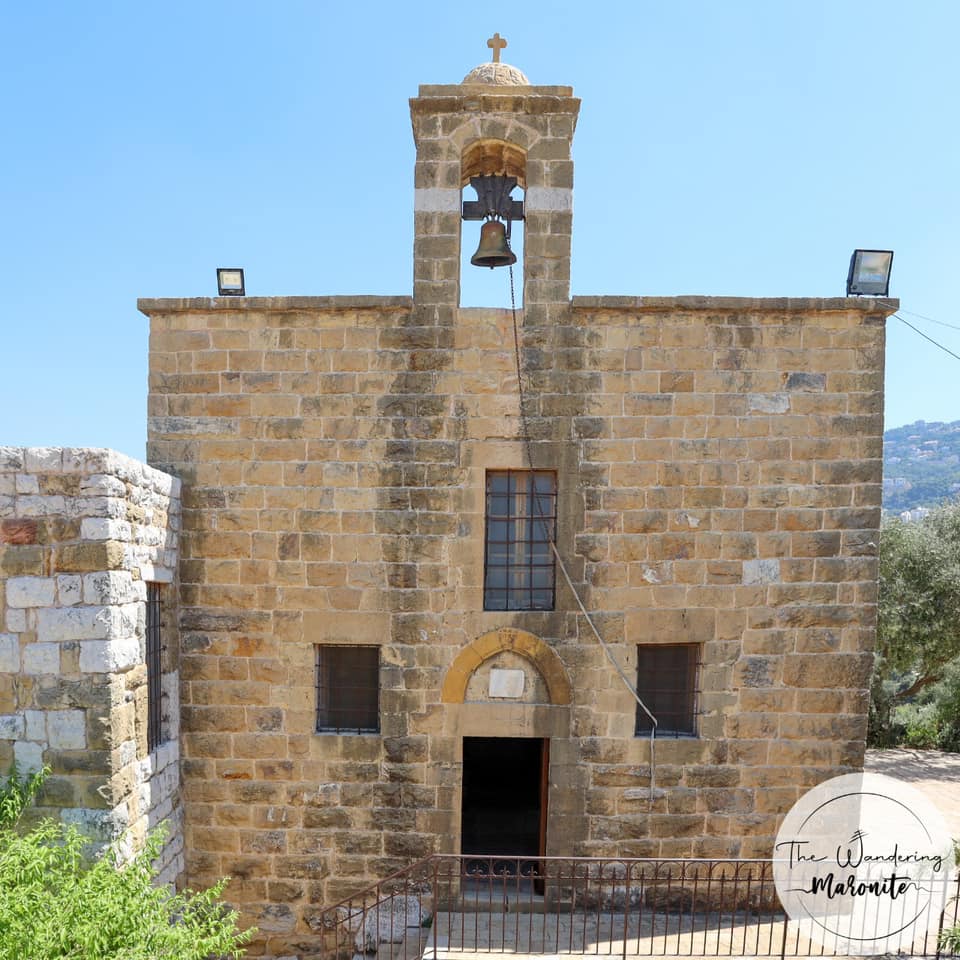
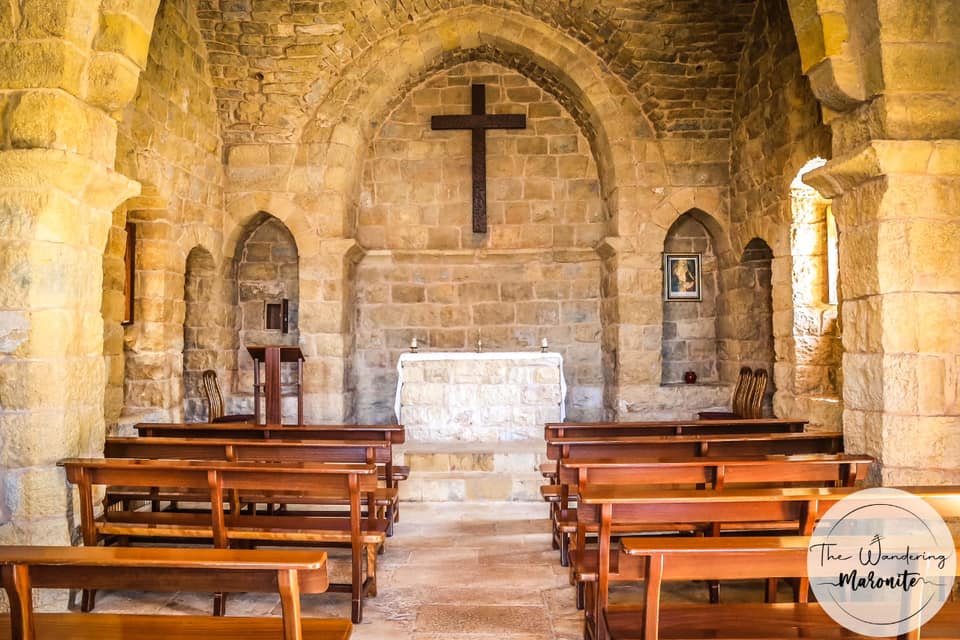
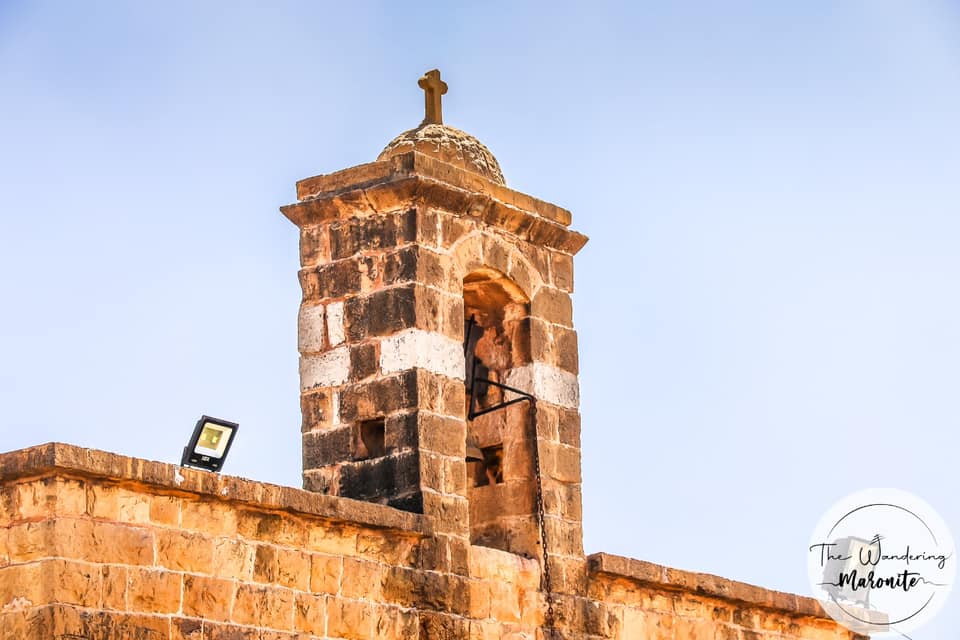
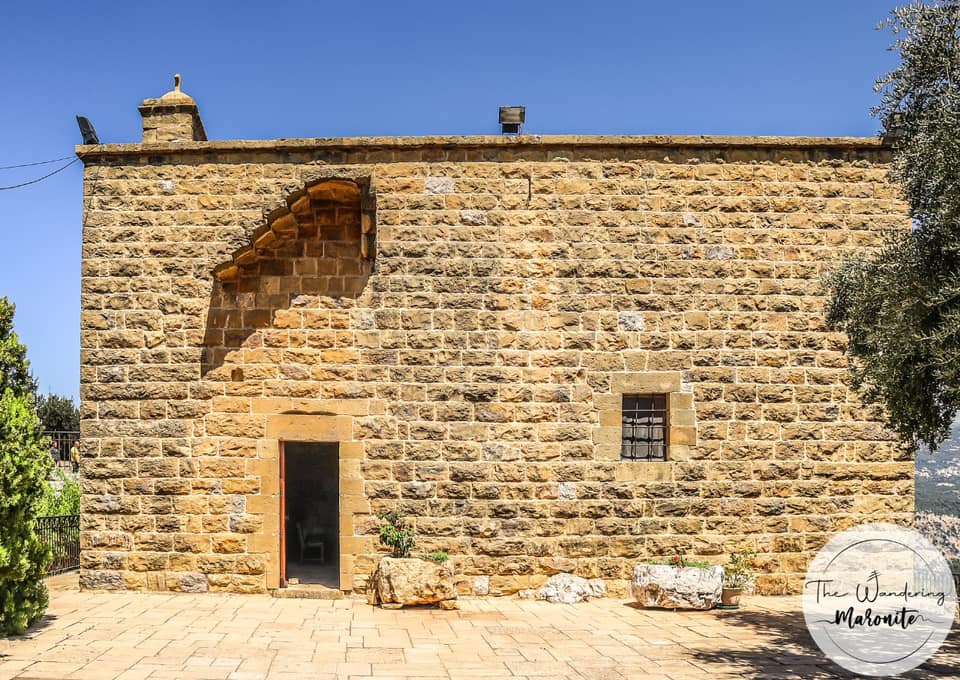
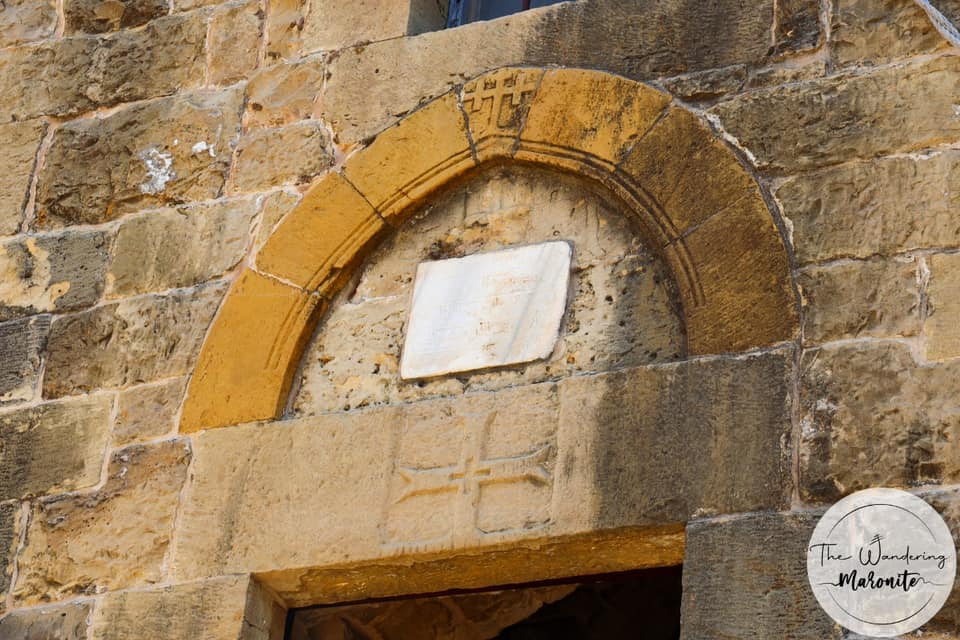
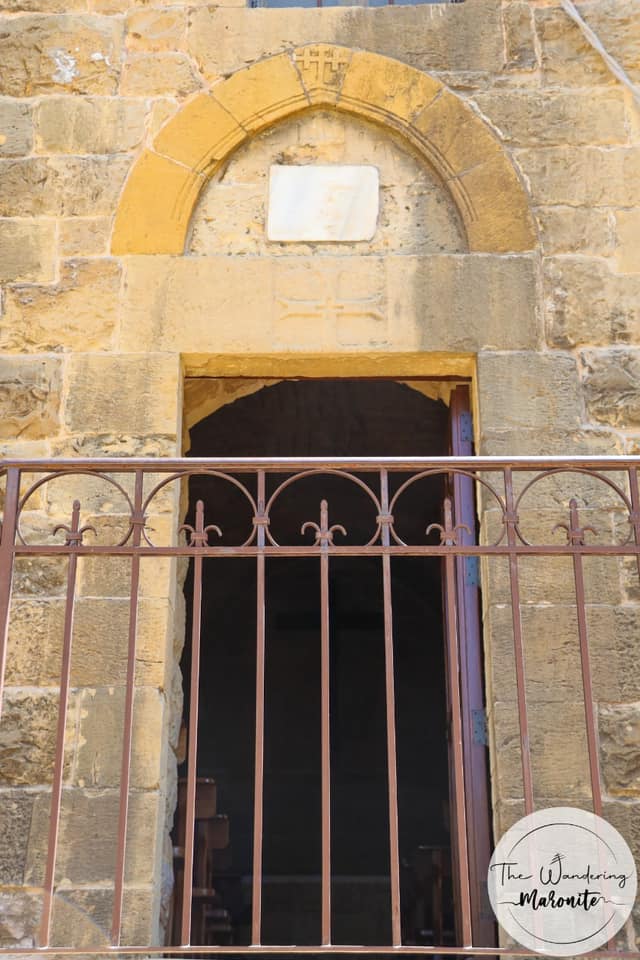
دير مار جرجس - بحردقبُني الدّير سنة ١٦٥٤ بسعي الأب يوسف الرامي، وانتقلت الراهبات إلى الموضع الحالي سنة ١٧٤٤. شُيّدت الكنيسة سنة ١٧٥٠. أواسط القرن التاسع عشر وسّع المطران يوسف جعجع الدّير وجعله كرسيًّا لأبرشيّة قبرص، وجعله بعد سنة ١٨٧٠ مقرًّا لكهنة الأبرشيّة بإذن الكرسيّ الرسوليّ. تحوّل الى مدرسة أقفلت بعد الحرب العالميّة الأولى، بعدها أقفل وترك مهملاً. دشّنه بعد الترميم البطريرك نصرالله بطرس صفير في ٢٥ حزيران سنة ٢٠٠٠.The Monastery of St George - BherdokThe first monastery was built with the efforts of Fr Youssef El Ramy in 1654. Nuns relocated to the current building in 1744. The church was accomplished in 1750. In the middle of the XIXth century, Archbishop Youssef Geagea enlarged the building and made it the seat of the eparchy of Cyprus. After year 1870 he made it a residence to the diocesan priests by a decree from the Holy See. After that it was converted to a school that was shut down after World War I, and then was left to abandon. The monastery was renovated and rededicated on the 25th of June 2000 by later Patriarch Nasrallah Boutros Sfeir.

Visited 2388 times, 3 Visits today

Reviews are disabled, but trackbacks and pingbacks are open.

Related Listings

Yanouh – The church of the Theotokos our Lady Mary

Church of Mary mother of god, Yanouh, Lebanon

كنيسة أم الله السيّدة مريم

Yanouh Jbayl

Jbeil

Mount Lebanon

كنيسة أم الله السيّدة مريم - يانوح

بعد محاولته العودة إلى أنطاكيا ورجوعه الى جبل لبنان سنة ٧٥٠، سكن البطريرك الرابع يوحنّا مارون الثاني و من بعده خلفائه البطاركة دير مار جرجس الأزرق يانوح لخمسمئة سنة إلى سنة ١٢٧٧. يُعزى ذلك بحسب المؤرخين لثلاثة أسباب : كون يانوح منطقة جبليّة عاصية، قربها من معبر المنيطرة القريب الى البقاع، وتقوى أهل يانوح بحسب البطريرك الدويهيّ. في القرن الثامن بُنيت كنيسة أم الله في الصرح البطريركيّ لجهة الشمال، وجدّدت في أيّام الصليبيّين. سنة ١٢١٥ صدر أمر البابا اينوشنسيوس الثالث الى الأساقفة الموارنة بالخضوع للبطريرك في كرسيّ يانوح. ضمّت هذه الكنيسة مخطوط إنجيل رابولا. بعد القرون الوسطى خرب الدّير والكرسيّ. رمّمت الكنيسة بسعي البطريرك بشارة بطرس الراعي وأعيد تكريسها سنة ٢٠١٧. تضمّ العرش البطريركيّ القديم، وعلى زواياها نقشت الصلبان المثنية الأطراف.

The church of the Theotokos our Lady Mary - Yanouh

After his failed attempt to go back to Antioch the fourth Maronite patriarch John Maroun II move his seat to the monastery of St George the blue in Yanouh in 1750. The patriarchal seat remained there for 500 years until 1277. The main reasons that Yanouh was chosen was because of the mountainous nature of the region, the closeness to the pass of Mneitra and to the region of Bekaa, and the locals piety described by patriarch Douwaihy. In the VIIIth century the church of the Theotokos was built north of the patriarchal seat, and renewed during the crusades. In 1215 an edict by pope Innocent III ordered the maronite bishops to obey the patriarch in the sear of Our Lady of Yanouh. This church held the Codex Rabbula. After the middle ages the church fell into despair, it was renewed by order of Patriarch Bechara Boutros el Rai in 2017 and reconsecrated. The church holds the old patriarcal throne and has two egged crosses on the four sides of the structure.

Ehden – The monastery of Sts Sergius and Bacchus Ras el Naher

St. Serge Monastery, Ehden, Lebanon

دير مار سركيس وباخوس رأس النهر

Ehden

Zgharta

North

دير مار سركيس وباخوس رأس النهر - إهدن

دير مار سركيس وباخوس من أقدم الأديار في لبنان الشمالي. بُنيت الكنيسة الأولى في القرن الثامن، على أنقاض معبدٍ كنعانيّ، في هذه الكنيسة نال البطريرك اسطفانوس الدويهيّ درجة الكهنوت سنة ١٦٥٦. أمّا كنيسة السيّدة فبُنيت عام ١١٩٨ زمن الصليبيّين. سنة ١٤٧٣، أصبح الدّير كرسيًّا لأساقفة إهدن، بولاية آل الدويهيّ. رَمّم الدير المطران بولس يمّين عام ١٤٠٤، والمطران بولس الدويهيّ عام ١٦٥٩، والخوري مخائيل الدويهي عام ١٦٧٠ والبطريرك إسطفان الدويهي عام ١٦٩٠. تسلّمته الرهبنة الأنطونيّة في أول ايلول سنة ١٧٣٩ فبنوا العقود أمام الكنيستين، والدّير الجديد والكنيسة فوقها. استضاف الدّير الحبيس فرانسوا ده شاستويل، والمونسنيور ميسلن، ويوسف بك كرم، والعديد من البطاركة والأعيان. يلعب الدّير اليوم دورًا ثقافيًّا كبيرًا بالإضافة لدوره الروحيّ.

The monastery of Sts Sergius and Bacchus Ras el Naher - Ehden

The monastery is one of the oldest in Northern Lebanon. The first church was built in the VIIIth century over a Kanaanean temple. In it was ordained a priest the later patriarch Estephan el Douweihy in 1656. The second church dedicated to the Madonna wad built during the crusades in 1198. In 1473 the monastery became the seat of the bishops of Ehden under the jurisdiction of the Douaihy family. In 1739 the monastery became property of the Antonine Maronite Order. The monks built the vaults linking the two churches, the new monastery and another church above the old one. The monastery was restored many times over its long history. It was visited by many patriarchs and notable figures such as the hermit Francois de Chasteuil, Mgr Miselin… The monastery is not only a high spiritual place but also a great cultural hub.

Qozhaya – The Monastery of St. Anthony the Great

دير مار أنطونيوس الكبير قزحيا - الرهبانية اللبنانية المارونية, دير مار أنطونيوس قزحيا، Aarbet Qozhaiya, Lebanon

دير مار أنطونيوس الكبير

Aarbet Qozhaiya

Zgharta

North

دير مار أنطونيوس الكبير – قزحيَّا

يقع الدير في وادي قزحيَّا (الكنز الحيّ). يرجِّح المؤرِّخون تأسيس هذا الدير، في أوائل القرن الرابع. في الدّير آثار من تأسيسه أهمّها عصا رعاية من الملك لويس التاسع. سنة ١٢١٥ بعث البابا إينوشنسيوس الثالث، براءة إلى البطريرك إرميا العمشيتيّ تذكِّر بأنَّ دير قزحيَّا هو أوَّل كرسيّ أسقفيّ مارونيّ. كان الدير، منذ القديم، ركيزة الحياة النسكيَّة في الكنيسة المارونيَّة. بقربه قامت عدّة محابس تابعة له. وتجدر الإشارة إلى أنَّ أوَّل مطبعة وصلت إلى الشرق كانت في دير قزحيّا سنة ١٦١٠. تَسلَّمت الرهبانيَّة اللبنانيَّة الدير، سنة ١٧٠٨. حَلَّت بالدير نَكبات من الطبيعة؛ ونكبات من جور المضطهِدين. سنة ١٨٢٨ بُنيت كنيسة الدّير الحاليّة. في أثناء الحرب العالميَّة الأولى، قام الدير بإيواء جميع الوافدين إليه وإعالتهم. يضم الدّير العديد من الآثار، أخذ شكله الحاليّ في عشرينيّات القرن الماضي ورمّم في آخره. هو من أهمّ الأديار المارونيّة، ومركزًا للحجّ والخلوة

The Monastery of St. Anthony the Great - Qozhaya.

The Monastery sits on a cliff in the valley of Qozhaya (meaning the treasure of life). According to archeologists, the monastery dates back to the 4th century. Evidence of its importance includes a cross given by King Louis IX and a bull from Pope Innocent III, dating back to 1250, which granted Qozhaya precedence over other Maronite monasteries. Qozhaya had a hermitical tradition, and as a result, many hermitages were built near it. In 1610, the first printing press of the Middle East was brought to Qozhaya. In 1708, the Lebanese Maronite Order acquired the monastery. The monastery has suffered from natural disasters and the despotism of rulers. In 1828, a great church was built. During World War I, the monastery served as a refuge. In the 1920s, the monastery took on its current structural shape, and was restored in the 1990s. It is considered a major pilgrimage site for Maronites around the world.