كنيسة سيّدة المزرعة - بجّة
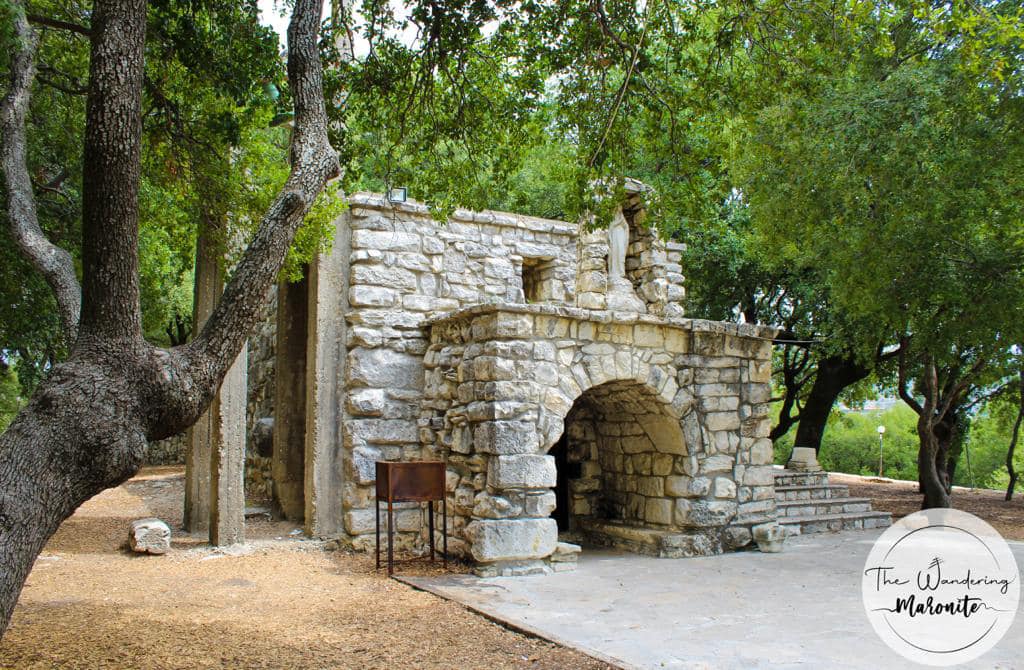
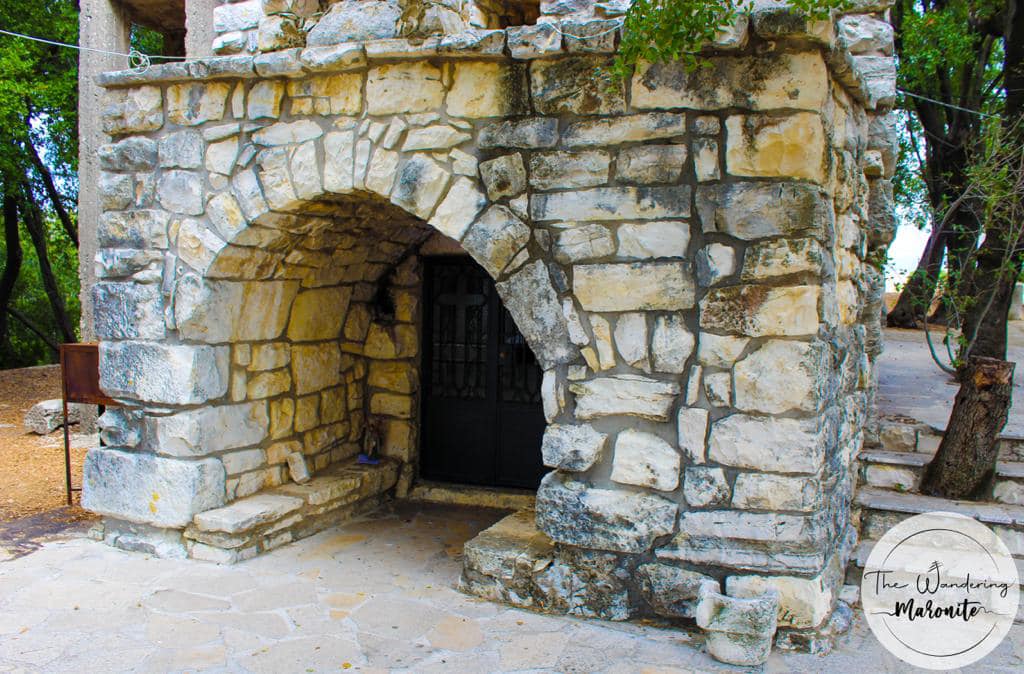
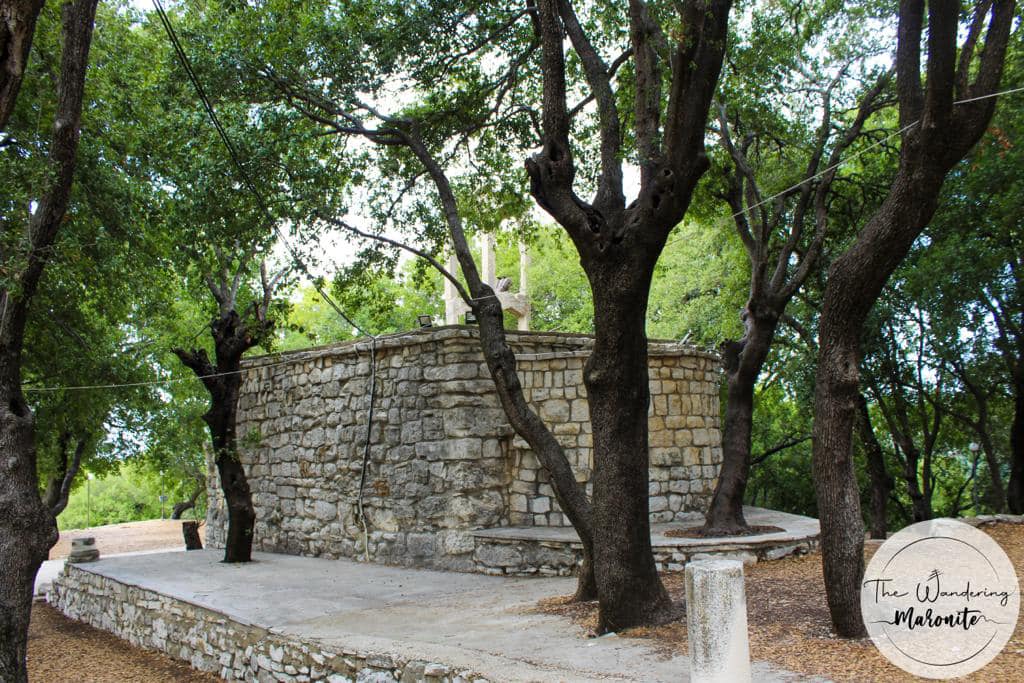
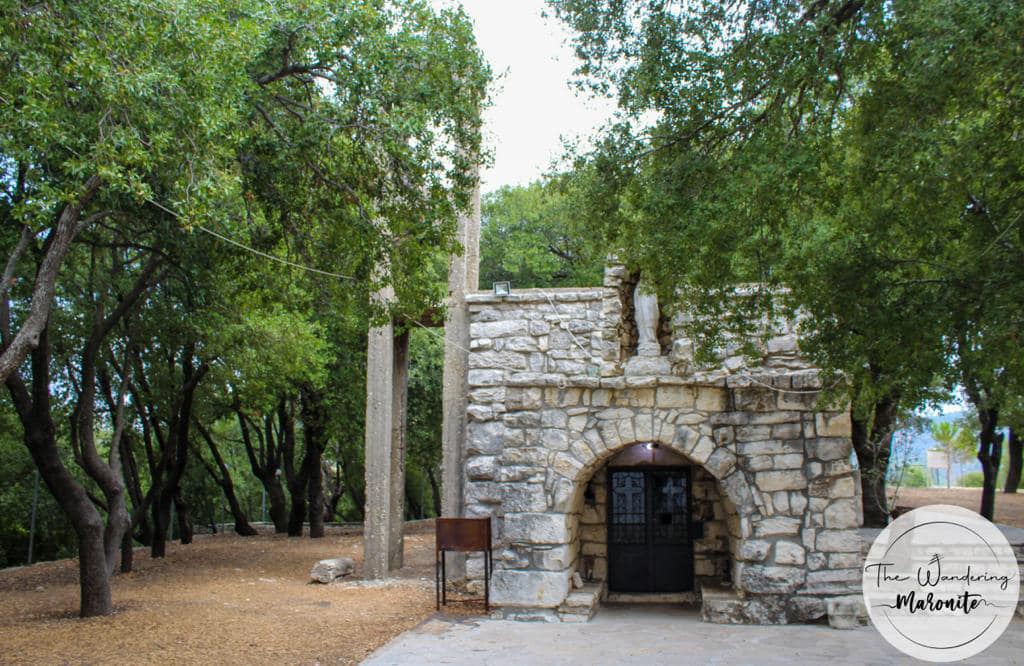
كنيسةٌ بيزنطيّة بعقدٍ سريريّ وحنية نصف دائريّة، مبنيّة فوق أنقاضٍ رومانيّة. تقع الكنيسة في موضعٍ أثريّ غنيّ بالنواويس والآثار. رمّمت الكنيسة في القرن العشرين وأُضيفت إليها قبّة جرسٍ.
The Church of Our Lady of the Farm - Bejjeh
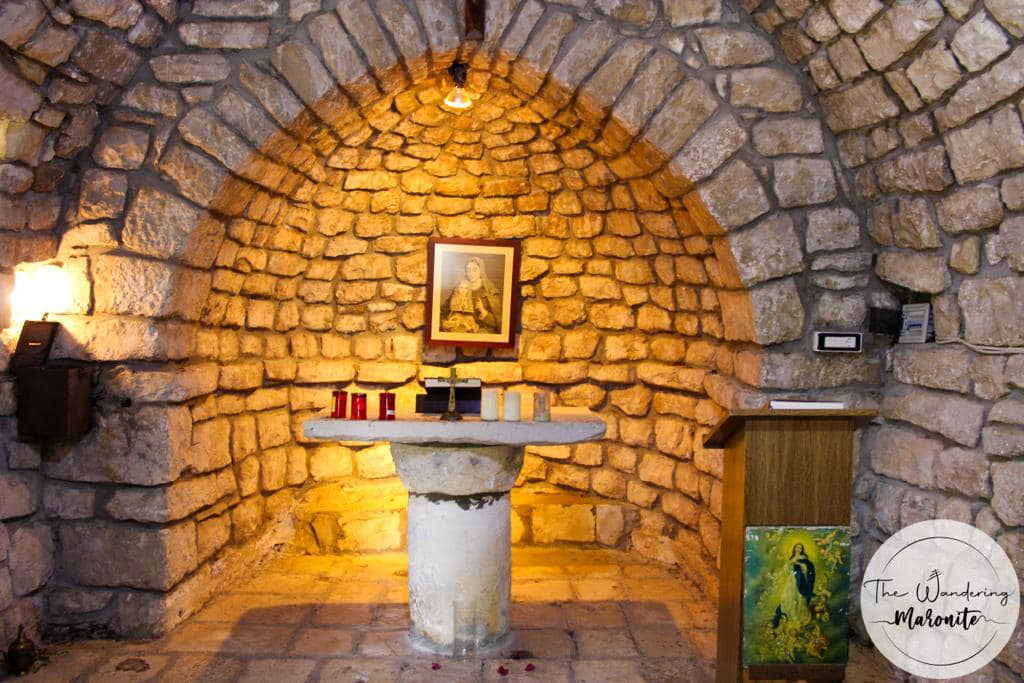
The church is a Byzantine church, with its structure consisting of a rib vault and a semicircular apse. The church was built over Roman ruins in a historic necropolis. It was renovated in the 20th century, and a bell tower was added.
بُنيت الكنيسة أواخر القرن الثامن عشر مع قدوم المسيحيّين إلى البلدة، وكانت كنيستهم الأساسيّة. تعرّضت للسلب خلال أحداث سنة ١٨٦٠. أُهملت الكنيسة بعد بناء كنيسة مار يوسف وسط البلدة، وأعيد ترميمها مؤخّرًا. الكنيسة مبنيّة بأسواقٍ ثلاث أفقيّة على نمط العليّة في البيت اللبنانيّ مسقوفة بالخشب وقد أُضيفت إليها قبّة صغيرة وقت الترميم.
The Church of Our Lady of Mzaar - El Hajje
The church is the original parochial church of the village, built during the late 18th century. It was sabotaged during the war of 1860 and remained abandoned after the construction of St. Joseph's Church in the village center. However, it has been recently restored. The structure of the church resembles that of a cenacle in a traditional Lebanese house, with three horizontal aisles. A dome was added to the structure during the restoration.
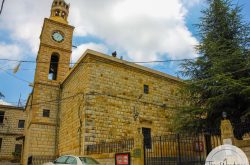
بنى أهل حدشيت الآتين إلى حمّانا الكنيسة الأولى بداية القرن السابع عشر، وحملوا معهم شفاعة مار رومانوس. سنة ١٧٢٣ أخذت الكنيسة شكلها الحاليّ: عقد مُصالب ينتهي بحنية. وًسّعت سنة ١٧٨٣. سنة ١٨٢٥ أنعم قداسة البابا لاوون الثاني عشر، بالغفارين للمذبح الكبير. تعرّضت للتخريب في أحداث ١٨٦٠، وكرّس مذبحها الجديد المطران نعمة الله سلوان سنة ١٨٧٣. في عشرينيّات القرن العشرين بُنيت القبّة والساعة الطنّانة. سنة ١٩٣٦ زارها البطريرك أنطون عريضة. رمّمت الكنيسة سنة ١٩٩٠. تضمّ الكنيسة العديد من المفارش البيعيّة المحليّة الصنع كبيت القربان وقبته، مجموعةً من اللوحات الغربيّة، ولوحة مار رومانوس مقتبسة عن لوحة حدشيت من عمل نجيب حاتم سنة ١٩٢٢.
The church of St. Raymond (Roumanos) - Hammana
The church was built in the beginning of the XVIth century by the villagers of Hadshit who resided in Hammana and imported the devotion towards their patron saint Raymond. In 1723 the church took its current form: a crossed vault with an apse. The church was enlarged in 1783. In 1825 Pope Leo XII gave the privilege to the church's altar. In 1860 the church was damaged during the civil war. The altar was reconsacrated in 1873 by Mgr. Nematullah Selwan. During the second decade a bell tower with a clock was added. In 1936 Patriarch Antoun Arida visited the church. In 1999 the church was restored. The church holds many ecclesiastical artifacts: a tabernacle with a baldaquin, western style paintings, and a painting of Saint Raymond inspired by the one in Hadshit by Najib Hatem dating back to 1922.
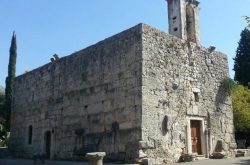
The church dates back to the Phoenician era with a high vault. The great frensh orientalist Ernest Renan retraced its history with its huge stone pillars. The church had a great Phoenician tympant with two snakes revolving around a globe. The huge stone was taken to the Louvre museum by Renan. The final stage and most recent construction dates back to 1870 when the church was rededicated by bishop Yousef el Marid. St George’s painting over the altar is the work of Paul Shlavek
تعود الى العهد الفينيقي لأنها مبنيّة بعقد قصبة مرتفعة وكانت معبدًا وثنيًّا. أشار إرنست رينان الى وجود اعمِدة أثريّة استُعملت في مداميك البناء. رُمّمت وزيد عليها مع تعاقب المراحل التاريخيّة. رينان انتزع عتبة الكنيسة وأرسلها الى متحف اللوفر في باريس، وهي تحمل نقشًا من الرموز التي كانت شائعةً في الدين الفينيقي يمثّل كرةً تلتفُّ حولها حيّاتٌ مجتمعة الأذناب في أعلاها رُمِّمت هذه الكنيسة عدَّة مرّات، وكُرِّست عام 1870 بيد المطران يوسف المريض. وصورة مار جرجس فيها هي بريشة الرسّام بولس شلافك




Reviews are disabled, but trackbacks and pingbacks are open.