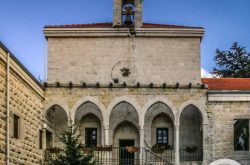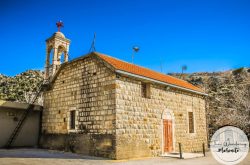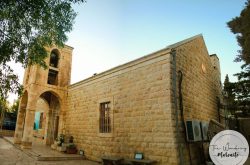

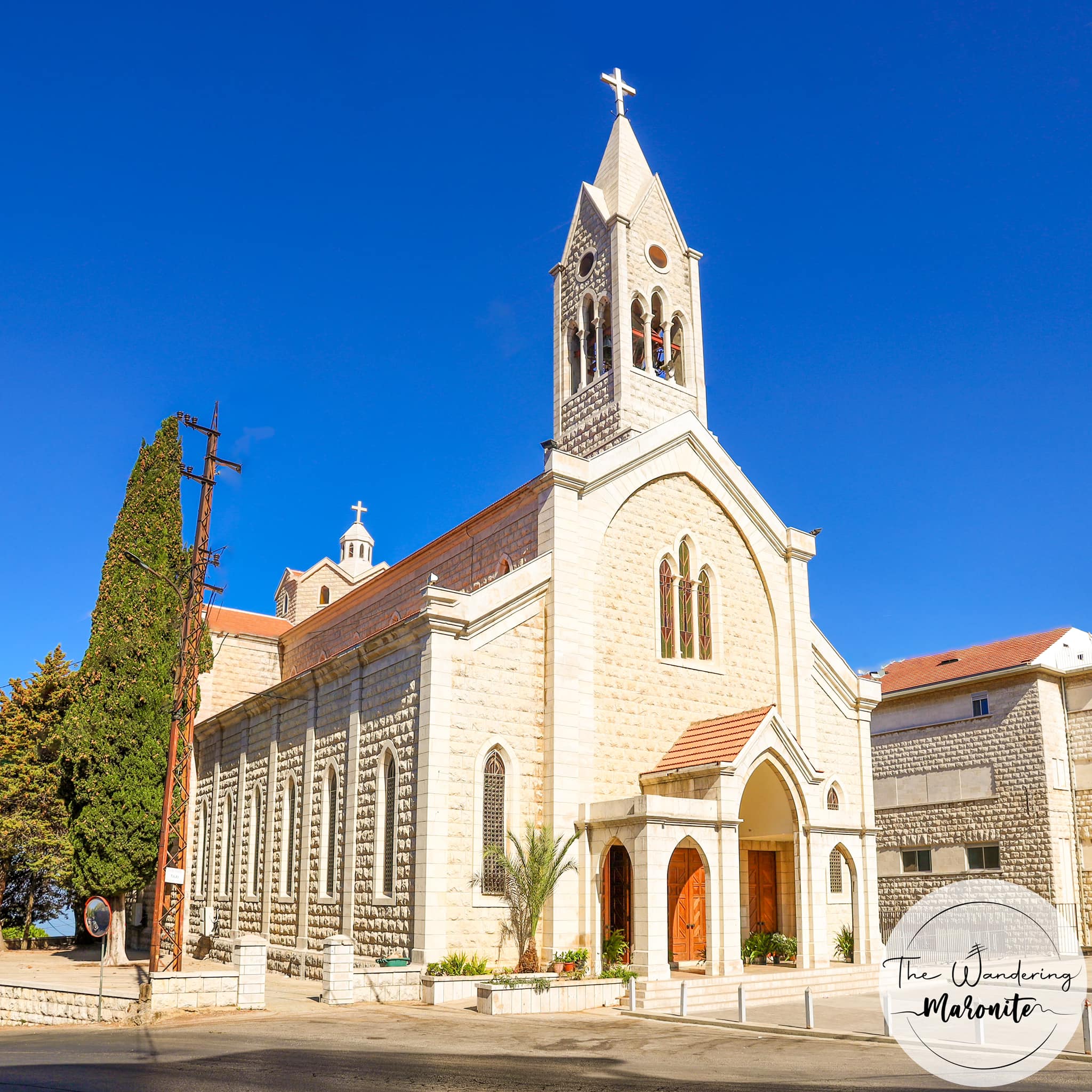
Beit Chabab – The church of St Anthony the Great

Eglise Saint-Antoine le Grand, Beit Chabeb, Lebanon

Other Details

كنيسة مار أنطونيوس الكبير

Beit Chabab

Metn

Mount Lebanon

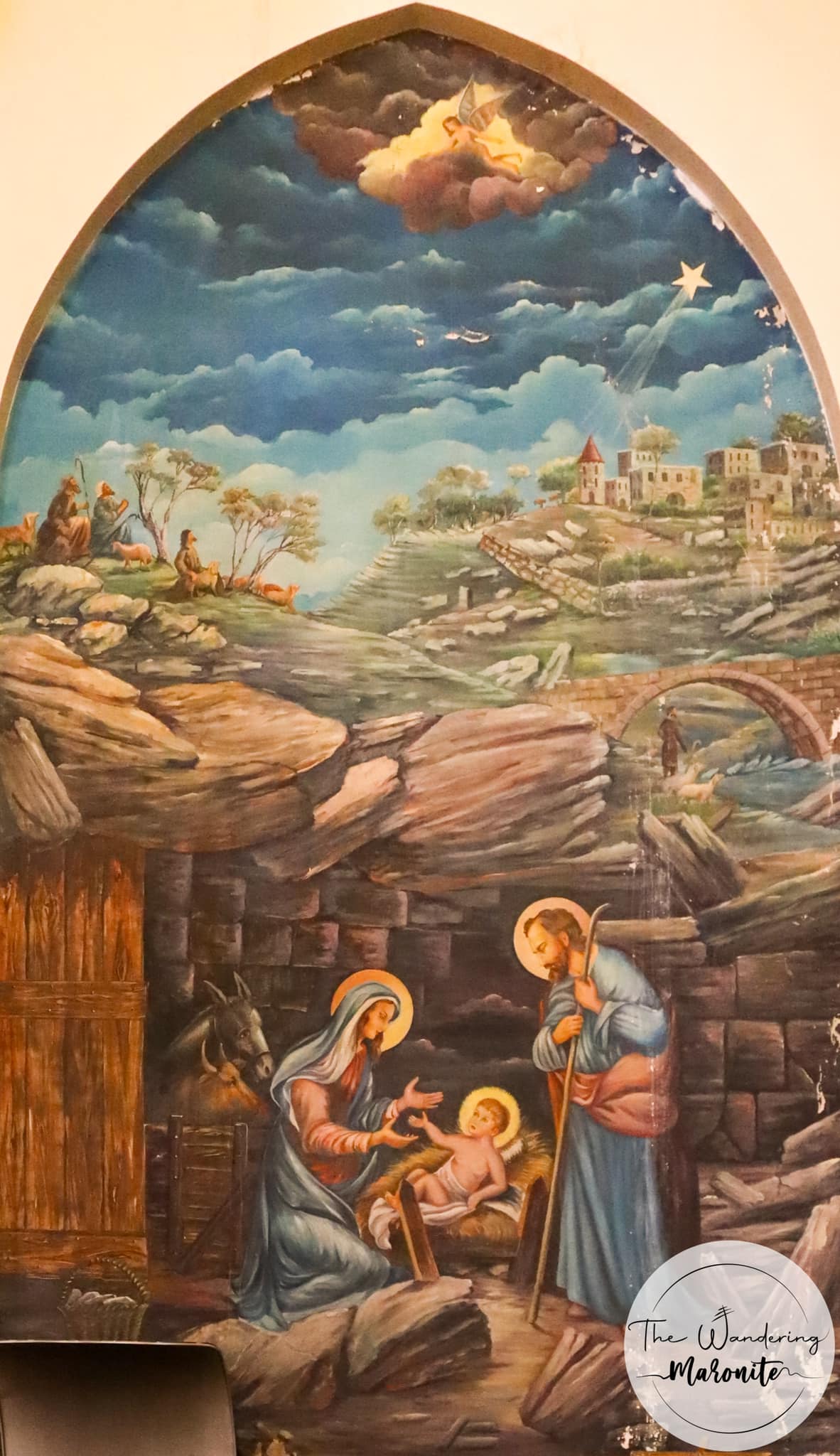
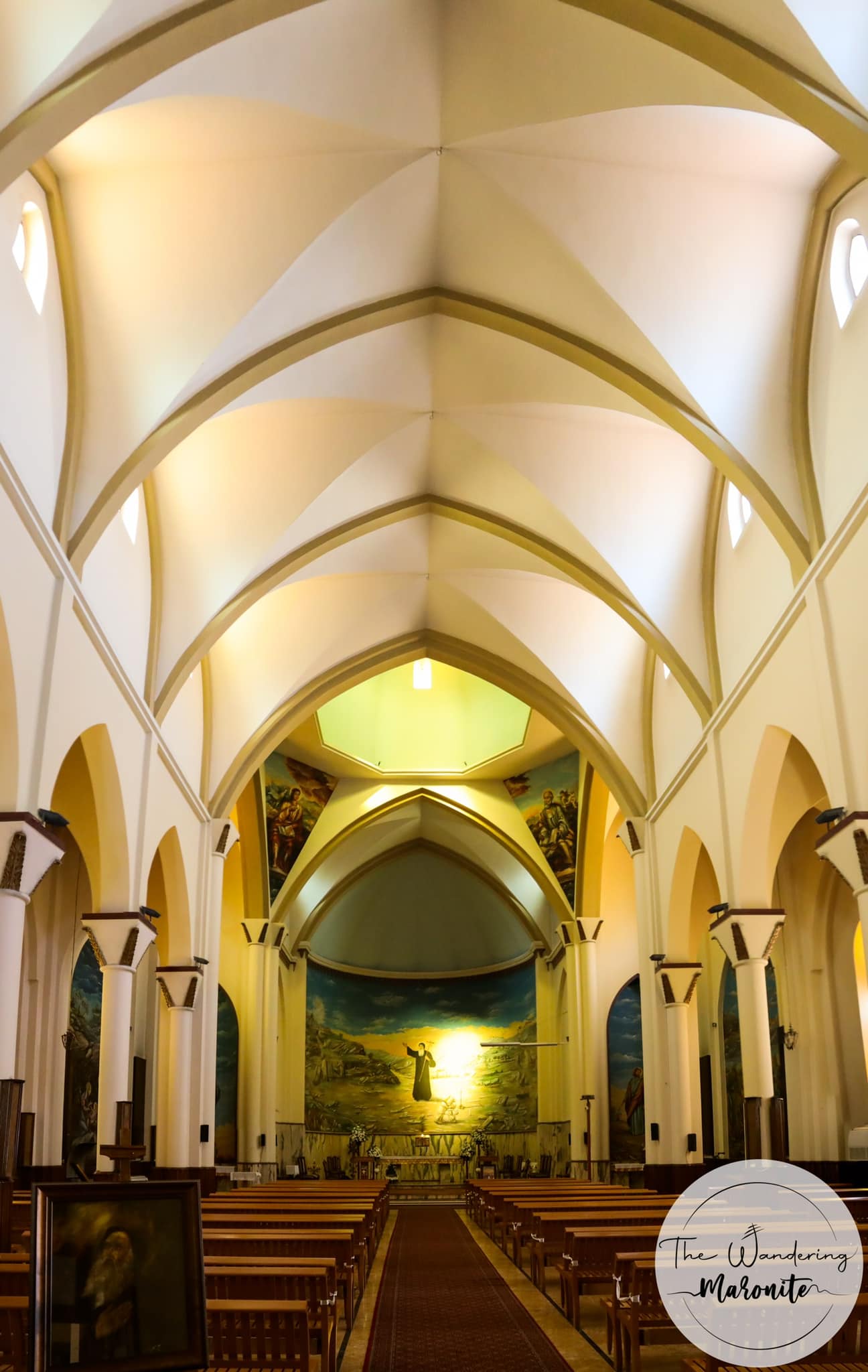
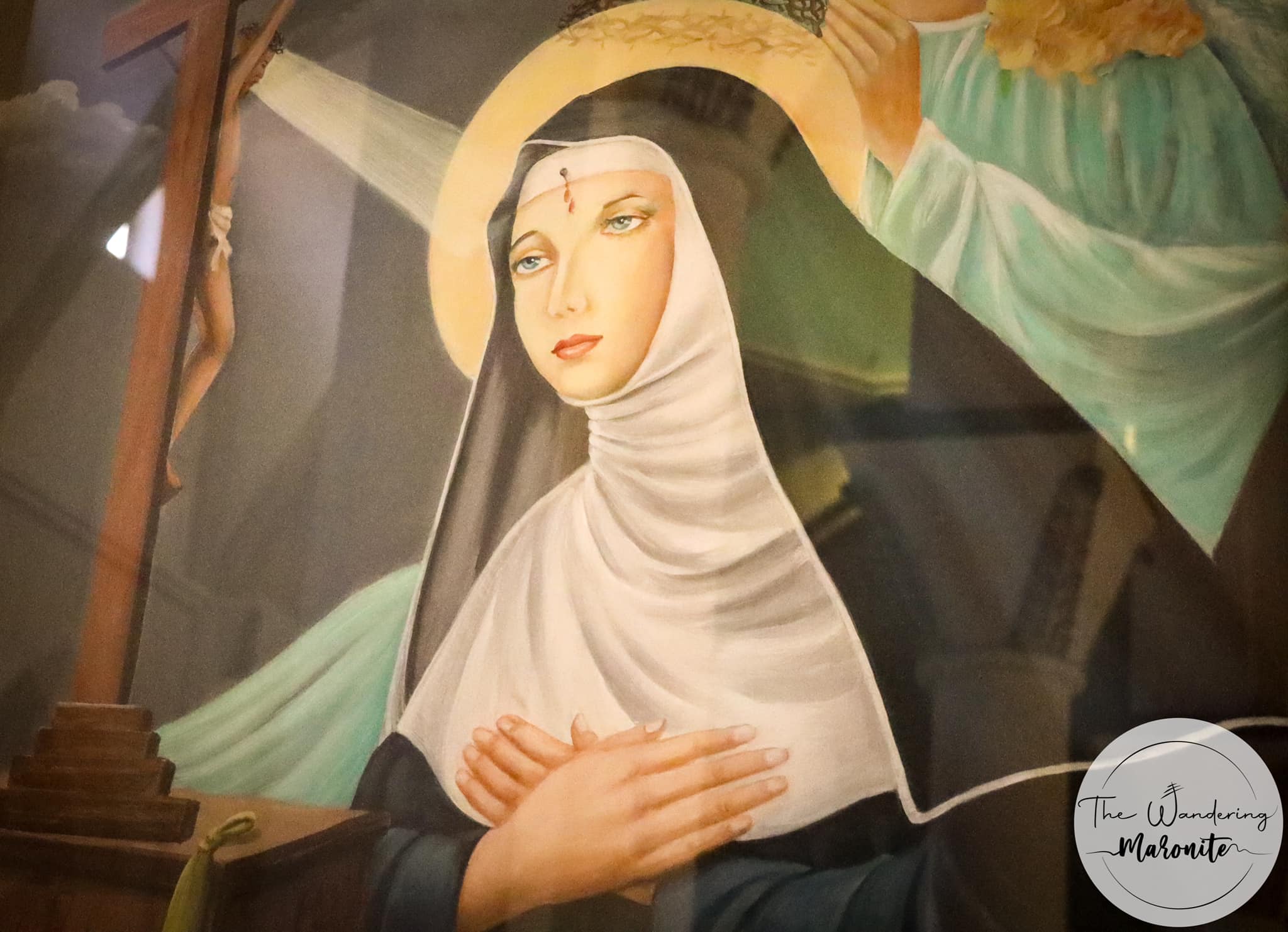
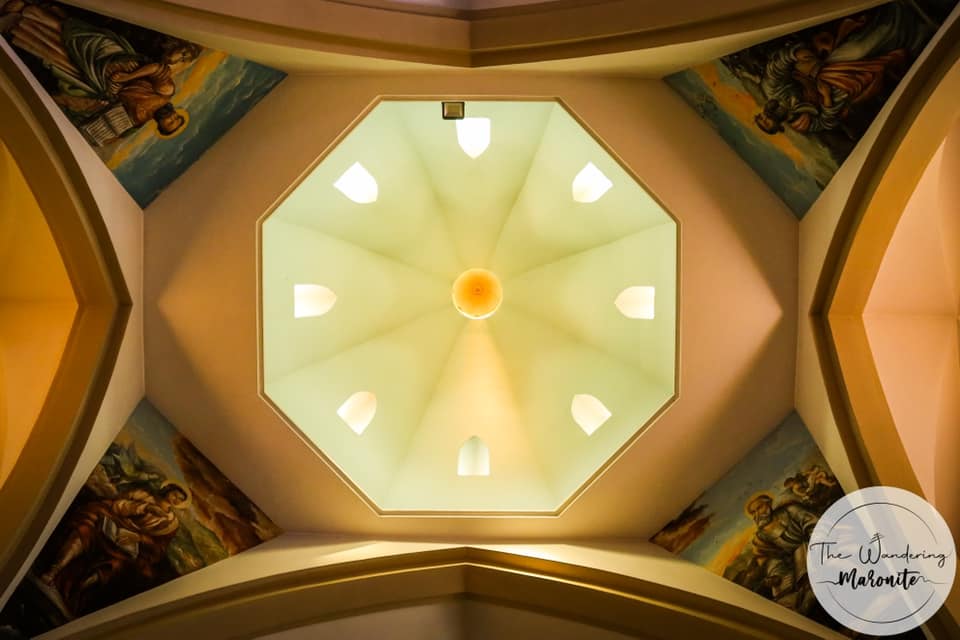
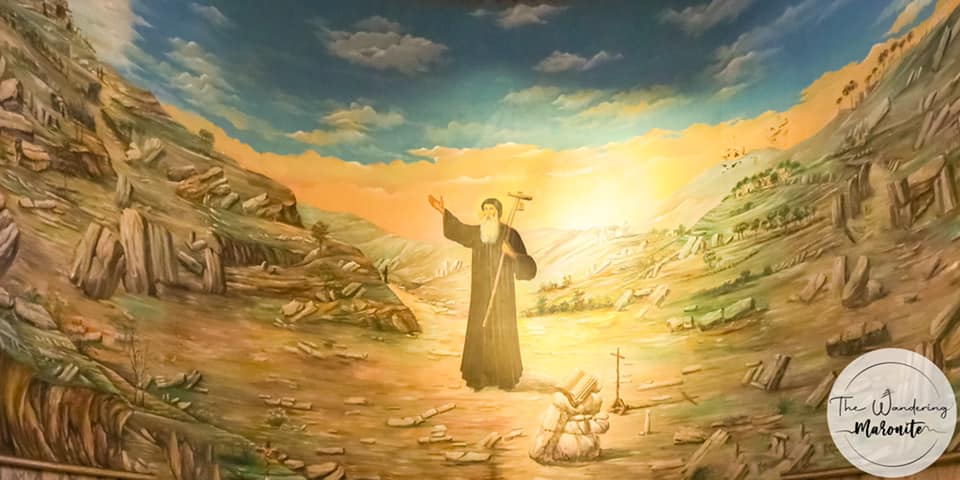
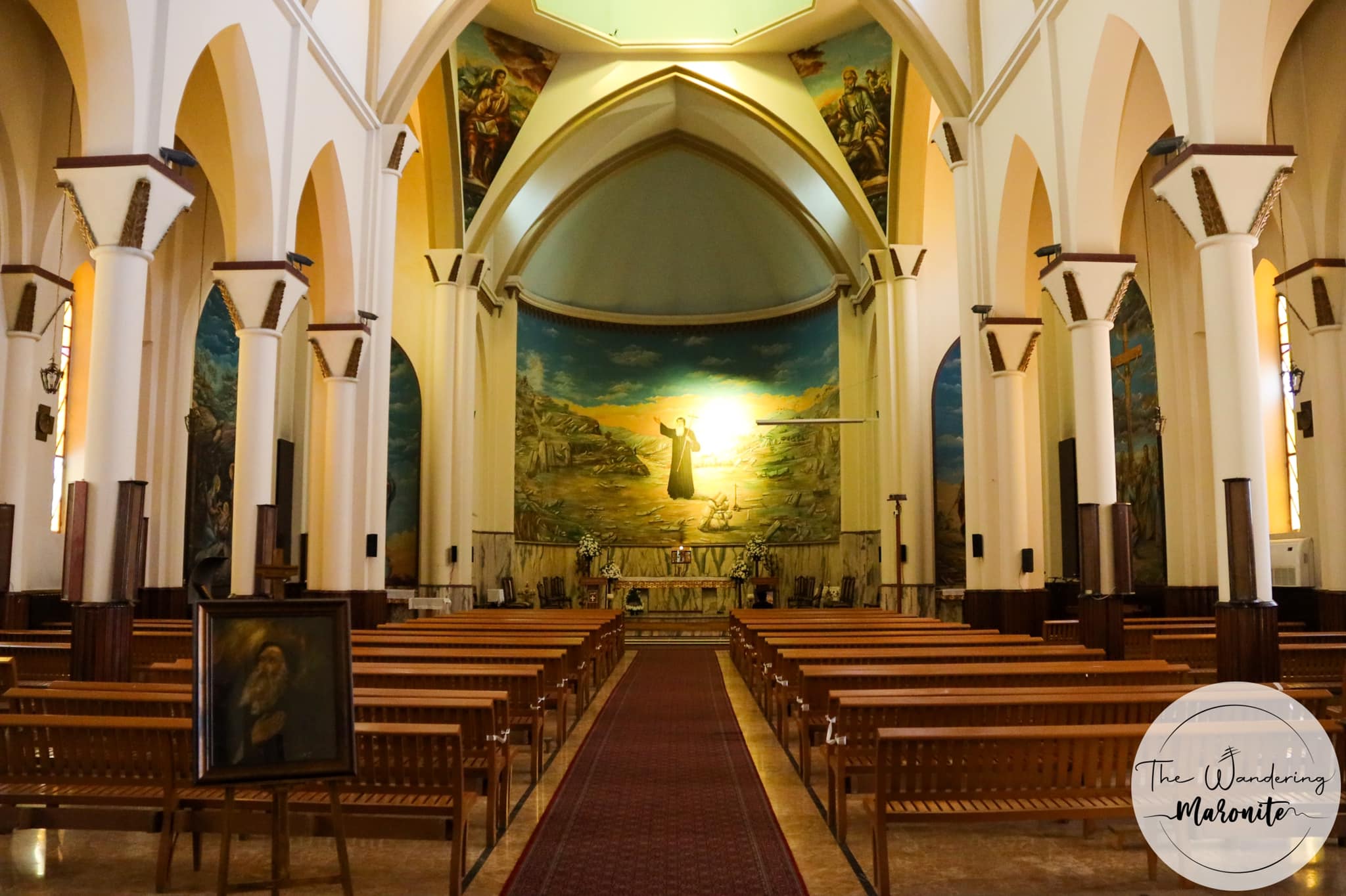
كنيسة مار أنطونيوس الكبير - بيت شباب بَنت عائلة الأشقر كنيسة على إسم القدّيس أنطونيوس الكبير، حوالي سنة ١٨٤٨. سنة ١٩٥٧، هُدمت الكنيسة القديمة التي كان قد صدّعها الزلزال، وبُنيت على أنقاضها كنيسةً حديثةً، على عهد رئيس الدير الأب أنطونيوس راشد أبي يونس. هذه الكنيسة تتبع بهندستها شكل البازيليك، وهي مؤلّفة من ثلاثة صحون تفصل بينها العواميد. لقد اكتست بجدرانيّات رسَمها الفنان أسعد رنّو سنة ١٩٦٦. The church of St Anthony the Great - Beit Chabab The first church was built by Al Ashkar family in 1848. It was destroyed after its walls were weakened by the earthquake of 1957 and the new church was built by Fr. Antonios Rashed Abi Younes according to a basilical plan with three naves separated by a row of columns. The church was decorated with frescoes by Asaad Renno in 1966.

Visited 5434 times, 5 Visits today

Reviews are disabled, but trackbacks and pingbacks are open.

Related Listings

Rmeileh – The church of St Anthony the Great

Saint Anthony Church, Rmayleh, Lebanon

كنيسة مار أنطونيوس الكبير القديمة

Rmeilet Ech-Chouf

Chouf

Mount Lebanon

كنيسة مار أنطونيوس الكبير القديمة - الرميلة

هي كنيسة بعقدٍ سريريٍّ وحنية واحدة، تعود للقرون الوسطى. بدايةً بنى هذا المكان المسلمون الشيعة، بدليل إتجاه البناء نحو الجنوب وليس الشرق، كما هي عادة الكنائس. في القرن الثامن عشر، وبعد معارك مع الدروز ترك الشيعة البلدة وأسكنوا الموارنة مكانهم، وأعطوهم البناء فحوّلوه إلى كنيسةٍ على اسم مار أنطونيوس الكبير. تعرّضت الكنيسة للتخريب خلال الحرب الأهليّة اللبنانيّة سنة ١٩٨٥، ورمّمت في تسعينيّات القرن العشرين.

The church of St Anthony the Great - Rmeileh

The church is a medieval crib vaulted structure. In the beginning, the building was built by the Chiites, for this reason it is oriented to the south and not to the east like other churches. In the XVIIIth century the Chiites left the village after their battles with the Druze. The Maronites came along and settled in and were given the old shrine that was converted into a church dedicated to St Anthony the Great. The church was severely sabotaged during the Lebanese civil war in 1985, and it was renovated a decade later.

Kfarkekhly Amchit – The church of St John the Baptist

Saint John the Baptist Church - كنيسة مار يوحنا المعمدان, Aamchit, Lebanon

كنيسة مار يوحنّا المعمدان

Aamchit

Jbeil

Mount Lebanon

كنيسة مار يوحنّا المعمدان - كفركخلي عمشيت

بُنيت كنيسة أولى في الموضع سنة ١٧٥٠ على اسم مار روحانا. أواخر القرن التاسع عشر وُسِّعت على شكل عقدٍ مُصالبٍ وكُرّست على اسم مار يوحنّا المعمدان لتُصبح كنيسةً رعائيّة. تضمّ الكنيسة ثلاث لوحات محليّة الصنع: عماد المسيح، مار روحانا ومار يوسف.

The church of St John the Baptist - Kfarkekhly Amchit

The first church was built in 1750 and dedicated to St Rouhana. The current large crossed vaulted structure was built in the late XIXth century and dedicated to St John the Baptist as a parochial church. The church holds three locally made paintings: The Theophany, St Rouhana, St Joseph.

Bqorqasha – The church of St Nouhra

Bqerqacha, Lebanon

كنيسة مار نوهرا

Bqerqacha

Bcharre

North

كنيسة مار نوهرا - بقرقاشا

بُنيت الكنيسة سنة ١٩٠٩ في عهد البطريرك الياس بطرس الحويك، لتصبح الكنيسة الرعائيّة لضيق الكنيسة القديمة. البناء كناية عن عقدٍ مصالبٍ، بنتهي بحنية وثلاث مذابح: مار نوهرا والسيّدة ومار يوسف. في وسط الكنيسة مذبح لمار جرجس. الكنيسة محافظة على طابعها الأوّل وهي تمثل فنّ أوائل القرن العشرين. للكنيسة مدخلين مزخرفين للرجال والنساء. تضم الكنيسة عددًا من اللوحات أهمّها لمار نوهرا وهي محليّة الصنع.

The church of St Nouhra - Bqorqasha

The church of St Nouhra (Logius the martyr) was built in 1909 during the pontificate of patriarch Elias Boutros El Howayek, after the local parish became too small for the community. The structure consists of a crossed vault ending with three altars: St Nouhra, the Madonna, and St Joseph. In the middle of the church stands a side altar dedicated to St George. The church conserves the original decor of the early XXth century. The church has two ornamented entrances to separate men and women’s seating places. It also holds many paintings the most important being a local icon of Saint Nouhra.