
Bcharre – Our Lady Church

Our Lady of Bsharri Church, Bsharri, Lebanon

Other Details

كنيسة السيّدة

Bcharreh

Bcharre

North

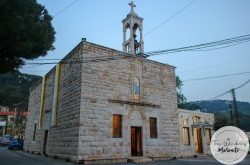
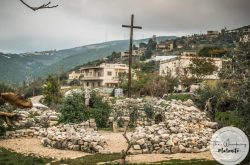
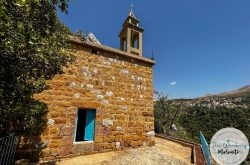
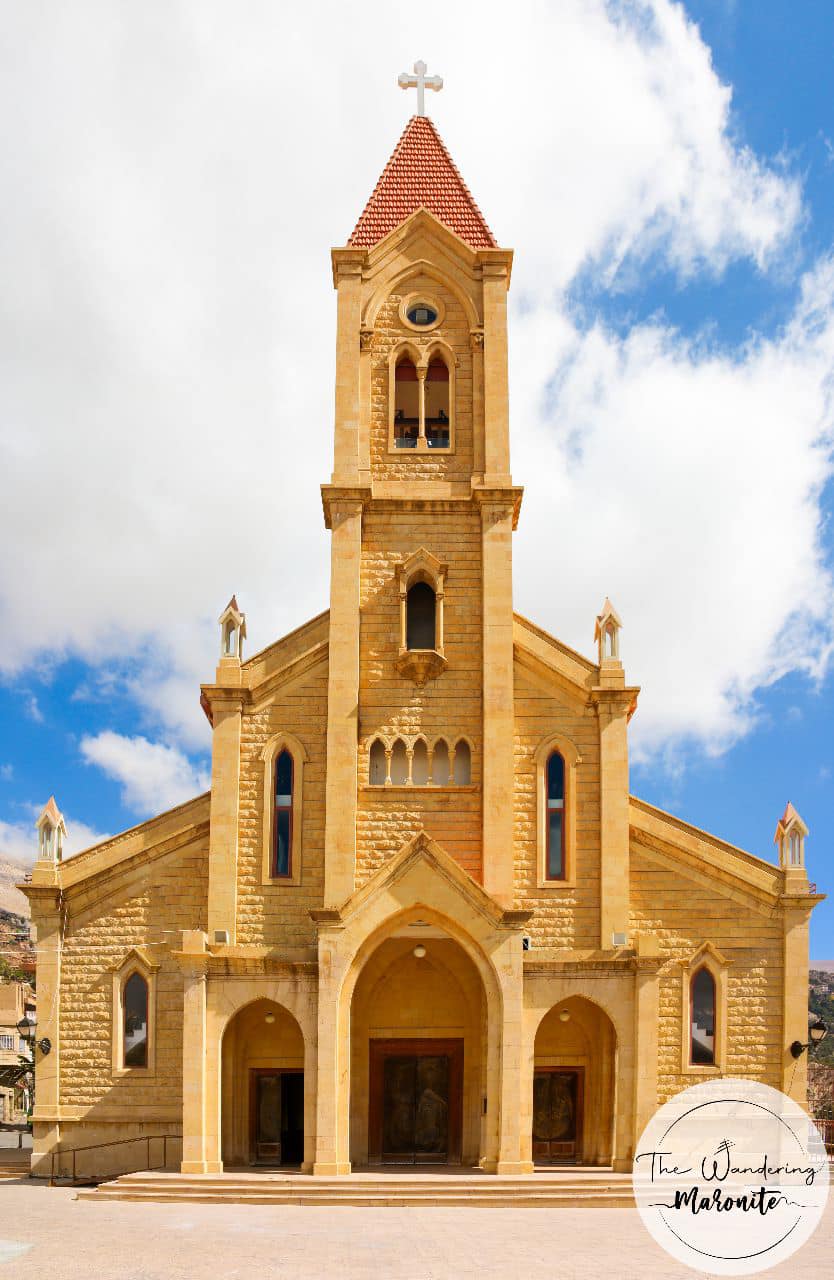
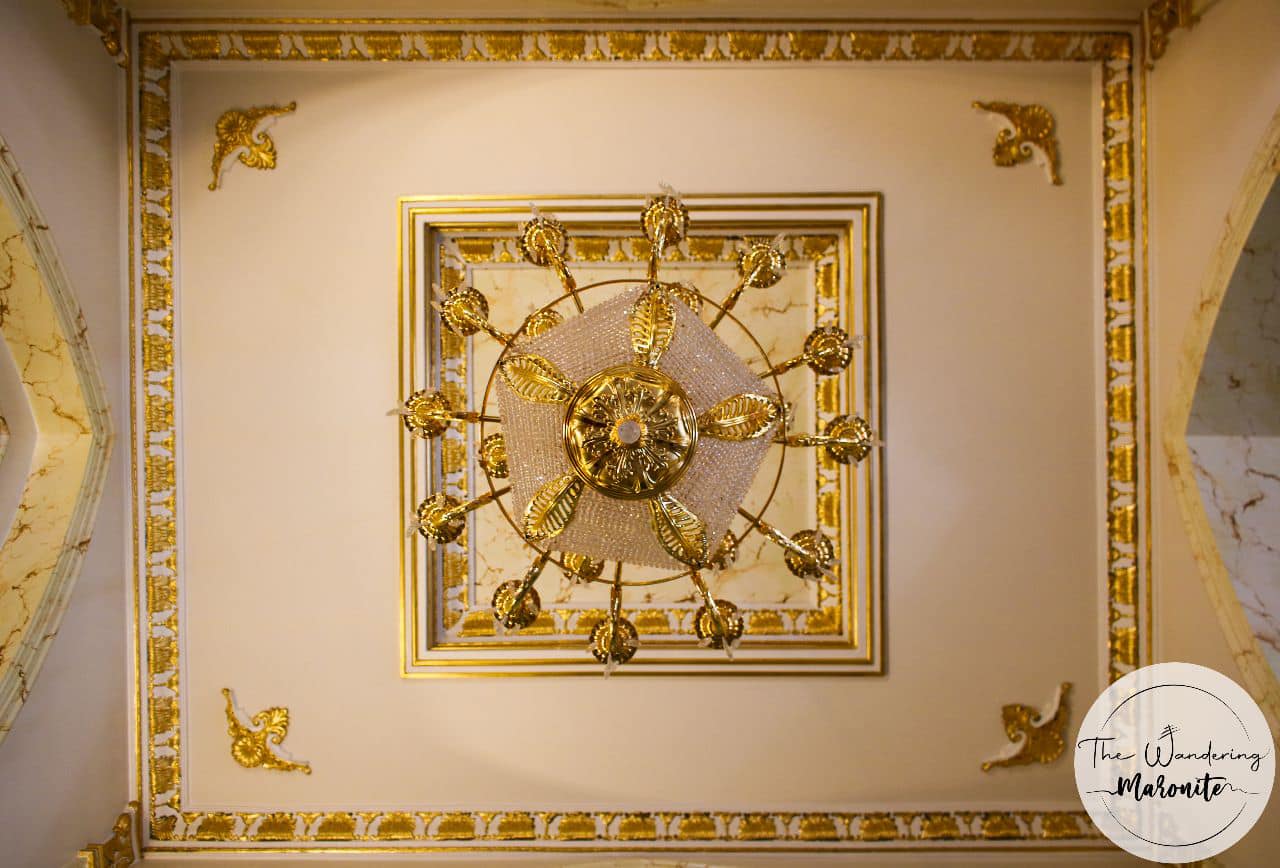
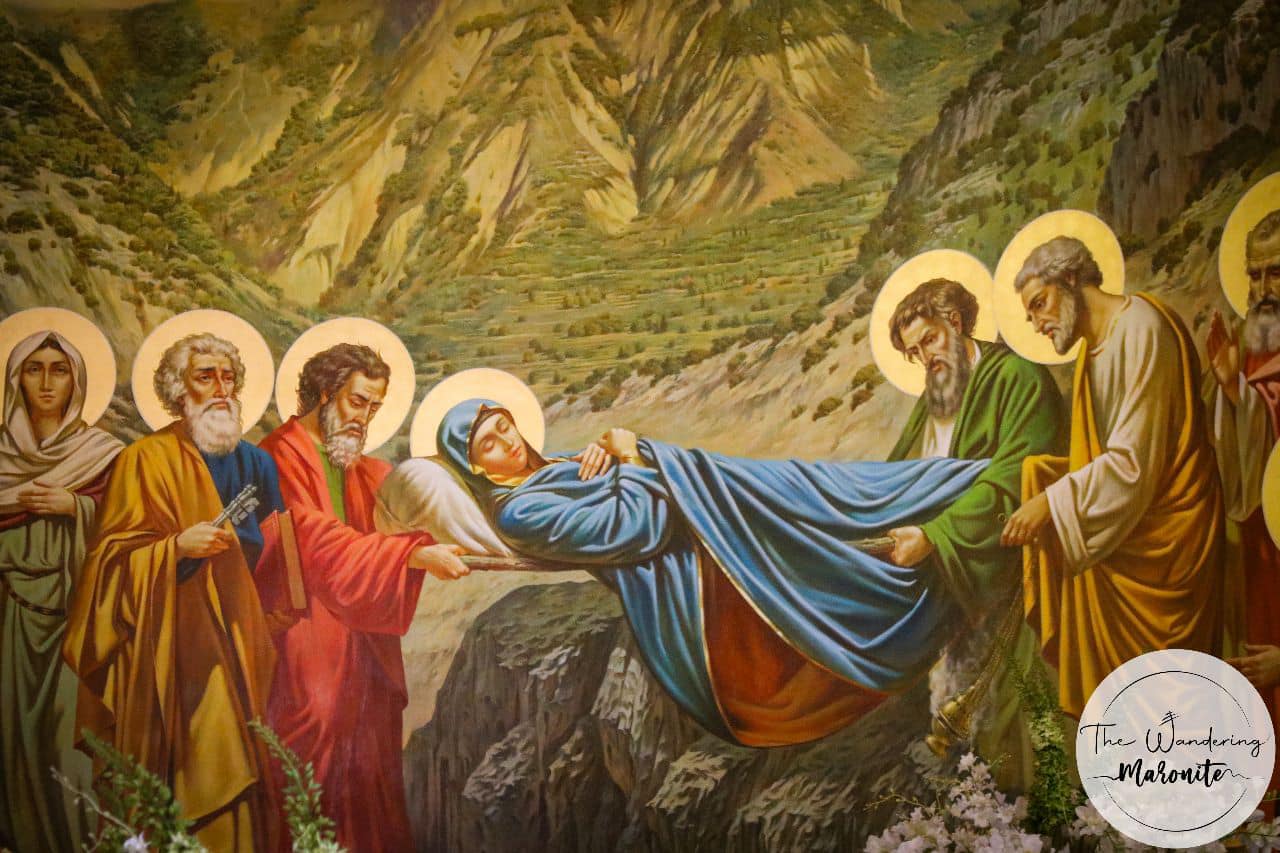
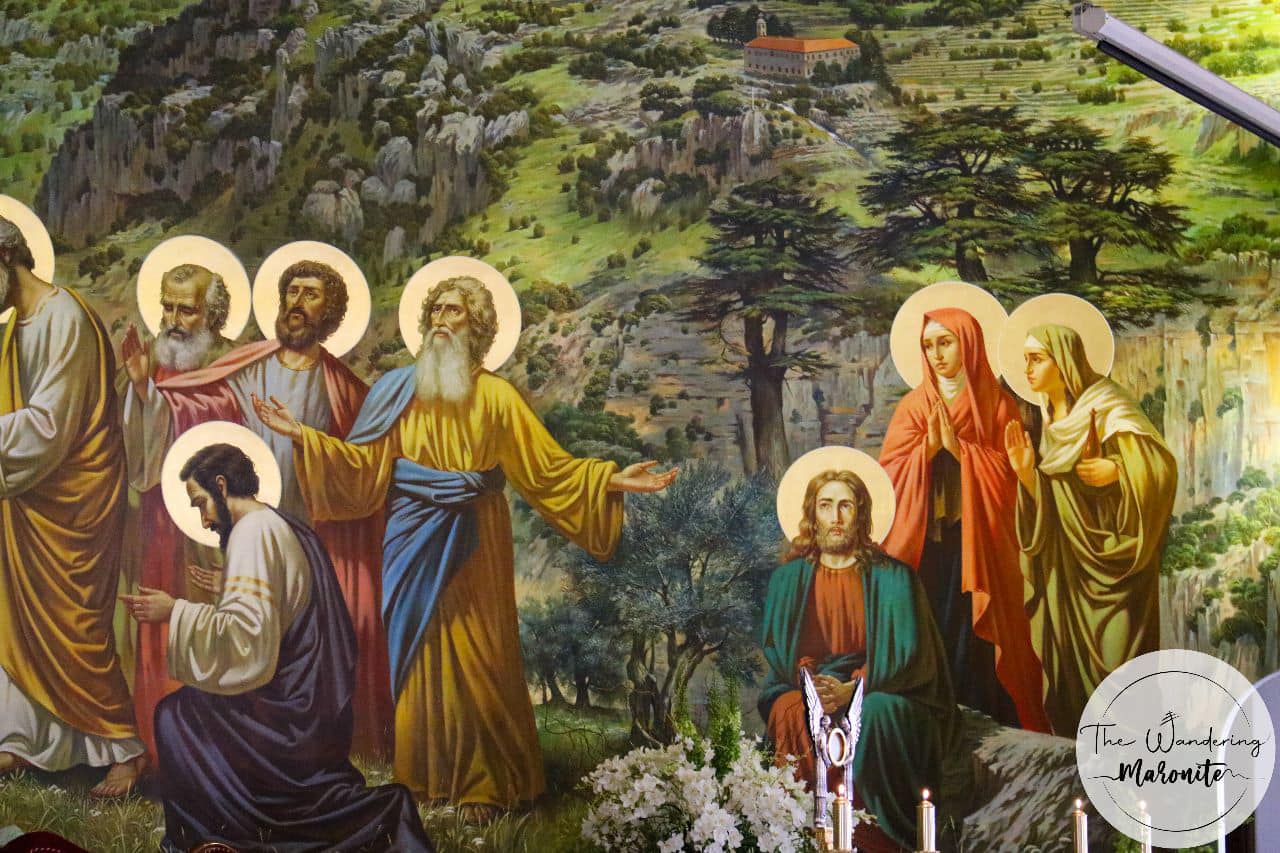
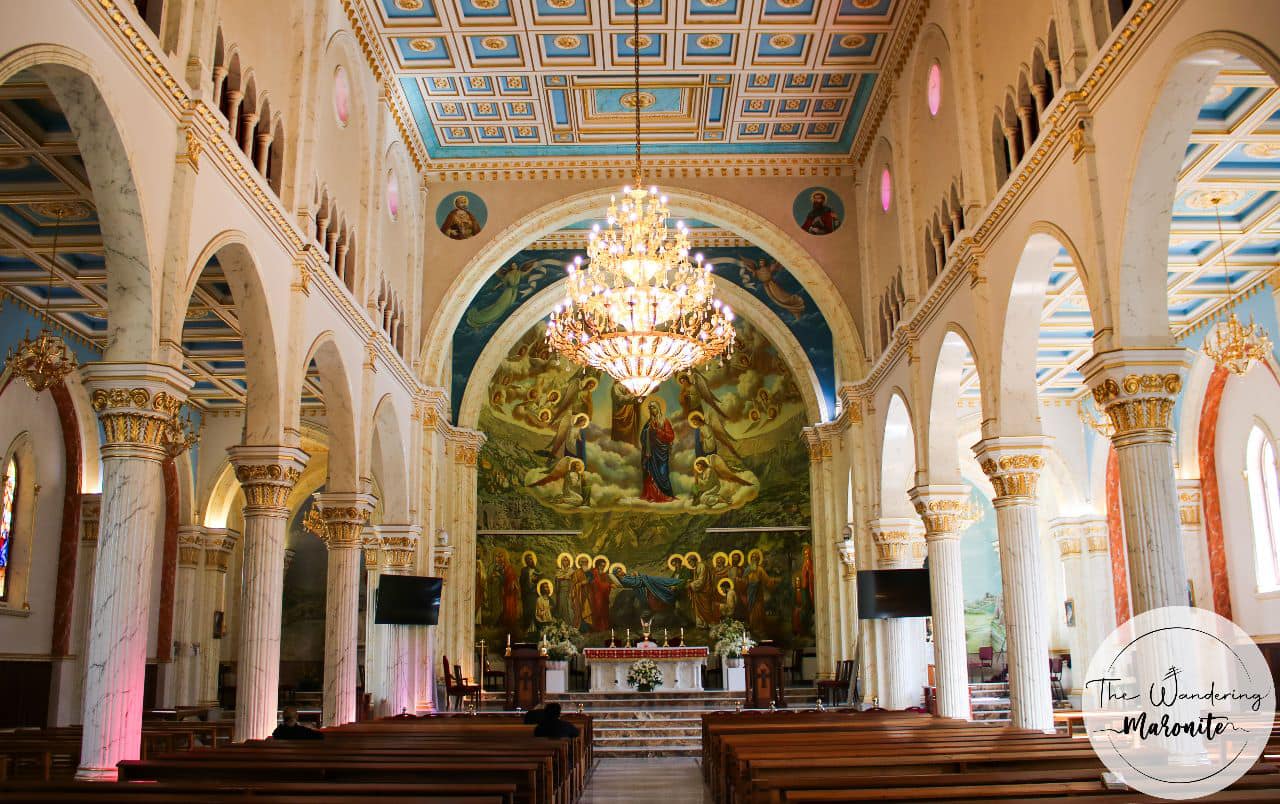
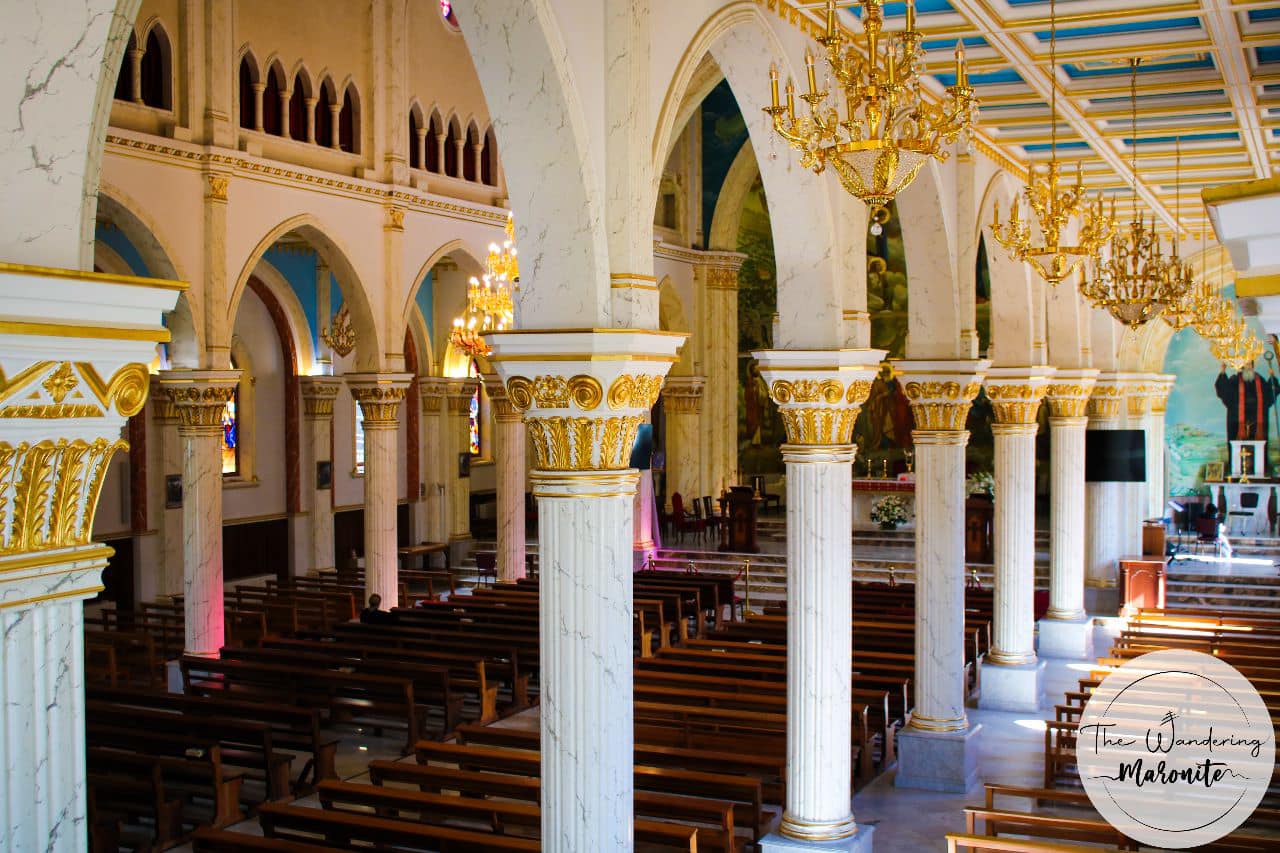
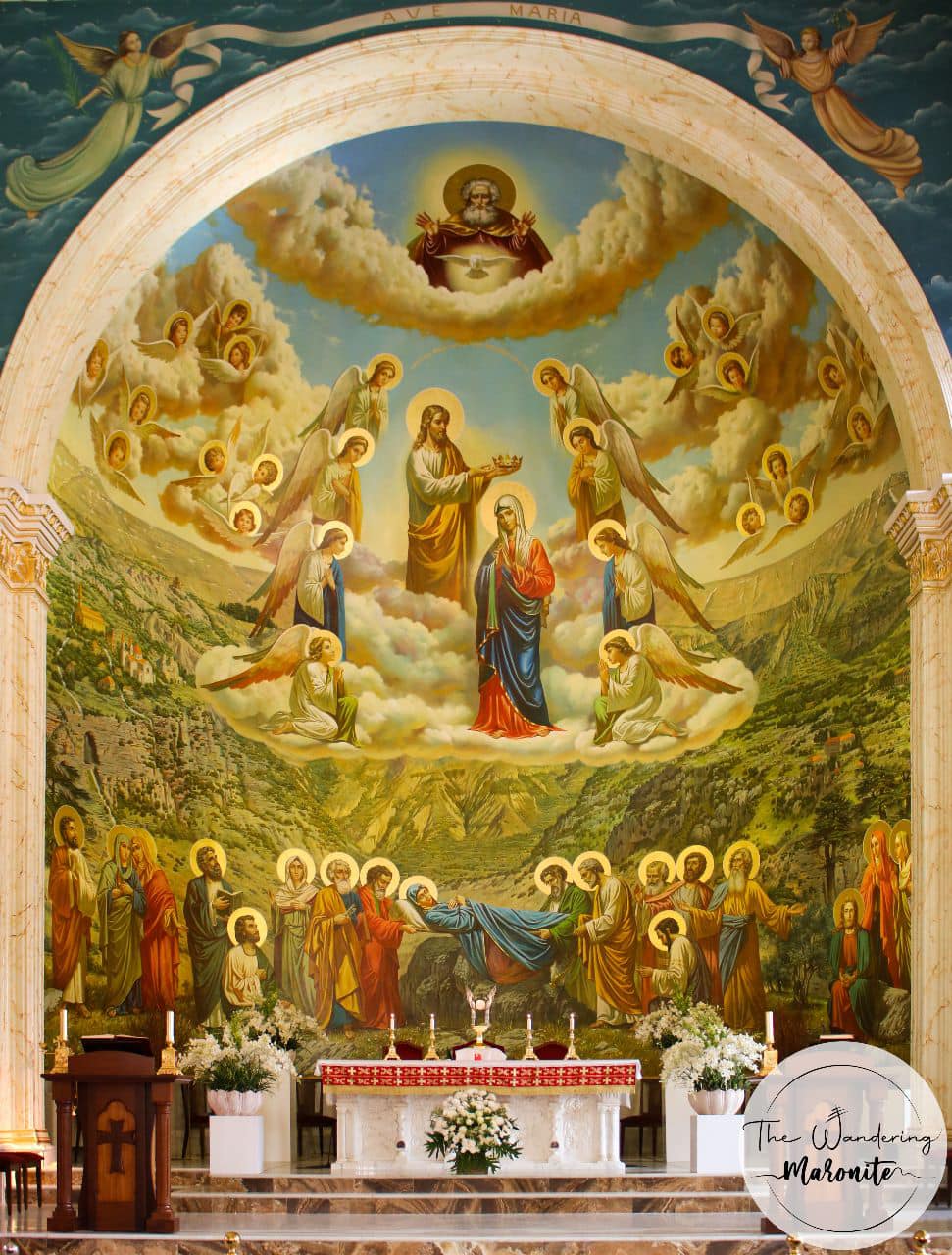
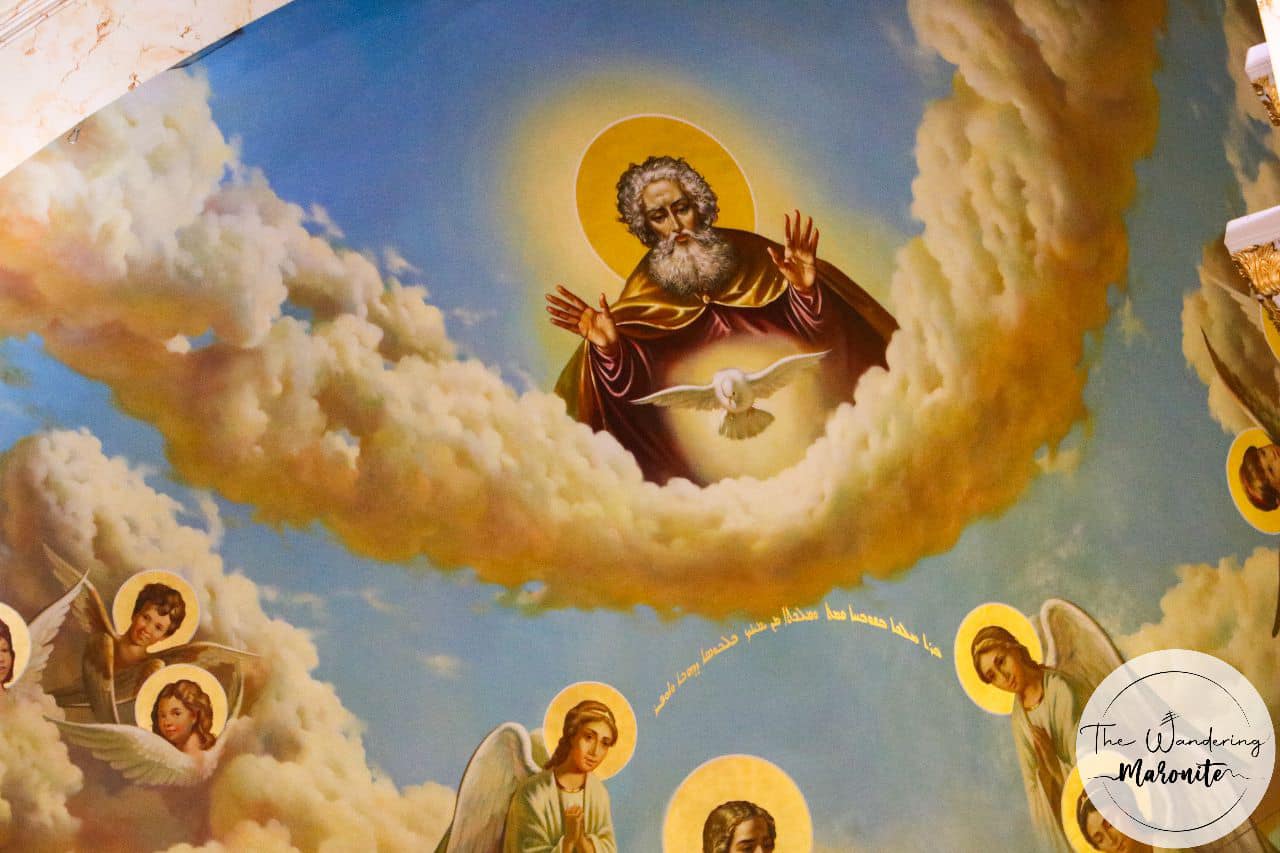
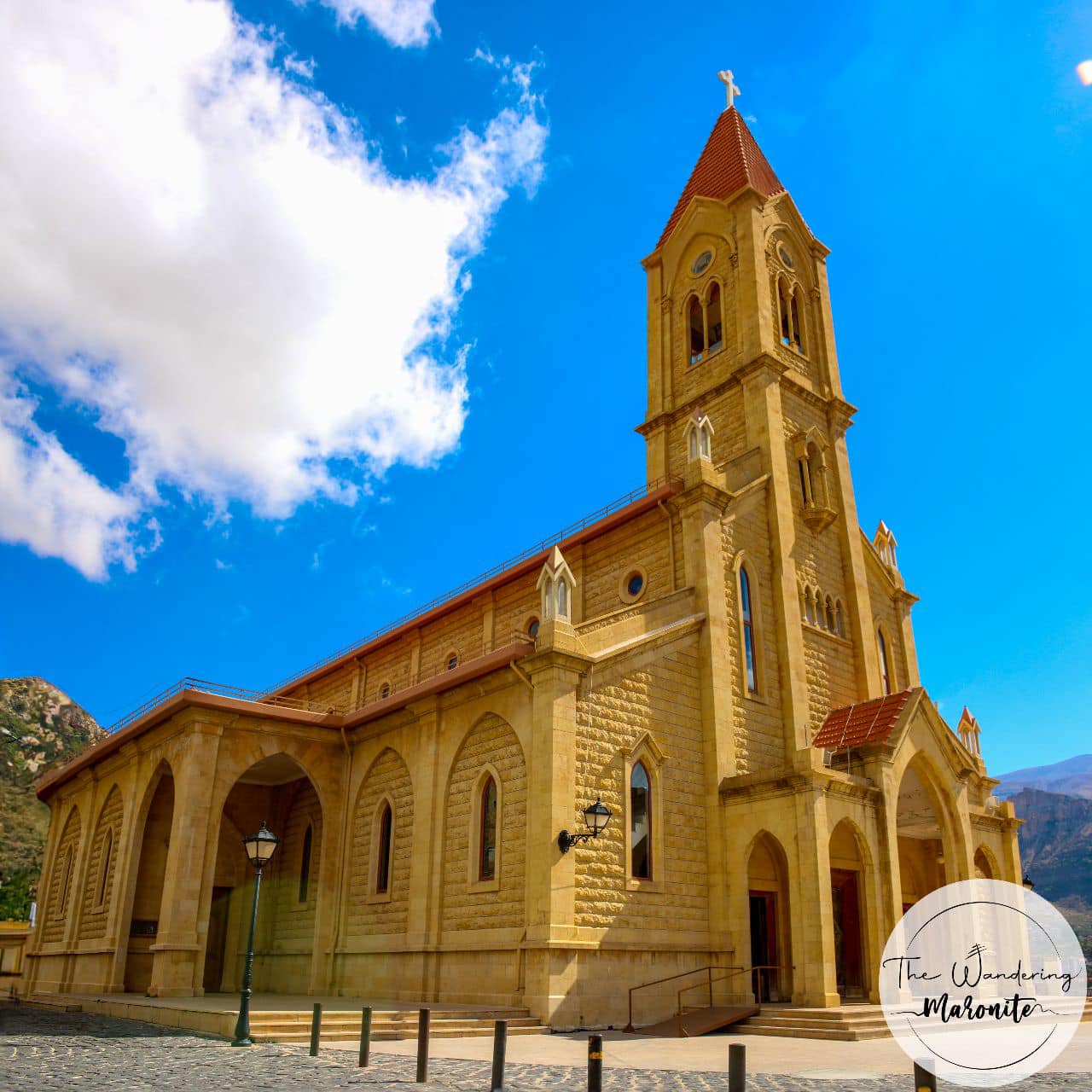
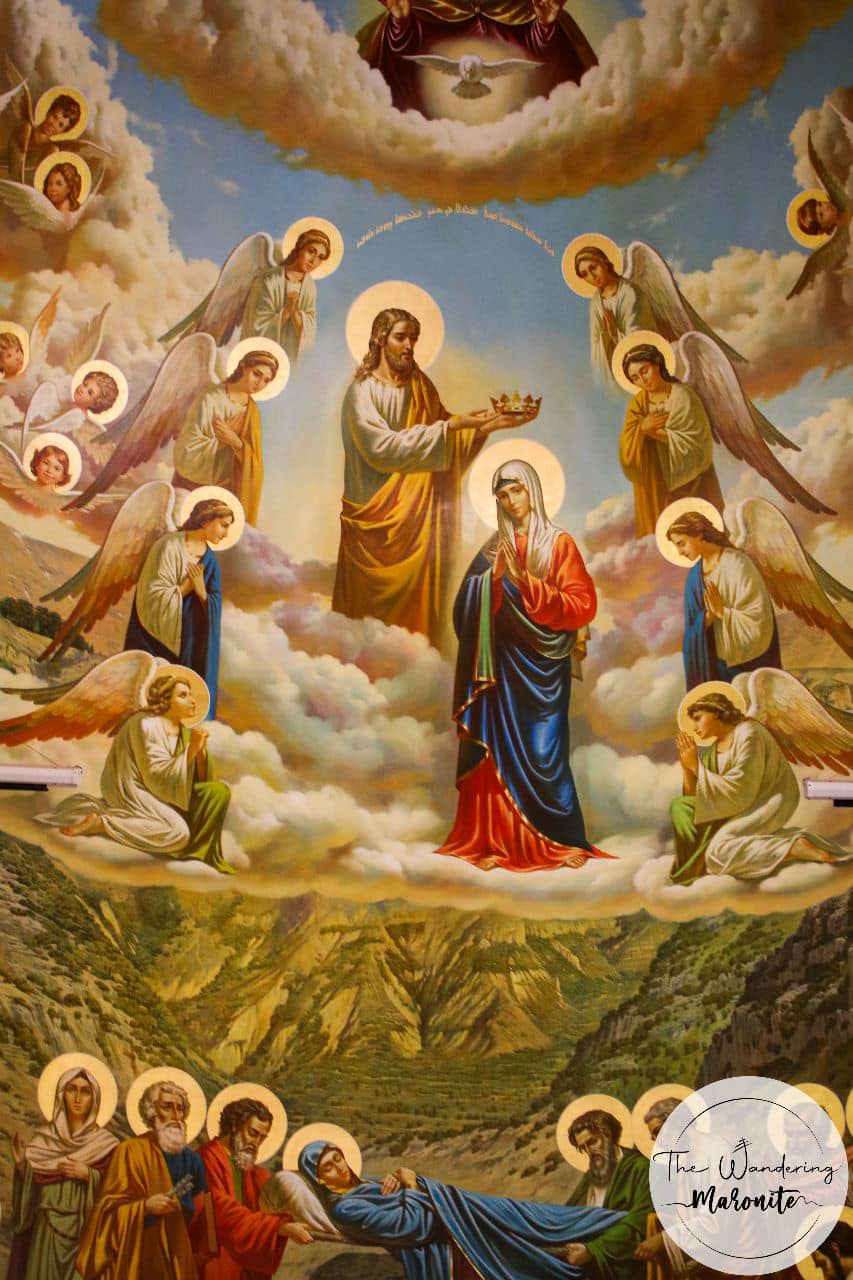
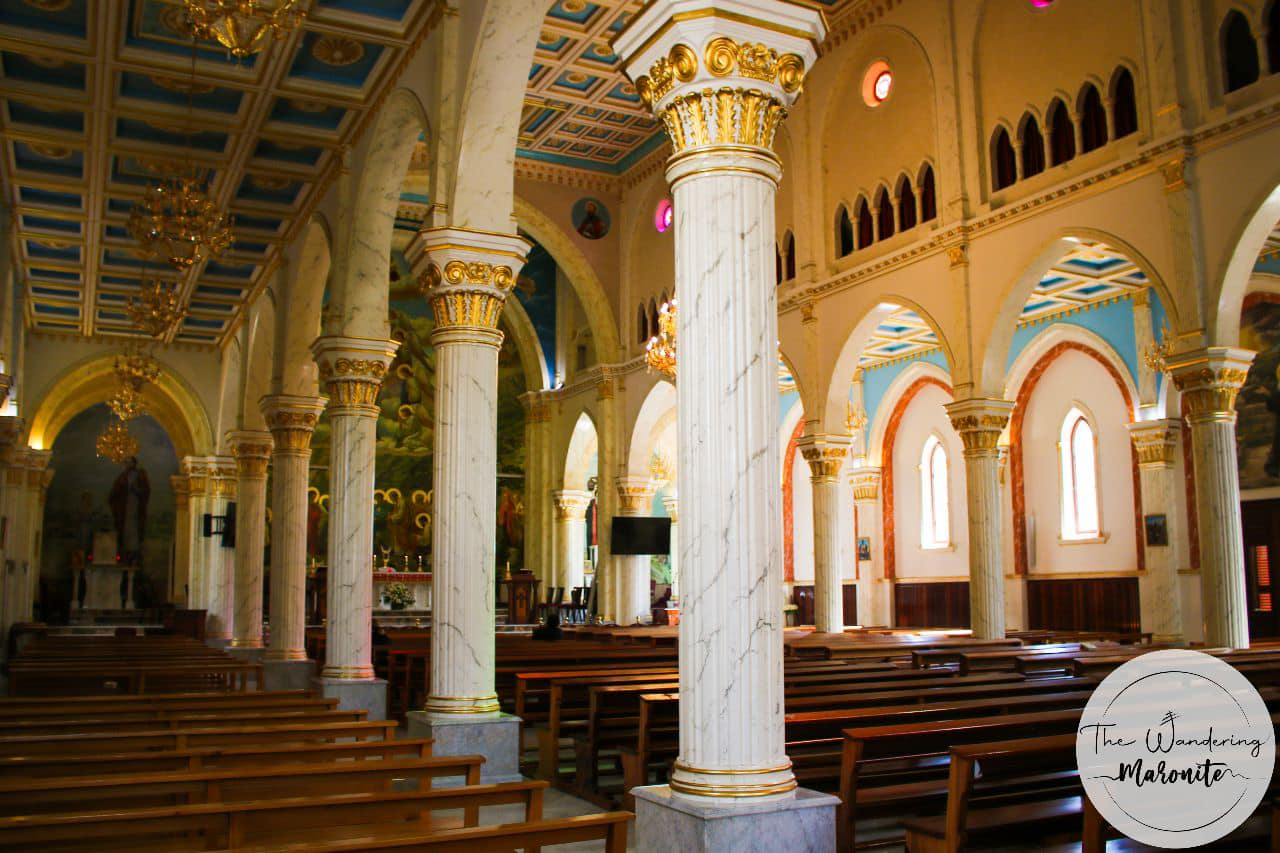
كنيسة السيّدة - بشرّي لما ازداد عدد سكّان بشرّي اواخر القرن الثامن عشر، طلب الاهالي والمشايخ من البطريرك يوسف التيّان، بناء كنيسةٍ جديدةٍ في بشرّي، فبنوا كنيسةً على اسم السيّدة العذراء. أوتي بِبَنّائَين من حلب لبناء الكنيسة. سنة ١٨٧٥، عُيِّن الخوري يوسف عريضه رئيس كهنة بشري، وكيلاً على كنيسة السيدة، وقد أضاف الى البناء القديم جناحًا للجهة الجنوبيّة، كما شيّد مدرسة في الجهة الشرقية. مذبح الكنيسة الرئيسيّ أهداه الى الكنيسة يوسف بك كرم سنة ١٨٦٩. كذلك ضمّت الكنيسة مصلوبًا قدّمه الخوري أنطون عريضه الأوّل من مدرسة ميكل انج. سنة ١٩٧٠ بُنيت الكنيسة بشكلها الحاليّ في عهد البطريرك بولس بطرس المعوشي: نمط بازيليكيّ بثلاث أروقة، وزيّنها بالجداريّات الفنّان أسعد رنوّ. Our Lady Church - Bcharre As the population of Bcharreh experienced a notable increase in the late eighteenth century, both the local community and the sheikhs approached Patriarch Youssef Al-Tyan with a request to construct a new church in Bcharre. Consequently, a church was erected in honor of the esteemed Virgin Mary. In order to bring this vision to fruition, two skilled builders were sourced from Aleppo to undertake the construction of the church. Subsequently, in the year 1875, Youssef Arida, a prominent clergyman in Bcharre, was appointed as the custodian of Our Lady Church. Under his stewardship, a wing was added to the existing structure on the southern side, and a school was erected on the eastern side. The principal altar within the church was generously donated by Youssef Bey Karam in 1869. Additionally, Father Anton, in his first entreaty from Mikkeleng School, contributed a crucifix that became an integral part of the church. Then, in 1970, during the reign of Patriarch Boulos Boutros Al-Maoushi, the church was reconstructed in its present form—a magnificent basilica-style edifice featuring three aisles. Notably, the gifted artist Asaad Ranno adorned the interior with captivating murals, further enhancing its aesthetic appeal.

Visited 3323 times, 1 Visit today

Reviews are disabled, but trackbacks and pingbacks are open.

Related Listings

The Valley of Houlat Hadshyt – The Church of Mart Shemouny

كنيسة القديسة شمونة, Hadchit, Lebanon

كنيسة مارت شموني

Hadchit

Bcharre

North

كنيسة مارت شموني - وادي حولات حدشيت

يُشَكِّل وادي حولات، جزءًا من وادي قاديشا.
بنيت كنيسة مارت شموني داخل تجويفٍ صخري، أواخر القرن الثاني عشر. تتألف من ثلاثة أسواق، إثنان أساسيّان مبنيان من الحجر والثالث محفور في الصَخر. كانت حتى ثمانينيّات القرن الماضي مَكسّوة بجداريات سريانيّة تعود للقرن الثالث عشر وتتشابه مع نظيراتها في بحديدات. على أبوابها نقوش مسيحانيّة ومريميّة.

The Church of Mart Shemouny- the valley of Houlat Hadshyt

The valley of Houlat is a part of the Qadisha valley. The church of Mart Shemouny was built in a rocky cliff, at the end of the XIIth century. It consists of three aisles: the two main ones are built with stone masonry, and the third is carved into the stone. Up until the 80’s the church was entirely covered by frescoes similar to those in Behdeidat. On the door are still visible Christological and Marial insignia.

Beit Chabab – The church of St Anthony the Great

Eglise Saint-Antoine le Grand, Beit Chabeb, Lebanon

كنيسة مار أنطونيوس الكبير

Beit Chabab

Metn

Mount Lebanon

كنيسة مار أنطونيوس الكبير - بيت شباب

بَنت عائلة الأشقر كنيسة على إسم القدّيس أنطونيوس الكبير، حوالي سنة ١٨٤٨. سنة ١٩٥٧، هُدمت الكنيسة القديمة التي كان قد صدّعها الزلزال، وبُنيت على أنقاضها كنيسةً حديثةً، على عهد رئيس الدير الأب أنطونيوس راشد أبي يونس. هذه الكنيسة تتبع بهندستها شكل البازيليك، وهي مؤلّفة من ثلاثة صحون تفصل بينها العواميد. لقد اكتست بجدرانيّات رسَمها الفنان أسعد رنّو سنة ١٩٦٦.

The church of St Anthony the Great - Beit Chabab

The first church was built by Al Ashkar family in 1848. It was destroyed after its walls were weakened by the earthquake of 1957 and the new church was built by Fr. Antonios Rashed Abi Younes according to a basilical plan with three naves separated by a row of columns. The church was decorated with frescoes by Asaad Renno in 1966.

Bcharre – The old monastery of Prophet Elishah

Saint Elisha the Prophet, Bcharre - Tannourine Road, Lebanon

دير مار أليشاع القديم

Bcharreh

Bcharre

North

دير مار أليشاع القديم - بشرّي

يقع الدير في وادي قنّوبين على السفح أسفل مدينة بشرّي. أولى الإشارات لوجوده تعود لسنة ١٣١٥، حين كان الدير مقرًّا لأساقفة بشرّي.
سنة ١٦٤٣، قطنه الرهبان الكرمليّون وهم أوّل إرساليّة أجنبيّة خدمت الموارنة. سنة ١٦٤٤، توفّي فيه برائحة القداسة، الناسك الفرنسيّ فرانسوا دي شاستوي. سنة ١٦٩٥، تسلّمت الرهبانيّة الحلبيّة اللبنانيّة الناشئة الدير من اهالي بشرّي، فأعاد الرهبان بناءه، وأقاموا فيه مدرسةً، وجلبوا من حلب أيقونة مار أليشاع. في ١٠ تشرين الثاني ١٦٩٨ إنعقد فيه أوّل مجمع للرهبانيّة، وفيه وُضع القانون الرهبانيّ الذي ثبّته فيما بعد البابا أقليمنضوس الثاني عشر وأهدى بدوره الدّير بيت قربانٍ وذخيرة مار مارون. أصبح الدّير محبسةً بعد بناء الدّير الجديد سنة ١٨٧٤، وكان آخر حبسائه الأب أنطونيوس طربيه (+١٩٩٨). وهو اليوم محجّ ومقصد للعزلة والصلاة.

The old monastery of Prophet Elishah - Bcharre

The monastery is situated in the holy valley of Qannoubin, on a cliff underneath the city of Bcharre. The oldest signs of it’s existence date back to 1315 when it was the seat of Bcharre’s bishops.
In 1643 it was the headquarters of the Carmelites, the first western missionaries to the Maronites.
In 1644 the saintly hermit Francois de Chasteuil died and was buried in the monastic church.
The newly founded Lebanese Aleppan Maronite took the monastery as it’s headquarter in 1695 and bought the icon of Prophet Elishah from Aleppo. On the 10th of November 1698 the first monastic council was held and the new monastic rules where promulgated. They where later acknowledged by Pope Clement XII who gave the monastery a tabernacle and a relic of St Maroun.
The monastery was used as a hermitage after the construction of the new monastery in 1874. The last of the hermits was Father Antonios Torbey (+1998). The monastery is now a shrine for pilgrims who seek solitude.