
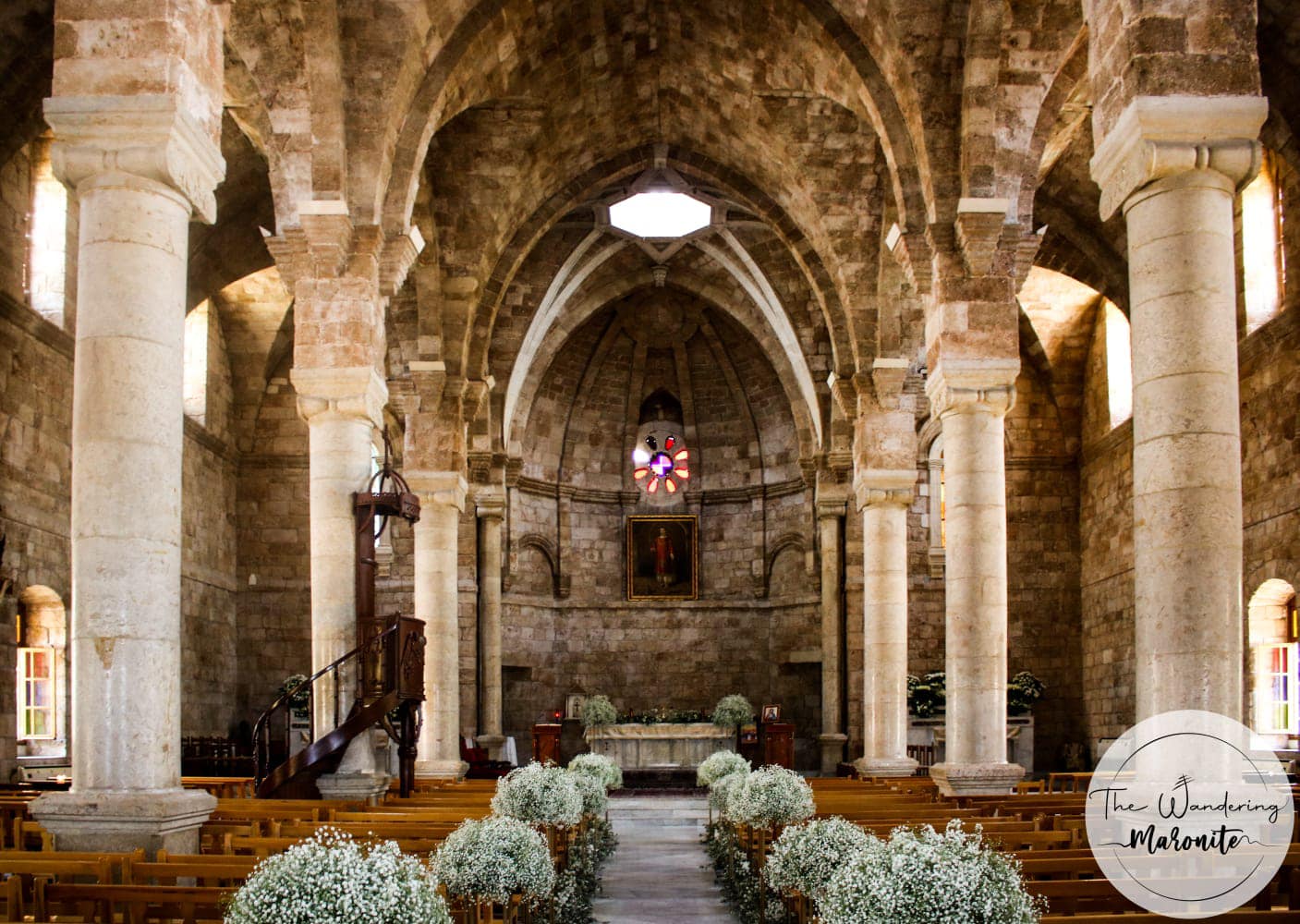
Batroun – St Stephen’s cathedral

Saint Stephen Cathedral, 1400، Batroun, Lebanon

Other Details

كاتدرائيّة مار اسطفان

Batroun

Batroun

North

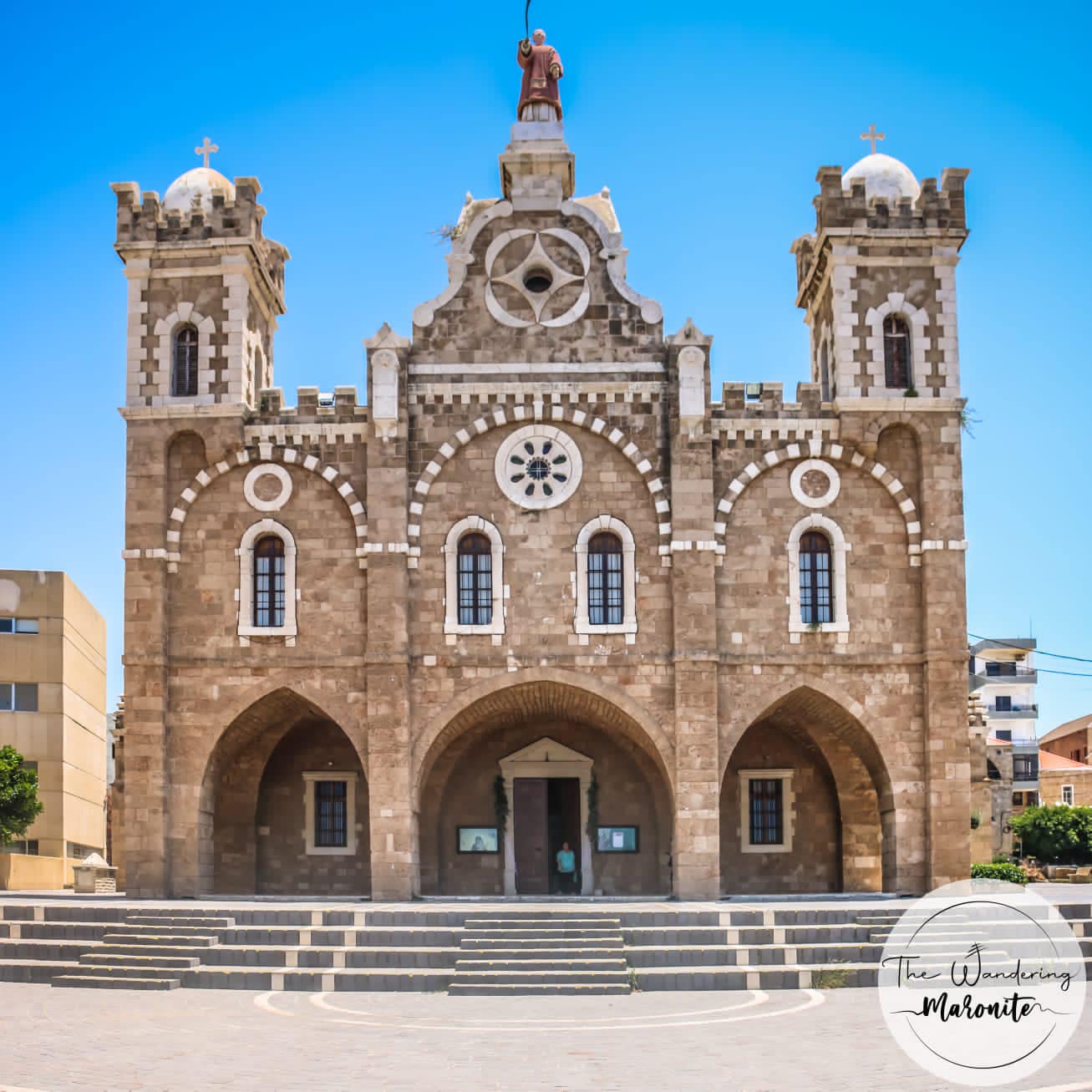
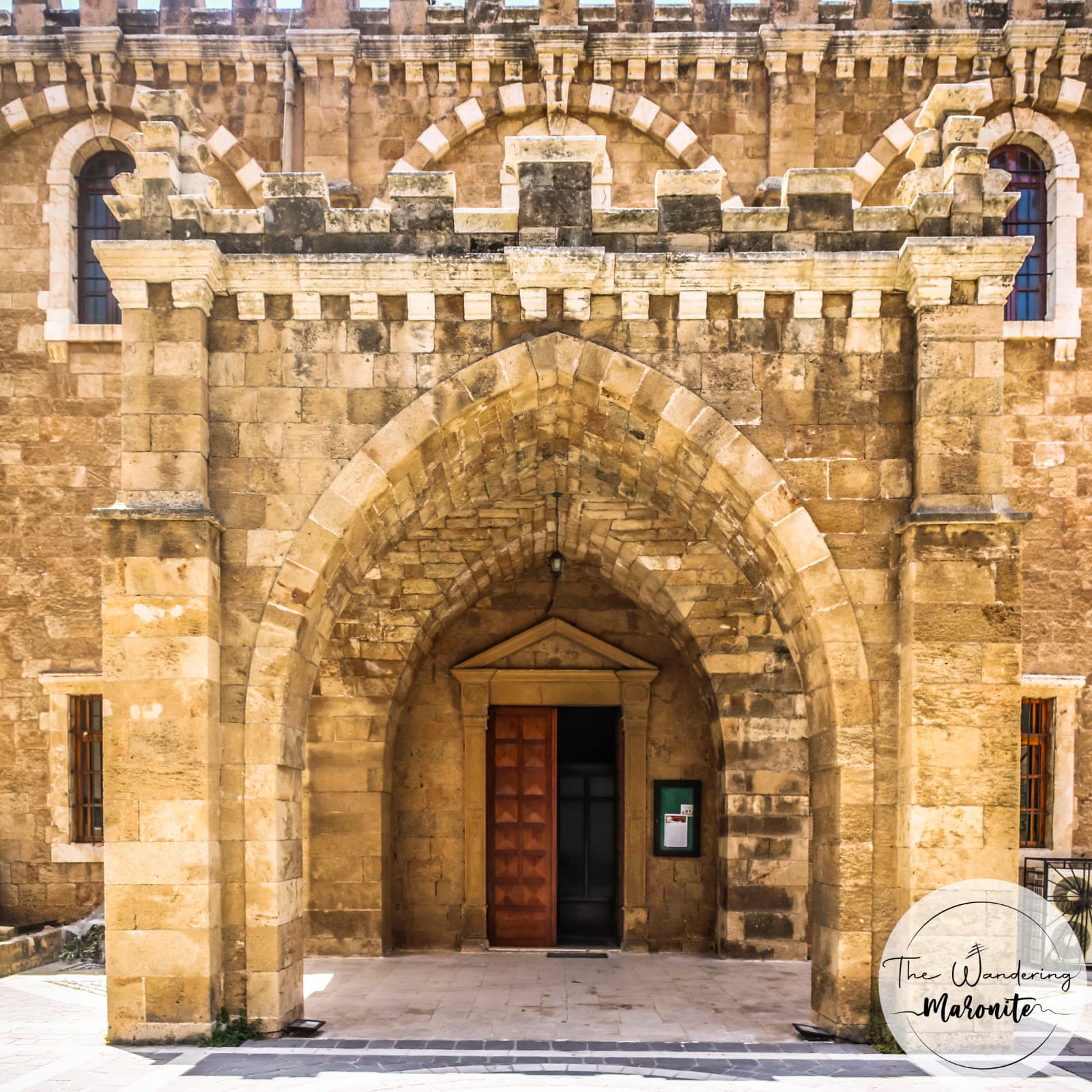
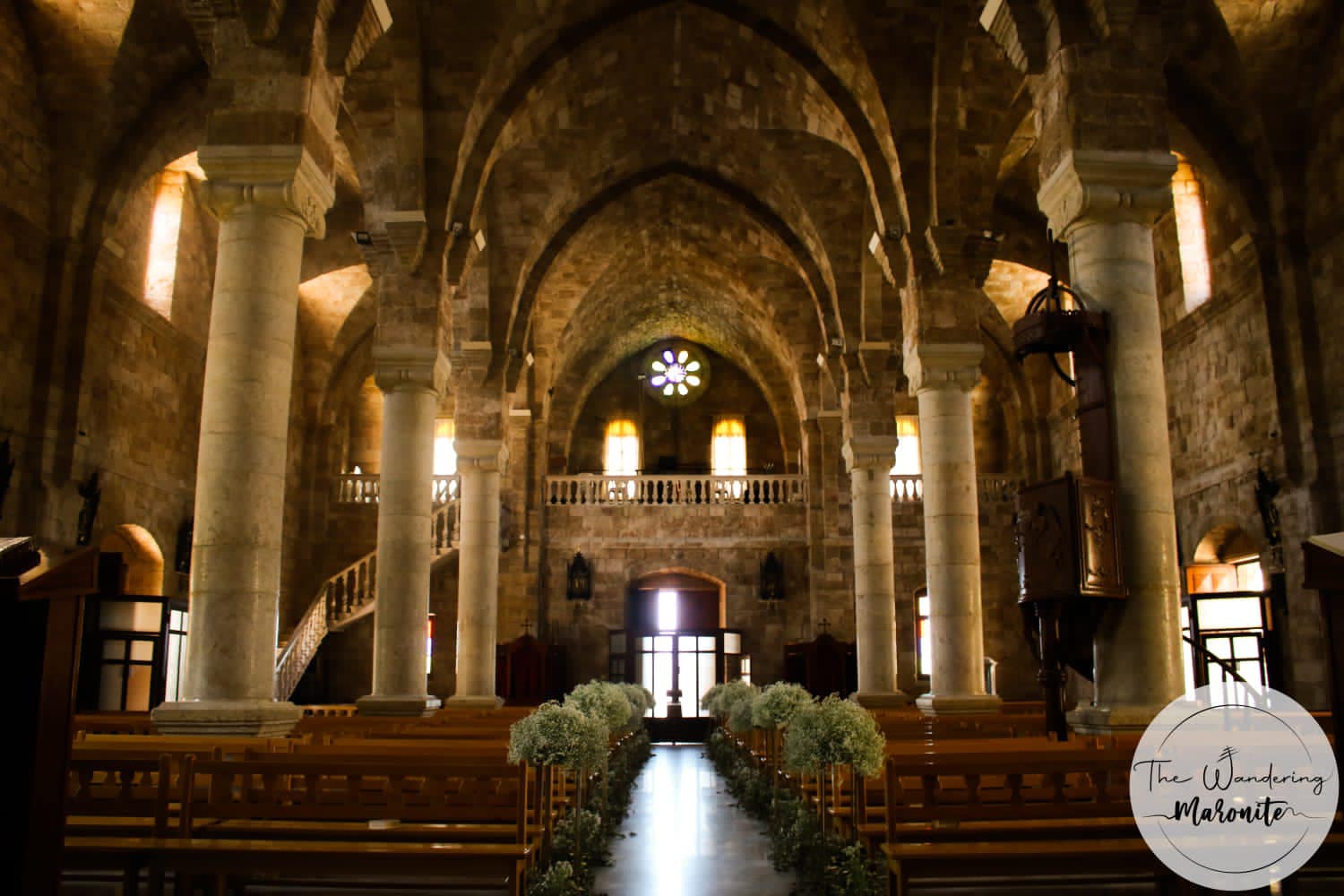
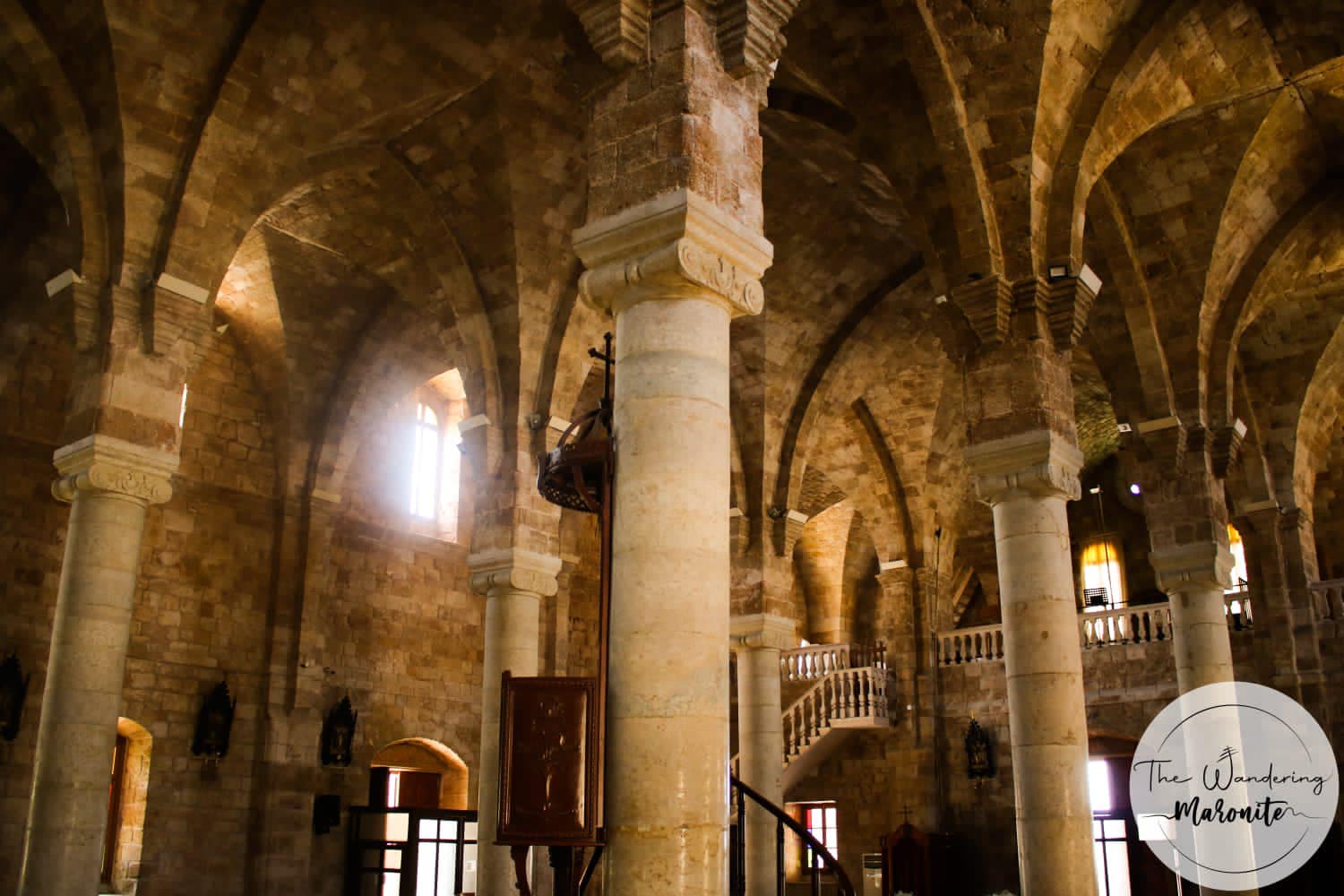
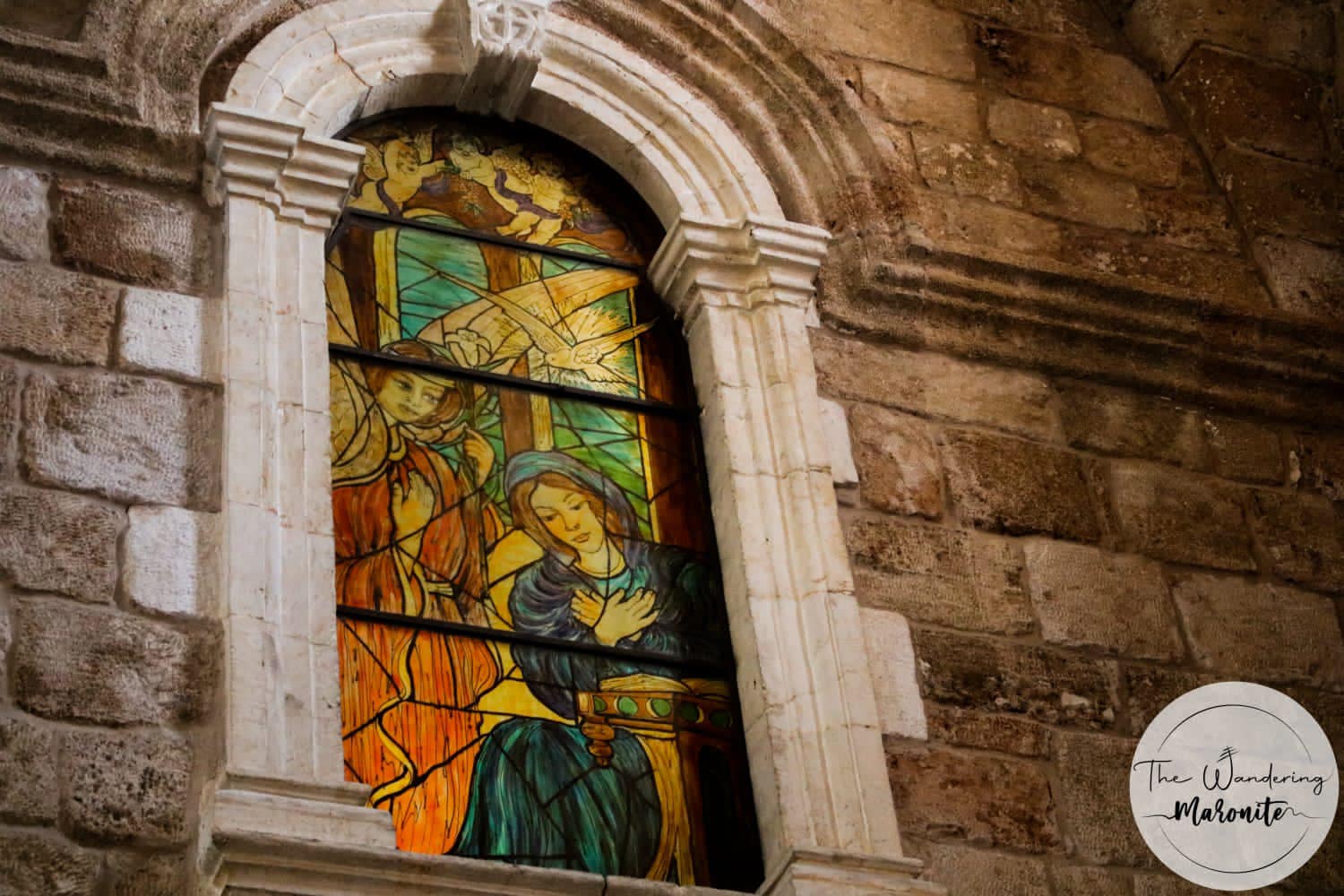
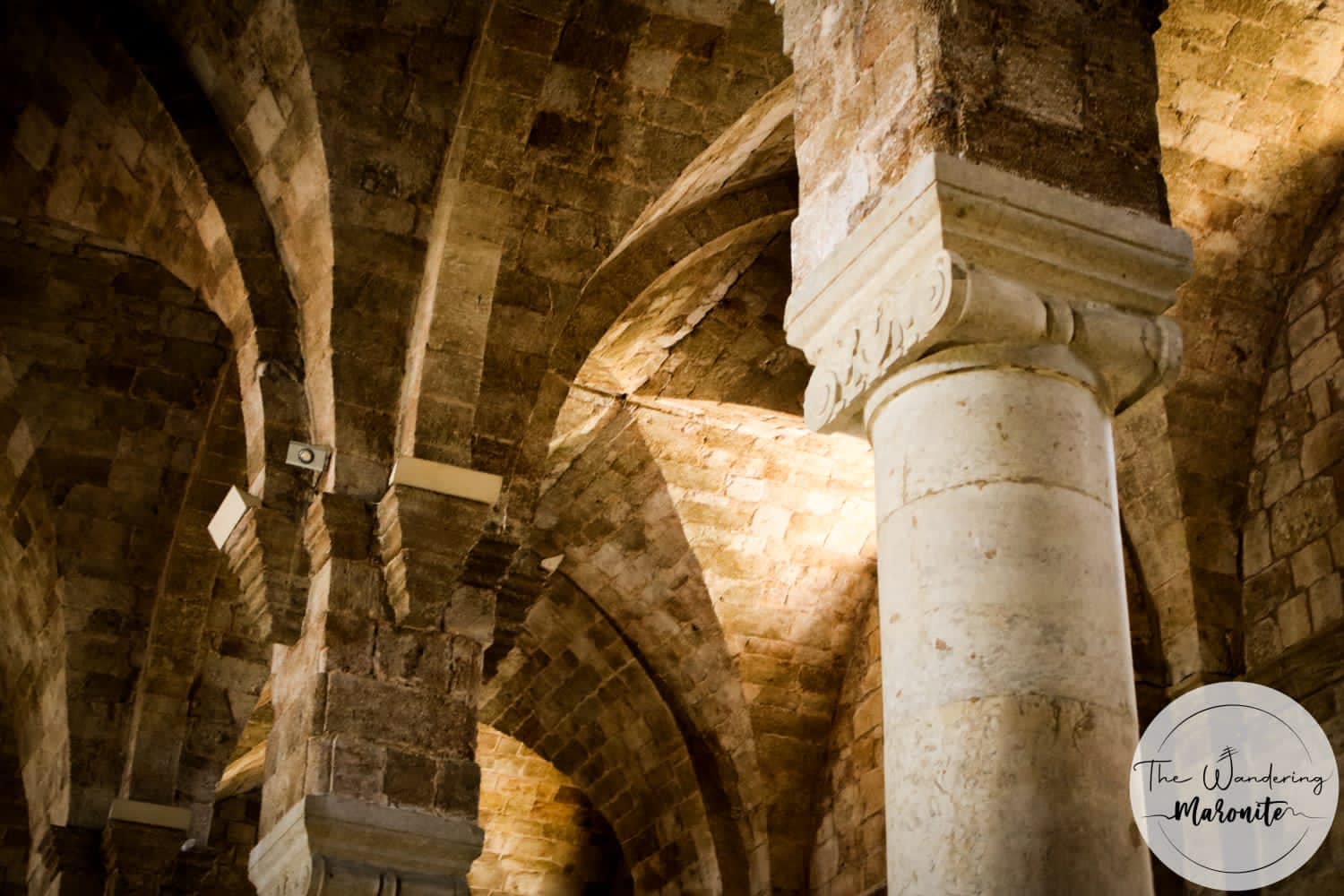
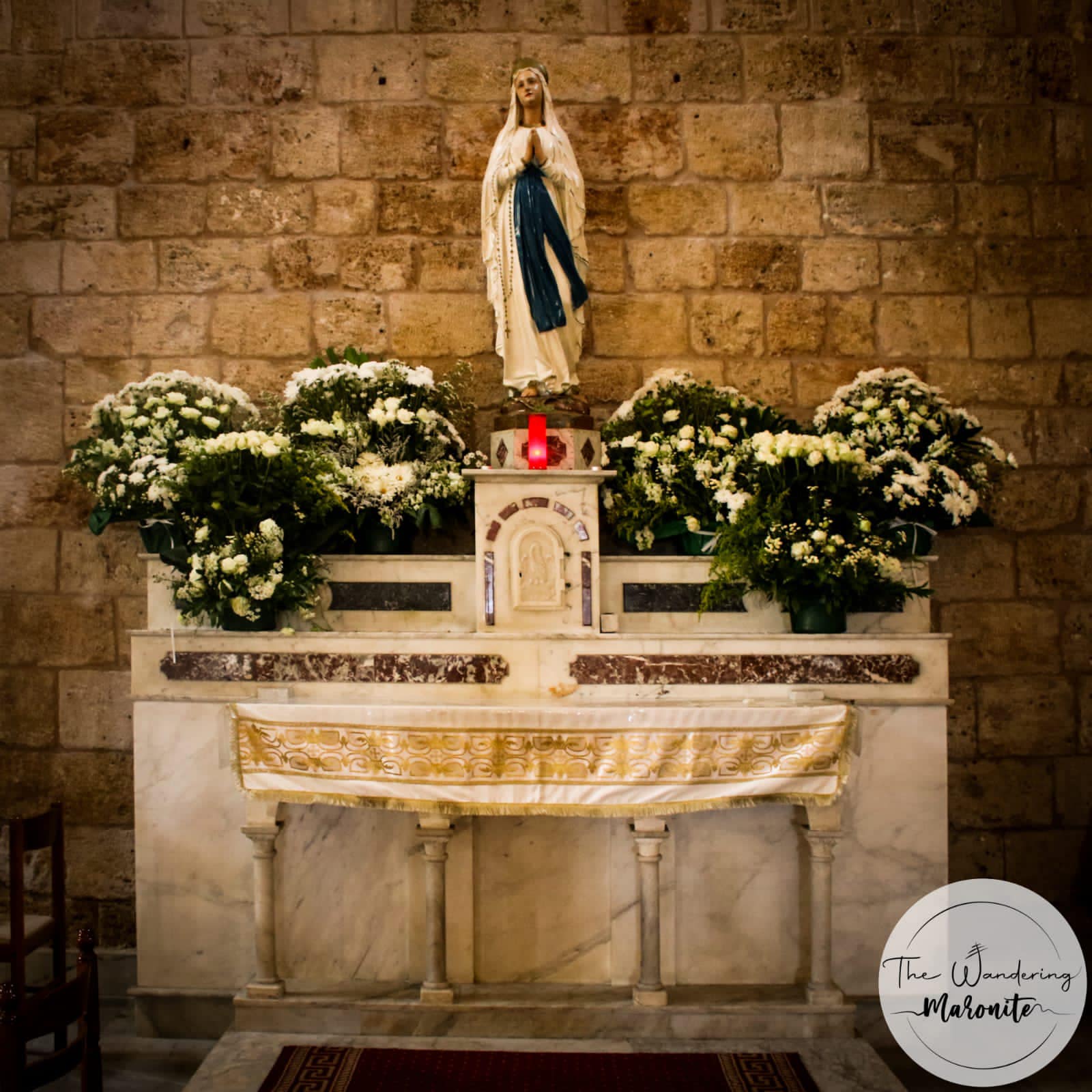
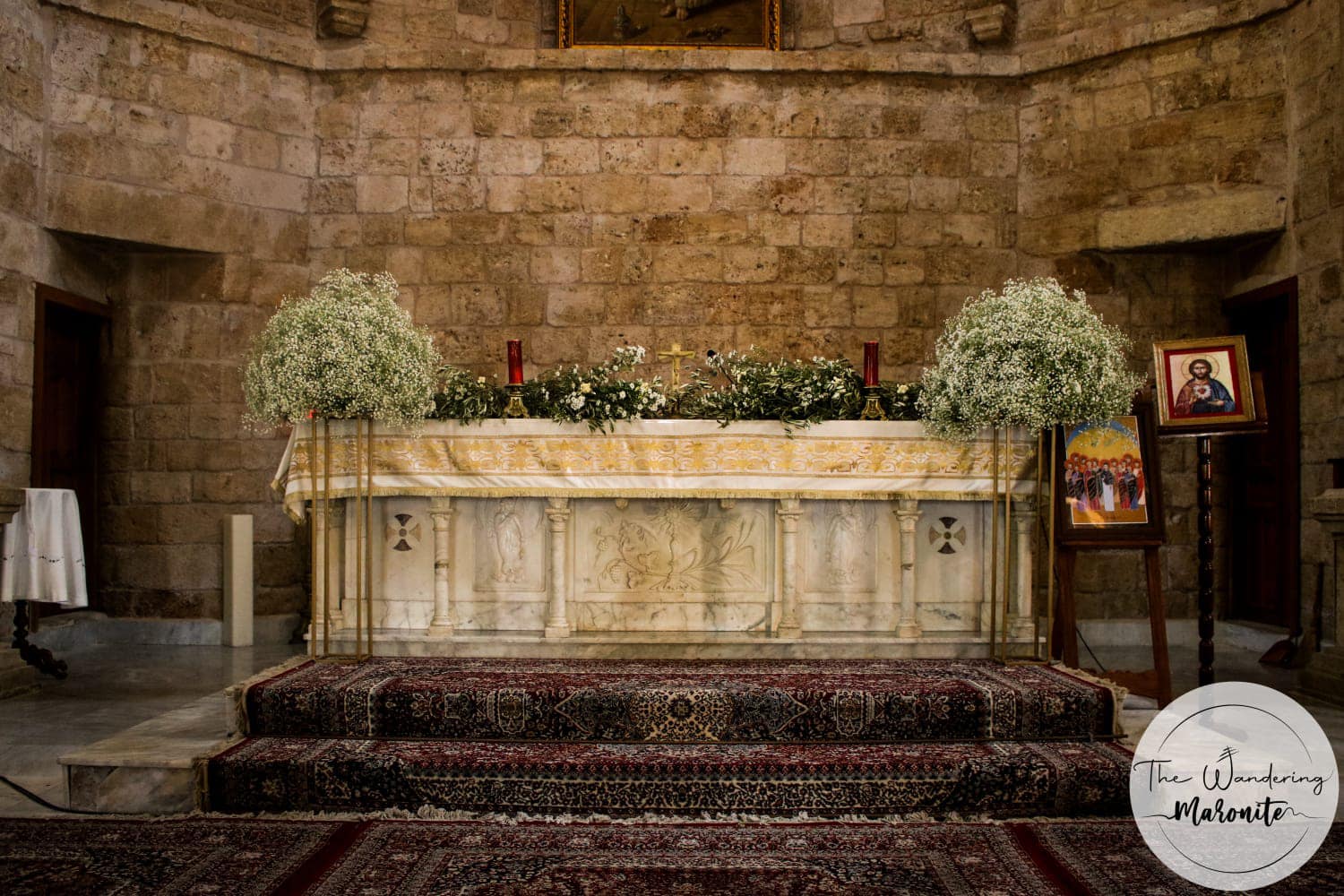
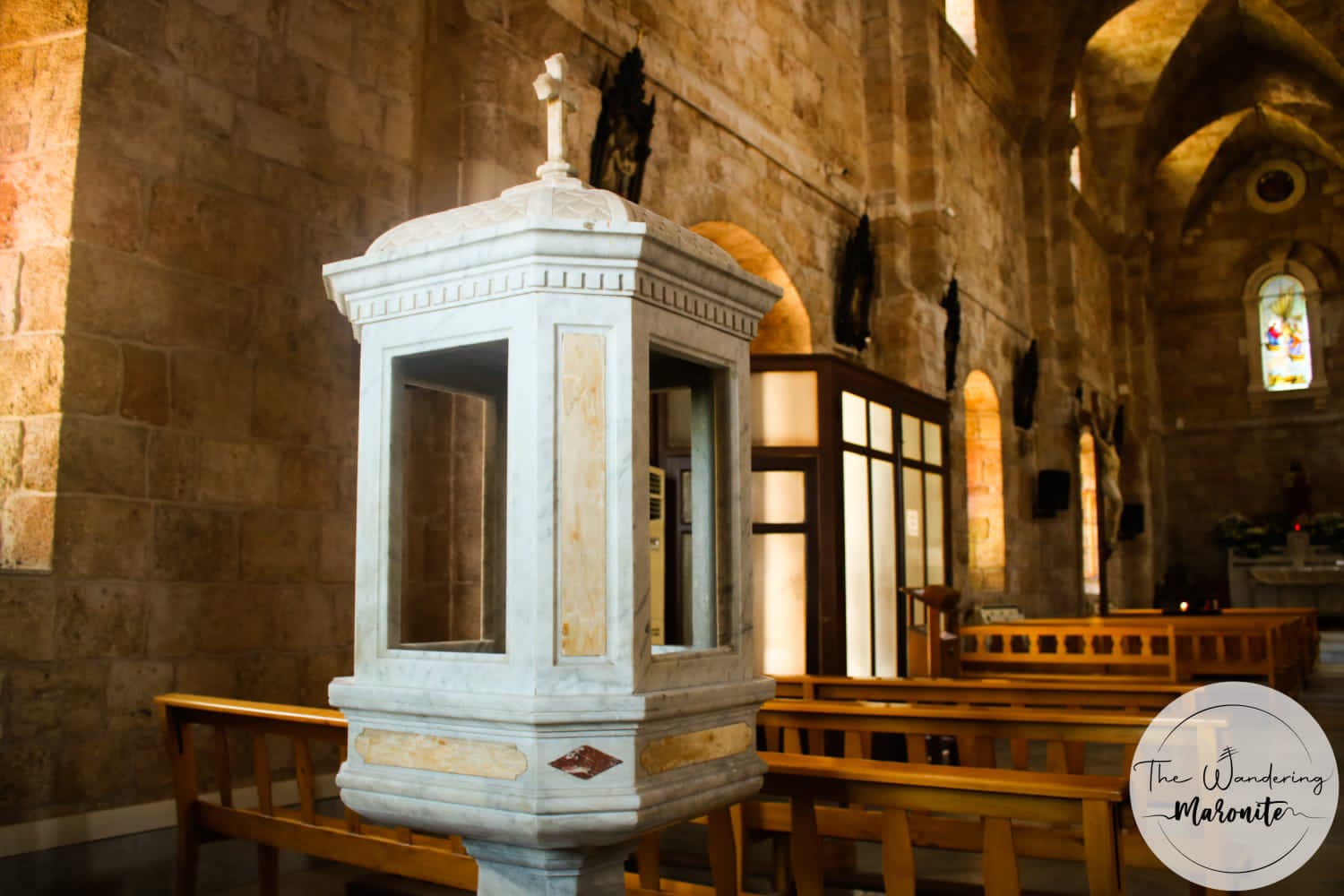
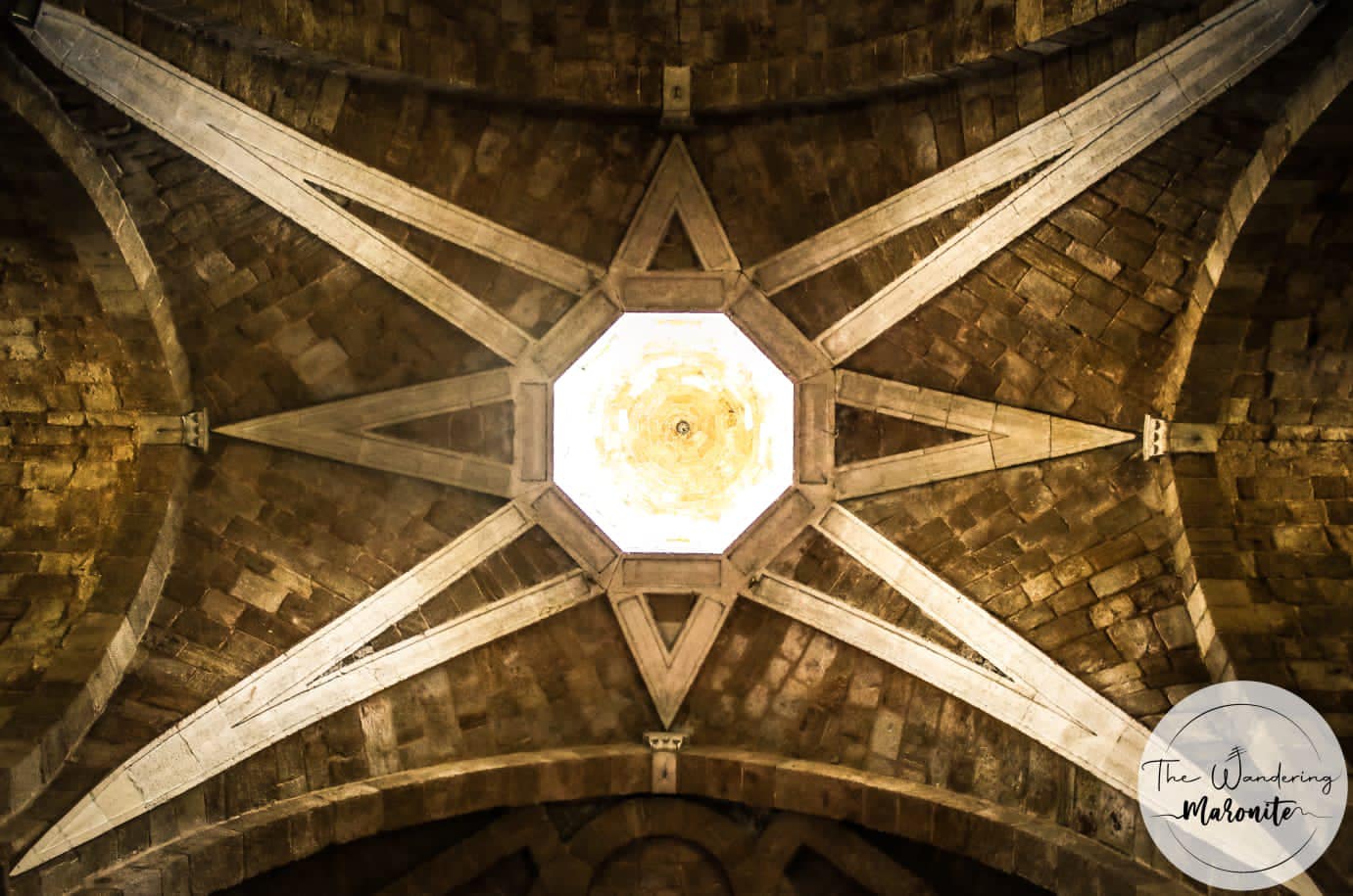
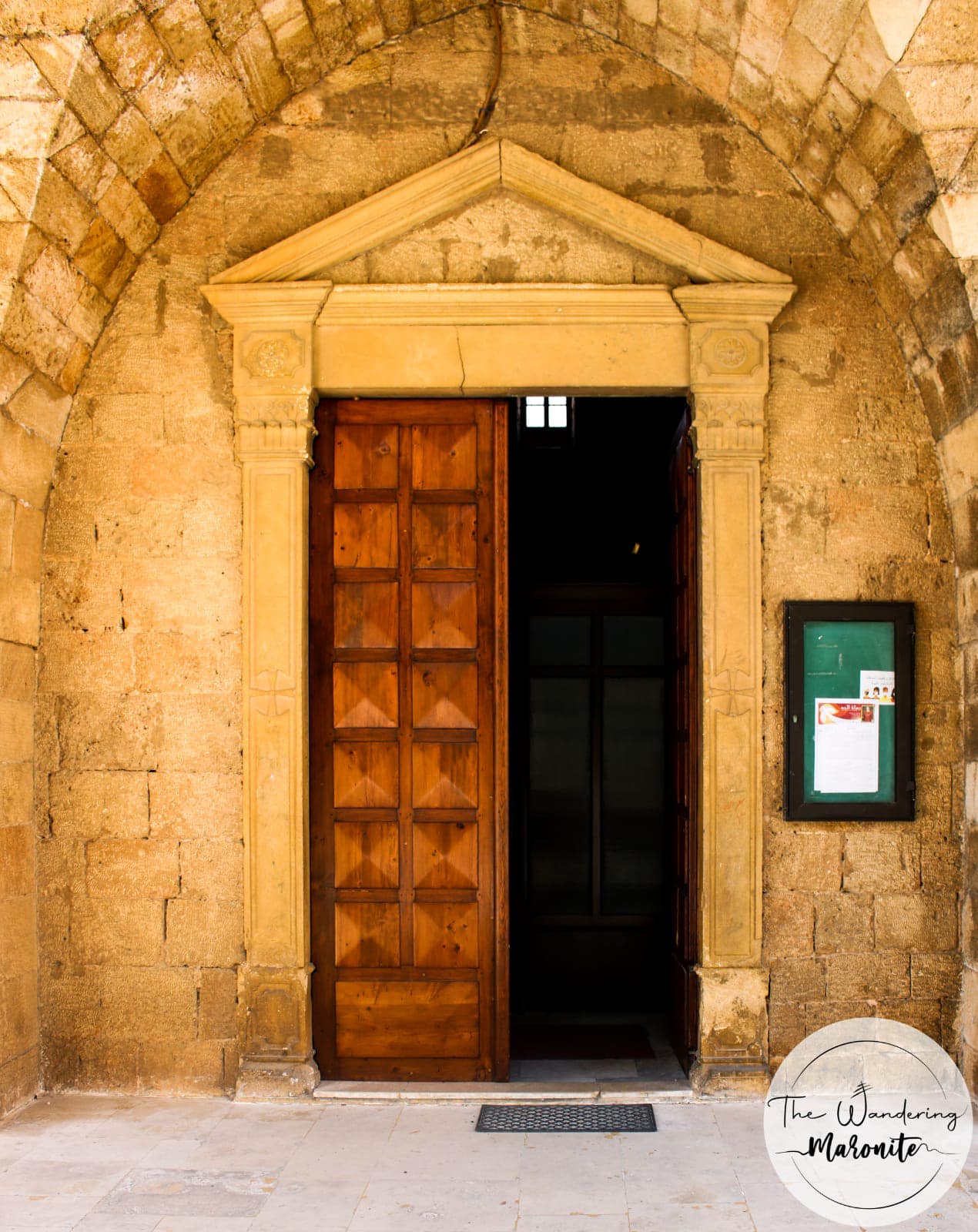
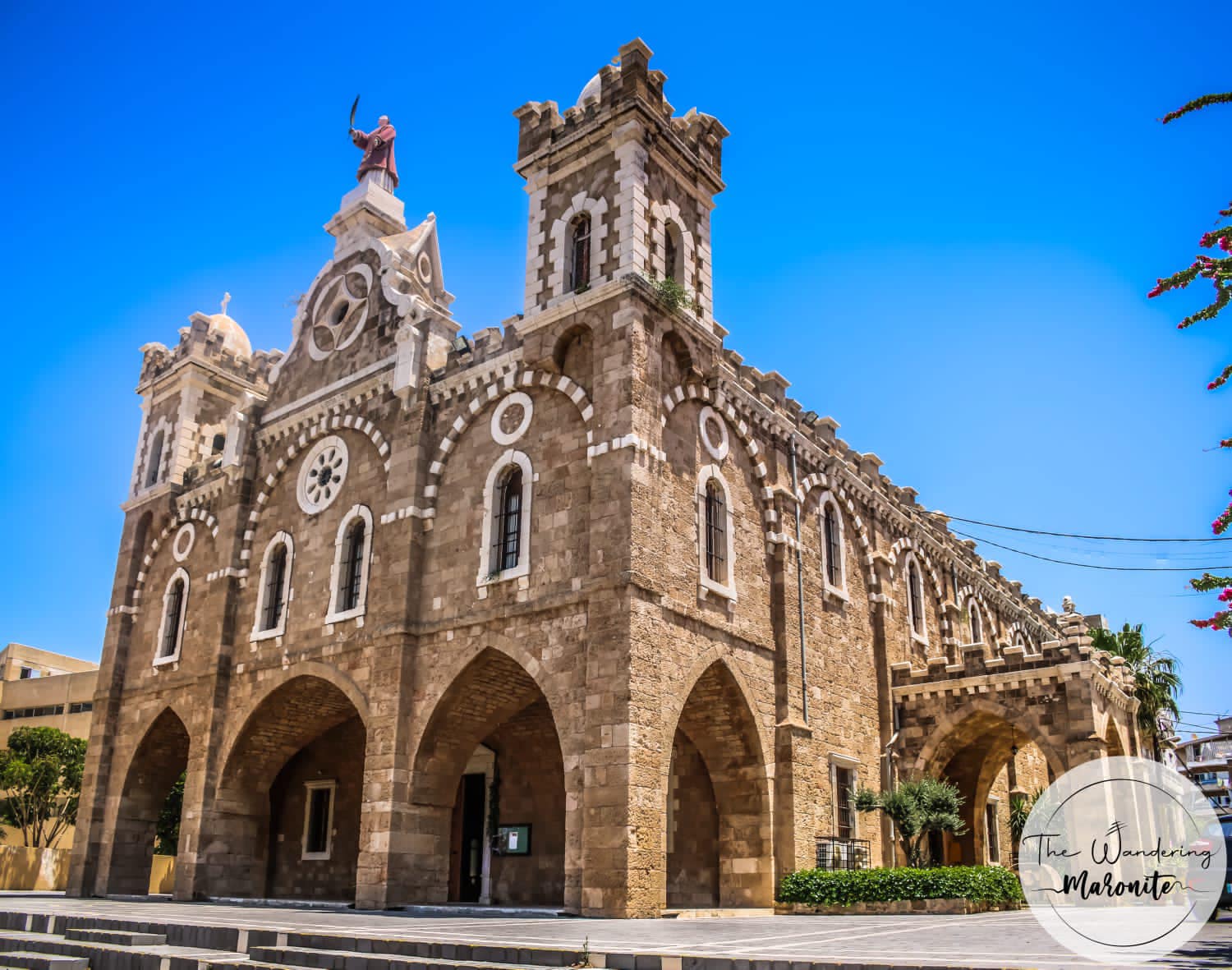
كاتدرائيّة مار اسطفان - البترونبُنيت كاتدرائية مار أسطفان على أنقاض كنيسةٍ أقدم عهدًا سنة ١٩١٠، يوم كانت المدينة في أوجّ نموّها. تتميّز الكاتدرائيّة أنّها تجمع الطراز النيوكلاسيكيّ والنيوبيزطيّ. مبنيّة على نمطٍ بازيليكيّ بثلاث أسواقٍ تنتهي بثلاث حنايا وفيها ثلاث مذابح. تحوي الكنيسة كرسيّ الأسقف، لوحة غربيّة الصنع لمار أسطفان، بيما للوعظ، وجرن للعماد ذات قبّة. واجهتها الغربيّة تطلّ على المرفأ وتتميّز بقبابها التي يتوسطها تمثال مار اسطفان.St Stephen’s cathedral - BatrounThe cathedral was built over an older church in 1910, during the city’s economical peak. The chuch combines neoclassical and neo Byzantine styles, according to a basilical plan with three naves and three semi circular apses with altars. The cathedral holds the episcopal chair, a western painting of St Stephen, a pulpit, and a western style domed baptisimal font. The western facade of the church overlooks the city’s port, with two domes ans St Stephen’s statue between them.

Visited 4461 times, 10 Visits today

Reviews are disabled, but trackbacks and pingbacks are open.

Related Listings

Kobbayat – The church of our Lady of Shahlo

Notre Dame de Chahlo, Qoubaiyat, Lebanon

كنيسة سيّدة شحلو

Qbaiyat Aakkar

Akkar

Akkar

كنيسة سيّدة شحلو - القبيّات

كلمة شَحْلُو من السريانيّة تُشير إلى مجرى المياه. هذه المنطقة قديمًا شكلت المدخل الشماليّ للقبيّات، بنى فيها الأهالي معبدًا وثنيًّا ما لبث أن حوّلوه كنيسةً. دمّر المماليك في حملتهم الكنيسة ليبنوا برجًا للمراقبة. هذا البرج دمّره العثمانيّون بعد معركة مرج دابق سنة ١٥١٦. أواسط القرن العشرين أُعيد بناء الكنيسة بشكلها الحاليّ، مع برج ساعةٍ رُفع عليه تمثال للعذراء في تسعينيّات القرن الماضي. تُعتبر هذه الكنيسة مزارًا ومحجًّا للأهالي.

The church of our Lady of Shahlo - Kobbayat

The word Shahlo is from a syriac root referring to a water source. In ancient times the locals built a pagan temple on the site that was converted into the first church. This church was destroyed by the Mamluks who built a tower on the site that was destroyed by the ottomans after the battle of Marj Dabeq in 1516. In the mid XXth century a church was rebuilt in it’s current form, with a bell tower added in the ninties. The church is considered a votive shrine for the villagers.

Ghadir – The Chapel of St. Rita

St. Rita Church, Ghadir, Lebanon

كابيلّا القدّيسة ريتا

Jounie Ghadir

Keserwan

Mount Lebanon

كابيلّا القدّيسة ريتا - غادير

سنة ١٩٠٦ بنت عائلة خورشيد إيليان كابيلّا مدفنيّة على اسم مار بطرس وبولس، وكانت تابعة لكنيسة الأرمن الكاثوليك. سنة ١٩٨٩ إنتقلت ملكيّتها لوقف الورديّة، غادير، ورُمّمت. كرّسها الخورأسقف يعقوب الشمالي على اسم القدّيسة ريتا. سنة ٢٠٠٢ أُعيد ترميمها وأُضيفت إليها الباحة الخارجيّة. سنة ٢٠١٥ تمّ الاحتفال باليوبيل الفضيّ لتكريسها. البناء كناية عن عقدٍ مُصالب، بواجهة نيوكلاسيكيّة.

The Chapel of St. Rita - Ghadir

In 1906, the Armenian Catholic family Khorcheid Elian built a funerary chapel dedicated to Sts. Peter and Paul. In 1989, the chapel was purchased by the parish of the Rosary - Ghadir. It was then rededicated to St. Rita by Chorbishop Yaqoub Chemaly. In 2002, the chapel underwent restoration, and an external garden was added. In 2015, the chapel celebrated its silver jubilee. The structure features a crossed vault with a neoclassical facade.

Sarba, South Lebanon – The new Church of Our Lady

Sarba Church, Sarba, Lebanon

كنيسة السيّدة الجديدة

Sarba En-Nabatieh

Nabatieh

Nabatieh

كنيسة السيّدة الجديدة - صربا الجنوب

بُنيت الكنيسة سنة ١٩٤٦ وكرّسها المطران أغوسطينوس البستاني. بناؤها بازيليكيّ الطراز بثلاث أسواقٍ وحنية نصف دائريّة. رُمّمت الكنيسة بعد زلزال سنة ١٩٥٦، وأُضيفت إليها قبّة الجرس. تضمّ الكنيسة أيقونةً أورشليميّة عجائبيّة للسيّدة العذراء وهي التي حمت الأهالي خلال الحرب العالميّة الأولى.

The new Church of Our Lady - Sarba, South Lebanon.

The church was constructed in 1946 and consecrated by Archbishop Augustine el-Boustany. This basilical church features three naves and a semi-circular apse. Following the earthquake of 1956, the structure underwent restoration, and a bell tower was subsequently added to the church. Notably, the church houses an icon of the Theotokos from the school of Jerusalem, which is believed to possess miraculous properties. According to the local community, this icon protected the village during World War I, serving as a source of divine intervention and safeguarding.