
Baskinta – Our Lady of the Assumption

Saint Mary Church,, Baskinta, Lebanon

Other Details

كنيسة سيّدة الإنتقال

Baskinta

Metn

Mount Lebanon

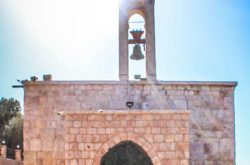
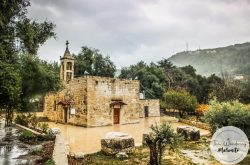
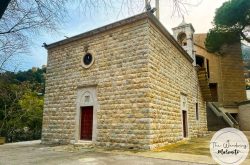
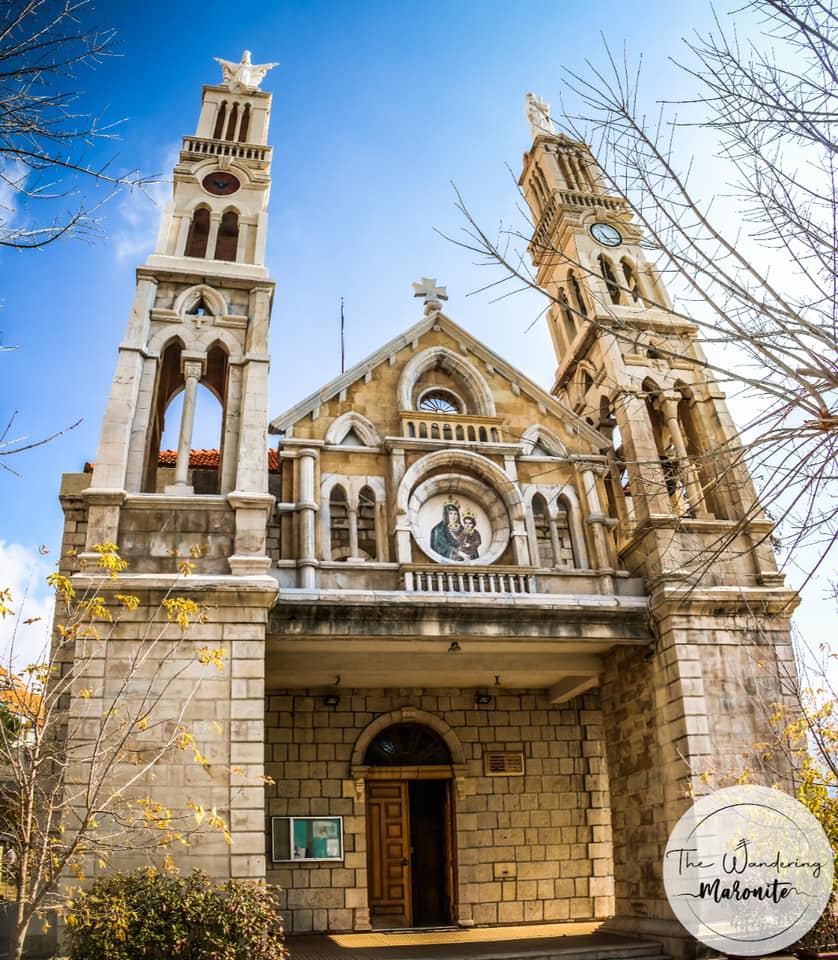
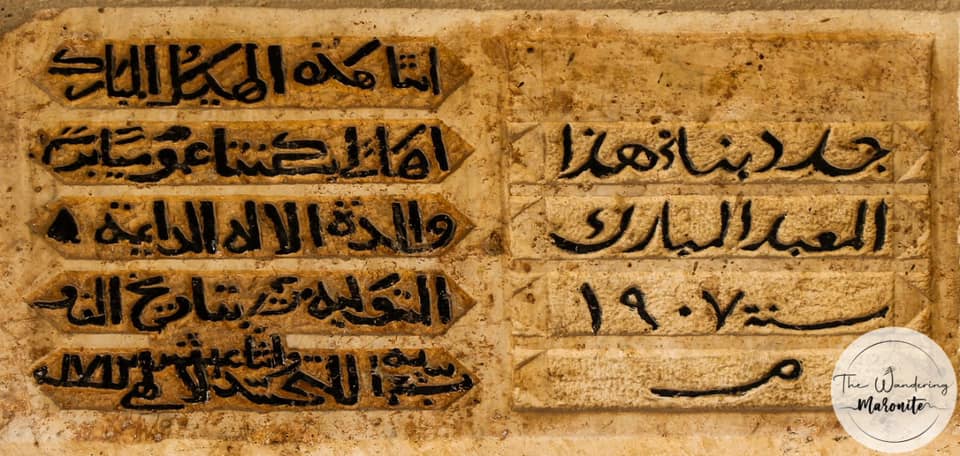
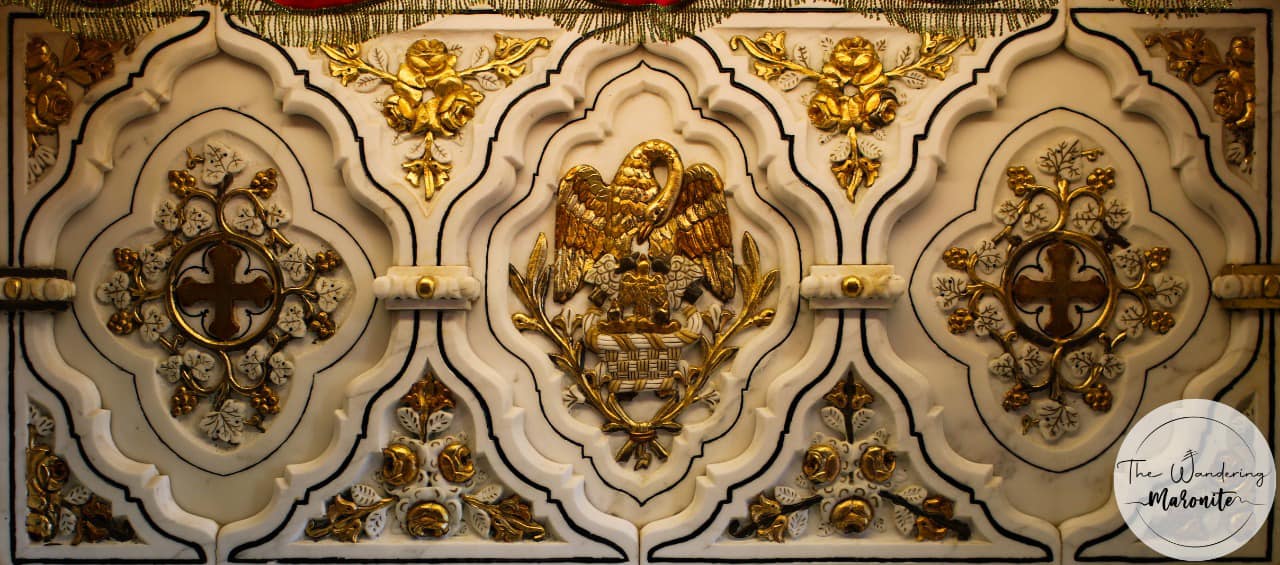
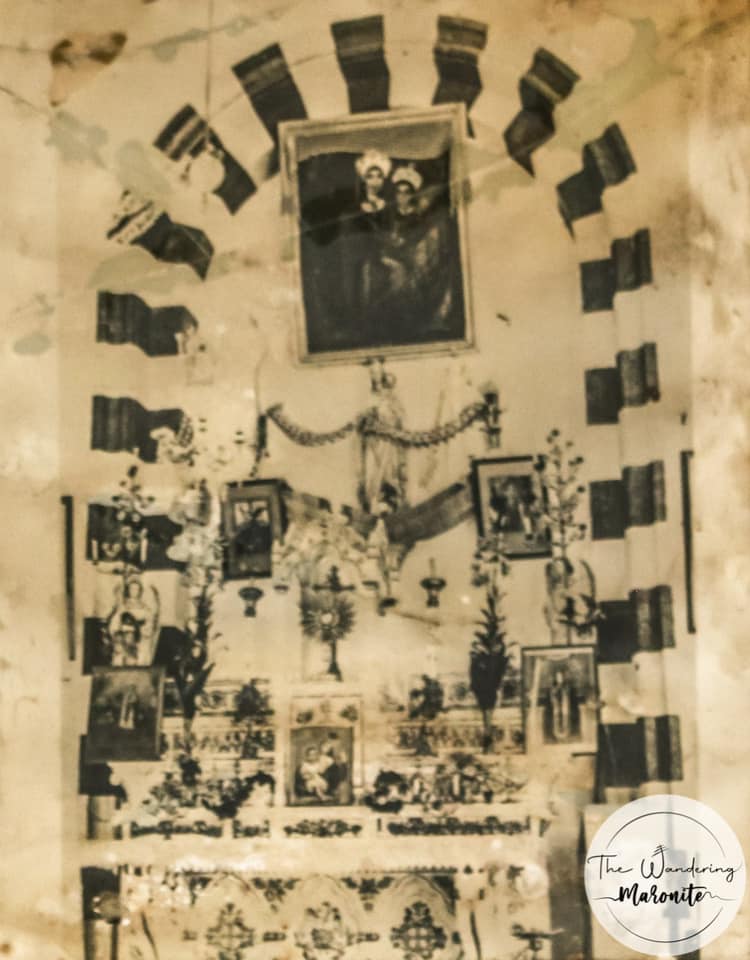
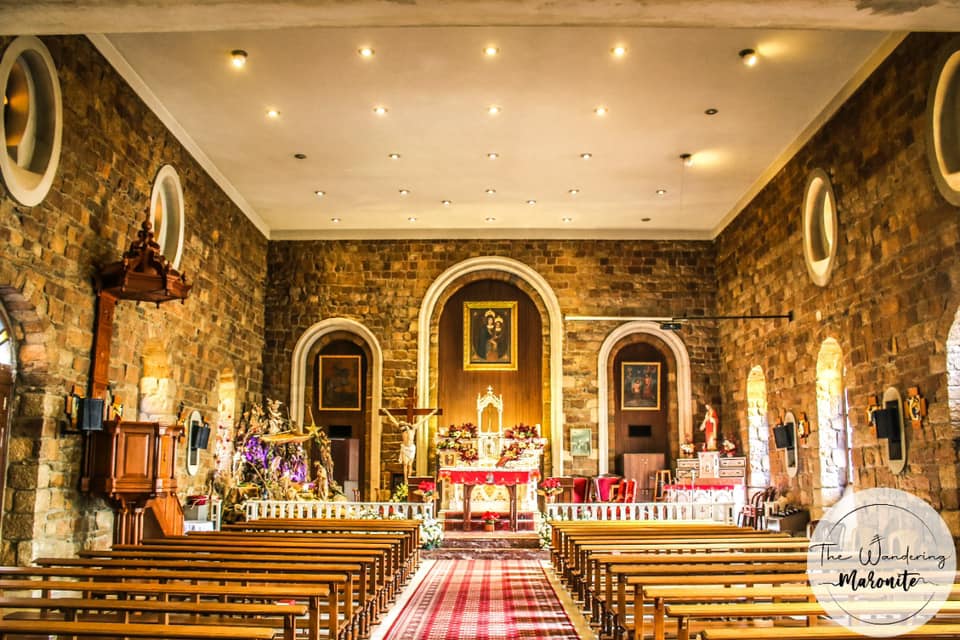
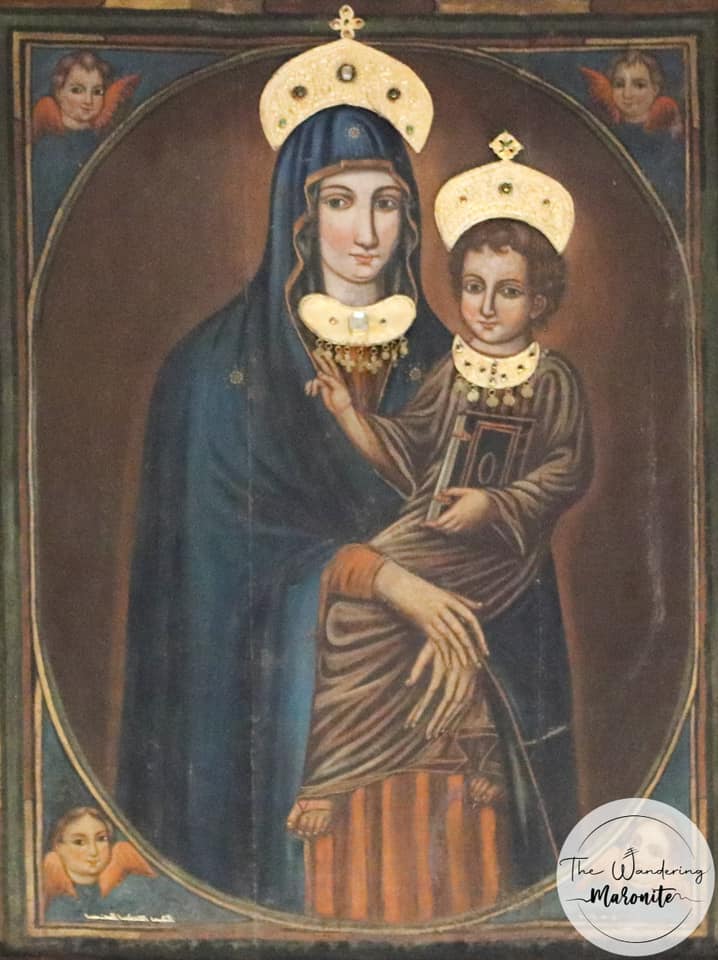
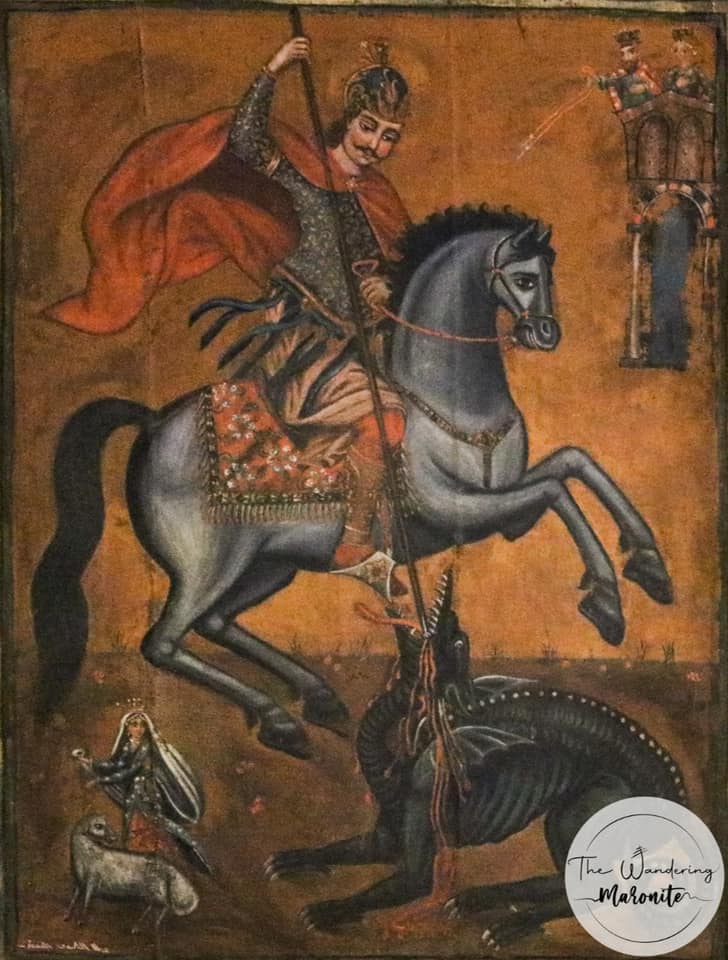
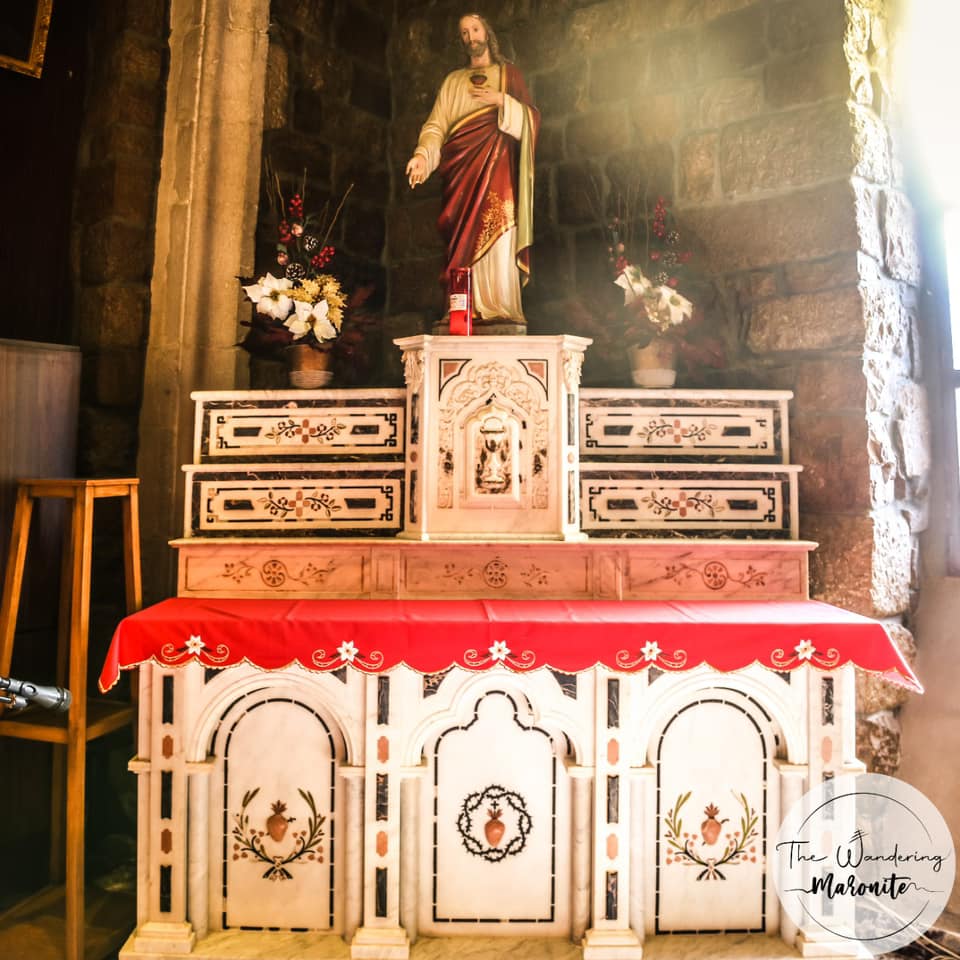
كنيسة سيّدة الإنتقال - بسكنتاتعودُ هذه الكنيسة إلى القرن السابع بحسب التقليد، خُرّبت الكنيسة الأولى مع حملة المماليك في القرن الثالث عشر. أْعيد البناء سنة ١٦٥٠، وجُدّد سنة ١٧١٢. سنة ١٩١١ ذُهِّب المذبح الرئيسيّ.رُمّمت الكنيسة على عدّة مراحل وحقبات: ١٩٠٧ و ١٩٧٤ و ٢٠٠١. بُنيَ الرواق أمام الكنيسة سنة ١٩١٢. في الكنيسة ثلاث أروقة: السيّدة ولوحتها من عمل القسّ بطرس القبرصيّ الراهب اللبنانيّ، وهو أوّل رسّام في جبل لبنان القديم، مار جرجس، ومار يوحنّا المعمدان. هذه الكنيسة هي الأقدم في بسكنتا، وكانت أروقتها مقسومةً قديمًا بين الموارنة والروم الكاثوليك والروم الأرثوذكس، رعيّة واحدة لكنائس مختلفة!Our Lady of the Assumption - BaskintaThe first church dates back to the VIIth century, yet it was destroyed with the Mamluk’s invasion in the XIIIth century. The church was rebuilt in 1650, and renewed in 1712. In 1911 the high altar was gilded. The church was renewed several times during its long history: 1907, 1974, and 2001. In 1912 a narthex was added with an Antipendium. The church is in a basilical plan and divided by three naves: Our Lady’s with a Madonna painting drawn by Boutros el Qobrsy the Lebanese Cypriot monk and the first known painter in Mount Lebanon, St John the baptist, and St George. This church is the oldest in Baskinta, in earlier times the naves where divided between the village's Christian communities: the Maronites, the Melkite, and the Greek Orthodox. One parish for three christian communities.

Visited 3347 times, 1 Visit today

Reviews are disabled, but trackbacks and pingbacks are open.

Related Listings

Sarba, South Lebanon – The new Church of Our Lady

Sarba Church, Sarba, Lebanon

كنيسة السيّدة الجديدة

Sarba En-Nabatieh

Nabatieh

Nabatieh

كنيسة السيّدة الجديدة - صربا الجنوب

بُنيت الكنيسة سنة ١٩٤٦ وكرّسها المطران أغوسطينوس البستاني. بناؤها بازيليكيّ الطراز بثلاث أسواقٍ وحنية نصف دائريّة. رُمّمت الكنيسة بعد زلزال سنة ١٩٥٦، وأُضيفت إليها قبّة الجرس. تضمّ الكنيسة أيقونةً أورشليميّة عجائبيّة للسيّدة العذراء وهي التي حمت الأهالي خلال الحرب العالميّة الأولى.

The new Church of Our Lady - Sarba, South Lebanon.

The church was constructed in 1946 and consecrated by Archbishop Augustine el-Boustany. This basilical church features three naves and a semi-circular apse. Following the earthquake of 1956, the structure underwent restoration, and a bell tower was subsequently added to the church. Notably, the church houses an icon of the Theotokos from the school of Jerusalem, which is believed to possess miraculous properties. According to the local community, this icon protected the village during World War I, serving as a source of divine intervention and safeguarding.

Enfeh – Deir Saydet el Natour

Deir Saydet el Natour, Hraiche, Lebanon

سيدة الناطور

Enfeh

Koura

North

The convent’s ancient origin is attached to a legend. A rich man of the region committed adultery; filled with remorse, he attached a padlocked iron chain to his ankle and threw the key into the sea-shore and survived on the fish brought to him by local fishermen, who called him the guardian of the cavern. One day, a fisherman brought him a fish, in whose entrails the hermit found the key of the padlock. He knew then that God had delivered him from his suffering, and he built a convent above the cavern. He dedicated it to The Mother of God, but it also took the name of the Guardian.

The daily life of the convent is regulated by the flow of visitors who come to fulfill vows and make prayers. Sister Catherine al-Jamal is the principal resident of Dayr al-Natour, and she has done everything within her power to restore it.

According to the Crusader document, the Monastery of the Presentation of Our Lady Natour was built by Cistercians. Indeed, the Church interior resembles that of the Cistercian Church of Balamand, built in 1157. Otherwise, the history of Dayr al-Natour is hidden in obscurity, although it is said that the local Orthodox community took it over after the departure of the Crusaders. Its name is almost unmentioned by historical sources during the Mamluk and most of the Ottoman period, although it is reported that French corsairs attacked the Monastery at the beginning of the eighteenth century and killed a monk.

In 1838, the Ottoman authorities gave permission to the Monastery to be rebuilt. In the second half of the nineteenth century, it contained several monks and a superior, and it possessed fifteen dunums of land. During the First World War, it was bombarded by a Russian ship. A few years later, the Monastery lost its last Superior, Basilios Debs, who became Archbishop of Akkar. After his departure, monastic life ended at Dayr al-Natour.

During the twentieth century, the deserted monastery became a refuge for shepherds from the neighboring regions. In 1973, Sister Catherine al-Jamal moved to Dayr al-Natour and began to restore it from its ruin.

Bhorsaf – The monastery of St Joseph

Couvent Saint Joseph, Bharsaf, Lebanon

دير مار يوسف

Bhersaf

Metn

Mount Lebanon

دير مار يوسف - بحرصاف

شيّدت الرهبانيّة الأنطونيّة المارونيّة دير مار يوسف في بلدة بحرصاف، سنة ١٨٥١. خلال الحرب العالميّة الأول إحتلّ الجيش العثمانيّ الدّير. فتوسل الأب المدبّر يوسف الحاج بطرس ونسيبه الأب انطون إلى القائد رضا باشا كي لا تُدنّس الكنيسة، فشطب القائد صورة مار يوسف بسيفه وأمر ذلك الطاغية، فنفيا إلى الأناضول. ومات هناك الأب يوسف من جرّاء معاملات قاسية ونجا رفيقه بأعجوبة. أُعيدت الحياة إلى الدّير بعد رحيل العثمانيّين سنة ١٩١٨، فرُمّم وأُعيد تكريس الكنيسة. رُمّم الدّير مجدّدًا مع بداية القرن الحاليّ، وهو مستمرّ برسالته الروحيّة والرهبانيّة.

The monastery of St Joseph - Bhorsaf

The monastery was built in the town of Bahersaf by the Maronite Antonine monks in 1851. During World War I, the Ottoman army occupied the monastery. Fr. superior Youssef El Hajj Boutros, and his cousin, Father Anton, pleaded with the commander, Reza Pasha, to prevent the desecration of the church. Due to their plea, the tyrant ordered their immediate exile to Anatolia. Father Youssef died there due to harsh treatment, but his companion miraculously survived. The monastery was revived after the departure of the Ottomans in 1918, and the church was repaired and rededicated. The monastery was renovated again at the beginning of this century and continues with its spiritual and monastic mission.