
دير مار يوسف - بان
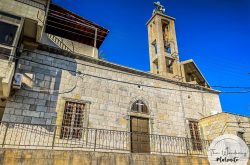
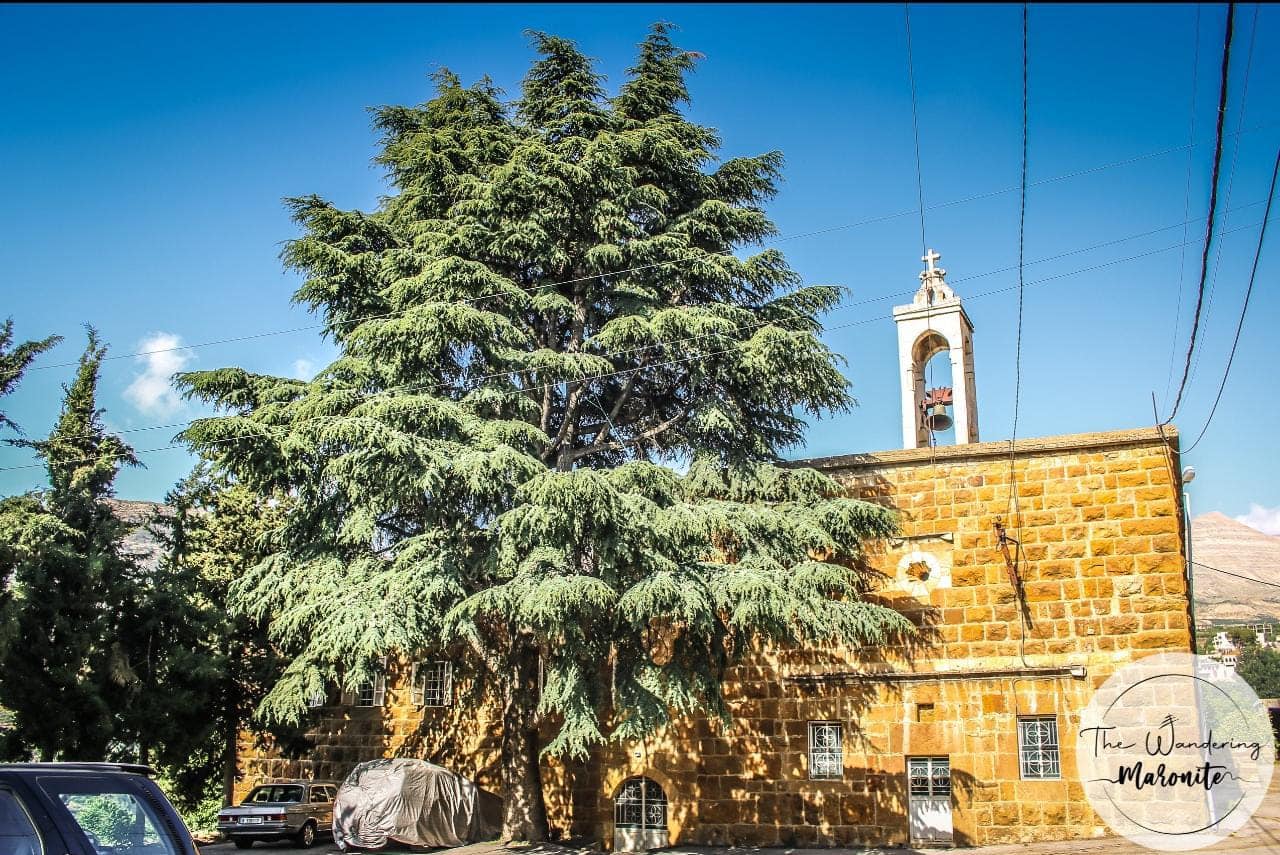
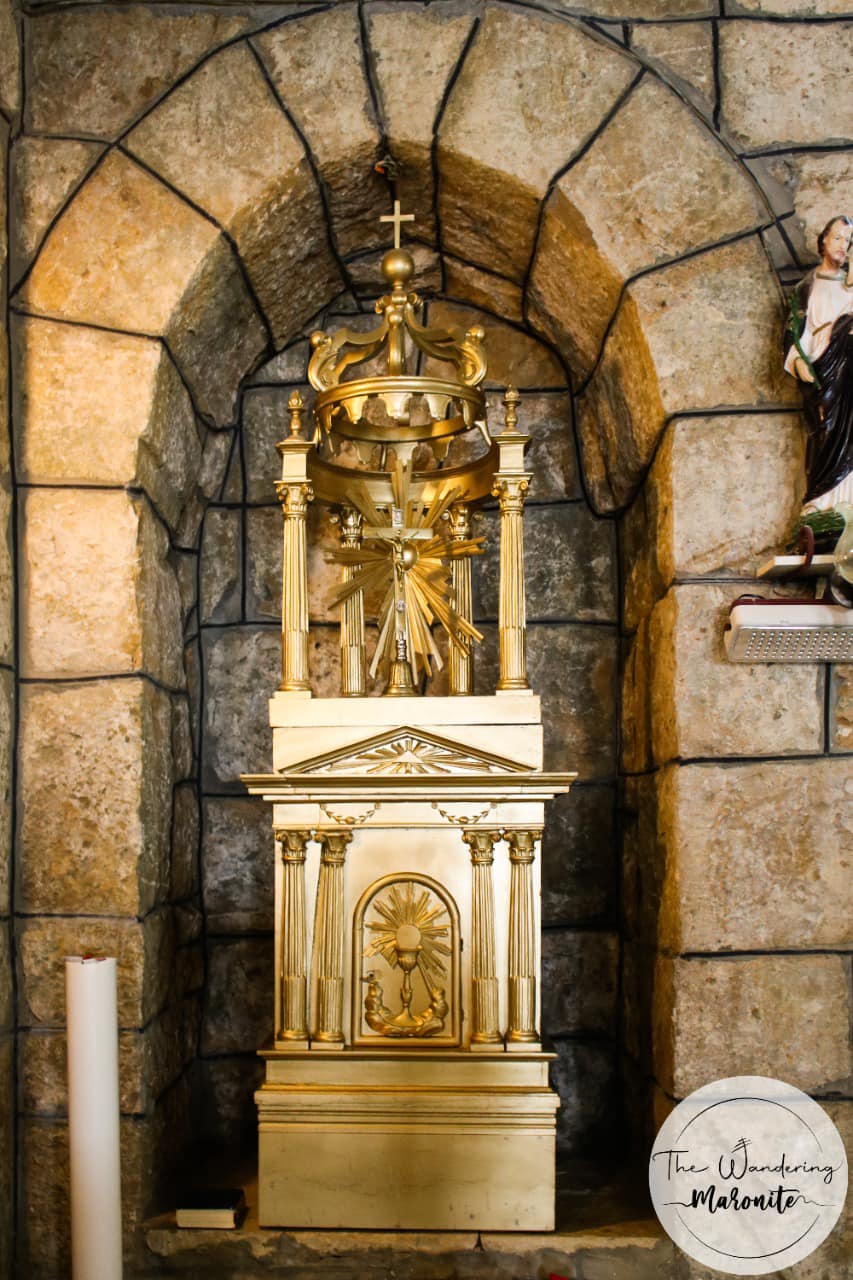
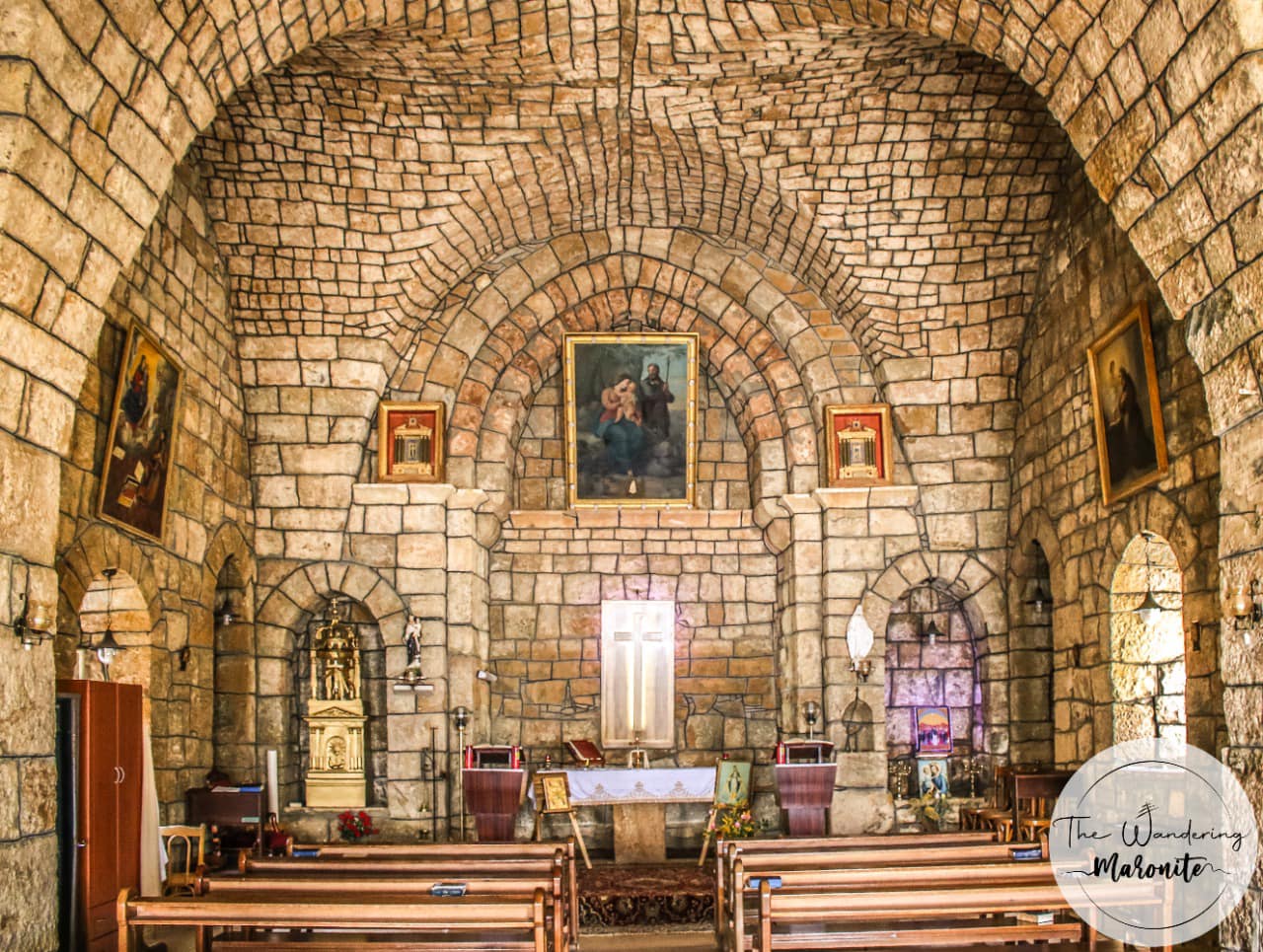
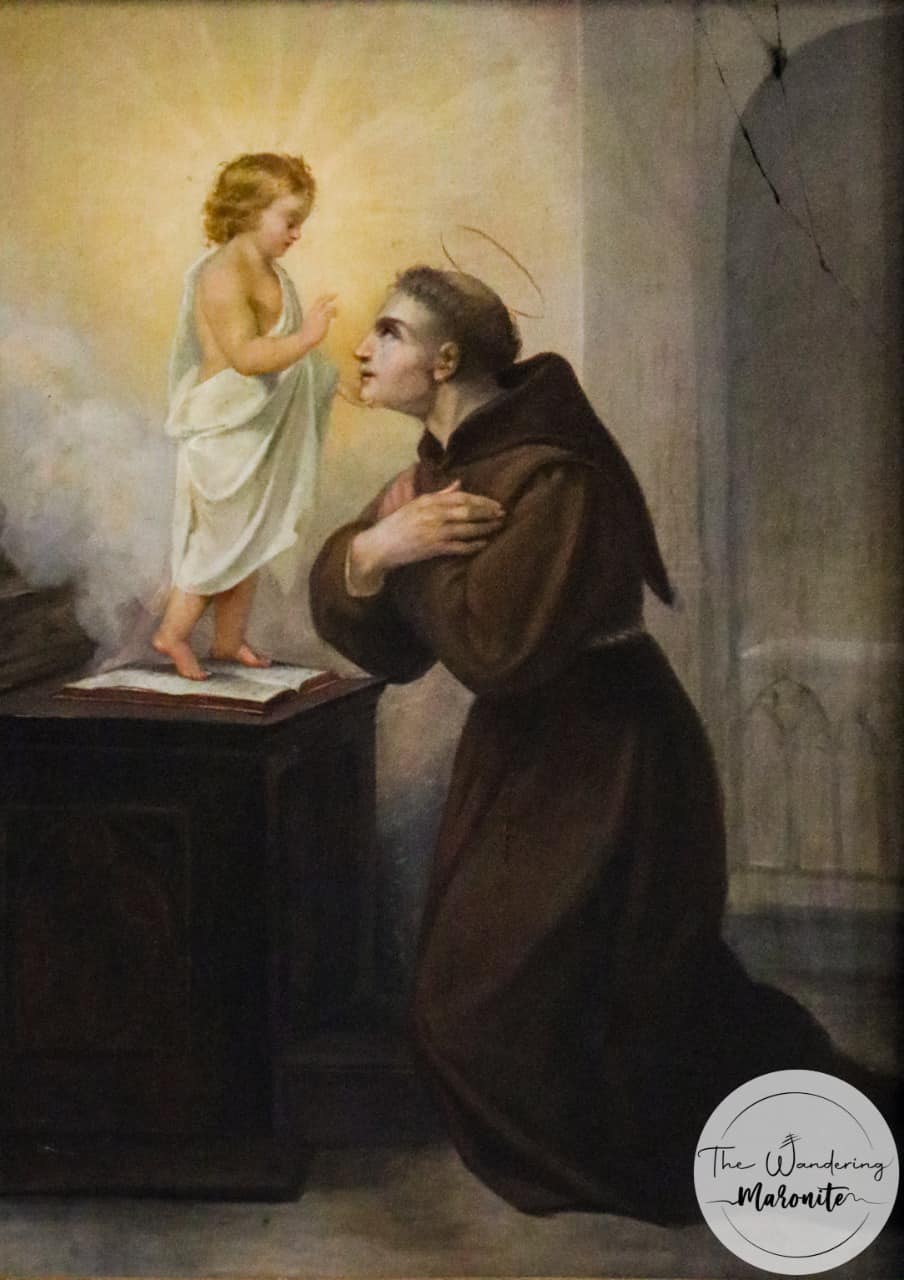
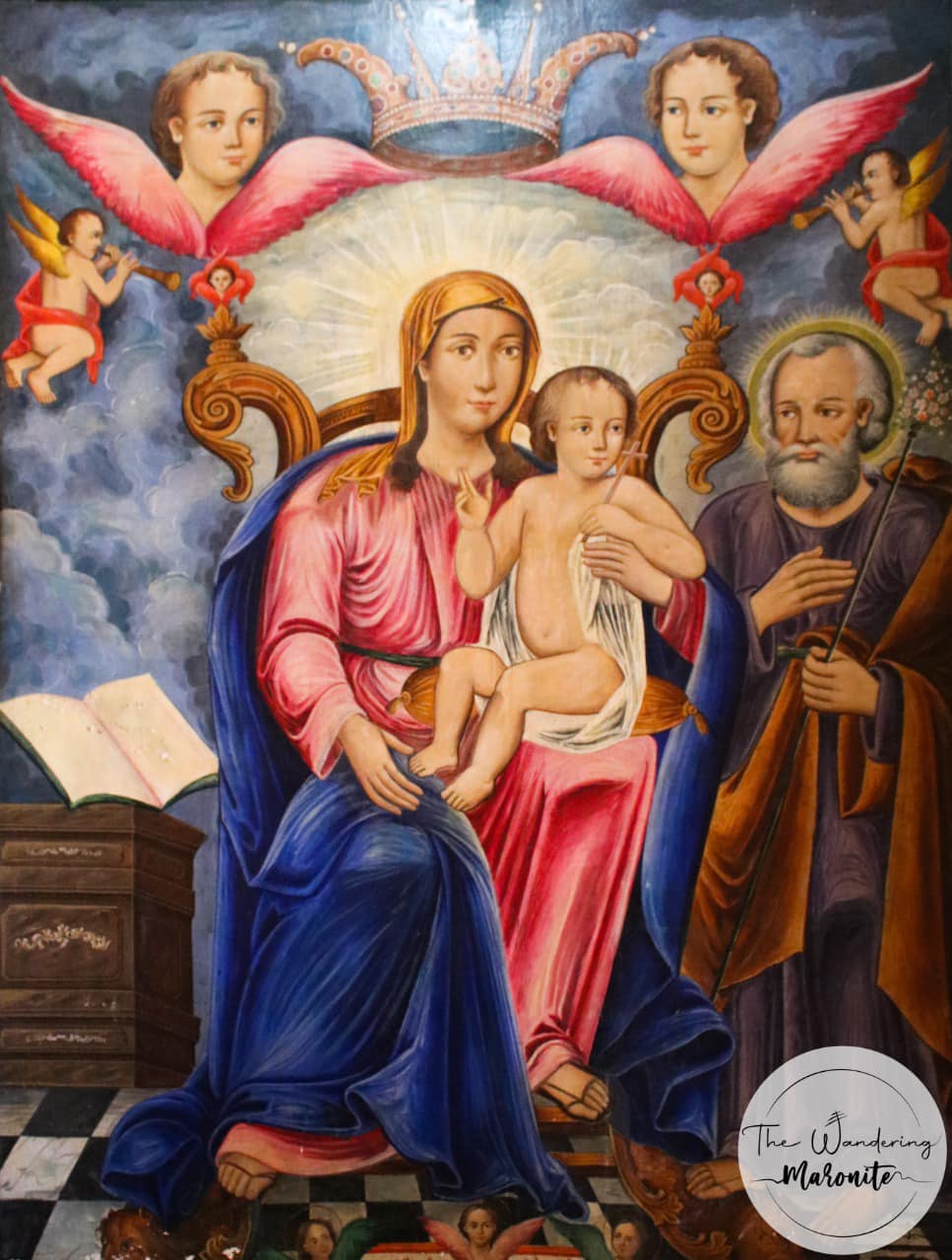
سنة ١٨٠٩ في عهد الأب العام سمعان الخازن، أوقف أهالي بلدَتي بان وكفرصعاب عقارات للرهبانيّة اللبنانيّة المارونيّة بغية إنشاء مدرسة لتعليم أبناء البلدة. تحوّلت في ستينيّات القرن العشرين الى ديرِ قانونيّ. تحوي الكنيسة بيت قربان خشبيّ مذهّب ومذخّرين رومانيّين، ثلاث لوحات غربيّة الصنع، ولوحتين مشرقيّتين للعائلة المقدّسة ومار أفرام من القرن التاسع عشر.The monastery of St Joseph - BanIn 1809 during the mandate of Abbot Simon el Khazen, the villagers of Ban and Kfarsghab donated land to the Lebanese Maronite Order to build a school. During the sixties the school was converted into a canonical monastery. The church holds a gilded wooden tabernacle with two reliquaries, three western paintings, and two local XIXth century ones of The holy family and St Ephrem.
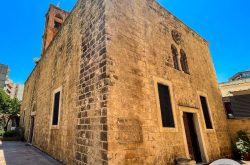
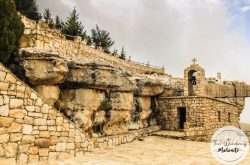
البناء أساسًا كان معبدًا فينيقيّ ثمّ رومانيّ. عُرف بالأزرق نسبةً للون الحجر الكلسيّ. مع قدوم المسيحيّة حُوّل المعبد إلى ديرٍ على اسم مار جرجس وكان الأكبر في جبّة المنيطرة. إختاره البطريرك يوحنّا مارون الثاني مقرًّا له سنة ٧٥٠، وذلك لصعوبة الوصول إليه، ولأن يانوح بحسب البطريرك الدويهيّ: "كانت من أشرف المجالِس في جِبَة المنيطرة وأهلها كثيرو العِبادة والغيرة". بقيت يانوح مقرًّا بطريركيًّا شبه ثابتٍ ما بين ٧٥٠ و١٢٧٧، لأن البطاركة تنقلوا مابين سنتيّ ١١٢٠ و١٢٠٠ بين ميفوق وهابيل ولحفد. بنى البطاركة بقرب المعبد كنيسةً صغيرة خاصة للبطاركة وأقبية وغرف. وبنوا كنيسة السيّدة خارج المحلّة. أقام البطاركة في يانوح، ما مجموعه أربعماية واثنتان وثلاثون سنة، منها ثلاثمائة وسبعون سنةً متواصلةً دون إنقطاع. مع قدوم الصليبيّين في عهد البطريرك يوسف الجرجسيّ إستبشر الموارنة خيرًا بحسب ابن القلاعي، فأُعيد اتصالهم بروما، وعاشوا فترةً من الإزدهار، ويذكر التاريخ أنّه في تلك الحقبة إستبدل الموارنة نوافيس الخشب بنواقيس حديدٍ في يانوح. لكنّ الفترة الصليبيّة شهدت العديد من القلاقل والمعارك ممّا استدعى تنقلاتٍ عديدةٍ للبطاركة واتخاذهم عدّة مراكز. ومع رحيل الصليبييّن وحملة المماليك أُحرقت يانوح، ولم تُجرى أبحاث أركيواوجيّة على الموضع لحين الإنتداب الفرنسيّ بداية القرن العشرين.
The blue monastery of St George - Yanouh
The building was originally a Phoenician than a Roman temple consecutively. With the locals conversion to Christianity the temple was consecrated as a church dedicated to St George. In 750 Yanouh was chosen as a patriarchal seat, it remained a nearly consistent seat between 750 and 1277. The patriarchs built near the temple a patriarchal chapel, many vaults and cells and the church of the Virgin Mary outside of the complex. With the Crusades during the pontificate of Patriarch Youssef el Gergesy, the Maronites entered a golden age, they reconnected with Rome. Yet the latter Crusader’s period saw unrest and struggles, that was the reason why many patriarchs used to change residences. In 1277 the patriarchs moved out of Yanouh. The seat was completly abandoned after the Crusaders left and the Mamluk’s campaign that destroyed the village. The site was excavated by the french archeological missions in the early XXth century.
Saint Simon Church Ghosta - كنيسة مار سمعان, Lebanon
كنيسة مار سمعان العاموديّ
Ghosta
Keserwan
Mount Lebanon
كنيسة مار سمعان العاموديّ - عوسطا
هي كنيسة البلدة الرعائيّة. أُتِمّت بسعي رئيس الجمهوريّة آنذاك الشيخ بشارة الخوري في خمسينيّات القرن العشرين. نمط البناء بازيليكيّ بسيط، مع واجهة نيوغوطيّة. تتميّز الكنيسة بمذابحها الثلاث وجرن عمادها من الرخام الأبيض المنحوت، كذلك ثلاث لوحات تعود لمدرسة الأرت ديكو.
The church of St Simon the Stylite - Ghosta
The church is Ghosa’s parish church. It was built with the aid of then president Sheikh Bechara el Khoury in the fifties of the XXth century. Its style is basilical with a neo gothic facade. The church holds three ornate white marble altars and a baptistery, with three art deco paintings.
دير مار مارون - عنّايا دير للرهبانيّة اللّبنانيّة المارونيّة إنتهى العمل من بنائه سنة ١٨٢٨. وبين سنتي ١٨٣٨ و١٨٤١ أُكمِل بناء الكنيسة وجميع الأقبية. هو دير مارونيّ تقليديّ بجميع أقسامه من حوش ومضافة وكنيسة صغيرة. إشتهر الدّير لأنّه مقام القدّيس شربل مخلوف الذي حوّله إلى محجّ ومزار.
The monastery of St Maroun Annaya A monastery for the Lebanese Maronite Order built in 1828. The church and the vaults were completed between 1838 and 1841. It is a traditional maronite monastery with its vaults, cloister, reception room and small church. It was made famous by being the resting place of St Charbel Makhlouf who transformed it into a pilgrimage site.
Reviews are disabled, but trackbacks and pingbacks are open.