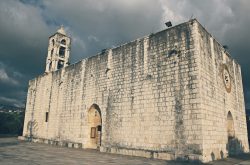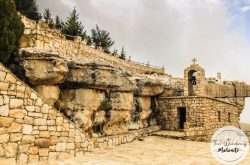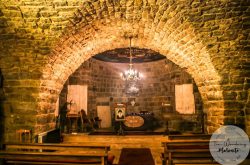

Baalbek – The presbytery of our Lady of Perpetual Help

Saydet Maaounet, Baalbek, Lebanon

Other Details

أنطوش سيّدة المعونات

Baalbek

Baalbek

Baalbek-Hermel

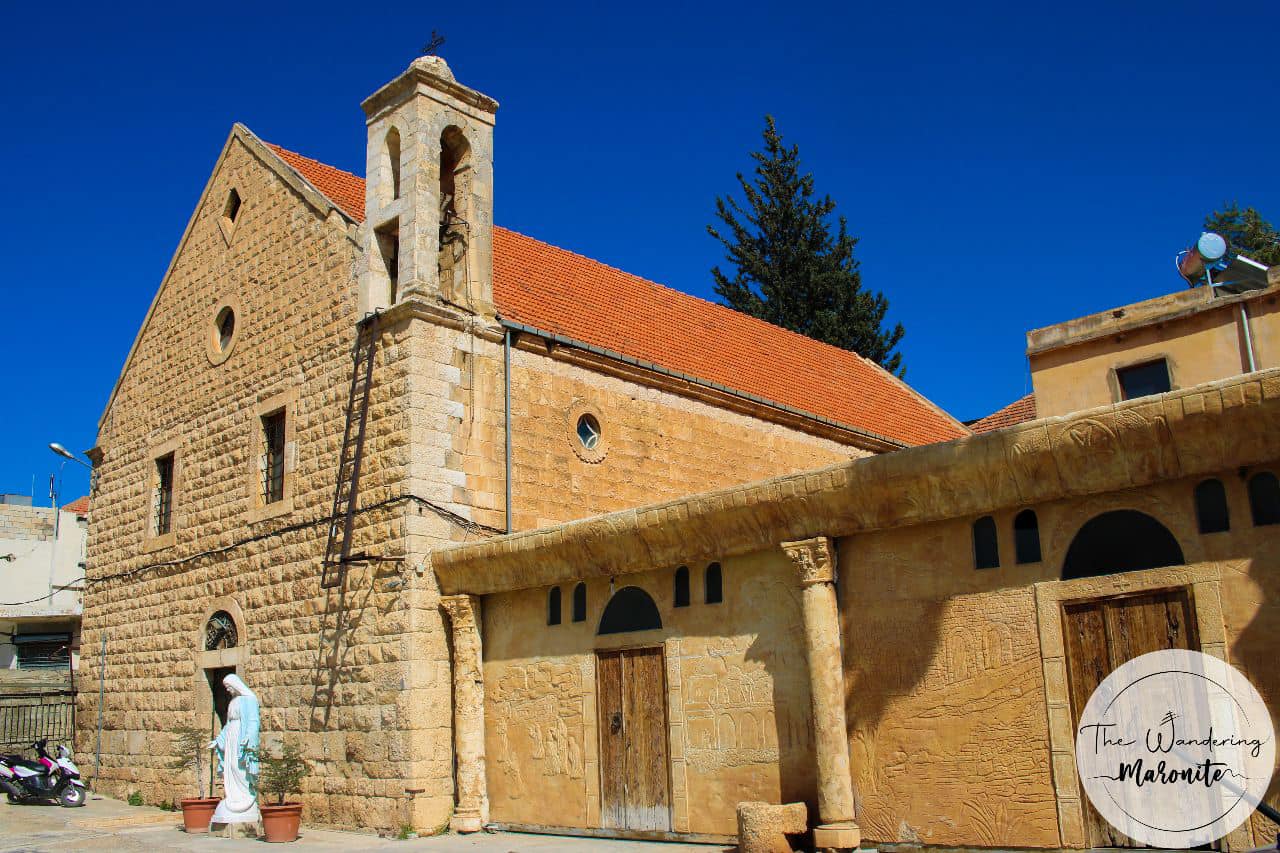
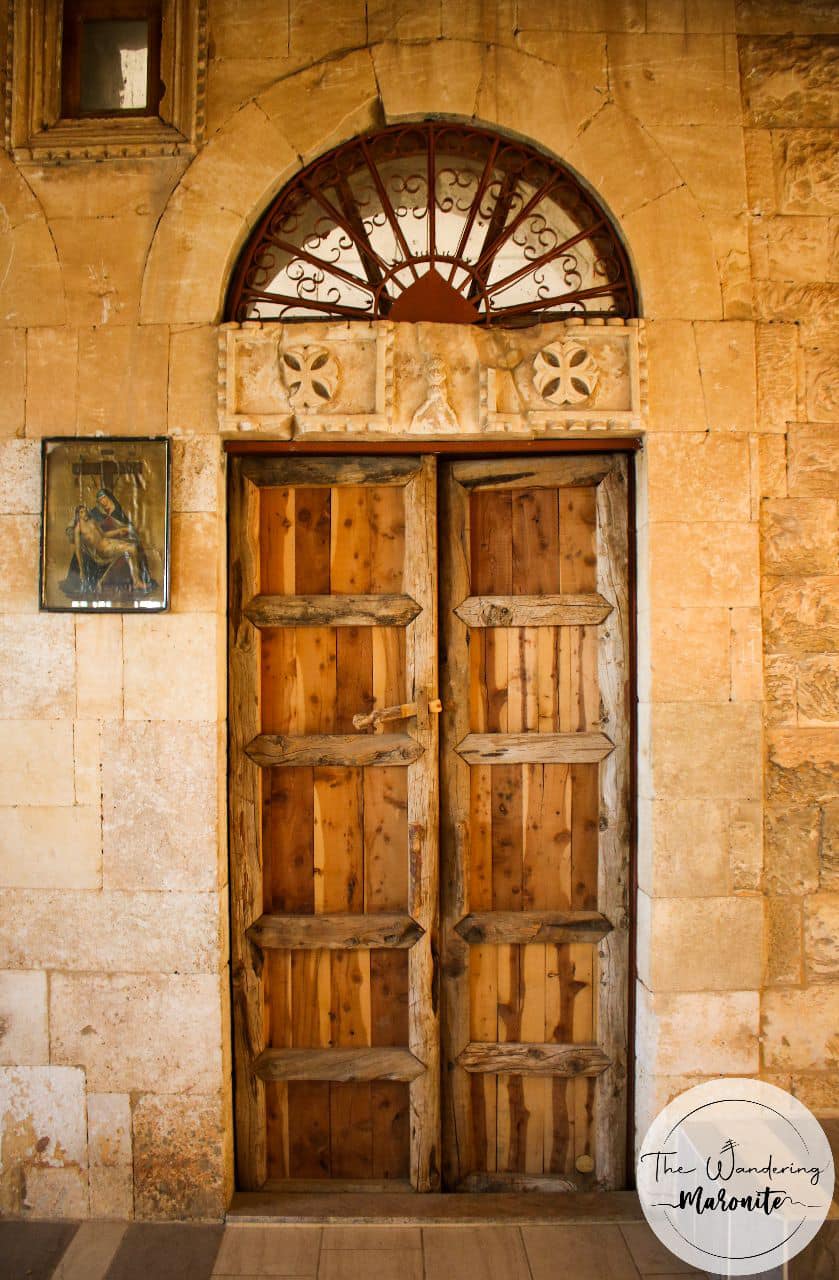
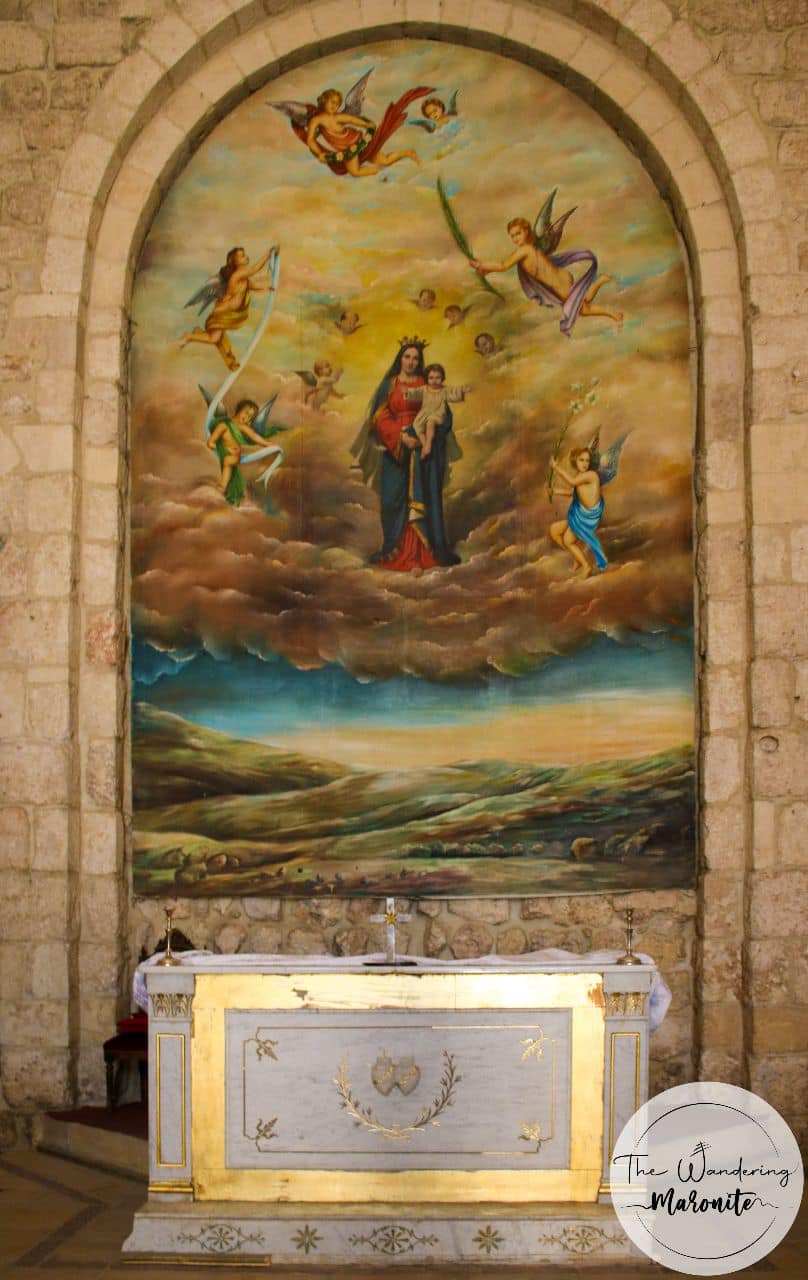
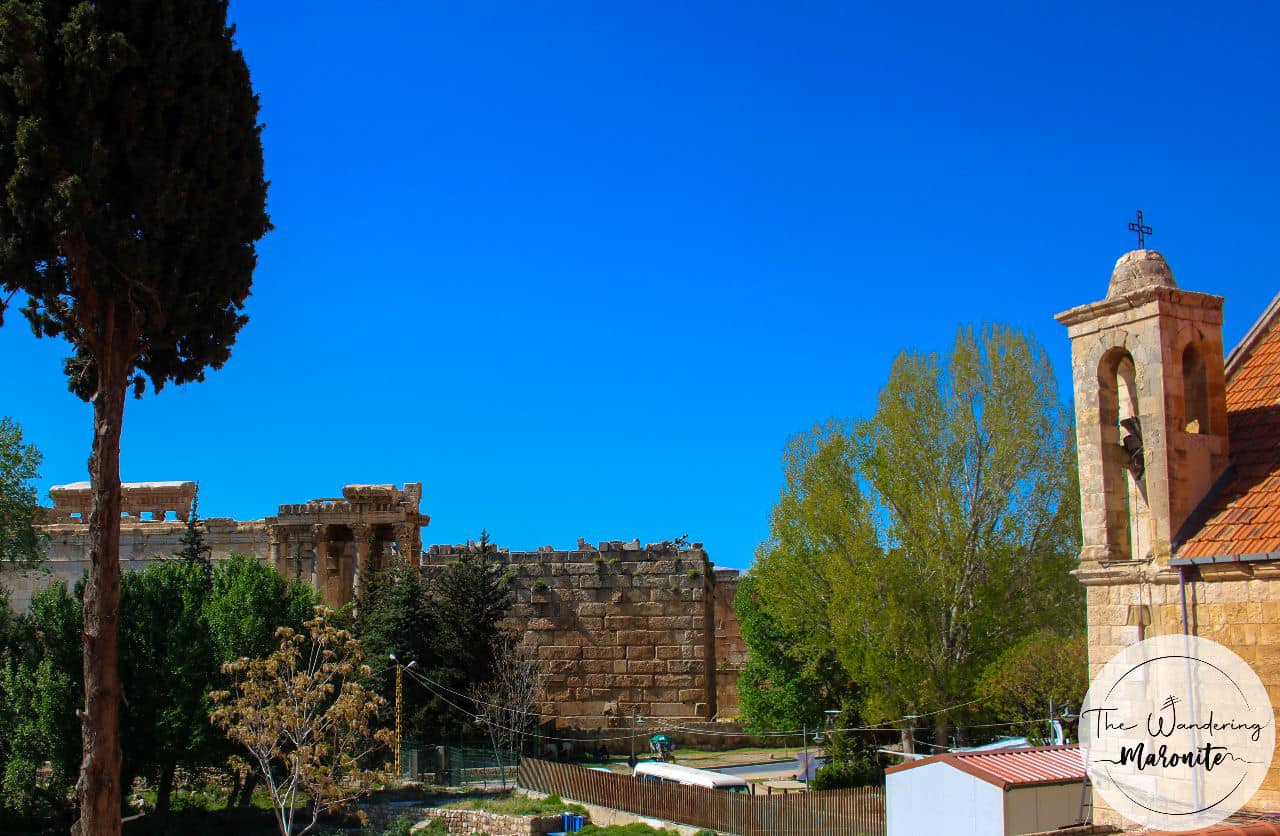
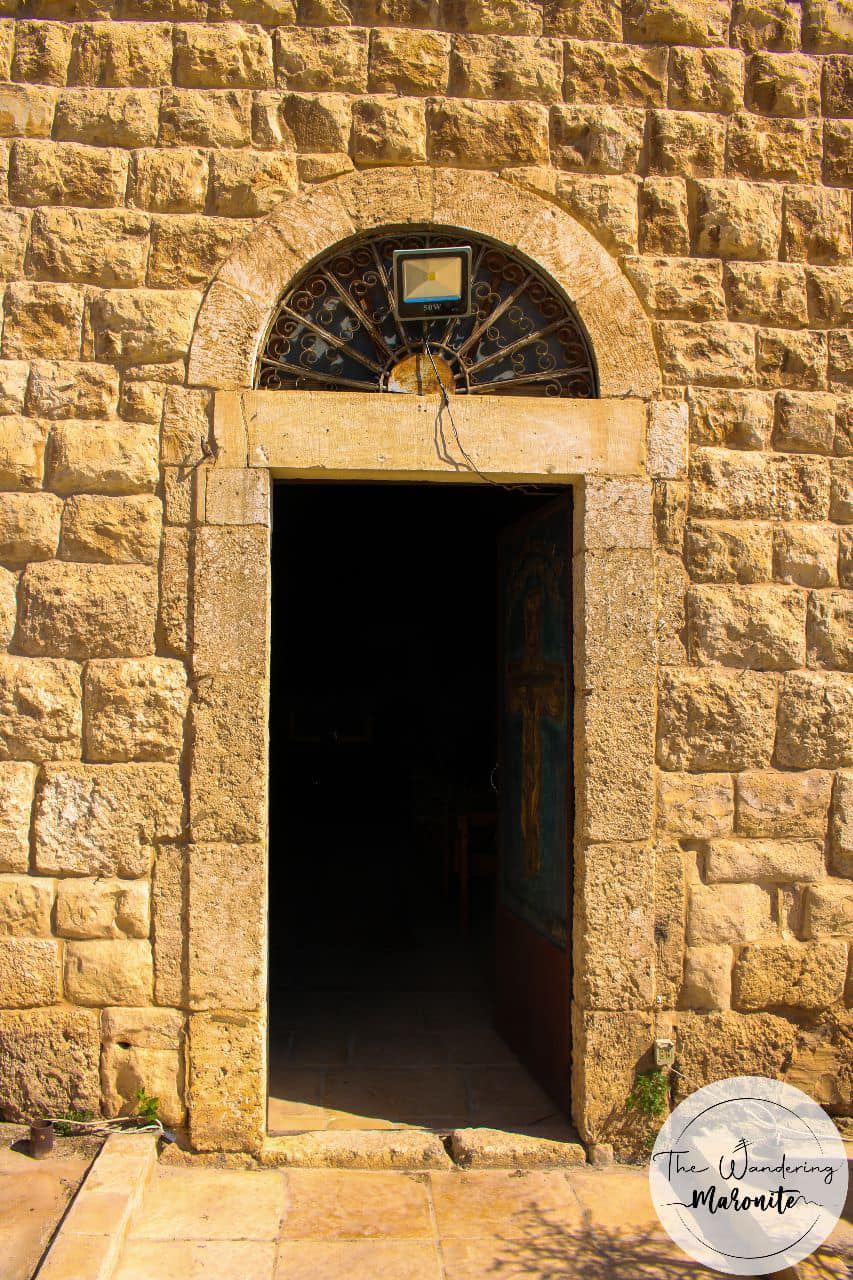
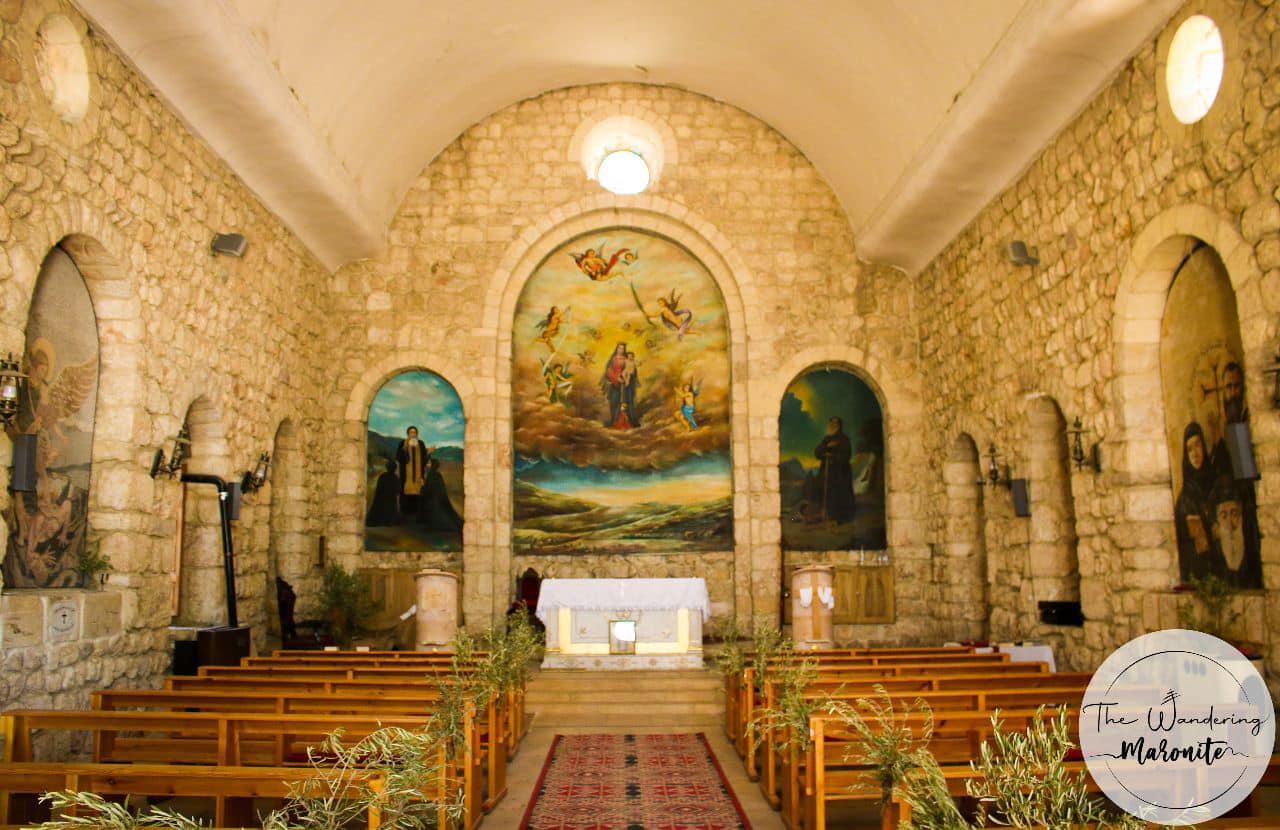
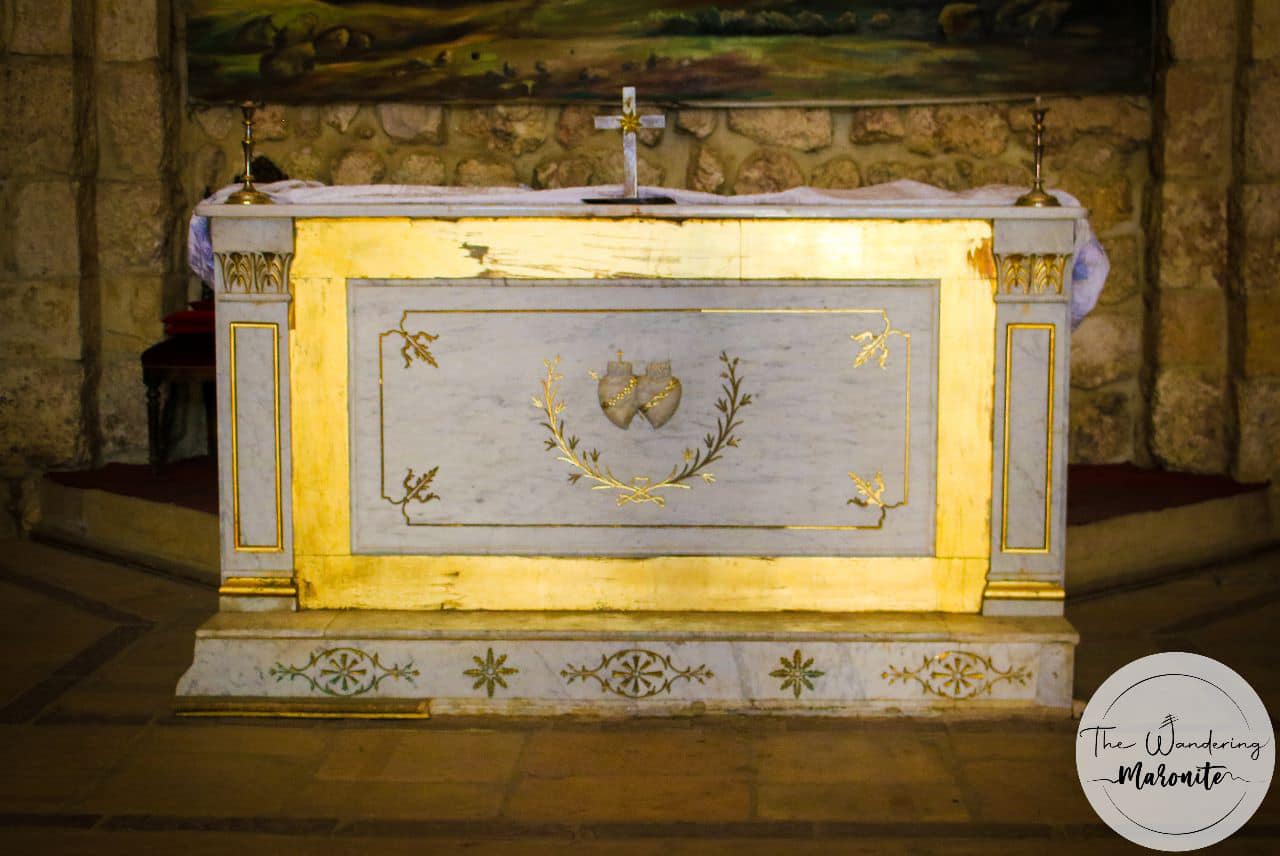
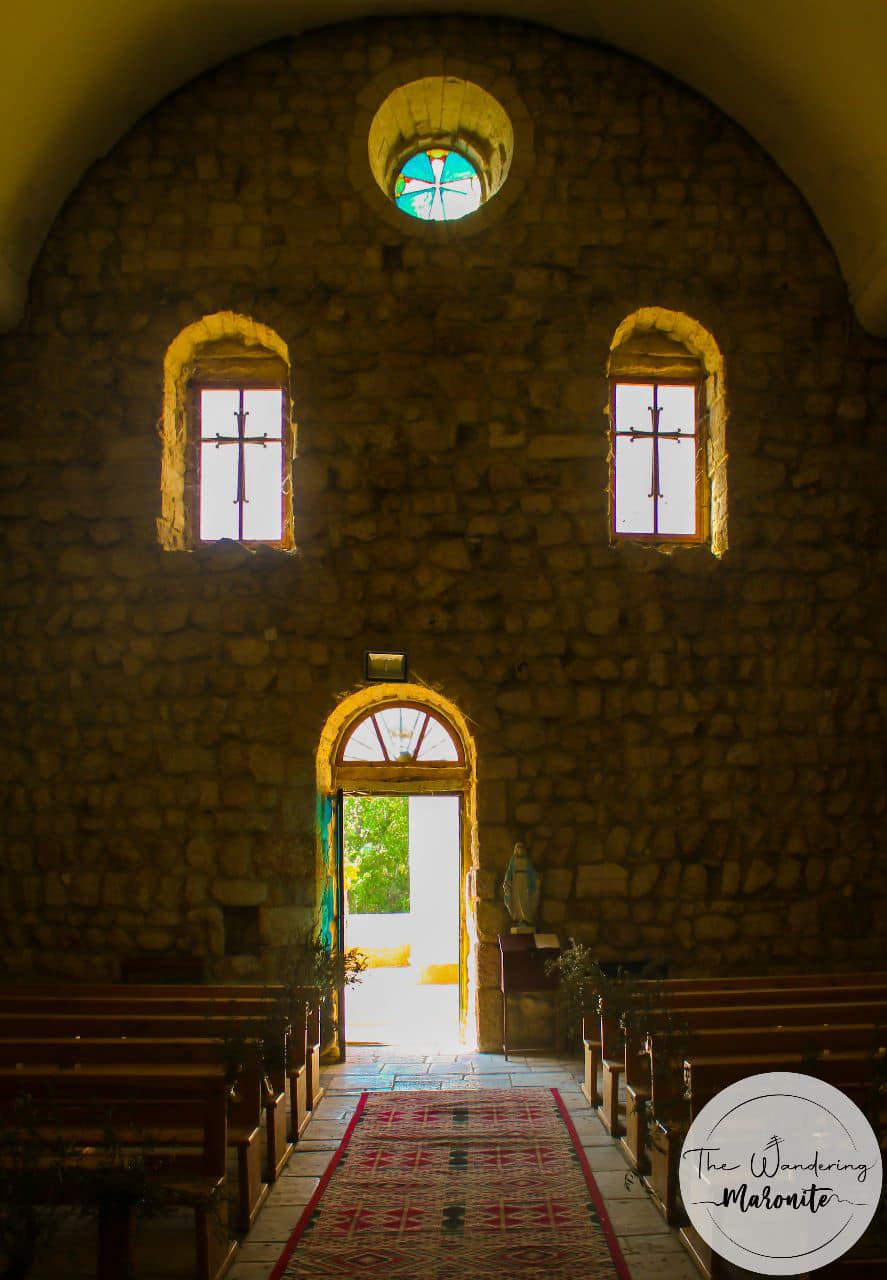
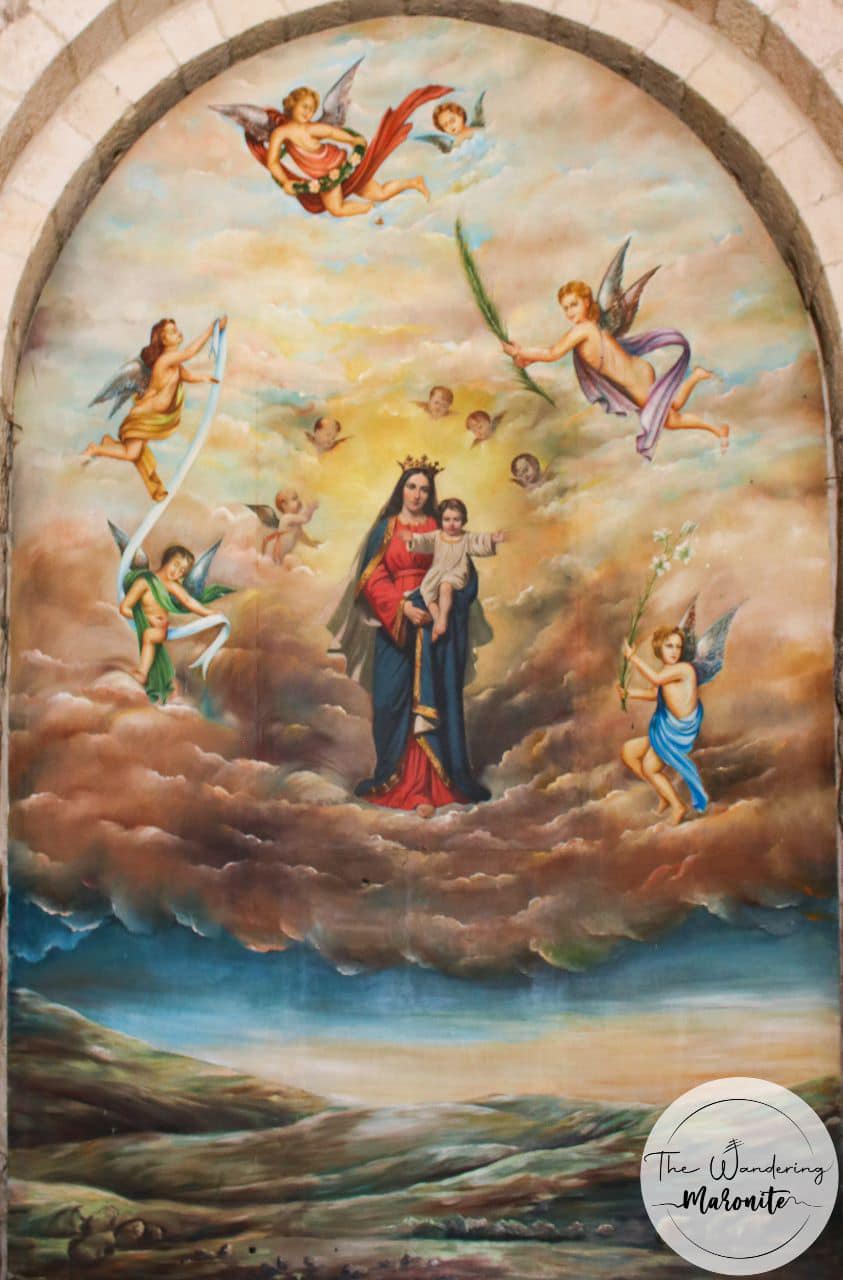
أنطوش سيّدة المعونات - بعلبك سنة ١٨٥٩ حاز الأب دانيل الحدثي على قطعة أرضٍ قرب قلعة بعلبك من أمير المدينة سليمان حرفوش لبناء كنيسةٍ وأنطوش للرهبان. سنة ١٨٧٠ بُنيت الكنيسة وكُرّست وأصبحت الرعيّة المارونيّة في المدينة. الكنيسة كناية عن عقدٍ سريريّ إسمنتيّ مسقوفة، ولوحة السيّدة من عمل داود القرم. هُجّر الأنطوش خلال الحرب اللبنانيّة من سنة ١٩٨٤ إلى سنة ١٩٩٥. عندما عاد الرهبان إليه رمّموا الأنطوش والكنيسة ليستمرّ بمهامه الرعائيّة. The presbytery of our Lady of Perpetual Help - Baalbek In 1859, Father Daniel Al-Hadathi acquired a piece of land near the Citadel of Baalbek from the governor of the city, Suleiman Harfush, to build a church and a presbytery for the monks. In 1870, the church was built and consecrated, and it became the Maronite parish in the city. The church is basilical with one nave and a crib concrete vault. The painting of the lady is drawn by Daoud Al Qorm. The presbytery was abandoned during the Lebanese war from 1984 to 1995. When the monks returned, they restored the buildings so that they could continue their pastoral duties.

Visited 3176 times, 2 Visits today

Reviews are disabled, but trackbacks and pingbacks are open.

Related Listings

Lehfed – The church of St Stephen

St. Estephan Church, Lehfed, Lebanon

كنيسة مار أسطفان

Lehfed

Jbeil

Mount Lebanon

كنيسة مار أسطفان - لحفد

الكنيسة بالأصل كانت معبدًا رومانيًّا على تلّة حوّله الصليبيّون إلى بُرجٍ للمراقبة، سكنه مقدَّموا لحفد. سنة ١٨١٠ تحوّل المكان إلى كنيسةٍ بعقدٍ مُصالبٍ لتكون رعيّة البلدة. مذبح الكنيسة ولوحة مار أسطفان، مُستوردان من إيطاليا بسعي من أبناء البلدة في بيروت أواخر القرن التاسع عشر. حمل إبن لحفد الطوباوي أسطفان نعمه شفاعة صاحب الكنيسة وتكنّى باسمه عند دخوله الرهبانيّة.

The church of St Stephen - Lehfed

The church was originally a pagan roman temple on a hill that was converted into a watch tower by the crusaders, after they left the land the maronite lords of Lehfed used it as residence. In 1810 the crossed vault structure took it’s current shape and was converted into a parochial church. The altar and the painting are imported from Italy with the help of the villagers who lived in Beirut at the end of the XIXth century. Blessed Stephen Nehme, the son of Lehfed, took the name of the Church's patron saint when he entered the monastic life.

Zaghrine – The church of St Anthony the Great

Zaghrine, Lebanon

كنيسة مار أنطونيوس الكبير

Zighrine

Metn

Mount Lebanon

كنيسة مار أنطونيوس الكبير - الزغرين

سنة ١٨٧٦ طلب الرهبان الحلبيّين في دير مار الياس شويّا من المطران يوسف جعجع بناء كنيسةٍ لشركائهم، فأذن لهم وبنوا الكنيسة سنة ١٨٧٧. الكنيسة كناية عن عقدٍ مُصالب ينتهي بحنية. تضم الكنيسة لوحتين تعودان لأواخر القرن التاسع عشر: مار يوسف من عمل كنعان ديب، ومار أنطونيوس الكبير من عمل داوود القرم.

The church of St Anthony the Great - Zaghrine

In 1876 the Aleppan monks living in the monastery of St Elias Shwaya asked Mgr Youssef Geagea a permission to build a church for their monastery’s surfs living in Zeghrine. After the permission was given, construction began and ended a year later. The church is a cross vaulted structure. It holds two paintings from the end of the XIXth century: St Joseph by Kanaan Dib and St Anthony by Daoud el Qorm.

Maad – Saint Charbel of Edessa feast day

Saint Charbel Church, Unnamed Road, Lebanon

كنيسة مار شربل الرّهاوي

Maad

Jbeil

Mount Lebanon

كنيسة مار شربل الرّهاوي - معاد
كان شربل الرهاوي كاهنًا وثنيًّا في مدينة الرّها. تحوّل الى المسيحيّة هو واخته بارابيا واستشهد في عهد الامبراطور الروماني ديسيوس (236-250).
تقوم الكنيسة على أنقاض سابقة تعود لمعبد وثنيّ، أُنشأت عليه كنيسة بيزنطيّة؛ ثمّ أعيد بناؤها على أيام الصليبيين (القرن 12 و 13). رُمِّمت في نهاية القرن التاسع عشر.
قُسم الموعوظين هو عبارة عن مدخل أو رواق. يحوي اليوم قطعًا أثرية.
الكنيسة في الداخل مبنيّة على نمط بازيليكي يقسم صفّان من القناطر المساحة الداخليّة. قسم من البلاط قديم يعود الى المعبد الروماني كما وفتحة البئر المستديرة التي تتوسط الرواق. أمّا العقد المركزي فمزيّن برسوم زخرفية تعود الى العهد العثماني.
تنتمي الحنية السفلى الى الكنيسة الأقدم، وتحتوي على جدرانيّة تمثل مجموعة من سبعة قديسين: على جانبي الأسقف الوسطي، يمثل الرسول بطرس الى اليسار وبولس الى اليمين؛ يرافقهما الانجيليون الأربعة.
كنيسة مار شربل الرّهاوي - معاد
كان شربل الرهاوي كاهنًا وثنيًّا في مدينة الرّها. تحوّل الى المسيحيّة هو واخته بارابيا واستشهد في عهد الامبراطور الروماني ديسيوس (236-250).
تقوم الكنيسة على أنقاض سابقة تعود لمعبد وثنيّ، أُنشأت عليه كنيسة بيزنطيّة؛ ثمّ أعيد بناؤها على أيام الصليبيين (القرن 12 و 13). رُمِّمت في نهاية القرن التاسع عشر.
قُسم الموعوظين هو عبارة عن مدخل أو رواق. يحوي اليوم قطعًا أثرية.
الكنيسة في الداخل مبنيّة على نمط بازيليكي يقسم صفّان من القناطر المساحة الداخليّة. قسم من البلاط قديم يعود الى المعبد الروماني كما وفتحة البئر المستديرة التي تتوسط الرواق. أمّا العقد المركزي فمزيّن برسوم زخرفية تعود الى العهد العثماني.
تنتمي الحنية السفلى الى الكنيسة الأقدم، وتحتوي على جدرانيّة تمثل مجموعة من سبعة قديسين: على جانبي الأسقف الوسطي، يمثل الرسول بطرس الى اليسار وبولس الى اليمين؛ يرافقهما الانجيليون الأربعة.

Saint Charbel of Edessa feast day
A church dedicated to him in Maad
Charbel was a pagan priest in Edessa. He was then converted to Christianity with his sister Barabia and martyred in the days of Emperor Disios (236-250 A.D).
The church was built over an old pagan temple ruins. It was first a Byzantine church. The Crusades built it again in the 12th century. Renovations took place at the end of the 19th century.
As one enters the Church, he'll find a nartex with some artifacts. The church is built in a basilical form, divided into two rows of arches. Some of the tiles along with a circular well belong to a roman temple. Some decorative elements that date back to the Ottoman period fill the main vault.
The main apse belongs to the old church, and it contains a fresco depicting a bishop surrounded by Saints Peter and Paul and the four Evangelists.