
Ain Kfaa – Saint Rouhana

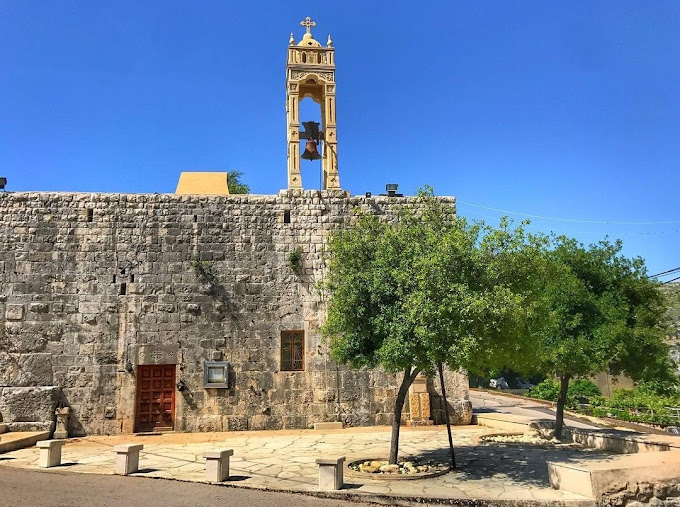
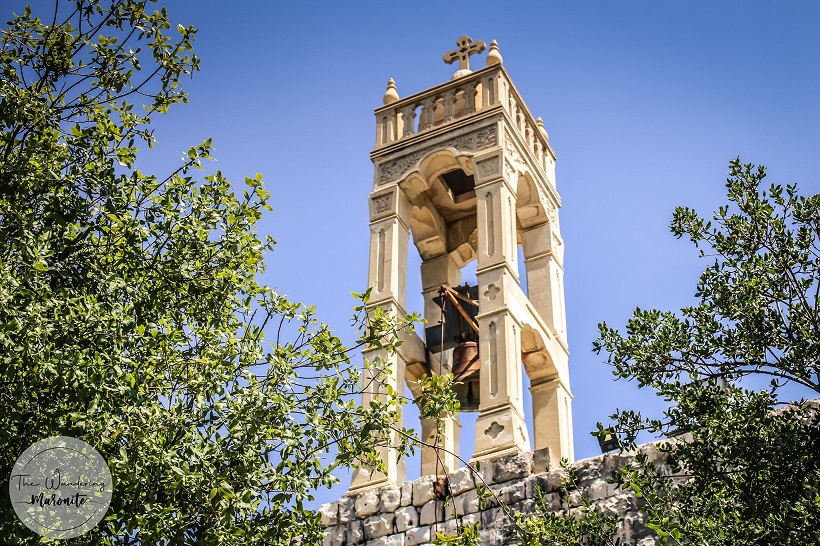
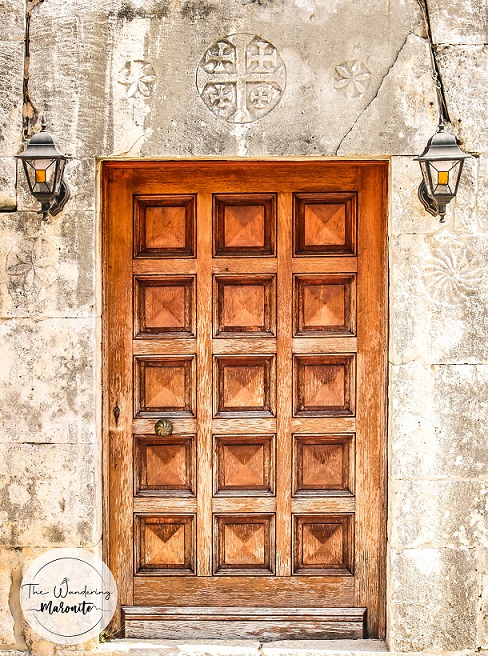
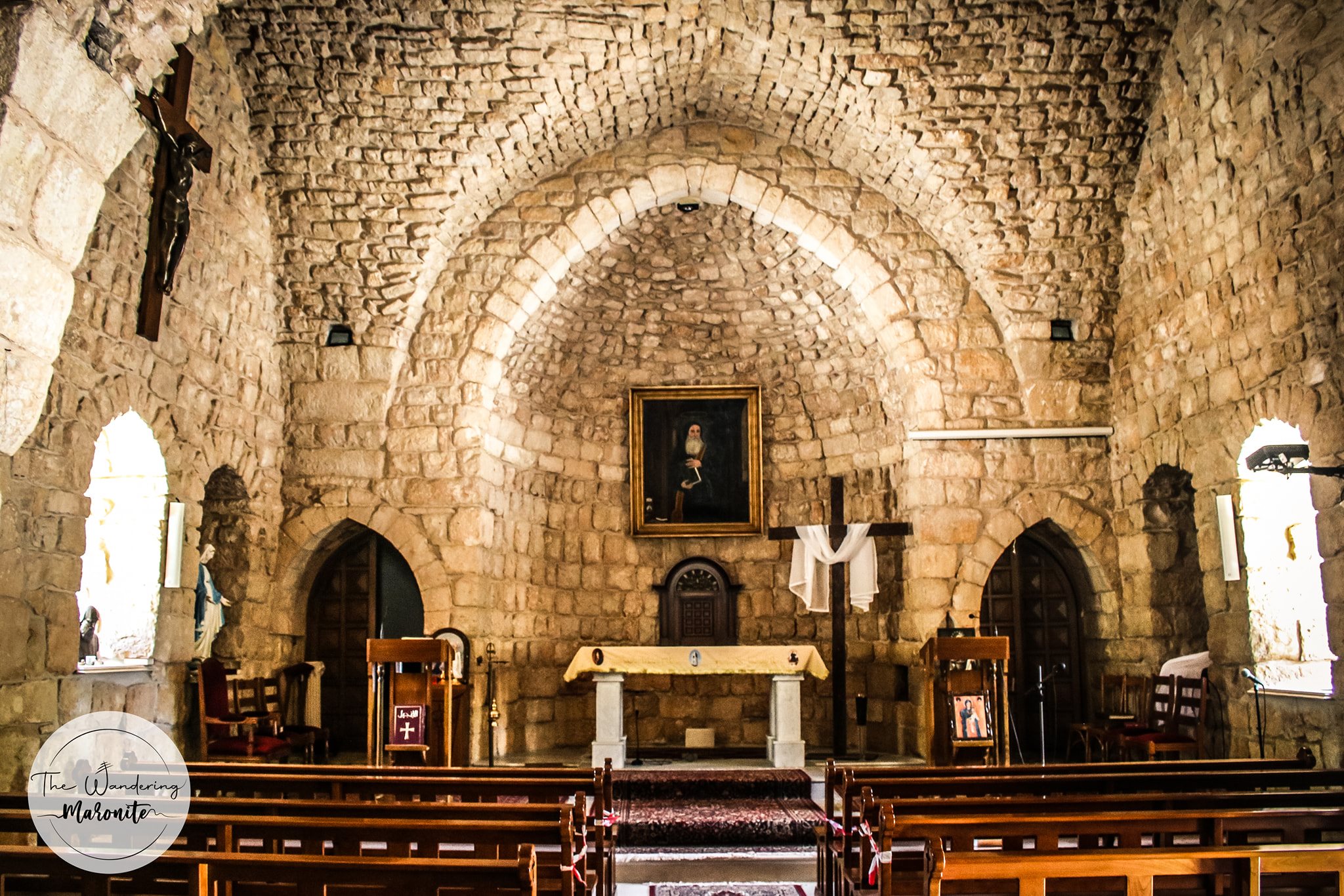
St rouhana church - كنيسة مار روحانا الرعائية, Ain Kfaa, Lebanon

Other Details

كنيسة مار روحانا

Ain Kfaa

Jbeil

Mount Lebanon

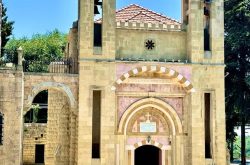
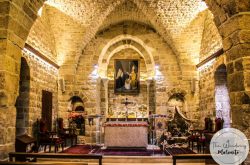
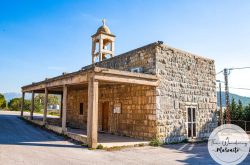
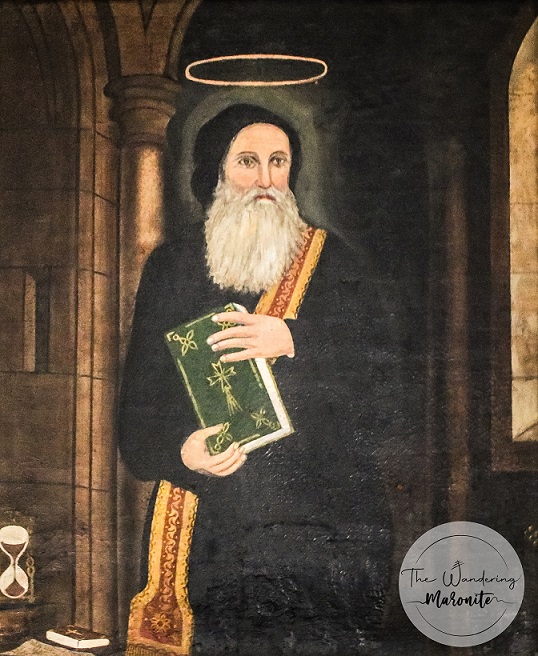
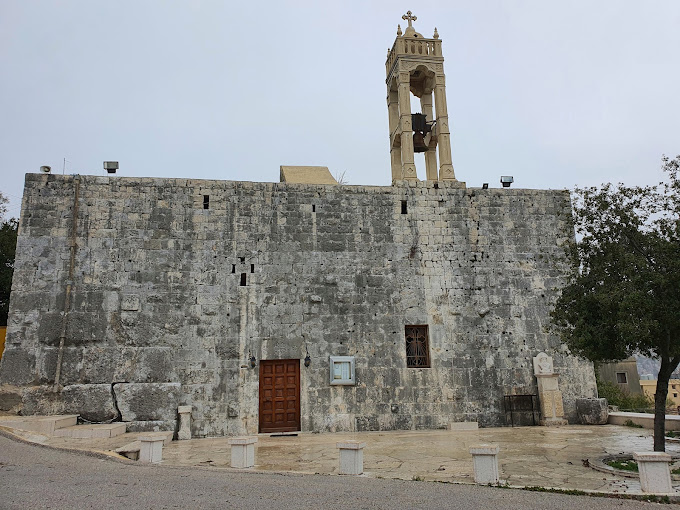
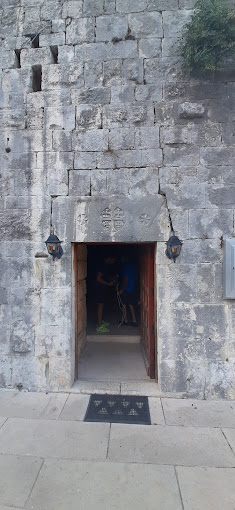
بناها الخوري يوحنا إبن الخوري فرج الحداد، وقد عُثرَ على قرطاس في كنيسة تحوم يؤيّد ذلك.وكنيسة مار روحانا مشيّدة على بقايا برج روماني قديم آثاره ما زالت ماثلة، فزاويته الجنوبيّة الغربيّة راسخة على حجارة ضخمة من نفس مقلع حجارة بعلبك بحسب الخبراء. اما درج الكنيسة فداخليّ، وفي خاصرة حنية الكنيسة حجرة مخفية أعدّها القدماء مدفنًا لكنوزهم.وبالقرب من هذا المعبد، اكتشف الأثريّون مدافن قديمة واستدلّوا على منزلة مهمة لمن سكن في هذه الأماكن الأثريّة.تجدر الإشارة إلى أنّ مار روحانا المرنّم هو لقب محبّب للسريان معناه الروحانيّ، يطلق على مار قبريانوس الناسك.St Rouhana’s church - Aïn kfaaIt was built by Fr. Youhanna son of Fr. Faraj Al Haddad, as it is attested in a manuscript belonging to the parish of Thoum.The church is built on top of an old roman tour, the stones of which are quarried from the same source as the Great temples of Baalbek. The church has an indoor stone ladder.Near the church many roman ruins where found and a noble necropolis.St Rouhana the cantor is a title given by the syriacs and is translated to "the spiritual", it is given to St Cyprian the hermit.

Visited 4939 times, 9 Visits today

Reviews are disabled, but trackbacks and pingbacks are open.

Related Listings

Kaftoun – Monastery of our Lady

Monastery of Our Lady of Kaftoun, Kaftoun, Lebanon

دير السيّدة - كفتون

1910

Kaftoun

Koura

North

عود تأسيس الدّير الى القرن السادس، كُتِب عنه في منشورات تعود الى القرن التاسع موجودة في مكتبة أوكسفورد. تمَّ بناؤه على عِدَّة مراحل أمّا ترميمه الأخير فيعود الى العام 1910. الوجهة الخلفية للدير ملاصقة لشيرٍ صخريٍّ ضخم، وكنيسته في قلب الشير.
كان الدير بدايةً ديرًا مارونيًّا سكنه المطران (البطريرك لاحقًا) إرميا الدملصاوي. بعد حملات المماليك تنسّك فيه الرهبان الأرثوذكس. كانت أوجّ الحياة الرهبانيّة فيه عام ١٩٠٤. وفي بداية السبعينات أضحى مهجوراً ونُهبت كافة الأيقونات والمخطوطات. تجدّدت الحياة الرهبانيّة في الدّير سنة ١٩٧٧. عام ١٩٩٧ أُعيدت إليه أيقونة سيّدة كفتون العجائبيّة. تكمن أهميّة هذه الأيقونة أنّها مرسومةٌ على الوجهتين: الأولى تعود الى القرن الحادي عشر وتُمثِّل العذراء مريم والسيّد المسيح، والثانية تعود الى القرن الثالث عشر وتُمثِّل معموديّة السيّد المسيح ومدوَّنٌ عليها باللغات الثلاث: السريانيّة والعربيّة واليونانيّة، شهادةً عريقةً للطقس السريانيّ الملكيّ. يضُمّ الدير آثارًا تاريخيّةً قديمة كأجران منحوتة بالصخر وآبار ومطحنة ومعصرة قديمة تعود للقرن السادس.

The monastery was founded in the VIth century and many documents from the IXth century attesting its existence are still present in the Library of Oxford. The building was done over time up until 1910. The monastery is built inside a rocky cliff, with the main church inside the cave. At first the monastery was served by the Maronites and was the seat of Bishop (later patriarch) Jeremiah of Dmalsa. After the Mamluk’s raids the ownership was taken by the Orthodox hermits. The monastic life saw its peak in 1904 yet it declined up to the seventies when the monastery was deserted and looted. The monastic life would be renewed in 1977. In 1997 the miraculous icon of Our Lady of Kaftoun was returned. The importance of that icon reside in its being a double sided icon: on the first side dating back to the XIth century is a depiction of the Theotokos, on the other one dating back to the XIIIth century is a Theophany with inscriptions in Arabic Greek and Syriac, a true witness to the Syriac Melkite Rite.