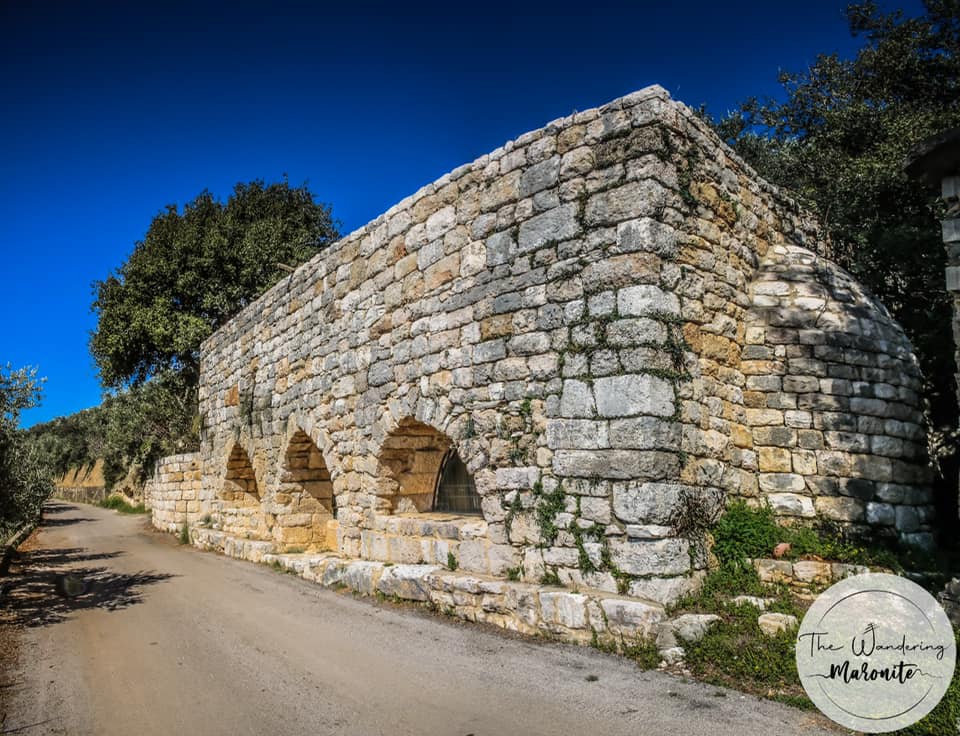
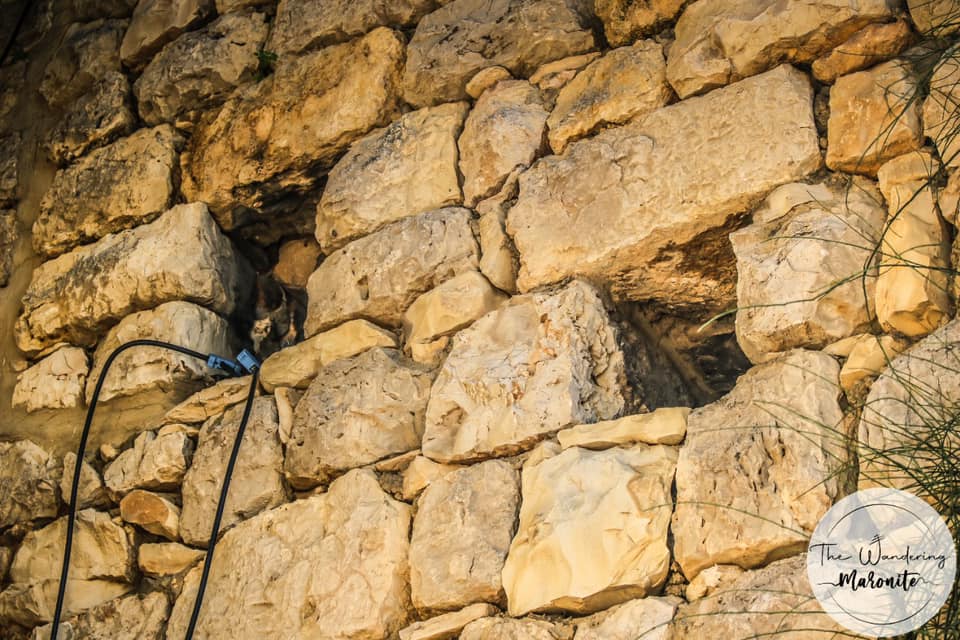
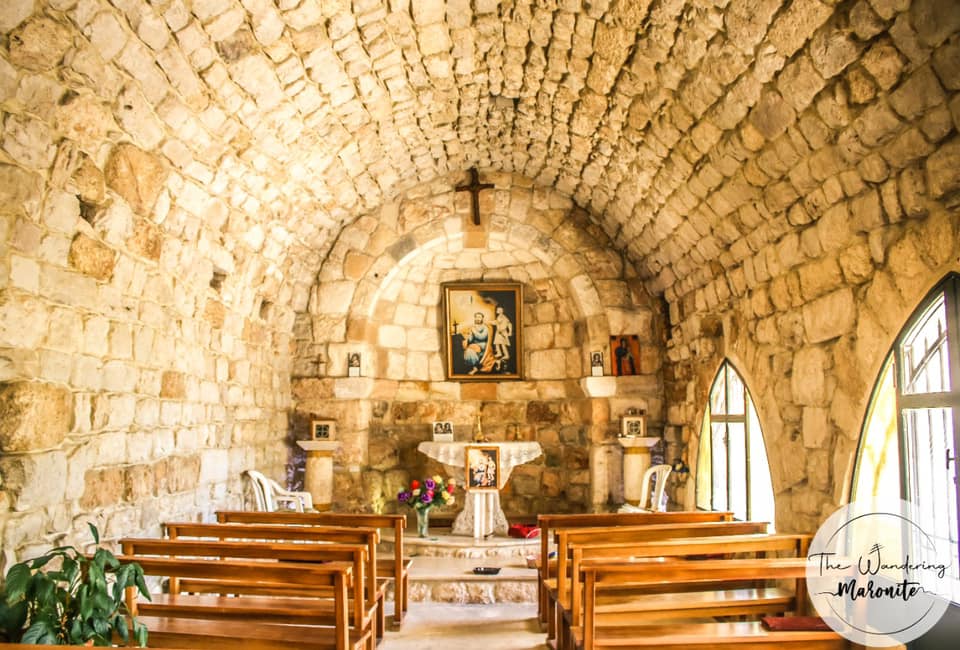
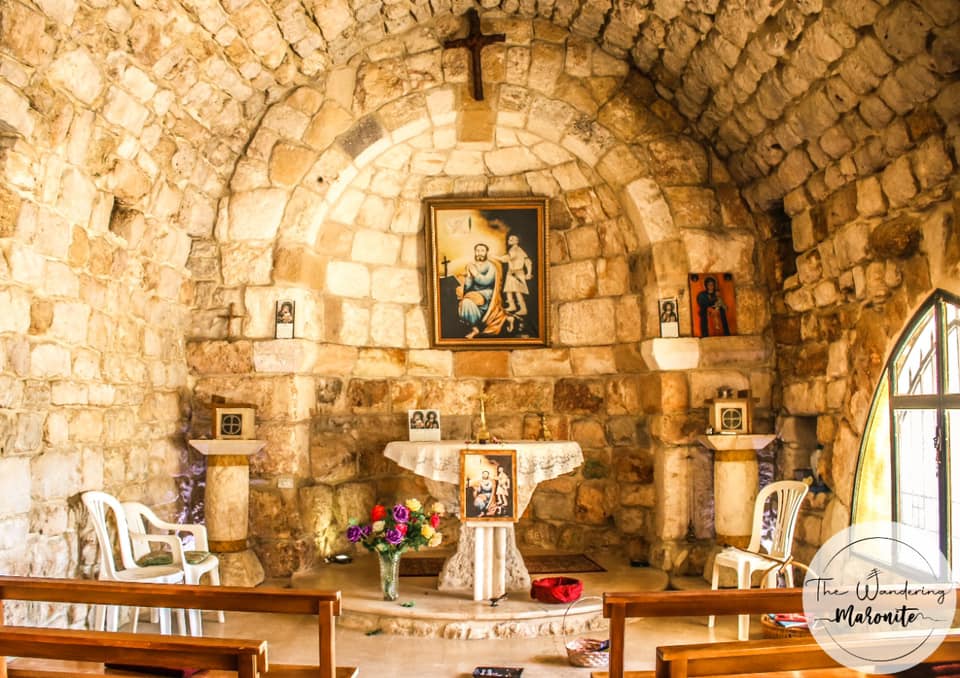
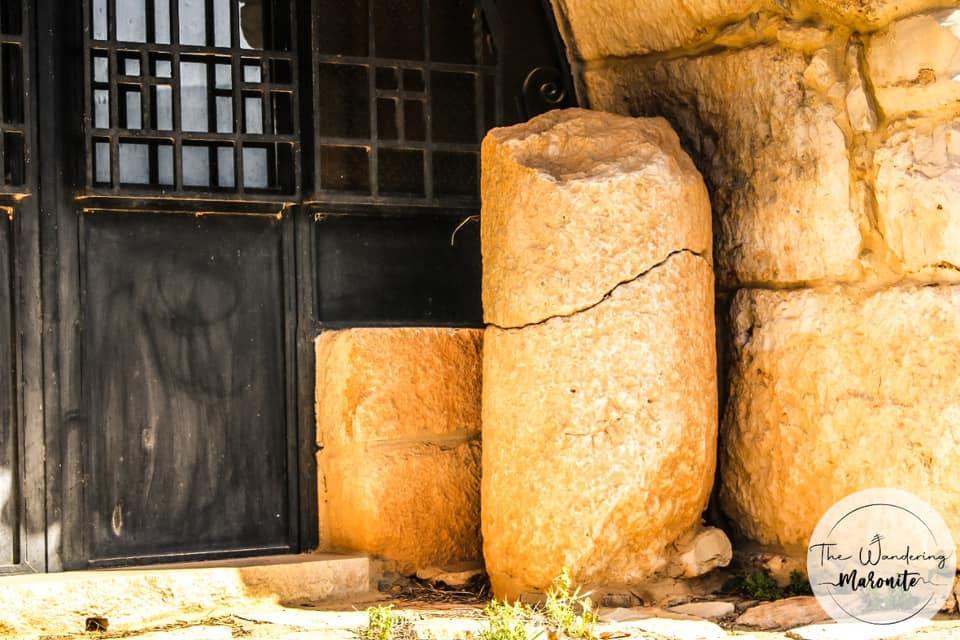
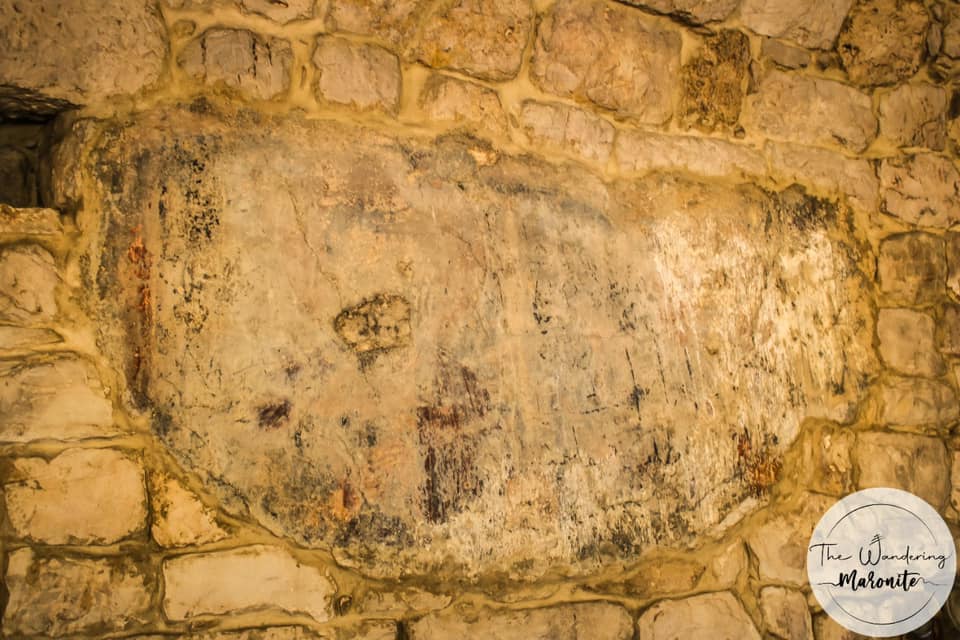
كنيسة مار إدنا - عين عكرينتقوم كنيسة مار إدنا في خراج بلدة عين عِكرين. بنيت على عِدَّة مراحل على أنقاضٍ رومانيّة قديمة. فهي بسوقٍ واحدٍ بعقدٍ سريريّ يحتوي على حنيَّة مُكوَّرة، وثلاثة قناطر في الجدار الجنوبيّ. على الحائط الشماليّ، بقايا جِداريّة، تعود الى القرون الوسطى . في الكنيسة لوحة نادرة لمار إدنا مرسومة على النحاس، كما وجد في داخلها بقايا رومانيّة. ومار إدنا هو لقب سريانيّ لمار طراخونبوس وهو شهيد من القرن الثالث وشفيع الأذن.The church of St Edna - Aïn EkrinThe ancient church stands in the vicinity of Aïn Ekrin built several stages over roman ruins. It consist of one nave with a crib vault, ending with a semi circular apse. The southern wall consists of three arched windows. The church holds a rare icon of St Edna painted on copper, and many roman poteries. The church also holds a medieval fresco. Edna is a Syriac nickname given to St Trakhonios, a Third century martyr, and the patron saint of ears.
سنة ١٨٥٠ إشترى الشيخ عبّاس الخازن حجارةً مقصوبةً لبناء حارته. خلال ثورة الفلاّحين صادر الثوّار الحجارة بأمر قائدهم الياس المنيّر وبنوا بها كنيسةً رعائيّةً حتّى لا تصير مُطالبة بالحجارة، فجاء البناء عقدًا سريريًّا. رُمّمت الكنيسة أواخر القرن العشرين وهي تحوي العديد من اللوحات المحليّة.
The Church of Our Lady of Perpetual Help - Haret el Mir, Zouk Mikael
It was built using building stones that were originally purchased by Sheikh Abbas el Khazen in 1850 for the construction of his mansion. However, during the peasant revolution of 1858, a group of revolutionaries led by Elias el Mnayyar confiscated the stones and used them to build a cross-vaulted church. As the stones were used to build a parochial church, no one could claim ownership over them. The church features many locally made paintings and was renovated at the end of the 20th century.
Our Lady of The Tower Maronite Church, Deir Al-Ahmar, Lebanon
كنيسة سيّدة البرج
Deir El-Ahmar
Baalbek
Baalbek-Hermel
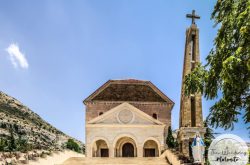
كنيسة سيّدة البرج - دير الأحمر
بنى الرومان في دير الأحمر معبدًا لجوبيتير، تحوّل أوائل القرون الوسطى لبرجٍ عسكريّ لم يبقَ من بنائه سوى الطابق الأوّل. خلال القرن العاشر تحوّل الى ديرٍ يعقوبيّ. سنة ١٧٥٩ دمّر زلزال ضخم كنيسة سيّدة الزروع القديمة فتداعى الأهالي لبناء عقدٍ سريريّ كبير فوق آثار البرج، ليصبح البناء كنيسةً جديدةً كبيرة. كُرّست الكنيسة سنة ١٨٤٣ ورُمّمت سنة ٢٠١٧. تضمّ الكنيسة لوحتين للعذراء من عمل كنعان ديب وداوود القرم. كذلك تحتوي على مكتبةً غنيّة بالكتب البيعيّة.
The Church of Our Lady of the Tower - Deir El Ahmar
The Romans built a temple dedicated to Jupiter in Deir El Ahmar. During the High Middle Ages, the temple was converted into a three-storey military tower, but today only the first storey remains. In the 10th century, Jacobite monks used the site as a monastery. In 1759, an earthquake struck the region and destroyed the old church of Our Lady. The people of Deir el Ahmar then decided to build a great cross-vaulted church on the foundation of the tower. The church was dedicated in 1843 and underwent renovation in 2017. The church is home to a manuscript library and two Marian paintings by Kanaan Dib and Dawoud el Qorm. La Iglesia de Nuestra Señora de la Torre - Deir El-Ahmar Los romanos construyeron un templo dedicado a Júpiter en Deir El-Ahmar. A principios de la Alta Edad Media, el templo se convirtió en una torre militar de tres pisos, de la cual actualmente solo queda el primer piso. En el siglo X, los monjes jacobitas utilizaron el sitio como monasterio. En 1759, un terremoto azotó la región y destruyó la antigua iglesia de Nuestra Señora. La gente de Deir el-Ahmar decidió entonces construir una Iglesia de grandes dimensiones con bóveda de crucería sobre los cimientos de la torre. La iglesia fue consagrada en 1843 y se renovó en 2017. La iglesia alberga una biblioteca de manuscritos y dos pinturas marianas de Kanaan Dib y Dawoud el Qorm.
بنيت الكنيسة الأولى على أنقاض هيكلٍ رومانيّ كرّس للزهرة، أواسط القرن الخامس عشر، وكانت كنيسةً كبيرة حَوَت مكتبة مخطوطات مهمّة. رُممّت الكنيسة وجُدّدت عدّة مرّات لكنّ الكنيسة القديمة هُدُمت أواسط القرن العشرين لتبنى الكنيسة الحاليّة الأكبر. تحوي الكنيسة على بيت قربان رخاميّ من أثر الكنيسة القديمة، كذلك العديد من اللوحات المحليّة العائدة للقرنين السابع والثامن عشر.
The Parish church of Our Lady - Aqoura
The church was built over a roman temple dedicated to Venus, in the mid XVth century. The church had a rich manuscript library. It was restored many times, yet the old church was destroyed in the mid XXth century to make space for the new bigger church. The church holds the marble tabernacle of the old one and a collection of locally made paintings dating back to the XVIIth and XVIIIth century.




Reviews are disabled, but trackbacks and pingbacks are open.