
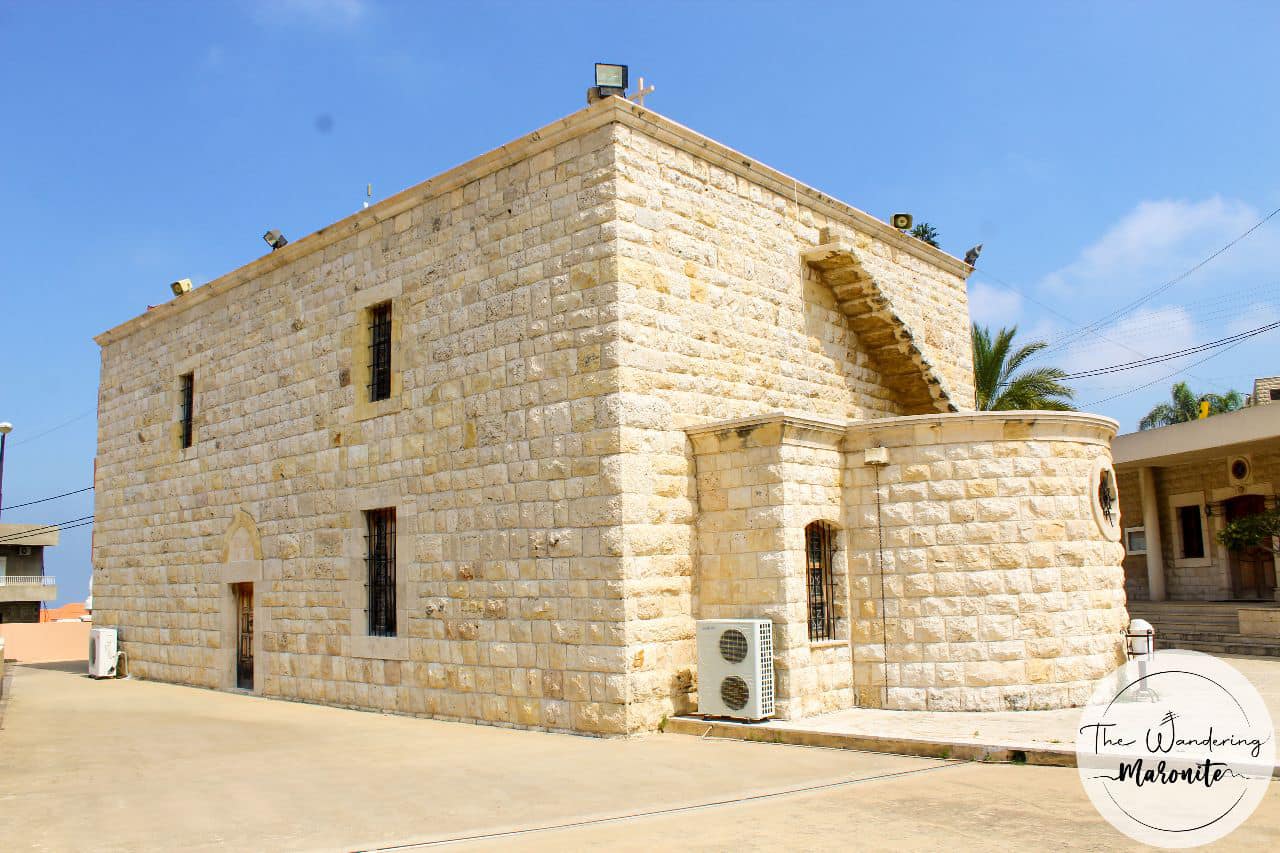
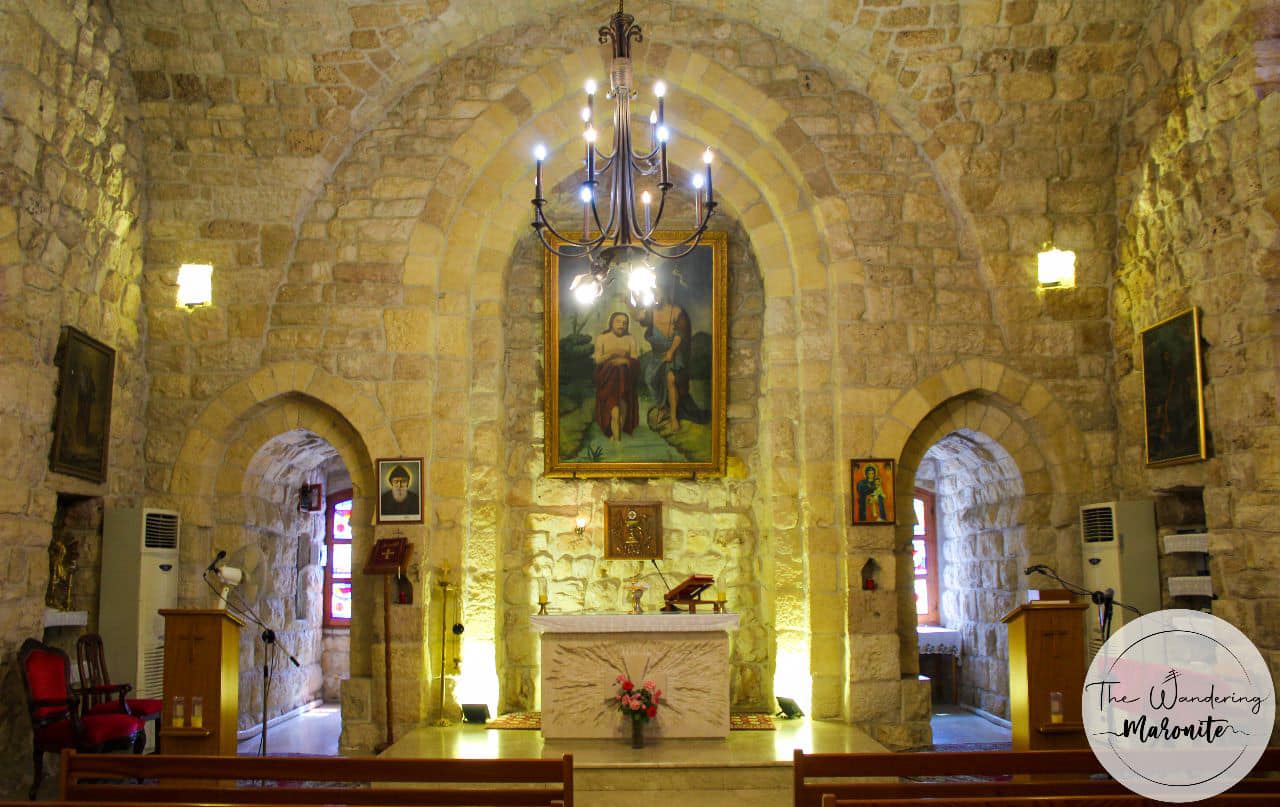
Kfarkekhly Amchit – The church of St John the Baptist

Saint John the Baptist Church - كنيسة مار يوحنا المعمدان, Aamchit, Lebanon

Other Details

كنيسة مار يوحنّا المعمدان

Aamchit

Jbeil

Mount Lebanon

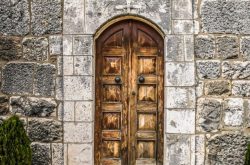
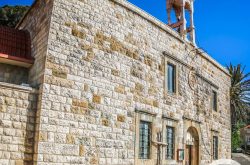
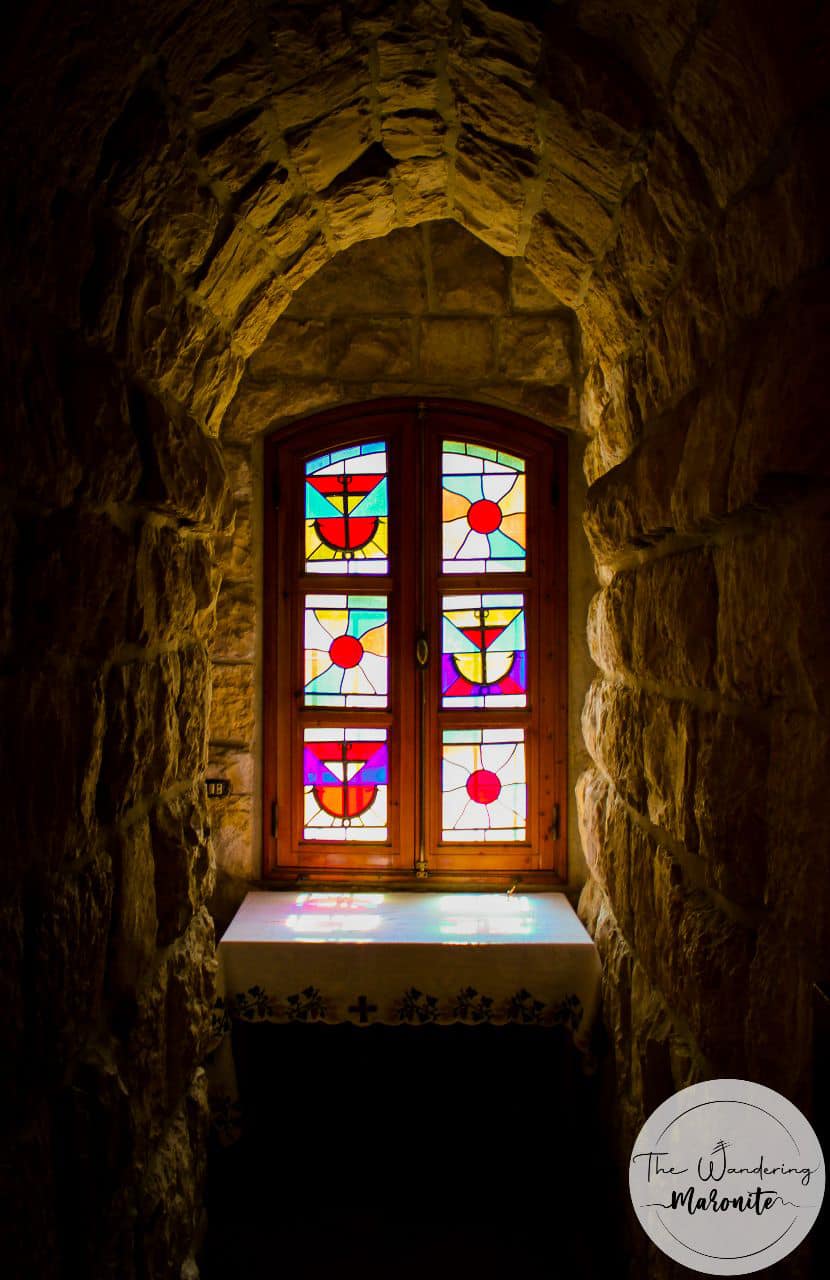
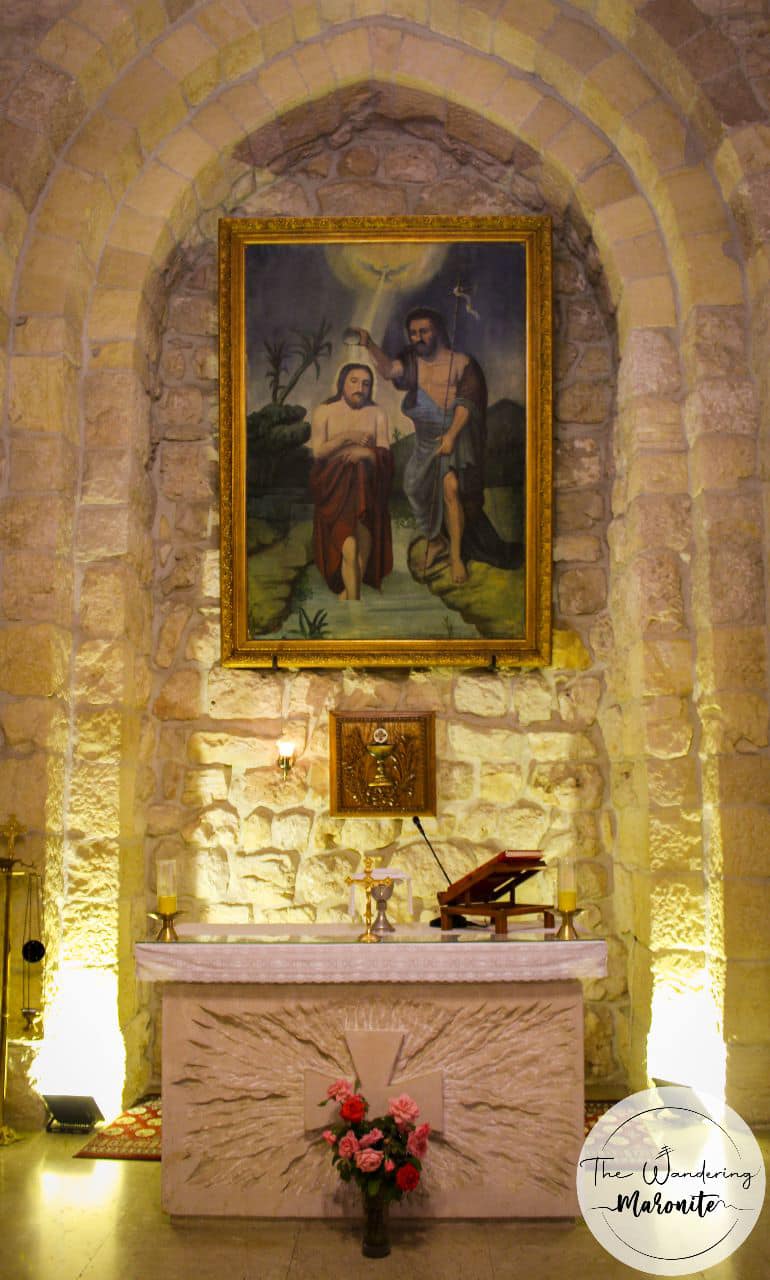
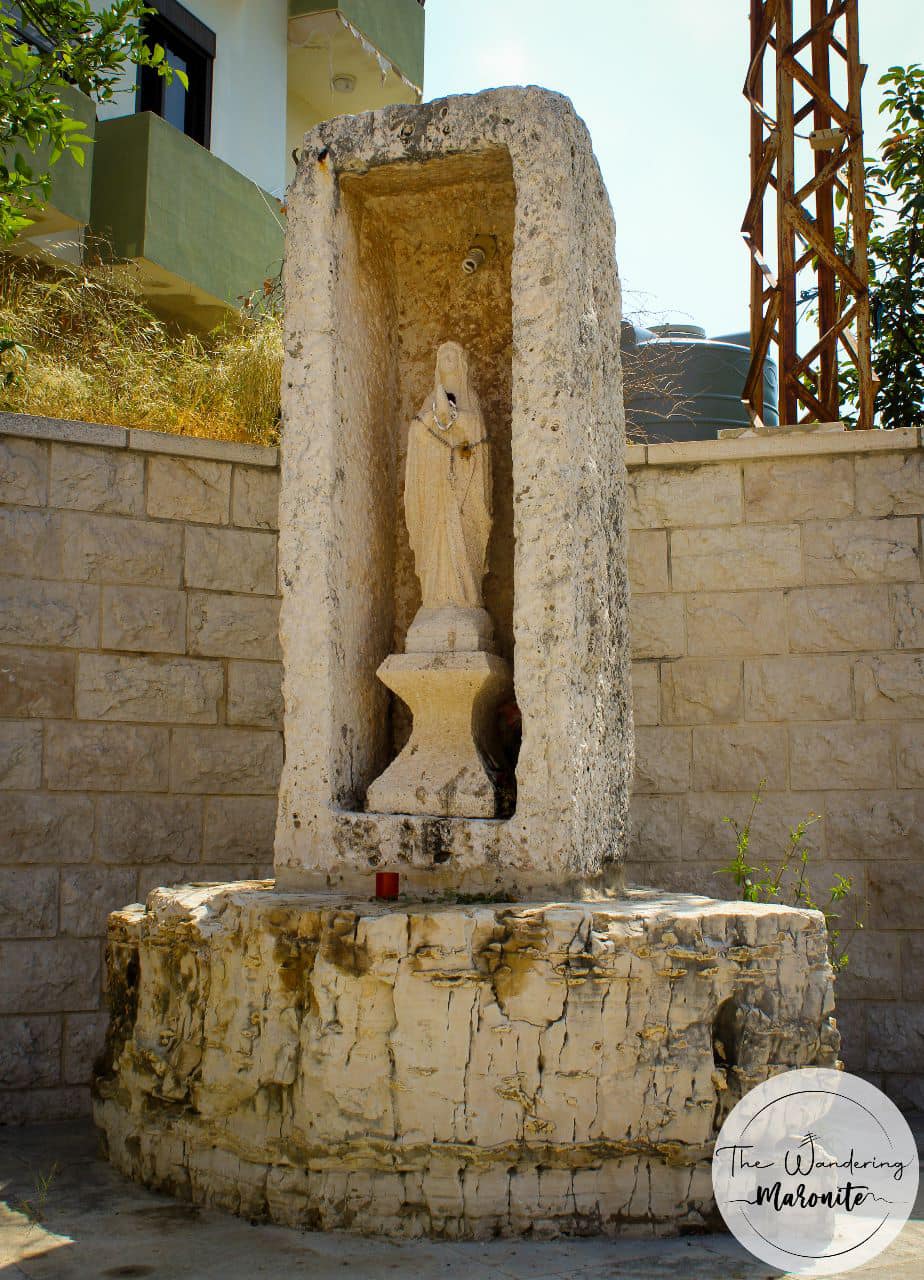
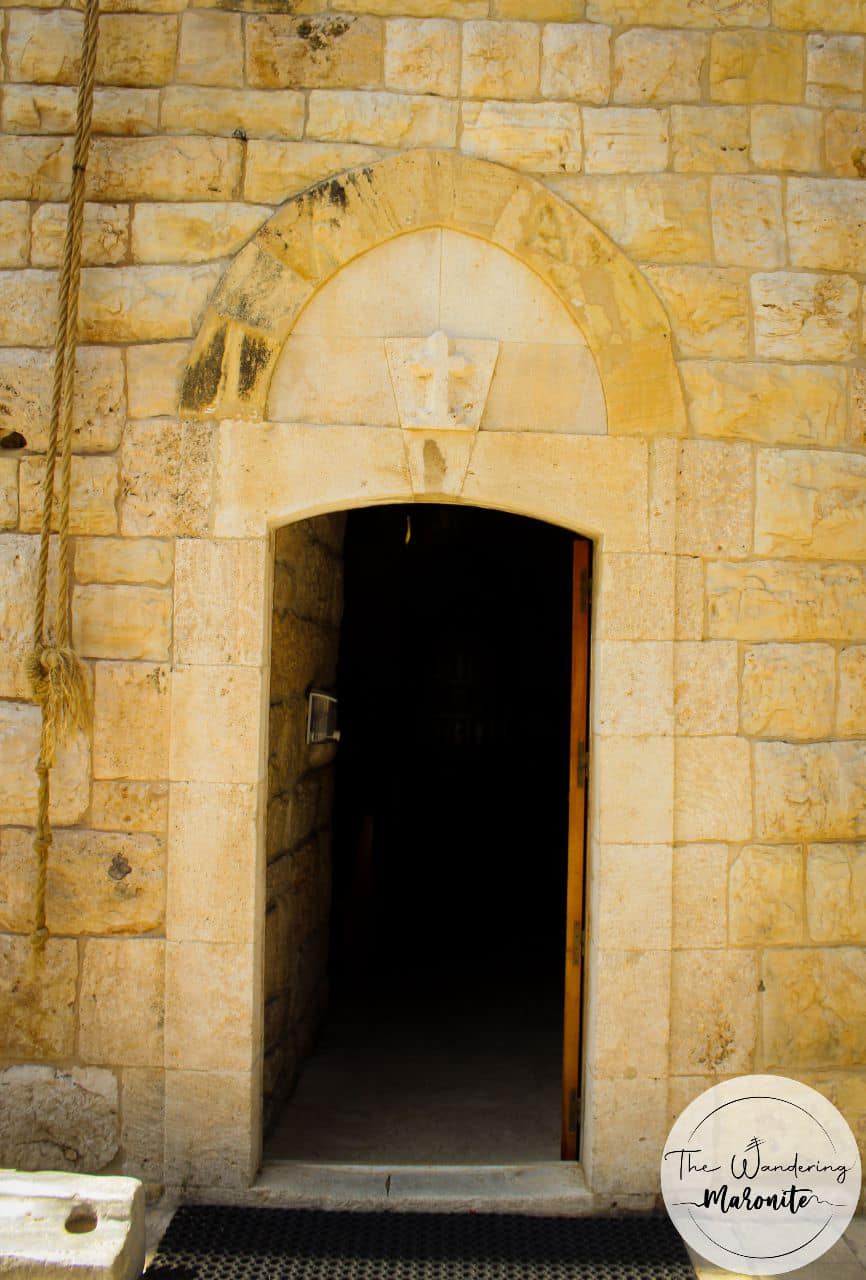
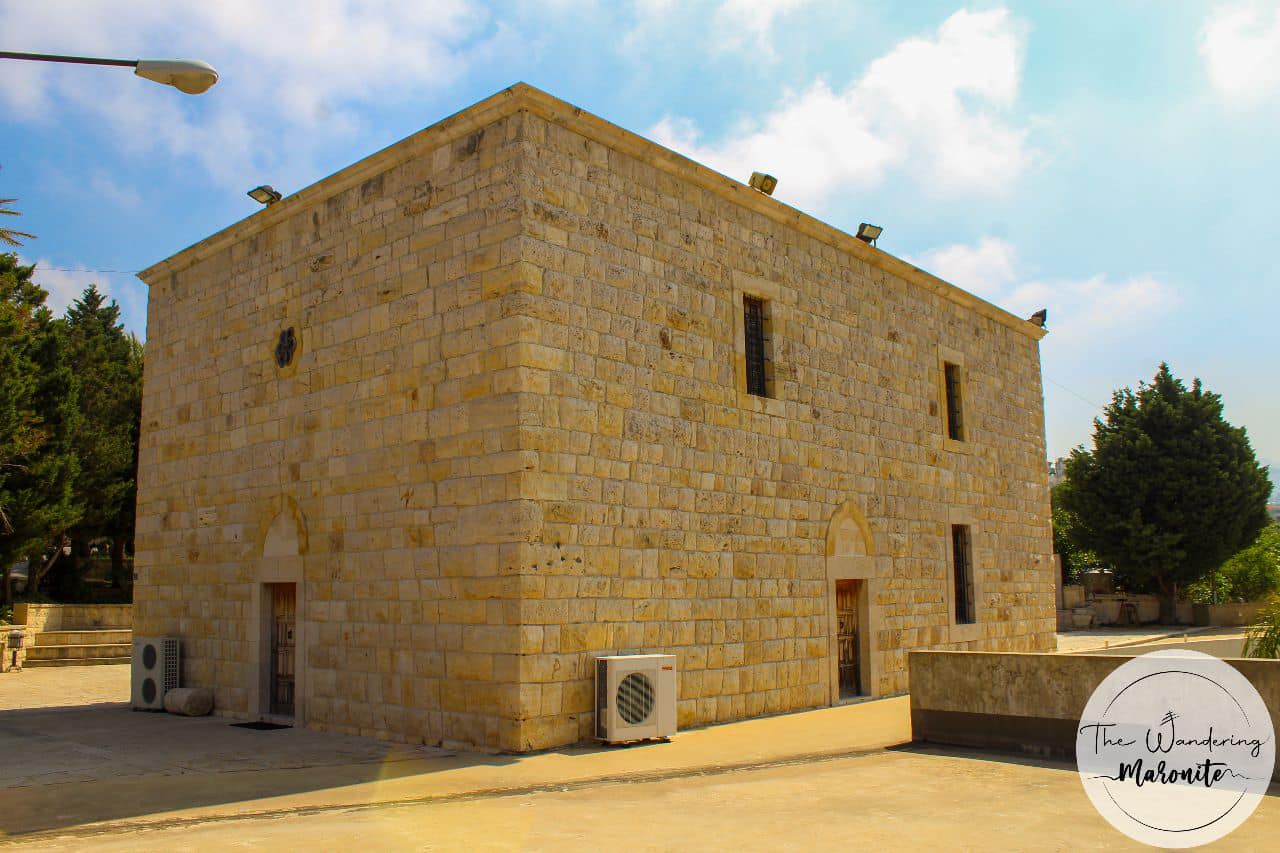
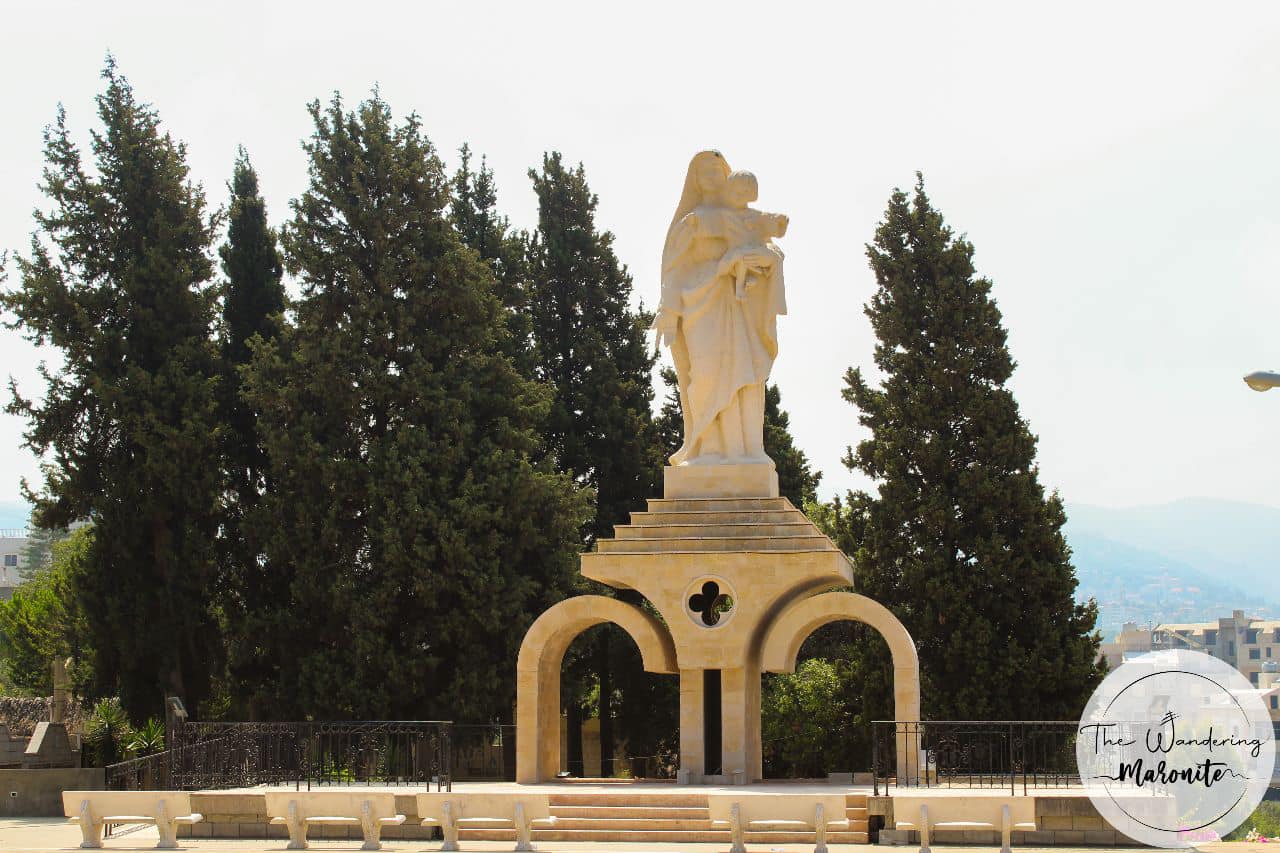
كنيسة مار يوحنّا المعمدان - كفركخلي عمشيت بُنيت كنيسة أولى في الموضع سنة ١٧٥٠ على اسم مار روحانا. أواخر القرن التاسع عشر وُسِّعت على شكل عقدٍ مُصالبٍ وكُرّست على اسم مار يوحنّا المعمدان لتُصبح كنيسةً رعائيّة. تضمّ الكنيسة ثلاث لوحات محليّة الصنع: عماد المسيح، مار روحانا ومار يوسف. The church of St John the Baptist - Kfarkekhly Amchit The first church was built in 1750 and dedicated to St Rouhana. The current large crossed vaulted structure was built in the late XIXth century and dedicated to St John the Baptist as a parochial church. The church holds three locally made paintings: The Theophany, St Rouhana, St Joseph.

Visited 3351 times, 4 Visits today

Reviews are disabled, but trackbacks and pingbacks are open.

Related Listings

The Valley of Qannoubine – The monastery of St George of the Abyssinians

محبسة مار جرجس, Hadchit, Lebanon

دير مار جرجس الأحباش

Ouadi Qannoubine

Bcharre

North

دير مار جرجس الأحباش - وادي قنوبين

الدّير عبارة عن كهفٍ طبيعيٍّ يقع في وسط الجُرف الصخريّ ويضمُ كنيسةً ومدفنًا وبعض القلالي. يتمّ الوصول إليه عبر درجٍ من الحجارة المنحوتة. بنى الدّير رهبان مونوفيزيّين جاؤوا من الحبشة في القرن الثاني عشر بقصد التنسك. الكنيسة كناية عن تجويفٍ طبيعيًّ حُفرت حنيتها على شكل عقدٍ مكسورٍ مُليّسة بالكلس، ومزيّنة برسومٍ جداريّة ذات أشكال هندسيّة تنتمي لفنّ الكنيسة الحبشيّة. في الكنيسة كذلك مذبح مربّع الشكل.

The monastery of St George of the Abyssinians - the valley of Qannoubine

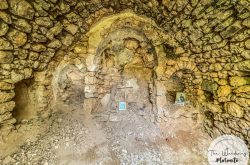
The monastery is a natural cave in a cliff consisting of a church, a necropolis and some cells. It is accessible trough a carved stair. The monastery was built by Jacobite monks from Abyssinia during the XIIth century. The church is a natural cave with a carved apse covered by limestone gypson with a geometrical motif fresco from the Ethiopian art tradition, the church also has a squared altar.

Dlebta – The church of St Jacob the Persian

Mar Yaacoub Church, Delbta, Lebanon

كنيسة مار يعقوب المقطّع

1764

Dlebta

Keserwan

Mount Lebanon

كنيسة مار يعقوب المقطّع - دلبتا

بُنيت الكنيسة سنة ١٧٦٤، وهي عقد مصالب بحنية واحدة وثلاث مذابح. هي كنيسة البلدة الرعائيّة. رممّت للمرّة الأولى ما يين سنة ١٨٩٣ و١٨٩٤ وأقيم فيها المذبح الكبير. أمّا الترميم الثاني يعود لسنة ١٩٧٥. تحوي الكنيسة على مدفن المطران يوحنّا مراد رئيس أساقفة بعلبك (+١٩٣٧). كذلك على مجموعة كبيرة من اللوحات لكنعان ديب إبن البلدة تعود لأواخر القرن التاسع عشر.

The church of St Jacob the Persian - Dlebta

Built in 1764, it is the town’s parochial church. The structure is a crossed vault ending in a single apse with three altars. The church was restored between 1893 and 1894 when the current high altar was brought, and in 1975. In the church is buried Mgr. Youhanna Mrad (+1937) archbishop of Baalbek. The church holds a great number of paintings by Kanaan Dib the son of Dlebta, dating back to the late XIXth century.

Antelias – The Church of St. Elijah

دير مار الياس - انطلياس, Square، Antelias, Lebanon

كنيسة مار الياس

Antelias

Metn

Mount Lebanon

كنيسة مار الياس - أنطلياس

بُنيت الكنيسة كمزارٍ صغيرِ مُكرّس للنبيّ إيليّا فوق معبدٍ رومانيّ في القرن الخامس. أعاد المردة توسيع البناء الأوّل في القرن العاشر. بعد تأسيس دير سيّدة طاميش سنة ١٦٨٥ كان المطران جبرائيل البلوزاوي (البطريرك لاحقًا) يرسل راهباً ليخدم الرعيّة. سنة ١٧٢٣ سلّم البطريرك يعقوب عوّاد كنيسة مار الياس وجميع املاك الدير واوقافه الى الرهبنة الانطونيّة. شهدت كنيسة الدّير سنة ١٨٢٠ وسنة ١٨٤٠ على قسم عاميّتين إجتمعت فيهما كافة الأطياف من جبل لبنان تنديدًا بجور الأمير بشير الثاني. سنة ١٩٢٧ أخذت الكنيسة شكلها الحاليَ ورُمّمت أخيرًا سنة ٢٠٠٠.

The Church of St. Elijah - Antelias

The church was initially constructed as a small shrine atop a Roman pagan temple in the 5th century. During the 10th century, the Maradaites expanded the original shrine. After Bishop Gebrayel El Blousawi (later patriarch) established the Tamish monastery in 1685, he assigned one of its monks to serve the Antelias parish. In 1723, Patriarch Jacob Awad generously donated the church, monastery, and all associated lands to the Antonine Maronite Order. The Church of St. Elias played a significant role in two revolutionary agreements between representatives of Mount Lebanon's denominations, opposing the oppressive rule of Prince Beshir II in 1820 and 1840. The church acquired its present form in 1927 and underwent restoration in 2000.