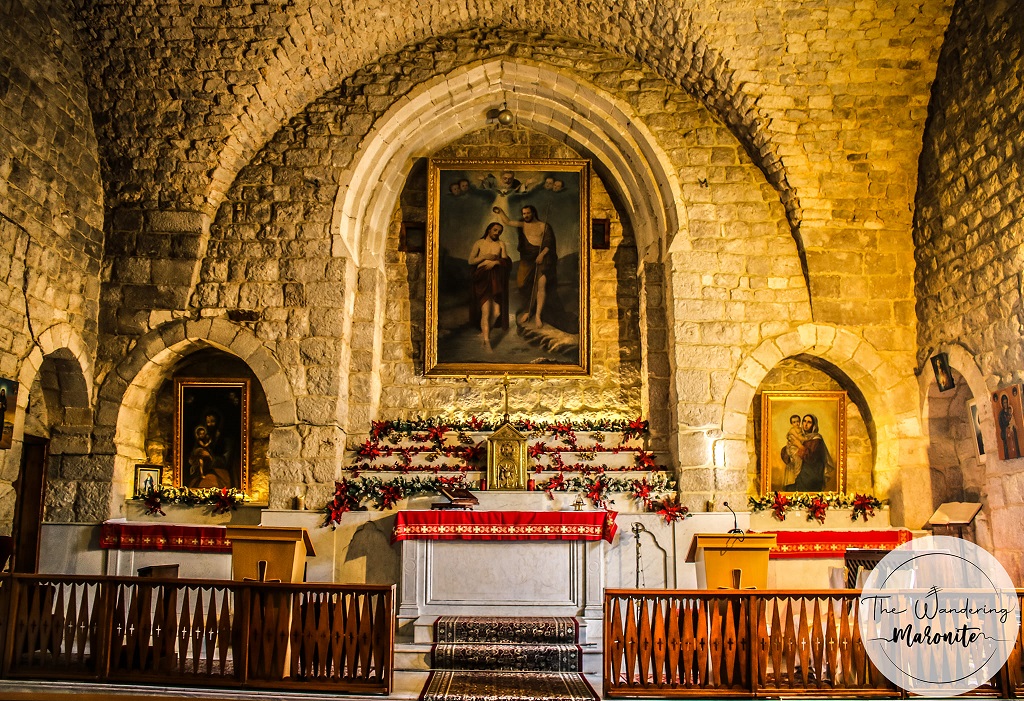
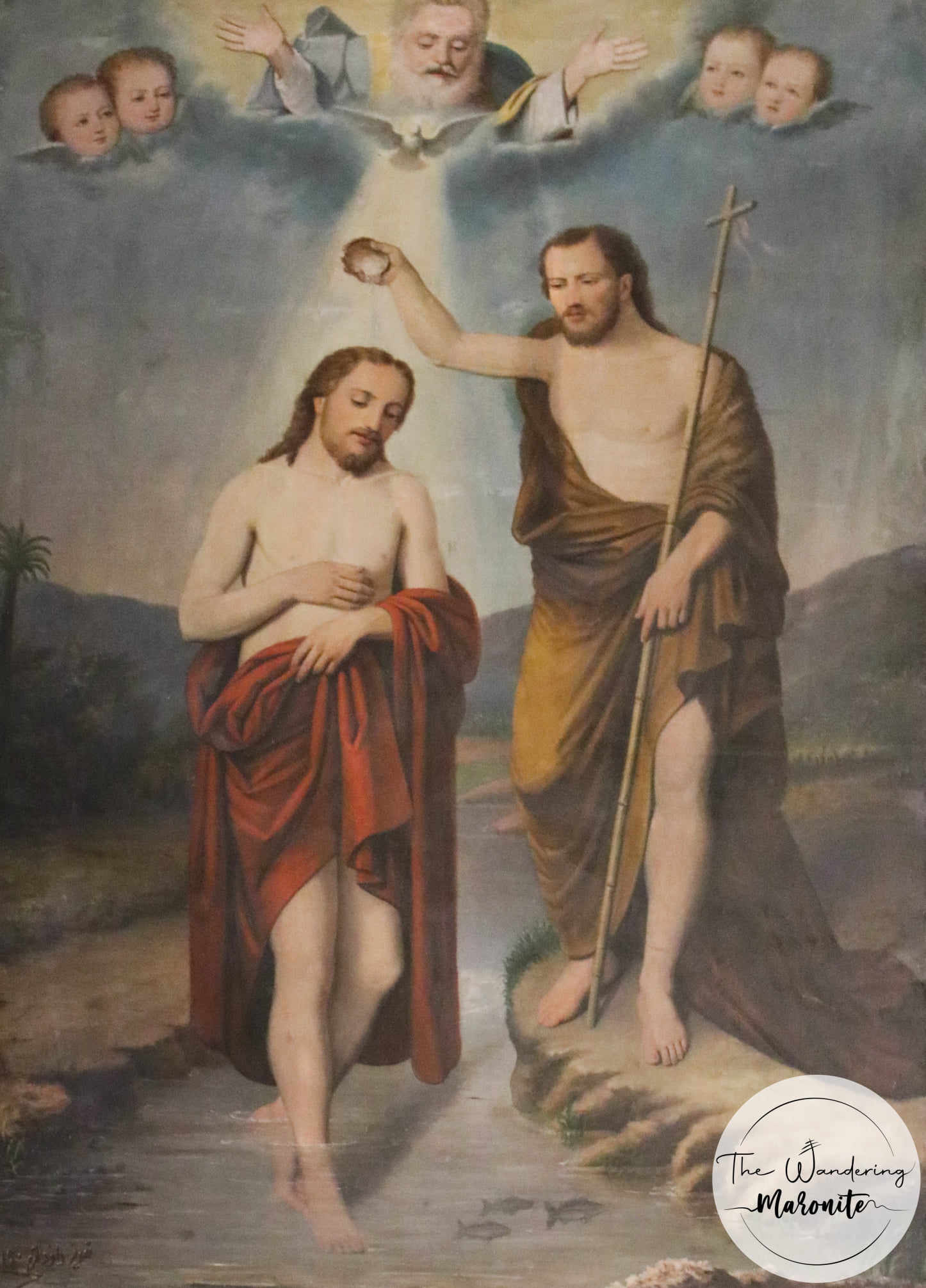
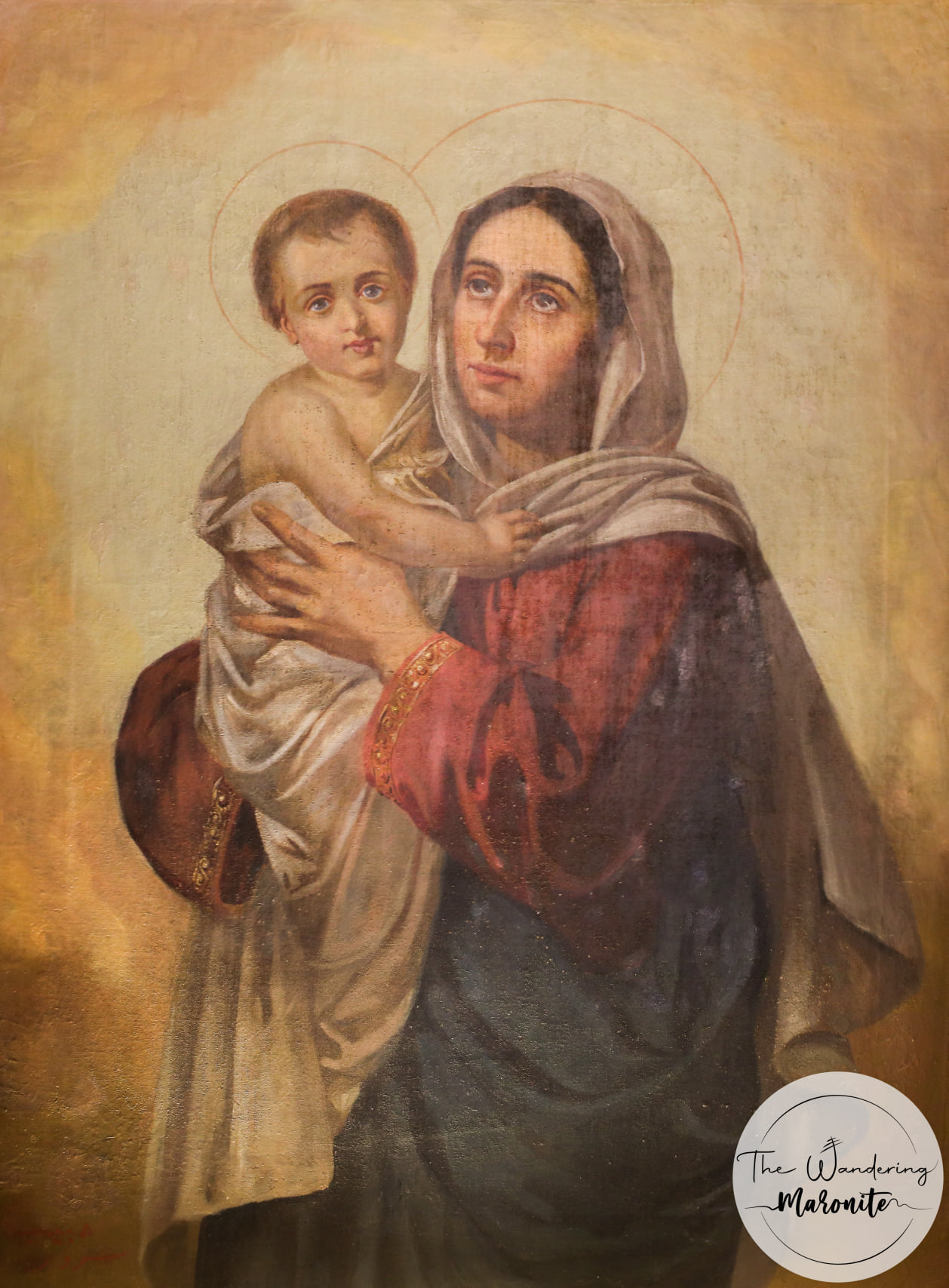
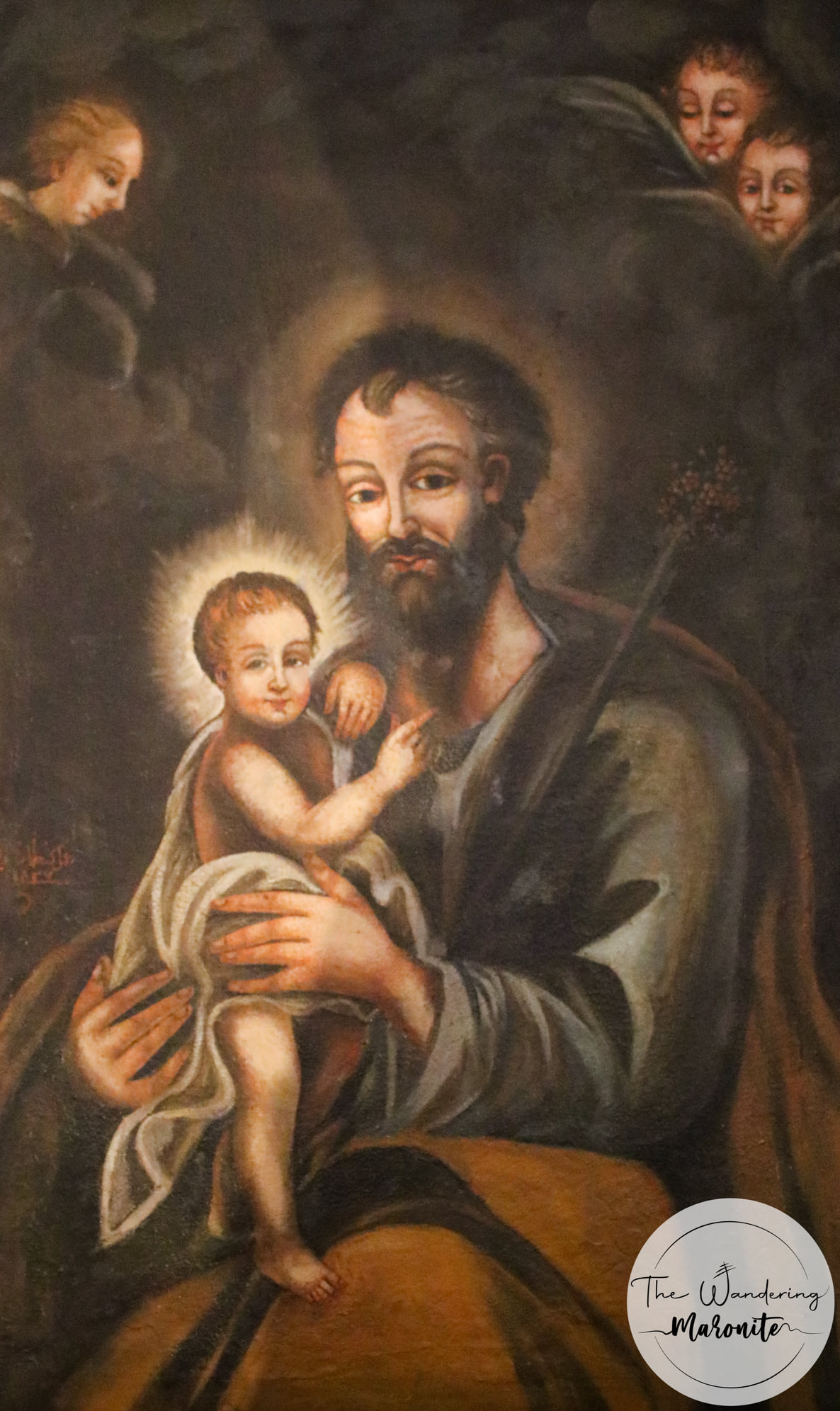
بُنيت الكنيسة القديمة سنة ١٧٩٧، وهي من أقدم رعايا أعالي كسروان، تحوي ثلاث لوحات مهمّة: مار يوحنّا لداود القرم، السيّدة والطفل لحبيب سرور، ومار يوسف لكنعان ديب. بقربها بُنيت الكنيسة الجديدة في ١٤ أيلول سنة ١٩٨٤.The church was built in 1797, and it is one of the oldest churches in the mountains of Keserwan. It holds three paintings: The Baptism of Jesus for Dawoud al Qorm, the Madona for Habib Srour, St Joseph for Kanaan Dib. Near the old church a new one erected and was consecrated on the 14th of September 1984.
بُنيت الكنيسة الأولى سنة ١٦٧٢، وكرّسها البطريرك إسطفان الدويهيّ. سنة ١٨٢٨ كانت الكنيسة أصبحت ضيّقة، فأُخذت جحارتها، بالإضافة إلى حجارة كنيسةٍ قديمةٍ مهجورةٍ على اسم مار عبدا، كانت تخصّ آل الشمالي قبل نزوحهم إلى بلدة سهيلة. كان البناء بسعي الخوري نقولا صفير. الكنيسة كناية عن عقدٍ مُصالب ينتهي بحنية. تضمّ أربعة مذابح: مار زخيا، السيّدة، القلب الأقدس، مار يوسف. الكنيسة تحافظ على طابعها الأصليّ بنقوشها وزخرفتها الملوّنة والأشكال الهندسيّة على الجدران والأسقف.
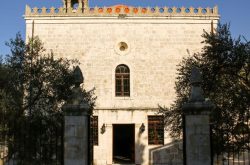
The church of St Zakhia (St Nicolas) - Ajaltoun
The first church was built in 1672, and dedicated by Patriarch Estefan el Douwaihy. In 1828 the church became too small for the increasing number of villagers. With the help of Fr Nkoula Sfeir, two old churches were dismantled: the old St Zakhia and an old ruined chapel dedicated to St Abda that belonged to the Chemaly family that moved to Shaileh. The stones were used to build the new church. The structure is a crossed vault, with four altars: St Zakhia, the Madonna, the Sacred Heart, and St Joseph. The church still conserves its original decorum with colored floral motifs and arabesques.
كنيسة مار ضومط - Mar Doumit Church, Mechmech, Lebanon
كنيسة مار ضوميط
Michmich Jbayl
Jbeil
Mount Lebanon
كنيسة مار ضوميط - مشمش
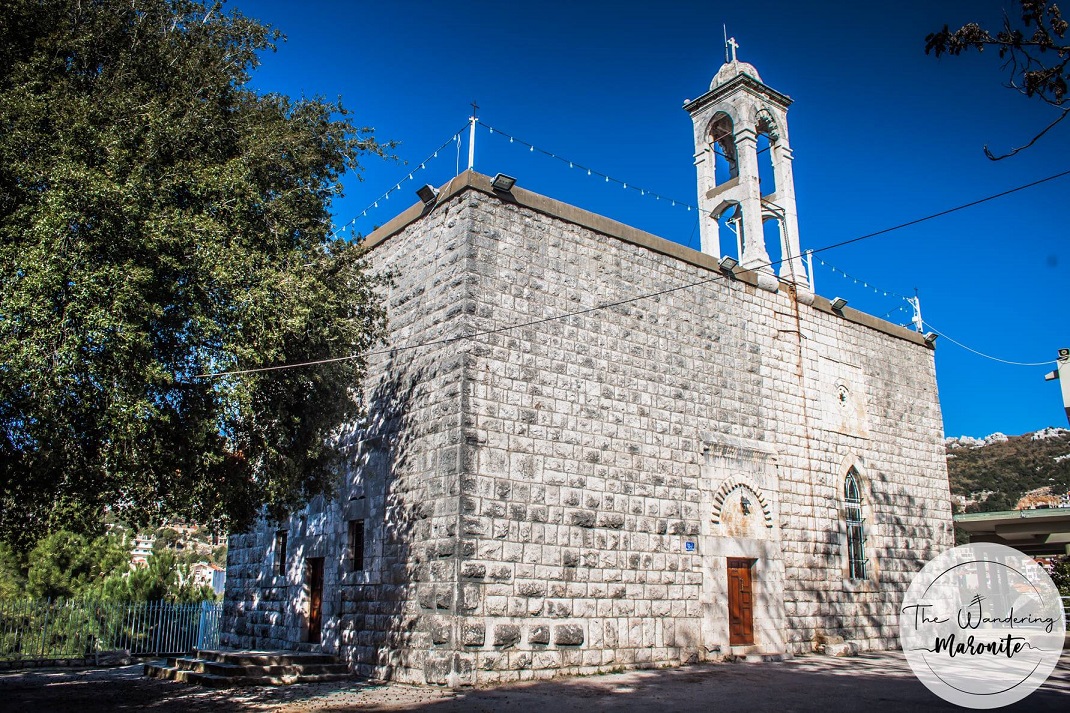
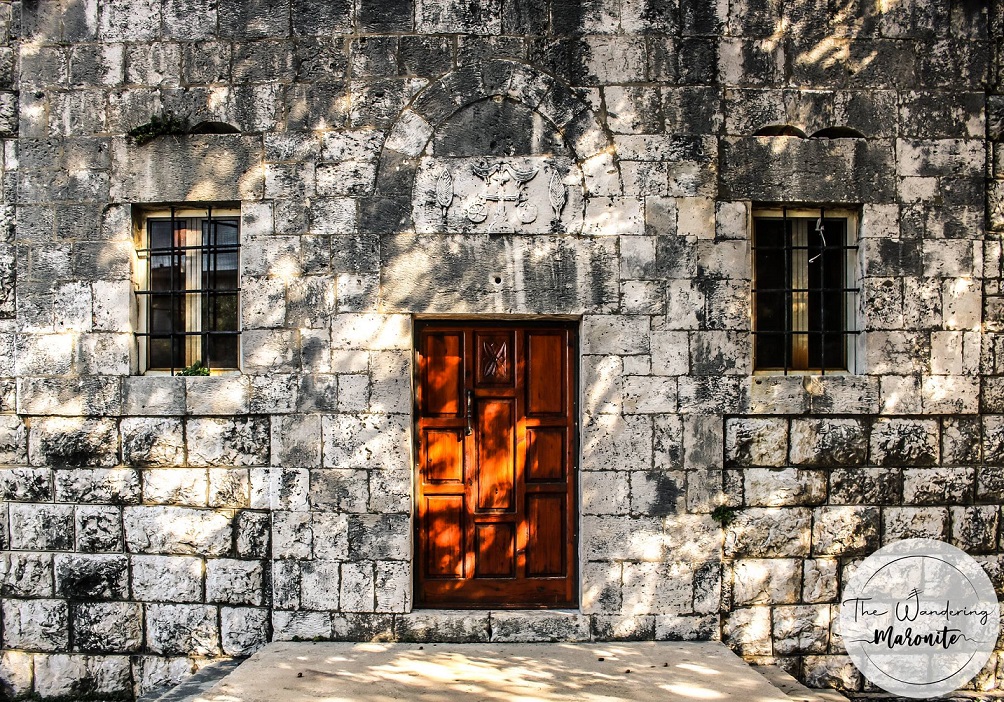
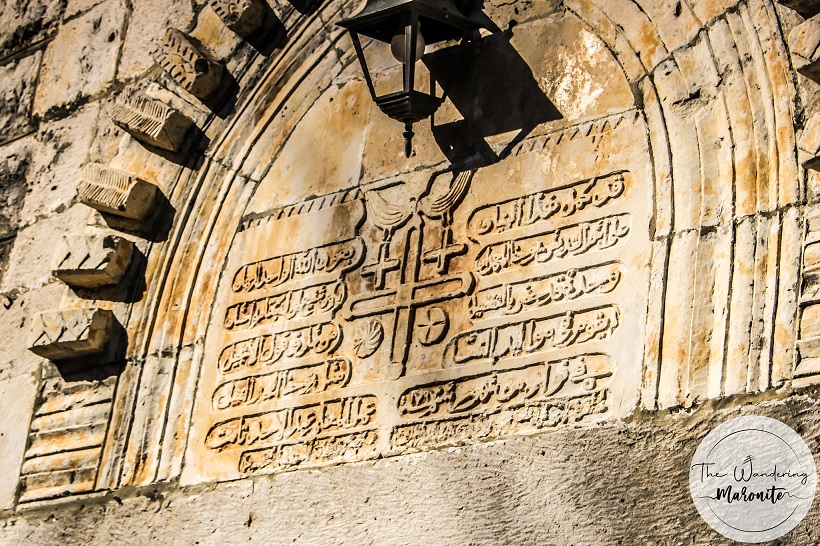
الكنيسة الحاليّة بدأ بناؤها سنة ١٨٤١ على أنقاض آثارٍ رومانيّة ما زالت ظاهرة. كُرّست الكنيسة سنة ١٨٦٣ وهي كناية عن عقدٍ مُصالب من حجارة البلدة، ينتهي بحنية. تمّ ترميمها بين سنة ٢٠١٣ وسنة ٢٠١٧. تتميّز هذه الكنيسة بأيقونة مار ضوميط التي تعود إلى القرن التاسع عشر.
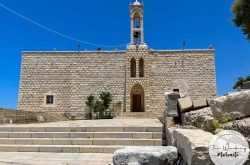
The Church of St. Doumit - Mechmech
The church was built in 1841 over Roman ruins that are still visible. It was dedicated in 1863. The structure consists of a rib vault made with stones from the village's quarries. The church was restored from 2013 till 2017. It holds a 19th-century icon of St. Doumit.
Deir Mar Botros Wa Boulos - Qattine, Qatin, Lebanon
دير مار بطرس وبولس
Deir El Qattine
Jezzine
South
دير مار بطرس وبولس - قطّين
بناه المطران سمعان عوّاد الحصروني سنة ١٧٣٦ أيّام حبريّة البطريرك يوسف ضرغام الخازن، وكان مزرعةً صغيرة. سلّم المطران الدّير للرهبانيّة الأنطونيّة المارونيّة سنة ١٧٦٠، فبنى الرهبان الكنيسة ووسّعوا الدّير واستُخدم فترة قصيرة كدير للراهبات العابدات الأنطونيّات. سنة ١٨٦٠ تعرّض الدّير للتخريب إبّان الأحداث الطائفيّة. أعيد ترميمه ليخدم رسالته وجلبت للكنيسة لوحة إيطاليَة لمار بطرس وبولس مع الذخيرة الرسوليّة. سنة ٢٠١٧ بنيت بقرب الدّير محبسة مكرّسة لمار يوسف حارس الفادي.
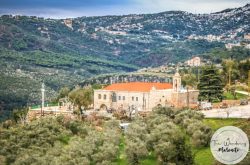
The monastery of Sts Peter and Paul - Qattyn
The monastery was built in 1736 by bishop Gebrayel Awad from Hassroun, and consisted of a small farm. In 1760 the bishop handed over the monastery to the Antonine Maronite Order, who enlarged the building and built the church. The monastery was shortly used as a nunnery for solitary Antonine nuns. The monastery was devastated in the war of 1860. After the war it was renewed, an Italian painting and the apostolic relic where brought from Rome and enshrined in the church. In 2017 a hermitage dedicated to St Joseph the guardian of the Redeemer was built near the monastery.



Reviews are disabled, but trackbacks and pingbacks are open.