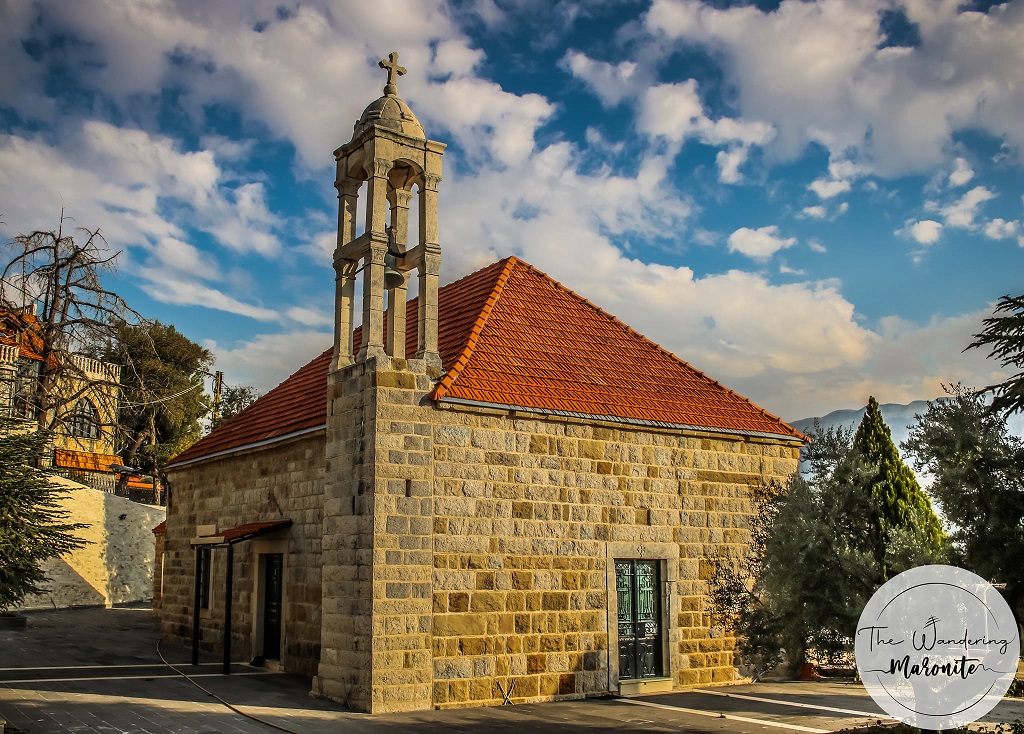
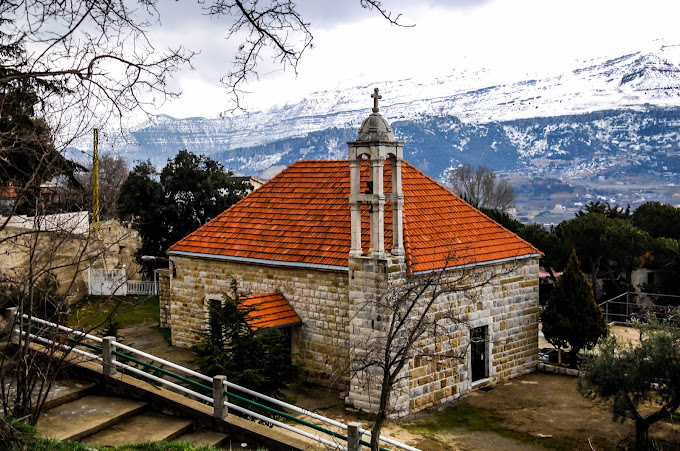
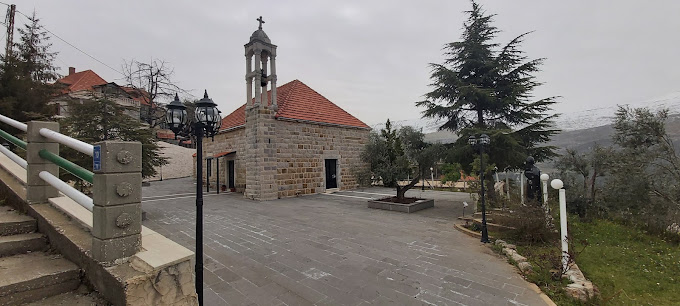
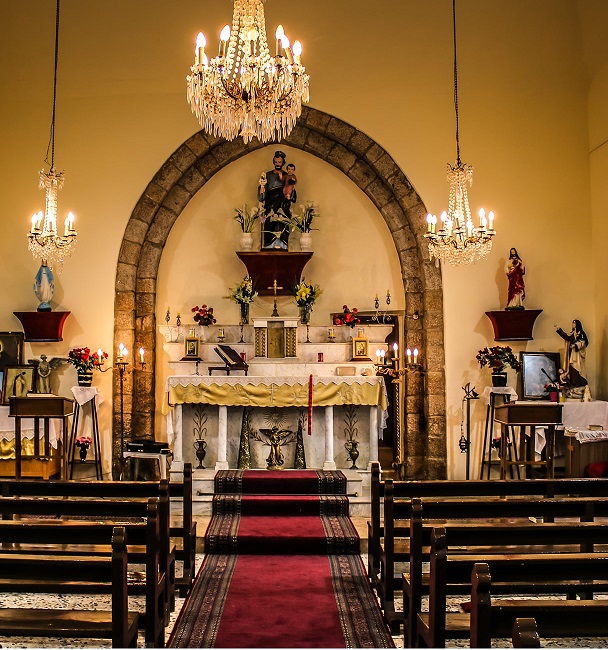
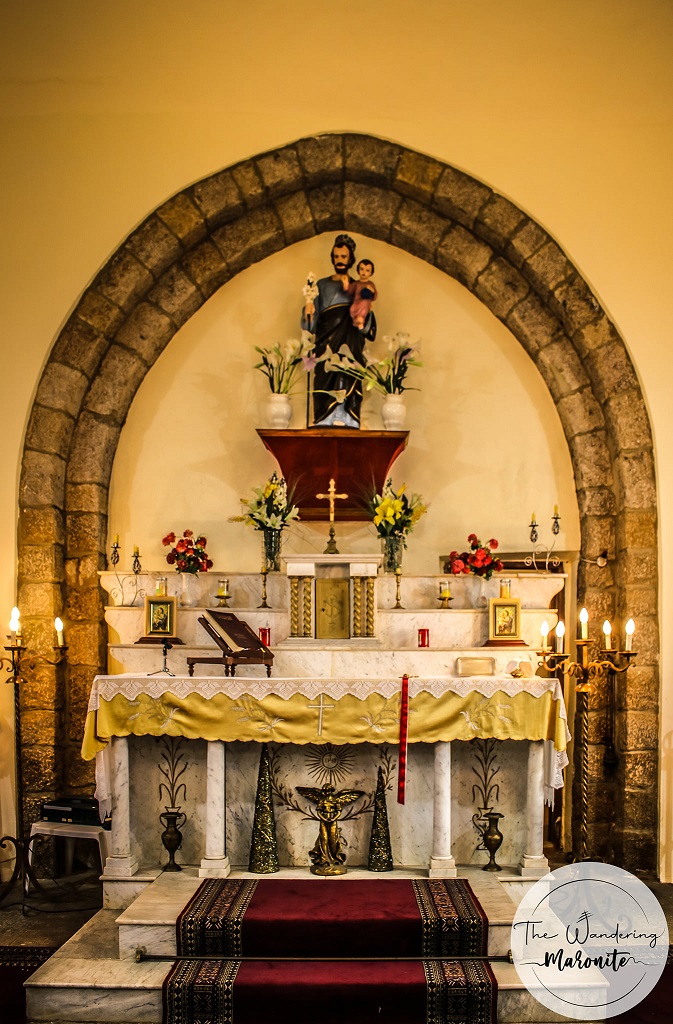
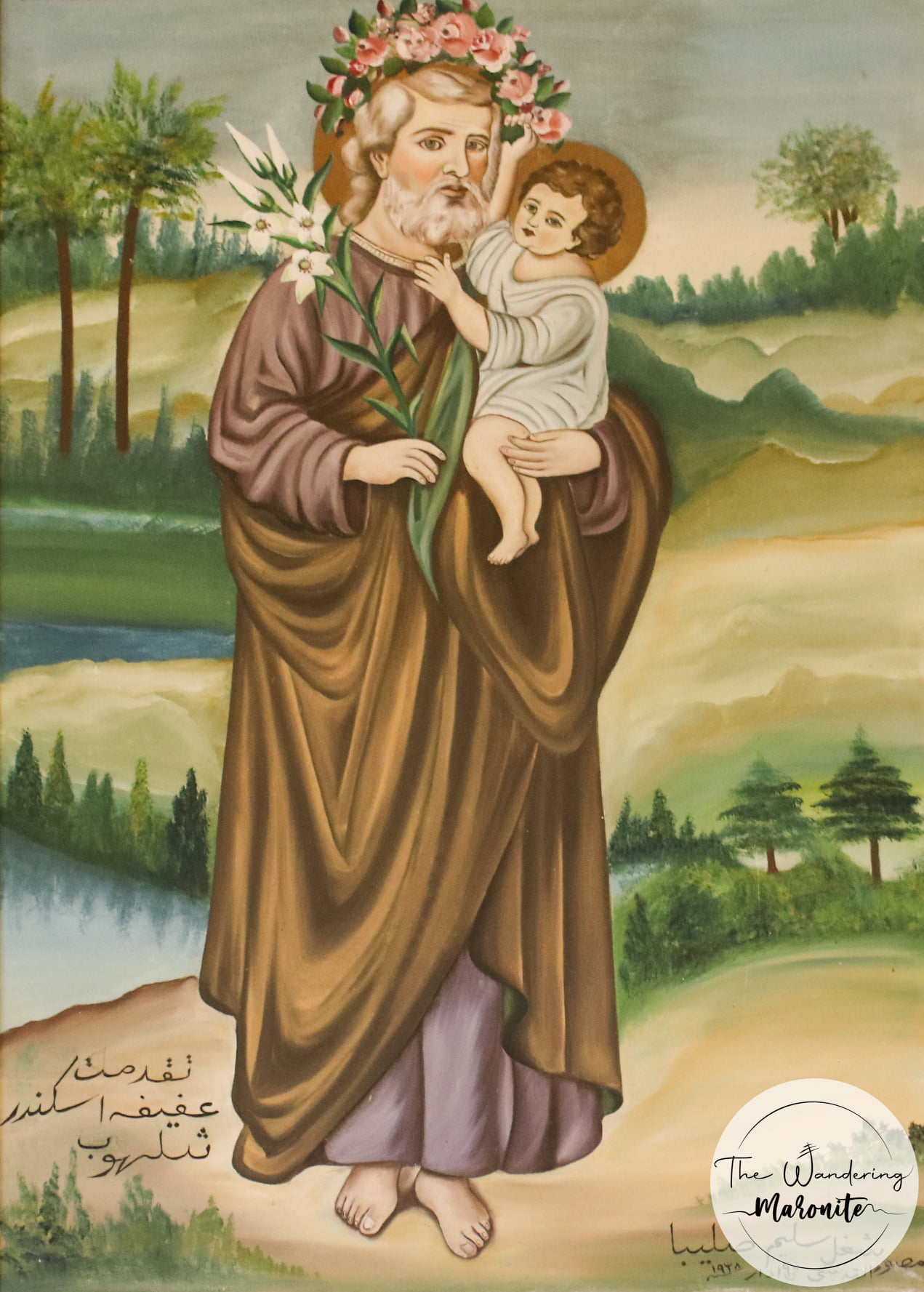
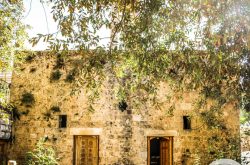
بُنيت سنة ١٨٩٨ عندما اوقف يوسف روفايل جبّور ارض الملّاحة لبناء كنيسة. مؤلّفة من سوق واحدة مليّسة وهي من الحجر المصقوب المغطى بالقرميد. اللوحة من عمل سليم صليبا سنة ١٩٢٧.The church was built in 1898 when Joseph Rafael Jabbour gave the land of Al Malaha to build a church. The church is a single nave built in yellow stone. The painting is the work of Salim Saliba dating back to 1927
Saint Challita Church, Tannourine El Faouqa, Lebanon
دير مار شلّيطا
Tannourine El-Faouqa
Batroun
North
دير مار شلّيطا - تنوّرين الفوقا
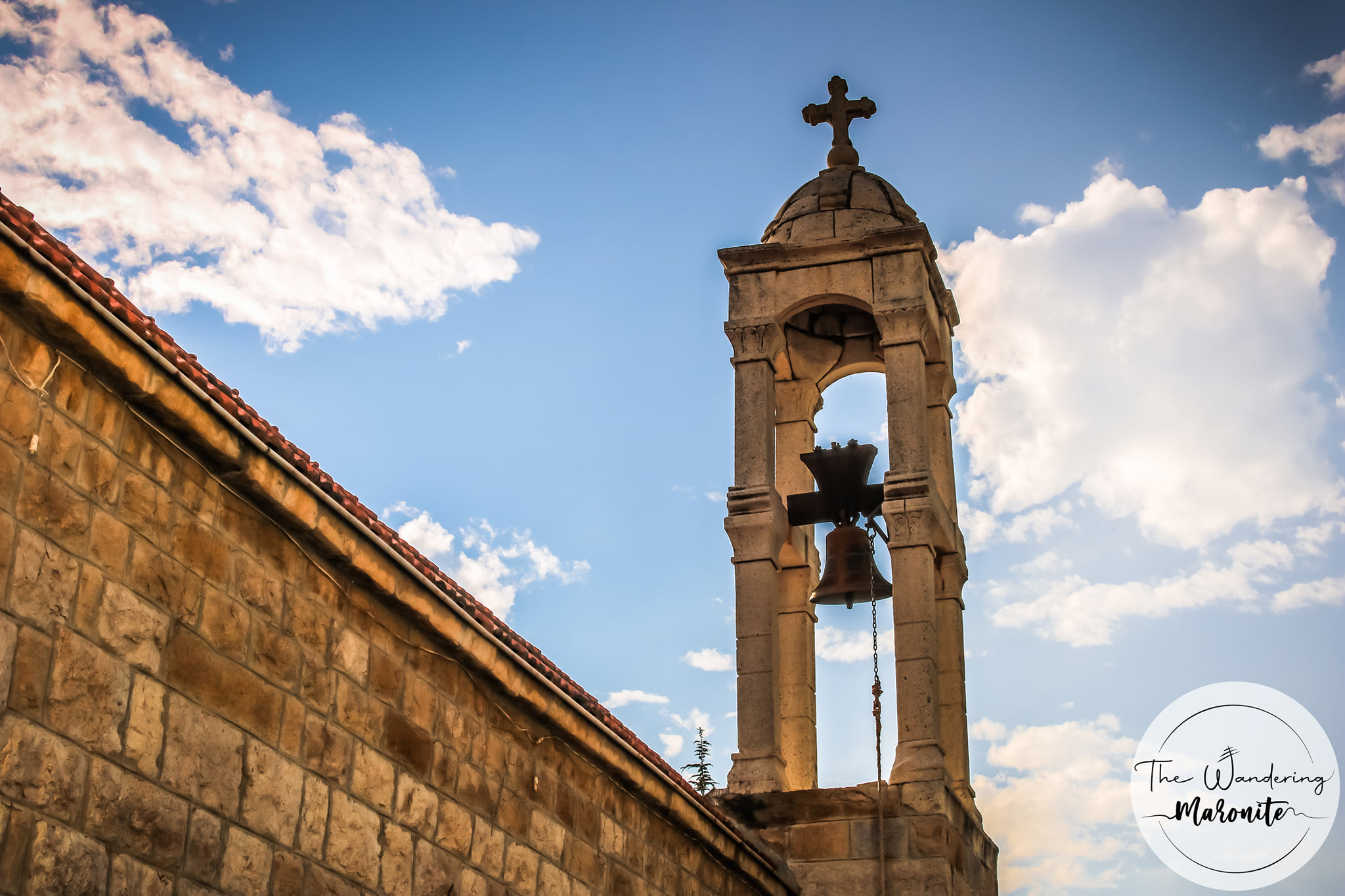
من أقدم كنائس تنّورين، يرجّح البعض أن يكون البناء في الأصل هيكلاً وثنيًّا. الكنيسة مزدوجة بمذبحين: مار شليطا ومار جرجس، دلالة على أنّ الكنيسة تعود لأواسط العصر البيزنطيّ. دير مار شليطا يحوي نقوشًا مميّزة: صليب العاموديّين، الصليب الورديّ، والنجوم المثمّنة والمسدّسة. جرسها من عمل فارس النفّاع سنة ١٩٤٤. في الكنيسة لوحتين غير موقّعتين لمار جرجس ومار شليطا تعودا لما قبل القرن السادس عشر.
The monastery of St Challita - Tannourin el Fawka
It is one of the oldest churches in Tannourin, and used to be a pagan temple according to some sources. The double choir indicates that the structure dates back to the mid Byzantine era. The monastery of St Chalyta is finely built with rare encrypted geometric shapes on the apses : the rose cross, the cross of the stylite, the six and the eight pointed stars... The bell is done by of Fares el Nafah in 1944. In the church are two paintings for St Challita and St George dating back to the XVIth century and not signed.
Saint Georges - grecs catholiques, Ain El Rihane, Lebanon
كنيسة مار جرجس
Bickfaya
Metn
Mount Lebanon
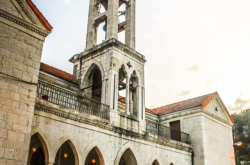
كنيسة مار جاورجيوس - المحيدثة بكفيّا
تسلّمت الرهبانيّة الباسيليّة الشويريّة حجّة عام ١٧٢٦ لبناء كنيسة على إسم مار جرجس للروم الملكييّن الكاثوليك فشرعت بالبناء، وشهدت مراحل ترميم وتوسعة عام ١٩٠٠ و٢٠١١. تتميّز الكنيسة بالإيقونات المقدسيّة والبلديّة التي تعود للنصف الثاني من القرن الثامن عشر. تخدم كنيسة مار جرجس كلّ أبناء المنطقة وهي أمّ الرعايا الملكيّة والأقدم بينها.
St George’s church - El Mhaydse Bikfaya
The Bassilian Choueirite order received permission to build a church in Bikfaya in 1726, and decided to dedicate the new church to St George. The church underwent major restorations in 1900 and 2011. The church holds a collection of icons from the School of Jerusalem and some other local icons. The icons date back to the XVIIIth century. The church is the mother parish of all the Melkites in the region.
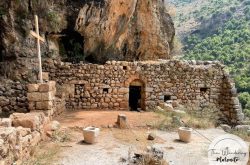
هو دير مار يوحنّا القصير الملقب بأبون أحد آباء الصحراء. يتكوّن الدّير من كنيسةٍ وعدّة قلالي. تقع الكنيسة داخل مغارة وهي على نسق البازيليك في البناء، والأكبر بين كنائس الوادي. أوّل ذكر للدّير يعود إلى القرن الثاني عشر، عندما أفاد البطريرك اسطفان الدويهيّ أن "هذا الدير كان مديرًا لجميع النساك في منطقة بشراي" . جعله البطريرك يعقوب الحدثي مقرًّا له سنة ١٤٤٥. بقي الدّير مأهولاً للقرن السابع عشر، وهو اليوم ضمن ورشة ترميم لإصلاحه وتجديده.
The monastery of St Aboun - The Valley of Qannoubine
The monastery is dedicated to St John the short an Egyptian desert father known to the syriacs as Aboun. The monastery consists of a basilical cave church, the largest one in the holy valley, and some adjacent cells. The first mention of the monastery is from the XIIth century when it was the head of all the monasteries and hermitages in the region of Bsharre according to Patriarch Estefan el Douaihy. In 1445 the monastery became the patriarchal residence of Patriarch Yaaqoub el Hadathi. The monastery fell into ruins at the end of the XVIIth century, today a plan for it’s restoration is undergoing.



Reviews are disabled, but trackbacks and pingbacks are open.