
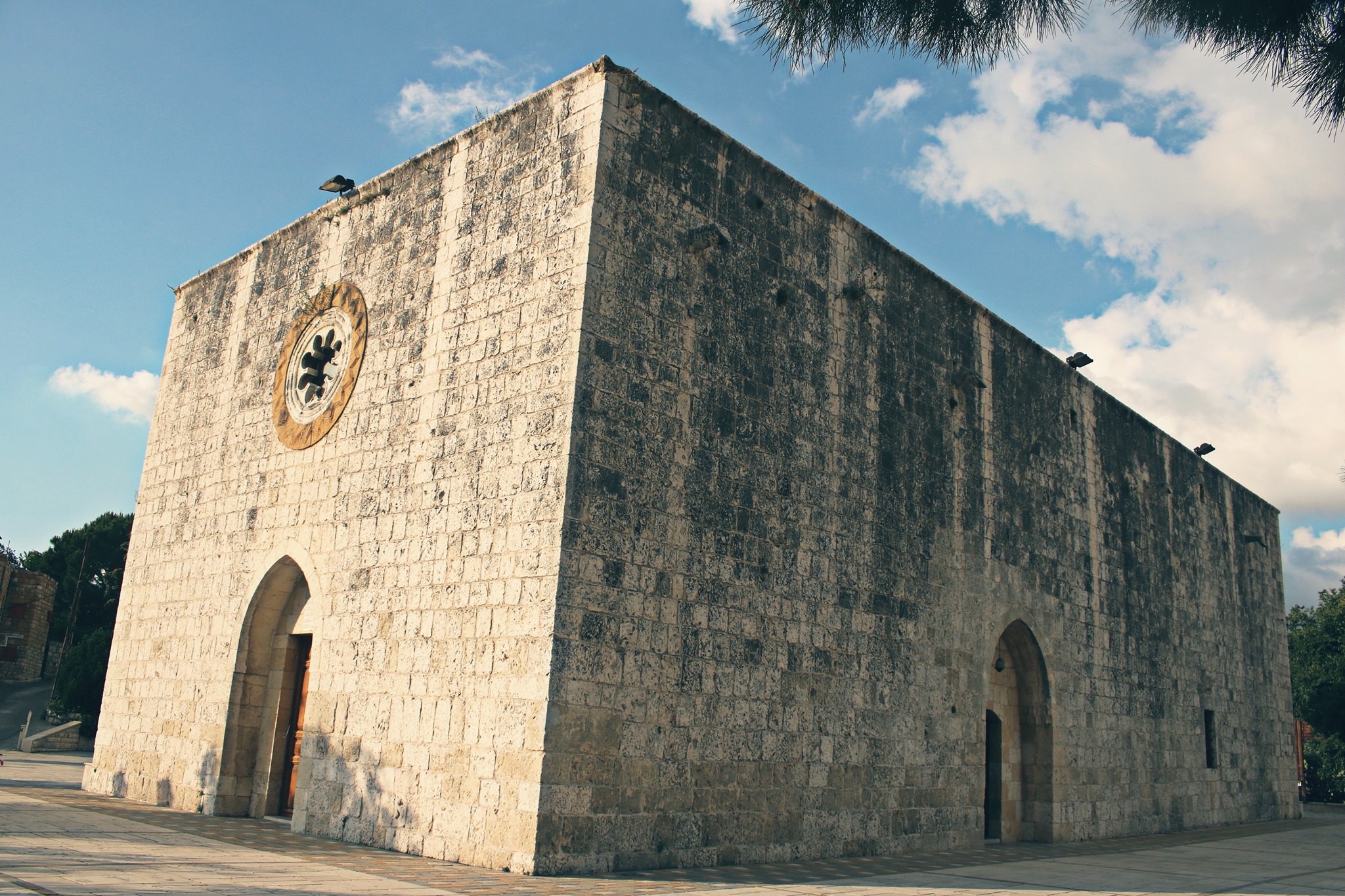
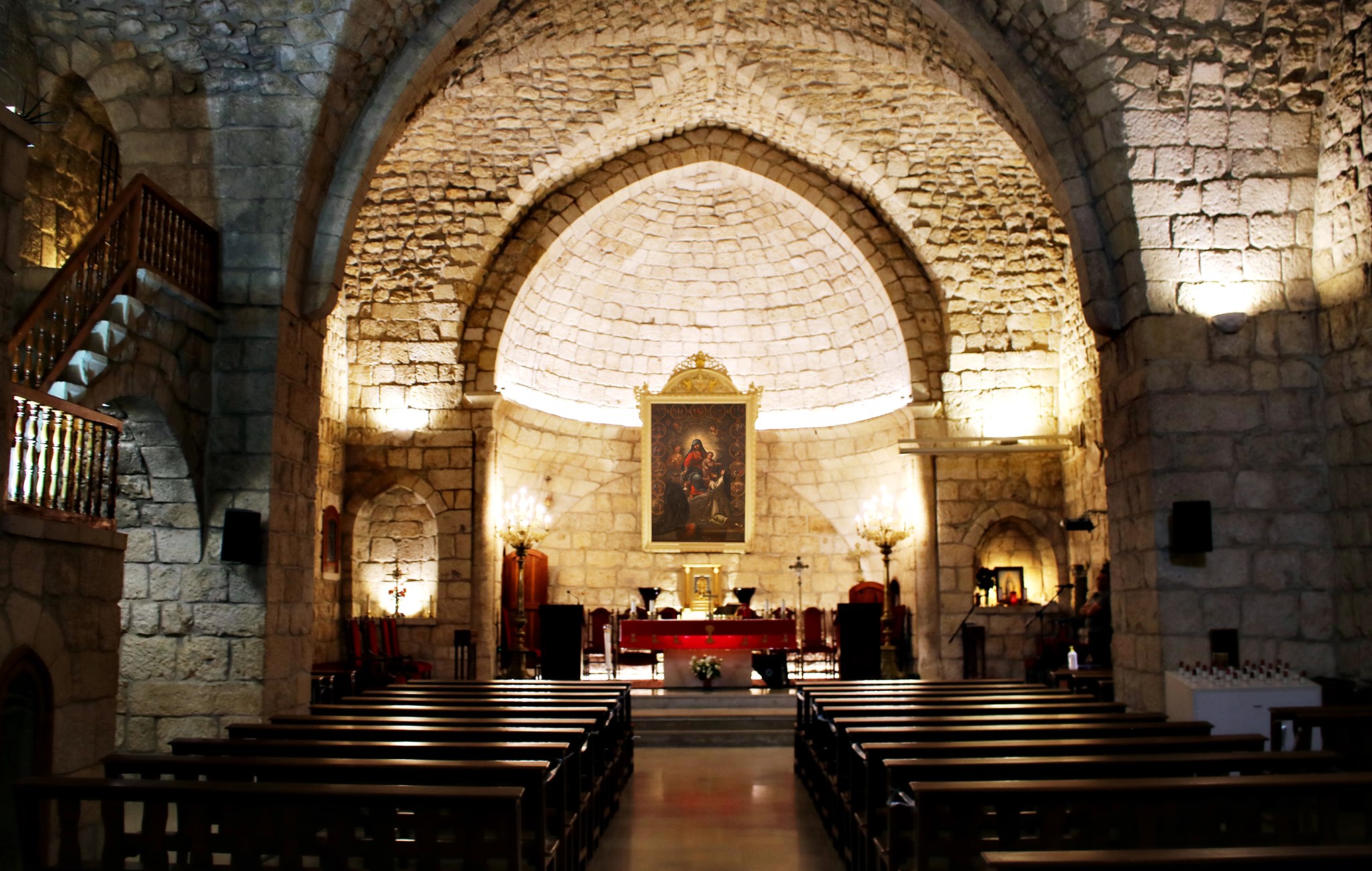
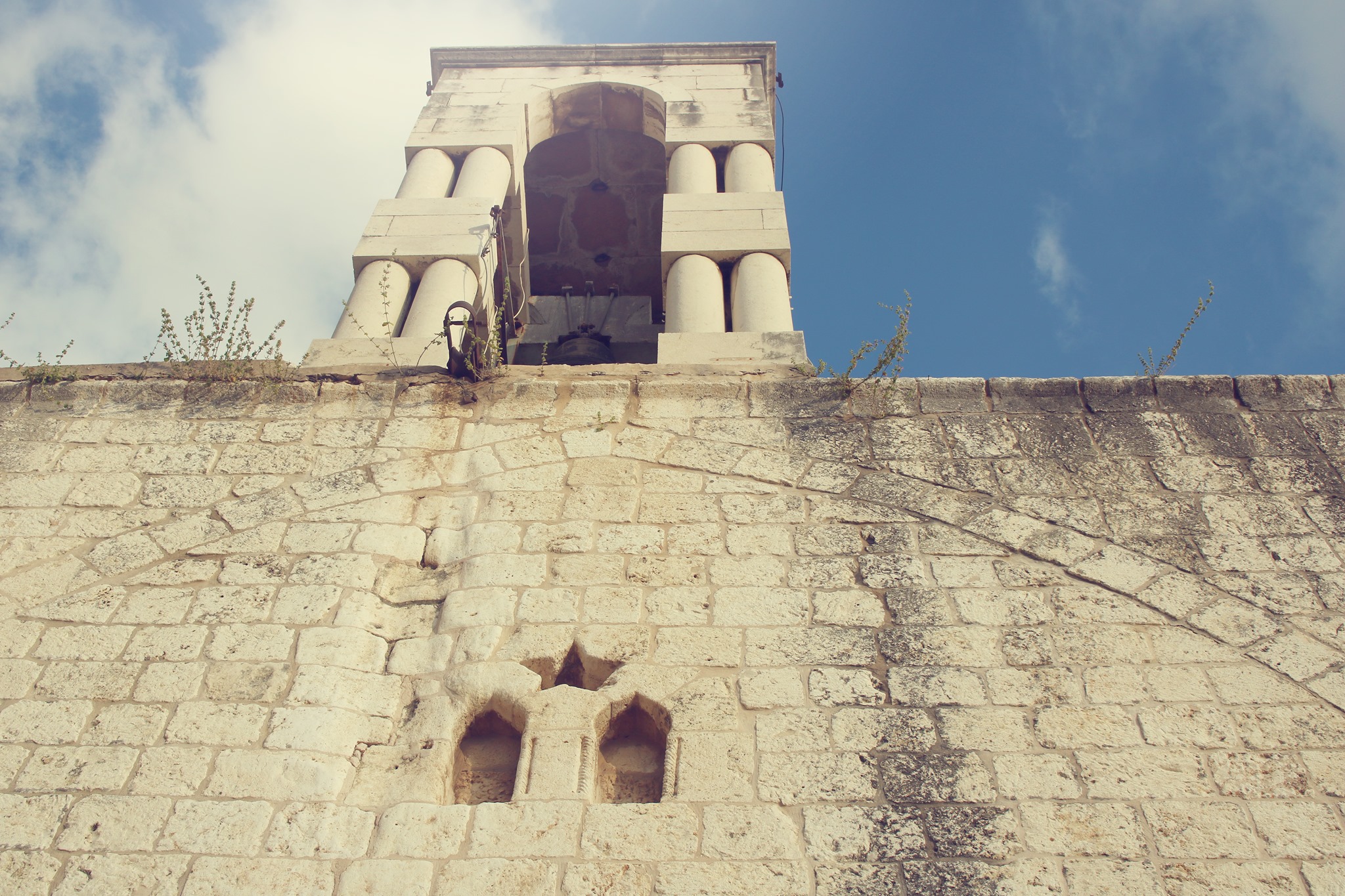
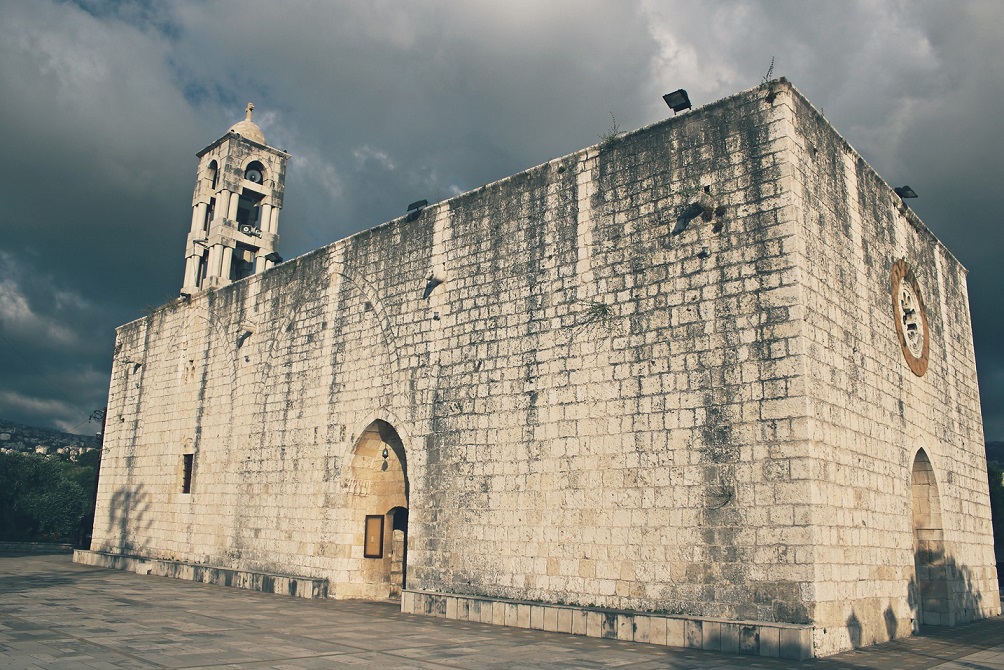
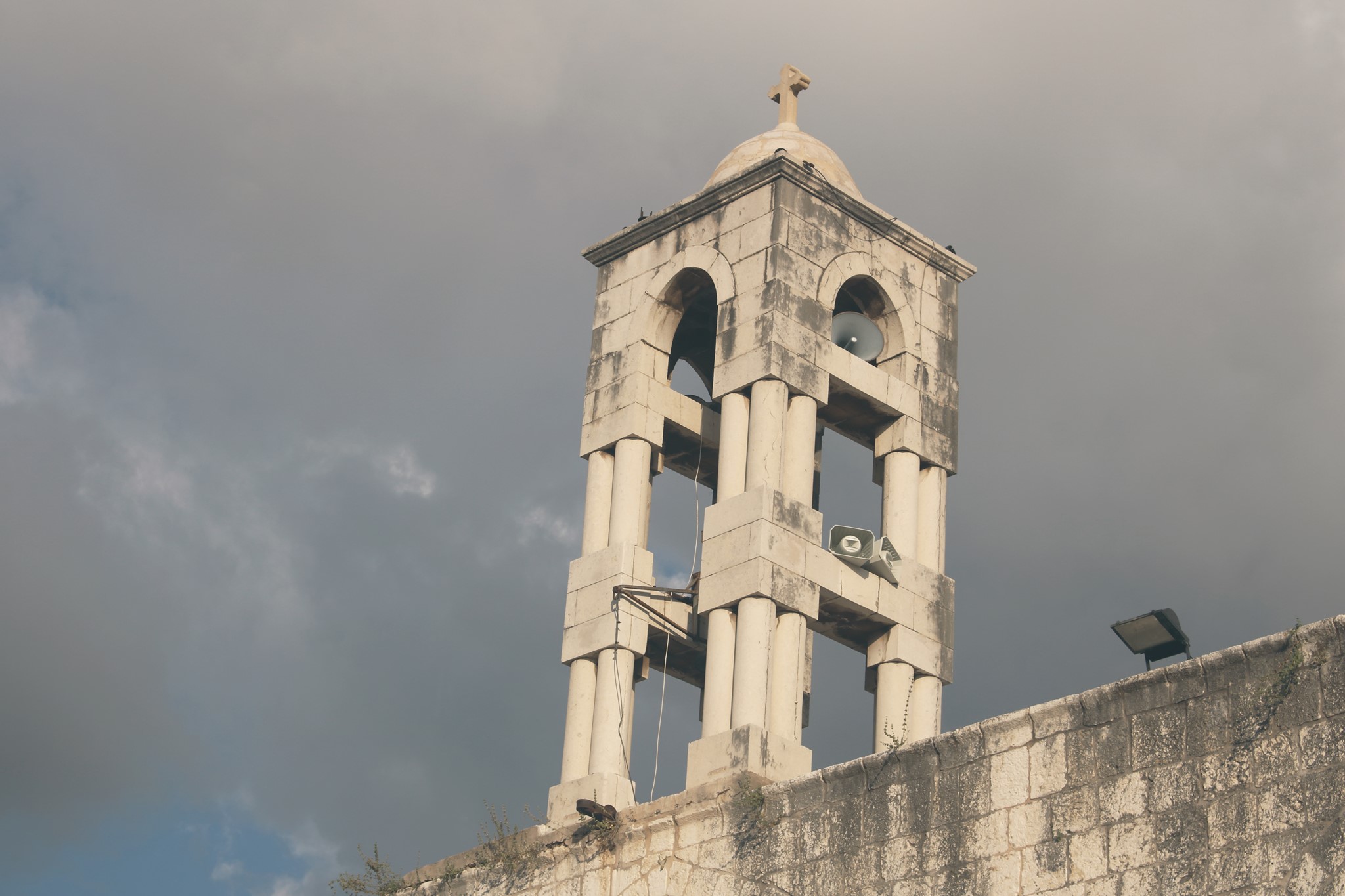
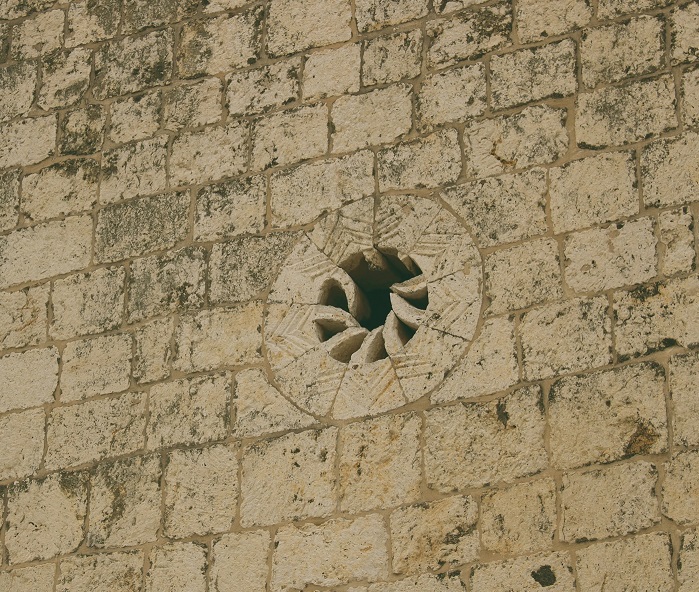
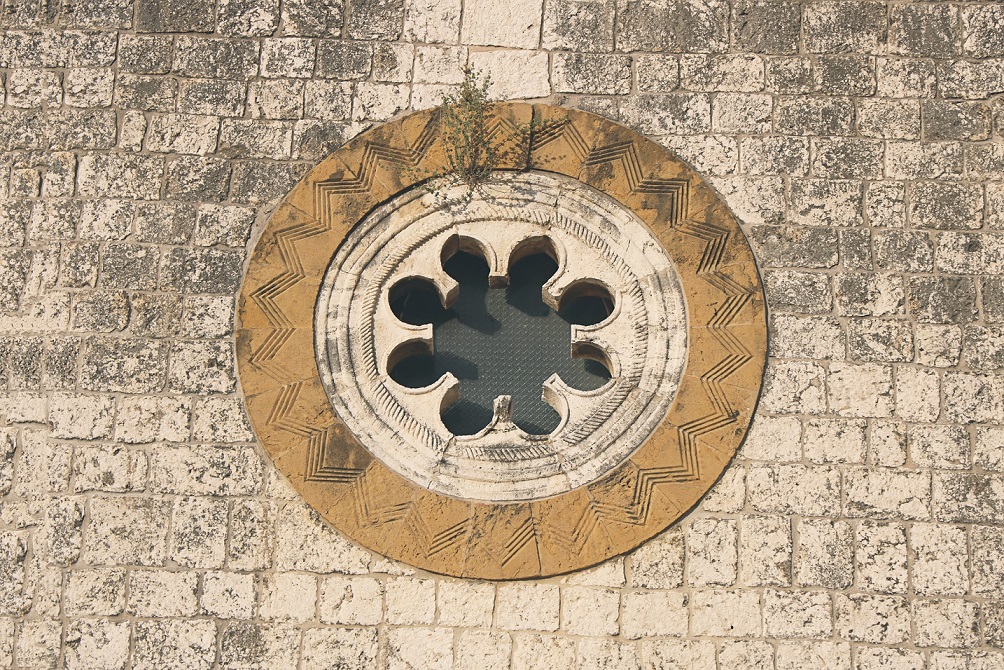
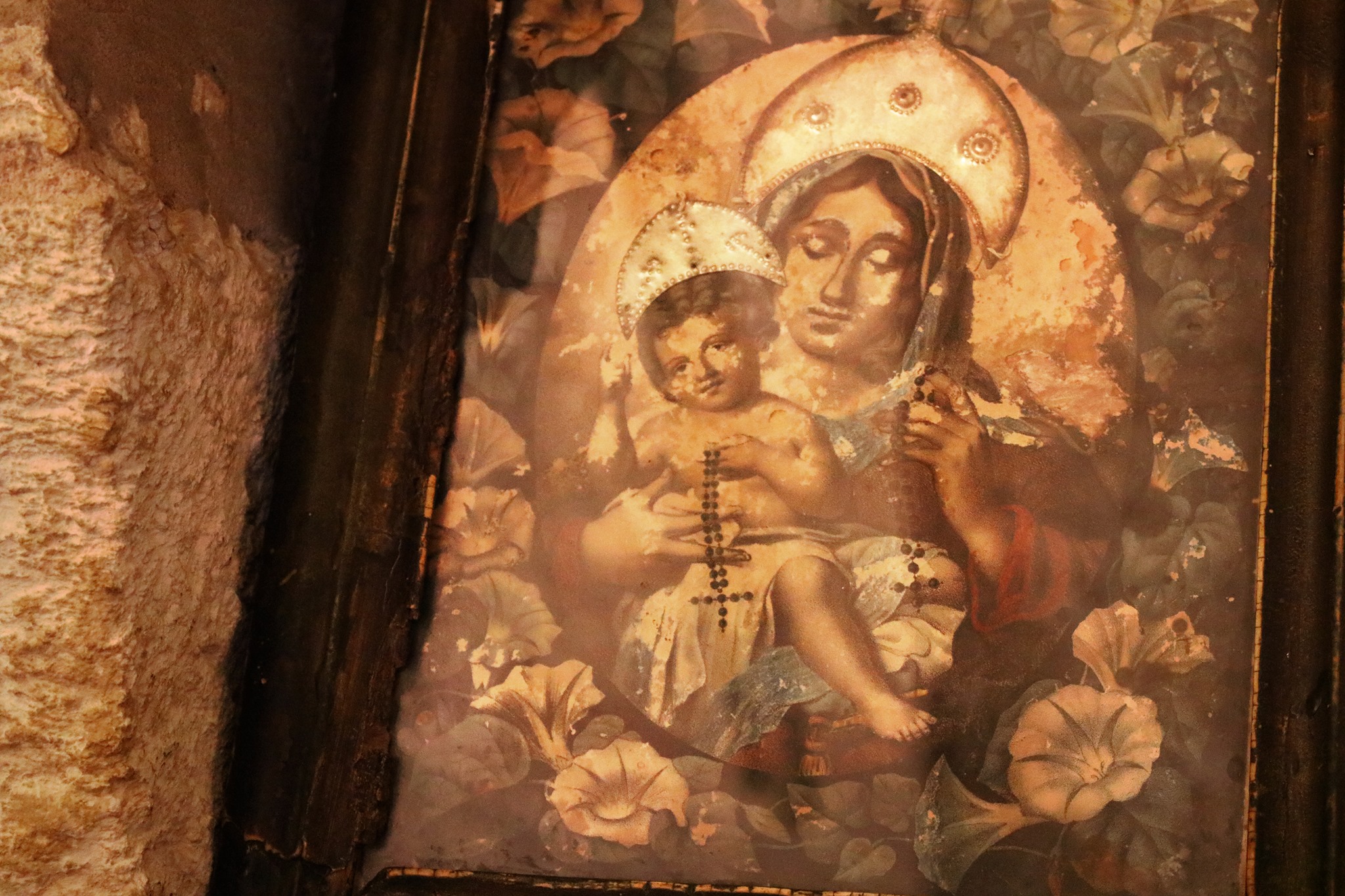
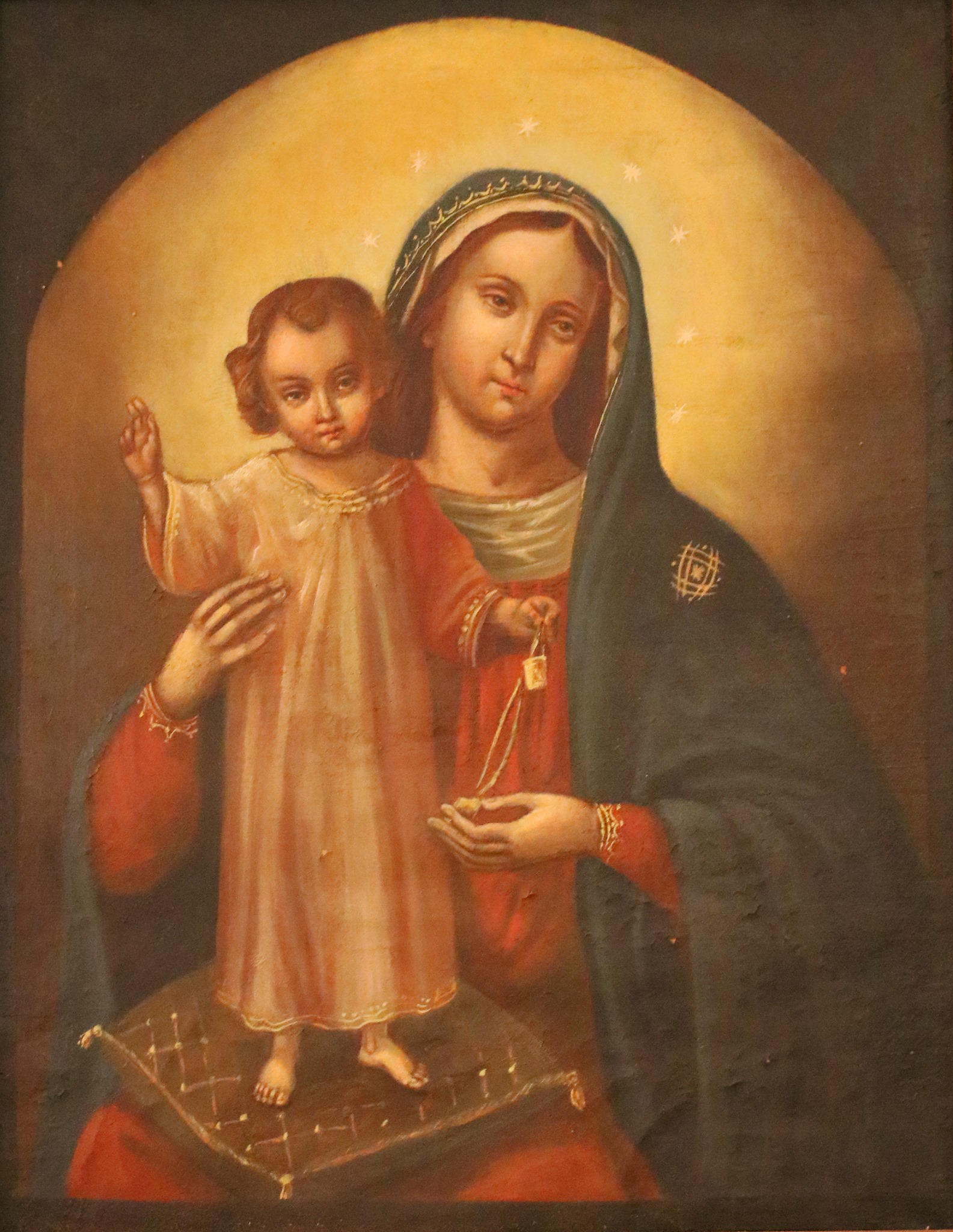
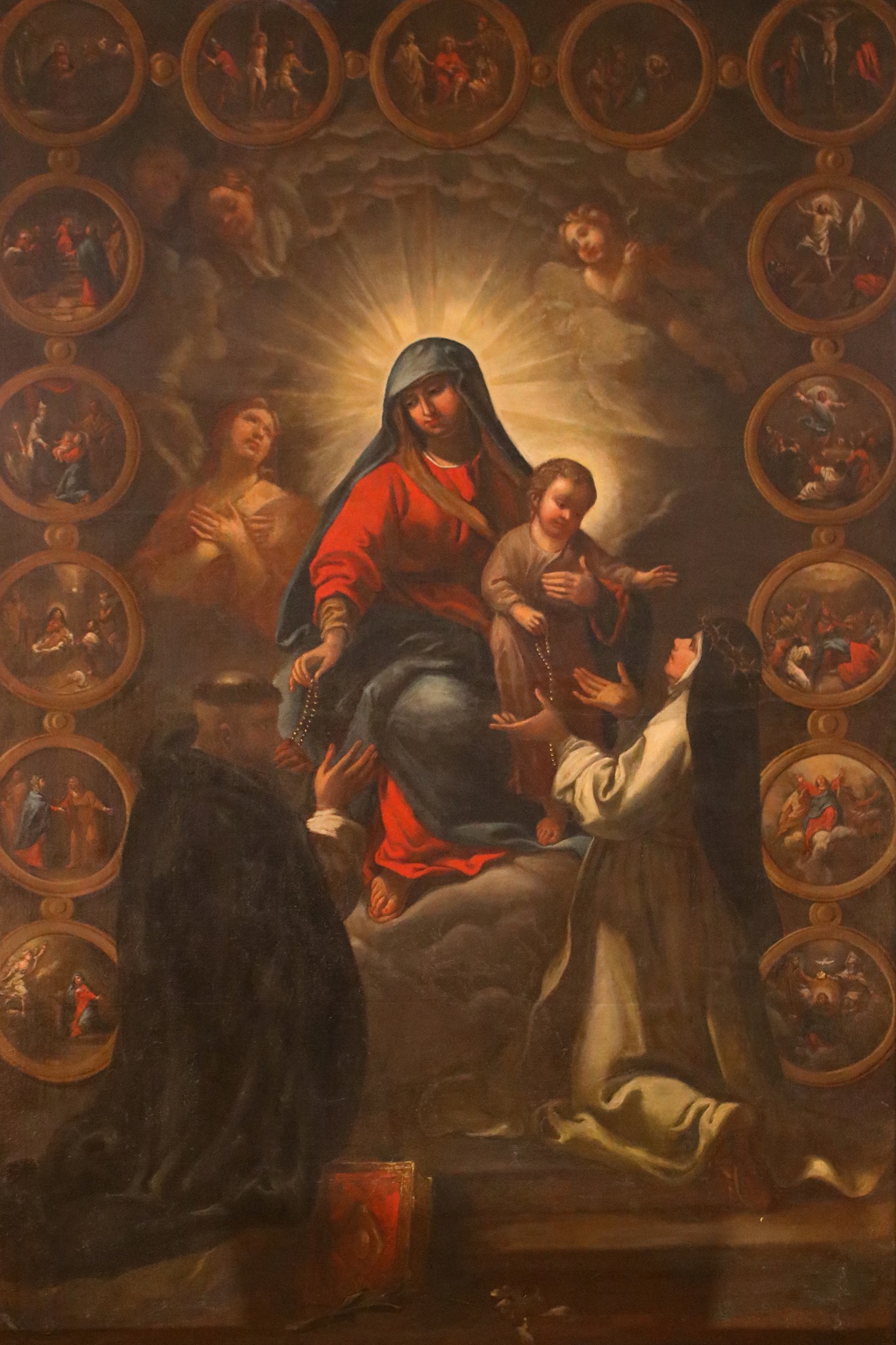
بنيت الكنيسة سنة ١٧٠٤ على تلّة مشرفة في بلدة ذوق مصبح، على أنقاض كنيسة أقدم عهدًا. بناها وجهاء آلحقلاني الذين قَدِموا الى هذه البلاد من جرود جبيل. يوم انتُخِب المطران عبدالله قرعلي أسقفًا، جَعَل منها كرسيًّا لمدينة بيروت، وفيها أُقيمت للمرّة الأولى رتبة زيّاح الوردية الكبير. فيها العديد من اللوحات الزيتيّة، لكن الأهم هي اللّوحة الأساسيّة لسيّدة الورديّة، وتعود للقرن السادس عشر، فيها مريم العذراء بهيئة شرقية على ذراعها الطفل الإلهيّ، مُحاطة بالقدّيسيَن عبدالاحد وكاترين السيانية مجللة بأسرار الورديّة الخمسة عشر.The Church of our Lady of the RosaryBuilt in 1704 on a hill in the town of Zouk Mosbeh, over the ruins of an older church, by the notables of the Haqlany’s family.When Abdalla Qaraaly became bishop of Beirut he made it his Cathedral, where he promulgated the rosary devotion.The church is famous for its paintings, especially its main one: The Virgin Mary portrayed as an oriental lady with the child in her hands, handing the rosary to Sts Catherine and Dominic, with the rosary mysteries on her sides.
في القرن السادس عشر زار البطريرك ارزيفيان روما والتقى البابا بنديكتوس الرابع عشر، وأهداه أحد الكرادلة لوحة لسيّدة الآلام، منسوبة لمدرسة رافاييل تعود لرافاييل سانزيو أو الى غيراريو بار بيري. في رحلة العودة تعرّضت السفينة لخطر الغرق فرُميت اللوحة في البحر ووُجدت تطفو على المياه بشكلٍ عجائبيّ. بعد هذه الحادثة وُضعت اللوحة في كنيسة الدّير فوق العرش البطريركيّ. عام ١٨٠٢ ضربت الصاعقة الكنيسة، وسقطت على العرش البطريركيّ حيث كانت صورة العذراء، من دون الحاق الضرر بالعرش، ولا باللوحة، فبُنيت على إثر المعجزة كابيلا صغيرة ملاصقة للدّير وهي مزار للمؤمنين طالبين نِعم سيّدة الآلام. زارها قداسة البابا بنديكتوس السادس عشر سنة ٢٠١٢.
The chapel of Our Lady of Sorrows - Bzommar
In the XVIth century, the Armenian Patriarch Arzivian visited Rome and met pope Benedict XIV. He was gifted an icon of our Lady of Sorrows from an Italian cardinal. The painting is from Raphael’s school and is attributed to Raphael Sanzio or Gerario Parperi. On the way back the ship was in danger of shipwreck, and the painting was thrown in the sea with other furniture. It was rediscovered miraculously floating several days later. After the incident it was put over the patriarchal chair in the main church of Bzommar. In 1802 a lighting bolt hit the throne and the painting fell down, yet even the glass that was on it was miraculously preserved. A chapel adjacent to the monastery was erected to enshrine the miraculous icon. The chapel was visited by pope Benedict XVI in 2012.
House and the Church of St. God's grace (Neamtallah) Hardini Lebanese Maronite Order, Hardine, Lebanon
بيت وكنيسة القديس نعمة الله الحرديني
Hardine
Batroun
North
Hardine’s name is derived from the Syriac language meaning ‘pious’, Witness of justice, Ardent in faith and Square of religion.
It is located about 1100m. above sea level. A large area of very thick forests surrounds it and the following ruins of its inveterate past decorate its mountain terraces:
-The «rocky tile of Hardine» with its marine fossils and its unique length of 350 m along a slope to the west and its width of nearly l00m. Some one said, «The three most beautiful in Mount Lebanon are the valley of Kannoubine, The Palace of Beit Eddine and the tile of Hardine».
–The Temple of God Mercury With 30 majestic pillars built according to the rare ionic style. This temple known as «the roman Palace of Hardine». It’s a really fantastic one; it goes back to the time of Emperor Hadrian Augustus (117-137 A.D).
-“St Fawka’s” monastery (6th century)
-“Patriarchal monastery” since the Maronites came to Lebanon, known as “St. Sergios Alkarn”.
-“St John Alchakf” monastery, since the days of the Crusaders.
-“St Taqla” church in Beit Kassab square. It was the father of St Hardidni, who first started its renovation in the 19th Century.
-The church and hermitage of “St Stephan” in a hollow in a light rock over the Plain of Al Jawz River.
-The ruins of “St Richa’s” monastery, where the Syriac Diocese was moved between 1384 and 1598.
-The hermitages of “St Joseph”, “Ste Anne”, “St Ephram” the Syriac, “St Jacob Jesus’ brother” and “the pottery monastery” in the hollows of Kfarshira, and “the Lady of the Castle” in the hollow of the water spring.
-The Church of “St. Georges and Edna” which is distinguished Christian inscriptions (fish and cross).
-The churches of “St Elias”, “St Challita and Nohra” in the hollows engraved in the rocks, the old parish churches, like “St. Sergios and Bacchus” (rebui1t in 1932). “the Lady of deliverance” (rebuilt in 1948). The current one is St. Shayna” (1844), and finally the church of “St. Tadros” with its maronite alter, The two rebuilt churches of “St. Antonios of Padova” (1907), “St. Thomas” (1950) and the church of “Ste Theresa of the Baby Jesus” (1946).
-The monastery of St. Hardini» built with the donations of the people from Hardine in Lebanon and all over the world.
– Hardine is the hometown of one of Lebanon’s four saints, Saint Nimatullah Hardini (1808-58) who was canonised by Roman Catholic Pope John Paul II in 2004.
The village is naturally protected by the valleys and the rocky mountains around it making it an ideal place for the then new religion (Christianity) to flourish.
Legend has it that in 270AD, a Roman official imprisoned his daughter in Hardine for converting to Christianity. She converted many others in Hardine to the Christian faith.
Deir Mar Botros Wa Boulos - Qattine, Qatin, Lebanon
دير مار بطرس وبولس
Deir El Qattine
Jezzine
South
دير مار بطرس وبولس - قطّين
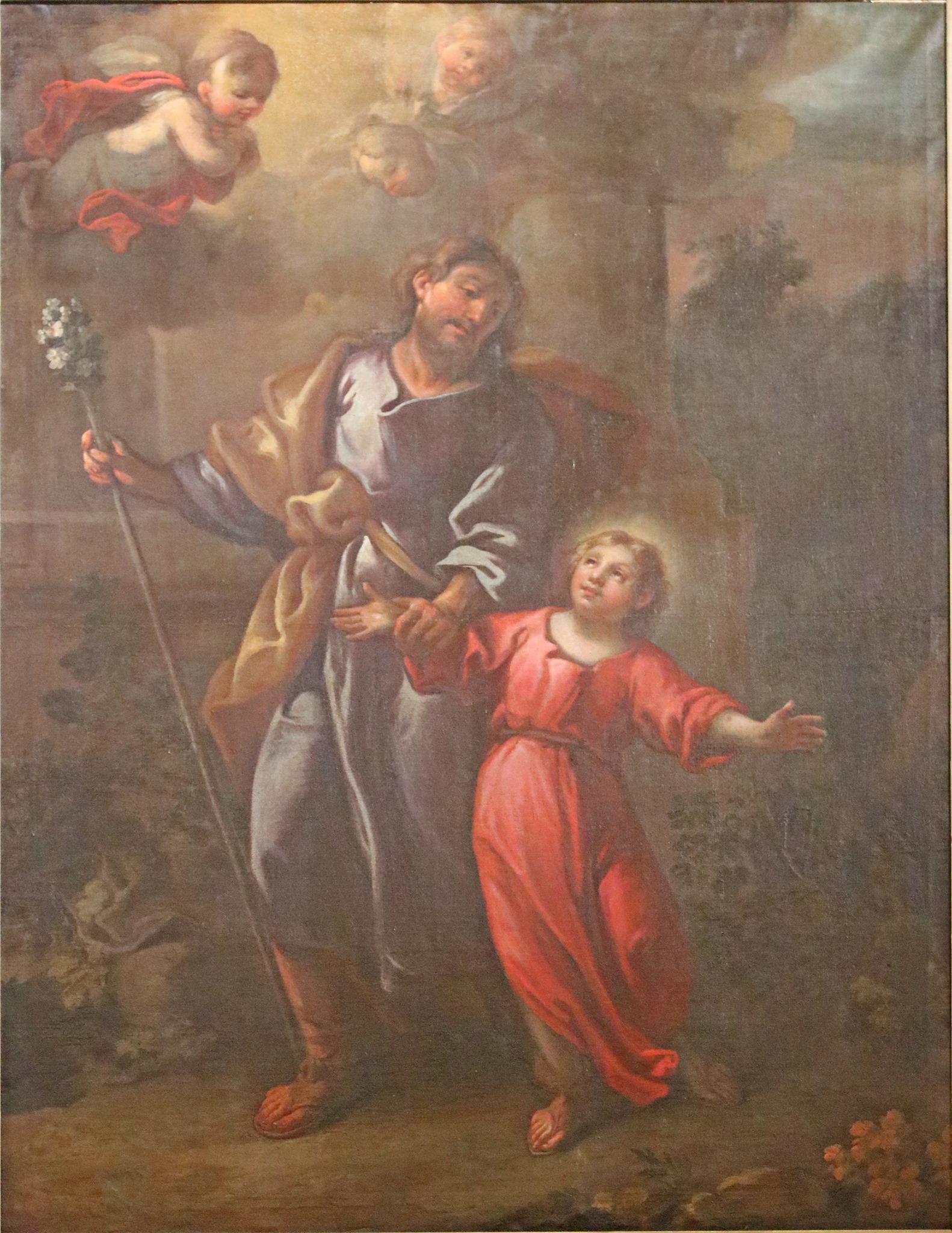
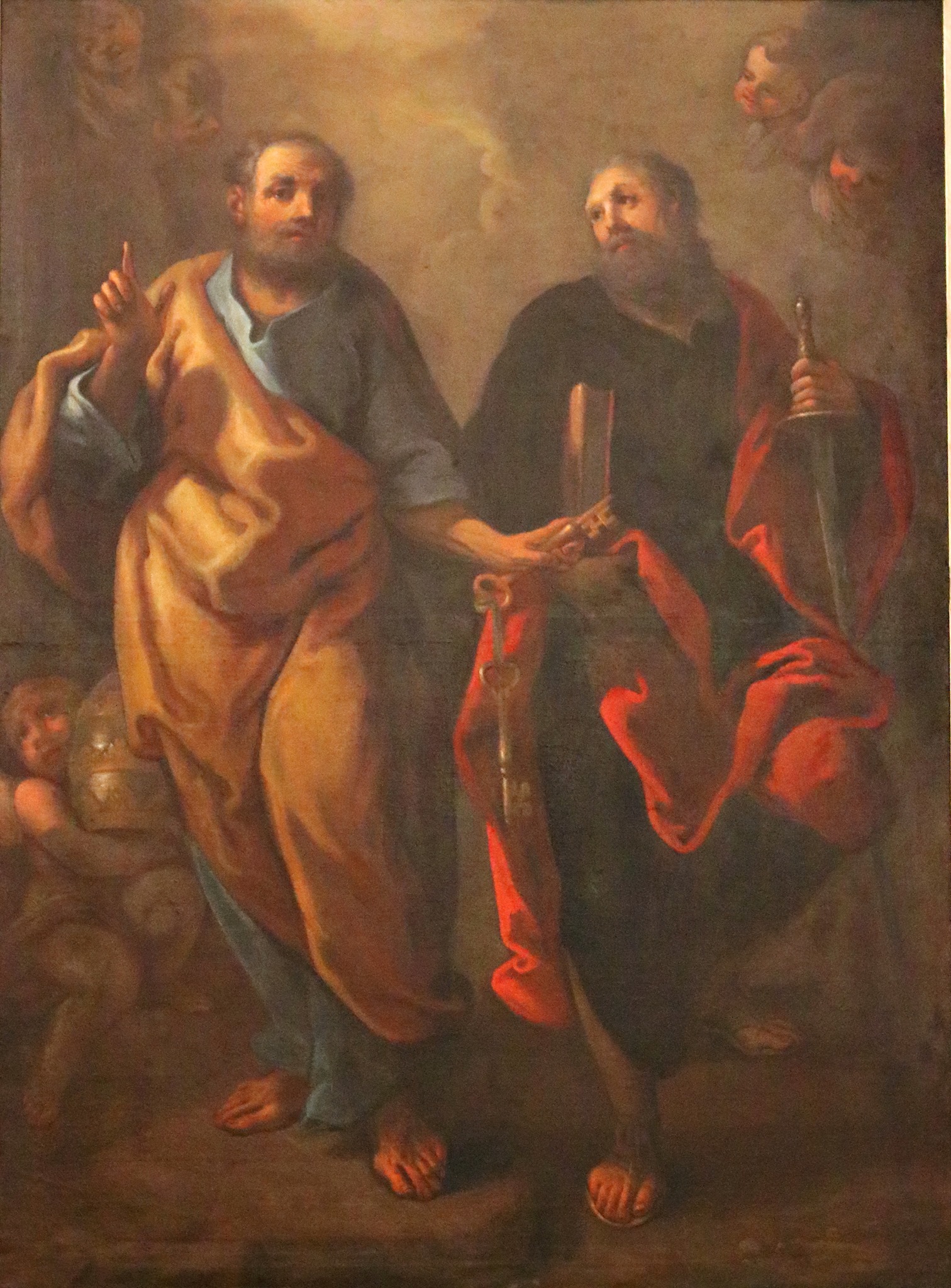
بناه المطران سمعان عوّاد الحصروني سنة ١٧٣٦ أيّام حبريّة البطريرك يوسف ضرغام الخازن، وكان مزرعةً صغيرة. سلّم المطران الدّير للرهبانيّة الأنطونيّة المارونيّة سنة ١٧٦٠، فبنى الرهبان الكنيسة ووسّعوا الدّير واستُخدم فترة قصيرة كدير للراهبات العابدات الأنطونيّات. سنة ١٨٦٠ تعرّض الدّير للتخريب إبّان الأحداث الطائفيّة. أعيد ترميمه ليخدم رسالته وجلبت للكنيسة لوحة إيطاليَة لمار بطرس وبولس مع الذخيرة الرسوليّة. سنة ٢٠١٧ بنيت بقرب الدّير محبسة مكرّسة لمار يوسف حارس الفادي.
The monastery of Sts Peter and Paul - Qattyn
The monastery was built in 1736 by bishop Gebrayel Awad from Hassroun, and consisted of a small farm. In 1760 the bishop handed over the monastery to the Antonine Maronite Order, who enlarged the building and built the church. The monastery was shortly used as a nunnery for solitary Antonine nuns. The monastery was devastated in the war of 1860. After the war it was renewed, an Italian painting and the apostolic relic where brought from Rome and enshrined in the church. In 2017 a hermitage dedicated to St Joseph the guardian of the Redeemer was built near the monastery.
Reviews are disabled, but trackbacks and pingbacks are open.