Overview
Map
Other Details
القديسة تقلا
Mrouj
Metn
Mount Lebanon
Visited 4368 times, 2 Visits today
Directory of Churches in Lebanon

Mar Takla Church, Mrouj, Lebanon

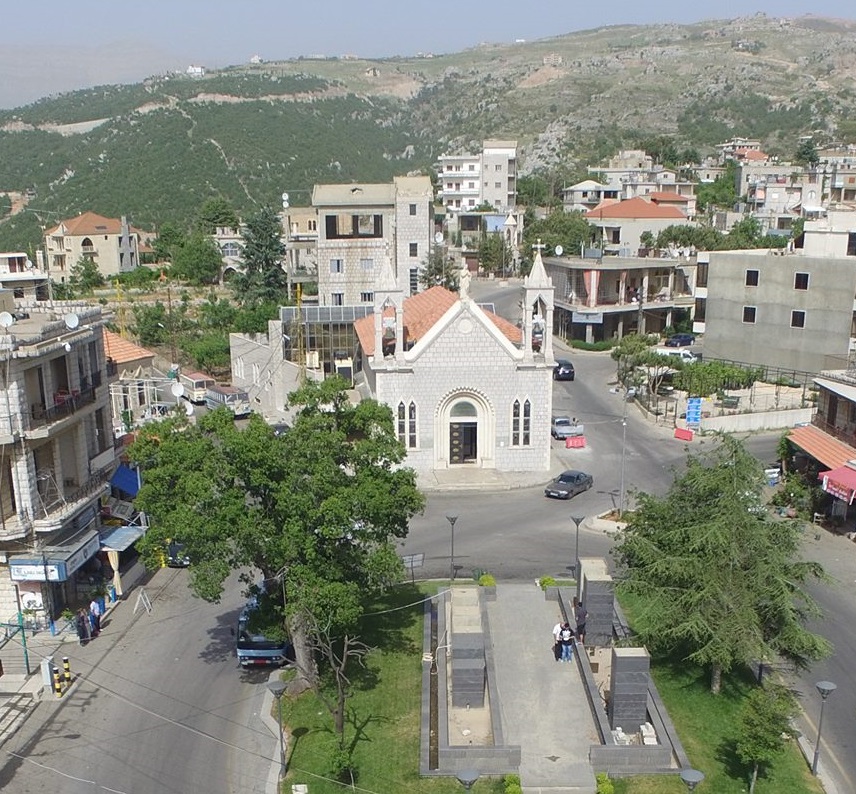

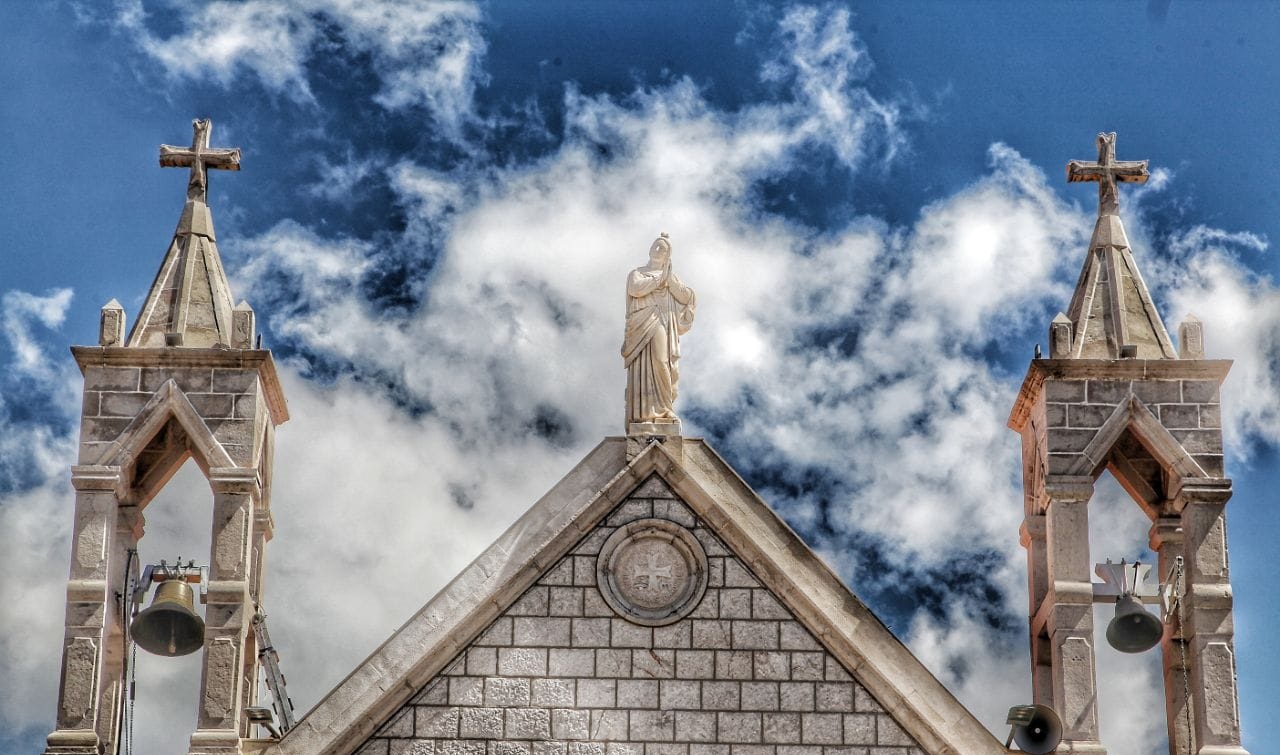

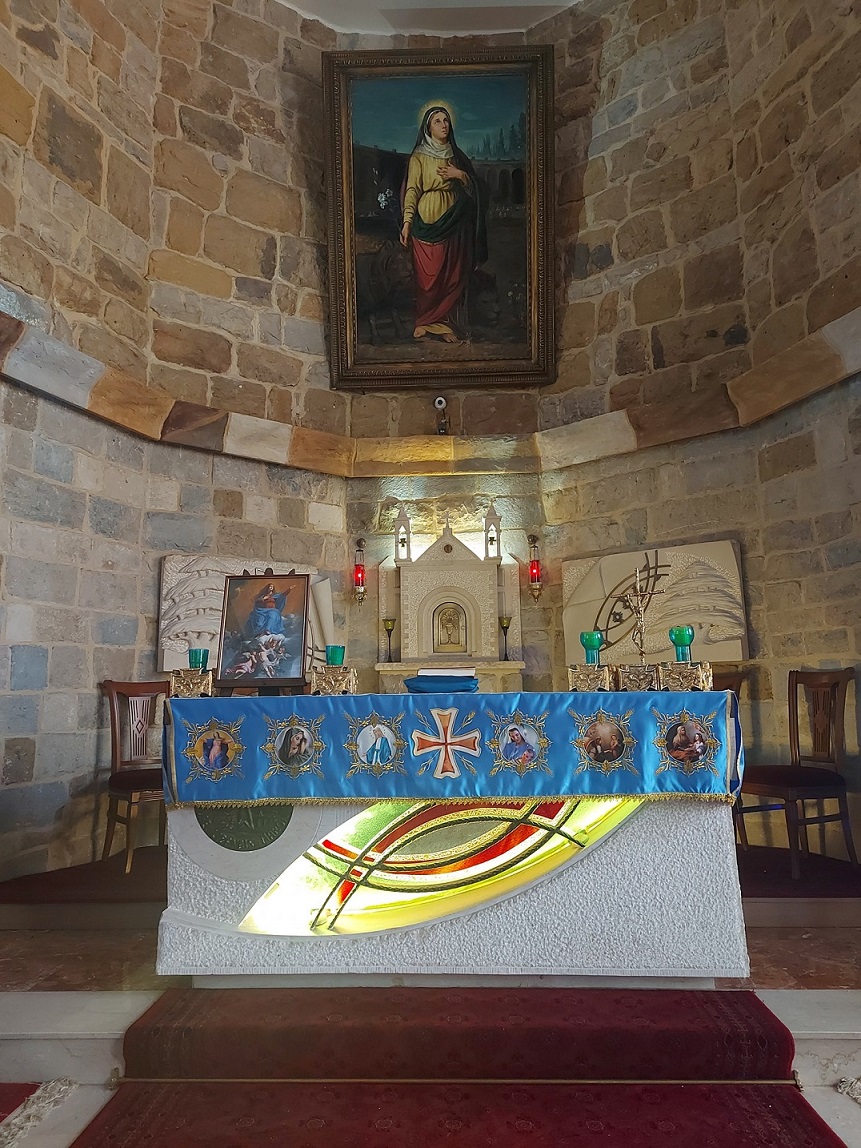
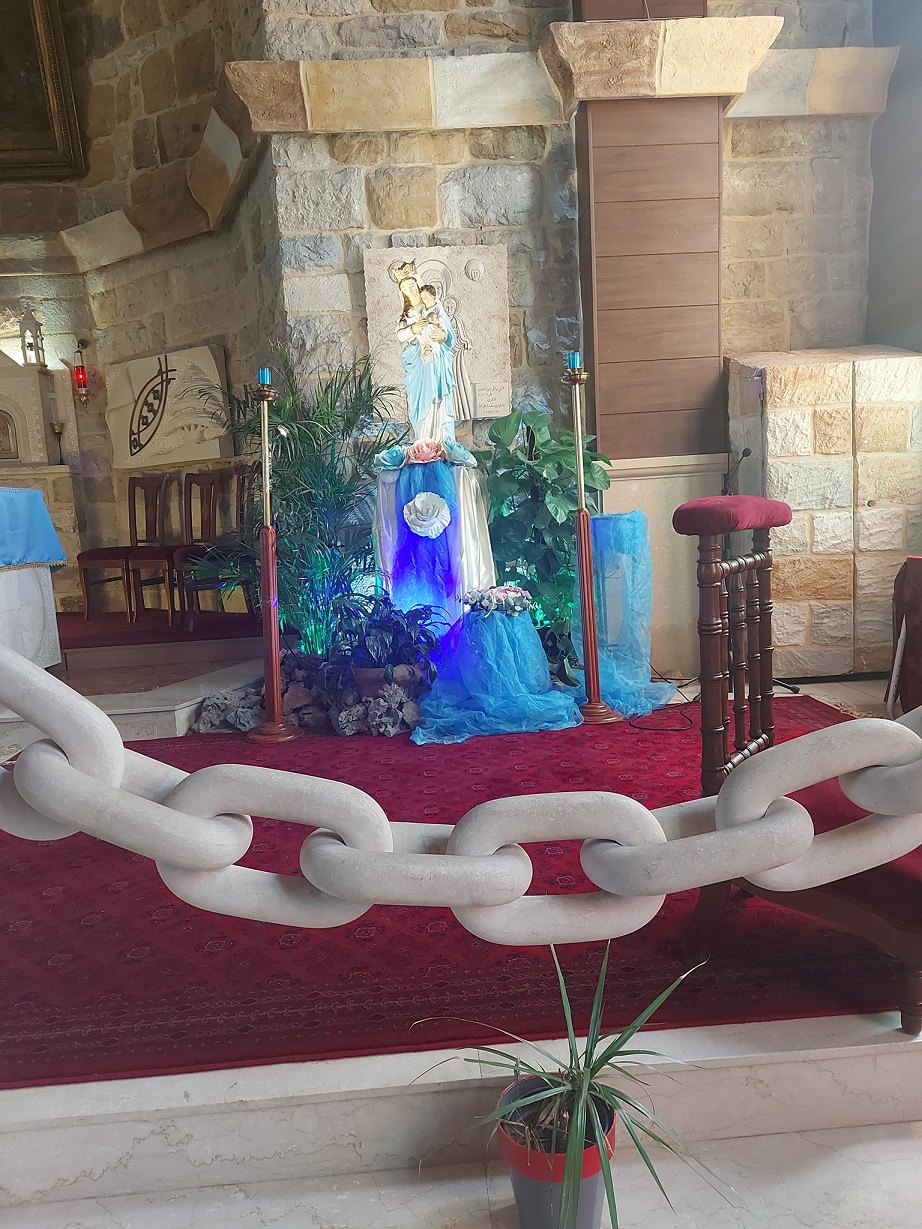


القديسة تقلا
Mrouj
Metn
Mount Lebanon
Visited 4368 times, 2 Visits today
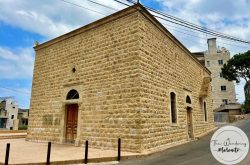
St. Maroun Church, Mazraat Yachoua, Lebanon
كنيسة تلاميذ مار مارون
Mazraat Yachouaa
Metn
Mount Lebanon
كنيسة تلاميذ مار مارون - مزرعة يشوع
بُنيت الكنيسة الأولى شرفيّ البلدة أواخر القرن الثامن عشر. أعاد الأهالي بناء الكنيسة سنة ١٨٨٣ في موقعها الحاليّ. البناء كناية عن عقدٍ مُصالب ينتهي بحنية نصف دائرية. رمّمت الكنيسة أواخر القرن العشرين.
The Church of the Holy Martyrs, Disciples of St. Maroun - Mazraat Yashou’
The first church was built at the end of the XVIII century east of the village. The villagers rebuilt it in its current location in 1883. The structure is a cross-vault with a semi-circular apse. The church was restored during the nineties.
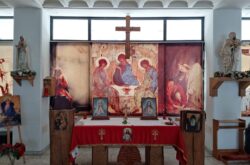
VALOORES, Baouchriyeh, Lebanon
مار يوسف
Baouchriyeh
Metn
Mount Lebanon
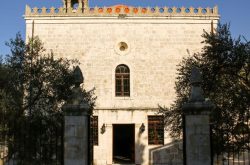
Saint Zakhia's Cathedral, Ajaltoun, Lebanon
كنيسة مار زخيا القديمة
Aajaltoun
Keserwan
Mount Lebanon
كنيسة مار زخيا القديمة - عجلتون
بُنيت الكنيسة الأولى سنة ١٦٧٢، وكرّسها البطريرك إسطفان الدويهيّ. سنة ١٨٢٨ كانت الكنيسة أصبحت ضيّقة، فأُخذت جحارتها، بالإضافة إلى حجارة كنيسةٍ قديمةٍ مهجورةٍ على اسم مار عبدا، كانت تخصّ آل الشمالي قبل نزوحهم إلى بلدة سهيلة. كان البناء بسعي الخوري نقولا صفير. الكنيسة كناية عن عقدٍ مُصالب ينتهي بحنية. تضمّ أربعة مذابح: مار زخيا، السيّدة، القلب الأقدس، مار يوسف. الكنيسة تحافظ على طابعها الأصليّ بنقوشها وزخرفتها الملوّنة والأشكال الهندسيّة على الجدران والأسقف.
The church of St Zakhia (St Nicolas) - Ajaltoun
The first church was built in 1672, and dedicated by Patriarch Estefan el Douwaihy. In 1828 the church became too small for the increasing number of villagers. With the help of Fr Nkoula Sfeir, two old churches were dismantled: the old St Zakhia and an old ruined chapel dedicated to St Abda that belonged to the Chemaly family that moved to Shaileh. The stones were used to build the new church. The structure is a crossed vault, with four altars: St Zakhia, the Madonna, the Sacred Heart, and St Joseph. The church still conserves its original decorum with colored floral motifs and arabesques.
Reviews are disabled, but trackbacks and pingbacks are open.