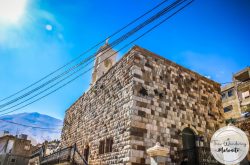
Zaghrine – The church of St Anthony the Great

Zaghrine, Lebanon

Other Details

كنيسة مار أنطونيوس الكبير

Zighrine

Metn

Mount Lebanon

كنيسة مار أنطونيوس الكبير - الزغرين سنة ١٨٧٦ طلب الرهبان الحلبيّين في دير مار الياس شويّا من المطران يوسف جعجع بناء كنيسةٍ لشركائهم، فأذن لهم وبنوا الكنيسة سنة ١٨٧٧. الكنيسة كناية عن عقدٍ مُصالب ينتهي بحنية. تضم الكنيسة لوحتين تعودان لأواخر القرن التاسع عشر: مار يوسف من عمل كنعان ديب، ومار أنطونيوس الكبير من عمل داوود القرم. The church of St Anthony the Great - Zaghrine In 1876 the Aleppan monks living in the monastery of St Elias Shwaya asked Mgr Youssef Geagea a permission to build a church for their monastery’s surfs living in Zeghrine. After the permission was given, construction began and ended a year later. The church is a cross vaulted structure. It holds two paintings from the end of the XIXth century: St Joseph by Kanaan Dib and St Anthony by Daoud el Qorm.

Visited 5444 times, 5 Visits today
Reviews are disabled, but trackbacks and pingbacks are open.

Related Listings

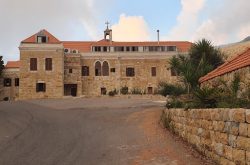
Lehfed – The monastery of St Sabas the hermit

Lehfed, Lebanon

دير مار سابا الناسك

Lehfed

Jbeil

Mount Lebanon

دير مار سابا الناسك - لحفد

هو دير قديم يعود لأوائل القرون الوسطى، لم يبقَ منه سوى الكنيسة. الكنيسة مبنيّة بعقدٍ سريريّ وحنيتين بمذبحين، على اسم السيّدة ومار سابا. على الجدران ماثلة بقايا جداريّات. إستُخدم الدّير كمركزٍ أسقفيّ في حبريّة البطريرك يوحنّا اللحفديّ. رُمّم أخيرًا سنة ٢٠١٠ بمناسبة تطويب الأخ اسطفان نعمه.

The monastery of St Sabas the hermit - Lehfed

An ancient ruined monastery that dates back to the high middle ages, with a church still standing. The church is a crib vault structure with a double apse and two altars dedicated respectively to the Madonna and St Sabas. Some traces of the frescoes can be noticed on the walls. The church was an episcopal residence during the pontificate of Patriarch John of Lehfed. The church was restored in 2010 with the canonisation of Blessed Estfan Nehme.

Bqorqasha – The church of our Lady

Notre Dame de Bkerkasha, Bcharre - Tannourine Road, Lebanon

كنيسة السيّدة

Bqerqacha

Bcharre

North

كنيسة السيّدة - بقرقاشا

البناء الحاليّ يعود لسنة ١٨١٠، وبالأصل هو ديرٌ قديمٌ مبنيٌّ على اسم مار نوهرا. عندما بنيت الكنيسة الرعائيّة الكبيرة أوائل القرن العشرين، تحوّلت هذه الكنيسة لشفاعة السيّدة. يتألف البناء من عقدٍ مُصالبٍ ينتهي بحنية نصف دائريّة. رمّمت الكنيسة سنة ٢٠١٩. لوحة السيّدة، أيقونةٌ محليّة الصنع غير موقّعة، تعود لمدرسة القرن السادس عشر.

The church of our Lady - Bqorqasha

The current church dates back to 1810. It was originally dedicated to St Nohra (Logius). When the current parish church was built in the beginning of the XXth century, this church was dedicated to the Virgin Mary. The structure consists of an arched vault with a semi circular apse. The church was restored in 2019. It holds a local icon of the virgin dating back to the XVIth century.

Dlebta – Convent of Our Lady of the Fields

دير سيدة الحقلة، دلبتا، Lebanon

دير سيّدة الحقلة - دلبتا

1755

Dlebta

Keserwan

Mount Lebanon

دير سيدة الحقلة - دلبتا
يعود تأسيس دير سيدة الحقلة في دلبتا – لبنان إلى القرن السادس عشر على يد الخوري يوسف قصاف.
عام 1755 شيدت الكنيسة الكبيرة وحفر على عتبة بابها الصليب البطريركي الماروني.
راهبات سيدة الحقلة أو الراهبات الحبيسات المسؤولات عن الدير يقضين نهارهنّ في الصلاة، العمل اليدوي والزراعي.
هذا الدير الذي كان يجمع الراهبات والرهبان، قصد إحدى رهبانه من حوالي ٤٠٠ سنة تقريباً النمسا بهدف البحث عن جرس جديد حيث كُسر جرس الكنيسة الأساسي على يد الراهب نفسه.
وفي التفاصيل، أن ابنة الملك كانت مريضة وسمع هذا الراهب بهذا الأمر فتوجه الى البلاط الملكي وصلّى على الفتاة فشيت في الحال. فقال له الملك، ماذا تريد وكيف اردّ لك الجميل، فقال الراهب، اريد جرساً جديداً أصطحبه معي الى جبل لبنان. فأهداه الملك جرسًا وبيت قربان وكأس قربان ومذبحًا وغيرها من الأمور التي جاء بها الى الدير.
ومنذ ذلك التاريخ وهذه التّحف موجودة في الدير حتى يومنا هذا.

The monastery of our Lady of the fields - Dlebta
The monastery was built by the priest Joseph Asaf during the sixteenth century. The main church was built in 1755 and a patriarcal cross was engraved on it’s main door. The monastery is now occupied by a patriarcal contemplative order of nuns.
When it was built, the monastery was mixed with two communities: monks and nuns. 400 years ago a monk broke the church’s bell when he was ringing it, so he went to Austria where he had an audience with the emperor and asked him for a bell to be taken to Mount Lebanon.
After a healing miracle with an austrian princess, the emperor donated a bell, a great tabernacle, a high altar, and a chalice to the monastery. All of these baroque artifacts are still conserved in the monastery today.