Yanouh – The church of the Theotokos our Lady Mary

Church of Mary mother of god, Yanouh, Lebanon

Other Details

كنيسة أم الله السيّدة مريم

Yanouh Jbayl

Jbeil

Mount Lebanon

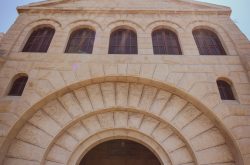
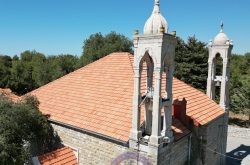
كنيسة أم الله السيّدة مريم - يانوحبعد محاولته العودة إلى أنطاكيا ورجوعه الى جبل لبنان سنة ٧٥٠، سكن البطريرك الرابع يوحنّا مارون الثاني و من بعده خلفائه البطاركة دير مار جرجس الأزرق يانوح لخمسمئة سنة إلى سنة ١٢٧٧. يُعزى ذلك بحسب المؤرخين لثلاثة أسباب : كون يانوح منطقة جبليّة عاصية، قربها من معبر المنيطرة القريب الى البقاع، وتقوى أهل يانوح بحسب البطريرك الدويهيّ. في القرن الثامن بُنيت كنيسة أم الله في الصرح البطريركيّ لجهة الشمال، وجدّدت في أيّام الصليبيّين. سنة ١٢١٥ صدر أمر البابا اينوشنسيوس الثالث الى الأساقفة الموارنة بالخضوع للبطريرك في كرسيّ يانوح. ضمّت هذه الكنيسة مخطوط إنجيل رابولا. بعد القرون الوسطى خرب الدّير والكرسيّ. رمّمت الكنيسة بسعي البطريرك بشارة بطرس الراعي وأعيد تكريسها سنة ٢٠١٧. تضمّ العرش البطريركيّ القديم، وعلى زواياها نقشت الصلبان المثنية الأطراف.The church of the Theotokos our Lady Mary - YanouhAfter his failed attempt to go back to Antioch the fourth Maronite patriarch John Maroun II move his seat to the monastery of St George the blue in Yanouh in 1750. The patriarchal seat remained there for 500 years until 1277. The main reasons that Yanouh was chosen was because of the mountainous nature of the region, the closeness to the pass of Mneitra and to the region of Bekaa, and the locals piety described by patriarch Douwaihy. In the VIIIth century the church of the Theotokos was built north of the patriarchal seat, and renewed during the crusades. In 1215 an edict by pope Innocent III ordered the maronite bishops to obey the patriarch in the sear of Our Lady of Yanouh. This church held the Codex Rabbula. After the middle ages the church fell into despair, it was renewed by order of Patriarch Bechara Boutros el Rai in 2017 and reconsecrated. The church holds the old patriarcal throne and has two egged crosses on the four sides of the structure.

Visited 4322 times, 3 Visits today
Reviews are disabled, but trackbacks and pingbacks are open.

Related Listings

Kfar Aaqab – Our Lady of Dormition

Our Lady of Dormition Greek Orthodox Church

كنيسة سيدة النياح للروم الأورثوذوكس وللروم الملكيّين الكاثوليك)

1660

Kfar Aaqab

Metn

Mount Lebanon

كانت بلدة كفر عقاب بلدة مهدّمة على يد المماليك في عام . ١٢٩٠ ولكن بعد قدوم بيت معلوف في عام ١٥٧٠ بدأت عمليات إعادة الترميم على أيديهم. كان أوّل ما رمّموه هي كنيسة صغيرة في أعلى البلدة وأطلقوا عليها اسم كنيسة سيدة الخرايب. في عام ١٦٦٠ وجدت عائلة معلوف أنّ عدد الناس ازداد لذلك قاموا ببناء كنيسة سيدة النياح. التي تتميّز بالطقس البيزنطي المعروف بـ المذبح الخاص به والأيقونات المميزة. تم تكبير هذه الكنيسة في عام ١٨٠٥ لتصبح كنيستين متلاصقتين وتحملان التصميم نفسه. في عام ١٦٦٦ ازداد عدد الناس أكثر فأكثر فاتفقوا على بناء كنيسة ثالثة تدعى كنيسة سيدة البشارة تحت شجرة معمّرة ضخمة. دامت مدة بناء الكنيسة من عام ١٦٦٦ حتى عام ١٧٧٠ وفي عام ١٧٧١ افتتحوا الكنيسة ومارسوا الصلاة فيها. كما أنشأوا إلى جانبها بيت الكنيسة كان أرضي فقط وأصبح مؤلف من طابقين.

Yanouh – The blue monastery of St George

Mar Gerges Blue Yanouh, Mghayra, Lebanon

دير مار جرجس الأزرق

Yanouh Jbayl

Jbeil

Mount Lebanon

دير مار جرجس الأزرق - يانوح

البناء أساسًا كان معبدًا فينيقيّ ثمّ رومانيّ. عُرف بالأزرق نسبةً للون الحجر الكلسيّ. مع قدوم المسيحيّة حُوّل المعبد إلى ديرٍ على اسم مار جرجس وكان الأكبر في جبّة المنيطرة. إختاره البطريرك يوحنّا مارون الثاني مقرًّا له سنة ٧٥٠، وذلك لصعوبة الوصول إليه، ولأن يانوح بحسب البطريرك الدويهيّ: "كانت من أشرف المجالِس في جِبَة المنيطرة وأهلها كثيرو العِبادة والغيرة". بقيت يانوح مقرًّا بطريركيًّا شبه ثابتٍ
ما بين ٧٥٠ و١٢٧٧، لأن البطاركة تنقلوا مابين سنتيّ ١١٢٠ و١٢٠٠ بين ميفوق وهابيل ولحفد. بنى البطاركة بقرب المعبد كنيسةً صغيرة خاصة للبطاركة وأقبية وغرف. وبنوا كنيسة السيّدة خارج المحلّة. أقام البطاركة في يانوح، ما مجموعه أربعماية واثنتان وثلاثون سنة، منها ثلاثمائة وسبعون سنةً متواصلةً دون إنقطاع. مع قدوم الصليبيّين في عهد البطريرك يوسف الجرجسيّ إستبشر الموارنة خيرًا بحسب ابن القلاعي، فأُعيد اتصالهم بروما، وعاشوا فترةً من الإزدهار، ويذكر التاريخ أنّه في تلك الحقبة إستبدل الموارنة نوافيس الخشب بنواقيس حديدٍ في يانوح. لكنّ الفترة الصليبيّة شهدت العديد من القلاقل والمعارك ممّا استدعى تنقلاتٍ عديدةٍ للبطاركة واتخاذهم عدّة مراكز. ومع رحيل الصليبييّن وحملة المماليك أُحرقت يانوح، ولم تُجرى أبحاث أركيواوجيّة على الموضع لحين الإنتداب الفرنسيّ بداية القرن العشرين.

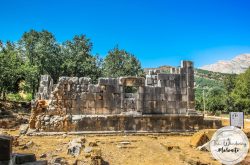
The blue monastery of St George - Yanouh

The building was originally a Phoenician than a Roman temple consecutively. With the locals conversion to Christianity the temple was consecrated as a church dedicated to St George. In 750 Yanouh was chosen as a patriarchal seat, it remained a nearly consistent seat between 750 and 1277. The patriarchs built near the temple a patriarchal chapel, many vaults and cells and the church of the Virgin Mary outside of the complex. With the Crusades during the pontificate of Patriarch Youssef el Gergesy, the Maronites entered a golden age, they reconnected with Rome. Yet the latter Crusader’s period saw unrest and struggles, that was the reason why many patriarchs used to change residences. In 1277 the patriarchs moved out of Yanouh. The seat was completly abandoned after the Crusaders left and the Mamluk’s campaign that destroyed the village. The site was excavated by the french archeological missions in the early XXth century.

Sidon – St Elijah’s Maronite Cathedral

Maronite Diocese of Sidon مطرانية صيدا المارونية, Sidon, Lebanon

كاتدرائيّة مار الياس المارونيّة

Saydoun

Jezzine

South

كاتدرائيّة مار الياس المارونيّة صيدا
بناها المطران أغوسطينوس البستاني على إسم شفيع المدينة مار الياس الحيّ، لتكون كرسيًّا رسميًّا له في المتروبوليّة. وكان ذلك سنة ١٩٣٨. يَذكر الكتاب المقدّس أنّ مار الباس مرّ في صيدا وهي جزء من الأراضي المقدّسة وعلى اسمه أربع كنائس مارونيّة في المدينة. الكنيسة مبنيّة على النمط البازيليكيّ، لوحة الحنية من رسم الفنان اسعد رنّو. تعرّضت للحرق ابان الحرب الأهليّة سنة ١٩٨١. وأُعيد ترميمها مؤخّرًا سنة ٢٠١٧. من أبرز ما تحويه ذخيرة عود الصليب التي حملها مطران صيدا مار انطونيوس خريش (البطريرك لاحقًا) على إثر المجمع الفاتيكاني الثاني.

St Elijah’s Maronite Cathedral Sidon.
It was built during the mandate of archbishop Augustin El Boustany, and was dedicated to Elijah the prophet patron saint of the city, to become the bishop's official new cathedral in the metropolitan city. It was built in 1838 in a basilical plan. The Old Testament states the visit of the prophet to the city. That explains the presence of four churches dedicatd to him in the city. The main painting in the apse is the work of the Lebanese painter Assaad Renno.
The cathedral was burnt down during the civil war in 1981, and finally restored in 2017. Its most prized treasure is the Holy Cross relic brought back from the Second Vatican Council by Archbishop Antonios Khoraish (Later Maronite Patriarch).