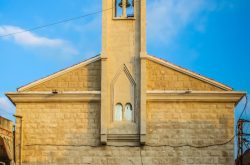
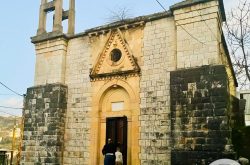
Wadi Jezzine – The church of Our Lady

St. Mary Church - كنيسة السيدة, Wadi Jezzine, Lebanon

Other Details

كنيسة السيّدة

Wadi Jezzine

Jezzine

South

كنيسة السيّدة - وادي جزّينبُنيت الكنيسة الأولى أواخر القرن الثامن عشر وهي كنيسة صغيرة بسقف خشبيّ بهبة من الشيخ بشير جنبلاط. نجت هذه الكنيسة بأعجوبة من الخراب خلال أحداث ١٨٤٠ حين حاول المعتدون إحراق السقف الخشبيّ فلم يحترق وسنة ١٨٦٠ حين وريت بالضباب. سنة ١٨٩٠ أخذت الكنيسة شكلها الحاليّ، لكنّ البناء لم يكتمل إلّا سنة ١٩٠٣ بسعي أبناء البلدة في الأرجنتين. في الكنيسة لوحتان للسيّدة إحداهما تعود للقرن الثامن عشر، والأخرى تعود لسنة ١٩٠١ من عمل الياس الأسمر كرم.The church of Our Lady - Wadi JezzineThe first church was built in the XVIIIth century, it was a small church with a wooden ceiling, on a plot of land donated by Sheikh Bachir Joumblat. The church was miraculously saved from being burned in 1840, and was hidden by a thick fog from the eyes of the aggressors during the war of 1860. In 1890 the church took its final shape with a stone vaulted ceiling. the church was finally completed in 1903. The church holds two paintings of the Virgin Mary: an XVIIIth century icon , and another one from 1901 by Elias Asmar Karam.

Visited 6466 times, 3 Visits today
Reviews are disabled, but trackbacks and pingbacks are open.

Related Listings

Kaftoun – Monastery of our Lady

Monastery of Our Lady of Kaftoun, Kaftoun, Lebanon

دير السيّدة - كفتون

1910

Kaftoun

Koura

North

عود تأسيس الدّير الى القرن السادس، كُتِب عنه في منشورات تعود الى القرن التاسع موجودة في مكتبة أوكسفورد. تمَّ بناؤه على عِدَّة مراحل أمّا ترميمه الأخير فيعود الى العام 1910. الوجهة الخلفية للدير ملاصقة لشيرٍ صخريٍّ ضخم، وكنيسته في قلب الشير.
كان الدير بدايةً ديرًا مارونيًّا سكنه المطران (البطريرك لاحقًا) إرميا الدملصاوي. بعد حملات المماليك تنسّك فيه الرهبان الأرثوذكس. كانت أوجّ الحياة الرهبانيّة فيه عام ١٩٠٤. وفي بداية السبعينات أضحى مهجوراً ونُهبت كافة الأيقونات والمخطوطات. تجدّدت الحياة الرهبانيّة في الدّير سنة ١٩٧٧. عام ١٩٩٧ أُعيدت إليه أيقونة سيّدة كفتون العجائبيّة. تكمن أهميّة هذه الأيقونة أنّها مرسومةٌ على الوجهتين: الأولى تعود الى القرن الحادي عشر وتُمثِّل العذراء مريم والسيّد المسيح، والثانية تعود الى القرن الثالث عشر وتُمثِّل معموديّة السيّد المسيح ومدوَّنٌ عليها باللغات الثلاث: السريانيّة والعربيّة واليونانيّة، شهادةً عريقةً للطقس السريانيّ الملكيّ. يضُمّ الدير آثارًا تاريخيّةً قديمة كأجران منحوتة بالصخر وآبار ومطحنة ومعصرة قديمة تعود للقرن السادس.

The monastery was founded in the VIth century and many documents from the IXth century attesting its existence are still present in the Library of Oxford. The building was done over time up until 1910. The monastery is built inside a rocky cliff, with the main church inside the cave. At first the monastery was served by the Maronites and was the seat of Bishop (later patriarch) Jeremiah of Dmalsa. After the Mamluk’s raids the ownership was taken by the Orthodox hermits. The monastic life saw its peak in 1904 yet it declined up to the seventies when the monastery was deserted and looted. The monastic life would be renewed in 1977. In 1997 the miraculous icon of Our Lady of Kaftoun was returned. The importance of that icon reside in its being a double sided icon: on the first side dating back to the XIth century is a depiction of the Theotokos, on the other one dating back to the XIIIth century is a Theophany with inscriptions in Arabic Greek and Syriac, a true witness to the Syriac Melkite Rite.

Qrayeh Sidon – The church of St George

St Georges Maronite Church, Qraiyeh, Lebanon

كنيسة مار جرجس

Qraiyet Saida

Saida

South

كنيسة مار جرجس - القريّة صيدا

بُنيت الكنيسة الأولى مع قدوم المسيحيّين إلى البلدة في القرن الثامن عشر، وكانت كنيسة صغيرة قليلة الإرتفاع تعرف بالقبو. تعرّضت هذه الكنيسة للتخريب في أحداث سنة ١٨٦٠. سنة ١٩١٤ ومع ازدياد عدد الأهالي، تقرّر بناء كنيسةٍ أكبر في الموضع عينه. فبدأ المشروع في عهد المطران بولس بصبوص والخوري بطرس كسّاب، نفّذه المعمار الياس قسطنطين من عبرا. وهي كنيسة بسوقٍ واحد ينتهي بحنية وسقف قرميد. في ستّينيات القرن العشرين أضيفت إلى قبّتها برج للجرس عند الواجهة الغربيّة. اللوحة التصويريّة من عمل راجي الحاج تعود لسنة ١٩٣٩. تعرّضت الكنيسة للعبث سنة ١٩٨٥ مع تهجير المسيحيّين من شرق صيدا، وأخذَت حلّةً جديدةً بالترميم في أواخر تسعينات القرن العشرين.

The church of St George - Qrayeh Sidon

The first church was built with the settlement of christians in the region in the XVIIIth century. It was known as the Qabou (the cellar) hence it was a small structure. It was sabotaged in the war of 1860. In 1914 with the growth of the congregation, the village needed a new church. The construction began during the pontificate of Bishop Boulos Basbous and Fr. Boutros Kassab, construction was executed by Elias Constantin from Abra. The church is of a single nave ending with an apse, and a brick roof. During the late sixties a bell tower was added to the original old one on the western side. The painting is the work of Raji el Hajj 1939. The church was sabotaged during the civil war in 1985, and restored in the last decade of the XXth century.

Hasbaya – The church of St George

Hasbaiyya, Lebanon

كنيسة مار جرجس

Hasbaiya

Hasbaya

Nabatieh

كنيسة مار جرجس - حاصبيّا

بُنبيت الكنيسة الأولى أوائل القرن التاسع عشر، وأُعيد بناء الحاليّة سنة ١٩١٠. الكنيسة كناية عن عقدٍ مُصالبٍ ينتهي بحنية نصف دائريّة. مذبح الكنيسة من الحجر الأصفر مبنيّ سنة ١٩١٢. بعد الحرب الأهليّة اللبنانيّة نزح القسم الأكبر من مسيحيّي البلدة فأصبحت الكنيسة شبه مهجورة. زارها غبطة البطريرك مار بشارة بطرس الراعي صيف سنة ٢٠١١.

The church of St George - Hasbaya

The first church was built in the early XIXth century, and rebuilt in 1910. The structure consists of a crossed vault ending with a semi circular apse. The altar is made of a local yellow limestone in 1912. After the civil war the town’s maronite population left in great numbers and the church became partially abandoned. The Patriarch Bechara el Rai visited the church in the summer of 2011.