كنيسة مار أنطونيوس الكبير القديمة - الرميلةهي كنيسة بعقدٍ سريريٍّ وحنية واحدة، تعود للقرون الوسطى. بدايةً بنى هذا المكان المسلمون الشيعة، بدليل إتجاه البناء نحو الجنوب وليس الشرق، كما هي عادة الكنائس. في القرن الثامن عشر، وبعد معارك مع الدروز ترك الشيعة البلدة وأسكنوا الموارنة مكانهم، وأعطوهم البناء فحوّلوه إلى كنيسةٍ على اسم مار أنطونيوس الكبير. تعرّضت الكنيسة للتخريب خلال الحرب الأهليّة اللبنانيّة سنة ١٩٨٥، ورمّمت في تسعينيّات القرن العشرين.The church of St Anthony the Great - RmeilehThe church is a medieval crib vaulted structure. In the beginning, the building was built by the Chiites, for this reason it is oriented to the south and not to the east like other churches. In the XVIIIth century the Chiites left the village after their battles with the Druze. The Maronites came along and settled in and were given the old shrine that was converted into a church dedicated to St Anthony the Great. The church was severely sabotaged during the Lebanese civil war in 1985, and it was renovated a decade later.
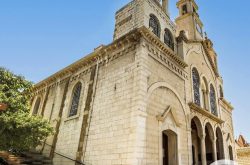
الكنيسة الحاليّة مبنيّة على أنقاض كنيستين: الأولى مجهولة تاريخ البناء وكانت صغيرة واطئة بنيت قرب مصب الينبوع وكانت قائمة في القرن السادس عشر، الثانية وكانت تُعرف بسيّدة الجوزة، بدأ بناؤها سنة ١٧٠٣ في مكانها الحاليّ. كرّسها في ١٠ أيّار سنة ١٧١٦ البطريرك يعقوب عوّاد، جلب لوحاتها من روما الخورأسقف يوسف السمعاني. سنة ١٩٠٣ بوشر بناء الكنيسة الحاليّة، وهي بازيليكيّة الطراز بثلاث أسواق وعقدٍ بغداديّ، تحوي خمس مذابح رخاميّة. كرّسها سنة ١٩٤٠ الخورأسقف يوسف الحايك. رمّمت الكنيسة عدّة مرّات. وهي أكبر كنيسة في بيت شباب تشتهر بأبراج أجراسها.
The church of our Lady the Major - Beit Shabab
The current church was built over two older churches. The first one was built near the village’s water fountain, its history is unknown, yet it was in use during the XVIth century. The second one was in the current place, it was known as our Lady of the Walnut tree. Construction began in 1703 and it was consecrated by Patriarch Yaaqoub Awad on the 10th of May 1716. The paintings of the church were brought from Rome by Mgr Youssef el Semaani. The current church was built in 1903, it is a basilical structure with three naves and five marble altars. It was consecrated in 1940 by Mgr Youssef el Hayek. The church underwent many restorations, it is famous for the three bell towers on its facade
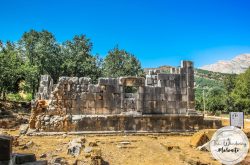
البناء أساسًا كان معبدًا فينيقيّ ثمّ رومانيّ. عُرف بالأزرق نسبةً للون الحجر الكلسيّ. مع قدوم المسيحيّة حُوّل المعبد إلى ديرٍ على اسم مار جرجس وكان الأكبر في جبّة المنيطرة. إختاره البطريرك يوحنّا مارون الثاني مقرًّا له سنة ٧٥٠، وذلك لصعوبة الوصول إليه، ولأن يانوح بحسب البطريرك الدويهيّ: "كانت من أشرف المجالِس في جِبَة المنيطرة وأهلها كثيرو العِبادة والغيرة". بقيت يانوح مقرًّا بطريركيًّا شبه ثابتٍ ما بين ٧٥٠ و١٢٧٧، لأن البطاركة تنقلوا مابين سنتيّ ١١٢٠ و١٢٠٠ بين ميفوق وهابيل ولحفد. بنى البطاركة بقرب المعبد كنيسةً صغيرة خاصة للبطاركة وأقبية وغرف. وبنوا كنيسة السيّدة خارج المحلّة. أقام البطاركة في يانوح، ما مجموعه أربعماية واثنتان وثلاثون سنة، منها ثلاثمائة وسبعون سنةً متواصلةً دون إنقطاع. مع قدوم الصليبيّين في عهد البطريرك يوسف الجرجسيّ إستبشر الموارنة خيرًا بحسب ابن القلاعي، فأُعيد اتصالهم بروما، وعاشوا فترةً من الإزدهار، ويذكر التاريخ أنّه في تلك الحقبة إستبدل الموارنة نوافيس الخشب بنواقيس حديدٍ في يانوح. لكنّ الفترة الصليبيّة شهدت العديد من القلاقل والمعارك ممّا استدعى تنقلاتٍ عديدةٍ للبطاركة واتخاذهم عدّة مراكز. ومع رحيل الصليبييّن وحملة المماليك أُحرقت يانوح، ولم تُجرى أبحاث أركيواوجيّة على الموضع لحين الإنتداب الفرنسيّ بداية القرن العشرين.
The blue monastery of St George - Yanouh
The building was originally a Phoenician than a Roman temple consecutively. With the locals conversion to Christianity the temple was consecrated as a church dedicated to St George. In 750 Yanouh was chosen as a patriarchal seat, it remained a nearly consistent seat between 750 and 1277. The patriarchs built near the temple a patriarchal chapel, many vaults and cells and the church of the Virgin Mary outside of the complex. With the Crusades during the pontificate of Patriarch Youssef el Gergesy, the Maronites entered a golden age, they reconnected with Rome. Yet the latter Crusader’s period saw unrest and struggles, that was the reason why many patriarchs used to change residences. In 1277 the patriarchs moved out of Yanouh. The seat was completly abandoned after the Crusaders left and the Mamluk’s campaign that destroyed the village. The site was excavated by the french archeological missions in the early XXth century.
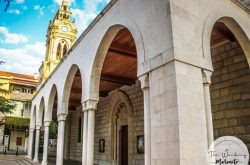
سنة ١٥٩٠ حدث خلاف بين البطريرك سركيس الرزّي والمطران أنطون الجميّل الذي منعه من زيارة بكفيّا، فاستاء العديد من آل الجميّل جرّاء هذا الخلاف وناصروا البطريرك، ممّا دفعهم لبناء كنيسة جديدة سنة ١٥٩٢ بسعي الخوري عيسى الخرّاط مكرّسة لمار ميخائيل. توسّعت الكنيسة عدّة مرّات أهمّها سنة ١٨٨٧ حين أعاد تكريسها المطران نعمة الله سلوان، وبعد الحرب الأهليّة. تضمّ الكنيسة قبّة نيوغوطيّة يعلوها تمثال مار ميخائيل. لوحة مار ميخائيل هي للمستشرق وليم الألمانيّ تعود لسنة ١٨٣٩، أمّ لوحة العذراء فهي من رسم حبيب خوري سنة ٢٠٠٦.
The church of St Michael - Bikfaya
In 1590 a conflict happened between Patriarch Sarkis el Rezzi and bishop Antoun Gemayel who forbade him from visiting Bikfaya. Because of this mishap, many supporters of the patriarch from the Gemayel clan decided with father Issa Kharrat to build a church dedicated to St Michael in 1592. The church was enlarged and renovated on several occasions, the most important are 1887 when it was rededicated by bishop Nematullah Salean and after the Lebanese Civil War. The church holds a neo gothic bell tower. St Michael’s painting is the work of a german orientalist called William and dates back to 1839. The painting of the Madonna is painted by Habib Khoury in 2006.



Reviews are disabled, but trackbacks and pingbacks are open.