كنيسة مار الياس القديمة - المجيدلبْنيت سنة ١٨٠٤، وجُدّدت سنة ١٨٩٩ وسنة ١٩٩٩. البناء كناية عن عقدِ مْصالبِ ينتهي بحنية. تضمّ الكنيسة ثلاث لوحات: مار الياس ومار جرجس والعائلة المقدّسة من عمل خليل عقل تعود لأوائل القرن العشرين.The old church of St Elijah - El MjeidelThe church was built in 1804, and renewed in 1899 and 1999. The structure consists of a crossed vault ending with an apse. The church has three paintings by Khalil Akl from the beginning of the XXth century: St Elijah, St George and the Holy Famil
St. Mary Church - كنيسة السيدة, Wadi Jezzine, Lebanon
كنيسة السيّدة
Wadi Jezzine
Jezzine
South
كنيسة السيّدة - وادي جزّين
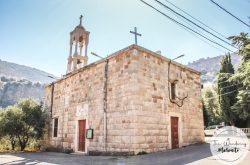
بُنيت الكنيسة الأولى أواخر القرن الثامن عشر وهي كنيسة صغيرة بسقف خشبيّ بهبة من الشيخ بشير جنبلاط. نجت هذه الكنيسة بأعجوبة من الخراب خلال أحداث ١٨٤٠ حين حاول المعتدون إحراق السقف الخشبيّ فلم يحترق وسنة ١٨٦٠ حين وريت بالضباب. سنة ١٨٩٠ أخذت الكنيسة شكلها الحاليّ، لكنّ البناء لم يكتمل إلّا سنة ١٩٠٣ بسعي أبناء البلدة في الأرجنتين. في الكنيسة لوحتان للسيّدة إحداهما تعود للقرن الثامن عشر، والأخرى تعود لسنة ١٩٠١ من عمل الياس الأسمر كرم.
The church of Our Lady - Wadi Jezzine
The first church was built in the XVIIIth century, it was a small church with a wooden ceiling, on a plot of land donated by Sheikh Bachir Joumblat. The church was miraculously saved from being burned in 1840, and was hidden by a thick fog from the eyes of the aggressors during the war of 1860. In 1890 the church took its final shape with a stone vaulted ceiling. the church was finally completed in 1903. The church holds two paintings of the Virgin Mary: an XVIIIth century icon , and another one from 1901 by Elias Asmar Karam.
Monastery of Our Lady of Kaftoun, Kaftoun, Lebanon
دير السيّدة - كفتون
1910
Kaftoun
Koura
North
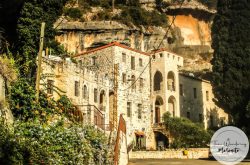
عود تأسيس الدّير الى القرن السادس، كُتِب عنه في منشورات تعود الى القرن التاسع موجودة في مكتبة أوكسفورد. تمَّ بناؤه على عِدَّة مراحل أمّا ترميمه الأخير فيعود الى العام 1910. الوجهة الخلفية للدير ملاصقة لشيرٍ صخريٍّ ضخم، وكنيسته في قلب الشير. كان الدير بدايةً ديرًا مارونيًّا سكنه المطران (البطريرك لاحقًا) إرميا الدملصاوي. بعد حملات المماليك تنسّك فيه الرهبان الأرثوذكس. كانت أوجّ الحياة الرهبانيّة فيه عام ١٩٠٤. وفي بداية السبعينات أضحى مهجوراً ونُهبت كافة الأيقونات والمخطوطات. تجدّدت الحياة الرهبانيّة في الدّير سنة ١٩٧٧. عام ١٩٩٧ أُعيدت إليه أيقونة سيّدة كفتون العجائبيّة. تكمن أهميّة هذه الأيقونة أنّها مرسومةٌ على الوجهتين: الأولى تعود الى القرن الحادي عشر وتُمثِّل العذراء مريم والسيّد المسيح، والثانية تعود الى القرن الثالث عشر وتُمثِّل معموديّة السيّد المسيح ومدوَّنٌ عليها باللغات الثلاث: السريانيّة والعربيّة واليونانيّة، شهادةً عريقةً للطقس السريانيّ الملكيّ. يضُمّ الدير آثارًا تاريخيّةً قديمة كأجران منحوتة بالصخر وآبار ومطحنة ومعصرة قديمة تعود للقرن السادس.
The monastery was founded in the VIth century and many documents from the IXth century attesting its existence are still present in the Library of Oxford. The building was done over time up until 1910. The monastery is built inside a rocky cliff, with the main church inside the cave. At first the monastery was served by the Maronites and was the seat of Bishop (later patriarch) Jeremiah of Dmalsa. After the Mamluk’s raids the ownership was taken by the Orthodox hermits. The monastic life saw its peak in 1904 yet it declined up to the seventies when the monastery was deserted and looted. The monastic life would be renewed in 1977. In 1997 the miraculous icon of Our Lady of Kaftoun was returned. The importance of that icon reside in its being a double sided icon: on the first side dating back to the XIth century is a depiction of the Theotokos, on the other one dating back to the XIIIth century is a Theophany with inscriptions in Arabic Greek and Syriac, a true witness to the Syriac Melkite Rite.
Notre Dame de l'Annonciation, Sahel Aalma, Lebanon
دير سيّدة البشارة بقلوش
Sahel Aalma
Keserwan
Mount Lebanon
دير سيّدة البشارة بقلوش - ساحل علما
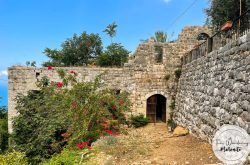
يَعود إنشاء الدّير الى العام ١٧٨٠، يوم أوقَفَ الشَيخ ميلان ضِرغام الخازن، كُلَّ ما يَملُكَه لإنشاء دير تمّ بناؤه سنة ١٧٨٣. إتَخَذَه المُطران أنطون الخازن، مقراً لأبرَشيَّة بَعلبك. عام ١٨١٨، خُصِّصَ الدّير للراهِبات المُحَصَّنات، من جُملة الأديرة السِتّة التي خُصِّصَت للنِساء، ضِمن مُقَرَّرات مَجمَع اللويزة. وبَعدَ إنحِسار الدَعَوات النِسائية، هُجِرَ الدّير، وتَداعَت أبنيته، ولم يَبقَ مِنه إلا كَنيسته المَعقودة، التي ما زالت قائمة لتاريخه. تحوي الكنيسة لوحة صفدٍ مقدسيّة وبعض الأيقونات المحلية ولوحة البشارة، مع صلبوت (مجسّم للمصلوب) لرتبة السجدة. تضمّ الكنيسة مدفن المثلث الرحمات المطران أنطون نوفل حصن الخازن.
The Monastery of the Annunciation Baqloush - Sahel Alma
The construction of the monastery began in 1780 when Sheikh Milan Dergham el Khazen gave his possessions to build a monastery that was completed in 1783. Bishop Antoun el Khazen made it the episcopal residence of the bishops of Baalbeck. In 1818 the monastery was made one of the six nunneries for the contemplative maronite nuns by decree of the council of Louaizeh. The monastery fell into ruins after the nuns left, and only the church remained. The vaulted church holds a mother of peral inlayed icon with an agonizing crucifix, local icons and the painting of the Annunciation. The church also holds the sarcophagus of bishop Antoun Naufal el Khazen.




Reviews are disabled, but trackbacks and pingbacks are open.