
Kfarhelda – Our lady of Kfarmalkoun, or Our lady of ruins

كنيسة سيدة كفرملكون الأثرية - كفرحلده, Kfar Helda, Lebanon

Other Details

كنيسة سيّدة كفرملكون (سيّدة الخرايب)

Kfar Hilda

Batroun

North

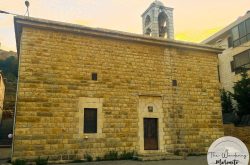
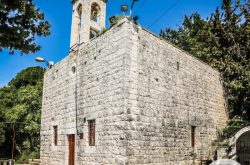
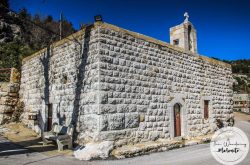
كنيسة سيّدة كفرملكون (سيّدة الخرايب) - كفرحلداترقى الكنيسة الى القرن الثالث عشر ، في أعالي بلدة كفرحلدا وكانت قد بنيت هذه الكنيسة بالطريقة البدائية التقليدية كما كان قائماً في القرون الوسطى، أما قبة الجرس فهي حديثة الصنع.هذه الكنيسة كانت جزءاً من قرية كفرملكون الواردة في السجلات العثمانية. مع مرور الزمن هُجّرت القرية وبدأت الابنية بالتفكك والانهيار خاصة بعد حدوث زلزال كان قد ضرب المنطقة أدى الى خرابها فسُميت بسيّدة الخرايب. أما السواد الذي يغطي بعضاً من معالم الرسومات داخل جدران الكنيسة، فكان بسبب ان بعض الرعاة كانوا يرتادون المكان ويشعلون النار للتدفئة.في حنية الكنيسة جدارية الشفاعة مع كتابة يسوع المسيح بالخط السرياني الملكي في الوسط.على الجدار الشمالي رسماً لأسقف أصلع الرأس، هو القديس يوحنا الذهبي الفم. وعلى الجدار نفسه نقرأ اسم ضومطيوس باللغة اليونانية.أما على الجدار الجنوبي بقايا مشهد الميلاد مع أربع ملائكة وراعٍ يعزف على الناي وبجانبه حملان.Our lady of Kfarmalkoun, or Our lady of ruins - KfarheldaDating back to the 13th century, and laying on the high hills of Kfarhelda, this church was built following the traditional medieval style.This church is located in the old Kfarmalkoun village that is found in the Ottoman records. With time, the villagers had left their village and the buildings started to fall apart, especially after it was hit by an earthquake. Thus the name: Our Lady of the Ruins.Some of the Church walls are covered with a black layer caused by the fires that the pastors lit when they were cold.On the Church's apse, one can find the Deisis fresco, surrounded by the words Jesus Christ written in a royal syriac font.On the northen wall, we can see the drawing of a bald bishop, St. John Chrysostom. On the same wall, we can find the words Domtius written in Greek.On the sourhern wall, on can find the remains of a fresco depicting the Nativity scene with four angels and a pastor playing on the flute next to some sheep.

Visited 7041 times, 5 Visits today
Reviews are disabled, but trackbacks and pingbacks are open.

Related Listings

Mayrouba – The church of St Anthony of Padua Ain el Tannour

Rocher Saint Antoine De Padoue, Mayrouba, Lebanon

كنيسة مار أنطونيوس البادواني عين التنّور

Mayrouba

Keserwan

Mount Lebanon

كنيسة مار أنطونيوس البادواني عين التنّور - ميروبا

هي كنيسة صغيرة ووقفيّة خاصة لآل الخازن. كرّسها المطران أنطون الخازن أواسط القرن التاسع عشر ككنيسة تابعة لدير بقلوش. تضم الكنيسة لوحة غربيّة لمار أنطونيوس وتاج من نقود غربيّة هي نذور المغتربين من أبناء البلدة. البناء قديم وهو عقد سريريّ ينتهي بحنية نصف دائريّة.
The church of St Anthony of Padua Ain el Tannour - Mayrouba

The church is a small private chapel for the Khazen family. It was consecrated by Bishop Antoun el Khazen in the mid XIXth century as a dependency of the monastery of Baqloush. The church holds a western painting of St Anthony and a rare crown made by coins presented as ex votos by the village’s first expats. The structure is old, consisting of a crib vault with a semi circular apse.

Zaghrine – The church of St Anthony the Great

Zaghrine, Lebanon

كنيسة مار أنطونيوس الكبير

Zighrine

Metn

Mount Lebanon

كنيسة مار أنطونيوس الكبير - الزغرين

سنة ١٨٧٦ طلب الرهبان الحلبيّين في دير مار الياس شويّا من المطران يوسف جعجع بناء كنيسةٍ لشركائهم، فأذن لهم وبنوا الكنيسة سنة ١٨٧٧. الكنيسة كناية عن عقدٍ مُصالب ينتهي بحنية. تضم الكنيسة لوحتين تعودان لأواخر القرن التاسع عشر: مار يوسف من عمل كنعان ديب، ومار أنطونيوس الكبير من عمل داوود القرم.

The church of St Anthony the Great - Zaghrine

In 1876 the Aleppan monks living in the monastery of St Elias Shwaya asked Mgr Youssef Geagea a permission to build a church for their monastery’s surfs living in Zeghrine. After the permission was given, construction began and ended a year later. The church is a cross vaulted structure. It holds two paintings from the end of the XIXth century: St Joseph by Kanaan Dib and St Anthony by Daoud el Qorm.

Bkerke – The chapel of Our Lady of Bchouche

Notre Dame Bchouchi Church, Ghadir, Lebanon

كنيسة سيّدة البشوشة

Harissa

Keserwan

Mount Lebanon

كنيسة سيّدة البشوشة - بكركي

هي كنيسة الموقع الأوّل لدير بكركي قبل بناء الصرح الحاليّ. بناها الشيخ خطّار الخازن سنة ١٧٠٣ مع الدّير، وسكنه الرّهبان الأنطونيّون سنة ١٧٣٠. سلّم البطريرك يعقوب عوّاد الكنيسة والدّير والأملاك الى رهبان مار اشعيا برضى المشايخ الخوازنة ولا سيَّما الشيخ خطار، لكن بعد وفاة الشيخ خطّار، وقع الخلاف بين ولَدَيه، وبين الأنطونيَّين، فطردوا منه، وباعوا الدّير الى المطران جرمانوس صقر لقاء ٣٥٠٠ غرش، وذلك سنة ١٧٥٠، وأكملوا بهذا المبلغ دير مار يوحنا المعمدان - عجلتون. أمّا المطران صقر فجعل الدّير مقرًّا لأخويّة قلب يسوع التي أسّستها الراهبة هنديّة عجيمي، التي بدورها نقلت الدّير الى موقعه الحاليّ. ولم يبقَ من الدّير القديم سوى كنيسة سيّدة البشوشة، نسبةً الى ايقونة العذراء المتبسمة.

The chapel of Our Lady of Bchouche - Bkerke

The chapel was the church of the first monastery of Bkerke. It was built by Cheikh Khattar el Khazen in 1703, and the Antonine Maronite Order took the monastery as a residence in 1730. The monastery was eventually given to the order with a decree made by Patriarch Jacob Awad and the Sheikhs of the Khazen family. Nevertheless after the death of Sheikh Khattar there was a dispute between his sons and the Antonines, and the laters were forced to leave and sell the monastery to Bishop Germanos Saker in 1750 for 3500 Ottoman piasters, money that they used to accomplish St John’s monastery in Ajaltoun. Bishop Saker made Bkerke’s monastery a motherhouse for the new congregation of The Sacred Heard founded by Hindyeh Ojeimy. The congregation left the old monastery and built the current one nearby. Of the old monastery only the church persists. It is named Bshoushe meaning the Smiling Virgin.