كاتدرائيّة مار جرجس - صرباسنة ١٨٦٩ اذ كان المطران يوحنّا الحاج (البطربرك لاحقًا) أسقفًا على بعلبك، وكانت صربا تابعة له، إشترى قطعة أرضٍ من بطريركيّة الروم الملكيّين الكاثوليك. فبنيت الكاتدرائيّة بسعي الخوري بولس الأشقر البجّاني. مع موت البطريرك الحاج سنة ١٨٩٠، ضمّت صربا إلى أبرشيّة دمشق. وسنة ١٩٦٠ فصلت عن دمشق لتصبح منطقة صربا نيابةً بطريركيّةً مركزها هذه الكاتدرائيّة. يتميّز بناء الكاتدرائيّة بتصميمٍ بازيليكيّ بسوقٍ واحدة وثلاث مذابح. اللوحات التي تعلو المذابح من عمل الرسّام داوود القرم وتعود للأوائل القرن العشرين.St George’s cathedral - SarbaIn 1869 Mgr.John el Hajj (later patriarch) archbishop of Baalbeck, since Sarba was a dependency of Baalbeck back then, bought a parcel of land from the Melkite Catholic patriarchate to build a church. The construction of the new church began with Fr Boulos al Achkar el Bejjany. When Patriarch el Hajj passed away, Sarba was transferred juridically from the see of Baalbeck to the see of Damascus. In 1860 Sarba was proclaimed an independent ecclesiastical province, a patriarchal vicariate with the cathedral at it’s center. The structure is a single nave with three apses, and three altars. The church holds three early XXth century paintings by Daoud el Qorm.
Saint Georges - grecs catholiques, Ain El Rihane, Lebanon
كنيسة مار جرجس
Bickfaya
Metn
Mount Lebanon
كنيسة مار جاورجيوس - المحيدثة بكفيّا
تسلّمت الرهبانيّة الباسيليّة الشويريّة حجّة عام ١٧٢٦ لبناء كنيسة على إسم مار جرجس للروم الملكييّن الكاثوليك فشرعت بالبناء، وشهدت مراحل ترميم وتوسعة عام ١٩٠٠ و٢٠١١. تتميّز الكنيسة بالإيقونات المقدسيّة والبلديّة التي تعود للنصف الثاني من القرن الثامن عشر. تخدم كنيسة مار جرجس كلّ أبناء المنطقة وهي أمّ الرعايا الملكيّة والأقدم بينها.
St George’s church - El Mhaydse Bikfaya
The Bassilian Choueirite order received permission to build a church in Bikfaya in 1726, and decided to dedicate the new church to St George. The church underwent major restorations in 1900 and 2011. The church holds a collection of icons from the School of Jerusalem and some other local icons. The icons date back to the XVIIIth century. The church is the mother parish of all the Melkites in the region.
كنيسة سيّدة الغسّالة - القبيات بُنيت الكنيسة الأولى بالقرب من قناة جرًّ للمياه، كانت نساء القرية يغسلن ثيابهنّ بقربها أيّام السبوت، لذلك سمّي الموضع الغسّالة وحملت الكنيسة إسم سيّدة الغسّالة. بُنيت الكنيسة الحاليّة سنة ١٩٢٧ بمسعى من أبناء البلدة المغتربين. تتميّز الكنيسة أنّها مكسوّة الداخل بالكامل بالنقوش، تحوي عدّة جداريّات فريدة كجداريّة الذبيحة الإلهيّة حيث يظهر الكأس يعلوه النجم، وجداريّة الصدقة.
The church of Our Lady of Ghassala - Kobayat The first church was built on a site near an aqueduct where the village’s ladies used to wash their laundry hence the name in Arabic Ghessele invoking laundry washing. The first church held the name of the site. In 1927 the new church was built with donations made by Kobayaty expats. The church is covered on the inside with painted stucco. The church holds distinctive unique frescoes such as the fresco of the Holy Sacrifice with the distinctive oriental liturgical altar paraments, and the fresco of the alm.
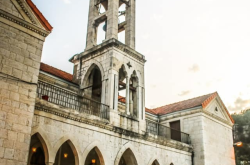
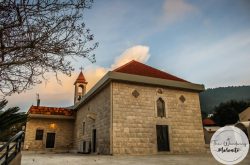
House and the Church of St. God's grace (Neamtallah) Hardini Lebanese Maronite Order, Hardine, Lebanon
بيت وكنيسة القديس نعمة الله الحرديني
Hardine
Batroun
North
Hardine’s name is derived from the Syriac language meaning ‘pious’, Witness of justice, Ardent in faith and Square of religion.
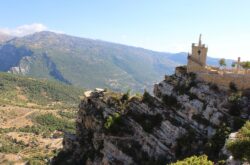
It is located about 1100m. above sea level. A large area of very thick forests surrounds it and the following ruins of its inveterate past decorate its mountain terraces:
-The «rocky tile of Hardine» with its marine fossils and its unique length of 350 m along a slope to the west and its width of nearly l00m. Some one said, «The three most beautiful in Mount Lebanon are the valley of Kannoubine, The Palace of Beit Eddine and the tile of Hardine».
–The Temple of God Mercury With 30 majestic pillars built according to the rare ionic style. This temple known as «the roman Palace of Hardine». It’s a really fantastic one; it goes back to the time of Emperor Hadrian Augustus (117-137 A.D).
-“St Fawka’s” monastery (6th century)
-“Patriarchal monastery” since the Maronites came to Lebanon, known as “St. Sergios Alkarn”.
-“St John Alchakf” monastery, since the days of the Crusaders.
-“St Taqla” church in Beit Kassab square. It was the father of St Hardidni, who first started its renovation in the 19th Century.
-The church and hermitage of “St Stephan” in a hollow in a light rock over the Plain of Al Jawz River.
-The ruins of “St Richa’s” monastery, where the Syriac Diocese was moved between 1384 and 1598.
-The hermitages of “St Joseph”, “Ste Anne”, “St Ephram” the Syriac, “St Jacob Jesus’ brother” and “the pottery monastery” in the hollows of Kfarshira, and “the Lady of the Castle” in the hollow of the water spring.
-The Church of “St. Georges and Edna” which is distinguished Christian inscriptions (fish and cross).
-The churches of “St Elias”, “St Challita and Nohra” in the hollows engraved in the rocks, the old parish churches, like “St. Sergios and Bacchus” (rebui1t in 1932). “the Lady of deliverance” (rebuilt in 1948). The current one is St. Shayna” (1844), and finally the church of “St. Tadros” with its maronite alter, The two rebuilt churches of “St. Antonios of Padova” (1907), “St. Thomas” (1950) and the church of “Ste Theresa of the Baby Jesus” (1946).
-The monastery of St. Hardini» built with the donations of the people from Hardine in Lebanon and all over the world.
– Hardine is the hometown of one of Lebanon’s four saints, Saint Nimatullah Hardini (1808-58) who was canonised by Roman Catholic Pope John Paul II in 2004.
The village is naturally protected by the valleys and the rocky mountains around it making it an ideal place for the then new religion (Christianity) to flourish.
Legend has it that in 270AD, a Roman official imprisoned his daughter in Hardine for converting to Christianity. She converted many others in Hardine to the Christian faith.



Reviews are disabled, but trackbacks and pingbacks are open.