
Hadath el Jubba – The church of St Daniel

St. Daniel - Church, Hadath El Jebbeh, Lebanon

Other Details

كنيسة مار دانيال

Hadath Ej-Jebbeh

Bcharre

North

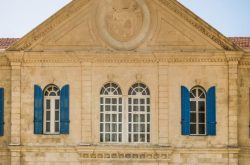
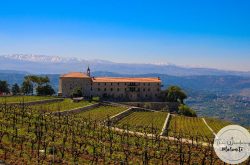
كنيسة مار دانيال - حدث الجبّةبعد تحوّلهم الى المسيحيّة حوّل أهالي الحدث معبدهم إلى كنيسةٍ على اسم مار الياس، ما زالت قائمة في القسم الجنوبيّ. سنة ١١١٠ باشرت بناء كنيسة مار دانيال صالومي إبنة الخوري باسيل من بشرّي. تعرّض البناء للخراب على يد المماليك سنة ١٢٨٣. وأخذ البناء شكله الحاليّ في زمن حبريّة البطريرك شمعون الحدثيّ. رُمّم البناء أواخر القرن العشرين. الكنيسة بازيليكيّة الطراز بعقد مصالب وثلاث حنايا مع رواق خارجيّ معقود. تحوي الكنيسة ثلاث لوحات لداوود القرم تعود للقرن التاسع عشر.The church of St Daniel - Hadath el JubbaAfter the conversion of the people of Hadath el Jubba, they converted an old pagan shrine to a church dedicated to St Elijah the prophet. In 1110 Salome the daughter of the priest Basil of Bsharre began building a new church dedicated to Daniel the prophet. The church was destroyed by the Mamluks in 1283. It then took its final shape during the pontificate of Patriarch Chamoun el Hadathy, and was renovated in the late XXth century. The church consists of a basilical plan with three naves with arched vaults and three apses, with an external ambulatory. It holds three paintings by Dawoud el Qor

Visited 7327 times, 6 Visits today
Reviews are disabled, but trackbacks and pingbacks are open.

Related Listings

Mar Moussa – The monastery of St Moses of Abyssinia

Mar Moussa El Douar, Lebanon

دير مار موسى الحبشيّ

Mar Moussa Ed-Douar

Metn

Mount Lebanon

دير مار موسى الحبشيّ - مار موسى

بناء الدير يعود إلى سنة ١٦٥٦، سكنه أوّلاً رهبانًا عبّادا. إنضمّ هؤلاء الرهبان المتنسّكون سنة ١٧٥٧، إلى الرهبانيّة اللبنانيّة، وسلّموها الدير بموجب صكّ مكتوب، في عهد الأب العام جرجس قشّوع. كان للدير بعض أملاكٍ حين تسلّمته الرهبانيّة. أمّا بقيّة أملاكه فاتّصلت إلى الرهبانيّة بوجه الشراء من أعيان الطائفة الدرزيّة بعناية الأب العام إغناطيوس بليبل. في السنة ذاتها عقدت الرهبانيّة مجمعها في ربوعه وانتخب الرهبان الأب اقليموس المزرعاني رئيسا لهم على الرغم من معارضة البطرك طوبيا الخازن، وقد ادى هذا الإنتخاب الى انقسام الرهبانية الى بلدية وحلبية في العام ١٧٧٠ وكان دير مار موسى من نصيب الرهبانية البلدية التي تعرف اليوم بالرهبانية اللبنانية. اشترى الدير سنة ١٧٨٩ مطبعة نقلها من روما وعليها طُبعت الشحيمة وخدمة القداس الإلهي. تعرّض دير مار موسى الى النهب والحرق على يد جيش الحملة المصرية عام ١٨٤٠ ثم على يد الدروز اثناء مجازر الستين. عام ١٨٦٣ باشر الأب ليباوس المتيني ترميم الدير وبناء الطابق الثاني والكنيسة الحالية التي انتهى بنيانها عام ١٨٧١. على مرّ التاريخ، عرف الدير حقباتٍ زاهرةٍ. عيّنته الرهبانيّة ديرا للإبتداء، ثمّ مدرسةً للرهبان الدارسين. وعلاوةً على تعليم الفلسفة واللاهوت إعدادًا للكهنوت، كان الدير يؤمّن تعليم السريانيّة والعربيّة واللاتنيّة والفرنسيّة والحساب.

The monastery of St Moses of Abyssinia - Mar Moussa

The monastery was built in 1656, my contemplative monks. In 1757 the monastery was given to the Lebanese Order during the pontificate of Abbot Geryes Qashouh. The monastery had some lands when it was acquired, however most of its lands were bought from local Druze lords during the pontificate of Fr. Abbot Ignatius Bleibel. In 1770 the order had an assembly in the monastery and elected Fr. Abbot Clementis Mazraany against the will of Patriarch Tobias el Khazen, an election that lead to the split of the order into two: Lebanese and Aleppan. The Lebanese order acquired the monastery. The monastery housed a printing press in 1789 and printed the breviary and the missal. The monastery was devastated during the Egyptian campaign in 1840 and during the civil war of 1860. It was then restored by Fr. Abbot Lebaos el Mteiny in 1863 and a new church was built in 1871. During its long history, the monastery became a noviciate and a grammar school.

Bkerke – The Patriarchal monastery of Our Lady of Bkerke

Church of Bkerke, Juniyah, Lebanon

دير سيّدة بكركي البطريركيّ

Jounie Ghadir

Keserwan

Mount Lebanon

دير سيّدة بكركي البطريركيّ - بكركي

سنة ١٧٠٣ بنى الشيخ خطّار الخازن دير بكركي في محلّة البشوشي أوّلاً، وفي سنة ١٧٣٠ تسلّمه الرهبان الأنطونيون؛ بعدها سنة ١٧٥٠ تسلّمه المطران جرمانوس صقر والراهبة هندية عجيمي ليكون مقرًّا لأخوية قلب يسوع التي بدأت تشييد الدّير في موقعه الحاليّ. سنة ١٧٧٩ قضت براءة رسوليّة بأن يتحوّل دير بكركي لخير الطائفة المارونيّة. سنة ١٨٢٣ أصبح الدّير كرسيًّا بطريركيًّا لفصل الشتاء. سنة ١٨٩٠ رمّمه البطريرك يوحنا الحاج وأضاف إليه قسمًا من الطابق السفلي والطابق العلوي بكامله، والكنيسة التي رسم جداريّتها داوود القرم. والدّير من تصميم الأخ ليونار اللعازاريّ. رممّ أيضًا سنة ١٩٧٠ و١٩٨٢. سنة ١٩٩٥ أضاف إليه البطريرك نصر الله صفير جناحاً ليحفظ فيه الأرشيف ويكون متحفاً خاصاً بالكرسيّ البطريركي، كما أنشأ مدافن للبطاركة وزيّن الكنيسة بالزجاجيّات.

The Patriarchal monastery of Our Lady of Bkerke - Bkerke

In 1703 Sheikh Khattar el Khazen built the first church in the Bchouchi area and gave it in 1730 to the Antonine Order. In 1750 the monastery was given to Bishop Germanos Sakr and the nun Hindye to become a mother house to the congregation of the Sacred Heart of Jesus, and the construction on the current site began. In 1779 the congregation was dissolved and the monastery became the property of the Maronite church who decided to make it a winter residence for the patriarchs in 1823. In 1890 the building was restored by Patriarch John el Hajj with the design of the Lazarists Brother Lenard. The church was built and decorated with a fresco by Dawoud el Qorm. The building was restored in 1970 and 1982. In 1995 Patriarch Nasrallah Sfeir added a new hall for the archives and the museum, the patriarchal cemetery and decorated the church with stained glass windows.

Hermel – The monastery of St Maroun on the Orontes

Hermel, Lebanon

دير مار مارون على نهر العاصي

Hermel

Hermel

Baalbek-Hermel

The monastery of St Maroun on the Orontes - Hermel

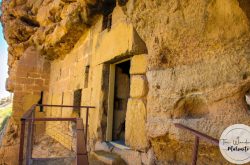
The monastery was originally a natural cave consisting of three sections, it was expanded by Roman builders working in nearby stone quarries. It is situated above Ain El Zarqa, one of the sources of the Orontes River, and connected to the river via a corridor carved into the mountainside. This was used to fetch water and provide a hiding place during enemy attacks. In the VIth century, Maronite monks sought refuge in the cave after facing persecution in northern Syria, where their monastery was destroyed and its contents dispersed. The monks expanded the cave and carved an altar, turning the cave into a new monastery. This marked the beginning of the Maronite migration to the mountains of Lebanon along the Orontes River. Over time, the monastery was neglected and became an abandoned farm. In 2011, it was visited by Patriarch Bechara Boutros Al-Rahi and has since been restored in 2018, returning to the Maronite Church. The monastery serves as a testament to the spread and perseverance of the Maronite Church in the Levant.