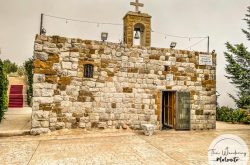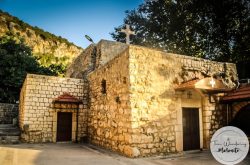

Enfeh – The Church of St Catherine

St. Catherine Church, Anfeh, Lebanon

Other Details

كنيسة القدّيسة كاترينا

Enfeh

Koura

North

كنيسة القدّيسة كاترينا – أنفهكنيسة القدّيسة كاترينا كنيسة أرثوذوكسيّة بنيت هذه إبّان الحملة الصليبيّة الثالثة في القرن الثاني عشر بحسب الفنّ الرومانيّ، وكرّست على اسم القبر المقدّس. كانت الكنيسة تابعة لفرسان مالطا. في القرن السابع عشر رُمّمت الكنيسة وسَمّاها السكان على اسم القدّيسة كاترينا. تحوي الكنيسة عدّة أيقونات أهمّها أيقونة القدّيسة كاترينا التي رسمها بوليخرونيوس الكريتي أوائل القرن التاسع عشر.The Church of St Catherine - EnfehThe Greek Orthodox church of St Catherine was built in the XIIIth century during the third Crusade according to the romanesque architectural style, and was dedicated to The Holy Sepulcher. The church was a vassal to the Knights of St John of Malta. During the XVIIth century the church was restored and rededicated to St Catherine. The church holds many icons the most important one being that of St Catherine dating back to the early XIXth century, it is the masterpiece of the Cretan iconographer Polychronius.

Visited 3594 times, 6 Visits today
Reviews are disabled, but trackbacks and pingbacks are open.

Related Listings

Maarab – Saint Gregory and Basil

Maarab, Lebanon

كنيسة مار باسيليوس وغريغوريوس - معراب

1305

Maarab

Keserwan

Mount Lebanon


بنى الموارنة كنيستهم الأولى في معراب على أنقاض هيكل رومانيّ وثنيّ. خُرّبت هذه الكنيسة الأولى مع حملة المماليك على كسروان سنة ١٣٠٥. أعاد أبناء البلدة بناء الكنيسة على إسم ما باسيليوس وغريغوريوس، وأخذت شكلها الحاليّ سنة ١٨٨٥. في هذه الكنيسة يرقد على رجاء القيامة المطران بولس فؤاد نعيم تابت (١٩٢٩-٢٠٠٩) وهو أوّل سفير بابويّ مارونيّ لبنانيّ.


The first church was built by the Maronites over a roman pagan temple. The church was destroyed during the Mamluk’s campaign on Keserwan in 1305. After their return, the villagers reconstructed the church and it was consecrated to Sts Basil and Gregory. It took its final shape in 1885. The church is the final resting place of Bishop Paul Fouad Naim Tabet (1929-2009), the first Lebanese Maronite Papal nuncio

Ehden – The monastery of St Moura

Saint Moura, Ehden, Lebanon

دير مارت مورا

Ehden

Zgharta

North

دير مارت مورا - اهدن

بحسب البطريرك الدويهيّ بني الدّير سنة ١٣٣٩. كان دير مرت مورا أوّل كرسي لمطرانيّة إهدن، قبل انتقالها إلى دير مار سركيس رأس النهر. سنة ١٦٩٥ أعطى البطريرك الدويهيّ الدّير لمؤسسي الرهبانيّة الحلبيّة اللبنانيّة ليختبروا قانونهم الجديد وحياتهم المشتركة، فانضمّ إليهم آخر ناسك عاش فيه وهو أنطونيوس الإهدني. سنة ١٦٩٨ انشقّ بعض الرهبان عن القرعلي وأسسوا رهبانيّة جديدة مع جبرايل حوّا في مارت مورا لم تدم طويلًا. يتألّف الدير من كنيسة ذات عقد سريريّ، وغرفة كبيرة ملاصقة. رُمّم الدّير سنة ١٩٨٣.

The monastery of St Moura - Ehden

According to Patriarch Doueihy the monastery was built in 1339, and was the first seat for the bishops of Ehden before they moved tho St Serge’s monastery. In 1695 Patriarch Doueihy gave the monastery to the newly founded Alepan Lebanese Order, so the founding fathers could experience their new monastic rule and communal life. The last hermit of the monastery Antonios el Ehdeny joined the order. In 1698 the first split in the order happened and some monks decided to start a new order with Gebrayel Hawa in Mart Moura. This second order didn’t persist. The monastery consists of a crib vaulted church with an adjacent room, and was restored in 1983.

Kaftoun – Saints Sarkis & Bakhos

Monastery of Our Lady of Kaftoun, Kaftoun, Lebanon

كنيسة مار سركيس وباخوس - كفتون

950

Kaftoun

Koura

North

كنيسةٌ صغيرةٌ مبنيّةٌ على ضفاف مجرى نهر الجوز، تابعةّ لدير كفتون. بُنيت في القرن العاشر وبقيت مُهمَلةً لقرون، مُهدَّدةً بالانهيار. بدأت عمليّة الترميم سنة ٢٠٠٤ واكتُشفت خلالها جداريّات فريدة من القرن الثاني عشر، وهي الشفاعة والبشارة والرسل وأربعة فرسان قدّيسين: سركيس وباخوس جرجس وتاودوروس. الفريد في الكنيسة الكتابة على الجداريّات باللغات: السريانيّة واليونانيّة والعربيّة للمرّة الأولى في كنيسة مسيحيّة من القرون الوسطى.

A small church on the riverbank. It is a dependency of Kaftoun’s monastery. The church was built in the Xth century, yet it was in ruins for a long time. Restorations started in 2004 and uncovered unique byzantine frescoes: The Deisis, the Annunciation, the Apostles, and the Four Knights: Sts George, Sergius, Bacchus, Theodore. The fact that makes the frescoes unique is the trilingual writing on them: Syriac, Greek and for the first time in a medieval church Arabic.