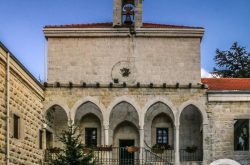
كنيسة مار جرجس - القليعةهي كنيسة البلدة الرعائيّة. بُنيت سنة ١٩٠٠ بسعي الخوري عبدالله لاشين، وكرّسها المطران بطرس البستاني مطران صور وصيدا آنذاك. الكنيسة بازيايكيّة الطراز بثلاث أروقة، والعقد يجتمع بقبّة دائريّة مزيّنة بجداريّة المسيح الفادي محاطًا بالإنجيليّين الأربعة. اللوحة الأساسيّة من عمل داوود القرم. أمّا الكنيسة من الخارج فهي بالحجر المقصوب مزيّنة بلونين من الحجارة.The church of St George - QlayaaThe parochial church of the town, the church was built in 1900 with the efforts of Fr. Abdalla Lachin and dedicated by Mgr. Boutros el Boustany archbishop of Tyr and Sidon back then. The church follows a basilical floor plan with three naves, and a circular dome decorated with a fresco of Christ the Redeemer surrounded by the four evangelists. The main painting of St George is by Dawoud el Qorm. The facade of the church is a decorative alteration of two kinds of colored stones.
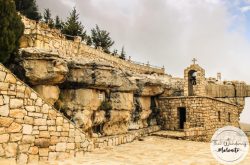
يعود بناء الدّير إلى القرون الوسطى، لكنّ الموقع يحوي الكثير من الآثار التي تشير الى استخدامه كحصن بسبب موقعه الاستراتيجيّ. وتشير التقاليد والموروثات أن الموارنة تحصّنوا به إبّان حملة المماليك على جبّة بشرّي. بقي الدّير لمدّةٍ طويلةٍ مزارًا لأهل البلدة. رممّ الموقع سنة ٢٠١٥ وكرّسه البطريرك بشارة بطرس الراعي. يتألف الموقع من الكنيسة الأثريّة بقلب المغارة، آثار القلالي والحديقة الجديدة. The monastery of the Prophet Elijah - Hadshit
The monastery dates back to the middle ages yet the site was an antique garrison due to it’s strategical location. According to tradition the maronites took refuge in the monastery during the Mamluk’s campaign on the region of Jebbe. The monastery was a shrine for a long period of time. It was restored in 2015 and consecrated by the Patriarch Bechara Boutros el Raii. The site includes the cave church, the ruins of the cells and the new garden.
دير مار شليطا - القطّارة ميفوق تَقَرَّر في مجمع الرهبانيَّة اللبنانيّة المارونيّة العام المنعقد في ١٦ تشرين الثاني ١٨٤٧، في عهد الأب العام عمَّانوئيل الأشقر، وبرضى البطريرك يوسف راجي الخازن، فَصل بعض أرزاق من دير سيِّدة ميفوق لإنشاء دير في محلَّة القطَّارة شرقيِّ ميفوق، على اسم القدِّيس شلِّيطا. سنة ١٨٥٠، بدء بناء الدّير وكان إتمام بناء الكنيسة سنة ١٨٦١، فَكَرَّسها البطريرك بولس مسعد. عُيِّن هذا الدير، سنة ١٨٧٠، مدرسةّ لتعليم اللغات الأجنبيّة، وكان يضمُّ أيضًا عددًا من المبتدئين. وتجدر الإشارة إلى أنَّ هذا الدير لا يزال حتَّى أيَّامنا يقوم بزراعة أشجار التوت واستخدامها في إنتاج مواسم الحرير. كما يضمّ الدّير محبسة.
The Monastery of St Challita - El Qattara Mayfouk.
On the 16th of October 1848 the monastic chapter of the Lebanese Maronite Order decided to separate some lands from the monastery of our Lady of Mayfouk to found a monastery dedicated to St Challita, during the mandate of Abbot Emmanuel El Achkar. In 1850, works on the monastery began and were concluded in 1861 when Patriarch Boulos Massad consecrated the church. The monastery was made a school for foreign languages and a novitiate. The monastery still has a great traditional silk production - a rare preservance in Lebanon. The monastery holds also a hermitage.
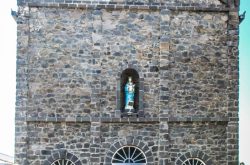
دير سيّدة القلعة - منجز بنى الأمير البيزنطيّ فيليكس قلعةً على ضفاف النهر الكبير، على بقايا هياكل فينيقيّة ورومانيّة. سنة ١١٢٨ رممّ الأمير الصليبيّ جيلبير دي بوي لوران القلعة، ثم باعها لأمير طرابلس ريموند سان جيل. بعد ذلك استولى فرسان القدّيس يوحنا على القلعة وبنوا فيها معبدًا على اسم شفيعهم مار يوحنّا. تعرض الدّير في حقباتٍ عديدةٍ للخراب. وأثناء انتقال الملك الظاهر بيبرس الى القبيات في طريقه الى حصن عكار استولى على الدير والقلعة. بعد رحيل المماليك تحوّل الدّير إلى مزارٍ مريميّ. أواسط القرن التاسع عشر رمّم الدّير يوسف المريض من منجز، وتنسّك به. سنة ١٨٩٢ تسلّم الدّير الآباء اليسوعيّون فبنوا الكنيسة الجديدة، وأقاموا مدرسةً سنة ١٨٩٥. سنة ١٩٢٥ تسلّمت الرهبانيّة اللبنانيّة المارونيّة الدّير. تعرّض الدّير للخراب خلال الحرب الأهليّة، وعاد إليه الرهبان بداية التسعينيّات. الكنيسة مبنيّة بالحجر البركانيّ الأسود، بسوقٍ واحد وعقد سريريّ، تضمّ الكنيسة العديد من اللوحات الغربيّة ومذبح خشبيّ أوروبيّ الصنع. The monastery of Our Lady of the fortress - Menjez The Byzantine prince Felix built a castle over phoenician and roman ruins, that the Crusader prince Gilbert de Pui Lorain took in 1128, then he sold it to the prince of Tripoli Raymond de Saint Gilles. After that the knights of St John took the castle and built a monastery dedicated to St John. With the Mamelouk invasion the monastery was sabotaged when king Zaher Bibars took over Tripoli. After the Mamelouks left, the locals converted the ruins into a Marian shrine. In the mid XIXth century, a local named Youssef el Marid renewed the monastery and made it a hermitage. In 1882 the Jesuits took over, rebuilt the church, and built a school in 1885. In 1925 the Lebanese Maronite Order took the monastery and the school. During the civil war the monastery was sabotaged, the monks didin’t return to the mission until the nineties. The church is made of black bazalt, it is a single nave crib vaulted structure. The church holds many western paintings, and a wooden European high altar.




Reviews are disabled, but trackbacks and pingbacks are open.