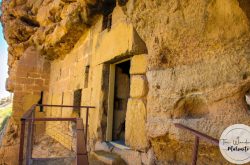
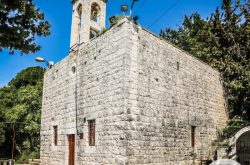
El Mzekke Broummana – The monastery of St Isaiah

Saint Isaiah (Mar Shaaya), Jouret El Ballout, Lebanon

Other Details

دير مار شعيا

Broummana El-Matn

Metn

Mount Lebanon

دير مار شعيا - المزكه برمانا سنة 1673 قام المطران جبرايل البلوزاني رئيس أساقفة حلب (البطريرك لاحقًا) بتأسيس حركة رهبانيّة تتبع قانون مار أنطونيوس الكبير وهدفها تبشير الدروز. سنة 1698 أُرسلت مجموعة من الرهبان لتأسيس ديرٍ في برمانا هم: سليمان الحجّة المشمشاني، وعطالله كريكر الشبابي، وموسى زمّار البعبداتي. فاشتروا أنقاض ديرٍ قديمٍ على تلّة بجوار برمانا. سنة 1700 بدأ الرهبان الأنطونيون تأسيس ديرٍ جديدٍ على اسم مار شعيا الراهب الحلبيّ. أصبح الدّير الدّير الأم للرهبانيّة الأنطونيّة الناشئة التي ثبّتها البابا أقليمنضوس الثاني عشر سنة 1740. إرتبط الأنطونيّون بدير التأسيس لدرجة أنّهم أصبحوا يتكنّون برهبان مار شعيا. أصبح الدير جسر علاقة بين الرهبانيّة وحكّام الجبل، أمراءِ آل أبي اللمع وآل شهاب الموحِّدّين ما حدا بأفرادٍ من الأسرتَين الكبيرتَين اعتناقَ الإيمانِ الكاثوليكي ونشره في مناطقَ متنيّة. تعاقبت الحروب على الدير وتركت بصماتِها الهدّامة من أحداث ١٨٤٠ و١٨٦٠، إلى الحرب العالميّة الأولى، وقد كانتِ الأشرس، فدمّر الجيش العثمانيّ الدير وأحرق مكتبته. رُمّم الدّير على مراحل عديدة وأُعيد بناؤه. كنيسة الدّير كناية عن عقدٍ مُصالبٍ ينتهي بحنية نصف دائريّة. تتميّز الكنيسة بخورسها الخشبيّ بين المذبح والسوق الرئيسيّ.كذلك تحوي الكنيسة أرغن الموسيقار الكبير الأب يوسف الأشقر أحد روّاد الموسيقى الكنسيّة المارونيّة. كذلك تحوي لوحة مار شعيا التي تعود لعام 1907، وجداريّة خلف المذبح من عمل الرسّام أسعد رنّو. The monastery of St Isaiah - El Mzekke Broummana In 1673 the archbishop of Aleppo Mgr. Gebrayel el Blouzany (later Patriarch), started a monastic movement according to the Rule of St Anthony the great, with the aim of evangelizing the Druze. In 1698 a small group of monks were sent to start a monastery in Broummana: Sleiman Hajje from Meshmesh, Atallah Kreiker from Beit Chabab, Moussa el Zemmar from Baabdat. In 1700 the monks bought the ruins of an old monastery on a hill in the vicinity of Broummana. The monastery was dedicated to St Isaiah the Aleppan monk, and the monastery became the motherhouse of the new order that was recognized by Pope Clement XII in 1740. The monks became commonly known as the monks of St Isaiah. The monastery became a mission hub and many Druze were converted by the monks, it was noted that many princes from the families of Shehab and Abi el Llamah became Maronites and helped spreading the catholic faith in the Metn region. The monastery suffered greatly during the wars of 1840 and 1860, it was severely damaged during World War I and its great library was burnt down. Yet it was always restored and rebuilt. The monastery's church is a crossed vault ending with a semi circular apse. The nave and the sanctuary are separated by wooden choir stalls. The church holds the organ of Fr. Boulos el Ashkar a pioneer in Maronite ecclesiastical music, a painting of St Isaiah from 1907 and a fresco of the saint by Assaad Renno.

Visited 4849 times, 6 Visits today
Reviews are disabled, but trackbacks and pingbacks are open.

Related Listings

Homsyeh – The church of St John the Baptist

كنيسة مار يوحنا, Homsiyeh, Lebanon

كنيسة مار يوحنا المعمدان

Homsiyeh

Jezzine

South

كنيسة مار يوحنا المعمدان - الحمصيّة

بُنيت الكنيسة الأولى أوائل القرن التاسع عشر، وخربت في أحداث سنة ١٨٦٠. أعيد بناؤها سنة ١٨٩٠ وكرّسها المطران بطرس البستاني رئيس أساقفة صور وصيدا آنذاك. رمّمت الكنيسة ووسّعت على عدّة مراحل آخرها في تسعينيّات القرن العشرين. البناء هقد مصالب ينتهي بحنية نصف دائريّة. تضمّ الكنيسة أيقونة أورشليميّة أثريّة ونسخةً عنها طبق الأصل.
The church of St John the Baptist - Homsyeh

The first church was built in the beginning of the XIXth century and was ruined in the war of 1860. The church was rebuilt in 1890 and consecrated by Mgr. Boutros el Boustany archbishop of Tyr and Sidon back then. The church was restored and enlarged many times taking its current form in the nineties. The structure consists of a crossed vault ending with a semi circular apse. The church hold an ancient icon from the school of Jerusalem and an exact copy of it.

Hermel – The monastery of St Maroun on the Orontes

Hermel, Lebanon

دير مار مارون على نهر العاصي

Hermel

Hermel

Baalbek-Hermel

The monastery of St Maroun on the Orontes - Hermel

The monastery was originally a natural cave consisting of three sections, it was expanded by Roman builders working in nearby stone quarries. It is situated above Ain El Zarqa, one of the sources of the Orontes River, and connected to the river via a corridor carved into the mountainside. This was used to fetch water and provide a hiding place during enemy attacks. In the VIth century, Maronite monks sought refuge in the cave after facing persecution in northern Syria, where their monastery was destroyed and its contents dispersed. The monks expanded the cave and carved an altar, turning the cave into a new monastery. This marked the beginning of the Maronite migration to the mountains of Lebanon along the Orontes River. Over time, the monastery was neglected and became an abandoned farm. In 2011, it was visited by Patriarch Bechara Boutros Al-Rahi and has since been restored in 2018, returning to the Maronite Church. The monastery serves as a testament to the spread and perseverance of the Maronite Church in the Levant.

Bkerke – The chapel of Our Lady of Bchouche

Notre Dame Bchouchi Church, Ghadir, Lebanon

كنيسة سيّدة البشوشة

Harissa

Keserwan

Mount Lebanon

كنيسة سيّدة البشوشة - بكركي

هي كنيسة الموقع الأوّل لدير بكركي قبل بناء الصرح الحاليّ. بناها الشيخ خطّار الخازن سنة ١٧٠٣ مع الدّير، وسكنه الرّهبان الأنطونيّون سنة ١٧٣٠. سلّم البطريرك يعقوب عوّاد الكنيسة والدّير والأملاك الى رهبان مار اشعيا برضى المشايخ الخوازنة ولا سيَّما الشيخ خطار، لكن بعد وفاة الشيخ خطّار، وقع الخلاف بين ولَدَيه، وبين الأنطونيَّين، فطردوا منه، وباعوا الدّير الى المطران جرمانوس صقر لقاء ٣٥٠٠ غرش، وذلك سنة ١٧٥٠، وأكملوا بهذا المبلغ دير مار يوحنا المعمدان - عجلتون. أمّا المطران صقر فجعل الدّير مقرًّا لأخويّة قلب يسوع التي أسّستها الراهبة هنديّة عجيمي، التي بدورها نقلت الدّير الى موقعه الحاليّ. ولم يبقَ من الدّير القديم سوى كنيسة سيّدة البشوشة، نسبةً الى ايقونة العذراء المتبسمة.

The chapel of Our Lady of Bchouche - Bkerke

The chapel was the church of the first monastery of Bkerke. It was built by Cheikh Khattar el Khazen in 1703, and the Antonine Maronite Order took the monastery as a residence in 1730. The monastery was eventually given to the order with a decree made by Patriarch Jacob Awad and the Sheikhs of the Khazen family. Nevertheless after the death of Sheikh Khattar there was a dispute between his sons and the Antonines, and the laters were forced to leave and sell the monastery to Bishop Germanos Saker in 1750 for 3500 Ottoman piasters, money that they used to accomplish St John’s monastery in Ajaltoun. Bishop Saker made Bkerke’s monastery a motherhouse for the new congregation of The Sacred Heard founded by Hindyeh Ojeimy. The congregation left the old monastery and built the current one nearby. Of the old monastery only the church persists. It is named Bshoushe meaning the Smiling Virgin.