كنيسة تجلّي الربّ - غابة الأرزبدأ البناء سنة ١٨٤٤ مع الخوري يوحنا شبيعا، بموجب مرسوم بطريركيّ في عهد البطريرك يوسف حبيش. أُكمل البناء على مراحل سنتي ١٩٣٦ و١٩٨٣، وُرمّمت سنة ١٩٩٠. المذبح مصنوع من خشب الأرز المحفور من عمل الحرفيّ سليم أبي قبلان جعجع. أيقونة التجليّ تنتمي للمدرسة المقدسيّة.The church of the Transfiguration of the Lord - The Cedar forestThe church was first built in 1844 by Fr Youhanna Shebaiaa, with a decree from Patriarch Youssef Hobeich. The construction was reworked in 1936 and 1983. The church was restored in 1990. The high altar is made of cedar wood by the craftsman Selim Abi Qabalaan Geagea. The icon of the Transfiguration is an issue from the school of Jerusalem.
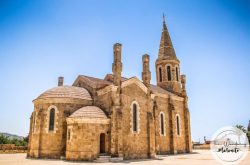
كنيسة مار سركيس وباخوس - كفرعبيدا بوشر بناء الكنيسة سنة ١٩١٢ على أنقاض كنيسةٍ صغيرة أقدم، هندستها فريدة نيو رومانيّة تعلوها قبة مسدّسة. عام ١٩٨٨ رمّمت الكنيسة والساحة بما يتناسب مع الهندسة المعماريّة، وأضيفت إليها مجموعة من الزجاجيّات. تحوي الكنيسة على لوحةٍ قديمةٍ لمار سركيس وباخوس للفنّان كنعان ديب تعود لسنة ١٨٤٤.
The church of Sts Sergius and Bacchus - Kfarabida
The church was built over an older one in 1913, according to a neo romanesque style with a heptagonal bell tower. In 1988 the church and the place were renovated and stained glass windows decorated the building. The church contains an old painting of Sts Sergius and Bacchus by Kanaan Dib dating back to year 1844.
Deir Mar Botros Wa Boulos - Qattine, Qatin, Lebanon
دير مار بطرس وبولس
Deir El Qattine
Jezzine
South
دير مار بطرس وبولس - قطّين
بناه المطران سمعان عوّاد الحصروني سنة ١٧٣٦ أيّام حبريّة البطريرك يوسف ضرغام الخازن، وكان مزرعةً صغيرة. سلّم المطران الدّير للرهبانيّة الأنطونيّة المارونيّة سنة ١٧٦٠، فبنى الرهبان الكنيسة ووسّعوا الدّير واستُخدم فترة قصيرة كدير للراهبات العابدات الأنطونيّات. سنة ١٨٦٠ تعرّض الدّير للتخريب إبّان الأحداث الطائفيّة. أعيد ترميمه ليخدم رسالته وجلبت للكنيسة لوحة إيطاليَة لمار بطرس وبولس مع الذخيرة الرسوليّة. سنة ٢٠١٧ بنيت بقرب الدّير محبسة مكرّسة لمار يوسف حارس الفادي.
The monastery of Sts Peter and Paul - Qattyn
The monastery was built in 1736 by bishop Gebrayel Awad from Hassroun, and consisted of a small farm. In 1760 the bishop handed over the monastery to the Antonine Maronite Order, who enlarged the building and built the church. The monastery was shortly used as a nunnery for solitary Antonine nuns. The monastery was devastated in the war of 1860. After the war it was renewed, an Italian painting and the apostolic relic where brought from Rome and enshrined in the church. In 2017 a hermitage dedicated to St Joseph the guardian of the Redeemer was built near the monastery.
على تلة مشرفة في البلدة ترتفع قلعة عسكرية حصينة. وتعلو القلعة حوالى 500 متر عن سطح البحر ويعود تاريخ بنائها الى ملوك جبيل الفينيقيين الذين اشتهروا بالقصور والقلاع المنحوتة بالصخر، ثم سكنها ملك بابل “بختنصر”. وثمّة تماثيل رومانيّة بأوشحتها المعروفة تدلّ على أنّ الرومان احتلوها وبنوا فيها هيكلًا بأعمدة ضخمة بقاياها مشتتة في نواح عدة من سمار جبيل، وفي الحائط الجنوبي لكنيستها الأثرية. وقد بنى فيها الرومان أيضًا مسرحًا يدعى الراميّة، وهو مفروش بالإسمنت القديم، كما بنوا معاصر موجودة في الجنوب الغربي من القلعة. في القلعة خندق منحوت في الصخر يُملأ بالمياه لمنع دخول الغزاة، وبرج مراقبة وطاقات لفوانيس. في التقليد القديم يُروى ان مار لوجيوس وهو شفيع العيون والمعروف لدى السريان بمار نوهرا، قصد بلاد البترون للتبشير، ونال اكليل الشهادة بقطع الرأس ورميه في أحد آبار هذه القلعة بالذات. هذا البئر مازال مقصودًا الى اليوم للتبرك بمائه العجائبي الشافي لأمراض العيون. كذلك يذكر تقليد آخر ان مار يوحنا مارون قصد القلعـة، يوم تعيينه أسقـفًا على البترون سنة 676، واختارهـا حصـناً له بعـد خراب دير مـار مارون في سوريا. ولمّا أصبـح بطريركـًا سنة 685 نُقل مقـرّه الى كفرحي وبنى فيها ديرًا. بعد سقوط الامبراطورية البيزنطية، تعاقب على القلعة العرب والصليبيون، وأتى بعدهم المماليك ثم العثمانيون. الحكام اللبنانيون قديماً كان لهم نصيب في هذه القلعة، حيث سكنها الشيخ أبو نادر الخازن الذي ولّاه الأمير فخر الدين على مقدّمي البلاد.
Built by the phonecian kings of Byblos on a hill overlooking the coastline, the castle was used by the Babylonian king Baktensar. Later on in the classical period, the romans built a temple inside of it with a large atrium, nowadays the columns of the atrium are scatered all around the village and in the walls of the historical church. The romans also built a theater, and a winery in the western side of the castle. A watch tower and a protective water trench were added in the late classical period for protection. According to tradition St Logius the patron saint of eye illness, also known as Nohra in the Syriac world, preached in the lands of Batroun. He was sentenced to death during the Diocletian persecution by beheading in the castle patio. His head was thrown in a well nearby, still visited for its miraculous eye healing waters. According to another tradition, the first Maronite patriarch St John Maroun, and when he became bishop of Batroun in 676, resided in the castle after the devastation of the monastery of St Maroun on the Orontes in Syria. After he was elected patriarch in 685 he moved again to Kfarhay where he built a new monastery. After the fall of the Byzantine empire the castle was occupied by the Arabs, the Crusarders, the Mamluks and the Ottomans. During the reign of prine Fakhredyn the Second, the first Christian regent of the land Aby Nader Al khazin took hold of the castle and made it his headquarter.



Reviews are disabled, but trackbacks and pingbacks are open.