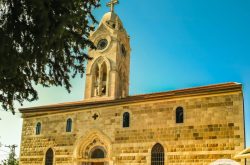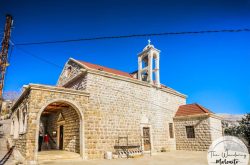

Bcharre – The old monastery of Prophet Elishah

Saint Elisha the Prophet, Bcharre - Tannourine Road, Lebanon

Other Details

دير مار أليشاع القديم

Bcharreh

Bcharre

North

دير مار أليشاع القديم - بشرّييقع الدير في وادي قنّوبين على السفح أسفل مدينة بشرّي. أولى الإشارات لوجوده تعود لسنة ١٣١٥، حين كان الدير مقرًّا لأساقفة بشرّي.سنة ١٦٤٣، قطنه الرهبان الكرمليّون وهم أوّل إرساليّة أجنبيّة خدمت الموارنة. سنة ١٦٤٤، توفّي فيه برائحة القداسة، الناسك الفرنسيّ فرانسوا دي شاستوي. سنة ١٦٩٥، تسلّمت الرهبانيّة الحلبيّة اللبنانيّة الناشئة الدير من اهالي بشرّي، فأعاد الرهبان بناءه، وأقاموا فيه مدرسةً، وجلبوا من حلب أيقونة مار أليشاع. في ١٠ تشرين الثاني ١٦٩٨ إنعقد فيه أوّل مجمع للرهبانيّة، وفيه وُضع القانون الرهبانيّ الذي ثبّته فيما بعد البابا أقليمنضوس الثاني عشر وأهدى بدوره الدّير بيت قربانٍ وذخيرة مار مارون. أصبح الدّير محبسةً بعد بناء الدّير الجديد سنة ١٨٧٤، وكان آخر حبسائه الأب أنطونيوس طربيه (+١٩٩٨). وهو اليوم محجّ ومقصد للعزلة والصلاة.The old monastery of Prophet Elishah - BcharreThe monastery is situated in the holy valley of Qannoubin, on a cliff underneath the city of Bcharre. The oldest signs of it’s existence date back to 1315 when it was the seat of Bcharre’s bishops.In 1643 it was the headquarters of the Carmelites, the first western missionaries to the Maronites.In 1644 the saintly hermit Francois de Chasteuil died and was buried in the monastic church.The newly founded Lebanese Aleppan Maronite took the monastery as it’s headquarter in 1695 and bought the icon of Prophet Elishah from Aleppo. On the 10th of November 1698 the first monastic council was held and the new monastic rules where promulgated. They where later acknowledged by Pope Clement XII who gave the monastery a tabernacle and a relic of St Maroun.The monastery was used as a hermitage after the construction of the new monastery in 1874. The last of the hermits was Father Antonios Torbey (+1998). The monastery is now a shrine for pilgrims who seek solitude.

Visited 2651 times, 1 Visit today
Reviews are disabled, but trackbacks and pingbacks are open.

Related Listings

Wadi Jezzine – The church of Our Lady

St. Mary Church - كنيسة السيدة, Wadi Jezzine, Lebanon

كنيسة السيّدة

Wadi Jezzine

Jezzine

South

كنيسة السيّدة - وادي جزّين

بُنيت الكنيسة الأولى أواخر القرن الثامن عشر وهي كنيسة صغيرة بسقف خشبيّ بهبة من الشيخ بشير جنبلاط. نجت هذه الكنيسة بأعجوبة من الخراب خلال أحداث ١٨٤٠ حين حاول المعتدون إحراق السقف الخشبيّ فلم يحترق وسنة ١٨٦٠ حين وريت بالضباب. سنة ١٨٩٠ أخذت الكنيسة شكلها الحاليّ، لكنّ البناء لم يكتمل إلّا سنة ١٩٠٣ بسعي أبناء البلدة في الأرجنتين. في الكنيسة لوحتان للسيّدة إحداهما تعود للقرن الثامن عشر، والأخرى تعود لسنة ١٩٠١ من عمل الياس الأسمر كرم.

The church of Our Lady - Wadi Jezzine

The first church was built in the XVIIIth century, it was a small church with a wooden ceiling, on a plot of land donated by Sheikh Bachir Joumblat. The church was miraculously saved from being burned in 1840, and was hidden by a thick fog from the eyes of the aggressors during the war of 1860. In 1890 the church took its final shape with a stone vaulted ceiling. the church was finally completed in 1903. The church holds two paintings of the Virgin Mary: an XVIIIth century icon , and another one from 1901 by Elias Asmar Karam.

Bane – The church of St George

St Georges Church, Bane, Lebanon

كنيسة مار جرجس

Bane

Bcharre

North

كنيسة مار جرجس - بان

هي كنيسة بان الرعائيّة، بُنيت أوائل القرن التاسع عشر موضع كنيستين صغيرتين على اسم مار اسطفان والأخرى على إسم مار نوهرا أقدم عهدًا، وبقي أثر أعتاب هاتين الكنيستين في الواجهة الحاليّة، وكرّس المذبحين الجانبيّين لشفاعة هذين القدّيسين. الكنيسة نمطها بازيليكيّ بثلاث أسواق تنتهي بثلاث مذابح رخاميّة نمطها نيوغوطيّ. رمّمت الكنيسة عدّة مرّاتٍ آخرها في العام ١٩٢٤ حين أخذ مدخل الكنيسة شكله الحاليّ، مع مدخلٍ جنوبيٍّ برتاجٍ ضخم. أواسط القرن العشرين تمّ بناء القبّة وهي من تصميمٍ إيطاليّ.

The church of St George - Bane

St George is the parish church of Bane, built in the XIXth century, over the ruins of two older smaller churches dedicated to Sts Stephen and Nohra. The entablature of the old churches were inserted into the new building, and the two side altars were dedicated to both saints respectively. The church is basilical with three naves ending with three marble neo gothic altars. The church was restored many times the last being in 1924 with the grand southern entrance and portico. In the mid XXth century the bell tower was added by an Italian architect.