Overview
Map
Other Details
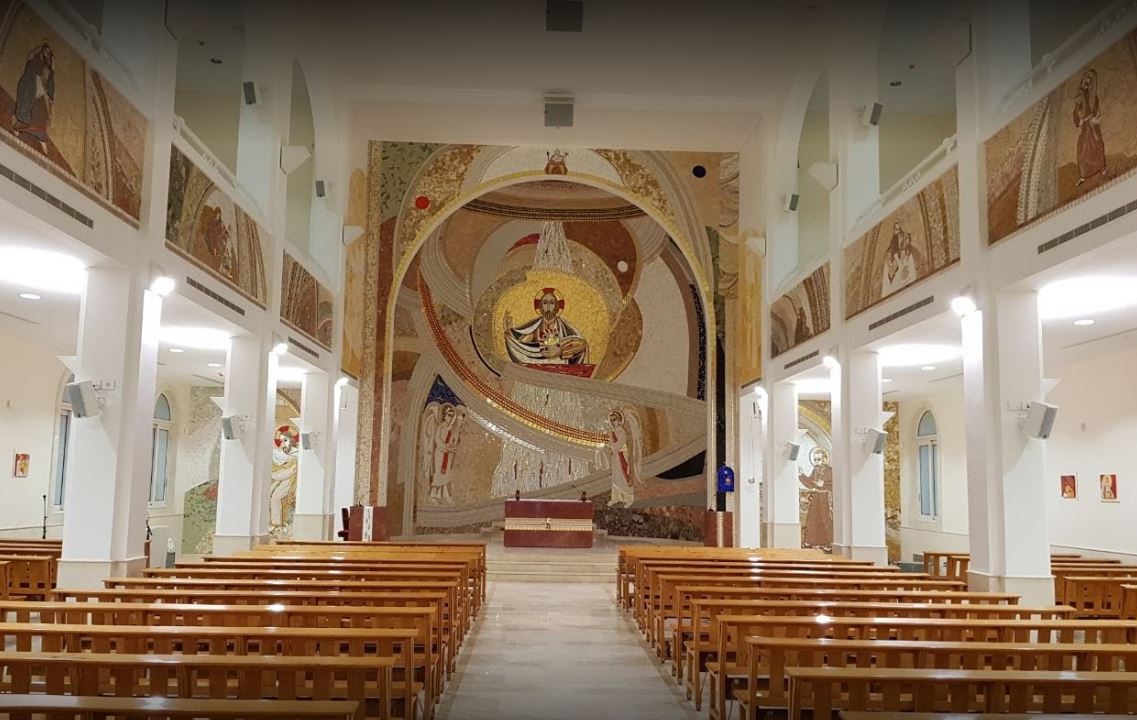
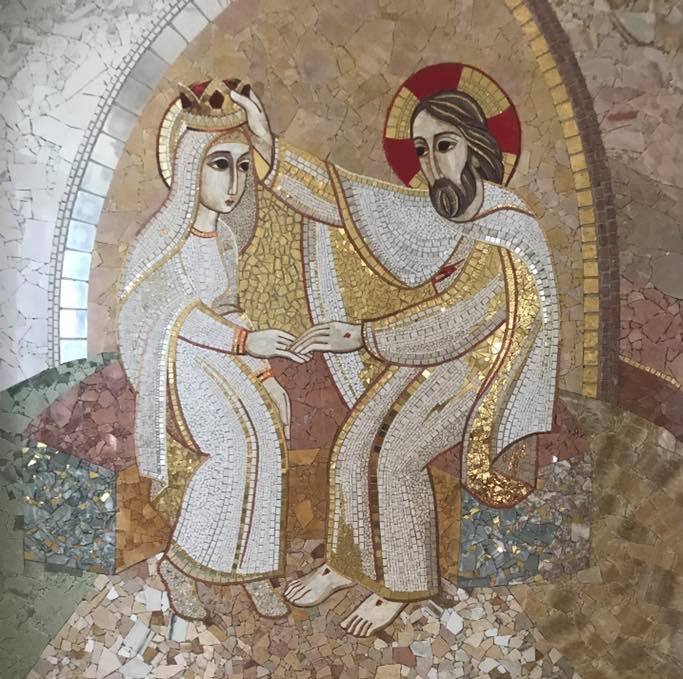
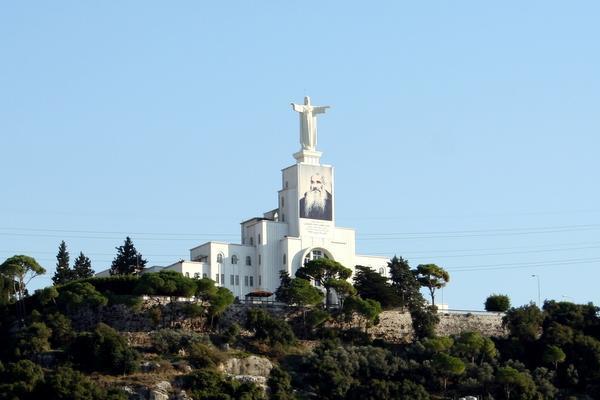
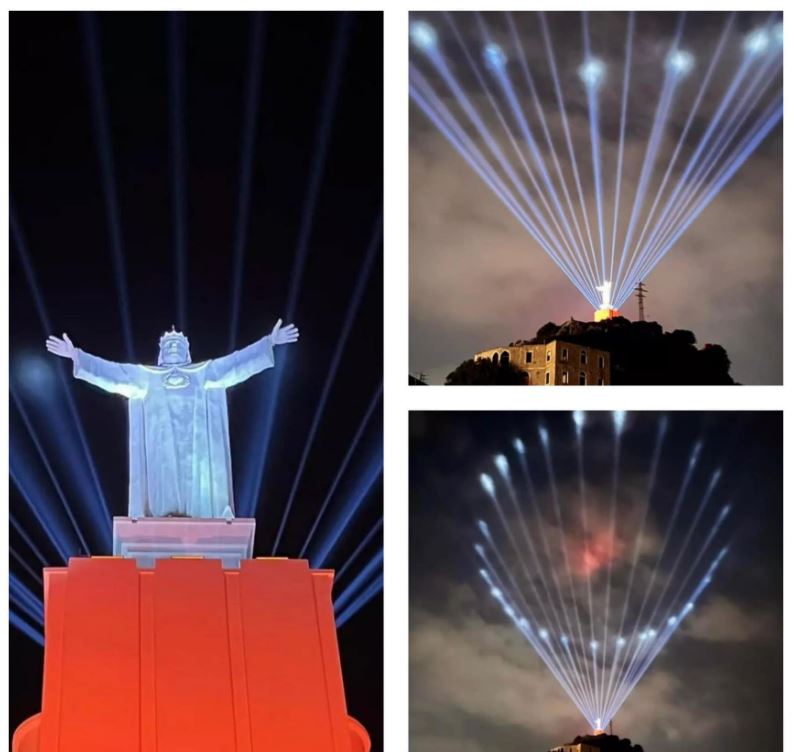
دير يسوع الملك
Zouk Mousbeh
Keserwan
Mount Lebanon
Visited 5154 times, 10 Visits today
Directory of Churches in Lebanon

Couvent du Christ Roi - دير يسوع الملك, Zouk Mosbeh, Lebanon
76-902 803
Sunday 10AM
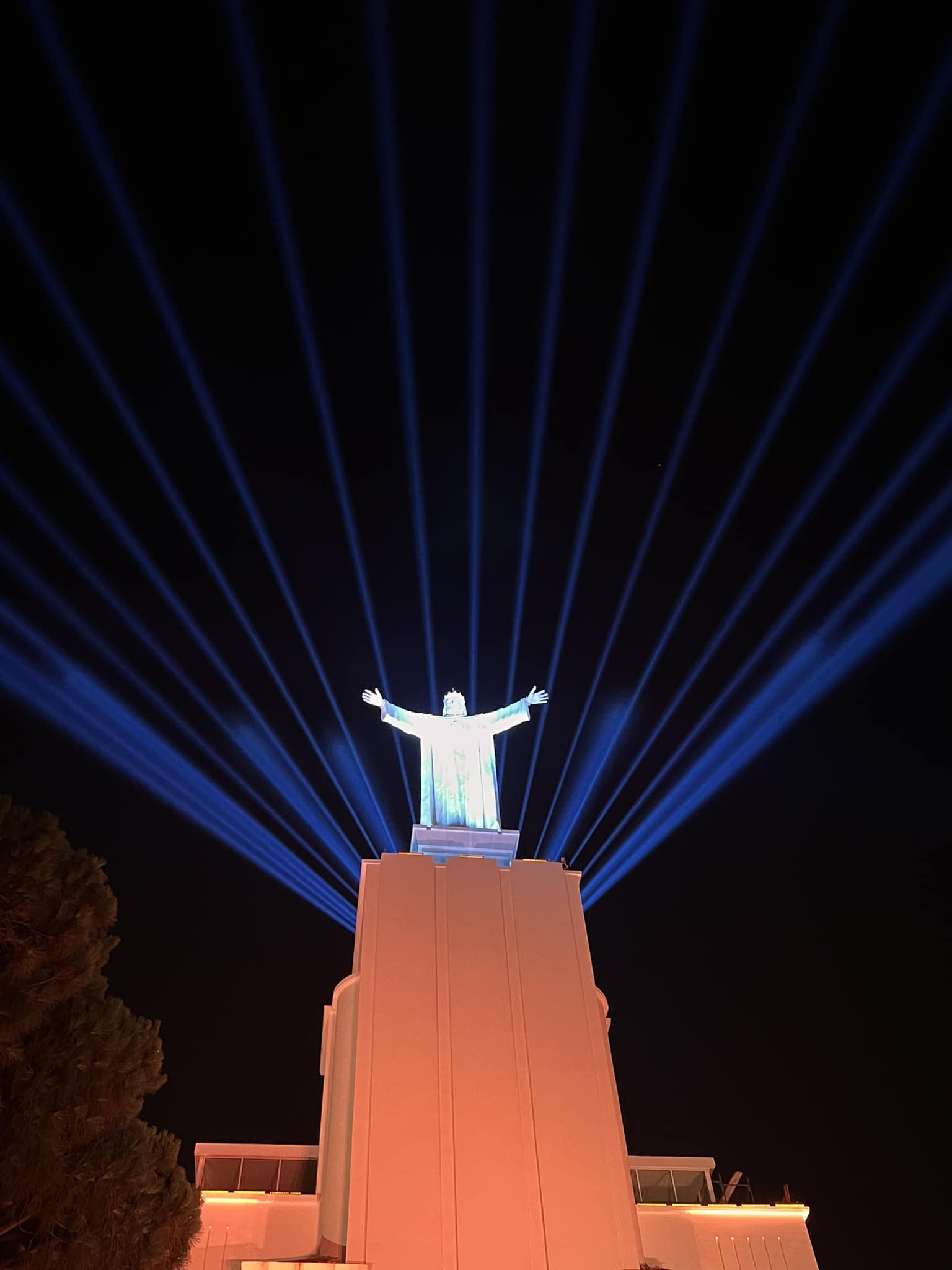
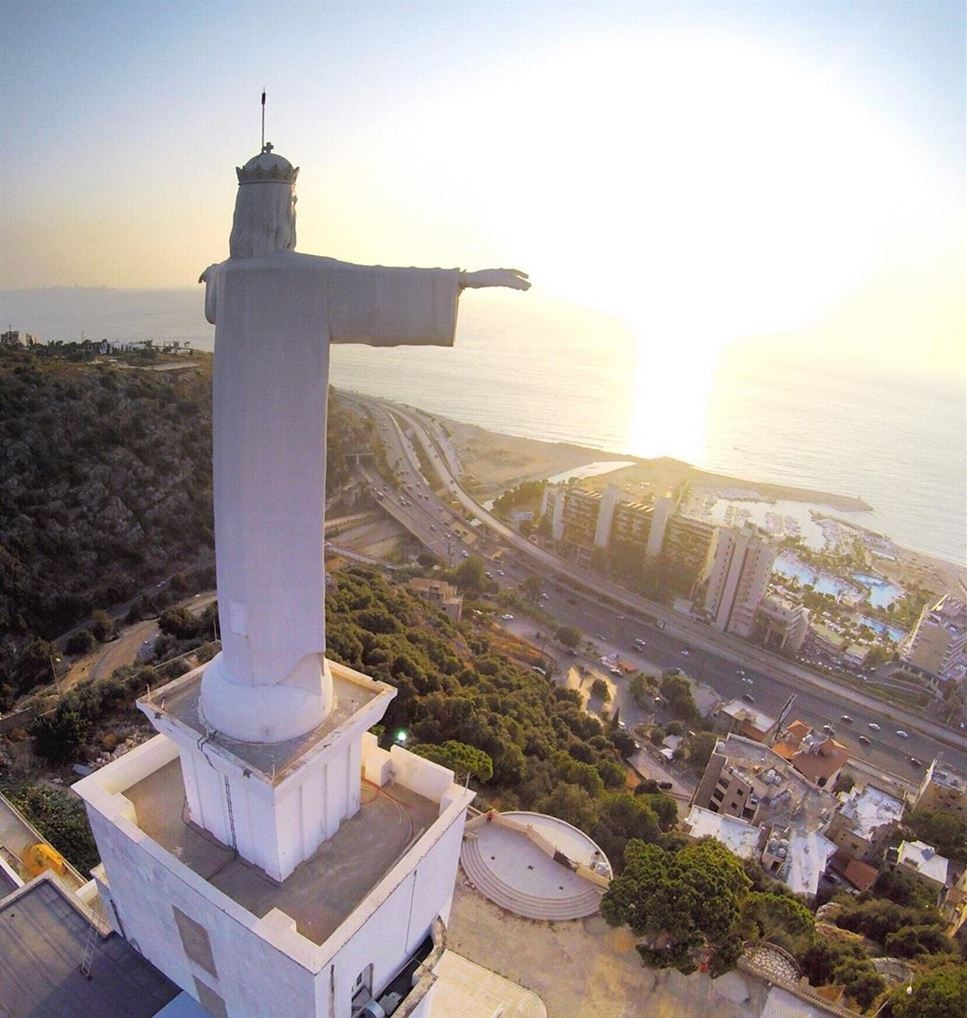
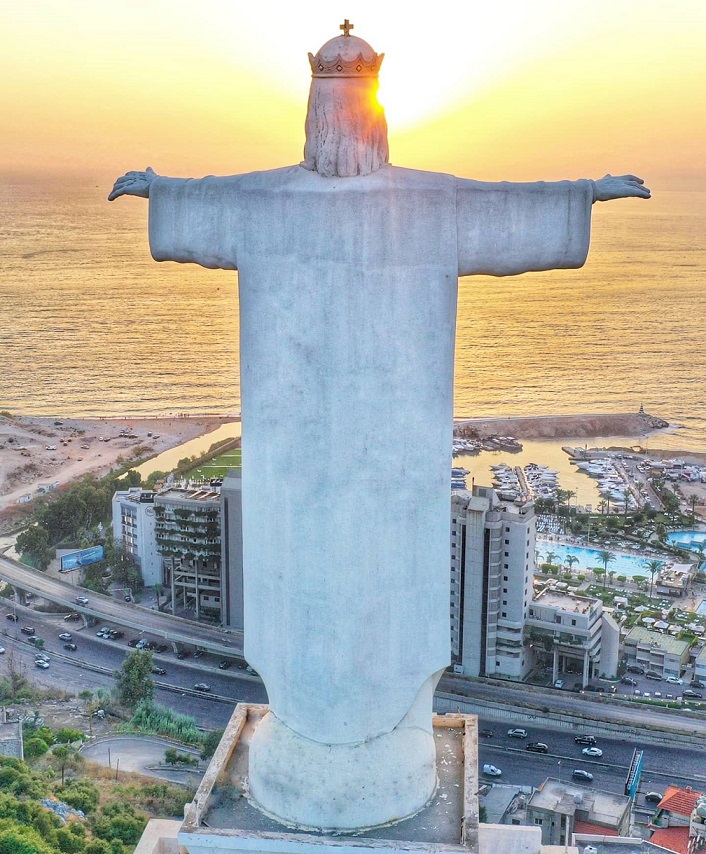



دير يسوع الملك
Zouk Mousbeh
Keserwan
Mount Lebanon
Visited 5154 times, 10 Visits today
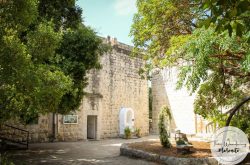
Saint Prophet Elisha Church - Aamchit, Aamchit, Lebanon
كنيسة مار أليشاع
Aamchit
Jbeil
Mount Lebanon
كنيسة مار أليشاع - عمشيت
سنة ١٨٠٧ بدأ بناء الكنيسة على يد فارس شاهين يوسف كرم، وكرّست سنة ١٨١٤. البناء كناية عن عقدٍ مُصالبٍ، مقسوم إلى قسمين مفصولين بشعريّة خشبيّة. سنة ٢٠٠٦ أثناء الترميم ظهرت في الكنيسة رسوماً جدرانية في حنية المذبح تعود إلى زمن بنائها. تضمّ الكنيسة مذبحًا إنعاميًّا مُغفّرًا من البابا لاون الثالث عشر. تحوي الكنيسة على لوحة لمار إليشاع من عمل جوستي، لوحة لمار شليطا من عمل عبدالله مطر اللحفدي ولوحة لمار روكز.
The church of St Elishah - Amshit
In 1807 the construction of the church began with Fares Chahin Youssef Karam, it was completed in 1814. The structure is a crossed vault cut in half with a wooden rood screen. In 2006 during restoration, XIXth century frescoes appeared in the apse. The high altar is a privileged altar by decree of pope Leo XIII. The church holds a painting by Josty depicting St Elishaa, a painting of St Chalita by Abdalla Matar El Lehfedy and a painting of St Roch.
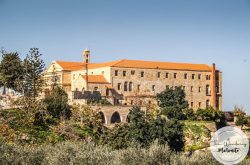
Mar Elias El Ras Monastere (Church), Mazraat El Ras, Lebanon
دير مار الياس الراس
Jaaita
Keserwan
Mount Lebanon
دير مار الياس الراس – جعيتا
تأسّس الدّير في مزرعة الراس بعد جلاء المماليك عن كسروان. عام ١٧٠٤ كان الدّير بعهدة القسّ بطرس صفرونيوس الحاقلانيّ من زوق مصبح، الذي ترهّب فيه مع رهبانه العبّاد.
قرّر المجمع اللبنانيّ المنعقد سنة ١٧٣٦ إلغاء الأديار المزدوجة، وفصل أديار الرهبان عن أديار الراهبات، وشدّد على أن يكون للراهبات قانون خاصّ. عند الإنتقال إلى مرحلة تطبيق مبدأ الفصل إتّفق القاصد الرسوليّ يوسف السمعانيّ مع المطران عبدالله قراعلي، على إنشاء دير قانونيّ يكون مثالًا وقدوة لسائر أديار الراهبات في دير ما الياس الراس. وهكذا آل الدير إلى الرّهبانيّة اللبنانيّة المارونيّة.
باشر الرهبان، بعد استلام الدّير، بناء كنيسةٍ ودير مخصّص لسكن راهبات محصّنات فبني الدّير الجديد مع كنيسته الكبيرة. فُتحت أبواب الدير في ٦ كانون الثاني ١٧٤٠. ولا يزال إلى اليوم واحة صلاةٍ وتأملٍ، ومزارًا يقصده المؤمنون من كلّ حدبٍ وصوب.
The convent of St Elias el Ras - Jeita
The convent was built in the farm of El Rass after the Mamluks left Keserwan. In 1704 the convent was under the custody of Boutros Safronius el Haklany, a monk from Zouk Mosbeh. In 1736 the Lebanese Council dictated that nunneries shall be separated from monks' monasteries, thereby abolishing mixed monasteries, and giving nuns their own convents and rules. When it was time to apply the new rules, Monsignor Youssef El Semaany, the papal nuncio, and Bishop Abdallah Qaraaly, decided to give St Elias’s convent to the nuns of the newly formed Lebanese Order. It was decided to build a new convent suitable for contemplative nuns with a big church. The new convent was consecrated on the 6th of January 1740, and is still a haven for prayer and meditation, and a shrine for all pilgrims.
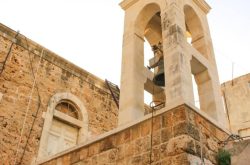
St. Aquilina Chapel (Aquilina the Martyr Saint of Byblos), Byblos, Lebanon
كابيلّا الشهيدة أكويلينا
Jbayl
Jbeil
Mount Lebanon
كابيلّا الشهيدة أكويلينا - جبيل
القدّيسة أكويلينا شهيدة من مدينة جبيل استشهدت فيها بعمر اثنتي عشر سنة، سنة ٢٩٣. دُفِنَت ذخائرها خارج مدينة جبيل، في المزار المُشيَّد على اسمها والواقع على تلّة قصّوبا شرقيّ المدينة بحسب المستشرق ارنست رينان. رسم لوحتها سمعان سمعان المصوّر المعروف بسمعان سارة أواخر سنة ١٩٥٣ بسعي الأب أنطونيوس زغيب الذي نشر إكرام القدّيسة. الكابيلّا بنيت أيّام رئاسة الأب يوحنّا وهبه على أنطوش جبيل في سوق جبيل القديم، سنة ١٩٨٢. وهو مزارها في قلب المدينة ومحجًّا لطلب شفاعتها.
The Chapel of St Aquilina - Byblos
St Aquilina is a twelve year old martyr from Byblos who died in 293. Her relics were buried in a small shrine on the hill of Qassouba in the vicinity of the city according to the orientalist Ernest Renan. The painting is the work of Semaan Semaan also known as Semaan Sara dating back to 1953, commissioned by Fr Antonios Zgheib who promulgated the devotion to the saint. The chapel was built when Fr Youhanna Wehbe was the rector of Byblos’s presbytery in 1982. The chapel is a pilgrimage site to all those seeking the martyr’s intercession.
Reviews are disabled, but trackbacks and pingbacks are open.