
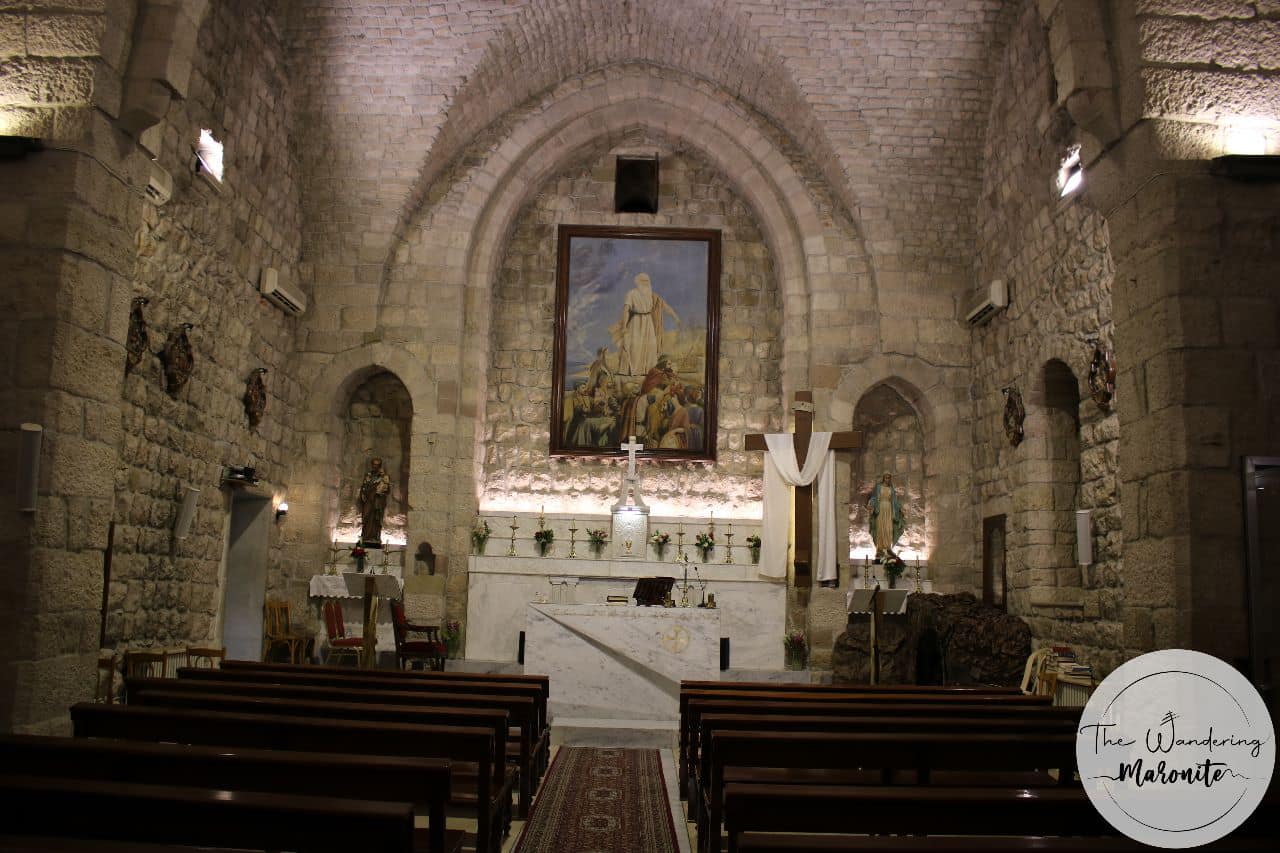
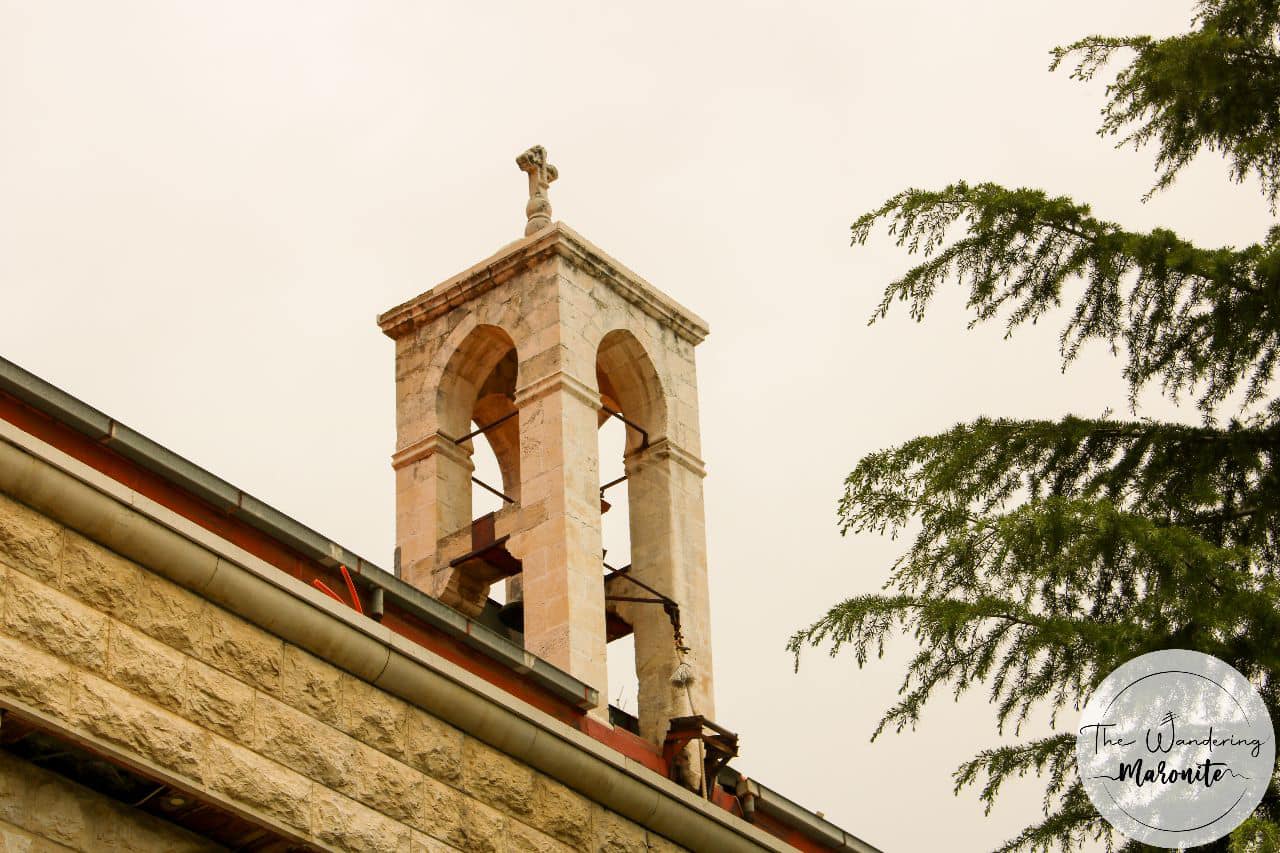
Zahle – The church of St Elijah Wadi el Arayesh

St.Elias church, Zahlé, Lebanon

Other Details

كنيسة مار الياس وادي العرايش

Zahlé Mar Elias

Zahle

Bekaa

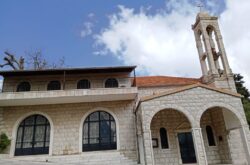
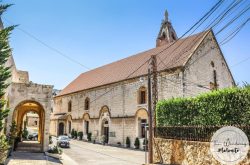
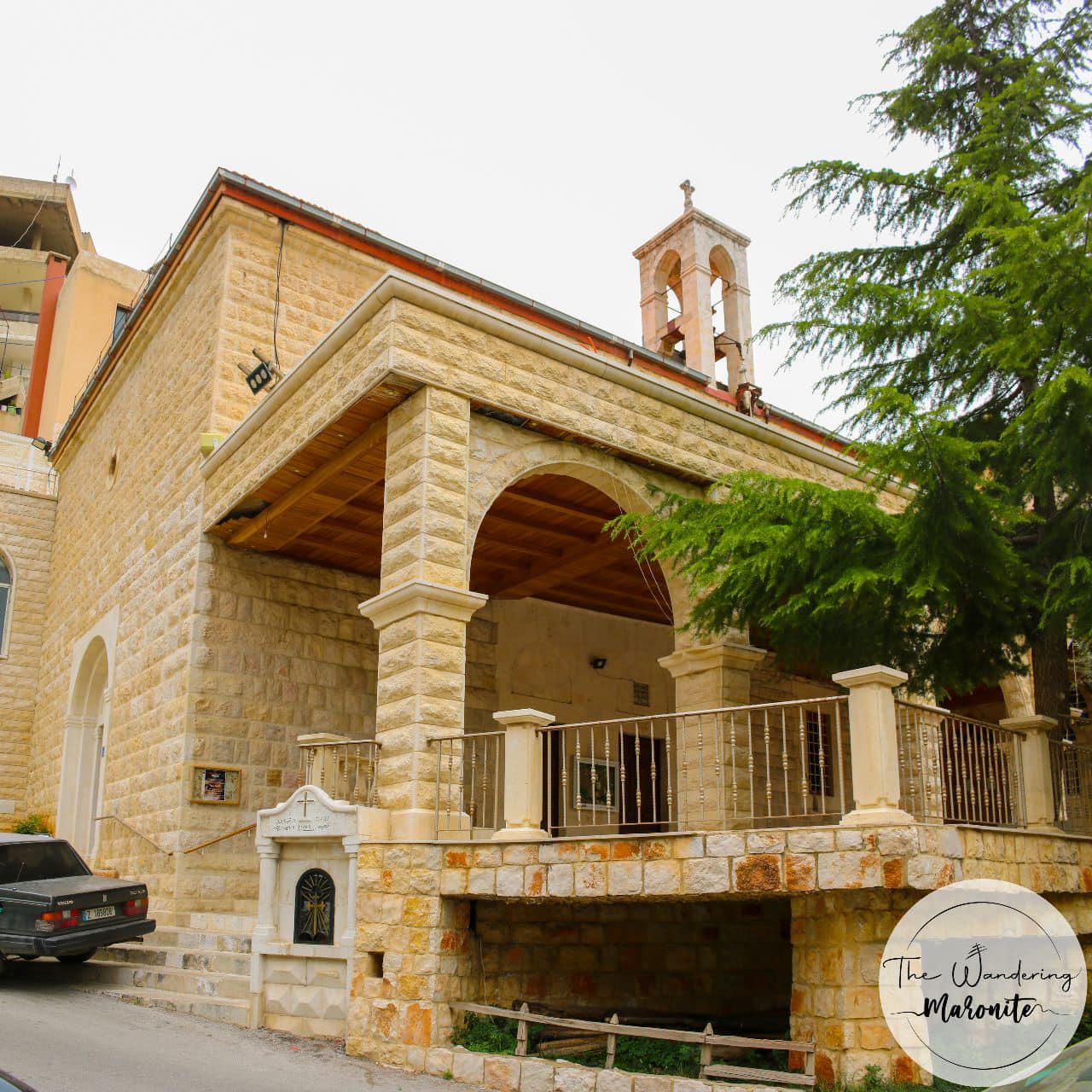
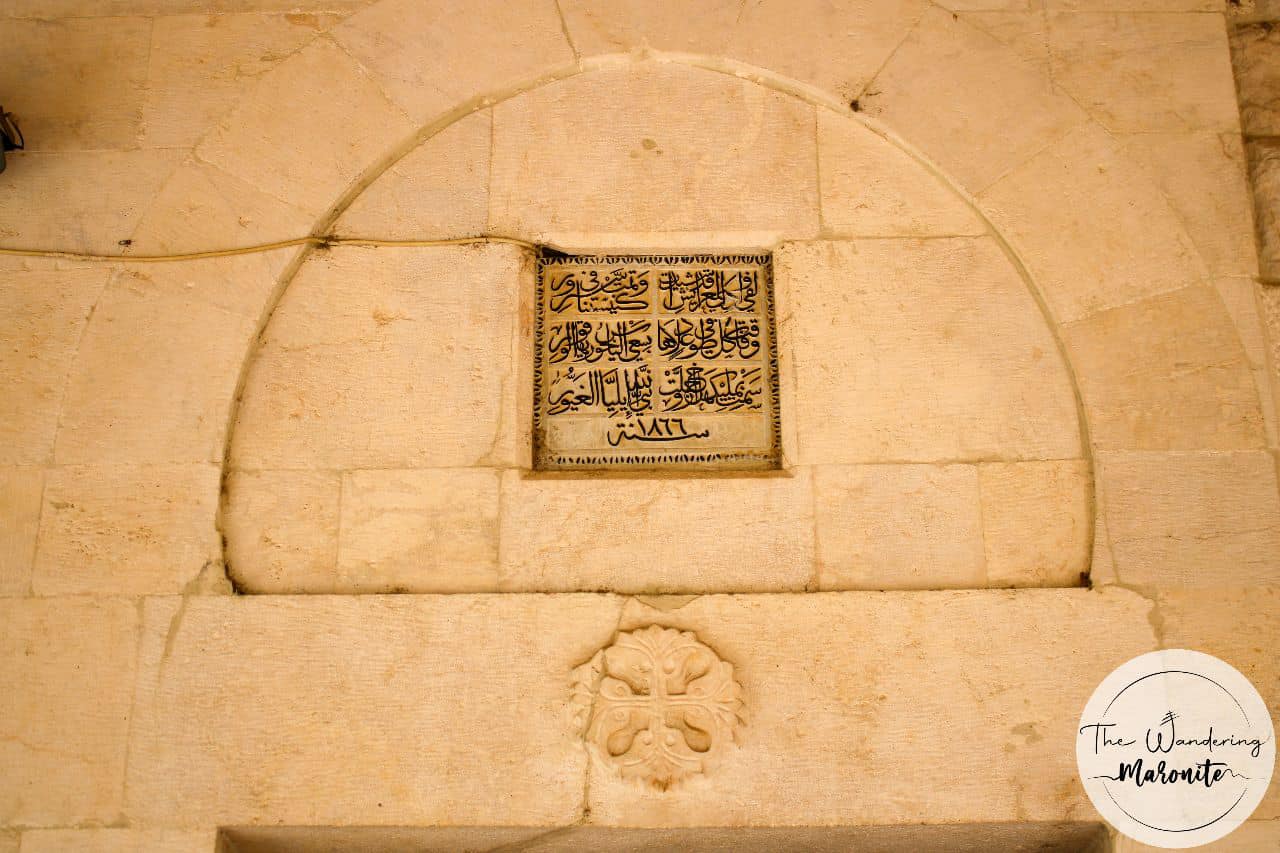
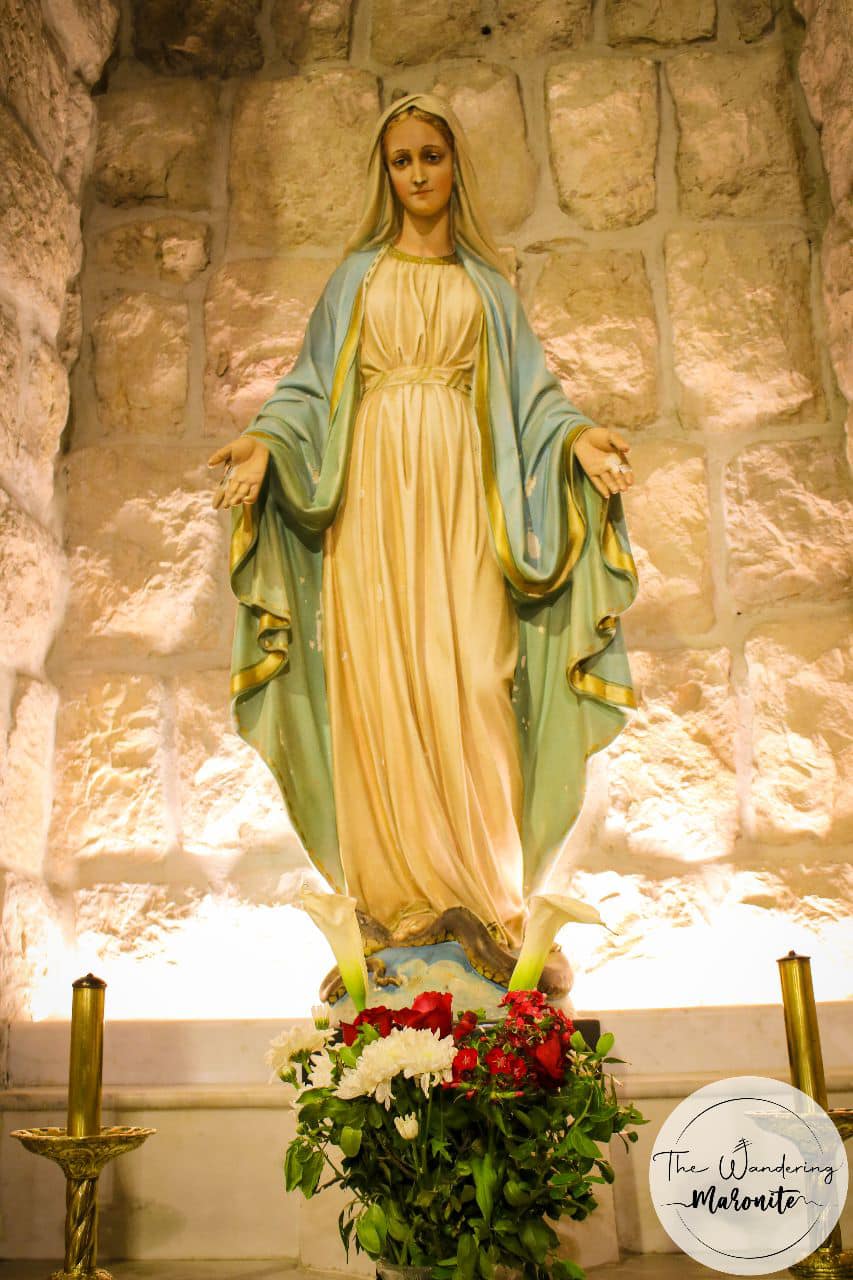
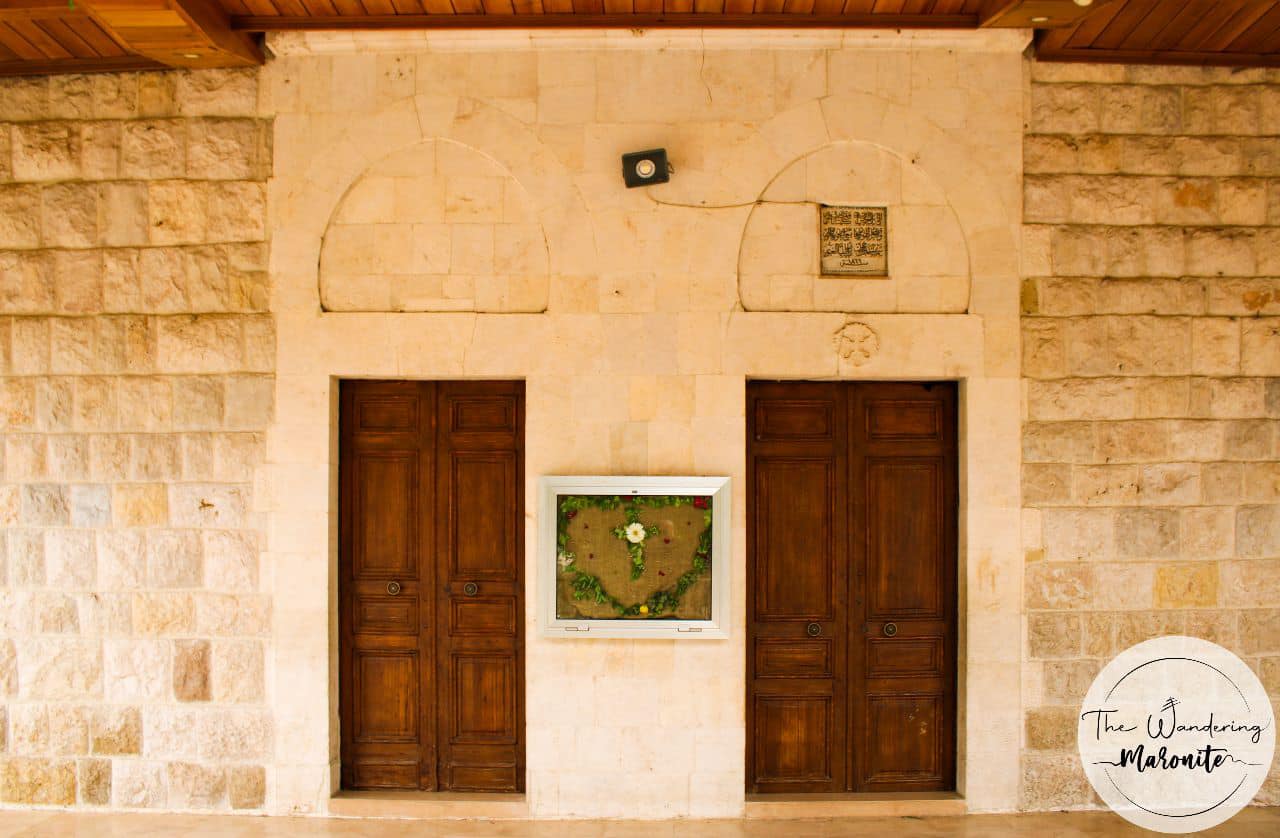
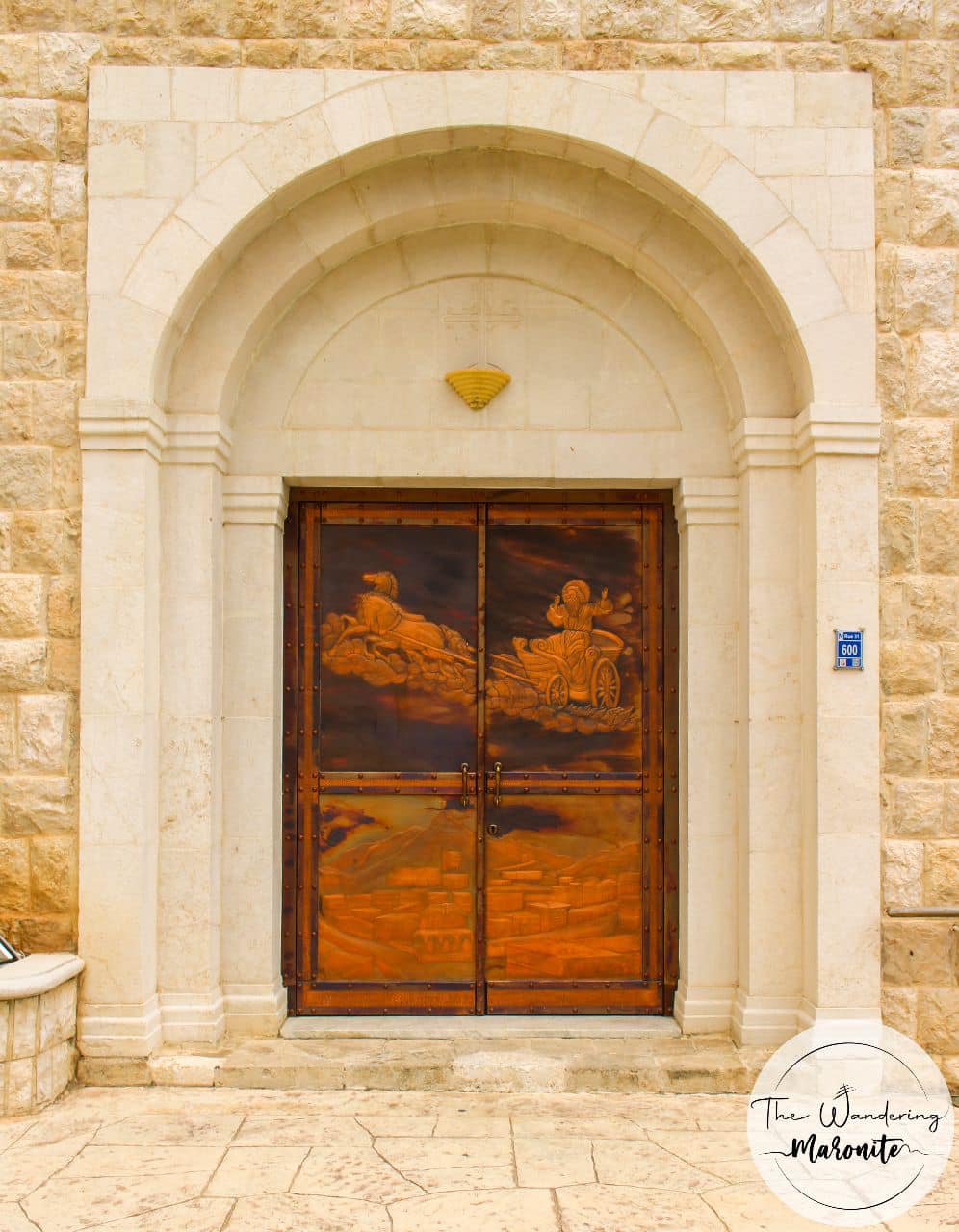
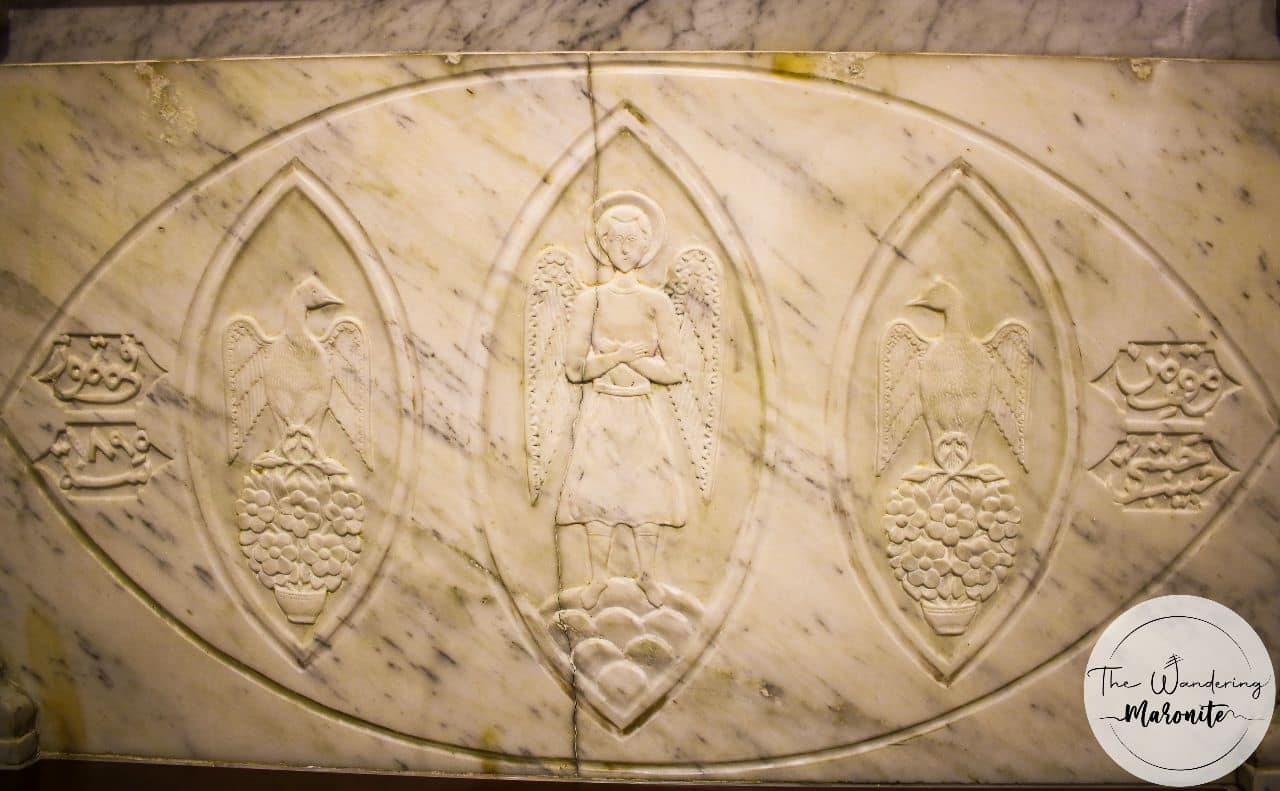
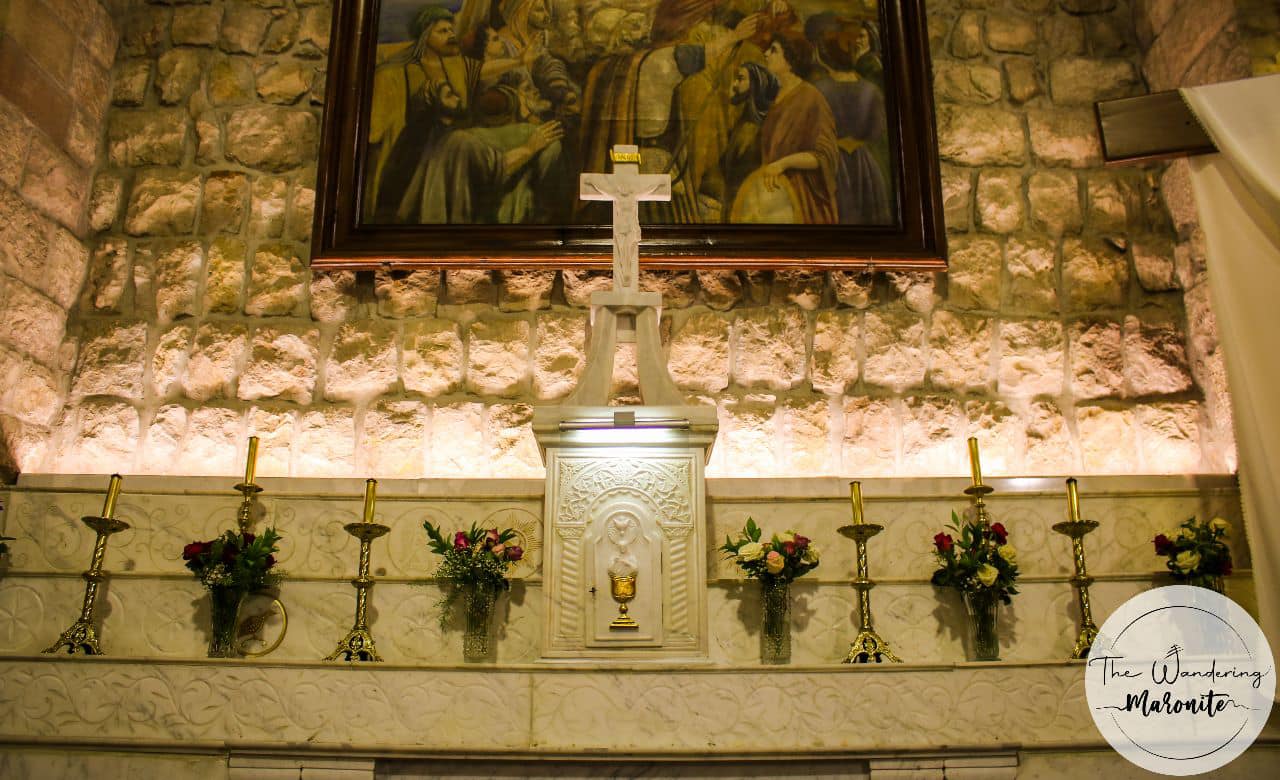
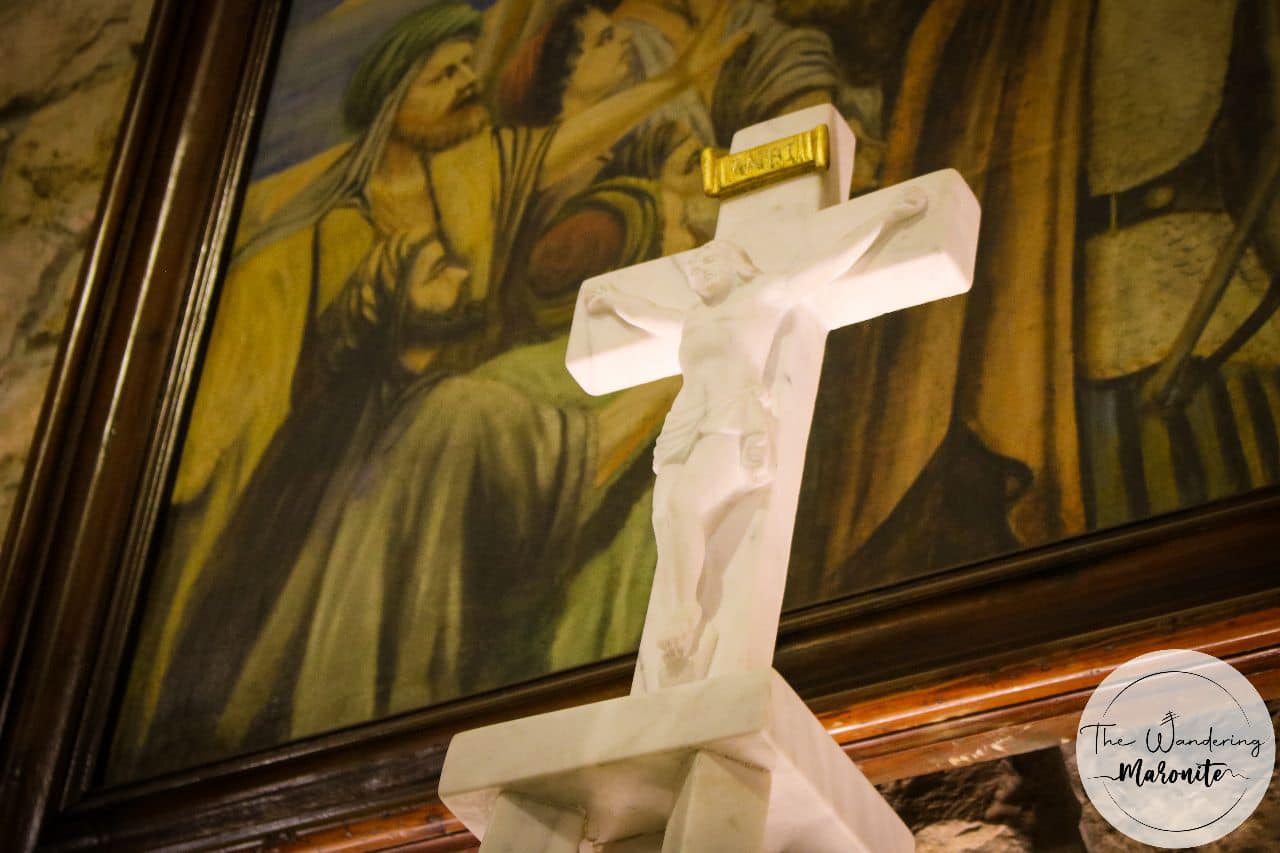
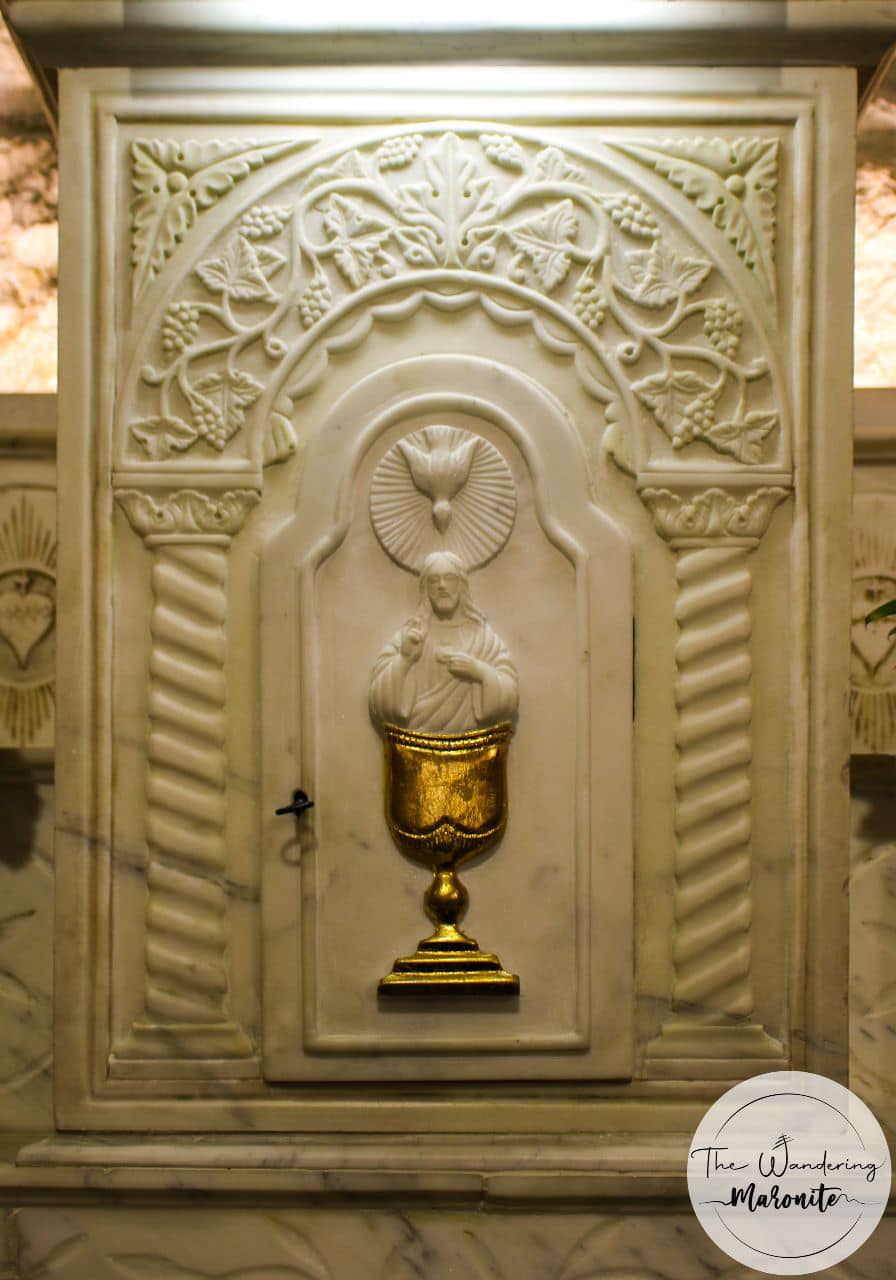
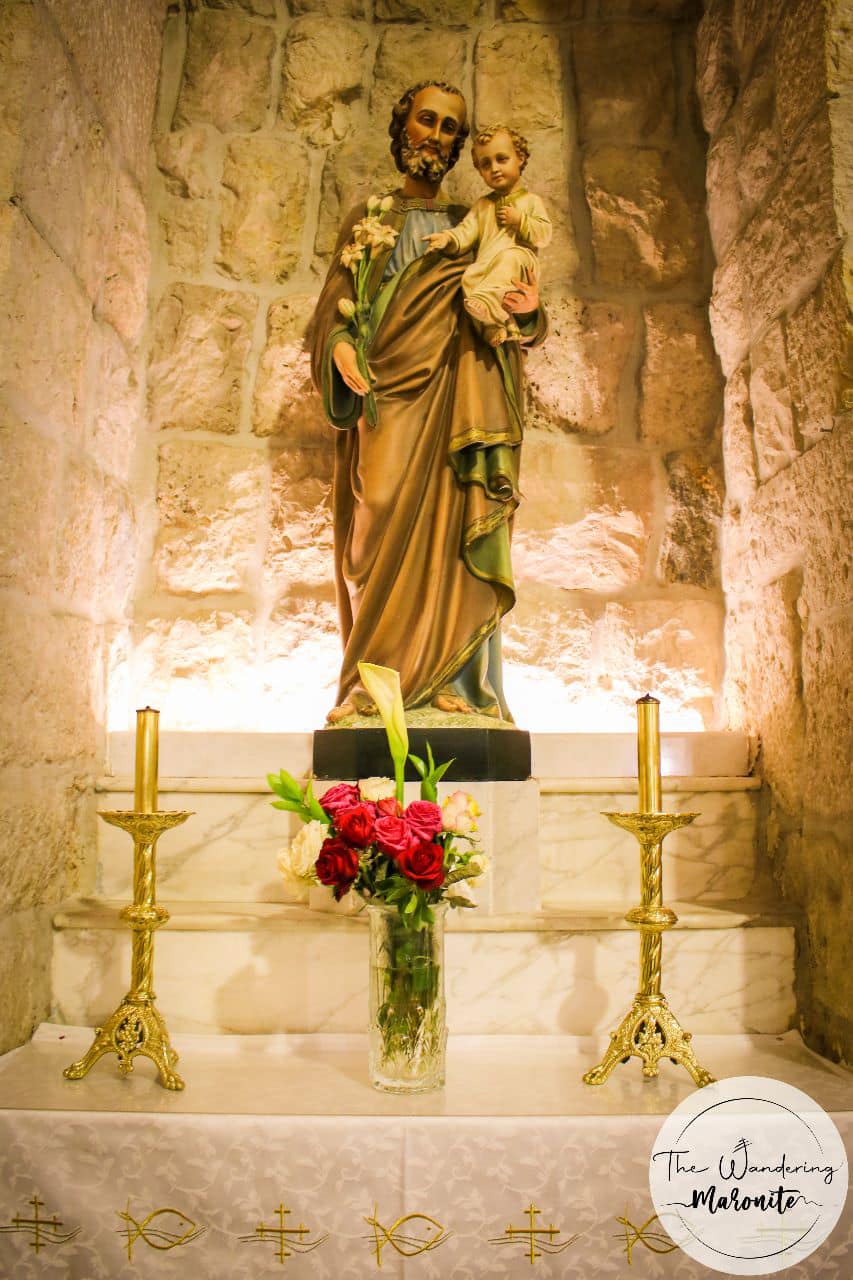
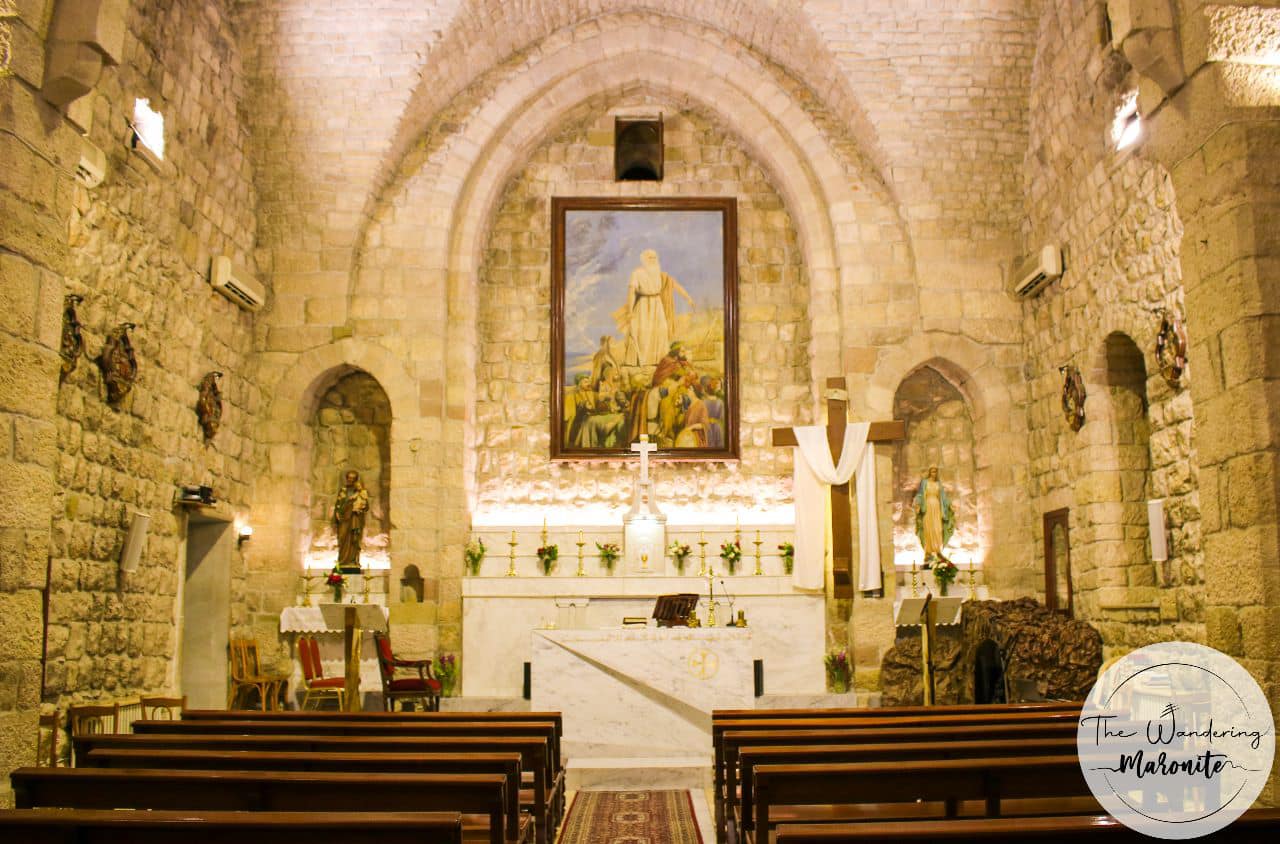
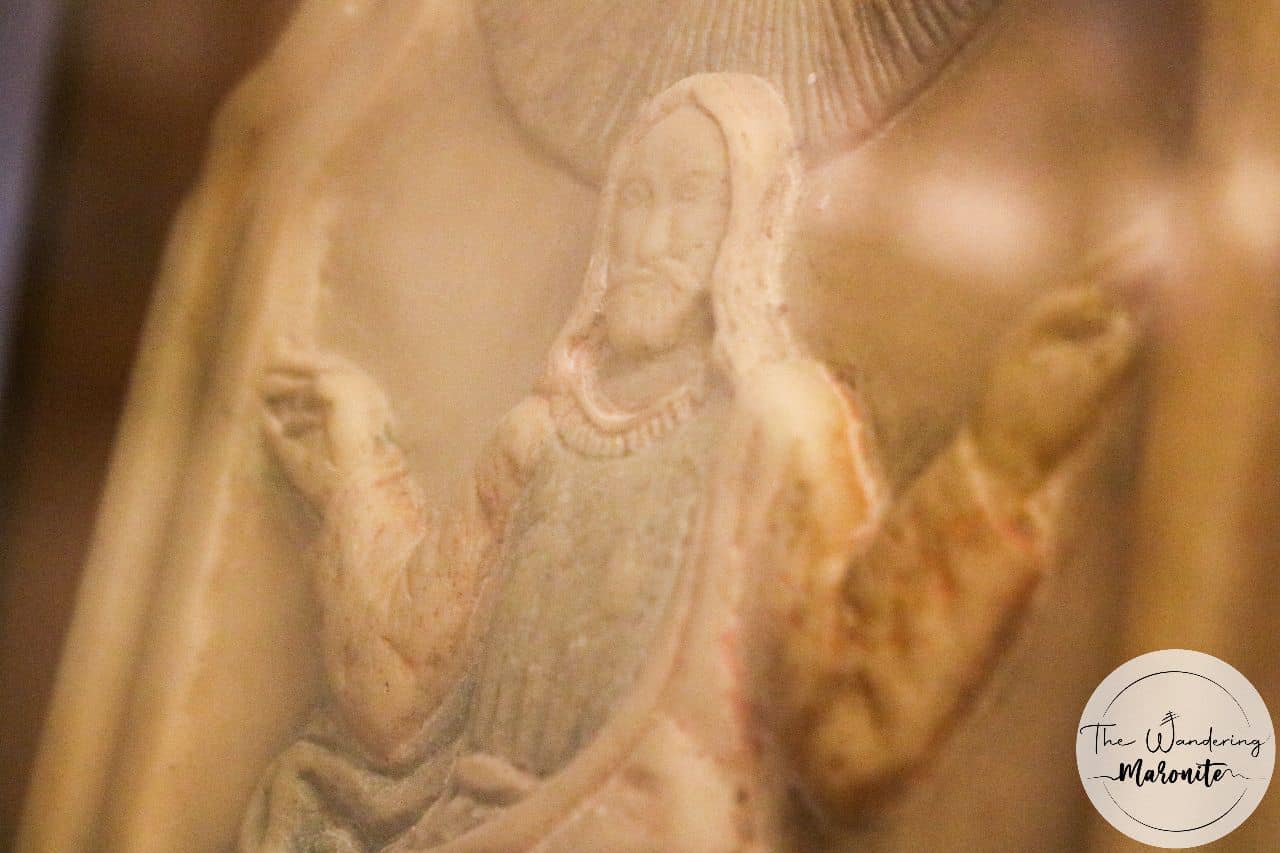
كنيسة مار الياس وادي العرايش - زحلة بُنيت الكنيسة سنة ١٨٦٦ بمسعى حبيب حريقة الذي إشترى الأرض عقب حوادث سنة ١٨٦٠. البناء مستطيل مسقوف. تحوي الكنيسة مذبحًا رخاميًّا منحوتًا، ولوحة لمار الياس. تضمّ الكنيسة العديد من المفارش التي تعود لأواخر القرن التاسع عشر. هي كنيسة محلّة وادي العرايش الرعائيّة. The church of St Elijah Wadi el Arayesh - Zahle The church was built in 1866 by Habib Harika who bought the land after the war of 1860. The church’s structure is roofed and contains a sculpted white marble altar. It also contains many holy furnishings from the late XIXth century. The church is Wadi el Arayesh’s Paris

Visited 10707 times, 3 Visits today

Reviews are disabled, but trackbacks and pingbacks are open.

Related Listings

Sarba el Nabatieh – The old church of Our Lady

Sarba, Al Janub, Lebanon

كنيسة السيّدة القديمة

Sarba En-Nabatieh

Nabatieh

Nabatieh

كنيسة السيّدة القديمة - صربا النبطيّة

كان البناء أساسًا جزءً تابعًا للقلعة العثمانيّة القريبة منه، إشتراه أهل البلدة وحوّلوه إلى كنيسةٍ كرّسها المطران بولس بصبوص سنة ١٩١١. البناء كناية عن سوقٍ واحد مسقوفٍ بالقرميد. رُمّمت سنة ٢٠٠٥. تحوي الكنيسة لوحةً للعذراء محليّة الصنع تعرّضت للضرب بالرصاص خلال الحرب العالميّة الأولى.

The old church of Our Lady - Sarba el Nabatieh

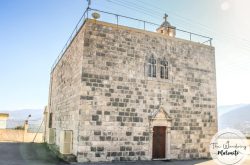
The building was originally a part of the nearby Ottoman castle, the villagers bought it and converted it into a church that was consecrated by Bishop Boulos Basbous in 1911. The church consists of a single nave with a brick roof, it was renovated in 2005. In the church is displayed a local painting of the Madonna that holds marks of Ottoman bullets from World War I.

The Valley of Qannoubine – The monastery of St Aboun

دير مار آبون, Wadi Qannoubine, Lebanon

دير مار أبون

Ouadi Qannoubine

Bcharre

North

دير مار أبون - وادي قاديشا

هو دير مار يوحنّا القصير الملقب بأبون أحد آباء الصحراء. يتكوّن الدّير من كنيسةٍ وعدّة قلالي. تقع الكنيسة داخل مغارة وهي على نسق البازيليك في البناء، والأكبر بين كنائس الوادي. أوّل ذكر للدّير يعود إلى القرن الثاني عشر، عندما أفاد البطريرك اسطفان الدويهيّ أن "هذا الدير كان مديرًا لجميع النساك في منطقة بشراي" . جعله البطريرك يعقوب الحدثي مقرًّا له سنة ١٤٤٥. بقي الدّير مأهولاً للقرن السابع عشر، وهو اليوم ضمن ورشة ترميم لإصلاحه وتجديده.

The monastery of St Aboun - The Valley of Qannoubine

The monastery is dedicated to St John the short an Egyptian desert father known to the syriacs as Aboun. The monastery consists of a basilical cave church, the largest one in the holy valley, and some adjacent cells. The first mention of the monastery is from the XIIth century when it was the head of all the monasteries and hermitages in the region of Bsharre according to Patriarch Estefan el Douaihy. In 1445 the monastery became the patriarchal residence of Patriarch Yaaqoub el Hadathi. The monastery fell into ruins at the end of the XVIIth century, today a plan for it’s restoration is undergoing.

Baalbek – The presbytery of our Lady of Perpetual Help

Saydet Maaounet, Baalbek, Lebanon

أنطوش سيّدة المعونات

Baalbek

Baalbek

Baalbek-Hermel

أنطوش سيّدة المعونات - بعلبك

سنة ١٨٥٩ حاز الأب دانيل الحدثي على قطعة أرضٍ قرب قلعة بعلبك من أمير المدينة سليمان حرفوش لبناء كنيسةٍ وأنطوش للرهبان. سنة ١٨٧٠ بُنيت الكنيسة وكُرّست وأصبحت الرعيّة المارونيّة في المدينة. الكنيسة كناية عن عقدٍ سريريّ إسمنتيّ مسقوفة، ولوحة السيّدة من عمل داود القرم. هُجّر الأنطوش خلال الحرب اللبنانيّة من سنة ١٩٨٤ إلى سنة ١٩٩٥. عندما عاد الرهبان إليه رمّموا الأنطوش والكنيسة ليستمرّ بمهامه الرعائيّة.

The presbytery of our Lady of Perpetual Help - Baalbek

In 1859, Father Daniel Al-Hadathi acquired a piece of land near the Citadel of Baalbek from the governor of the city, Suleiman Harfush, to build a church and a presbytery for the monks. In 1870, the church was built and consecrated, and it became the Maronite parish in the city. The church is basilical with one nave and a crib concrete vault. The painting of the lady is drawn by Daoud Al Qorm. The presbytery was abandoned during the Lebanese war from 1984 to 1995. When the monks returned, they restored the buildings so that they could continue their pastoral duties.