
Zahle – The Church of St. Rafqa

Saint Rafka, Zahlé, Lebanon

Other Details

كنيسة القديسة رفقا

Zahlé Saydet En-Najat

Zahle

Bekaa

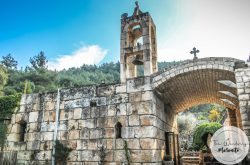
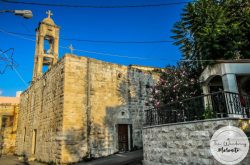
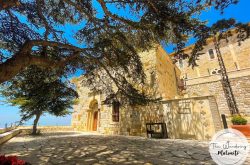
كنيسة القديسة رفقا - زحلة في أواخر القرن التاسع عشر، بدأت الإرسالية الأميركية الإنجيلية مهمّتها في مدينة زحلة. قامت هذه البعثة ببناء كنيسة بتصميم يشبه بيوت المدينة في تلك الحقبة الزمنية. في بداية القرن الحادي والعشرين، بعدما بدأ عدد المؤمنين بالانخفاض، تم شراء الكنيسة من قبل دير مار أنطونيوس الكبير التابع للرهبنة اللبنانية المارونية، وتحويلها إلى كنيسة مخصصة للقديسة رفقا. The Church of St. Rafqa - Zahle In the last decades of the 19th century, an American evangelical mission was established in Zahle. This mission built a church in the local architectural style of houses during that time. In the beginning of the 21st century, after the number of evangelicals began to dwindle, the church was bought by the Monastery of St. Anthony the Great of the Lebanese Maronite Order, who converted it into a chapel dedicated to St. Rafqa. Iglesia de Santa Rafka - Zahle En las últimas décadas del siglo XIX se estableció en Zahle una misión evangélica estadounidense. Esta misión construyó una iglesia según el estilo arquitectónico local de las casas de la época. A principios del siglo XXI, después de que el número de evangélicos empezara a disminuir, la iglesia fue comprada por el Monasterio de San Antonio el Grande de la Orden Libanesa Maronita, que la convirtió en una capilla dedicada a San Rafka.

Visited 8865 times, 5 Visits today

Reviews are disabled, but trackbacks and pingbacks are open.

Related Listings

Bcharre – The old monastery of Prophet Elishah

Saint Elisha the Prophet, Bcharre - Tannourine Road, Lebanon

دير مار أليشاع القديم

Bcharreh

Bcharre

North

دير مار أليشاع القديم - بشرّي

يقع الدير في وادي قنّوبين على السفح أسفل مدينة بشرّي. أولى الإشارات لوجوده تعود لسنة ١٣١٥، حين كان الدير مقرًّا لأساقفة بشرّي.
سنة ١٦٤٣، قطنه الرهبان الكرمليّون وهم أوّل إرساليّة أجنبيّة خدمت الموارنة. سنة ١٦٤٤، توفّي فيه برائحة القداسة، الناسك الفرنسيّ فرانسوا دي شاستوي. سنة ١٦٩٥، تسلّمت الرهبانيّة الحلبيّة اللبنانيّة الناشئة الدير من اهالي بشرّي، فأعاد الرهبان بناءه، وأقاموا فيه مدرسةً، وجلبوا من حلب أيقونة مار أليشاع. في ١٠ تشرين الثاني ١٦٩٨ إنعقد فيه أوّل مجمع للرهبانيّة، وفيه وُضع القانون الرهبانيّ الذي ثبّته فيما بعد البابا أقليمنضوس الثاني عشر وأهدى بدوره الدّير بيت قربانٍ وذخيرة مار مارون. أصبح الدّير محبسةً بعد بناء الدّير الجديد سنة ١٨٧٤، وكان آخر حبسائه الأب أنطونيوس طربيه (+١٩٩٨). وهو اليوم محجّ ومقصد للعزلة والصلاة.

The old monastery of Prophet Elishah - Bcharre

The monastery is situated in the holy valley of Qannoubin, on a cliff underneath the city of Bcharre. The oldest signs of it’s existence date back to 1315 when it was the seat of Bcharre’s bishops.
In 1643 it was the headquarters of the Carmelites, the first western missionaries to the Maronites.
In 1644 the saintly hermit Francois de Chasteuil died and was buried in the monastic church.
The newly founded Lebanese Aleppan Maronite took the monastery as it’s headquarter in 1695 and bought the icon of Prophet Elishah from Aleppo. On the 10th of November 1698 the first monastic council was held and the new monastic rules where promulgated. They where later acknowledged by Pope Clement XII who gave the monastery a tabernacle and a relic of St Maroun.
The monastery was used as a hermitage after the construction of the new monastery in 1874. The last of the hermits was Father Antonios Torbey (+1998). The monastery is now a shrine for pilgrims who seek solitude.

Bhorsaf – The monastery of St Joseph

Couvent Saint Joseph, Bharsaf, Lebanon

دير مار يوسف

Bhersaf

Metn

Mount Lebanon

دير مار يوسف - بحرصاف

شيّدت الرهبانيّة الأنطونيّة المارونيّة دير مار يوسف في بلدة بحرصاف، سنة ١٨٥١. خلال الحرب العالميّة الأول إحتلّ الجيش العثمانيّ الدّير. فتوسل الأب المدبّر يوسف الحاج بطرس ونسيبه الأب انطون إلى القائد رضا باشا كي لا تُدنّس الكنيسة، فشطب القائد صورة مار يوسف بسيفه وأمر ذلك الطاغية، فنفيا إلى الأناضول. ومات هناك الأب يوسف من جرّاء معاملات قاسية ونجا رفيقه بأعجوبة. أُعيدت الحياة إلى الدّير بعد رحيل العثمانيّين سنة ١٩١٨، فرُمّم وأُعيد تكريس الكنيسة. رُمّم الدّير مجدّدًا مع بداية القرن الحاليّ، وهو مستمرّ برسالته الروحيّة والرهبانيّة.

The monastery of St Joseph - Bhorsaf

The monastery was built in the town of Bahersaf by the Maronite Antonine monks in 1851. During World War I, the Ottoman army occupied the monastery. Fr. superior Youssef El Hajj Boutros, and his cousin, Father Anton, pleaded with the commander, Reza Pasha, to prevent the desecration of the church. Due to their plea, the tyrant ordered their immediate exile to Anatolia. Father Youssef died there due to harsh treatment, but his companion miraculously survived. The monastery was revived after the departure of the Ottomans in 1918, and the church was repaired and rededicated. The monastery was renovated again at the beginning of this century and continues with its spiritual and monastic mission.

Hardine – The Church of St. Chaina

Mar Shina Church parish, Hardine, Lebanon

كنيسة مار شينا

Hardine

Batroun

North

كنيسة مار شينا - حردين

أواسط القرن التاسع عشر أصبح أهالي حردين بحاجةٍ لكنيسةٍ رعائيّةٍ كبيرةٍ، فجاء بناء كنيسة مار شينا بعقدٍ مُصالب سنة ١٨٤٤. ومار شينا هو لقبٌ سريانيّ لأبراميوس الأنطاكي الذي كان لصًّا متنكرًا بزيّ راهبٍ أراد سرقة ديرٍ للراهبات فحدثت معجزة شفاءٍ غيّرت حياته من لصِّ إلى ناسك. هذه المعجزة خلدتها لوحة الكنيسة وهي من عمل الحبيس ليشع الحرديني شقيق القديس نعمة الله. رُمّمت الكنيسة سنة ١٩٩٨ بعد إعلان تطويب مار نعمة الله، وهي الكنيسة التي شهدت على طفولته وخدم مذبحها.

The Church of St. Chaina - Hardine

During the mid-19th century, the villagers of Hardin felt the need for a parish church. The construction of a magnificent cross-vaulted structure was completed in 1844. The church was dedicated to St. Chaina, a 4th-century thief named Abramius of Antioch, who, after attempting to raid a nunnery disguised as a monk, witnessed a miracle that led to his conversion. This miracle is depicted in a painting hanging in the church's apse, which was created by the hermit Fr. Lichaa el Hardini, the brother of St. Nematullah. The church was restored in 1998 following the beatification of Fr. Nematullah, who had been a child and an altar boy in this very church.